Event Instance
Modes
Levels of detail in the response - list, normal, detailed
Example - /events/?mode=list
Filters
Parameters - agency__ids, date__gt, date__gte, date__lt, date__lte, day, expedition__ids, id, last_updated__gte, last_updated__lte, launch__ids, month, program, program__ids, slug, spacestation__ids, type, type__ids, video_url, year
Example - /events/?type__ids=2,8
Search
Fields searched - name
Example - /events/?search=Flyby
Ordering
Fields - date, last_updated
Example - /events/?ordering=-last_updated
Number of results
Use limit to control the number of objects in the response (max 100)
Example - /events/?limit=2
Format
Switch to JSON output - /events/?format=json
Help
Find all the FAQs and support links on the documentation homepage - lldev.thespacedevs.com/docs
GET /2.3.0/events/35/?format=api
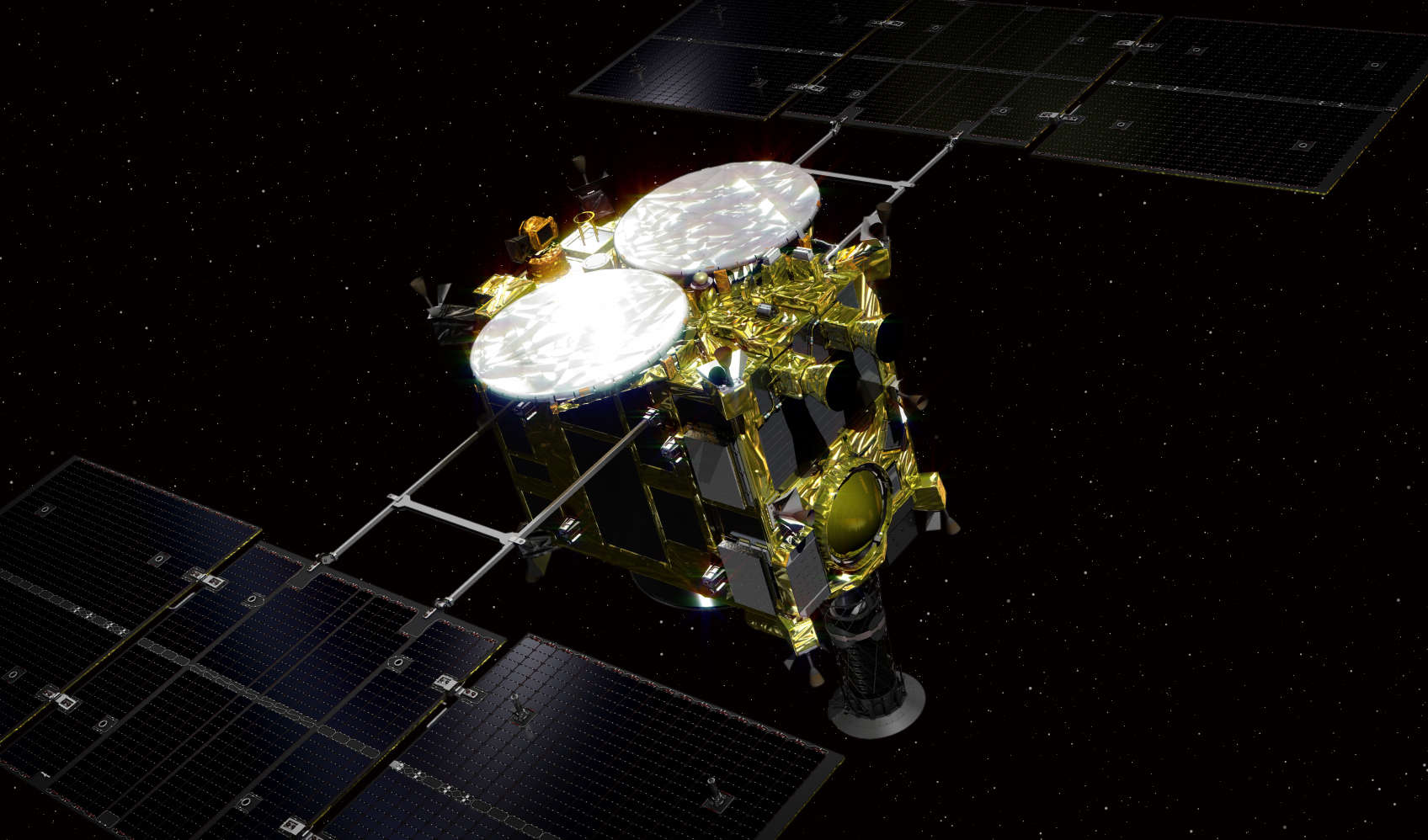
{ "id": 35, "url": "https://lldev.thespacedevs.com/2.3.0/events/35/?format=api", "name": "Hayabusa-2 Sample Returns to Earth", "info_urls": [ { "priority": 10, "source": "en.wikipedia.org", "title": "Hayabusa2 - Wikipedia", "description": "Hayabusa2 (Japanese: はやぶさ2, 'Peregrine falcon 2') is an asteroid sample-return mission operated by the Japanese state space agency JAXA. It is a successor to the Hayabusa mission, which returned asteroid samples for the first time in June 2010.[10] Hayabusa2 was launched on 3 December 2014 and rende...", "feature_image": null, "url": "https://en.wikipedia.org/wiki/Hayabusa2", "type": { "id": 1, "name": "Official Page" }, "language": { "id": 1, "name": "English", "code": "en" } } ], "vid_urls": [ { "priority": 10, "source": "youtube.com", "publisher": "JAXA相模原チャンネル", "title": "Mission Control Live:Hayabusa2 Capsule Reentry Operation", "description": "", "feature_image": "https://i.ytimg.com/vi/Dq_6FRV91Hs/maxresdefault.jpg", "url": "https://www.youtube.com/watch?v=Dq_6FRV91Hs", "type": { "id": 1, "name": "Official Webcast" }, "language": { "id": 1, "name": "English", "code": "en" }, "start_time": "2020-12-05T17:01:21Z", "end_time": "2020-12-05T18:34:33Z", "live": false } ], "image": { "id": 1041, "name": "Hayabusa-2 render", "image_url": "https://thespacedevs-dev.nyc3.digitaloceanspaces.com/media/images/hayabusa-22520sample2520returns2520to2520earth_image_20190729040322.jpg", "thumbnail_url": "https://thespacedevs-dev.nyc3.digitaloceanspaces.com/media/images/255bauto255d__image_thumbnail_20240305191449.jpeg", "credit": "JAXA", "license": { "id": 9, "name": "JAXA Image Usage Policy", "priority": 8, "link": "https://global.jaxa.jp/policy.html" }, "single_use": false, "variants": [] }, "date": "2020-12-05T17:52:00Z", "slug": "hayabusa-2-sample-returns-to-earth", "type": { "id": 9, "name": "Spacecraft Landing" }, "description": "When Hayabusa-2 flies past Earth in December 2020, it will release the capsule spinning at one revolution per three seconds. The capsule will re-enter the Earth's atmosphere at 12 km/s and it will deploy a radar-reflective parachute at an altitude of about 10 km, and eject its heat-shield, while transmitting a position beacon signal. The sample capsule will land at the Woomera Test Range in Australia.", "webcast_live": false, "location": "Earth", "date_precision": null, "response_mode": "detailed", "duration": null, "updates": [], "last_updated": "2024-03-05T17:29:27Z", "agencies": [], "launches": [], "expeditions": [], "spacestations": [], "program": [], "astronauts": [] }