Launch Instance
API endpoint that returns all Launch objects or a single launch.
EXAMPLE - /launch/
GET: Return a list of all Launch objects.
FILTERS: Fields - 'name', 'id(s)', 'lsp_id', 'lsp_name', 'serial_number', 'launcher_config__id', 'rocket__spacecraftflight__spacecraft__name'
MODE: 'normal', 'list', 'detailed' EXAMPLE: ?mode=list
SEARCH: Searches through the launch name, rocket name, launch agency, mission name & spacecraft name. EXAMPLE - ?search=SpaceX
GET /2.0.0/launch/85841db3-9422-4470-8327-0c42fc258987/?format=api
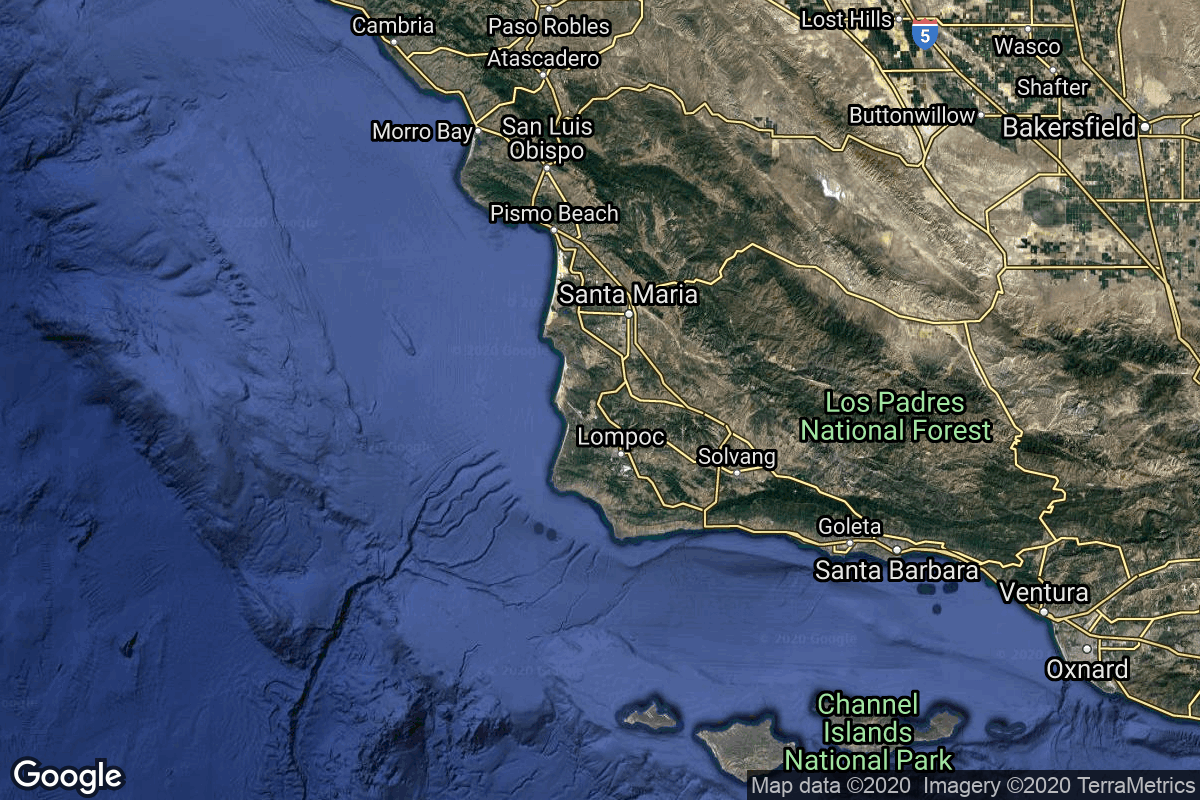
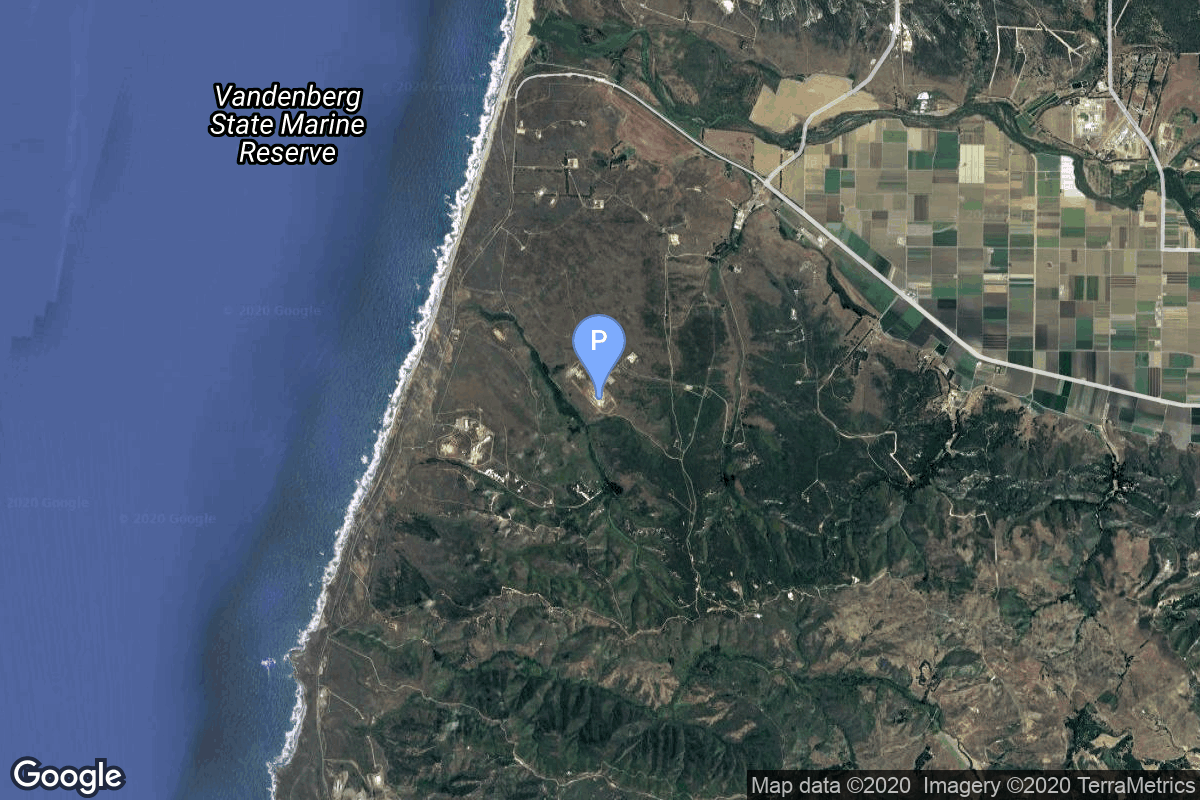
{ "id": "85841db3-9422-4470-8327-0c42fc258987", "url": "https://lldev.thespacedevs.com/2.0.0/launch/85841db3-9422-4470-8327-0c42fc258987/?format=api", "launch_library_id": null, "slug": "atlas-iias-terra", "name": "Atlas IIAS | Terra", "status": { "id": 3, "name": "Success" }, "net": "1999-12-18T18:57:39Z", "window_end": "1999-12-18T18:57:39Z", "window_start": "1999-12-18T18:57:39Z", "inhold": false, "tbdtime": false, "tbddate": false, "probability": null, "holdreason": "", "failreason": null, "hashtag": null, "launch_service_provider": { "id": 82, "url": "https://lldev.thespacedevs.com/2.0.0/agencies/82/?format=api", "name": "Lockheed Martin", "featured": false, "type": "Commercial", "country_code": "USA", "abbrev": "LMT", "description": "Lockheed Martin's Space Division started in the production of missiles and later ICBM's in the 1950s. Their TITAN missile system was used for 12 Gemini spacecraft and the Voyager probes. They have worked largely in collaboration with NASA on many of their probes, landers, and spacecraft, and hope to play a key role in NASA's return to the moon in 2024.", "administrator": null, "founding_year": "1953", "launchers": "Titan | Agena", "spacecraft": "Hubble | JUNO | InSight", "launch_library_url": null, "total_launch_count": 80, "consecutive_successful_launches": 38, "successful_launches": 77, "failed_launches": 3, "pending_launches": 0, "consecutive_successful_landings": 0, "successful_landings": 0, "failed_landings": 0, "attempted_landings": 0, "info_url": "https://www.lockheedmartin.com/", "wiki_url": "https://en.wikipedia.org/wiki/Lockheed_Martin", "logo_url": null, "image_url": null, "nation_url": null }, "rocket": { "id": 6959, "configuration": { "id": 255, "launch_library_id": null, "url": "https://lldev.thespacedevs.com/2.0.0/config/launcher/255/?format=api", "name": "Atlas IIAS", "description": "Atlas II was a member of the Atlas family of launch vehicles, which evolved from the successful Atlas missile program of the 1950s. It was designed to launch payloads into low earth orbit, geosynchronous transfer orbit or geosynchronous orbit. Sixty-three launches of the Atlas II, IIA and IIAS models were carried out between 1991 and 2004; all sixty-three launches were successes, making the Atlas II the most reliable launch system in history.", "family": "Atlas", "full_name": "Atlas IIAS", "manufacturer": { "id": 82, "url": "https://lldev.thespacedevs.com/2.0.0/agencies/82/?format=api", "name": "Lockheed Martin", "featured": false, "type": "Commercial", "country_code": "USA", "abbrev": "LMT", "description": "Lockheed Martin's Space Division started in the production of missiles and later ICBM's in the 1950s. Their TITAN missile system was used for 12 Gemini spacecraft and the Voyager probes. They have worked largely in collaboration with NASA on many of their probes, landers, and spacecraft, and hope to play a key role in NASA's return to the moon in 2024.", "administrator": null, "founding_year": "1953", "launchers": "Titan | Agena", "spacecraft": "Hubble | JUNO | InSight", "launch_library_url": null, "total_launch_count": 80, "consecutive_successful_launches": 38, "successful_launches": 77, "failed_launches": 3, "pending_launches": 0, "consecutive_successful_landings": 0, "successful_landings": 0, "failed_landings": 0, "attempted_landings": 0, "info_url": "https://www.lockheedmartin.com/", "wiki_url": "https://en.wikipedia.org/wiki/Lockheed_Martin", "logo_url": null, "image_url": null, "nation_url": null }, "program": [], "variant": "IIAS", "alias": "", "min_stage": 3, "max_stage": 3, "length": 47.54, "diameter": 3.04, "maiden_flight": "1993-12-16", "launch_mass": 204, "leo_capacity": 6580, "gto_capacity": 2810, "to_thrust": 4391, "apogee": null, "vehicle_range": null, "image_url": null, "info_url": null, "wiki_url": "https://en.wikipedia.org/wiki/Atlas_II", "total_launch_count": 30, "consecutive_successful_launches": 30, "successful_launches": 30, "failed_launches": 0, "pending_launches": 0 }, "launcher_stage": [], "spacecraft_stage": null }, "mission": { "id": 5348, "launch_library_id": null, "name": "Terra", "description": "The Terra (formally known as EOS-AM-1) satellite is the flagship of EOS. It provides global data on the state of the atmosphere, land, and oceans, as well as their interactions with solar radiation and with one another.", "launch_designator": null, "type": "Earth Science", "orbit": { "id": 13, "name": "Polar Orbit", "abbrev": "PO" } }, "pad": { "id": 24, "url": "https://lldev.thespacedevs.com/2.0.0/pad/24/?format=api", "agency_id": 161, "name": "Space Launch Complex 3E", "info_url": null, "wiki_url": "https://en.wikipedia.org/wiki/Vandenberg_Space_Launch_Complex_3#SLC-3E", "map_url": "https://www.google.com/maps?q=34.64,-120.5895", "latitude": "34.64", "longitude": "-120.5895", "location": { "id": 11, "url": "https://lldev.thespacedevs.com/2.0.0/location/11/?format=api", "name": "Vandenberg SFB, CA, USA", "country_code": "USA", "map_image": "https://thespacedevs-dev.nyc3.digitaloceanspaces.com/media/map_images/location_11_20200803142416.jpg", "total_launch_count": 924, "total_landing_count": 37 }, "map_image": "https://thespacedevs-dev.nyc3.digitaloceanspaces.com/media/map_images/pad_24_20200803143552.jpg", "total_launch_count": 48 }, "infoURLs": [], "vidURLs": [], "webcast_live": false, "image": null, "infographic": null, "program": [ { "id": 36, "url": "https://lldev.thespacedevs.com/2.0.0/program/36/?format=api", "name": "NASA Large Strategic Science Missions", "description": "NASA's large strategic science missions or large strategic missions, formerly known as Flagship missions or Flagship-class missions, are the costliest and most capable NASA science spacecraft. Flagship missions exist within all four divisions of NASA's Science Mission Directorate (SMD): the astrophysics, Earth science, heliophysics and planetary science divisions.", "agencies": [ { "id": 44, "url": "https://lldev.thespacedevs.com/2.0.0/agencies/44/?format=api", "name": "National Aeronautics and Space Administration", "type": "Government" } ], "image_url": "https://thespacedevs-dev.nyc3.digitaloceanspaces.com/media/images/nasa2520large_program_20240205122003.jpeg", "start_date": "1975-08-22T00:00:00Z", "end_date": null, "info_url": null, "wiki_url": "https://en.wikipedia.org/wiki/Large_strategic_science_missions" } ], "orbital_launch_attempt_count": 4362, "location_launch_attempt_count": 596, "pad_launch_attempt_count": 29, "agency_launch_attempt_count": 46, "orbital_launch_attempt_count_year": 73, "location_launch_attempt_count_year": 8, "pad_launch_attempt_count_year": 1, "agency_launch_attempt_count_year": 8 }