Event List
API endpoint that allows all Events to be viewed.
GET: Return a list of all Events
SEARCH EXAMPLE: /2.0.0/event/?search=Dragon Searches through name
GET /2.0.0/event/?format=api&offset=1100
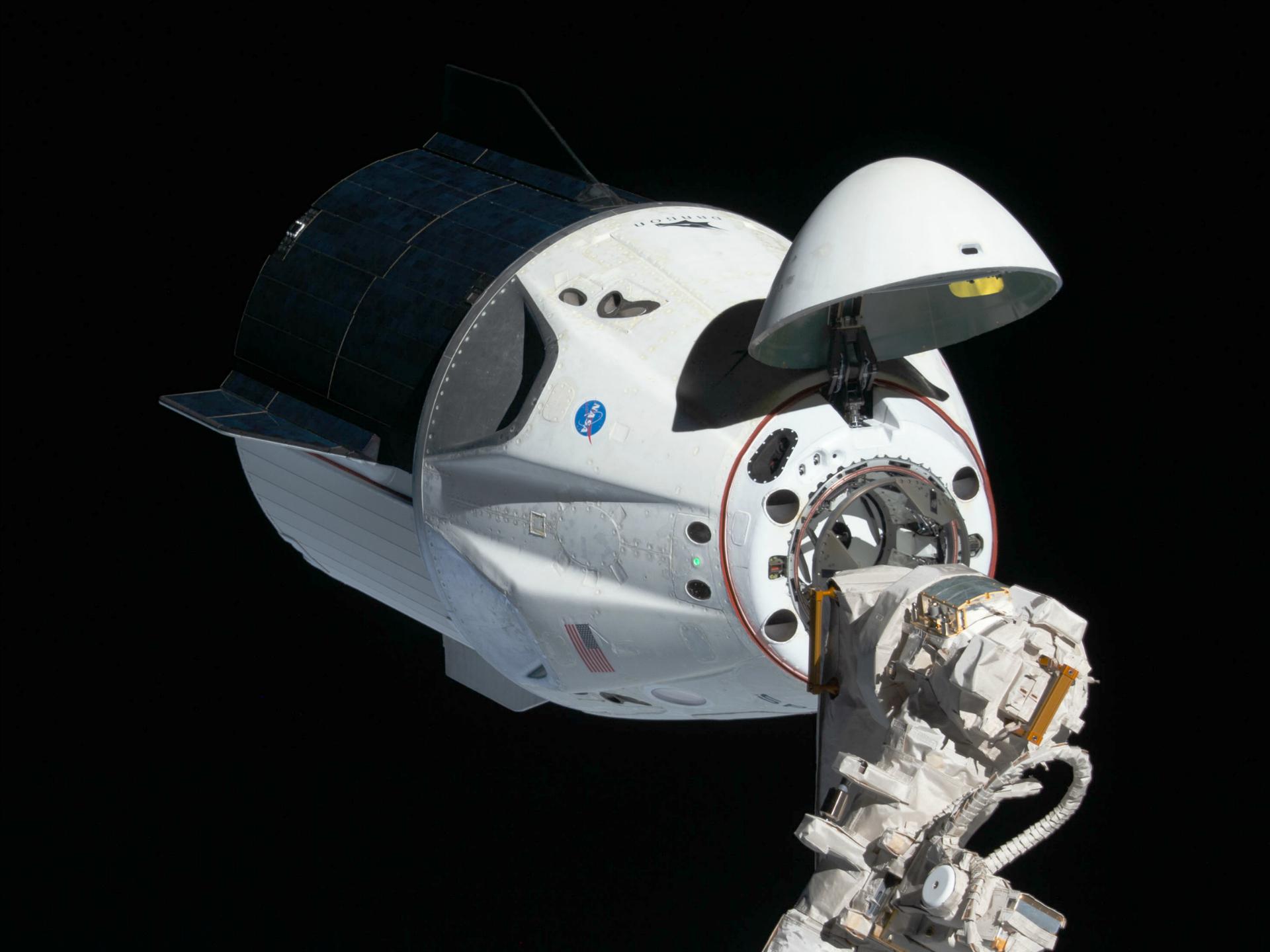
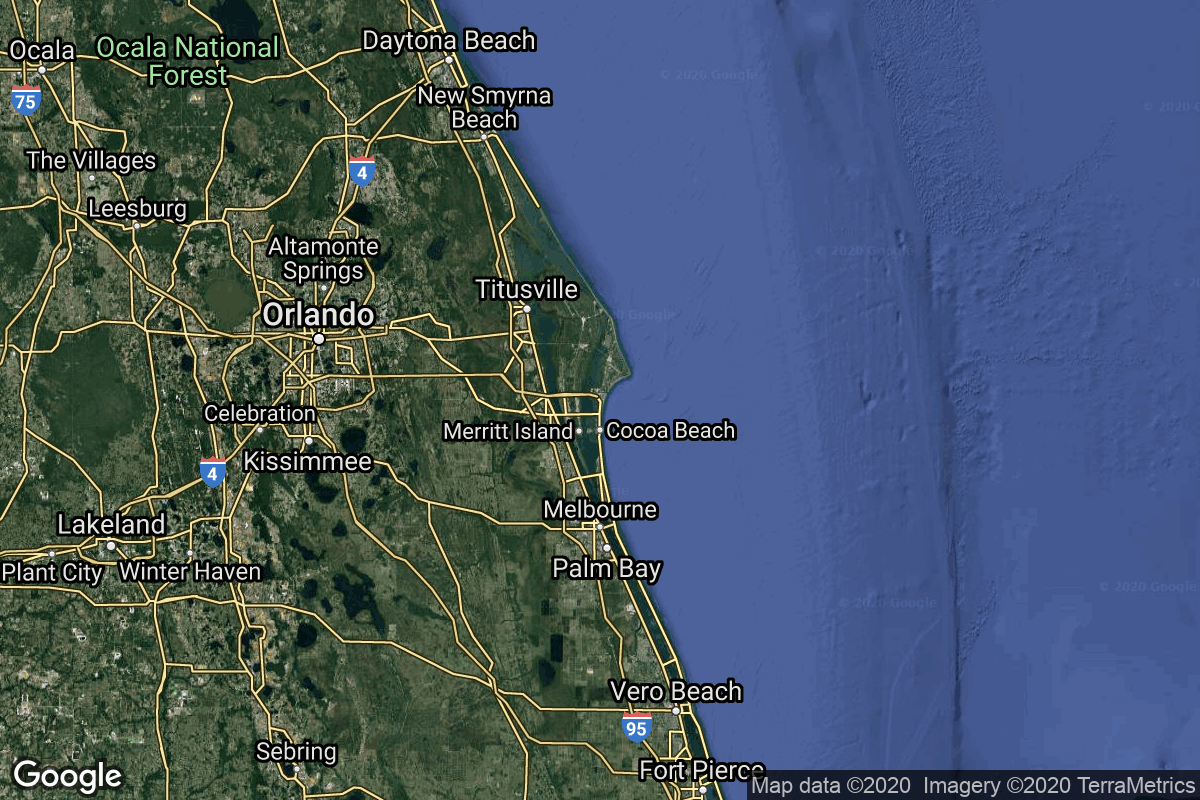
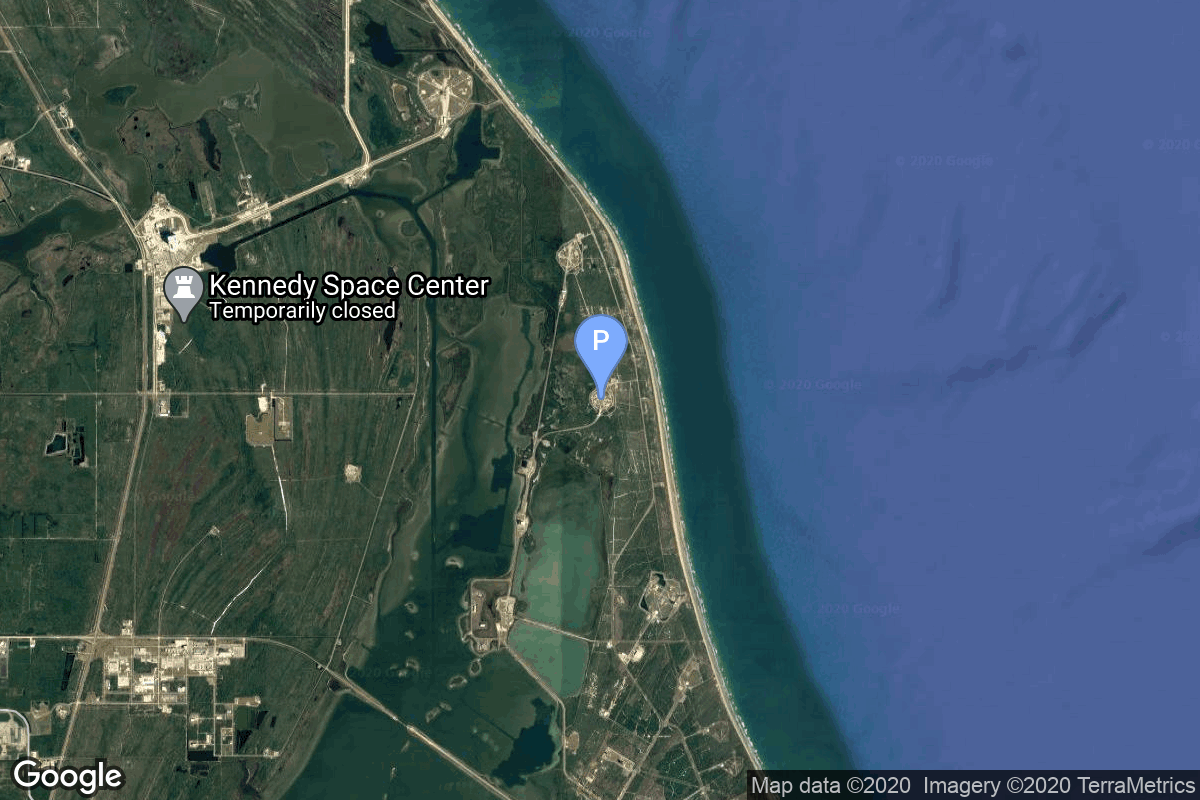
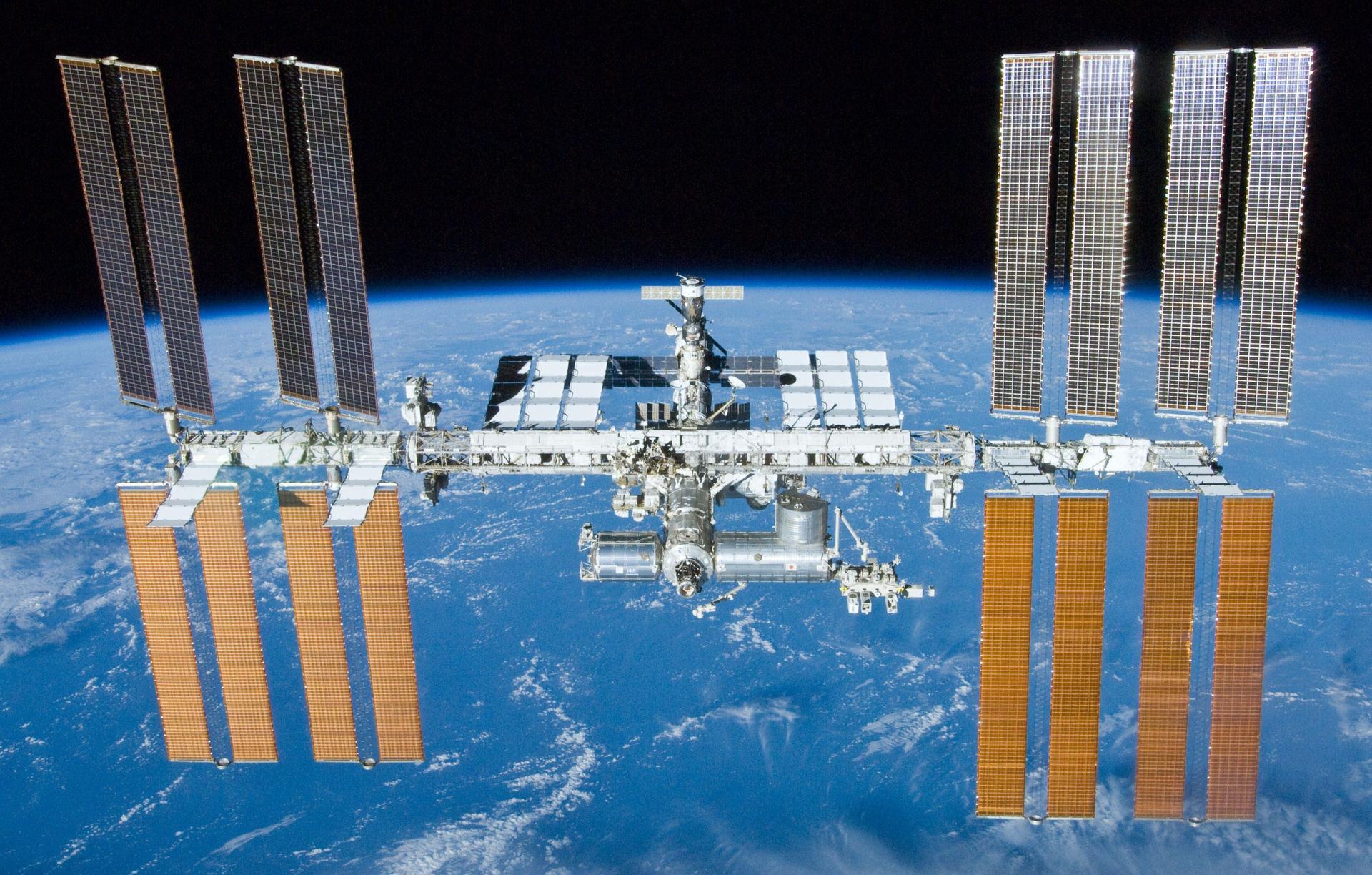
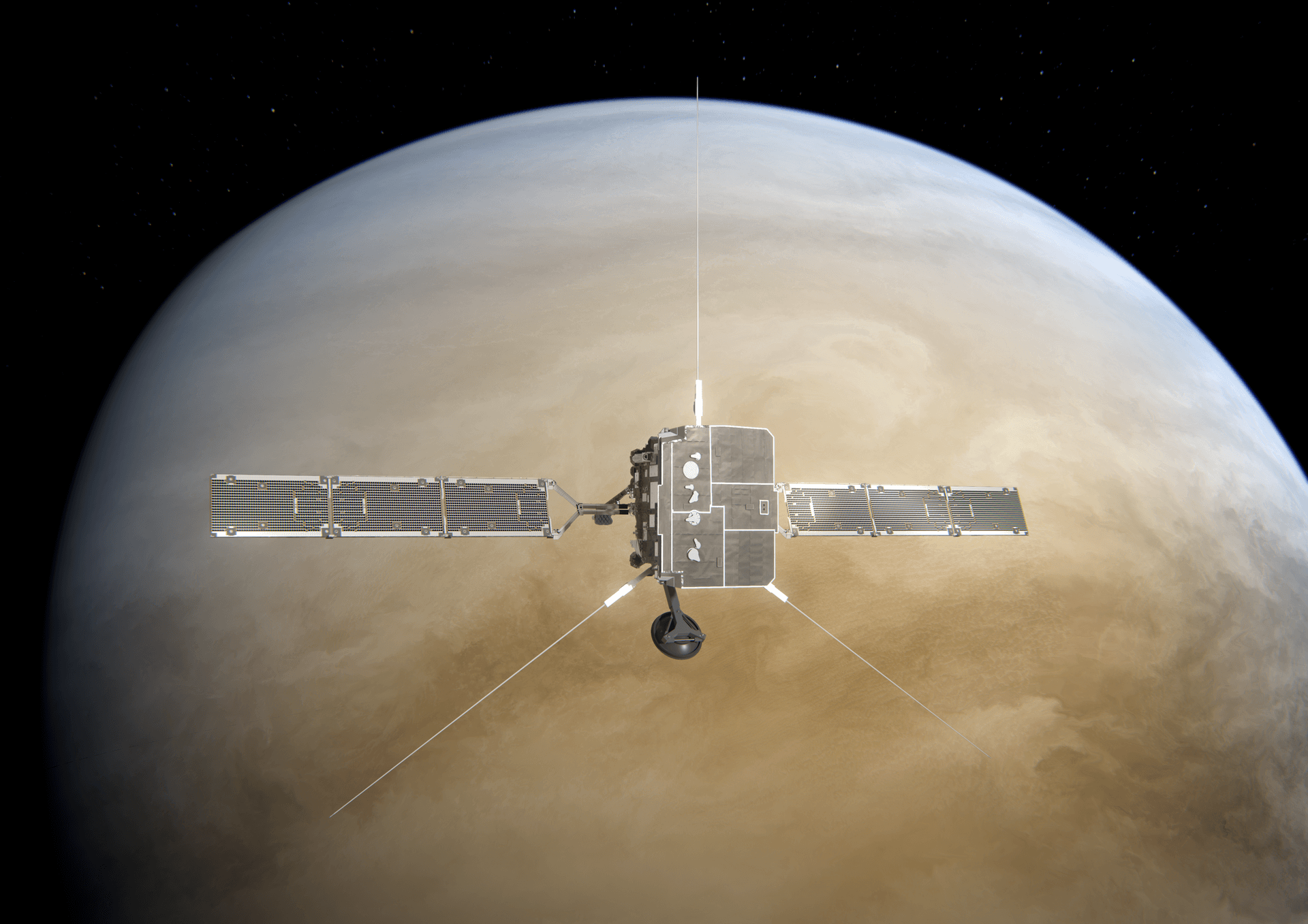
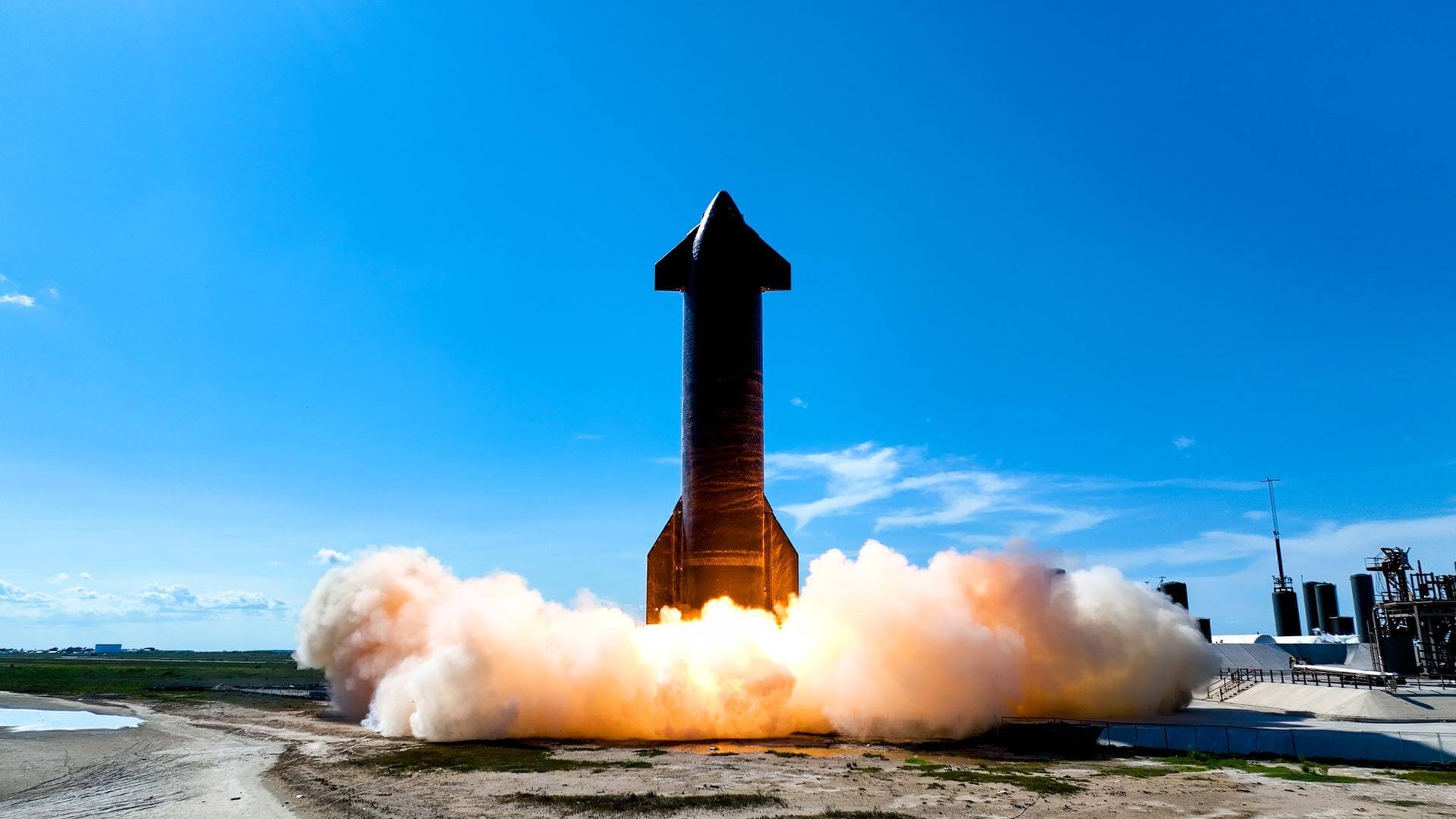
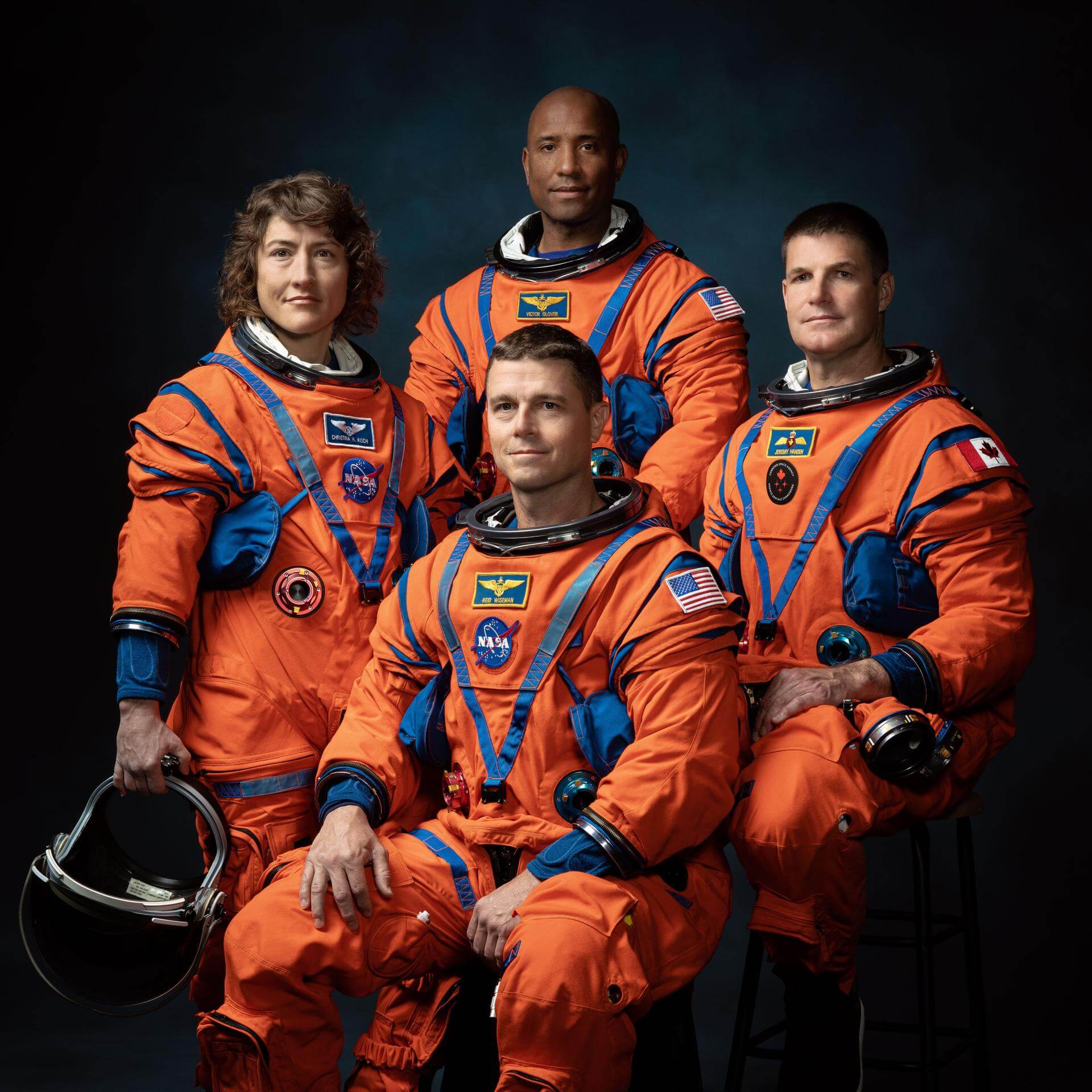
{ "count": 1214, "next": "https://lldev.thespacedevs.com/2.0.0/event/?format=api&limit=10&offset=1110", "previous": "https://lldev.thespacedevs.com/2.0.0/event/?format=api&limit=10&offset=1090", "results": [ { "id": 1524, "url": "https://lldev.thespacedevs.com/2.0.0/event/1524/?format=api", "slug": "spacex-crew-12-crew-dragon-undocking", "name": "SpaceX Crew-12 Crew Dragon Undocking", "type": { "id": 8, "name": "Spacecraft Undocking" }, "description": "The Crew-12 Crew Dragon will undock from the International Space Station, carrying four astronauts. It will then reenter the Earth's atmosphere and splashdown in the Pacific Ocean.", "location": "International Space Station", "news_url": null, "video_url": "https://www.youtube.com/watch?v=dGSqblvgLIE", "feature_image": "https://thespacedevs-dev.nyc3.digitaloceanspaces.com/media/images/spacex_dm-2_cre_image_20200504065311.jpeg", "date": "2026-10-07T12:05:00Z", "launches": [ { "id": "862b54e3-7bf8-48e5-8cd1-d77257d5fde9", "url": "https://lldev.thespacedevs.com/2.0.0/launch/862b54e3-7bf8-48e5-8cd1-d77257d5fde9/?format=api", "launch_library_id": null, "slug": "falcon-9-block-5-crew-12", "name": "Falcon 9 Block 5 | Crew-12", "status": { "id": 3, "name": "Success" }, "net": "2026-02-13T10:15:56Z", "window_end": "2026-02-13T10:15:56Z", "window_start": "2026-02-13T10:15:56Z", "inhold": false, "tbdtime": false, "tbddate": false, "probability": 90, "holdreason": "", "failreason": "", "hashtag": null, "launch_service_provider": { "id": 121, "url": "https://lldev.thespacedevs.com/2.0.0/agencies/121/?format=api", "name": "SpaceX", "type": "Commercial" }, "rocket": { "id": 7599, "configuration": { "id": 164, "launch_library_id": 188, "url": "https://lldev.thespacedevs.com/2.0.0/config/launcher/164/?format=api", "name": "Falcon 9", "family": "Falcon", "full_name": "Falcon 9 Block 5", "variant": "Block 5" } }, "mission": { "id": 6042, "launch_library_id": null, "name": "Crew-12", "description": "SpaceX Crew-12 is the twelfth crewed operational flight of a Crew Dragon spacecraft to the International Space Station as part of NASA's Commercial Crew Program.", "launch_designator": null, "type": "Human Exploration", "orbit": { "id": 8, "name": "Low Earth Orbit", "abbrev": "LEO" } }, "pad": { "id": 80, "url": "https://lldev.thespacedevs.com/2.0.0/pad/80/?format=api", "agency_id": 121, "name": "Space Launch Complex 40", "info_url": null, "wiki_url": "https://en.wikipedia.org/wiki/Cape_Canaveral_Air_Force_Station_Space_Launch_Complex_40", "map_url": "https://www.google.com/maps?q=28.56194122,-80.57735736", "latitude": "28.56194122", "longitude": "-80.57735736", "location": { "id": 12, "url": "https://lldev.thespacedevs.com/2.0.0/location/12/?format=api", "name": "Cape Canaveral SFS, FL, USA", "country_code": "USA", "map_image": "https://thespacedevs-dev.nyc3.digitaloceanspaces.com/media/map_images/location_12_20200803142519.jpg", "total_launch_count": 1133, "total_landing_count": 83 }, "map_image": "https://thespacedevs-dev.nyc3.digitaloceanspaces.com/media/map_images/pad_80_20200803143323.jpg", "total_launch_count": 404 }, "webcast_live": false, "image": "https://thespacedevs-dev.nyc3.digitaloceanspaces.com/media/images/falcon_9_at_slc_image_20260208171226.jpg", "infographic": null, "program": [ { "id": 5, "url": "https://lldev.thespacedevs.com/2.0.0/program/5/?format=api", "name": "Commercial Crew Program", "description": "The Commercial Crew Program (CCP) is a human spaceflight program operated by NASA, in association with American aerospace manufacturers Boeing and SpaceX. The program conducts rotations between the expeditions of the International Space Station program, transporting crews to and from the International Space Station (ISS) aboard Boeing Starliner and SpaceX Crew Dragon capsules, in the first crewed orbital spaceflights operated by private companies.", "agencies": [ { "id": 80, "url": "https://lldev.thespacedevs.com/2.0.0/agencies/80/?format=api", "name": "Boeing", "type": "Commercial" }, { "id": 44, "url": "https://lldev.thespacedevs.com/2.0.0/agencies/44/?format=api", "name": "National Aeronautics and Space Administration", "type": "Government" }, { "id": 121, "url": "https://lldev.thespacedevs.com/2.0.0/agencies/121/?format=api", "name": "SpaceX", "type": "Commercial" } ], "image_url": "https://thespacedevs-dev.nyc3.digitaloceanspaces.com/media/images/commercial2520_program_20200820201209.png", "start_date": "2011-04-18T00:00:00Z", "end_date": null, "info_url": "https://www.nasa.gov/exploration/commercial/crew/index.html", "wiki_url": "https://en.wikipedia.org/wiki/Commercial_Crew_Program" }, { "id": 17, "url": "https://lldev.thespacedevs.com/2.0.0/program/17/?format=api", "name": "International Space Station", "description": "The International Space Station programme is tied together by a complex set of legal, political and financial agreements between the sixteen nations involved in the project, governing ownership of the various components, rights to crewing and utilization, and responsibilities for crew rotation and resupply of the International Space Station. It was conceived in 1984 by President Ronald Reagan, during the Space Station Freedom project as it was originally called.", "agencies": [ { "id": 16, "url": "https://lldev.thespacedevs.com/2.0.0/agencies/16/?format=api", "name": "Canadian Space Agency", "type": "Government" }, { "id": 27, "url": "https://lldev.thespacedevs.com/2.0.0/agencies/27/?format=api", "name": "European Space Agency", "type": "Multinational" }, { "id": 37, "url": "https://lldev.thespacedevs.com/2.0.0/agencies/37/?format=api", "name": "Japan Aerospace Exploration Agency", "type": "Government" }, { "id": 44, "url": "https://lldev.thespacedevs.com/2.0.0/agencies/44/?format=api", "name": "National Aeronautics and Space Administration", "type": "Government" }, { "id": 63, "url": "https://lldev.thespacedevs.com/2.0.0/agencies/63/?format=api", "name": "Russian Federal Space Agency (ROSCOSMOS)", "type": "Government" } ], "image_url": "https://thespacedevs-dev.nyc3.digitaloceanspaces.com/media/images/international2_program_20201129184745.png", "start_date": "1998-11-20T06:40:00Z", "end_date": null, "info_url": "https://www.nasa.gov/mission_pages/station/main/index.html", "wiki_url": "https://en.wikipedia.org/wiki/International_Space_Station_programme" } ] } ], "expeditions": [], "spacestations": [ { "id": 4, "url": "https://lldev.thespacedevs.com/2.0.0/spacestation/4/?format=api", "name": "International Space Station", "status": { "id": 1, "name": "Active" }, "founded": "1998-11-20", "description": "The International Space Station (ISS) is a space station, or a habitable artificial satellite, in low Earth orbit. Its first component was launched into orbit in 1998, with the first long-term residents arriving in November 2000. It has been inhabited continuously since that date. The last pressurised module was fitted in 2011, and an experimental inflatable space habitat was added in 2016. The station is expected to operate until 2030. Development and assembly of the station continues, with several new elements scheduled for launch in 2019. The ISS is the largest human-made body in low Earth orbit and can often be seen with the naked eye from Earth. The ISS consists of pressurised habitation modules, structural trusses, solar arrays, radiators, docking ports, experiment bays and robotic arms. ISS components have been launched by Russian Proton and Soyuz rockets, and American Space Shuttles.", "orbit": "Low Earth Orbit", "image_url": "https://thespacedevs-dev.nyc3.digitaloceanspaces.com/media/images/international2520space2520station_image_20190220215716.jpeg" } ], "program": [ { "id": 5, "url": "https://lldev.thespacedevs.com/2.0.0/program/5/?format=api", "name": "Commercial Crew Program", "description": "The Commercial Crew Program (CCP) is a human spaceflight program operated by NASA, in association with American aerospace manufacturers Boeing and SpaceX. The program conducts rotations between the expeditions of the International Space Station program, transporting crews to and from the International Space Station (ISS) aboard Boeing Starliner and SpaceX Crew Dragon capsules, in the first crewed orbital spaceflights operated by private companies.", "agencies": [ { "id": 80, "url": "https://lldev.thespacedevs.com/2.0.0/agencies/80/?format=api", "name": "Boeing", "type": "Commercial" }, { "id": 44, "url": "https://lldev.thespacedevs.com/2.0.0/agencies/44/?format=api", "name": "National Aeronautics and Space Administration", "type": "Government" }, { "id": 121, "url": "https://lldev.thespacedevs.com/2.0.0/agencies/121/?format=api", "name": "SpaceX", "type": "Commercial" } ], "image_url": "https://thespacedevs-dev.nyc3.digitaloceanspaces.com/media/images/commercial2520_program_20200820201209.png", "start_date": "2011-04-18T00:00:00Z", "end_date": null, "info_url": "https://www.nasa.gov/exploration/commercial/crew/index.html", "wiki_url": "https://en.wikipedia.org/wiki/Commercial_Crew_Program" }, { "id": 17, "url": "https://lldev.thespacedevs.com/2.0.0/program/17/?format=api", "name": "International Space Station", "description": "The International Space Station programme is tied together by a complex set of legal, political and financial agreements between the sixteen nations involved in the project, governing ownership of the various components, rights to crewing and utilization, and responsibilities for crew rotation and resupply of the International Space Station. It was conceived in 1984 by President Ronald Reagan, during the Space Station Freedom project as it was originally called.", "agencies": [ { "id": 16, "url": "https://lldev.thespacedevs.com/2.0.0/agencies/16/?format=api", "name": "Canadian Space Agency", "type": "Government" }, { "id": 27, "url": "https://lldev.thespacedevs.com/2.0.0/agencies/27/?format=api", "name": "European Space Agency", "type": "Multinational" }, { "id": 37, "url": "https://lldev.thespacedevs.com/2.0.0/agencies/37/?format=api", "name": "Japan Aerospace Exploration Agency", "type": "Government" }, { "id": 44, "url": "https://lldev.thespacedevs.com/2.0.0/agencies/44/?format=api", "name": "National Aeronautics and Space Administration", "type": "Government" }, { "id": 63, "url": "https://lldev.thespacedevs.com/2.0.0/agencies/63/?format=api", "name": "Russian Federal Space Agency (ROSCOSMOS)", "type": "Government" } ], "image_url": "https://thespacedevs-dev.nyc3.digitaloceanspaces.com/media/images/international2_program_20201129184745.png", "start_date": "1998-11-20T06:40:00Z", "end_date": null, "info_url": "https://www.nasa.gov/mission_pages/station/main/index.html", "wiki_url": "https://en.wikipedia.org/wiki/International_Space_Station_programme" } ] }, { "id": 385, "url": "https://lldev.thespacedevs.com/2.0.0/event/385/?format=api", "slug": "solar-orbiter-venus-flyby-6", "name": "Solar Orbiter Venus Flyby", "type": { "id": 23, "name": "Flyby" }, "description": "Solar Orbiter, a partnership between ESA and NASA, will perform a gravity assist maneuver with Venus on March 17, 2028. Throughout its mission it also makes repeated gravity assist flybys of Venus to get closer to the Sun, and to change its orbital inclination, boosting it out of the ecliptic plane, to get the best – and first – views of the Sun’s poles.", "location": "Venus", "news_url": "https://www.esa.int/ESA_Multimedia/Images/2020/01/Solar_Orbiter_journey_around_the_Sun", "video_url": null, "feature_image": "https://thespacedevs-dev.nyc3.digitaloceanspaces.com/media/images/solar_orbiter_v_image_20210930071353.png", "date": "2028-03-18T00:00:00Z", "launches": [], "expeditions": [], "spacestations": [], "program": [] }, { "id": 386, "url": "https://lldev.thespacedevs.com/2.0.0/event/386/?format=api", "slug": "solar-orbiter-venus-flyby-7", "name": "Solar Orbiter Venus Flyby", "type": { "id": 23, "name": "Flyby" }, "description": "Solar Orbiter, a partnership between ESA and NASA, will perform a gravity assist maneuver with Venus on June 10, 2029. Throughout its mission it also makes repeated gravity assist flybys of Venus to get closer to the Sun, and to change its orbital inclination, boosting it out of the ecliptic plane, to get the best – and first – views of the Sun’s poles.", "location": "Venus", "news_url": "https://www.esa.int/ESA_Multimedia/Images/2020/01/Solar_Orbiter_journey_around_the_Sun", "video_url": null, "feature_image": "https://thespacedevs-dev.nyc3.digitaloceanspaces.com/media/images/solar_orbiter_v_image_20210930071353.png", "date": "2029-06-10T00:00:00Z", "launches": [], "expeditions": [], "spacestations": [], "program": [] }, { "id": 1278, "url": "https://lldev.thespacedevs.com/2.0.0/event/1278/?format=api", "slug": "nasa-mars-2020-perseverance-finding-teleconference", "name": "NASA Mars 2020 Perseverance Finding Teleconference", "type": { "id": 20, "name": "Press Event" }, "description": "NASA will host a media teleconference to discuss the analysis of a rock sampled by the agency’s Perseverance Mars rover last year, which is the subject of a forthcoming science paper.\r\n\r\nThe sample, called “Sapphire Canyon,” was collected in July 2024 from a set of rocky outcrops on the edges of Neretva Vallis, a river valley carved by water rushing into Jezero Crater long ago.\r\n\r\nParticipants in the teleconference include:\r\n- Acting NASA Administrator Sean Duffy\r\n- Nicky Fox, associate administrator, Science Mission Directorate, NASA Headquarters in Washington\r\n- Lindsay Hays, Senior Scientist for Mars Exploration, Planetary Science Division, NASA Headquarters\r\n- Katie Stack Morgan, Perseverance Project Scientist, NASA’s Jet Propulsion - Joel Hurowitz, planetary scientist, Stony Brook University, New York", "location": "Online", "news_url": "https://www.nasa.gov/news-release/nasa-to-share-details-of-new-perseverance-mars-rover-finding/", "video_url": "https://www.youtube.com/watch?v=-StZggK4hhA", "feature_image": "https://thespacedevs-dev.nyc3.digitaloceanspaces.com/media/images/perseverance_se_image_20250909071946.jpeg", "date": "2025-09-10T15:00:00Z", "launches": [], "expeditions": [], "spacestations": [], "program": [] }, { "id": 1287, "url": "https://lldev.thespacedevs.com/2.0.0/event/1287/?format=api", "slug": "nasa-prelaunch-news-conference-on-new-space-weathe", "name": "NASA Prelaunch News Conference on New Space Weather Missions", "type": { "id": 20, "name": "Press Event" }, "description": "NASA Prelaunch News Conference on New Space Weather Missions, with the following participants:\r\n\r\n- Nicky Fox, associate administrator, Science Mission Directorate, NASA Headquarters in Washington\r\n- Brad Williams, IMAP program executive, NASA Headquarters\r\n- Irene Parker, deputy assistant administrator for Systems at NOAA’s National Environmental Satellite, Data, and Information Service\r\n- Denton Gibson, launch director, NASA’s Launch Services Program, NASA Kennedy\r\n- Julianna Scheiman, director, NASA Science Missions, SpaceX\r\n- Arlena Moses, launch weather officer, 45th Weather Squadron, U.S. Space Force", "location": "Kennedy Space Center, FL, USA", "news_url": "https://www.nasa.gov/news-release/nasa-sets-launch-coverage-for-space-weather-missions/", "video_url": "https://www.youtube.com/watch?v=E-gzwILmPig", "feature_image": "https://thespacedevs-dev.nyc3.digitaloceanspaces.com/media/images/imap_in_orbit_r_image_20250829071448.jpg", "date": "2025-09-21T18:30:00Z", "launches": [], "expeditions": [], "spacestations": [], "program": [] }, { "id": 1288, "url": "https://lldev.thespacedevs.com/2.0.0/event/1288/?format=api", "slug": "nasa-noaa-science-news-conference-on-new-space-wea", "name": "NASA, NOAA Science News Conference on New Space Weather Missions", "type": { "id": 20, "name": "Press Event" }, "description": "NASA, NOAA Science News Conference on New Space Weather Missions, with the following participants:\r\n\r\n- Joe Westlake, director, Heliophysics Division, NASA Headquarters\r\n- David McComas, IMAP principal investigator, Princeton University\r\n- Lara Waldrop, Carruthers Geocorona Observatory principal investigator, University of Illinois Urbana-Champaign\r\n- Jamie Favors, director, Space Weather Program, Heliophysics Division, NASA Headquarters\r\n- Clinton Wallace, director, NOAA Space Weather Prediction Center\r\n- James Spann, senior scientist, NOAA Office of Space Weather Observations", "location": "Kennedy Space Center, FL, USA", "news_url": "https://www.nasa.gov/news-release/nasa-sets-launch-coverage-for-space-weather-missions/", "video_url": "https://www.youtube.com/watch?v=L4xu4OZ_KHI", "feature_image": "https://thespacedevs-dev.nyc3.digitaloceanspaces.com/media/images/imap_in_orbit_r_image_20250829071448.jpg", "date": "2025-09-21T19:45:00Z", "launches": [], "expeditions": [], "spacestations": [], "program": [] }, { "id": 1289, "url": "https://lldev.thespacedevs.com/2.0.0/event/1289/?format=api", "slug": "s38-static-fire-test", "name": "S38 Static Fire Test", "type": { "id": 5, "name": "Static Fire" }, "description": "Starship S38 will perform its static fire on Orbital Launch Pad-A at Starbase.", "location": "Starbase Texas, USA", "news_url": null, "video_url": "https://www.youtube.com/watch?v=SoDZ4ClJ3jM", "feature_image": "https://thespacedevs-dev.nyc3.digitaloceanspaces.com/media/images/starship_s24_st_image_20240305172824.jpeg", "date": "2025-09-22T18:52:00Z", "launches": [], "expeditions": [], "spacestations": [], "program": [ { "id": 1, "url": "https://lldev.thespacedevs.com/2.0.0/program/1/?format=api", "name": "SpaceX Starship", "description": "The SpaceX Starship is a fully reusable super heavy-lift launch vehicle under development by SpaceX since 2012, as a self-funded private spaceflight project. The second stage of the Starship — is designed as a long-duration cargo and passenger-carrying spacecraft. It is expected to be initially used without any booster stage at all, as part of an extensive development program to prove out launch-and-landing and iterate on a variety of design details, particularly with respect to the vehicle's atmospheric reentry.", "agencies": [ { "id": 121, "url": "https://lldev.thespacedevs.com/2.0.0/agencies/121/?format=api", "name": "SpaceX", "type": "Commercial" } ], "image_url": "https://thespacedevs-dev.nyc3.digitaloceanspaces.com/media/images/starship_on_the_image_20250111100520.jpg", "start_date": "2019-03-01T05:00:00Z", "end_date": null, "info_url": "https://www.spacex.com/vehicles/starship/", "wiki_url": "https://en.wikipedia.org/wiki/SpaceX_Starship" } ] }, { "id": 1236, "url": "https://lldev.thespacedevs.com/2.0.0/event/1236/?format=api", "slug": "artemis-ii-crew-news-conference", "name": "Artemis II Crew News Conference", "type": { "id": 20, "name": "Press Event" }, "description": "NASA will host a conference with the crew of the Artemis II mission : \r\n\r\n- Reid Wiseman, commander\r\n- Victor Glover, pilot\r\n- Christina Koch, mission specialist\r\n- Jeremy Hansen, mission specialist", "location": "Johnson Space Center, Houston, TX, USA", "news_url": "https://www.nasa.gov/news-release/nasa-to-announce-new-astronaut-class-preview-artemis-ii-moon-mission/", "video_url": "https://www.youtube.com/watch?v=9mq_lb_SmKE", "feature_image": "https://thespacedevs-dev.nyc3.digitaloceanspaces.com/media/images/nasa_artemis_ii_image_20230403161326.jpeg", "date": "2025-09-24T14:00:00Z", "launches": [ { "id": "41699701-2ef4-4b0c-ac9d-6757820cde87", "url": "https://lldev.thespacedevs.com/2.0.0/launch/41699701-2ef4-4b0c-ac9d-6757820cde87/?format=api", "launch_library_id": 1379, "slug": "sls-block-1-artemis-ii", "name": "SLS Block 1 | Artemis II", "status": { "id": 3, "name": "Success" }, "net": "2026-04-01T22:35:12Z", "window_end": "2026-04-02T00:24:00Z", "window_start": "2026-04-01T22:24:00Z", "inhold": false, "tbdtime": false, "tbddate": false, "probability": 90, "holdreason": "", "failreason": "", "hashtag": null, "launch_service_provider": { "id": 44, "url": "https://lldev.thespacedevs.com/2.0.0/agencies/44/?format=api", "name": "National Aeronautics and Space Administration", "type": "Government" }, "rocket": { "id": 187, "configuration": { "id": 143, "launch_library_id": 144, "url": "https://lldev.thespacedevs.com/2.0.0/config/launcher/143/?format=api", "name": "Space Launch System (SLS)", "family": "Space Launch System", "full_name": "Space Launch System Block 1", "variant": "Block 1" } }, "mission": { "id": 6343, "launch_library_id": null, "name": "Artemis II", "description": "Artemis II is the first crewed mission as part of the Artemis program. Artemis II will send a crew of 4 - 3 Americans and 1 Canadian around the moon and return them back to Earth.\r\n\r\nThe mission will test the core systems of NASA's Orion spacecraft including the critical life support system, among other systems which could not be tested during Artemis I due to the lack of crew onboard.", "launch_designator": null, "type": "Human Exploration", "orbit": { "id": 9, "name": "Lunar flyby", "abbrev": "Lunar flyby" } }, "pad": { "id": 4, "url": "https://lldev.thespacedevs.com/2.0.0/pad/4/?format=api", "agency_id": 44, "name": "Launch Complex 39B", "info_url": null, "wiki_url": "https://en.wikipedia.org/wiki/Kennedy_Space_Center_Launch_Complex_39#Launch_Pad_39B", "map_url": "https://www.google.com/maps?q=28.62711233,-80.62101503", "latitude": "28.62711233", "longitude": "-80.62101503", "location": { "id": 27, "url": "https://lldev.thespacedevs.com/2.0.0/location/27/?format=api", "name": "Kennedy Space Center, FL, USA", "country_code": "USA", "map_image": "https://thespacedevs-dev.nyc3.digitaloceanspaces.com/media/map_images/location_27_20200803142447.jpg", "total_launch_count": 283, "total_landing_count": 0 }, "map_image": "https://thespacedevs-dev.nyc3.digitaloceanspaces.com/media/map_images/pad_4_20200803143518.jpg", "total_launch_count": 59 }, "webcast_live": false, "image": "https://thespacedevs-dev.nyc3.digitaloceanspaces.com/media/images/space_launch_sy_image_20260405204639.jpg", "infographic": "https://thespacedevs-dev.nyc3.digitaloceanspaces.com/media/infographic_images/sls2520block2_infographic_20260329082241.jpeg", "program": [ { "id": 15, "url": "https://lldev.thespacedevs.com/2.0.0/program/15/?format=api", "name": "Artemis", "description": "The Artemis program is a US government-funded crewed spaceflight program that has the goal of landing \"the first woman and the next man\" on the Moon, specifically at the lunar south pole region.", "agencies": [ { "id": 44, "url": "https://lldev.thespacedevs.com/2.0.0/agencies/44/?format=api", "name": "National Aeronautics and Space Administration", "type": "Government" } ], "image_url": "https://thespacedevs-dev.nyc3.digitaloceanspaces.com/media/images/artemis_program_20220827100930.png", "start_date": "2017-12-11T00:00:00Z", "end_date": null, "info_url": "https://www.nasa.gov/specials/artemis/", "wiki_url": "https://en.wikipedia.org/wiki/Artemis_program" } ] } ], "expeditions": [], "spacestations": [], "program": [ { "id": 15, "url": "https://lldev.thespacedevs.com/2.0.0/program/15/?format=api", "name": "Artemis", "description": "The Artemis program is a US government-funded crewed spaceflight program that has the goal of landing \"the first woman and the next man\" on the Moon, specifically at the lunar south pole region.", "agencies": [ { "id": 44, "url": "https://lldev.thespacedevs.com/2.0.0/agencies/44/?format=api", "name": "National Aeronautics and Space Administration", "type": "Government" } ], "image_url": "https://thespacedevs-dev.nyc3.digitaloceanspaces.com/media/images/artemis_program_20220827100930.png", "start_date": "2017-12-11T00:00:00Z", "end_date": null, "info_url": "https://www.nasa.gov/specials/artemis/", "wiki_url": "https://en.wikipedia.org/wiki/Artemis_program" } ] }, { "id": 1234, "url": "https://lldev.thespacedevs.com/2.0.0/event/1234/?format=api", "slug": "artemis-ii-mission-overview-briefing", "name": "Artemis II Mission Overview Briefing", "type": { "id": 20, "name": "Press Event" }, "description": "NASA will host a mission overview briefing about Artemis II with the following participants:\r\n\r\n- Lakiesha Hawkins, acting deputy associate administrator, Exploration Systems Development Mission Directorate, NASA Headquarters\r\n- Charlie Blackwell-Thompson, Artemis launch director, NASA’s Kennedy Space Center in Florida\r\n- Judd Frieling, lead Artemis II ascent flight director, NASA Johnson\r\n- Jeff Radigan, lead Artemis II flight director, NASA Johnson\r\n- Rick Henfling, lead Artemis II entry flight director, NASA Johnson\r\n- Daniel Florez, test director, Exploration Ground Systems, NASA Kennedy", "location": "Johnson Space Center, Houston, TX, USA", "news_url": "https://www.nasa.gov/news-release/nasa-to-announce-new-astronaut-class-preview-artemis-ii-moon-mission/", "video_url": "https://www.youtube.com/watch?v=SFvHUa4_VOU", "feature_image": "https://thespacedevs-dev.nyc3.digitaloceanspaces.com/media/images/artemis-1_sls_r_image_20220522090551.jpeg", "date": "2025-09-23T14:00:00Z", "launches": [ { "id": "41699701-2ef4-4b0c-ac9d-6757820cde87", "url": "https://lldev.thespacedevs.com/2.0.0/launch/41699701-2ef4-4b0c-ac9d-6757820cde87/?format=api", "launch_library_id": 1379, "slug": "sls-block-1-artemis-ii", "name": "SLS Block 1 | Artemis II", "status": { "id": 3, "name": "Success" }, "net": "2026-04-01T22:35:12Z", "window_end": "2026-04-02T00:24:00Z", "window_start": "2026-04-01T22:24:00Z", "inhold": false, "tbdtime": false, "tbddate": false, "probability": 90, "holdreason": "", "failreason": "", "hashtag": null, "launch_service_provider": { "id": 44, "url": "https://lldev.thespacedevs.com/2.0.0/agencies/44/?format=api", "name": "National Aeronautics and Space Administration", "type": "Government" }, "rocket": { "id": 187, "configuration": { "id": 143, "launch_library_id": 144, "url": "https://lldev.thespacedevs.com/2.0.0/config/launcher/143/?format=api", "name": "Space Launch System (SLS)", "family": "Space Launch System", "full_name": "Space Launch System Block 1", "variant": "Block 1" } }, "mission": { "id": 6343, "launch_library_id": null, "name": "Artemis II", "description": "Artemis II is the first crewed mission as part of the Artemis program. Artemis II will send a crew of 4 - 3 Americans and 1 Canadian around the moon and return them back to Earth.\r\n\r\nThe mission will test the core systems of NASA's Orion spacecraft including the critical life support system, among other systems which could not be tested during Artemis I due to the lack of crew onboard.", "launch_designator": null, "type": "Human Exploration", "orbit": { "id": 9, "name": "Lunar flyby", "abbrev": "Lunar flyby" } }, "pad": { "id": 4, "url": "https://lldev.thespacedevs.com/2.0.0/pad/4/?format=api", "agency_id": 44, "name": "Launch Complex 39B", "info_url": null, "wiki_url": "https://en.wikipedia.org/wiki/Kennedy_Space_Center_Launch_Complex_39#Launch_Pad_39B", "map_url": "https://www.google.com/maps?q=28.62711233,-80.62101503", "latitude": "28.62711233", "longitude": "-80.62101503", "location": { "id": 27, "url": "https://lldev.thespacedevs.com/2.0.0/location/27/?format=api", "name": "Kennedy Space Center, FL, USA", "country_code": "USA", "map_image": "https://thespacedevs-dev.nyc3.digitaloceanspaces.com/media/map_images/location_27_20200803142447.jpg", "total_launch_count": 283, "total_landing_count": 0 }, "map_image": "https://thespacedevs-dev.nyc3.digitaloceanspaces.com/media/map_images/pad_4_20200803143518.jpg", "total_launch_count": 59 }, "webcast_live": false, "image": "https://thespacedevs-dev.nyc3.digitaloceanspaces.com/media/images/space_launch_sy_image_20260405204639.jpg", "infographic": "https://thespacedevs-dev.nyc3.digitaloceanspaces.com/media/infographic_images/sls2520block2_infographic_20260329082241.jpeg", "program": [ { "id": 15, "url": "https://lldev.thespacedevs.com/2.0.0/program/15/?format=api", "name": "Artemis", "description": "The Artemis program is a US government-funded crewed spaceflight program that has the goal of landing \"the first woman and the next man\" on the Moon, specifically at the lunar south pole region.", "agencies": [ { "id": 44, "url": "https://lldev.thespacedevs.com/2.0.0/agencies/44/?format=api", "name": "National Aeronautics and Space Administration", "type": "Government" } ], "image_url": "https://thespacedevs-dev.nyc3.digitaloceanspaces.com/media/images/artemis_program_20220827100930.png", "start_date": "2017-12-11T00:00:00Z", "end_date": null, "info_url": "https://www.nasa.gov/specials/artemis/", "wiki_url": "https://en.wikipedia.org/wiki/Artemis_program" } ] } ], "expeditions": [], "spacestations": [], "program": [ { "id": 15, "url": "https://lldev.thespacedevs.com/2.0.0/program/15/?format=api", "name": "Artemis", "description": "The Artemis program is a US government-funded crewed spaceflight program that has the goal of landing \"the first woman and the next man\" on the Moon, specifically at the lunar south pole region.", "agencies": [ { "id": 44, "url": "https://lldev.thespacedevs.com/2.0.0/agencies/44/?format=api", "name": "National Aeronautics and Space Administration", "type": "Government" } ], "image_url": "https://thespacedevs-dev.nyc3.digitaloceanspaces.com/media/images/artemis_program_20220827100930.png", "start_date": "2017-12-11T00:00:00Z", "end_date": null, "info_url": "https://www.nasa.gov/specials/artemis/", "wiki_url": "https://en.wikipedia.org/wiki/Artemis_program" } ] }, { "id": 1501, "url": "https://lldev.thespacedevs.com/2.0.0/event/1501/?format=api", "slug": "soyuz-ms-28-landing", "name": "Soyuz MS-28 Landing", "type": { "id": 9, "name": "Spacecraft Landing" }, "description": "The Soyuz MS-28 spacecraft will land back on Earth near Dzhezkazgan, Kazakhstan.", "location": "Dzhezkazgan, Kazakhstan", "news_url": "https://www.nasa.gov/news-release/nasa-sets-coverage-for-astronaut-chris-williams-crewmates-return/", "video_url": "https://www.youtube.com/watch?v=4h884umjihw", "feature_image": "https://thespacedevs-dev.nyc3.digitaloceanspaces.com/media/images/soyuz2520ms-122520landing_image_20190929074125.jpg", "date": "2026-07-26T10:26:00Z", "launches": [], "expeditions": [], "spacestations": [ { "id": 4, "url": "https://lldev.thespacedevs.com/2.0.0/spacestation/4/?format=api", "name": "International Space Station", "status": { "id": 1, "name": "Active" }, "founded": "1998-11-20", "description": "The International Space Station (ISS) is a space station, or a habitable artificial satellite, in low Earth orbit. Its first component was launched into orbit in 1998, with the first long-term residents arriving in November 2000. It has been inhabited continuously since that date. The last pressurised module was fitted in 2011, and an experimental inflatable space habitat was added in 2016. The station is expected to operate until 2030. Development and assembly of the station continues, with several new elements scheduled for launch in 2019. The ISS is the largest human-made body in low Earth orbit and can often be seen with the naked eye from Earth. The ISS consists of pressurised habitation modules, structural trusses, solar arrays, radiators, docking ports, experiment bays and robotic arms. ISS components have been launched by Russian Proton and Soyuz rockets, and American Space Shuttles.", "orbit": "Low Earth Orbit", "image_url": "https://thespacedevs-dev.nyc3.digitaloceanspaces.com/media/images/international2520space2520station_image_20190220215716.jpeg" } ], "program": [ { "id": 8, "url": "https://lldev.thespacedevs.com/2.0.0/program/8/?format=api", "name": "Soyuz", "description": "The Soyuz programme is a human spaceflight programme initiated by the Soviet Union in the early 1960s. The Soyuz spacecraft was originally part of a Moon landing project intended to put a Soviet cosmonaut on the Moon. It was the third Soviet human spaceflight programme after the Vostok and Voskhod programmes.", "agencies": [ { "id": 63, "url": "https://lldev.thespacedevs.com/2.0.0/agencies/63/?format=api", "name": "Russian Federal Space Agency (ROSCOSMOS)", "type": "Government" }, { "id": 66, "url": "https://lldev.thespacedevs.com/2.0.0/agencies/66/?format=api", "name": "Soviet Space Program", "type": "Government" } ], "image_url": "https://thespacedevs-dev.nyc3.digitaloceanspaces.com/media/images/soyuz_program_20201129185543.png", "start_date": "1966-11-28T11:02:00Z", "end_date": null, "info_url": null, "wiki_url": "https://en.wikipedia.org/wiki/Soyuz_programme" }, { "id": 17, "url": "https://lldev.thespacedevs.com/2.0.0/program/17/?format=api", "name": "International Space Station", "description": "The International Space Station programme is tied together by a complex set of legal, political and financial agreements between the sixteen nations involved in the project, governing ownership of the various components, rights to crewing and utilization, and responsibilities for crew rotation and resupply of the International Space Station. It was conceived in 1984 by President Ronald Reagan, during the Space Station Freedom project as it was originally called.", "agencies": [ { "id": 16, "url": "https://lldev.thespacedevs.com/2.0.0/agencies/16/?format=api", "name": "Canadian Space Agency", "type": "Government" }, { "id": 27, "url": "https://lldev.thespacedevs.com/2.0.0/agencies/27/?format=api", "name": "European Space Agency", "type": "Multinational" }, { "id": 37, "url": "https://lldev.thespacedevs.com/2.0.0/agencies/37/?format=api", "name": "Japan Aerospace Exploration Agency", "type": "Government" }, { "id": 44, "url": "https://lldev.thespacedevs.com/2.0.0/agencies/44/?format=api", "name": "National Aeronautics and Space Administration", "type": "Government" }, { "id": 63, "url": "https://lldev.thespacedevs.com/2.0.0/agencies/63/?format=api", "name": "Russian Federal Space Agency (ROSCOSMOS)", "type": "Government" } ], "image_url": "https://thespacedevs-dev.nyc3.digitaloceanspaces.com/media/images/international2_program_20201129184745.png", "start_date": "1998-11-20T06:40:00Z", "end_date": null, "info_url": "https://www.nasa.gov/mission_pages/station/main/index.html", "wiki_url": "https://en.wikipedia.org/wiki/International_Space_Station_programme" } ] } ] }