Astronaut List
API endpoint that allows Astronaut to be viewed.
GET: Return a list of all the existing astronauts.
MODE: Normal, List, LaunchList and Detailed /2.0.0/astronaut/?mode=detailed
FILTERS: Parameters - 'name', 'status', 'nationality', 'agency__name', 'agency__abbrev', 'date_of_birth', 'date_of_death', 'status_ids' Example - /2.0.0/astronaut/?nationality=American
SEARCH EXAMPLE: /2.0.0/astronaut/?search=armstrong Searches through name, nationality and agency name
ORDERING: Fields - 'name', 'status', 'date_of_birth' Example - /2.0.0/astronaut/?order=name
GET /2.0.0/astronaut/?format=api&offset=570&ordering=-status
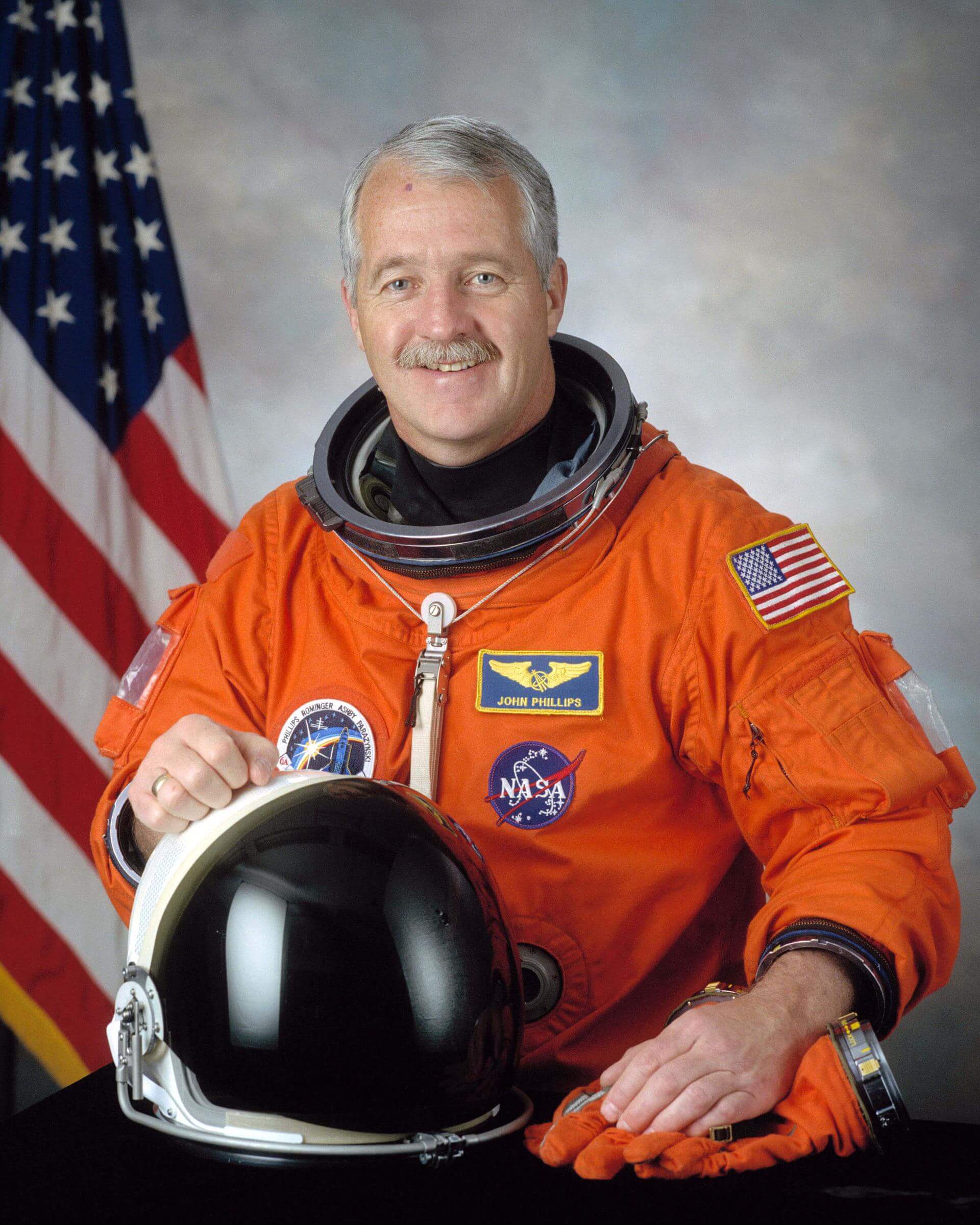
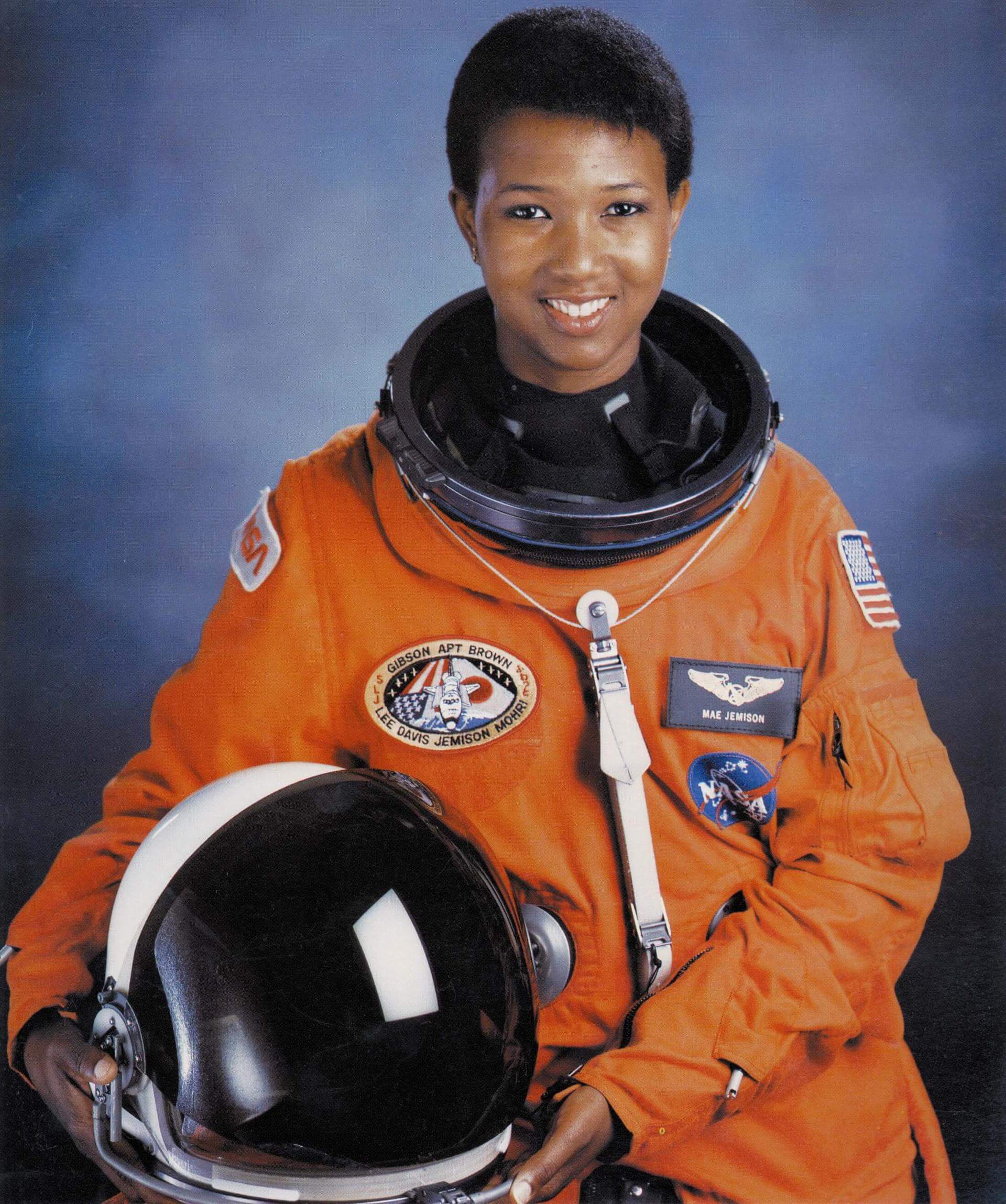
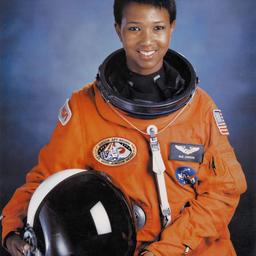
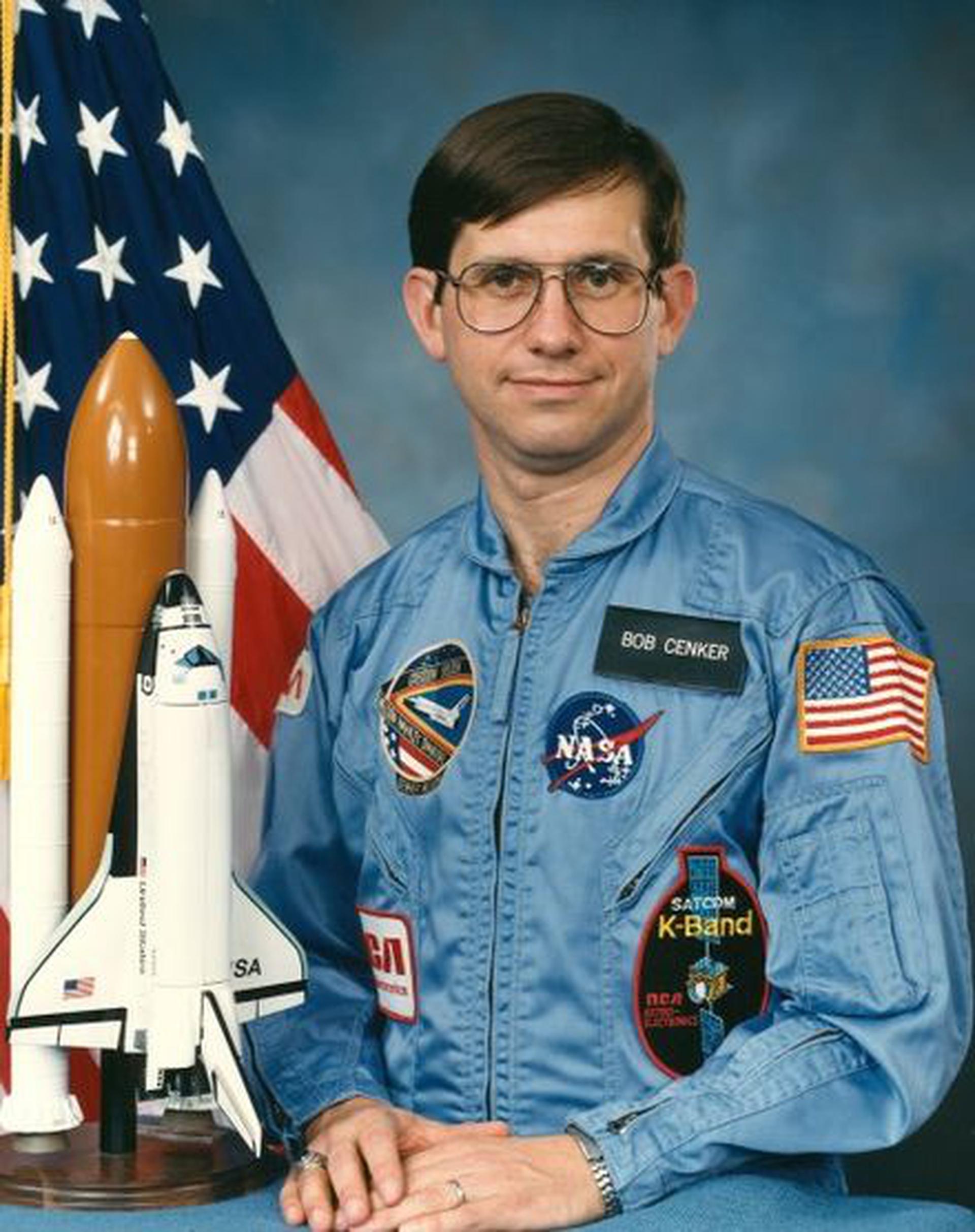
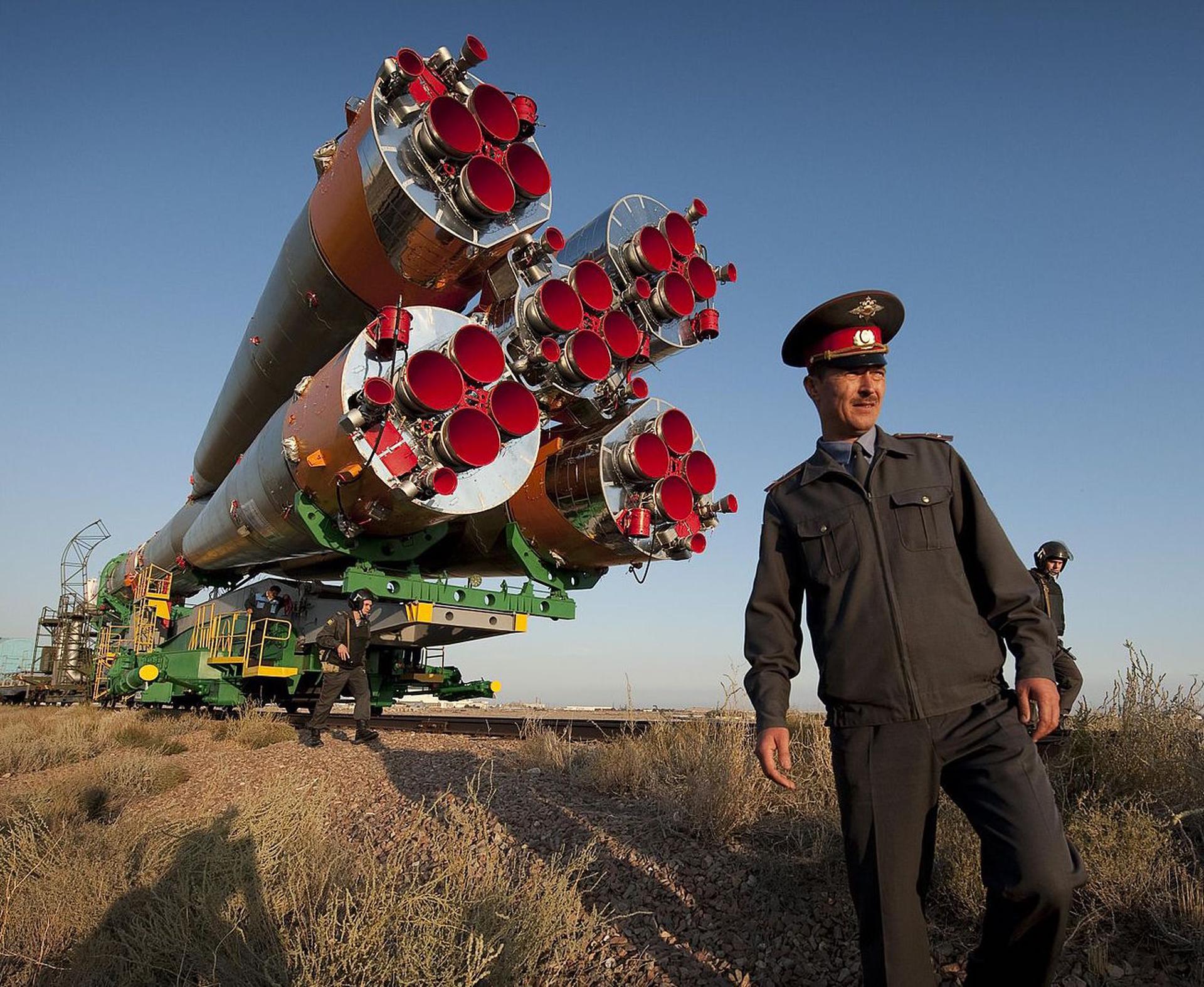
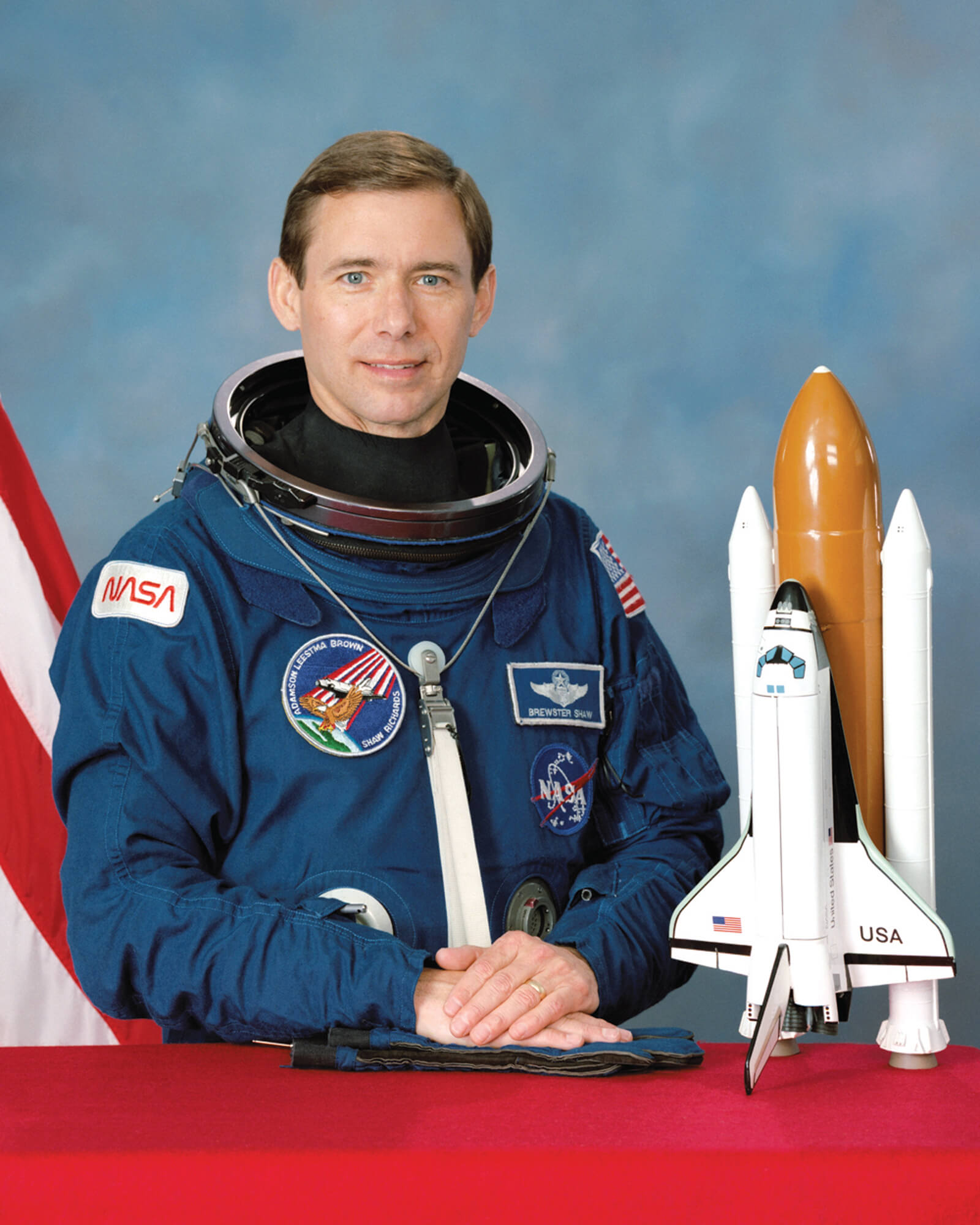
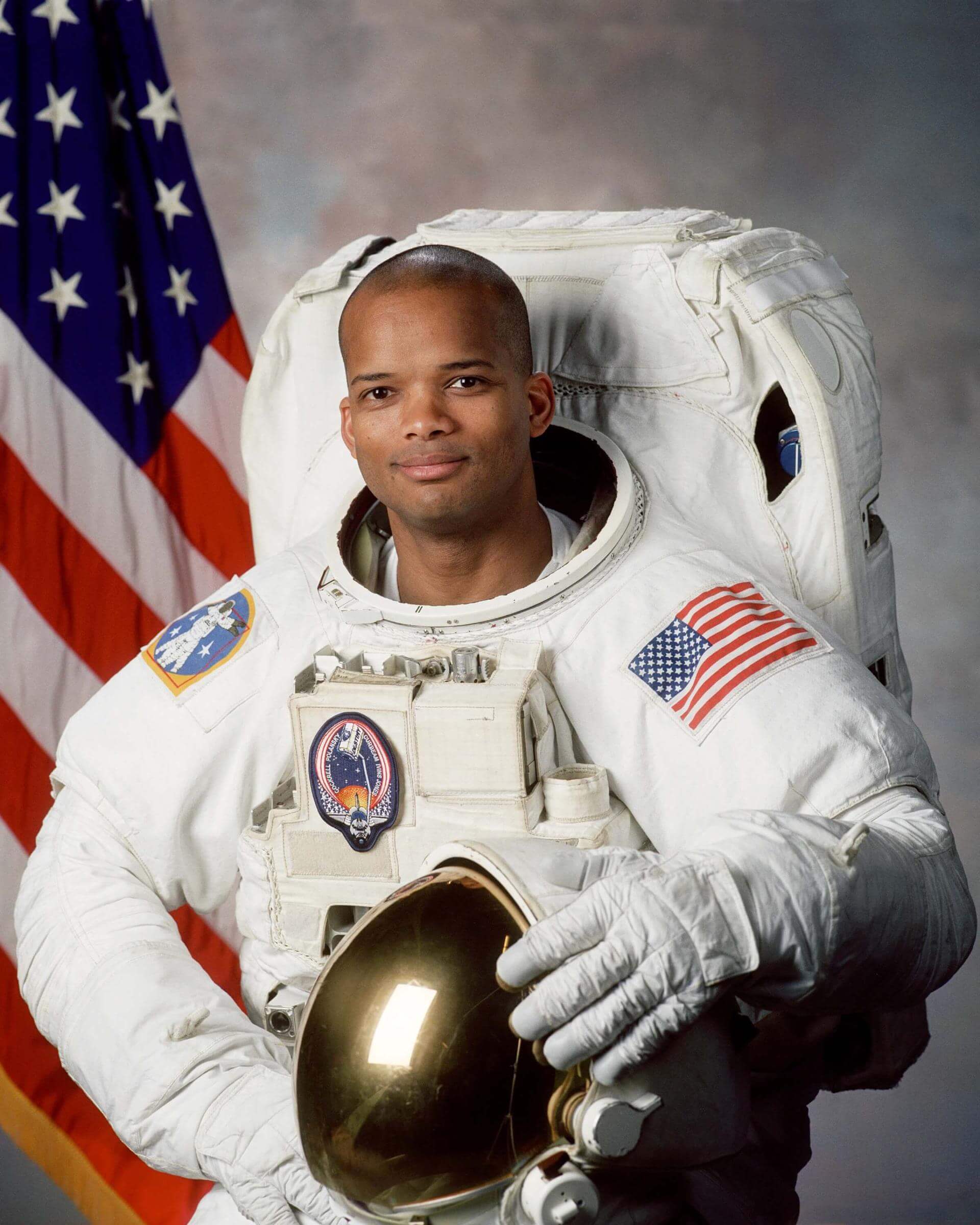
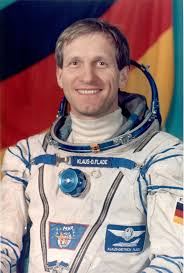
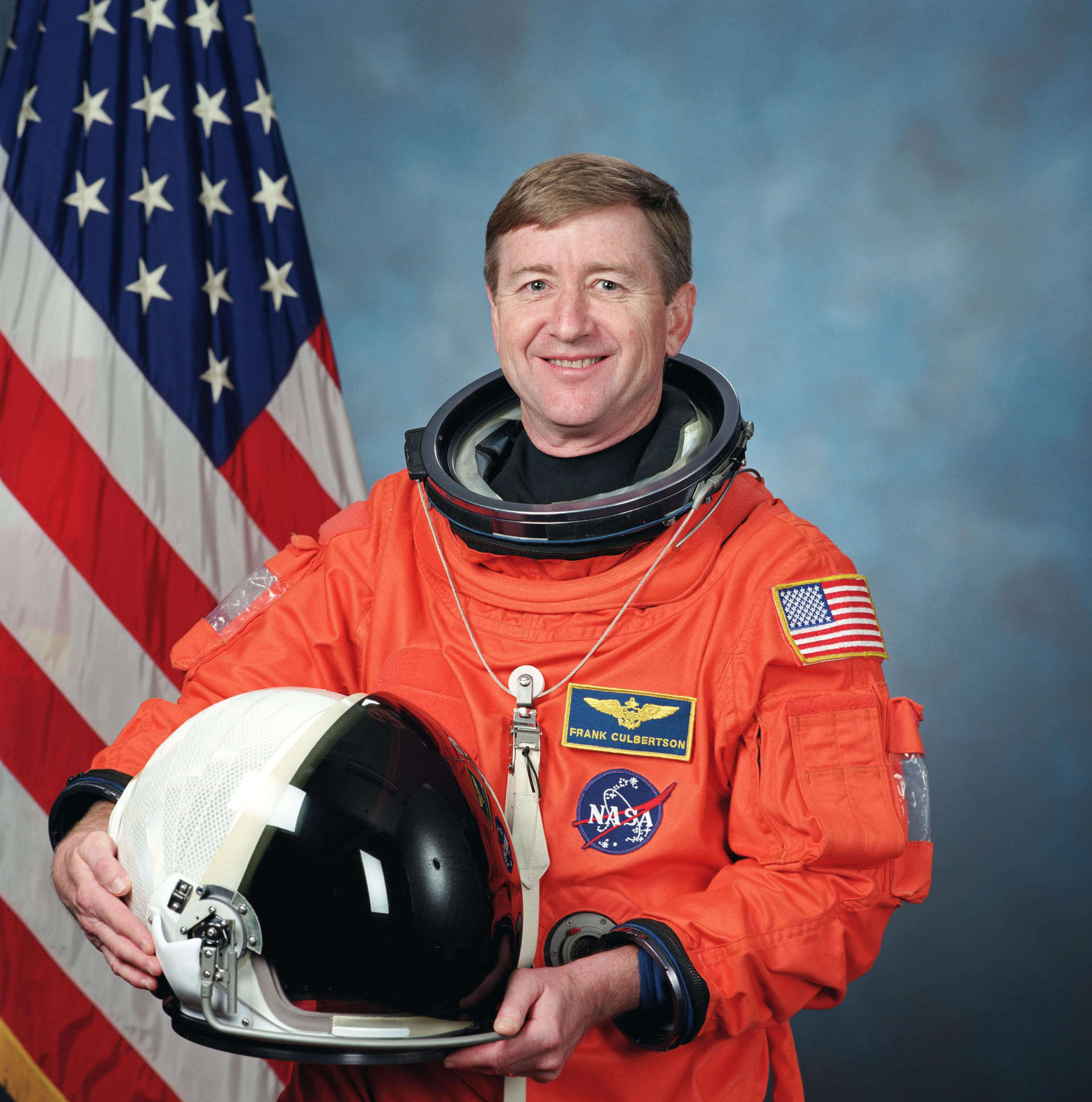
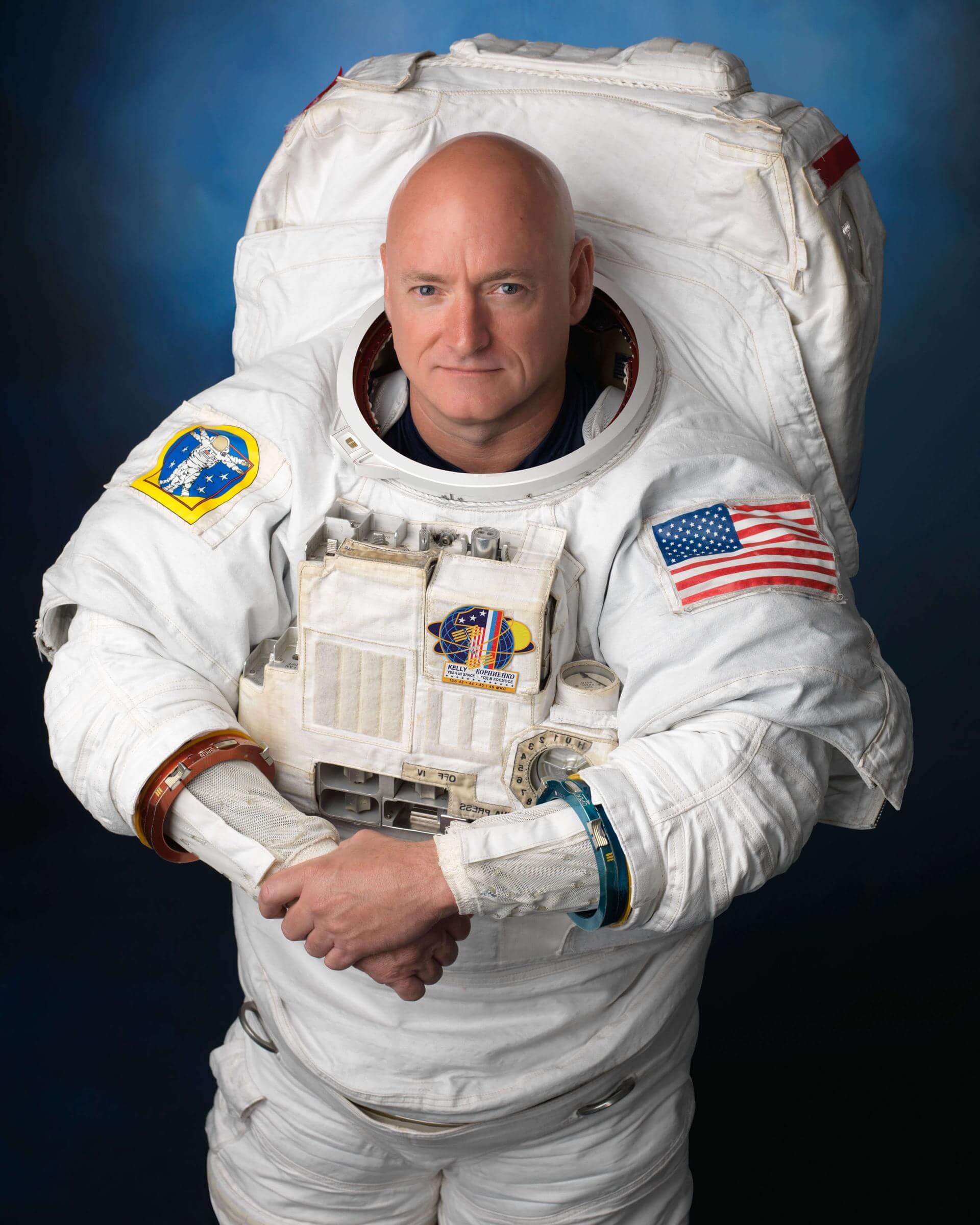
{ "count": 858, "next": "https://lldev.thespacedevs.com/2.0.0/astronaut/?format=api&limit=10&offset=580&ordering=-status", "previous": "https://lldev.thespacedevs.com/2.0.0/astronaut/?format=api&limit=10&offset=560&ordering=-status", "results": [ { "id": 507, "url": "https://lldev.thespacedevs.com/2.0.0/astronaut/507/?format=api", "name": "John L. Phillips", "status": { "id": 2, "name": "Retired" }, "type": { "id": 2, "name": "Government" }, "date_of_birth": "1951-04-15", "date_of_death": null, "nationality": "American", "bio": "John Lynch Phillips is a NASA astronaut. Phillips is also a Naval Aviator and retired captain, United States Navy Reserve. Phillips has received numerous awards and special honors. He is a National Merit Scholar, graduated 2nd in his class of 906 people at the U.S. Naval Academy in 1972. Phillips has also been awarded the NASA Space Flight Medal, NASA Distinguished Service Medal, the Gagarin Medal and several others. Phillips has logged over 4,400 flight hours and 250 aircraft carrier landings, flying the A-7 Corsair II carrier-based light attack aircraft while on active duty in the Regular Navy and subsequently during his time as a Navy Reservist from 1982 to 2002. At the time of his retirement, Phillips had retained the rank of captain.", "twitter": null, "instagram": null, "wiki": "https://en.wikipedia.org/wiki/John_L._Phillips", "agency": { "id": 44, "url": "https://lldev.thespacedevs.com/2.0.0/agencies/44/?format=api", "name": "National Aeronautics and Space Administration", "featured": true, "type": "Government", "country_code": "USA", "abbrev": "NASA", "description": "The National Aeronautics and Space Administration is an independent agency of the executive branch of the United States federal government responsible for the civilian space program, as well as aeronautics and aerospace research. NASA have many launch facilities but most are inactive. The most commonly used pad will be LC-39B at Kennedy Space Center in Florida.", "administrator": "Administrator: Jared Isaacman", "founding_year": "1958", "launchers": "Space Shuttle | SLS", "spacecraft": "Orion", "parent": null, "image_url": "https://thespacedevs-dev.nyc3.digitaloceanspaces.com/media/images/national2520aeronautics2520and2520space2520administration_image_20190207032448.jpeg" }, "profile_image": "https://thespacedevs-dev.nyc3.digitaloceanspaces.com/media/images/john_l._phillip_image_20220911033649.jpeg", "profile_image_thumbnail": "https://thespacedevs-dev.nyc3.digitaloceanspaces.com/media/images/255bauto255d__image_thumbnail_20240305190140.jpeg", "last_flight": "2009-03-15T23:43:44Z", "first_flight": "2001-04-19T18:40:42Z" }, { "id": 418, "url": "https://lldev.thespacedevs.com/2.0.0/astronaut/418/?format=api", "name": "Mae Jemison", "status": { "id": 2, "name": "Retired" }, "type": { "id": 2, "name": "Government" }, "date_of_birth": "1956-10-17", "date_of_death": null, "nationality": "American", "bio": "Mae Carol Jemison is an American engineer, physician and NASA astronaut. She became the first African American woman to travel in space when she went into orbit aboard the Space Shuttle Endeavour on September 12, 1992. After medical school and a brief general practice, Jemison served in the Peace Corps from 1985 until 1987, when she was selected by NASA to join the astronaut corps. She resigned from NASA in 1993 to found a company researching the application of technology to daily life. She has appeared on television several times, including as an actress in an episode of Star Trek: The Next Generation. She is a dancer and holds nine honorary doctorates in science, engineering, letters, and the humanities. She is the current principal of the 100 Year Starship organization.", "twitter": "https://twitter.com/maejemison", "instagram": null, "wiki": "https://en.wikipedia.org/wiki/Mae_Jemison", "agency": { "id": 44, "url": "https://lldev.thespacedevs.com/2.0.0/agencies/44/?format=api", "name": "National Aeronautics and Space Administration", "featured": true, "type": "Government", "country_code": "USA", "abbrev": "NASA", "description": "The National Aeronautics and Space Administration is an independent agency of the executive branch of the United States federal government responsible for the civilian space program, as well as aeronautics and aerospace research. NASA have many launch facilities but most are inactive. The most commonly used pad will be LC-39B at Kennedy Space Center in Florida.", "administrator": "Administrator: Jared Isaacman", "founding_year": "1958", "launchers": "Space Shuttle | SLS", "spacecraft": "Orion", "parent": null, "image_url": "https://thespacedevs-dev.nyc3.digitaloceanspaces.com/media/images/national2520aeronautics2520and2520space2520administration_image_20190207032448.jpeg" }, "profile_image": "https://thespacedevs-dev.nyc3.digitaloceanspaces.com/media/images/mae_jemison_image_20220911033619.jpeg", "profile_image_thumbnail": "https://thespacedevs-dev.nyc3.digitaloceanspaces.com/media/images/255bauto255d__image_thumbnail_20240305190022.jpeg", "last_flight": "1992-09-12T14:23:00Z", "first_flight": "1992-09-12T14:23:00Z" }, { "id": 597, "url": "https://lldev.thespacedevs.com/2.0.0/astronaut/597/?format=api", "name": "Robert J. Cenker", "status": { "id": 2, "name": "Retired" }, "type": { "id": 5, "name": "Payload Specialist" }, "date_of_birth": "1948-11-05", "date_of_death": null, "nationality": "American", "bio": "Robert Joseph \"Bob\" Cenker (born November 5, 1948) is an American aerospace and electrical engineer, aerospace systems consultant, and former astronaut. Cenker worked for 18 years at RCA Astro-Electronics, and its successor company GE Astro Space, on a variety of spacecraft projects. He spent most of his career working on commercial communications satellites, including the Satcom, Spacenet and GStar programs.\r\n\r\nIn January 1986, Cenker was a crew member on the twenty-fourth mission of NASA's Space Shuttle program, the seventh flight of Space Shuttle Columbia, designated as mission STS-61-C. Cenker served as a Payload Specialist, representing RCA Astro-Electronics. This mission was the final flight before the Challenger disaster, which caused the Space Shuttle program to be suspended until 1988, and impacted NASA's Payload Specialist program for even longer. As a result, Cenker's mission was called \"The End of Innocence\" for the Shuttle program. Following the completion of his Shuttle mission, Cenker returned to work in the commercial aerospace field. Since his flight, he has made numerous public appearances representing NASA and the Shuttle program, in the United States, as well as internationally.", "twitter": null, "instagram": null, "wiki": "https://en.wikipedia.org/wiki/Robert_J._Cenker", "agency": { "id": 44, "url": "https://lldev.thespacedevs.com/2.0.0/agencies/44/?format=api", "name": "National Aeronautics and Space Administration", "featured": true, "type": "Government", "country_code": "USA", "abbrev": "NASA", "description": "The National Aeronautics and Space Administration is an independent agency of the executive branch of the United States federal government responsible for the civilian space program, as well as aeronautics and aerospace research. NASA have many launch facilities but most are inactive. The most commonly used pad will be LC-39B at Kennedy Space Center in Florida.", "administrator": "Administrator: Jared Isaacman", "founding_year": "1958", "launchers": "Space Shuttle | SLS", "spacecraft": "Orion", "parent": null, "image_url": "https://thespacedevs-dev.nyc3.digitaloceanspaces.com/media/images/national2520aeronautics2520and2520space2520administration_image_20190207032448.jpeg" }, "profile_image": "https://thespacedevs-dev.nyc3.digitaloceanspaces.com/media/images/robert2520j.2520cenker_image_20190211162555.jpeg", "profile_image_thumbnail": "https://thespacedevs-dev.nyc3.digitaloceanspaces.com/media/images/255bauto255d__image_thumbnail_20240305185646.jpeg", "last_flight": "1986-01-12T11:55:00Z", "first_flight": "1986-01-12T11:55:00Z" }, { "id": 64, "url": "https://lldev.thespacedevs.com/2.0.0/astronaut/64/?format=api", "name": "Toktar Aubakirov", "status": { "id": 2, "name": "Retired" }, "type": { "id": 2, "name": "Government" }, "date_of_birth": "1946-07-27", "date_of_death": null, "nationality": "Kazakh", "bio": "Toktar Ongarbayuly Aubakirov (Kazakh: Тоқтар Оңғарбайұлы Әубәкіров, Russian: Токтар Онгарбаевич Аубакиров, born on 27 July 1946) is a retired Kazakh Air Force officer and a former cosmonaut.\r\n\r\nIn 1991, in accordance with an agreement between the governments of the USSR and the Kazakh SSR, started training at the Gagarin Cosmonaut Training Center. On 2 October 1991 he launched with Russian cosmonaut Alexander Volkov as flight commander, and the Austrian research cosmonaut Franz Viehböck in Soyuz TM-13 from the Baikonur Cosmodrome spaceport, and spent over eight days in space.", "twitter": null, "instagram": null, "wiki": "https://en.wikipedia.org/wiki/Toktar_Aubakirov", "agency": { "id": 63, "url": "https://lldev.thespacedevs.com/2.0.0/agencies/63/?format=api", "name": "Russian Federal Space Agency (ROSCOSMOS)", "featured": true, "type": "Government", "country_code": "RUS", "abbrev": "RFSA", "description": "The Roscosmos State Corporation for Space Activities, commonly known as Roscosmos, is the governmental body responsible for the space science program of the Russian Federation and general aerospace research. Soyuz has many launch locations the Russian sites are Baikonur, Plesetsk and Vostochny however Ariane also purchases the vehicle and launches it from French Guiana.", "administrator": "Administrator: Yuri Borisov", "founding_year": "1992", "launchers": "Soyuz", "spacecraft": "Soyuz", "parent": null, "image_url": "https://thespacedevs-dev.nyc3.digitaloceanspaces.com/media/images/russian2520federal2520space2520agency25202528roscosmos2529_image_20190207032459.jpeg" }, "profile_image": "https://thespacedevs-dev.nyc3.digitaloceanspaces.com/media/images/toktar2520aubakirov_image_20181128220647.jpg", "profile_image_thumbnail": "https://thespacedevs-dev.nyc3.digitaloceanspaces.com/media/images/255bauto255d__image_thumbnail_20240305190340.jpeg", "last_flight": "1991-10-02T05:59:38Z", "first_flight": "1991-10-02T05:59:38Z" }, { "id": 343, "url": "https://lldev.thespacedevs.com/2.0.0/astronaut/343/?format=api", "name": "Brewster H. Shaw", "status": { "id": 2, "name": "Retired" }, "type": { "id": 2, "name": "Government" }, "date_of_birth": "1945-05-16", "date_of_death": null, "nationality": "American", "bio": "Brewster Hopkinson Shaw Jr. is a former NASA astronaut, a retired U.S. Air Force Colonel and former executive at Boeing. Shaw was inducted into the U.S. Astronaut Hall of Fame on May 6, 2006.[1]\r\n\r\nShaw is a veteran of three Space Shuttle missions and has logged 533 hours of space flight. He was Pilot of Space Shuttle Columbia in November 1983, Commander of Space Shuttle Atlantis in November 1985 and Commander of Columbia in August 1989.\r\n\r\nFollowing the Space Shuttle Challenger accident in 1986, he supported the Roger’s Presidential Commission[2] investigating the accident. Shaw subsequently led the Space Shuttle Orbiter return-to-flight team chartered to enhance the safety of the vehicles’ operations.\r\n\r\nShaw worked as a manager at NASA until 1996 when he left the agency, retired from the Air Force and went to work in the private sector as an aerospace executive.", "twitter": null, "instagram": null, "wiki": "https://en.wikipedia.org/wiki/Brewster_H._Shaw", "agency": { "id": 44, "url": "https://lldev.thespacedevs.com/2.0.0/agencies/44/?format=api", "name": "National Aeronautics and Space Administration", "featured": true, "type": "Government", "country_code": "USA", "abbrev": "NASA", "description": "The National Aeronautics and Space Administration is an independent agency of the executive branch of the United States federal government responsible for the civilian space program, as well as aeronautics and aerospace research. NASA have many launch facilities but most are inactive. The most commonly used pad will be LC-39B at Kennedy Space Center in Florida.", "administrator": "Administrator: Jared Isaacman", "founding_year": "1958", "launchers": "Space Shuttle | SLS", "spacecraft": "Orion", "parent": null, "image_url": "https://thespacedevs-dev.nyc3.digitaloceanspaces.com/media/images/national2520aeronautics2520and2520space2520administration_image_20190207032448.jpeg" }, "profile_image": "https://thespacedevs-dev.nyc3.digitaloceanspaces.com/media/images/brewster2520h.2520shaw_image_20181202103314.jpg", "profile_image_thumbnail": "https://thespacedevs-dev.nyc3.digitaloceanspaces.com/media/images/255bauto255d__image_thumbnail_20240305185456.jpeg", "last_flight": "1989-08-08T12:37:00Z", "first_flight": "1983-11-28T16:00:00Z" }, { "id": 477, "url": "https://lldev.thespacedevs.com/2.0.0/astronaut/477/?format=api", "name": "Robert Curbeam", "status": { "id": 2, "name": "Retired" }, "type": { "id": 2, "name": "Government" }, "date_of_birth": "1962-03-05", "date_of_death": null, "nationality": "American", "bio": "Robert Lee Curbeam, Jr. is a former NASA astronaut and captain in the United States Navy.\r\n\r\nCurbeam graduated from Woodlawn High School, Baltimore County, Maryland in 1980. He earned a Bachelor of Science degree in Aerospace Engineering from the United States Naval Academy in 1984, a Master of Science degree in Aeronautical Engineering from the Naval Postgraduate School in 1990, and a master's degree in Astronautical Engineering from the Naval Postgraduate School in 1991.\r\n\r\nHe is a member of the U.S. Naval Academy Alumni Association and the Association of Old Crows.\r\n\r\nCurbeam was named Fighter Wing One Radar Intercept Officer of the Year in 1989 and received the U.S. Naval Test Pilot School Best Developmental Thesis (DT-II) Award.\r\n\r\nHe currently holds the record for the most spacewalks during a single spaceflight. During the STS-116 mission, Curbeam completed four spacewalks.", "twitter": null, "instagram": null, "wiki": "https://en.wikipedia.org/wiki/Robert_Curbeam", "agency": { "id": 44, "url": "https://lldev.thespacedevs.com/2.0.0/agencies/44/?format=api", "name": "National Aeronautics and Space Administration", "featured": true, "type": "Government", "country_code": "USA", "abbrev": "NASA", "description": "The National Aeronautics and Space Administration is an independent agency of the executive branch of the United States federal government responsible for the civilian space program, as well as aeronautics and aerospace research. NASA have many launch facilities but most are inactive. The most commonly used pad will be LC-39B at Kennedy Space Center in Florida.", "administrator": "Administrator: Jared Isaacman", "founding_year": "1958", "launchers": "Space Shuttle | SLS", "spacecraft": "Orion", "parent": null, "image_url": "https://thespacedevs-dev.nyc3.digitaloceanspaces.com/media/images/national2520aeronautics2520and2520space2520administration_image_20190207032448.jpeg" }, "profile_image": "https://thespacedevs-dev.nyc3.digitaloceanspaces.com/media/images/robert_curbeam_image_20220911033512.jpeg", "profile_image_thumbnail": "https://thespacedevs-dev.nyc3.digitaloceanspaces.com/media/images/255bauto255d__image_thumbnail_20240305190854.jpeg", "last_flight": "2006-12-10T01:47:35Z", "first_flight": "1997-08-07T14:41:00Z" }, { "id": 106, "url": "https://lldev.thespacedevs.com/2.0.0/astronaut/106/?format=api", "name": "Klaus-Dietrich Flade", "status": { "id": 2, "name": "Retired" }, "type": { "id": 2, "name": "Government" }, "date_of_birth": "1952-08-21", "date_of_death": null, "nationality": "German", "bio": "Klaus-Dietrich Flade (born August 23, 1952) is a German pilot and former German Aerospace Center astronaut who visited the Mir space station in 1992 aboard the Soyuz TM-14 mission, returning to Earth a week later aboard Soyuz TM-13.", "twitter": null, "instagram": null, "wiki": "https://en.wikipedia.org/wiki/Klaus-Dietrich_Flade", "agency": { "id": 29, "url": "https://lldev.thespacedevs.com/2.0.0/agencies/29/?format=api", "name": "German Aerospace Center", "featured": false, "type": "Government", "country_code": "DEU", "abbrev": "DLR", "description": "The German Aerospace Center is Germany's Center for aerospace, energy, and transportation research. Their main work is as a contributor to the ESA. They have done work both in tandem with the US on Space Shuttle and the ISS, and also with other European Nations on missions like Space Lab and Mars Express.", "administrator": "Administrator: Anke Kaysser-Pyzalla", "founding_year": "1969", "launchers": "", "spacecraft": "Mars Express | Rosetta | Dawn", "parent": null, "image_url": null }, "profile_image": "https://thespacedevs-dev.nyc3.digitaloceanspaces.com/media/images/klaus-dietrich2520flade_image_20181128231425.jpg", "profile_image_thumbnail": "https://thespacedevs-dev.nyc3.digitaloceanspaces.com/media/images/255bauto255d__image_thumbnail_20240305185824.jpeg", "last_flight": "1992-03-17T10:54:30Z", "first_flight": "1992-03-17T10:54:30Z" }, { "id": 383, "url": "https://lldev.thespacedevs.com/2.0.0/astronaut/383/?format=api", "name": "Frank L. Culbertson Jr.", "status": { "id": 2, "name": "Retired" }, "type": { "id": 2, "name": "Government" }, "date_of_birth": "1949-05-15", "date_of_death": null, "nationality": "American", "bio": "Frank Lee Culbertson Jr. is an American former naval officer and aviator, test pilot, aerospace engineer, and NASA astronaut. He served as the Commander of the International Space Station for almost four months in 2001 and was the only American not on Earth when the September 11 attacks occurred. He is currently President of the Space Systems Group at Northrop Grumman Innovation Systems. Mr. Culbertson is responsible for the execution, business development and financial performance of the company’s human spaceflight, science, commercial communications, and national security satellite activities, as well as technical services to various government customers. These include some of Northrop Grumman's largest and most important programs such as NASA’s Commercial Resupply Services (CRS) initiatives to the International Space Station (ISS) as well as various national security-related programs.", "twitter": null, "instagram": null, "wiki": "https://en.wikipedia.org/wiki/Frank_L._Culbertson_Jr.", "agency": { "id": 44, "url": "https://lldev.thespacedevs.com/2.0.0/agencies/44/?format=api", "name": "National Aeronautics and Space Administration", "featured": true, "type": "Government", "country_code": "USA", "abbrev": "NASA", "description": "The National Aeronautics and Space Administration is an independent agency of the executive branch of the United States federal government responsible for the civilian space program, as well as aeronautics and aerospace research. NASA have many launch facilities but most are inactive. The most commonly used pad will be LC-39B at Kennedy Space Center in Florida.", "administrator": "Administrator: Jared Isaacman", "founding_year": "1958", "launchers": "Space Shuttle | SLS", "spacecraft": "Orion", "parent": null, "image_url": "https://thespacedevs-dev.nyc3.digitaloceanspaces.com/media/images/national2520aeronautics2520and2520space2520administration_image_20190207032448.jpeg" }, "profile_image": "https://thespacedevs-dev.nyc3.digitaloceanspaces.com/media/images/frank2520l.2520culbertson2520jr._image_20181202133429.jpg", "profile_image_thumbnail": "https://thespacedevs-dev.nyc3.digitaloceanspaces.com/media/images/255bauto255d__image_thumbnail_20240305185451.jpeg", "last_flight": "2001-08-10T21:10:14Z", "first_flight": "1990-11-15T23:48:15Z" }, { "id": 489, "url": "https://lldev.thespacedevs.com/2.0.0/astronaut/489/?format=api", "name": "Scott Kelly", "status": { "id": 2, "name": "Retired" }, "type": { "id": 2, "name": "Government" }, "date_of_birth": "1964-02-21", "date_of_death": null, "nationality": "American", "bio": "Scott Joseph Kelly is an engineer, retired American astronaut, and a retired U.S. Navy Captain. A veteran of four space flights, Kelly commanded the International Space Station (ISS) on Expeditions 26, 45, and 46.\r\n\r\nKelly's first spaceflight was as pilot of Space Shuttle Discovery, during STS-103 in December 1999. This was the third servicing mission to the Hubble Space Telescope, and lasted for just under eight days. Kelly's second spaceflight was as mission commander of STS-118, a 12-day Space Shuttle mission to the International Space Station in August 2007. Kelly's third spaceflight was as commander of Expedition 26 on the ISS. He arrived 9 October 2010, on a Russian Soyuz spacecraft, during Expedition 25, and served as a flight engineer until it ended. He took over command of the station on 25 November 2010, at the start of Expedition 26 which began officially when the spacecraft Soyuz TMA-19 undocked, carrying the previous commander of the station, Douglas H. Wheelock. Expedition 26 ended on 16 March 2011 with the departure of Soyuz TMA-01M. This was Kelly's first long-duration spaceflight.\r\n\r\nIn November 2012, Kelly was selected, along with Mikhail Korniyenko, for a year-long mission to the International Space Station. Their year in space commenced 27 March 2015 with the start of Expedition 43, continued through the entirety of Expeditions 44, and 45, both of which Kelly commanded. He passed command to Timothy Kopra on 29 February 2016, when the ISS 11-month mission ended. He returned to Earth aboard Soyuz TMA-18M on 1 March 2016.", "twitter": "https://twitter.com/StationCDRKelly", "instagram": "https://www.instagram.com/stationcdrkelly/", "wiki": "https://en.wikipedia.org/wiki/Scott_Kelly_(astronaut)", "agency": { "id": 44, "url": "https://lldev.thespacedevs.com/2.0.0/agencies/44/?format=api", "name": "National Aeronautics and Space Administration", "featured": true, "type": "Government", "country_code": "USA", "abbrev": "NASA", "description": "The National Aeronautics and Space Administration is an independent agency of the executive branch of the United States federal government responsible for the civilian space program, as well as aeronautics and aerospace research. NASA have many launch facilities but most are inactive. The most commonly used pad will be LC-39B at Kennedy Space Center in Florida.", "administrator": "Administrator: Jared Isaacman", "founding_year": "1958", "launchers": "Space Shuttle | SLS", "spacecraft": "Orion", "parent": null, "image_url": "https://thespacedevs-dev.nyc3.digitaloceanspaces.com/media/images/national2520aeronautics2520and2520space2520administration_image_20190207032448.jpeg" }, "profile_image": "https://thespacedevs-dev.nyc3.digitaloceanspaces.com/media/images/scott_kelly_image_20220911033557.jpeg", "profile_image_thumbnail": "https://thespacedevs-dev.nyc3.digitaloceanspaces.com/media/images/255bauto255d__image_thumbnail_20240305190409.jpeg", "last_flight": "2015-03-27T19:42:57Z", "first_flight": "1999-12-20T00:50:00Z" }, { "id": 107, "url": "https://lldev.thespacedevs.com/2.0.0/astronaut/107/?format=api", "name": "Dirk Frimout", "status": { "id": 2, "name": "Retired" }, "type": { "id": 2, "name": "Government" }, "date_of_birth": "1941-03-21", "date_of_death": null, "nationality": "Belgian", "bio": "Dirk Dries David Damiaan, Viscount Frimout (born 21 March 1941 in Poperinge, Belgium) is an astrophysicist for the European Space Agency. He flew aboard NASA Space Shuttle mision STS-45 as a payload specialist, making him the first Belgian in space.", "twitter": null, "instagram": null, "wiki": "https://en.wikipedia.org/wiki/Dirk_Frimout", "agency": { "id": 27, "url": "https://lldev.thespacedevs.com/2.0.0/agencies/27/?format=api", "name": "European Space Agency", "featured": false, "type": "Multinational", "country_code": "FRA,ITA,DEU,ESP,CHE,GBR,AUT,SWE,BEL,PRT,NLD,HUN,POL,DNK,CZE,ROU,NOR,FIN,GRC,EST,IRL,LUX,SVN", "abbrev": "ESA", "description": "The European Space Agency is an intergovernmental organisation of 22 member states. Established in 1975 and headquartered in Paris, France, ESA has a worldwide staff of about 2,000 employees.\r\n\r\nESA's space flight programme includes human spaceflight (mainly through participation in the International Space Station program); the launch and operation of unmanned exploration missions to other planets and the Moon; Earth observation, science and telecommunication; designing launch vehicles; and maintaining a major spaceport, the Guiana Space Centre at Kourou, French Guiana.", "administrator": "Director General: Josef Aschbacher", "founding_year": "1975", "launchers": "Ariane | Vega", "spacecraft": "Space Rider", "parent": null, "image_url": "https://thespacedevs-dev.nyc3.digitaloceanspaces.com/media/images/esa_patch_float_image_20250211192109.png" }, "profile_image": "https://thespacedevs-dev.nyc3.digitaloceanspaces.com/media/images/dirk2520frimout_image_20181128231547.jpg", "profile_image_thumbnail": "https://thespacedevs-dev.nyc3.digitaloceanspaces.com/media/images/255bauto255d__image_thumbnail_20240305190220.jpeg", "last_flight": "1992-03-24T13:13:39Z", "first_flight": "1992-03-24T13:13:39Z" } ] }