Astronaut List
API endpoint that allows Astronaut to be viewed.
GET: Return a list of all the existing astronauts.
MODE: Normal, List, LaunchList and Detailed /2.0.0/astronaut/?mode=detailed
FILTERS: Parameters - 'name', 'status', 'nationality', 'agency__name', 'agency__abbrev', 'date_of_birth', 'date_of_death', 'status_ids' Example - /2.0.0/astronaut/?nationality=American
SEARCH EXAMPLE: /2.0.0/astronaut/?search=armstrong Searches through name, nationality and agency name
ORDERING: Fields - 'name', 'status', 'date_of_birth' Example - /2.0.0/astronaut/?order=name
GET /2.0.0/astronaut/?format=api&offset=20
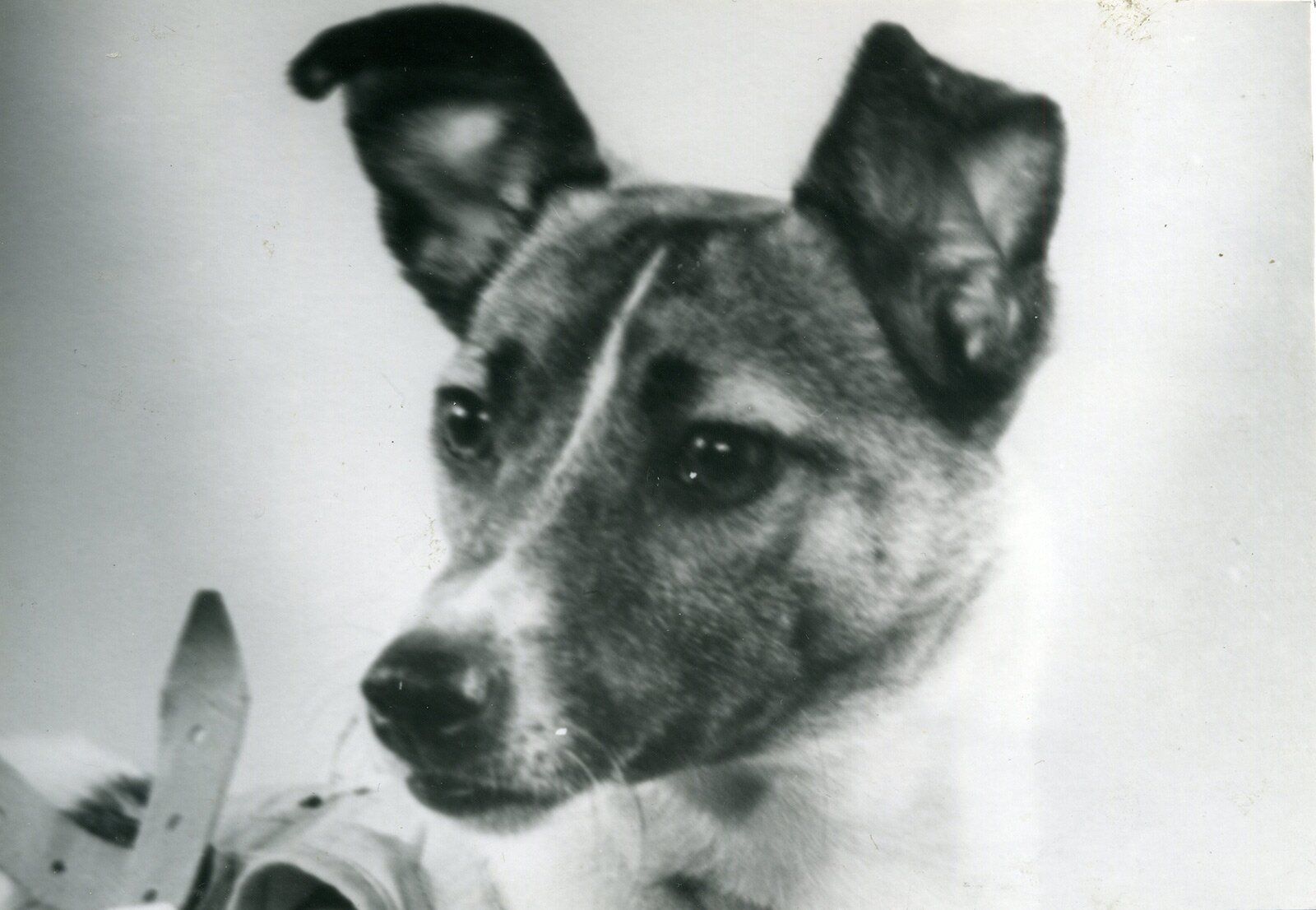
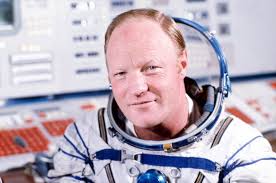
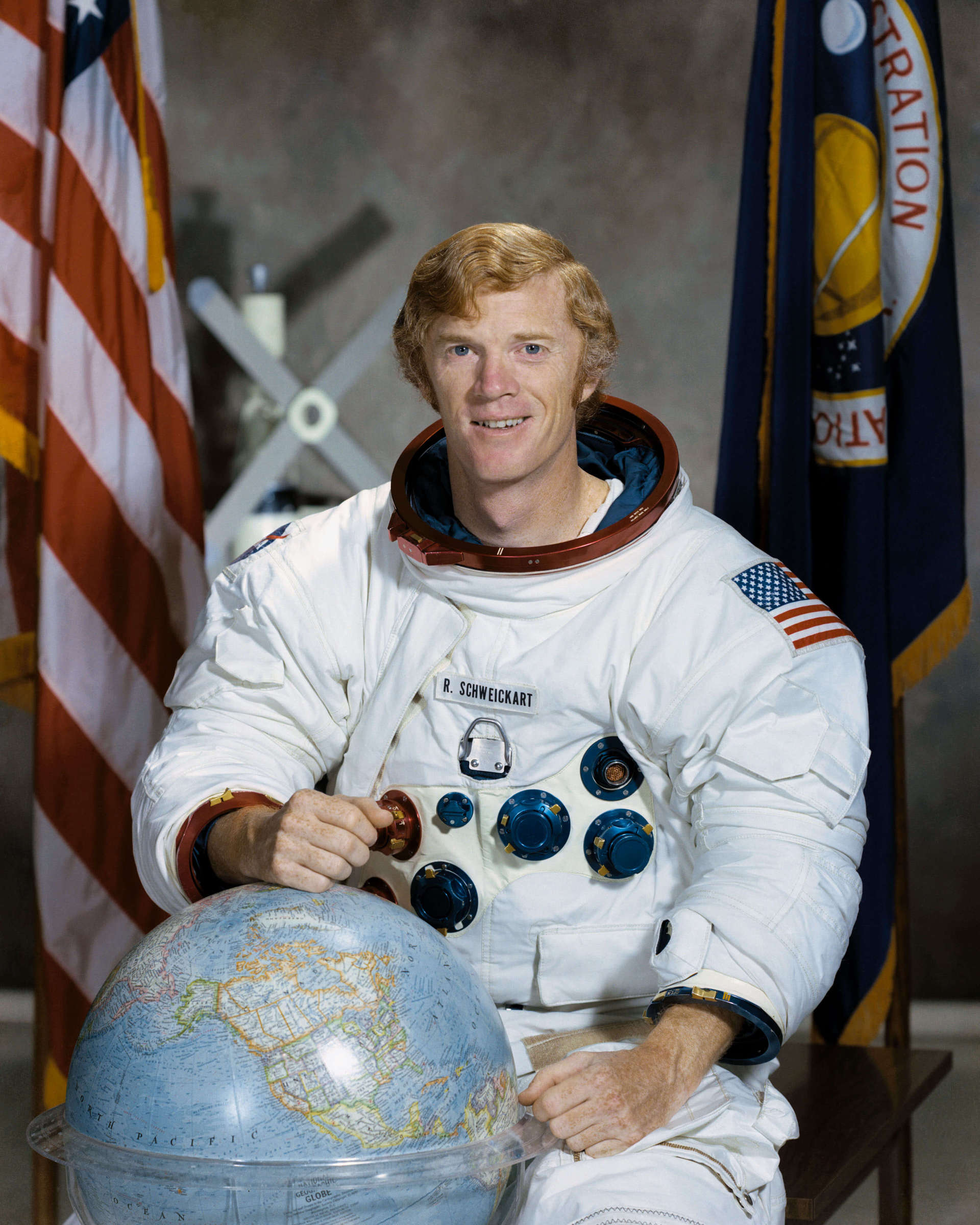
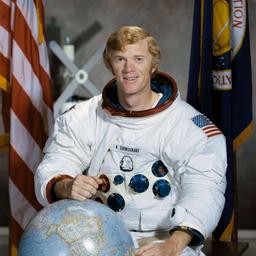
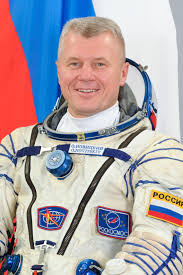
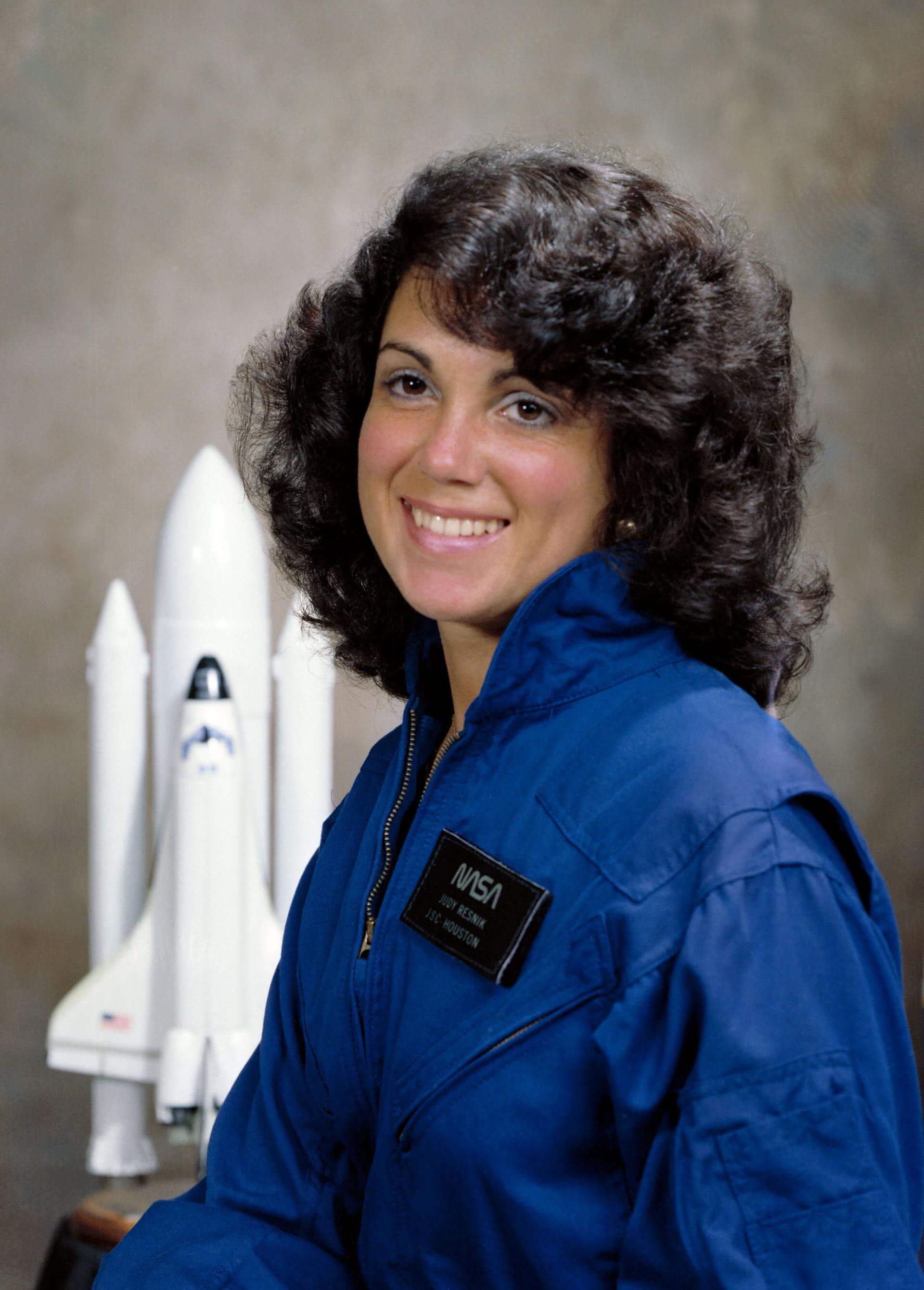
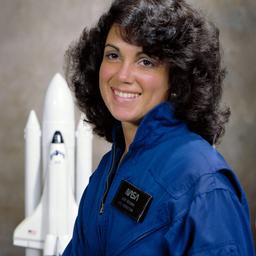
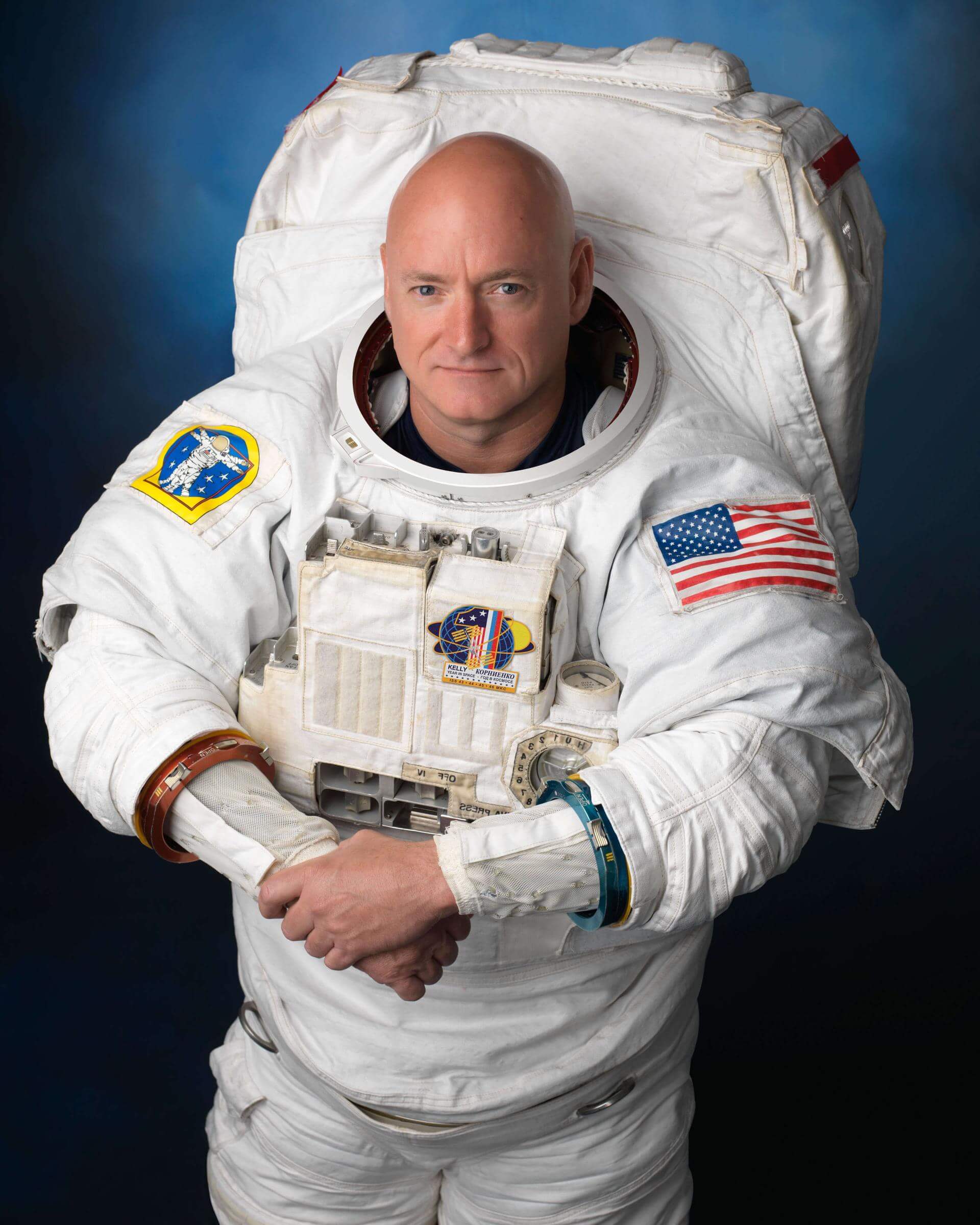
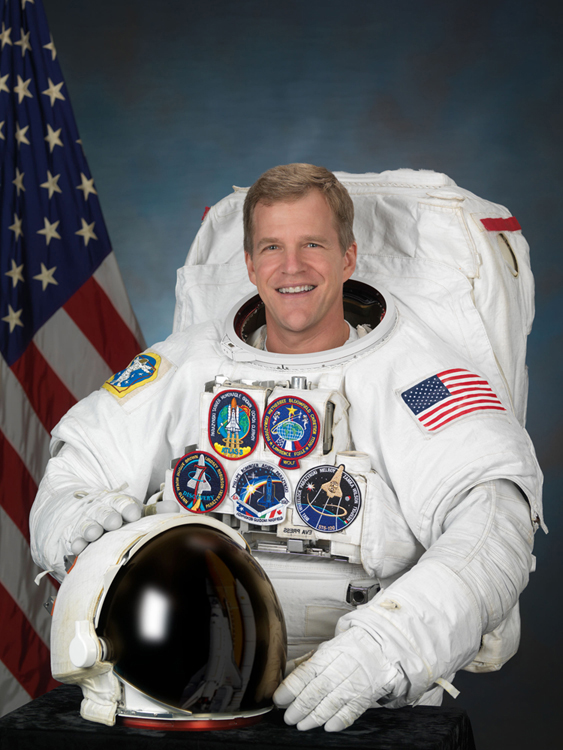
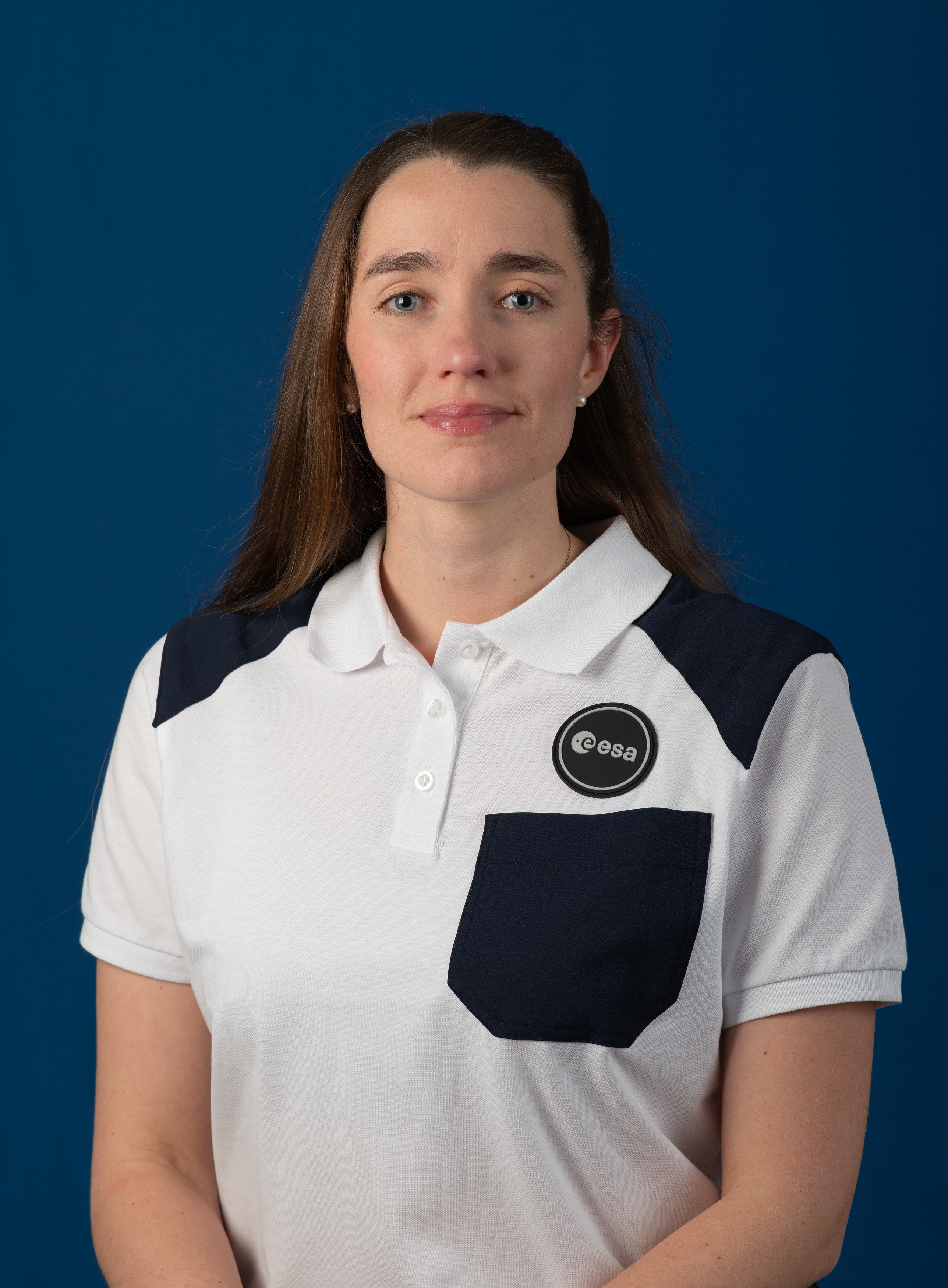
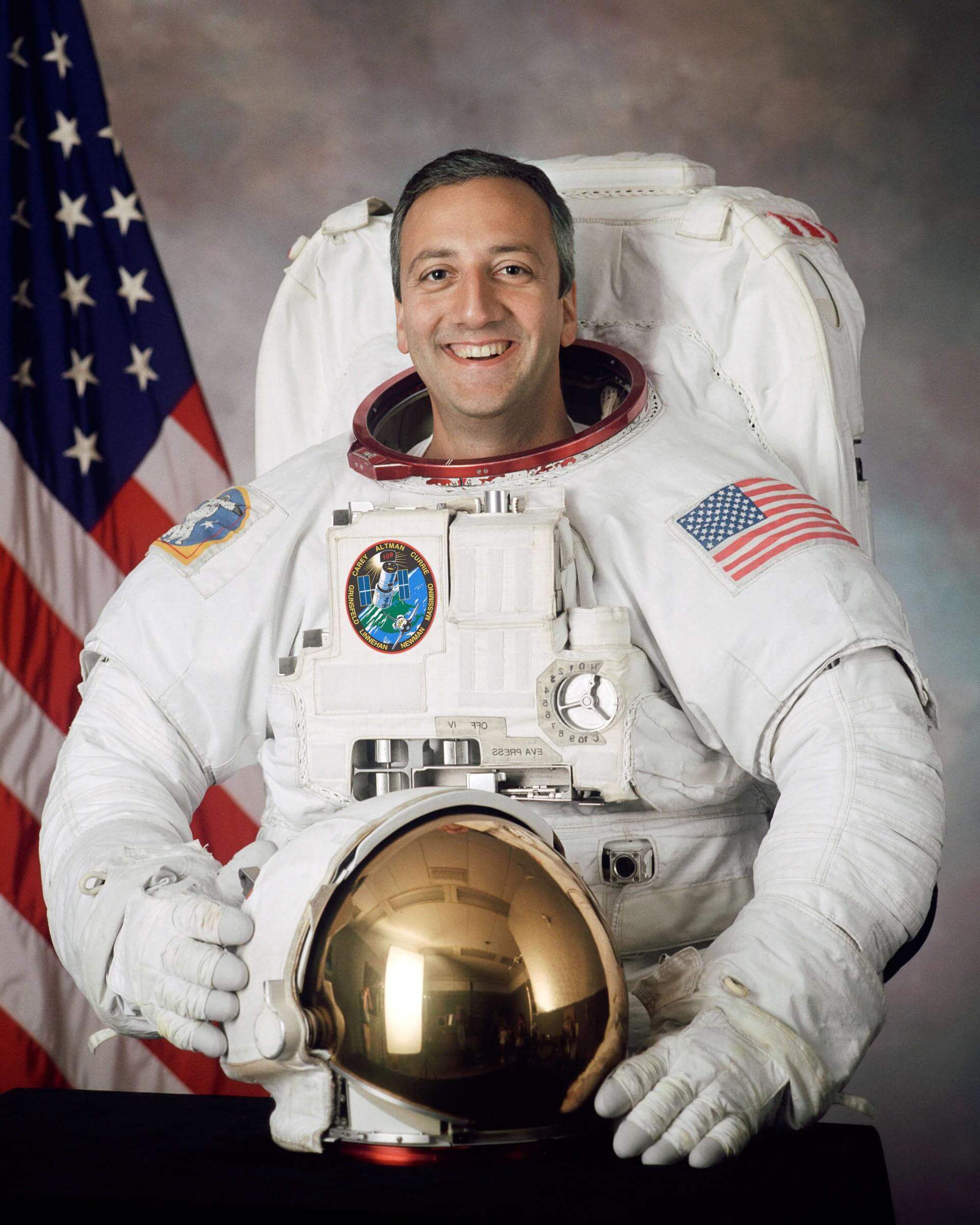
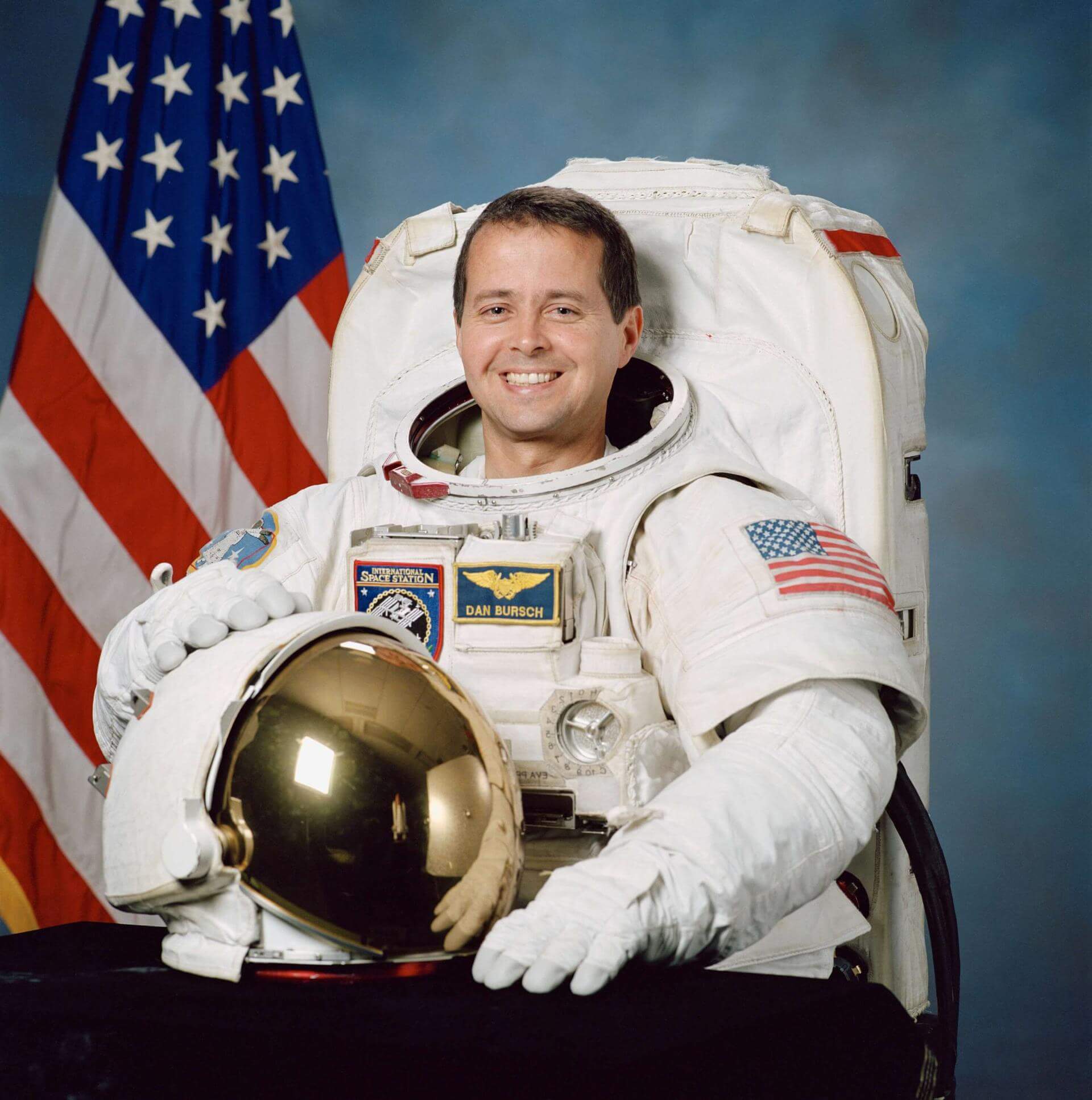
{ "count": 863, "next": "https://lldev.thespacedevs.com/2.0.0/astronaut/?format=api&limit=10&offset=30", "previous": "https://lldev.thespacedevs.com/2.0.0/astronaut/?format=api&limit=10&offset=10", "results": [ { "id": 924, "url": "https://lldev.thespacedevs.com/2.0.0/astronaut/924/?format=api", "name": "Laika", "status": { "id": 11, "name": "Deceased" }, "type": { "id": 6, "name": "Non-Human" }, "date_of_birth": "1954-01-01", "date_of_death": "1957-11-03", "nationality": "Russian", "bio": "Laika was a Soviet space dog who was one of the first animals in space and the first to orbit the Earth", "twitter": null, "instagram": null, "wiki": "https://en.wikipedia.org/wiki/Laika", "agency": { "id": 66, "url": "https://lldev.thespacedevs.com/2.0.0/agencies/66/?format=api", "name": "Soviet Space Program", "featured": false, "type": "Government", "country_code": "RUS", "abbrev": "CCCP", "description": "The Soviet space program, was the national space program of the Union of Soviet Socialist Republics (USSR) actived from 1930s until disintegration of the Soviet Union in 1991.\r\n\r\nThe Soviet Union's space program was mainly based on the cosmonautic exploration of space and the development of the expandable launch vehicles, which had been split between many design bureaus competing against each other. Over its 60-years of history, the Russian program was responsible for a number of pioneering feats and accomplishments in the human space flight, including the first intercontinental ballistic missile (R-7), first satellite (Sputnik 1), first animal in Earth orbit (the dog Laika on Sputnik 2), first human in space and Earth orbit (cosmonaut Yuri Gagarin on Vostok 1), first woman in space and Earth orbit (cosmonaut Valentina Tereshkova on Vostok 6), first spacewalk (cosmonaut Alexei Leonov on Voskhod 2), first Moon impact (Luna 2), first image of the far side of the Moon (Luna 3) and unmanned lunar soft landing (Luna 9), first space rover (Lunokhod 1), first sample of lunar soil automatically extracted and brought to Earth (Luna 16), and first space station (Salyut 1). Further notable records included the first interplanetary probes: Venera 1 and Mars 1 to fly by Venus and Mars, respectively, Venera 3 and Mars 2 to impact the respective planet surface, and Venera 7 and Mars 3 to make soft landings on these planets.", "administrator": null, "founding_year": "1931", "launchers": "", "spacecraft": "", "parent": null, "image_url": "https://thespacedevs-dev.nyc3.digitaloceanspaces.com/media/images/soviet2520space2520program_image_20191229081306.jpeg" }, "profile_image": "https://thespacedevs-dev.nyc3.digitaloceanspaces.com/media/images/laika_image_20261102201324.jpeg", "profile_image_thumbnail": "https://thespacedevs-dev.nyc3.digitaloceanspaces.com/media/images/laika_image_thumbnail_20261102201325.jpeg", "last_flight": "1957-11-03T02:30:00Z", "first_flight": "1957-11-03T02:30:00Z" }, { "id": 280, "url": "https://lldev.thespacedevs.com/2.0.0/astronaut/280/?format=api", "name": "Igor Volk", "status": { "id": 11, "name": "Deceased" }, "type": { "id": 2, "name": "Government" }, "date_of_birth": "1937-04-12", "date_of_death": "2017-01-03", "nationality": "Russian", "bio": "Igor Petrovich Volk (Russian: Игорь Петрович Волк; Ukrainian: Ігор Петрович Волк; 12 April 1937 – 3 January 2017) was a cosmonaut and test pilot in the Soviet Union.\r\nIgor Volk was selected as a cosmonaut on 12 July 1977 and flew as Research Cosmonaut on Soyuz T-12, the 7th expedition to Salyut 7. One goal of the mission was to test the effects of long-duration spaceflight on Volk's return flight piloting as a precursor to piloting the Space Shuttle Buran. He served as the head of cosmonaut training for the Buran program and after the project's cancellation, as a Flight Tests Deputy at the Gromov Flight Research Institute in 1995 before retiring in 1996. He previously served as President of the National Aero Club of Russia and Vice President of the Fédération Aéronautique Internationale. As recognition for his contributions as a test pilot and cosmonaut he was awarded the Hero of the Soviet Union on 29 July 1984.", "twitter": null, "instagram": null, "wiki": "https://en.wikipedia.org/wiki/Igor_Volk", "agency": { "id": 63, "url": "https://lldev.thespacedevs.com/2.0.0/agencies/63/?format=api", "name": "Russian Federal Space Agency (ROSCOSMOS)", "featured": true, "type": "Government", "country_code": "RUS", "abbrev": "RFSA", "description": "The Roscosmos State Corporation for Space Activities, commonly known as Roscosmos, is the governmental body responsible for the space science program of the Russian Federation and general aerospace research. Soyuz has many launch locations the Russian sites are Baikonur, Plesetsk and Vostochny however Ariane also purchases the vehicle and launches it from French Guiana.", "administrator": "Administrator: Yuri Borisov", "founding_year": "1992", "launchers": "Soyuz", "spacecraft": "Soyuz", "parent": null, "image_url": "https://thespacedevs-dev.nyc3.digitaloceanspaces.com/media/images/russian2520federal2520space2520agency25202528roscosmos2529_image_20190207032459.jpeg" }, "profile_image": "https://thespacedevs-dev.nyc3.digitaloceanspaces.com/media/images/igor2520volk_image_20181201224413.jpg", "profile_image_thumbnail": "https://thespacedevs-dev.nyc3.digitaloceanspaces.com/media/images/255bauto255d__image_thumbnail_20240305190811.jpeg", "last_flight": "1984-07-17T17:40:54Z", "first_flight": "1984-07-17T17:40:54Z" }, { "id": 47, "url": "https://lldev.thespacedevs.com/2.0.0/astronaut/47/?format=api", "name": "Rusty Schweickart", "status": { "id": 2, "name": "Retired" }, "type": { "id": 2, "name": "Government" }, "date_of_birth": "1935-10-25", "date_of_death": null, "nationality": "American", "bio": "Russell Louis \"Rusty\" Schweickart is an American aeronautical engineer, and a former NASA astronaut, research scientist, U.S. Air Force fighter pilot, as well as a former business executive and government executive.\r\n\r\nSelected in 1963 for NASA's third astronaut group, he is best known as the Lunar Module Pilot on the 1969 Apollo 9 mission, the first manned flight test of the Lunar Module, on which he performed the first in-space test of the Portable Life Support System used by the Apollo astronauts who walked on the Moon. As backup Commander of the first manned Skylab mission in 1973, he was responsible for developing the hardware and procedures used by the first crew to perform critical in-flight repairs of the Skylab station. After Skylab, he served for a time as Director of User Affairs in NASA's Office of Applications.\r\n\r\nSchweickart left NASA in 1977 to serve for two years as California Governor Jerry Brown's assistant for science and technology, then was appointed by Brown to California's Energy Commission for five and a half years, serving as chairman for three.\r\n\r\nIn 1984–85 he co-founded the Association of Space Explorers and later in 2002 co-founded the B612 Foundation, a non-profit organization dedicated to defending Earth from asteroid impacts, along with fellow former astronaut Ed Lu and two planetary scientists. He served for a period as its chair before becoming its chair emeritus.", "twitter": null, "instagram": null, "wiki": "https://en.wikipedia.org/wiki/Rusty_Schweickart", "agency": { "id": 44, "url": "https://lldev.thespacedevs.com/2.0.0/agencies/44/?format=api", "name": "National Aeronautics and Space Administration", "featured": true, "type": "Government", "country_code": "USA", "abbrev": "NASA", "description": "The National Aeronautics and Space Administration is an independent agency of the executive branch of the United States federal government responsible for the civilian space program, as well as aeronautics and aerospace research. NASA have many launch facilities but most are inactive. The most commonly used pad will be LC-39B at Kennedy Space Center in Florida.", "administrator": "Administrator: Jared Isaacman", "founding_year": "1958", "launchers": "Space Shuttle | SLS", "spacecraft": "Orion", "parent": null, "image_url": "https://thespacedevs-dev.nyc3.digitaloceanspaces.com/media/images/national2520aeronautics2520and2520space2520administration_image_20190207032448.jpeg" }, "profile_image": "https://thespacedevs-dev.nyc3.digitaloceanspaces.com/media/images/rusty2520schweickart_image_20181128145913.jpg", "profile_image_thumbnail": "https://thespacedevs-dev.nyc3.digitaloceanspaces.com/media/images/255bauto255d__image_thumbnail_20240305190342.jpeg", "last_flight": "1969-03-03T16:00:00Z", "first_flight": "1969-03-03T16:00:00Z" }, { "id": 212, "url": "https://lldev.thespacedevs.com/2.0.0/astronaut/212/?format=api", "name": "Oleg Novitskiy", "status": { "id": 1, "name": "Active" }, "type": { "id": 2, "name": "Government" }, "date_of_birth": "1971-10-12", "date_of_death": null, "nationality": "Russian", "bio": "Oleg Viktorovich Novitskiy, lieutenant colonel in the Russian Air Force, is a Russian cosmonaut.\r\n\r\nNovitskiy was selected as a cosmonaut in 2006.Between February 2007 to July 2009 he completed basic spaceflight training and passed state exams with excellent grades. On August 1, 2009, he was qualified as a test-cosmonaut by the Interdepartmental Qualification Board, and between August 2009 to March 2010 he took the ISS advanced training course.", "twitter": null, "instagram": null, "wiki": "https://en.wikipedia.org/wiki/Oleg_Novitskiy", "agency": { "id": 63, "url": "https://lldev.thespacedevs.com/2.0.0/agencies/63/?format=api", "name": "Russian Federal Space Agency (ROSCOSMOS)", "featured": true, "type": "Government", "country_code": "RUS", "abbrev": "RFSA", "description": "The Roscosmos State Corporation for Space Activities, commonly known as Roscosmos, is the governmental body responsible for the space science program of the Russian Federation and general aerospace research. Soyuz has many launch locations the Russian sites are Baikonur, Plesetsk and Vostochny however Ariane also purchases the vehicle and launches it from French Guiana.", "administrator": "Administrator: Yuri Borisov", "founding_year": "1992", "launchers": "Soyuz", "spacecraft": "Soyuz", "parent": null, "image_url": "https://thespacedevs-dev.nyc3.digitaloceanspaces.com/media/images/russian2520federal2520space2520agency25202528roscosmos2529_image_20190207032459.jpeg" }, "profile_image": "https://thespacedevs-dev.nyc3.digitaloceanspaces.com/media/images/oleg2520novitskiy_image_20181201183707.jpg", "profile_image_thumbnail": "https://thespacedevs-dev.nyc3.digitaloceanspaces.com/media/images/255bauto255d__image_thumbnail_20240305185900.jpeg", "last_flight": "2024-03-23T12:36:10Z", "first_flight": "2012-10-23T10:51:11Z" }, { "id": 357, "url": "https://lldev.thespacedevs.com/2.0.0/astronaut/357/?format=api", "name": "Judith Resnik", "status": { "id": 4, "name": "Lost In Flight" }, "type": { "id": 2, "name": "Government" }, "date_of_birth": "1949-04-05", "date_of_death": "1986-01-28", "nationality": "American", "bio": "Judith Arlene Resnik was an American electrical engineer, software engineer, biomedical engineer, pilot and NASA astronaut, who died when the Space Shuttle Challenger was destroyed during the launch of mission STS-51-L.\r\n\r\nRecognised while still a child for her \"intellectual brilliance\",[1] Resnik went on to work for RCA as an engineer on NASA missile and radar projects, was a senior systems engineer for Xerox Corporation, and published research on special purpose integrated circuitry, before she was recruited by NASA to the astronaut program as a mission specialist at age 28. While training on the astronaut program, she developed software and operating procedures for NASA missions.[2] She was also a pilot and made research contributions to biomedical engineering, as a research fellow of biomedical engineering at the National Institutes of Health.\r\n\r\nInitially planning to be a concert pianist, Resnik had turned down a place at the Juilliard School of Music, choosing instead to study mathematics at Carnegie Mellon University after being one of only 16 girls in the United States to have attained 100% scores in her SAT exams at the time. She went on to graduate from Carnegie Institute of Technology in electrical engineering, before graduating with a Ph.D. magna cum laude in electrical engineering from the University of Maryland.\r\n\r\nResnik was the second American woman in space, and the fourth woman in space worldwide, logging 145 hours in orbit. She was also the first Jewish American in space, and the first Jewish woman of any nationality in space. The IEEE Judith Resnik Award for space engineering is named in her honor.", "twitter": null, "instagram": null, "wiki": "https://en.wikipedia.org/wiki/Judith_Resnik", "agency": { "id": 44, "url": "https://lldev.thespacedevs.com/2.0.0/agencies/44/?format=api", "name": "National Aeronautics and Space Administration", "featured": true, "type": "Government", "country_code": "USA", "abbrev": "NASA", "description": "The National Aeronautics and Space Administration is an independent agency of the executive branch of the United States federal government responsible for the civilian space program, as well as aeronautics and aerospace research. NASA have many launch facilities but most are inactive. The most commonly used pad will be LC-39B at Kennedy Space Center in Florida.", "administrator": "Administrator: Jared Isaacman", "founding_year": "1958", "launchers": "Space Shuttle | SLS", "spacecraft": "Orion", "parent": null, "image_url": "https://thespacedevs-dev.nyc3.digitaloceanspaces.com/media/images/national2520aeronautics2520and2520space2520administration_image_20190207032448.jpeg" }, "profile_image": "https://thespacedevs-dev.nyc3.digitaloceanspaces.com/media/images/judith_resnik_image_20220911033530.jpeg", "profile_image_thumbnail": "https://thespacedevs-dev.nyc3.digitaloceanspaces.com/media/images/255bauto255d__image_thumbnail_20240305190441.jpeg", "last_flight": "1986-01-28T16:38:00Z", "first_flight": "1984-08-30T12:41:50Z" }, { "id": 489, "url": "https://lldev.thespacedevs.com/2.0.0/astronaut/489/?format=api", "name": "Scott Kelly", "status": { "id": 2, "name": "Retired" }, "type": { "id": 2, "name": "Government" }, "date_of_birth": "1964-02-21", "date_of_death": null, "nationality": "American", "bio": "Scott Joseph Kelly is an engineer, retired American astronaut, and a retired U.S. Navy Captain. A veteran of four space flights, Kelly commanded the International Space Station (ISS) on Expeditions 26, 45, and 46.\r\n\r\nKelly's first spaceflight was as pilot of Space Shuttle Discovery, during STS-103 in December 1999. This was the third servicing mission to the Hubble Space Telescope, and lasted for just under eight days. Kelly's second spaceflight was as mission commander of STS-118, a 12-day Space Shuttle mission to the International Space Station in August 2007. Kelly's third spaceflight was as commander of Expedition 26 on the ISS. He arrived 9 October 2010, on a Russian Soyuz spacecraft, during Expedition 25, and served as a flight engineer until it ended. He took over command of the station on 25 November 2010, at the start of Expedition 26 which began officially when the spacecraft Soyuz TMA-19 undocked, carrying the previous commander of the station, Douglas H. Wheelock. Expedition 26 ended on 16 March 2011 with the departure of Soyuz TMA-01M. This was Kelly's first long-duration spaceflight.\r\n\r\nIn November 2012, Kelly was selected, along with Mikhail Korniyenko, for a year-long mission to the International Space Station. Their year in space commenced 27 March 2015 with the start of Expedition 43, continued through the entirety of Expeditions 44, and 45, both of which Kelly commanded. He passed command to Timothy Kopra on 29 February 2016, when the ISS 11-month mission ended. He returned to Earth aboard Soyuz TMA-18M on 1 March 2016.", "twitter": "https://twitter.com/StationCDRKelly", "instagram": "https://www.instagram.com/stationcdrkelly/", "wiki": "https://en.wikipedia.org/wiki/Scott_Kelly_(astronaut)", "agency": { "id": 44, "url": "https://lldev.thespacedevs.com/2.0.0/agencies/44/?format=api", "name": "National Aeronautics and Space Administration", "featured": true, "type": "Government", "country_code": "USA", "abbrev": "NASA", "description": "The National Aeronautics and Space Administration is an independent agency of the executive branch of the United States federal government responsible for the civilian space program, as well as aeronautics and aerospace research. NASA have many launch facilities but most are inactive. The most commonly used pad will be LC-39B at Kennedy Space Center in Florida.", "administrator": "Administrator: Jared Isaacman", "founding_year": "1958", "launchers": "Space Shuttle | SLS", "spacecraft": "Orion", "parent": null, "image_url": "https://thespacedevs-dev.nyc3.digitaloceanspaces.com/media/images/national2520aeronautics2520and2520space2520administration_image_20190207032448.jpeg" }, "profile_image": "https://thespacedevs-dev.nyc3.digitaloceanspaces.com/media/images/scott_kelly_image_20220911033557.jpeg", "profile_image_thumbnail": "https://thespacedevs-dev.nyc3.digitaloceanspaces.com/media/images/255bauto255d__image_thumbnail_20240305190409.jpeg", "last_flight": "2015-03-27T19:42:57Z", "first_flight": "1999-12-20T00:50:00Z" }, { "id": 454, "url": "https://lldev.thespacedevs.com/2.0.0/astronaut/454/?format=api", "name": "Scott E. Parazynski", "status": { "id": 2, "name": "Retired" }, "type": { "id": 2, "name": "Government" }, "date_of_birth": "1961-07-28", "date_of_death": null, "nationality": "American", "bio": "Scott Edward Parazynski is an American physician and a former NASA astronaut. A veteran of five Space Shuttle flights and seven spacewalks, Parazynski's latest mission was STS-120 in October, 2007 – highlighted by a dramatic, unplanned EVA to repair a live solar array. In May 2016 he was inducted into the US Astronaut Hall of Fame. He retired from NASA in March 2009 to pursue entrepreneurial opportunities in the private sector, and he is currently the CEO of a technology start-up. He is the first person to have both flown in space and summited Mount Everest, the highest point on Earth.", "twitter": "https://twitter.com/AstroDocScott", "instagram": "https://www.instagram.com/astrodocscott/", "wiki": "https://en.wikipedia.org/wiki/Scott_E._Parazynski", "agency": { "id": 44, "url": "https://lldev.thespacedevs.com/2.0.0/agencies/44/?format=api", "name": "National Aeronautics and Space Administration", "featured": true, "type": "Government", "country_code": "USA", "abbrev": "NASA", "description": "The National Aeronautics and Space Administration is an independent agency of the executive branch of the United States federal government responsible for the civilian space program, as well as aeronautics and aerospace research. NASA have many launch facilities but most are inactive. The most commonly used pad will be LC-39B at Kennedy Space Center in Florida.", "administrator": "Administrator: Jared Isaacman", "founding_year": "1958", "launchers": "Space Shuttle | SLS", "spacecraft": "Orion", "parent": null, "image_url": "https://thespacedevs-dev.nyc3.digitaloceanspaces.com/media/images/national2520aeronautics2520and2520space2520administration_image_20190207032448.jpeg" }, "profile_image": "https://thespacedevs-dev.nyc3.digitaloceanspaces.com/media/images/scott2520e.2520parazynski_image_20181202145657.jpg", "profile_image_thumbnail": "https://thespacedevs-dev.nyc3.digitaloceanspaces.com/media/images/255bauto255d__image_thumbnail_20240305185903.jpeg", "last_flight": "2007-10-23T15:38:19Z", "first_flight": "1994-11-03T16:59:43Z" }, { "id": 749, "url": "https://lldev.thespacedevs.com/2.0.0/astronaut/749/?format=api", "name": "Rosemary Coogan", "status": { "id": 3, "name": "In-Training" }, "type": { "id": 2, "name": "Government" }, "date_of_birth": null, "date_of_death": null, "nationality": "British", "bio": "Rosemary holds two master’s degrees from the University of Durham, UK. She completed her undergraduate master’s degree of Physics in 2013 which focused on physics, mathematics, computer programming and astronomy. In 2015, she received her master's degree in Astronomy, where she conducted research on gamma-ray emission from black holes. \r\n\r\nIn 2019, Rosemary graduated with a doctorate in astronomy from the University of Sussex, UK.\r\n\r\nBetween 2013 and 2018, Rosemary spent more than one year working as a simulation support engineer and research data scientist in the UK, where she worked on software code development projects and developed machine learning techniques for anomaly detection from robotic sensors. \r\n\r\nIn 2019, Rosemary started a postdoctoral research fellowship in astrophysics at the Max Planck Institute for Extra-terrestrial physics in Munich, Germany, to study the evolution of galaxies with astronomical data from space- and ground-based telescopes.\r\n\r\nAfter completing this postdoctoral work in 2022, Rosemary joined French space agency CNES in Paris, France, as a research fellow in space science, where she worked on upcoming ESA/CNES missions such as EUCLID or the analysis of James Webb Space Telescope observations.", "twitter": null, "instagram": null, "wiki": null, "agency": { "id": 27, "url": "https://lldev.thespacedevs.com/2.0.0/agencies/27/?format=api", "name": "European Space Agency", "featured": false, "type": "Multinational", "country_code": "FRA,ITA,DEU,ESP,CHE,GBR,AUT,SWE,BEL,PRT,NLD,HUN,POL,DNK,CZE,ROU,NOR,FIN,GRC,EST,IRL,LUX,SVN", "abbrev": "ESA", "description": "The European Space Agency is an intergovernmental organisation of 22 member states. Established in 1975 and headquartered in Paris, France, ESA has a worldwide staff of about 2,000 employees.\r\n\r\nESA's space flight programme includes human spaceflight (mainly through participation in the International Space Station program); the launch and operation of unmanned exploration missions to other planets and the Moon; Earth observation, science and telecommunication; designing launch vehicles; and maintaining a major spaceport, the Guiana Space Centre at Kourou, French Guiana.", "administrator": "Director General: Josef Aschbacher", "founding_year": "1975", "launchers": "Ariane | Vega", "spacecraft": "Space Rider", "parent": null, "image_url": "https://thespacedevs-dev.nyc3.digitaloceanspaces.com/media/images/esa_patch_float_image_20250211192109.png" }, "profile_image": "https://thespacedevs-dev.nyc3.digitaloceanspaces.com/media/images/rosemary_coogan_image_20221123151351.jpg", "profile_image_thumbnail": "https://thespacedevs-dev.nyc3.digitaloceanspaces.com/media/images/255bauto255d__image_thumbnail_20240305185245.jpeg", "last_flight": null, "first_flight": null }, { "id": 503, "url": "https://lldev.thespacedevs.com/2.0.0/astronaut/503/?format=api", "name": "Mike Massimino", "status": { "id": 2, "name": "Retired" }, "type": { "id": 2, "name": "Government" }, "date_of_birth": "1962-08-19", "date_of_death": null, "nationality": "American", "bio": "Michael James Massimino is an American professor of mechanical engineering at Columbia University and a former NASA astronaut. He is the senior advisor of space programs at the Intrepid Sea, Air & Space Museum.\r\n\r\nEarly life Massimino was born August 19, 1962 in Oceanside, New York, and raised in Franklin Square, New York, both on Long Island. He graduated from H. Frank Carey Junior-Senior High School in Franklin Square, New York in 1980. He went on to attend Columbia University, graduating with a Bachelor of Science degree in Industrial Engineering in 1984. He then attended the Massachusetts Institute of Technology, graduating with a Master of Science degree in Mechanical Engineering and a Master of Science degree in Technology and Public Policy in 1988. He continued his education at MIT, earning a Degree of Mechanical Engineer in 1990 and a Doctor of Philosophy degree in Mechanical Engineering in 1992.", "twitter": "https://twitter.com/Astro_Mike", "instagram": "https://www.instagram.com/astromikemassimino/", "wiki": "https://en.wikipedia.org/wiki/Mike_Massimino", "agency": { "id": 44, "url": "https://lldev.thespacedevs.com/2.0.0/agencies/44/?format=api", "name": "National Aeronautics and Space Administration", "featured": true, "type": "Government", "country_code": "USA", "abbrev": "NASA", "description": "The National Aeronautics and Space Administration is an independent agency of the executive branch of the United States federal government responsible for the civilian space program, as well as aeronautics and aerospace research. NASA have many launch facilities but most are inactive. The most commonly used pad will be LC-39B at Kennedy Space Center in Florida.", "administrator": "Administrator: Jared Isaacman", "founding_year": "1958", "launchers": "Space Shuttle | SLS", "spacecraft": "Orion", "parent": null, "image_url": "https://thespacedevs-dev.nyc3.digitaloceanspaces.com/media/images/national2520aeronautics2520and2520space2520administration_image_20190207032448.jpeg" }, "profile_image": "https://thespacedevs-dev.nyc3.digitaloceanspaces.com/media/images/mike_massimino_image_20220911033638.jpeg", "profile_image_thumbnail": "https://thespacedevs-dev.nyc3.digitaloceanspaces.com/media/images/255bauto255d__image_thumbnail_20240305185226.jpeg", "last_flight": "2009-05-11T18:01:56Z", "first_flight": "2002-03-01T11:22:02Z" }, { "id": 428, "url": "https://lldev.thespacedevs.com/2.0.0/astronaut/428/?format=api", "name": "Daniel W. Bursch", "status": { "id": 2, "name": "Retired" }, "type": { "id": 2, "name": "Government" }, "date_of_birth": "1957-07-25", "date_of_death": null, "nationality": "American", "bio": "Daniel Wheeler Bursch is a former NASA astronaut, and Captain of the United States Navy. He had four spaceflights, the first three of which were Space Shuttle missions lasting 10 to 11 days each. His fourth and final spaceflight was a long-duration stay aboard the International Space Station as a crew member of Expedition 4, which lasted from December 2001 to June 2002. This 196-day mission set a new record for the longest duration spaceflight for an American astronaut, a record simultaneously set with his crew mate Carl Walz. Their record has since been broken, and as of 2016 it is held by Scott Kelly, who flew a 340 day mission during Expeditions 43, 44 and 45.", "twitter": null, "instagram": null, "wiki": "https://en.wikipedia.org/wiki/Daniel_W._Bursch", "agency": { "id": 44, "url": "https://lldev.thespacedevs.com/2.0.0/agencies/44/?format=api", "name": "National Aeronautics and Space Administration", "featured": true, "type": "Government", "country_code": "USA", "abbrev": "NASA", "description": "The National Aeronautics and Space Administration is an independent agency of the executive branch of the United States federal government responsible for the civilian space program, as well as aeronautics and aerospace research. NASA have many launch facilities but most are inactive. The most commonly used pad will be LC-39B at Kennedy Space Center in Florida.", "administrator": "Administrator: Jared Isaacman", "founding_year": "1958", "launchers": "Space Shuttle | SLS", "spacecraft": "Orion", "parent": null, "image_url": "https://thespacedevs-dev.nyc3.digitaloceanspaces.com/media/images/national2520aeronautics2520and2520space2520administration_image_20190207032448.jpeg" }, "profile_image": "https://thespacedevs-dev.nyc3.digitaloceanspaces.com/media/images/daniel_w._bursc_image_20220911034507.jpeg", "profile_image_thumbnail": "https://thespacedevs-dev.nyc3.digitaloceanspaces.com/media/images/255bauto255d__image_thumbnail_20240305191036.jpeg", "last_flight": "2001-12-05T22:19:28Z", "first_flight": "1993-09-12T11:45:00Z" } ] }