Astronaut List
API endpoint that allows Astronaut to be viewed.
GET: Return a list of all the existing astronauts.
MODE: Normal, List, LaunchList and Detailed /2.0.0/astronaut/?mode=detailed
FILTERS: Parameters - 'name', 'status', 'nationality', 'agency__name', 'agency__abbrev', 'date_of_birth', 'date_of_death', 'status_ids' Example - /2.0.0/astronaut/?nationality=American
SEARCH EXAMPLE: /2.0.0/astronaut/?search=armstrong Searches through name, nationality and agency name
ORDERING: Fields - 'name', 'status', 'date_of_birth' Example - /2.0.0/astronaut/?order=name
GET /2.0.0/astronaut/?format=api&offset=180&ordering=status
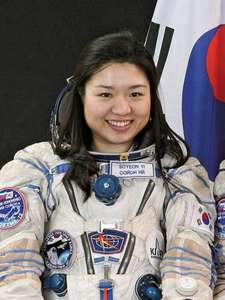
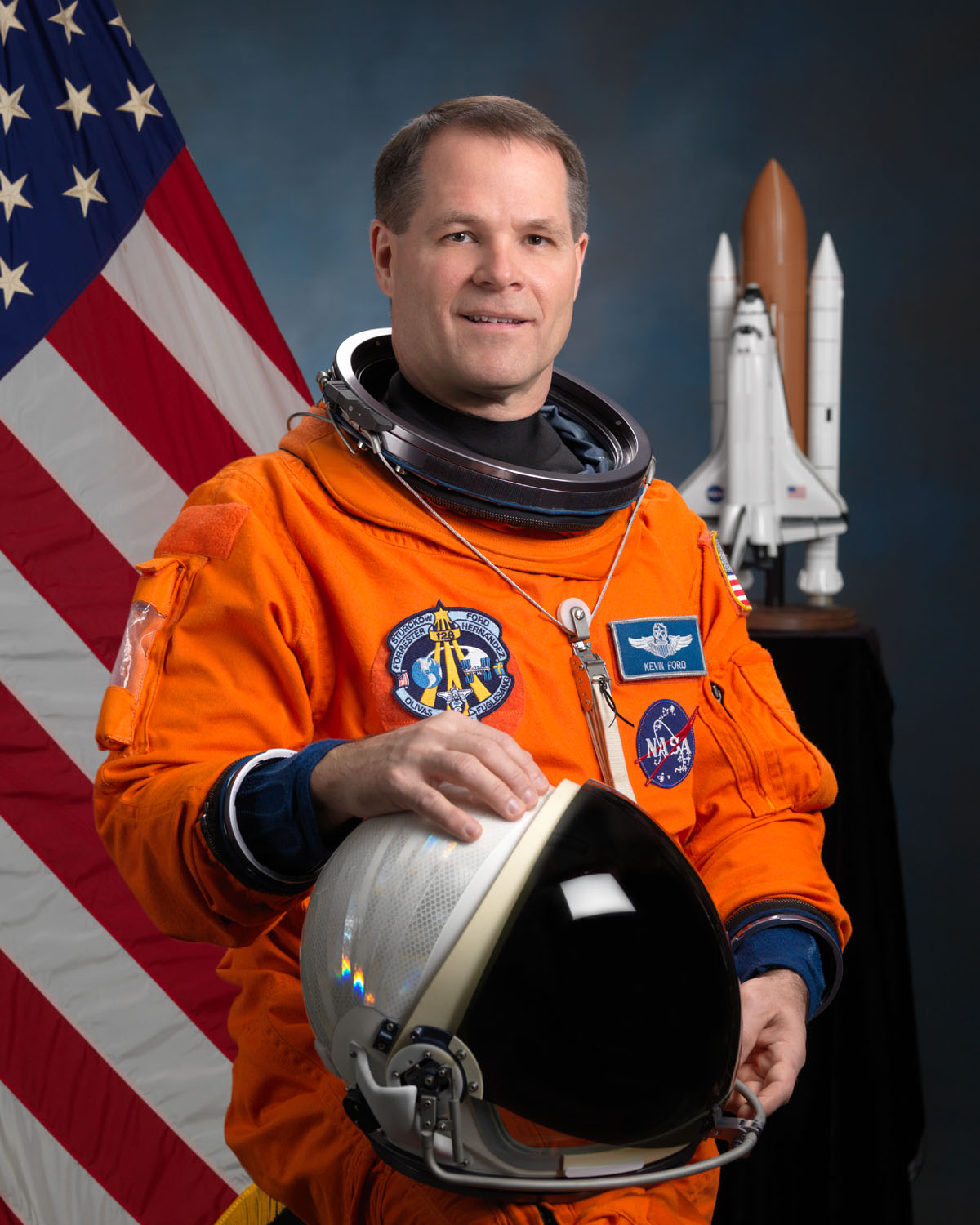
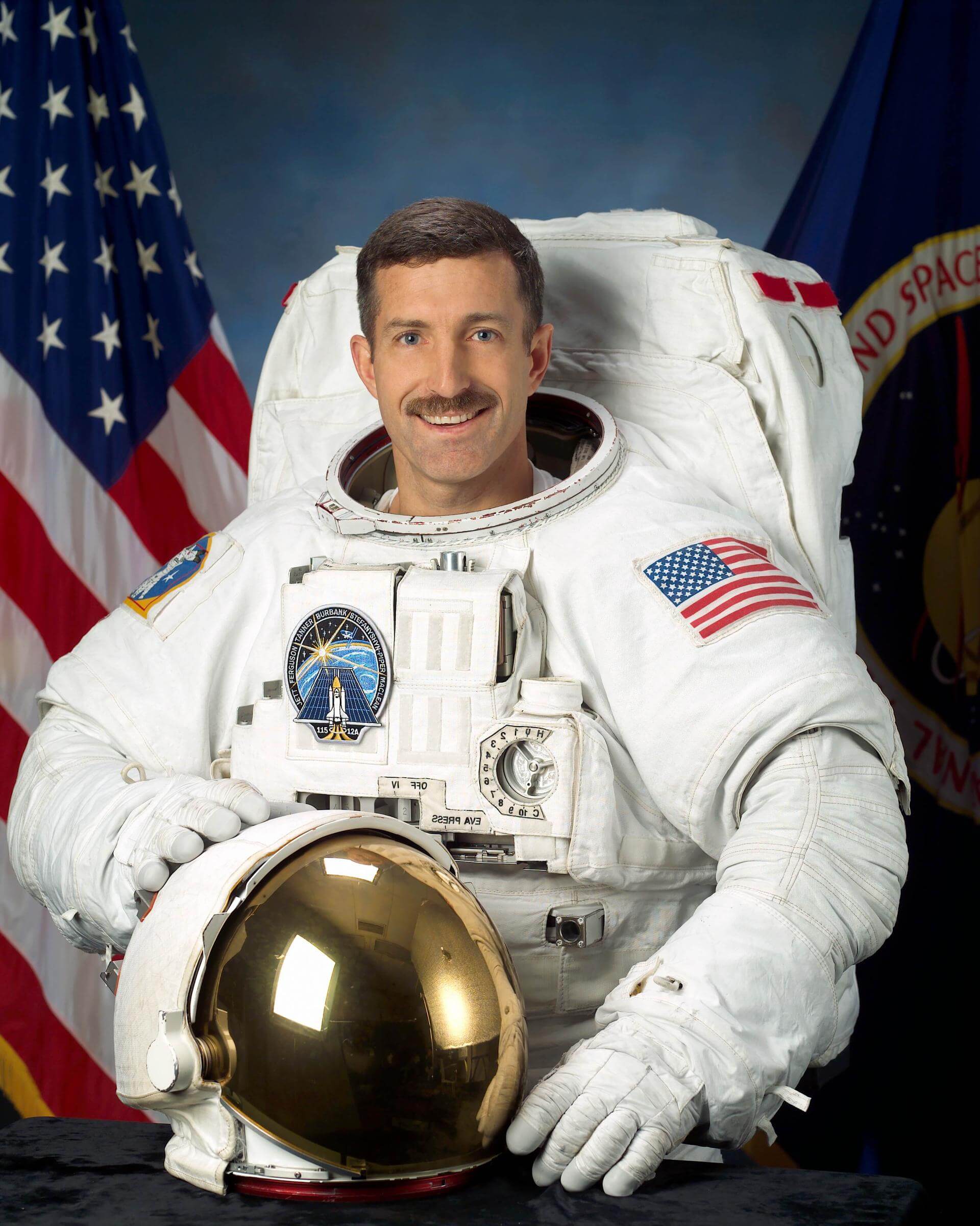
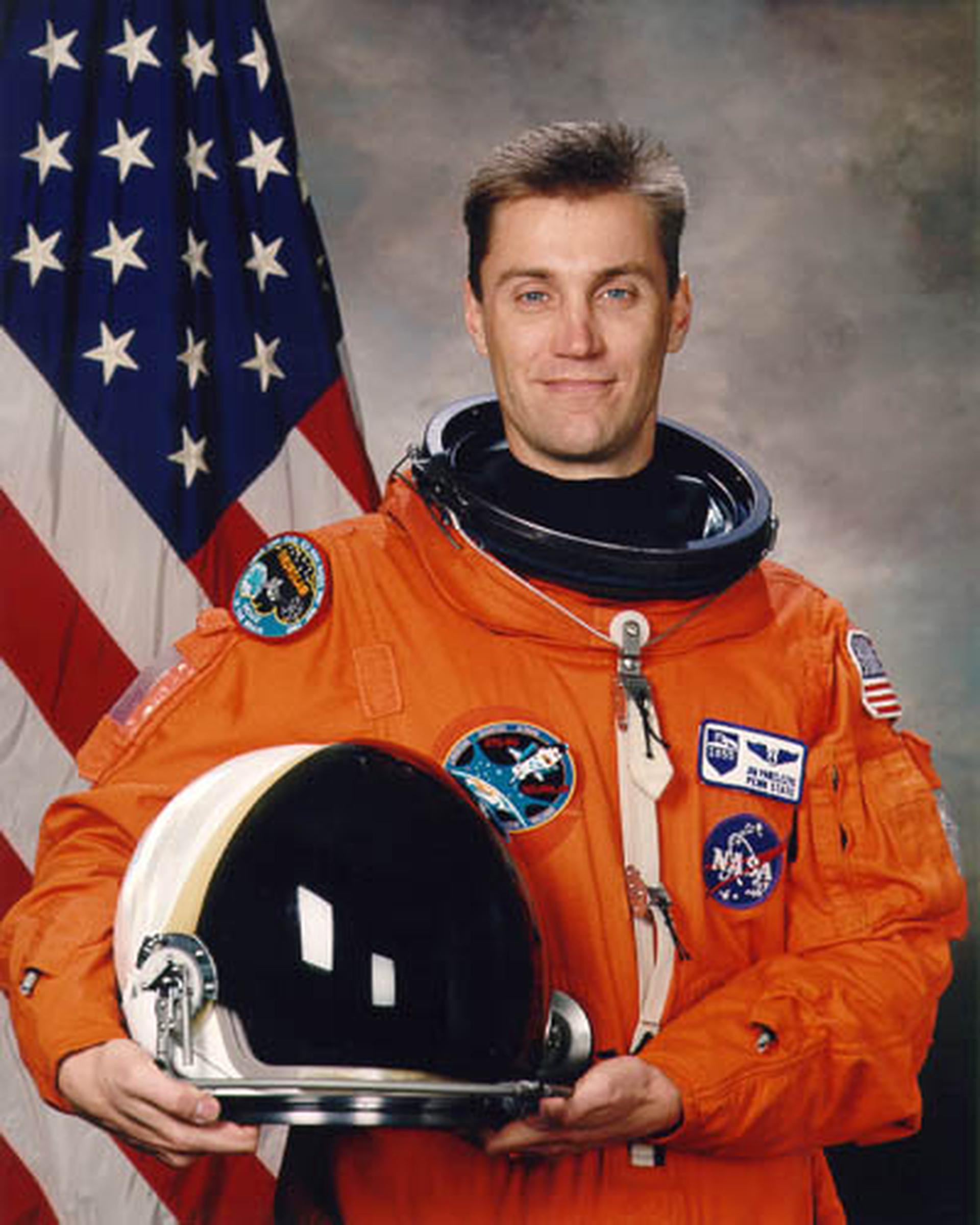
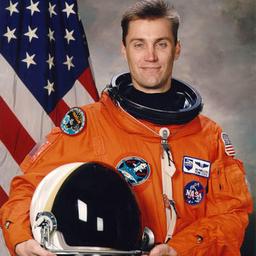
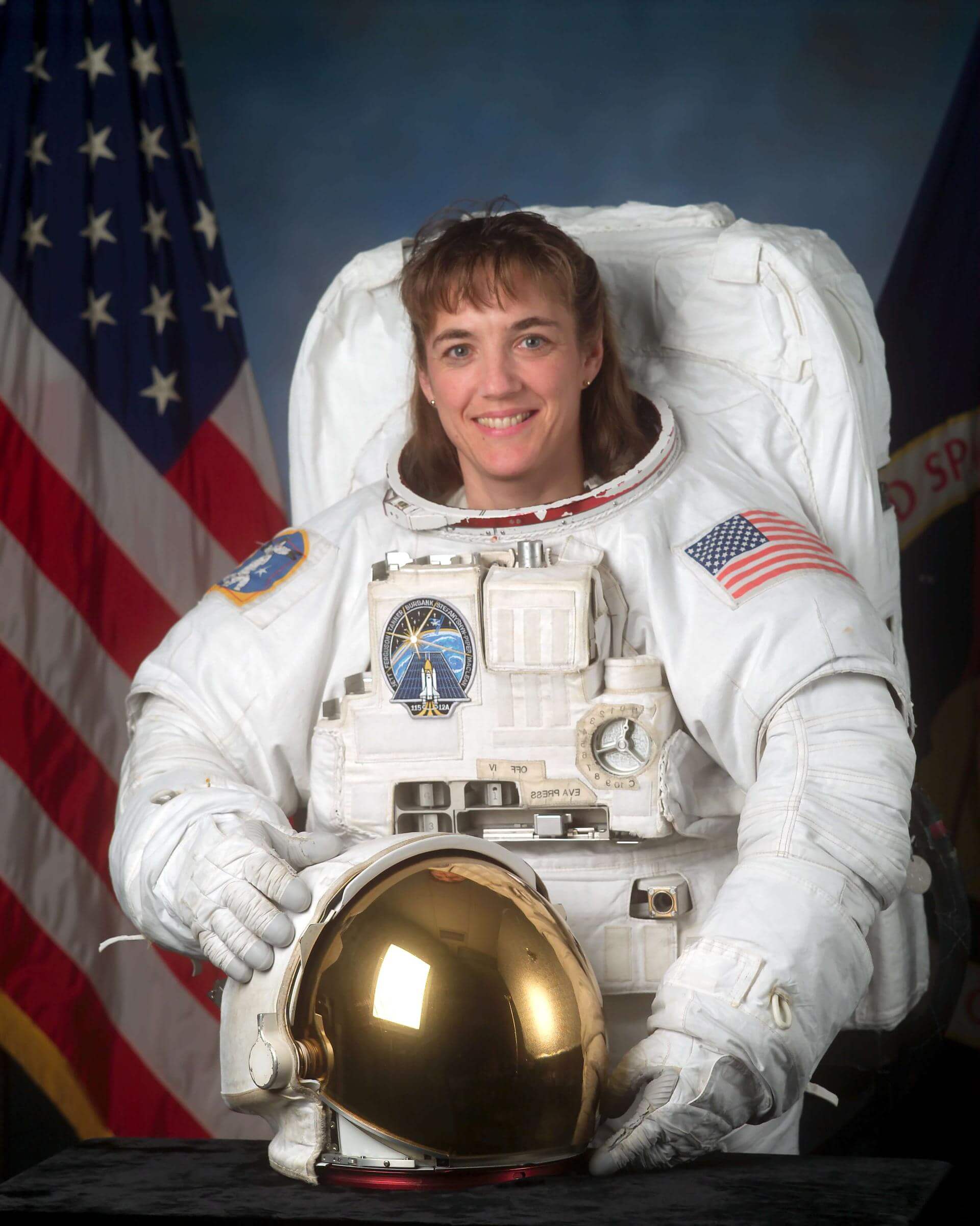
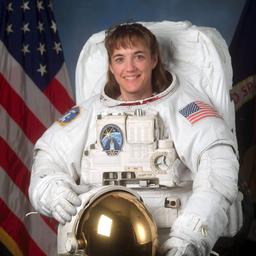
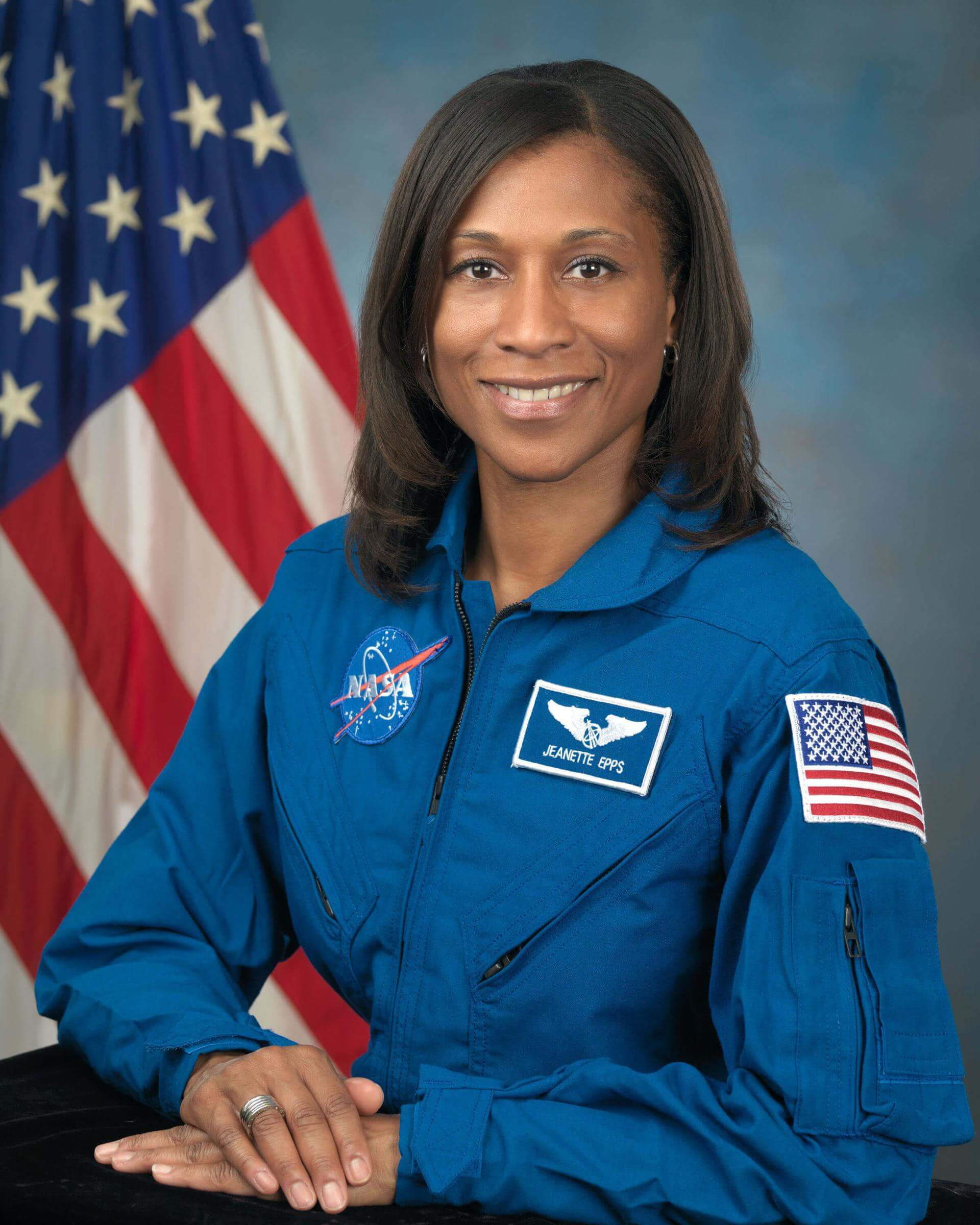
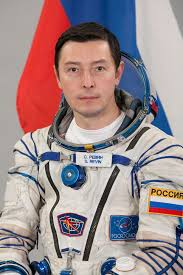
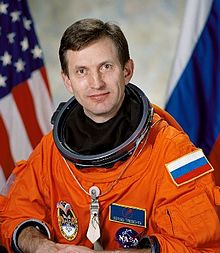
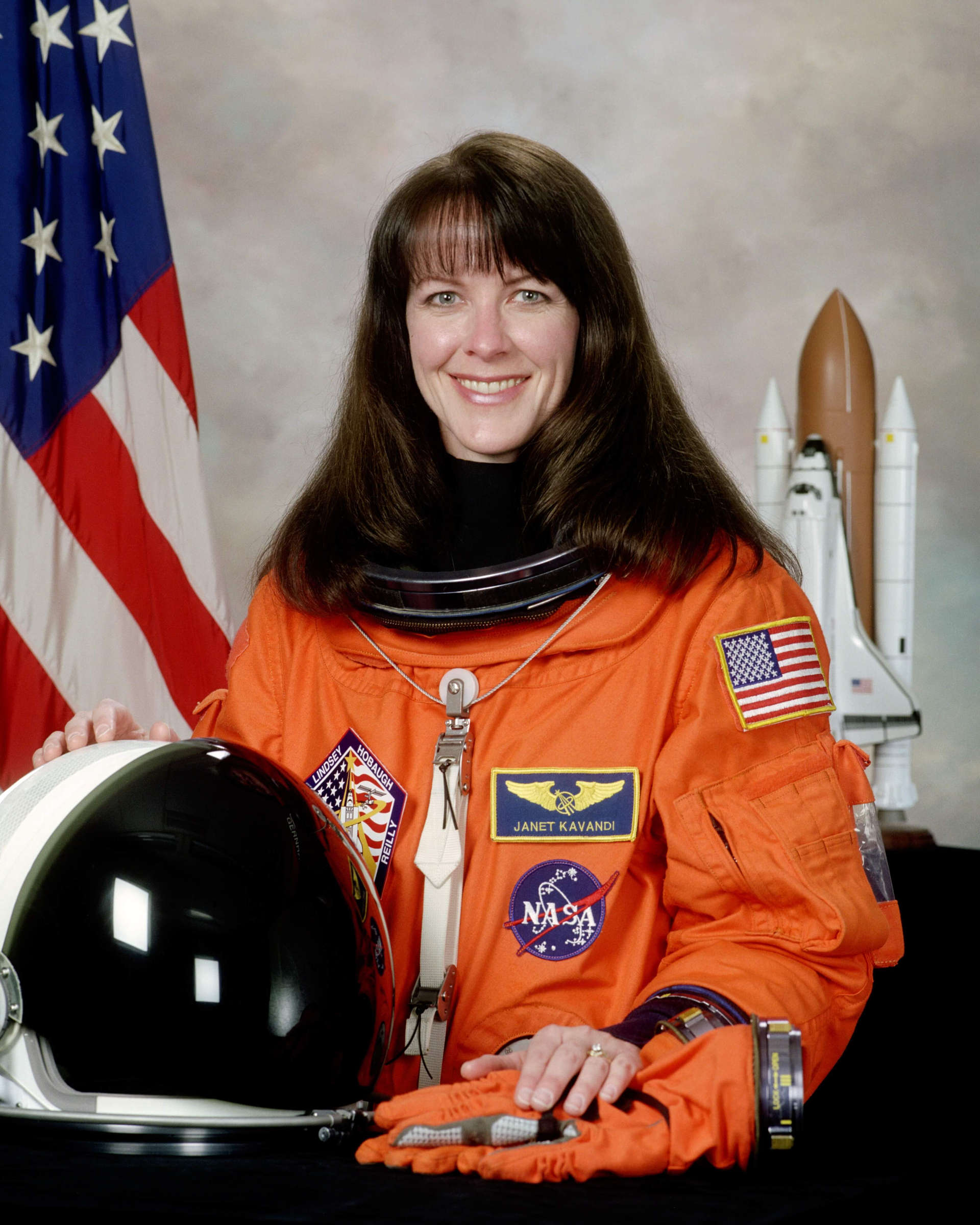
{ "count": 858, "next": "https://lldev.thespacedevs.com/2.0.0/astronaut/?format=api&limit=10&offset=190&ordering=status", "previous": "https://lldev.thespacedevs.com/2.0.0/astronaut/?format=api&limit=10&offset=170&ordering=status", "results": [ { "id": 484, "url": "https://lldev.thespacedevs.com/2.0.0/astronaut/484/?format=api", "name": "Yi So-yeon", "status": { "id": 2, "name": "Retired" }, "type": { "id": 2, "name": "Government" }, "date_of_birth": "1978-06-02", "date_of_death": null, "nationality": "South Korean", "bio": "Yi So-yeon (born June 2, 1978) is an astronaut and biotechnologist who became the first Korean to fly in space.\r\nYi was one of the two finalists chosen on December 25, 2006 through the Korean Astronaut Program. On September 5, 2007, the Korean Ministry of Science and Technology chose Ko San, over Yi So-yeon, following performance and other tests during their training in Russia.\r\n\r\nOn March 7, 2008, she was selected to train with the primary crew, and on March 10 the Ministry of Education, Science and Technology announced that Yi would replace Ko. This was after the Russian Federal Space Agency asked for a replacement, because Ko violated regulations several times at a Russian training center by removing sensitive reading materials and mailing one back to Korea. On April 8, 2008, Yi was launched into space on board Soyuz TMA-12 with two Russian cosmonauts. South Korea is reported to have paid Russia $20 million for Yi's space flight. She is the third woman, after Helen Sharman of the United Kingdom and Anousheh Ansari an Iranian American, to be the first national from their country in space.", "twitter": null, "instagram": null, "wiki": "https://en.wikipedia.org/wiki/Yi_So-yeon", "agency": { "id": 261, "url": "https://lldev.thespacedevs.com/2.0.0/agencies/261/?format=api", "name": "Korean Astronaut Program", "featured": false, "type": "Government", "country_code": "KOR", "abbrev": "KAP", "description": "The Korean Astronaut Program was an initiative by the South Korean government to send the first Korean into space via the Russian space program. In 2008, Yi So-yeon became the first and only Korean to go to space for 10 days.", "administrator": null, "founding_year": "2006", "launchers": "", "spacecraft": "", "parent": null, "image_url": null }, "profile_image": "https://thespacedevs-dev.nyc3.digitaloceanspaces.com/media/images/yi2520so-yeon_image_20181202184152.jpg", "profile_image_thumbnail": "https://thespacedevs-dev.nyc3.digitaloceanspaces.com/media/images/255bauto255d__image_thumbnail_20240305191115.jpeg", "last_flight": "2008-04-08T11:16:39Z", "first_flight": "2008-04-08T11:16:39Z" }, { "id": 541, "url": "https://lldev.thespacedevs.com/2.0.0/astronaut/541/?format=api", "name": "Kevin A. Ford", "status": { "id": 2, "name": "Retired" }, "type": { "id": 2, "name": "Government" }, "date_of_birth": "1960-07-07", "date_of_death": null, "nationality": "American", "bio": "Kevin Anthony Ford is a retired United States Air Force Colonel and a NASA astronaut. Ford has received a number of special honors and awards, some of which are the Air Force Meritorious Service Medal, Air Force Commendation Medal, Aerial Achievement Medal and the Armed Forces Expeditionary Medal. Ford has also logged more than 5,000 flying hours and also holds FAA commercial certificates for airplanes, helicopters and gliders. Ford has served in many roles at NASA since his selection in July 2000. The roles include as a Capsule Communicator or CAPCOM. He was also the Director Of Operations at the Gagarin Cosmonaut Training Center in Star City, Russia from January 2004 to January 2005. He was pilot of STS-128 and Flight Engineer 2 of Soyuz TMA-06M from October 23, 2012 to March 16, 2013.", "twitter": "https://twitter.com/kevin_astro7", "instagram": null, "wiki": "https://en.wikipedia.org/wiki/Kevin_A._Ford", "agency": { "id": 44, "url": "https://lldev.thespacedevs.com/2.0.0/agencies/44/?format=api", "name": "National Aeronautics and Space Administration", "featured": true, "type": "Government", "country_code": "USA", "abbrev": "NASA", "description": "The National Aeronautics and Space Administration is an independent agency of the executive branch of the United States federal government responsible for the civilian space program, as well as aeronautics and aerospace research. NASA have many launch facilities but most are inactive. The most commonly used pad will be LC-39B at Kennedy Space Center in Florida.", "administrator": "Administrator: Jared Isaacman", "founding_year": "1958", "launchers": "Space Shuttle | SLS", "spacecraft": "Orion", "parent": null, "image_url": "https://thespacedevs-dev.nyc3.digitaloceanspaces.com/media/images/national2520aeronautics2520and2520space2520administration_image_20190207032448.jpeg" }, "profile_image": "https://thespacedevs-dev.nyc3.digitaloceanspaces.com/media/images/kevin2520a.2520ford_image_20181203165445.jpg", "profile_image_thumbnail": "https://thespacedevs-dev.nyc3.digitaloceanspaces.com/media/images/255bauto255d__image_thumbnail_20240305190856.jpeg", "last_flight": "2012-10-23T10:51:11Z", "first_flight": "2009-08-29T03:59:37Z" }, { "id": 495, "url": "https://lldev.thespacedevs.com/2.0.0/astronaut/495/?format=api", "name": "Daniel C. Burbank", "status": { "id": 2, "name": "Retired" }, "type": { "id": 2, "name": "Government" }, "date_of_birth": "1961-07-27", "date_of_death": null, "nationality": "American", "bio": "Daniel Christopher Burbank is a retired American astronaut and a veteran of two Space Shuttle missions. Burbank, a Captain in the United States Coast Guard, is the second Coast Guard astronaut after Bruce Melnick.\r\n\r\nBurbank was born in Manchester, Connecticut, and raised in Tolland, Connecticut, where he graduated from Tolland High School. He attended Fairfield University his freshman year before transferring to the United States Coast Guard Academy, where he earned his commission in 1985. In 1987, he went through flight training and became an instructor pilot, serving at various Coast Guard stations at Coast Guard Air Station Elizabeth City, Coast Guard Air Station Cape Cod, and Coast Guard Air Station Sitka.", "twitter": "https://twitter.com/AstroCoastie", "instagram": null, "wiki": "https://en.wikipedia.org/wiki/Daniel_C._Burbank", "agency": { "id": 44, "url": "https://lldev.thespacedevs.com/2.0.0/agencies/44/?format=api", "name": "National Aeronautics and Space Administration", "featured": true, "type": "Government", "country_code": "USA", "abbrev": "NASA", "description": "The National Aeronautics and Space Administration is an independent agency of the executive branch of the United States federal government responsible for the civilian space program, as well as aeronautics and aerospace research. NASA have many launch facilities but most are inactive. The most commonly used pad will be LC-39B at Kennedy Space Center in Florida.", "administrator": "Administrator: Jared Isaacman", "founding_year": "1958", "launchers": "Space Shuttle | SLS", "spacecraft": "Orion", "parent": null, "image_url": "https://thespacedevs-dev.nyc3.digitaloceanspaces.com/media/images/national2520aeronautics2520and2520space2520administration_image_20190207032448.jpeg" }, "profile_image": "https://thespacedevs-dev.nyc3.digitaloceanspaces.com/media/images/daniel_c._burba_image_20220911034116.jpeg", "profile_image_thumbnail": "https://thespacedevs-dev.nyc3.digitaloceanspaces.com/media/images/255bauto255d__image_thumbnail_20240305190058.jpeg", "last_flight": "2011-11-14T04:14:03Z", "first_flight": "2000-09-08T12:45:47Z" }, { "id": 616, "url": "https://lldev.thespacedevs.com/2.0.0/astronaut/616/?format=api", "name": "James A. Pawelczyk", "status": { "id": 2, "name": "Retired" }, "type": { "id": 5, "name": "Payload Specialist" }, "date_of_birth": "1960-09-20", "date_of_death": null, "nationality": "American", "bio": "James Anthony \"Jim\" Pawelczyk (born September 20, 1960) is an American researcher of physiology and Kinesiology who flew aboard the NASA STS-90 Space Shuttle mission as a Payload Specialist.", "twitter": null, "instagram": null, "wiki": "https://en.wikipedia.org/wiki/James_A._Pawelczyk", "agency": { "id": 44, "url": "https://lldev.thespacedevs.com/2.0.0/agencies/44/?format=api", "name": "National Aeronautics and Space Administration", "featured": true, "type": "Government", "country_code": "USA", "abbrev": "NASA", "description": "The National Aeronautics and Space Administration is an independent agency of the executive branch of the United States federal government responsible for the civilian space program, as well as aeronautics and aerospace research. NASA have many launch facilities but most are inactive. The most commonly used pad will be LC-39B at Kennedy Space Center in Florida.", "administrator": "Administrator: Jared Isaacman", "founding_year": "1958", "launchers": "Space Shuttle | SLS", "spacecraft": "Orion", "parent": null, "image_url": "https://thespacedevs-dev.nyc3.digitaloceanspaces.com/media/images/national2520aeronautics2520and2520space2520administration_image_20190207032448.jpeg" }, "profile_image": "https://thespacedevs-dev.nyc3.digitaloceanspaces.com/media/images/james2520a.2520pawelczyk_image_20190211162428.jpeg", "profile_image_thumbnail": "https://thespacedevs-dev.nyc3.digitaloceanspaces.com/media/images/255bauto255d__image_thumbnail_20240305190315.jpeg", "last_flight": "1998-04-17T18:19:00Z", "first_flight": "1998-04-17T18:19:00Z" }, { "id": 95, "url": "https://lldev.thespacedevs.com/2.0.0/astronaut/95/?format=api", "name": "Pedro Duque", "status": { "id": 2, "name": "Retired" }, "type": { "id": 2, "name": "Government" }, "date_of_birth": "1963-03-14", "date_of_death": null, "nationality": "Spanish", "bio": "Pedro Francisco Duque Duque, OF, OMSE (Madrid, 14 March 1963) is a Spanish astronaut and aeronautics engineer, currently serving as Spain's Minister of Science, Innovation and Universities. He was the first Spanish astronaut.\r\n\r\nDuque underwent training in both Russia and the United States. His first spaceflight was as a mission specialist aboard space shuttle mission STS-95, during which Duque supervised ESA experimental modules. In October 2003, Duque visited the International Space Station on board of a Soyuz TMA Ship for several days during a crew changeover. The scientific program of this visit was called by ESA/Spain Misión Cervantes.", "twitter": null, "instagram": null, "wiki": "https://en.wikipedia.org/wiki/Pedro_Duque", "agency": { "id": 27, "url": "https://lldev.thespacedevs.com/2.0.0/agencies/27/?format=api", "name": "European Space Agency", "featured": false, "type": "Multinational", "country_code": "FRA,ITA,DEU,ESP,CHE,GBR,AUT,SWE,BEL,PRT,NLD,HUN,POL,DNK,CZE,ROU,NOR,FIN,GRC,EST,IRL,LUX,SVN", "abbrev": "ESA", "description": "The European Space Agency is an intergovernmental organisation of 22 member states. Established in 1975 and headquartered in Paris, France, ESA has a worldwide staff of about 2,000 employees.\r\n\r\nESA's space flight programme includes human spaceflight (mainly through participation in the International Space Station program); the launch and operation of unmanned exploration missions to other planets and the Moon; Earth observation, science and telecommunication; designing launch vehicles; and maintaining a major spaceport, the Guiana Space Centre at Kourou, French Guiana.", "administrator": "Director General: Josef Aschbacher", "founding_year": "1975", "launchers": "Ariane | Vega", "spacecraft": "Space Rider", "parent": null, "image_url": "https://thespacedevs-dev.nyc3.digitaloceanspaces.com/media/images/esa_patch_float_image_20250211192109.png" }, "profile_image": "https://thespacedevs-dev.nyc3.digitaloceanspaces.com/media/images/pedro2520duque_image_20181128225634.jpg", "profile_image_thumbnail": "https://thespacedevs-dev.nyc3.digitaloceanspaces.com/media/images/255bauto255d__image_thumbnail_20240305185757.jpeg", "last_flight": "2003-10-18T05:38:03Z", "first_flight": "1998-10-29T19:19:34Z" }, { "id": 510, "url": "https://lldev.thespacedevs.com/2.0.0/astronaut/510/?format=api", "name": "Heidemarie Stefanyshyn-Piper", "status": { "id": 2, "name": "Retired" }, "type": { "id": 2, "name": "Government" }, "date_of_birth": "1963-02-07", "date_of_death": null, "nationality": "American", "bio": "Heidemarie Martha Stefanyshyn-Piper is an American Naval officer, engineer, and a former NASA astronaut. She has achieved the rank of Captain in the United States Navy. She is also a qualified and experienced salvage officer. Her major salvage projects include de-stranding the tanker Exxon Houston off the coast of Barbers Point, on the island of Oahu, Hawaii, and developing the plan for the Peruvian Navy salvage of the Peruvian submarine Pacocha.\r\n\r\nStefanyshyn-Piper has received numerous honors and awards, such as the Meritorious Service Medal, two Navy Commendation Medals, and two Navy Achievement Medals. She has flown on two Space Shuttle missions, STS-115 and STS-126, during which she completed five spacewalks totaling 33 hours and 42 minutes. As of 2018, she ranks 39th on the all-time list of space walkers by duration.", "twitter": null, "instagram": null, "wiki": "https://en.wikipedia.org/wiki/Heidemarie_Stefanyshyn-Piper", "agency": { "id": 44, "url": "https://lldev.thespacedevs.com/2.0.0/agencies/44/?format=api", "name": "National Aeronautics and Space Administration", "featured": true, "type": "Government", "country_code": "USA", "abbrev": "NASA", "description": "The National Aeronautics and Space Administration is an independent agency of the executive branch of the United States federal government responsible for the civilian space program, as well as aeronautics and aerospace research. NASA have many launch facilities but most are inactive. The most commonly used pad will be LC-39B at Kennedy Space Center in Florida.", "administrator": "Administrator: Jared Isaacman", "founding_year": "1958", "launchers": "Space Shuttle | SLS", "spacecraft": "Orion", "parent": null, "image_url": "https://thespacedevs-dev.nyc3.digitaloceanspaces.com/media/images/national2520aeronautics2520and2520space2520administration_image_20190207032448.jpeg" }, "profile_image": "https://thespacedevs-dev.nyc3.digitaloceanspaces.com/media/images/heidemarie_stef_image_20220911033606.jpeg", "profile_image_thumbnail": "https://thespacedevs-dev.nyc3.digitaloceanspaces.com/media/images/255bauto255d__image_thumbnail_20240305191049.jpeg", "last_flight": "2008-11-15T00:55:39Z", "first_flight": "2006-09-09T15:14:55Z" }, { "id": 562, "url": "https://lldev.thespacedevs.com/2.0.0/astronaut/562/?format=api", "name": "Jeanette J. Epps", "status": { "id": 2, "name": "Retired" }, "type": { "id": 2, "name": "Government" }, "date_of_birth": "1970-11-03", "date_of_death": null, "nationality": "American", "bio": "Jeanette Jo Epps is an American aerospace engineer and NASA astronaut.", "twitter": "https://twitter.com/Astro_Jeanette", "instagram": null, "wiki": "https://en.wikipedia.org/wiki/Jeanette_J._Epps", "agency": { "id": 44, "url": "https://lldev.thespacedevs.com/2.0.0/agencies/44/?format=api", "name": "National Aeronautics and Space Administration", "featured": true, "type": "Government", "country_code": "USA", "abbrev": "NASA", "description": "The National Aeronautics and Space Administration is an independent agency of the executive branch of the United States federal government responsible for the civilian space program, as well as aeronautics and aerospace research. NASA have many launch facilities but most are inactive. The most commonly used pad will be LC-39B at Kennedy Space Center in Florida.", "administrator": "Administrator: Jared Isaacman", "founding_year": "1958", "launchers": "Space Shuttle | SLS", "spacecraft": "Orion", "parent": null, "image_url": "https://thespacedevs-dev.nyc3.digitaloceanspaces.com/media/images/national2520aeronautics2520and2520space2520administration_image_20190207032448.jpeg" }, "profile_image": "https://thespacedevs-dev.nyc3.digitaloceanspaces.com/media/images/jeanette_j._epp_image_20220911034355.jpeg", "profile_image_thumbnail": "https://thespacedevs-dev.nyc3.digitaloceanspaces.com/media/images/255bauto255d__image_thumbnail_20240305191122.jpeg", "last_flight": "2024-03-04T03:53:38Z", "first_flight": "2024-03-04T03:53:38Z" }, { "id": 232, "url": "https://lldev.thespacedevs.com/2.0.0/astronaut/232/?format=api", "name": "Sergei Revin", "status": { "id": 2, "name": "Retired" }, "type": { "id": 2, "name": "Government" }, "date_of_birth": "1966-01-12", "date_of_death": null, "nationality": "Russian", "bio": "Sergei Nikolayevich Revin (born January 12, 1966 in Moscow) is a Russian cosmonaut that was selected in 1996, and completed spaceflight training in 1998. He served as a crew member aboard the International Space Station, having launched on his first spaceflight on 15 May 2012 and returned on 17 September 2012.", "twitter": null, "instagram": null, "wiki": "https://en.wikipedia.org/wiki/Sergei_Revin", "agency": { "id": 63, "url": "https://lldev.thespacedevs.com/2.0.0/agencies/63/?format=api", "name": "Russian Federal Space Agency (ROSCOSMOS)", "featured": true, "type": "Government", "country_code": "RUS", "abbrev": "RFSA", "description": "The Roscosmos State Corporation for Space Activities, commonly known as Roscosmos, is the governmental body responsible for the space science program of the Russian Federation and general aerospace research. Soyuz has many launch locations the Russian sites are Baikonur, Plesetsk and Vostochny however Ariane also purchases the vehicle and launches it from French Guiana.", "administrator": "Administrator: Yuri Borisov", "founding_year": "1992", "launchers": "Soyuz", "spacecraft": "Soyuz", "parent": null, "image_url": "https://thespacedevs-dev.nyc3.digitaloceanspaces.com/media/images/russian2520federal2520space2520agency25202528roscosmos2529_image_20190207032459.jpeg" }, "profile_image": "https://thespacedevs-dev.nyc3.digitaloceanspaces.com/media/images/sergei2520revin_image_20181201213525.jpg", "profile_image_thumbnail": "https://thespacedevs-dev.nyc3.digitaloceanspaces.com/media/images/255bauto255d__image_thumbnail_20240305190046.jpeg", "last_flight": "2012-05-15T03:01:23Z", "first_flight": "2012-05-15T03:01:23Z" }, { "id": 270, "url": "https://lldev.thespacedevs.com/2.0.0/astronaut/270/?format=api", "name": "Sergei Treshchov", "status": { "id": 2, "name": "Retired" }, "type": { "id": 2, "name": "Government" }, "date_of_birth": "1958-08-18", "date_of_death": null, "nationality": "Russian", "bio": "Sergei Yevgenyevich Treshchov (Сергей Евгеньевич Трещёв, born 18 August 1958) is a former cosmonaut of the RSC Energia. He spent 184 days in space as a flight engineer of the International Space Station long duration Expedition 5 crew. During the mission Treshchov also conducted a spacewalk.\r\nIn 1992, he enrolled in the RSC Energia cosmonaut detachment, and from 1992 to 1994 he completed the basic Cosmonaut training course. Treshchov spent the next 3 years (1994 to 1996) in advanced Test Cosmonaut training.\r\nFrom June 1997 to February 1998, Treshchov trained as a flight engineer for the Mir station backup Exp-25 crew. From June 1999 to July 2000 he trained as a flight engineer for the Soyuz-TM backup ISS contingency crew. Initially, he trained as backup to the ISS Expedition 3 crew.", "twitter": null, "instagram": null, "wiki": "https://en.wikipedia.org/wiki/Sergei_Treshchov", "agency": { "id": 63, "url": "https://lldev.thespacedevs.com/2.0.0/agencies/63/?format=api", "name": "Russian Federal Space Agency (ROSCOSMOS)", "featured": true, "type": "Government", "country_code": "RUS", "abbrev": "RFSA", "description": "The Roscosmos State Corporation for Space Activities, commonly known as Roscosmos, is the governmental body responsible for the space science program of the Russian Federation and general aerospace research. Soyuz has many launch locations the Russian sites are Baikonur, Plesetsk and Vostochny however Ariane also purchases the vehicle and launches it from French Guiana.", "administrator": "Administrator: Yuri Borisov", "founding_year": "1992", "launchers": "Soyuz", "spacecraft": "Soyuz", "parent": null, "image_url": "https://thespacedevs-dev.nyc3.digitaloceanspaces.com/media/images/russian2520federal2520space2520agency25202528roscosmos2529_image_20190207032459.jpeg" }, "profile_image": "https://thespacedevs-dev.nyc3.digitaloceanspaces.com/media/images/sergei2520treshchov_image_20181201223108.jpg", "profile_image_thumbnail": "https://thespacedevs-dev.nyc3.digitaloceanspaces.com/media/images/255bauto255d__image_thumbnail_20240305190730.jpeg", "last_flight": "2002-06-05T21:22:49Z", "first_flight": "2002-06-05T21:22:49Z" }, { "id": 479, "url": "https://lldev.thespacedevs.com/2.0.0/astronaut/479/?format=api", "name": "Janet L. Kavandi", "status": { "id": 2, "name": "Retired" }, "type": { "id": 2, "name": "Government" }, "date_of_birth": "1959-07-17", "date_of_death": null, "nationality": "American", "bio": "Janet Lynn Kavandi, a native of Carthage, Missouri is an American scientist and a NASA astronaut. She is a veteran of three Space Shuttle missions and has served as NASA's Deputy Chief of the Astronaut Office.", "twitter": "https://twitter.com/JanetKavandi", "instagram": null, "wiki": "https://en.wikipedia.org/wiki/Janet_L._Kavandi", "agency": { "id": 44, "url": "https://lldev.thespacedevs.com/2.0.0/agencies/44/?format=api", "name": "National Aeronautics and Space Administration", "featured": true, "type": "Government", "country_code": "USA", "abbrev": "NASA", "description": "The National Aeronautics and Space Administration is an independent agency of the executive branch of the United States federal government responsible for the civilian space program, as well as aeronautics and aerospace research. NASA have many launch facilities but most are inactive. The most commonly used pad will be LC-39B at Kennedy Space Center in Florida.", "administrator": "Administrator: Jared Isaacman", "founding_year": "1958", "launchers": "Space Shuttle | SLS", "spacecraft": "Orion", "parent": null, "image_url": "https://thespacedevs-dev.nyc3.digitaloceanspaces.com/media/images/national2520aeronautics2520and2520space2520administration_image_20190207032448.jpeg" }, "profile_image": "https://thespacedevs-dev.nyc3.digitaloceanspaces.com/media/images/janet2520l.2520kavandi_image_20181202152516.jpg", "profile_image_thumbnail": "https://thespacedevs-dev.nyc3.digitaloceanspaces.com/media/images/255bauto255d__image_thumbnail_20240305190849.jpeg", "last_flight": "2001-07-12T09:03:59Z", "first_flight": "1998-06-02T22:06:24Z" } ] }