Astronaut List
API endpoint that allows Astronaut to be viewed.
GET: Return a list of all the existing astronauts.
MODE: Normal, List, LaunchList and Detailed /2.0.0/astronaut/?mode=detailed
FILTERS: Parameters - 'name', 'status', 'nationality', 'agency__name', 'agency__abbrev', 'date_of_birth', 'date_of_death', 'status_ids' Example - /2.0.0/astronaut/?nationality=American
SEARCH EXAMPLE: /2.0.0/astronaut/?search=armstrong Searches through name, nationality and agency name
ORDERING: Fields - 'name', 'status', 'date_of_birth' Example - /2.0.0/astronaut/?order=name
GET /2.0.0/astronaut/?format=api&offset=130&ordering=-status
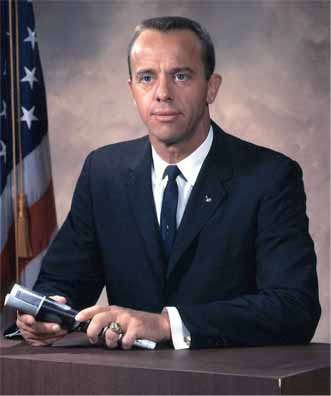
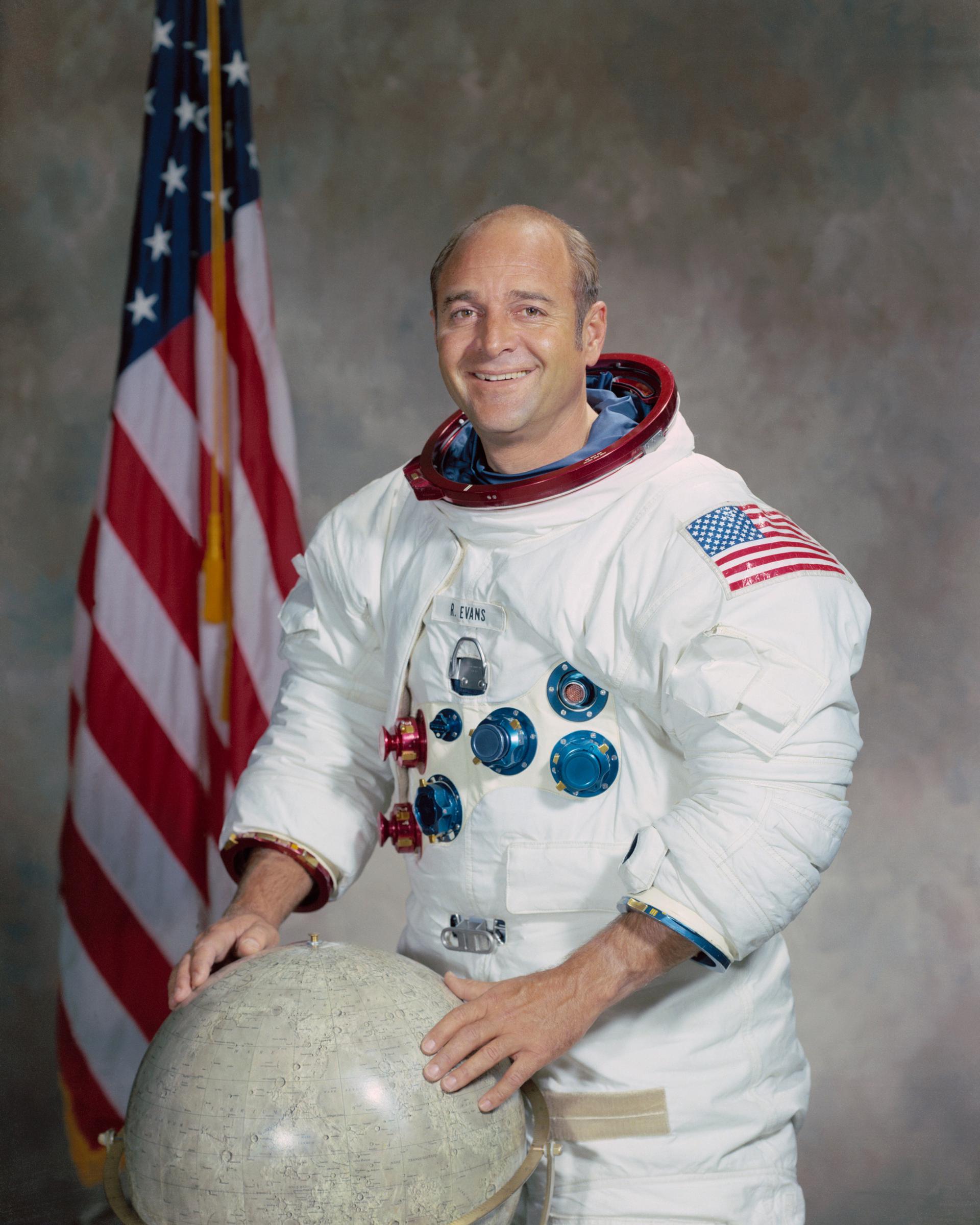
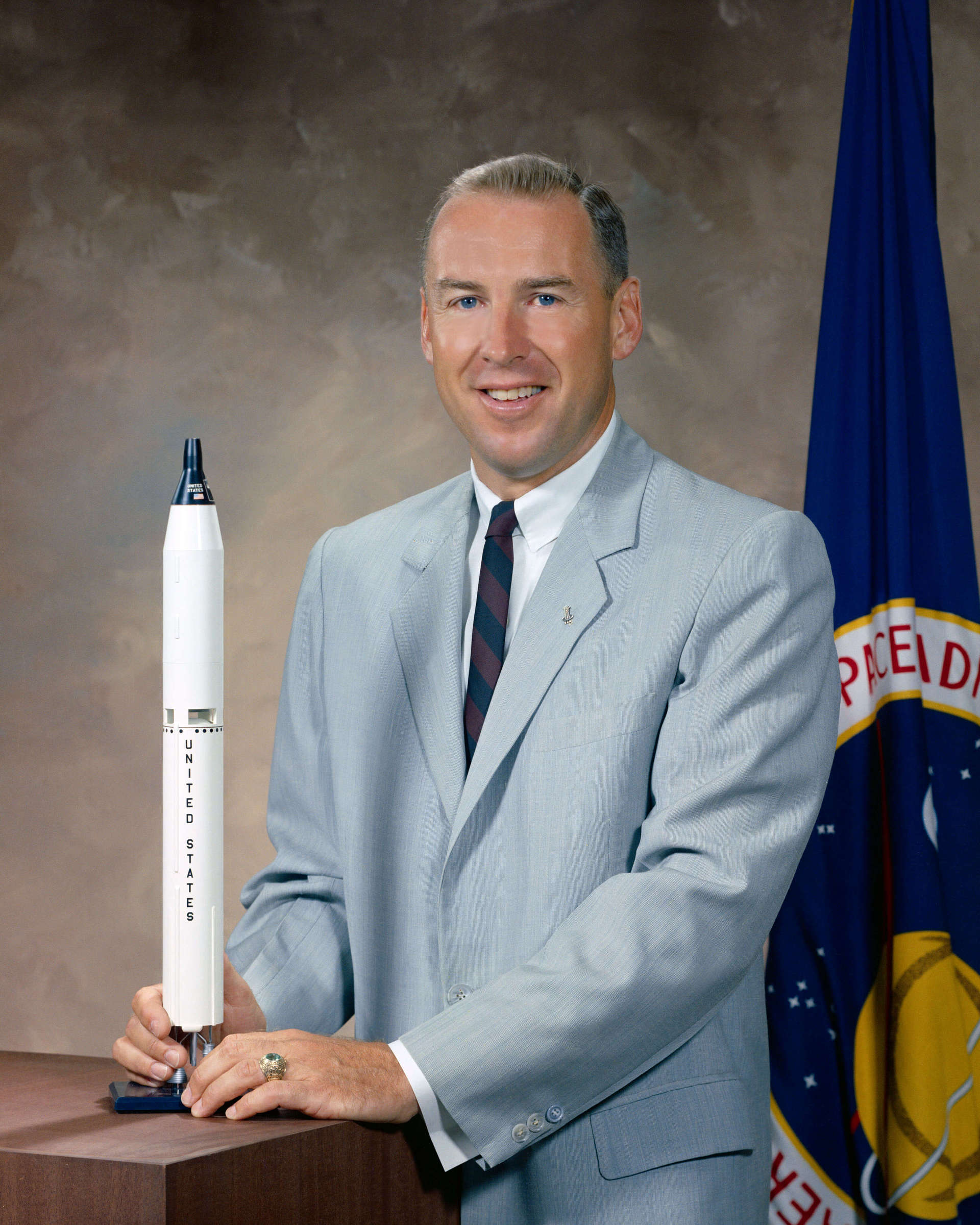
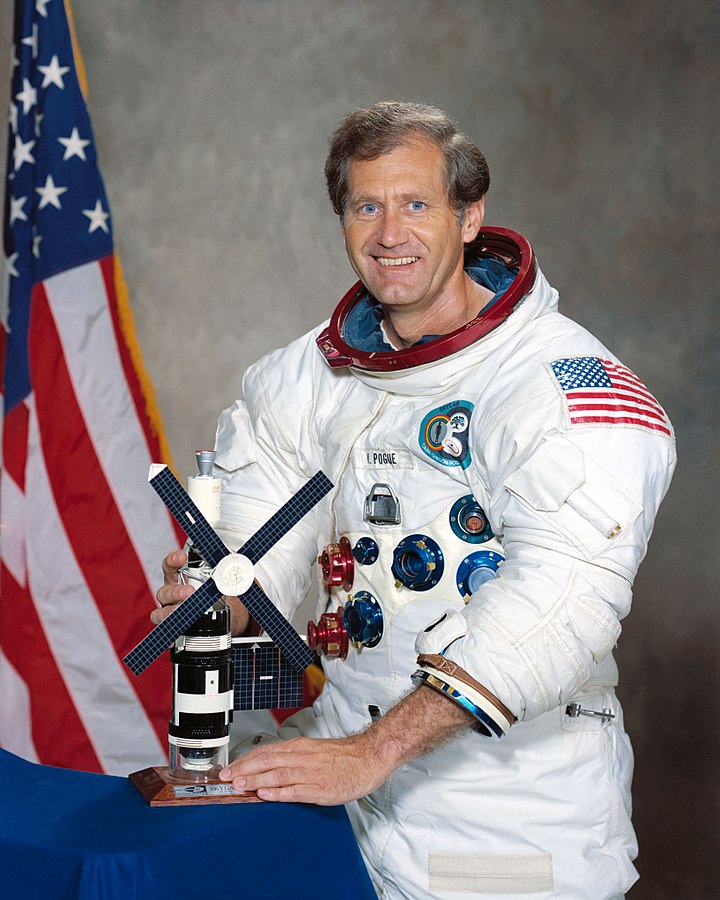
{ "count": 862, "next": "https://lldev.thespacedevs.com/2.0.0/astronaut/?format=api&limit=10&offset=140&ordering=-status", "previous": "https://lldev.thespacedevs.com/2.0.0/astronaut/?format=api&limit=10&offset=120&ordering=-status", "results": [ { "id": 21, "url": "https://lldev.thespacedevs.com/2.0.0/astronaut/21/?format=api", "name": "Alan Shepard", "status": { "id": 11, "name": "Deceased" }, "type": { "id": 2, "name": "Government" }, "date_of_birth": "1923-11-18", "date_of_death": "1998-07-21", "nationality": "American", "bio": "Rear Admiral Alan Bartlett Shepard Jr. was an American astronaut, naval aviator, test pilot, and businessman. In 1961 he became the first American to travel into space, and in 1971 he walked on the Moon.", "twitter": null, "instagram": null, "wiki": "https://en.wikipedia.org/wiki/Alan_Shepard", "agency": { "id": 44, "url": "https://lldev.thespacedevs.com/2.0.0/agencies/44/?format=api", "name": "National Aeronautics and Space Administration", "featured": true, "type": "Government", "country_code": "USA", "abbrev": "NASA", "description": "The National Aeronautics and Space Administration is an independent agency of the executive branch of the United States federal government responsible for the civilian space program, as well as aeronautics and aerospace research. NASA have many launch facilities but most are inactive. The most commonly used pad will be LC-39B at Kennedy Space Center in Florida.", "administrator": "Administrator: Jared Isaacman", "founding_year": "1958", "launchers": "Space Shuttle | SLS", "spacecraft": "Orion", "parent": null, "image_url": "https://thespacedevs-dev.nyc3.digitaloceanspaces.com/media/images/national2520aeronautics2520and2520space2520administration_image_20190207032448.jpeg" }, "profile_image": "https://thespacedevs-dev.nyc3.digitaloceanspaces.com/media/images/alan2520shepard_image_20181128141007.jpg", "profile_image_thumbnail": "https://thespacedevs-dev.nyc3.digitaloceanspaces.com/media/images/255bauto255d__image_thumbnail_20240305190059.jpeg", "last_flight": "1971-02-06T18:48:42Z", "first_flight": "1961-05-05T14:34:13Z" }, { "id": 306, "url": "https://lldev.thespacedevs.com/2.0.0/astronaut/306/?format=api", "name": "Ronald Evans", "status": { "id": 11, "name": "Deceased" }, "type": { "id": 2, "name": "Government" }, "date_of_birth": "1933-11-10", "date_of_death": "1990-04-07", "nationality": "American", "bio": "Ronald Ellwin Evans Jr. was an American naval officer and aviator, electrical engineer, aeronautical engineer, and NASA astronaut, also one of only 24 people to have flown to the Moon.\r\n\r\nEvans was selected as an astronaut by NASA as part of Astronaut Group 5 in 1966 and made his first and only flight into space as Command Module Pilot aboard Apollo 17 in 1972, the last manned mission to the Moon to date, with Commander Eugene Cernan and Lunar Module Pilot Harrison Schmitt. During the flight, he orbited the Moon as his two crewmates descended to the surface. Consequently, he is the last person to orbit the Moon alone and holds the record for the most time spent in lunar orbit at 148 hours. In 1975 Evans served as backup Command Module Pilot for the Apollo-Soyuz Test Project mission.", "twitter": null, "instagram": null, "wiki": "https://en.wikipedia.org/wiki/Ronald_Evans_(astronaut)", "agency": { "id": 44, "url": "https://lldev.thespacedevs.com/2.0.0/agencies/44/?format=api", "name": "National Aeronautics and Space Administration", "featured": true, "type": "Government", "country_code": "USA", "abbrev": "NASA", "description": "The National Aeronautics and Space Administration is an independent agency of the executive branch of the United States federal government responsible for the civilian space program, as well as aeronautics and aerospace research. NASA have many launch facilities but most are inactive. The most commonly used pad will be LC-39B at Kennedy Space Center in Florida.", "administrator": "Administrator: Jared Isaacman", "founding_year": "1958", "launchers": "Space Shuttle | SLS", "spacecraft": "Orion", "parent": null, "image_url": "https://thespacedevs-dev.nyc3.digitaloceanspaces.com/media/images/national2520aeronautics2520and2520space2520administration_image_20190207032448.jpeg" }, "profile_image": "https://thespacedevs-dev.nyc3.digitaloceanspaces.com/media/images/ronald2520evans_image_20190426143713.jpeg", "profile_image_thumbnail": "https://thespacedevs-dev.nyc3.digitaloceanspaces.com/media/images/255bauto255d__image_thumbnail_20240305190603.jpeg", "last_flight": "1972-12-07T05:33:00Z", "first_flight": "1972-12-07T05:33:00Z" }, { "id": 280, "url": "https://lldev.thespacedevs.com/2.0.0/astronaut/280/?format=api", "name": "Igor Volk", "status": { "id": 11, "name": "Deceased" }, "type": { "id": 2, "name": "Government" }, "date_of_birth": "1937-04-12", "date_of_death": "2017-01-03", "nationality": "Russian", "bio": "Igor Petrovich Volk (Russian: Игорь Петрович Волк; Ukrainian: Ігор Петрович Волк; 12 April 1937 – 3 January 2017) was a cosmonaut and test pilot in the Soviet Union.\r\nIgor Volk was selected as a cosmonaut on 12 July 1977 and flew as Research Cosmonaut on Soyuz T-12, the 7th expedition to Salyut 7. One goal of the mission was to test the effects of long-duration spaceflight on Volk's return flight piloting as a precursor to piloting the Space Shuttle Buran. He served as the head of cosmonaut training for the Buran program and after the project's cancellation, as a Flight Tests Deputy at the Gromov Flight Research Institute in 1995 before retiring in 1996. He previously served as President of the National Aero Club of Russia and Vice President of the Fédération Aéronautique Internationale. As recognition for his contributions as a test pilot and cosmonaut he was awarded the Hero of the Soviet Union on 29 July 1984.", "twitter": null, "instagram": null, "wiki": "https://en.wikipedia.org/wiki/Igor_Volk", "agency": { "id": 63, "url": "https://lldev.thespacedevs.com/2.0.0/agencies/63/?format=api", "name": "Russian Federal Space Agency (ROSCOSMOS)", "featured": true, "type": "Government", "country_code": "RUS", "abbrev": "RFSA", "description": "The Roscosmos State Corporation for Space Activities, commonly known as Roscosmos, is the governmental body responsible for the space science program of the Russian Federation and general aerospace research. Soyuz has many launch locations the Russian sites are Baikonur, Plesetsk and Vostochny however Ariane also purchases the vehicle and launches it from French Guiana.", "administrator": "Administrator: Yuri Borisov", "founding_year": "1992", "launchers": "Soyuz", "spacecraft": "Soyuz", "parent": null, "image_url": "https://thespacedevs-dev.nyc3.digitaloceanspaces.com/media/images/russian2520federal2520space2520agency25202528roscosmos2529_image_20190207032459.jpeg" }, "profile_image": "https://thespacedevs-dev.nyc3.digitaloceanspaces.com/media/images/igor2520volk_image_20181201224413.jpg", "profile_image_thumbnail": "https://thespacedevs-dev.nyc3.digitaloceanspaces.com/media/images/255bauto255d__image_thumbnail_20240305190811.jpeg", "last_flight": "1984-07-17T17:40:54Z", "first_flight": "1984-07-17T17:40:54Z" }, { "id": 34, "url": "https://lldev.thespacedevs.com/2.0.0/astronaut/34/?format=api", "name": "Jim Lovell", "status": { "id": 11, "name": "Deceased" }, "type": { "id": 2, "name": "Government" }, "date_of_birth": "1928-03-25", "date_of_death": "2025-08-07", "nationality": "American", "bio": "James Arthur Lovell Jr. is a former NASA astronaut, Naval Aviator, and retired Navy captain. Lovell is known for being the commander of the ill-fated Apollo 13 mission, which suffered a critical failure en route to the Moon but was brought back safely to Earth through the efforts of the crew and mission control. In addition to being part of the Apollo 13 crew, Lovell was the command module pilot of Apollo 8, the first Apollo mission to enter lunar orbit.", "twitter": null, "instagram": null, "wiki": "https://en.wikipedia.org/wiki/Jim_Lovell", "agency": { "id": 44, "url": "https://lldev.thespacedevs.com/2.0.0/agencies/44/?format=api", "name": "National Aeronautics and Space Administration", "featured": true, "type": "Government", "country_code": "USA", "abbrev": "NASA", "description": "The National Aeronautics and Space Administration is an independent agency of the executive branch of the United States federal government responsible for the civilian space program, as well as aeronautics and aerospace research. NASA have many launch facilities but most are inactive. The most commonly used pad will be LC-39B at Kennedy Space Center in Florida.", "administrator": "Administrator: Jared Isaacman", "founding_year": "1958", "launchers": "Space Shuttle | SLS", "spacecraft": "Orion", "parent": null, "image_url": "https://thespacedevs-dev.nyc3.digitaloceanspaces.com/media/images/national2520aeronautics2520and2520space2520administration_image_20190207032448.jpeg" }, "profile_image": "https://thespacedevs-dev.nyc3.digitaloceanspaces.com/media/images/jim2520lovell_image_20181128143638.jpg", "profile_image_thumbnail": "https://thespacedevs-dev.nyc3.digitaloceanspaces.com/media/images/255bauto255d__image_thumbnail_20240305190932.jpeg", "last_flight": "1970-04-11T19:13:03Z", "first_flight": "1965-12-04T19:30:03Z" }, { "id": 314, "url": "https://lldev.thespacedevs.com/2.0.0/astronaut/314/?format=api", "name": "William R. Pogue", "status": { "id": 11, "name": "Deceased" }, "type": { "id": 2, "name": "Government" }, "date_of_birth": "1930-01-23", "date_of_death": "2014-03-03", "nationality": "American", "bio": "William Reid Pogue was an American astronaut, U.S. Air Force fighter pilot, and test pilot who was also an accomplished teacher, public speaker and author.\r\n\r\nBorn and educated in Oklahoma, Pogue graduated from college and enlisted in the United States Air Force, in which he served for 24 years. He flew combat during the Korean War, and with the elite USAF Thunderbirds. He served as a flight instructor and mathematics professor, and was a versatile test pilot, including two years in an exchange with the RAF (UK).\r\n\r\nColonel Pogue was an Air Force instructor when accepted into NASA in 1966. His astronaut career included one orbital mission, as pilot of the last crew of Skylab. The crew set a duration record (84 days) that was unbroken in NASA for over 20 years, and in orbit they conducted dozens of research experiments. The mission was also noted for a dispute with ground control over schedule management that news media named “The Skylab Mutiny”.\r\n\r\nPogue retired from both the USAF and NASA a few months after he returned from Skylab. Over the next 30 plus years he taught, lectured, consulted, and wrote about aviation and aeronatics, in the US and abroad. He died in 2014, age 84, survived by three children, four stepsons, and his third wife.", "twitter": null, "instagram": null, "wiki": "https://en.wikipedia.org/wiki/William_R._Pogue", "agency": { "id": 44, "url": "https://lldev.thespacedevs.com/2.0.0/agencies/44/?format=api", "name": "National Aeronautics and Space Administration", "featured": true, "type": "Government", "country_code": "USA", "abbrev": "NASA", "description": "The National Aeronautics and Space Administration is an independent agency of the executive branch of the United States federal government responsible for the civilian space program, as well as aeronautics and aerospace research. NASA have many launch facilities but most are inactive. The most commonly used pad will be LC-39B at Kennedy Space Center in Florida.", "administrator": "Administrator: Jared Isaacman", "founding_year": "1958", "launchers": "Space Shuttle | SLS", "spacecraft": "Orion", "parent": null, "image_url": "https://thespacedevs-dev.nyc3.digitaloceanspaces.com/media/images/national2520aeronautics2520and2520space2520administration_image_20190207032448.jpeg" }, "profile_image": "https://thespacedevs-dev.nyc3.digitaloceanspaces.com/media/images/william2520r.2520pogue_image_20181202091951.jpg", "profile_image_thumbnail": "https://thespacedevs-dev.nyc3.digitaloceanspaces.com/media/images/255bauto255d__image_thumbnail_20240305185644.jpeg", "last_flight": "1973-11-16T14:01:23Z", "first_flight": "1973-11-16T14:01:23Z" }, { "id": 189, "url": "https://lldev.thespacedevs.com/2.0.0/astronaut/189/?format=api", "name": "Oleg Grigoryevich Makarov", "status": { "id": 11, "name": "Deceased" }, "type": { "id": 2, "name": "Government" }, "date_of_birth": "1933-01-06", "date_of_death": "2003-05-28", "nationality": "Russian", "bio": "Oleg Grigoryevich Makarov (Russian: Оле́г Григо́рьевич Мака́ров) (6 January 1933 – 28 May 2003) was a Soviet cosmonaut.\r\nHe was originally part of the Soviet lunar program and was training with Aleksei Leonov for the first manned circumlunar flight. After the success of Apollo 8, however, the flight was cancelled.\r\n\r\nHis first spaceflight was Soyuz 12 in 1973, a test flight to check the changes made to the Soyuz spacecraft after the Soyuz 11 disaster. His second flight was the abortive Soyuz 18a that made an emergency landing in the Altay Mountains, 21 minutes after launch. With his third launch on Soyuz 27 he flew to space station Salyut 6 and landed five days later with the Soyuz 26 spacecraft. His last mission was Soyuz T-3, during which several repairs on Salyut 6 were done. He also served on the backup crews for Soyuz 17 and Soyuz T-2. Altogether he spent 20 days, 17 hours, and 44 minutes in space.", "twitter": null, "instagram": null, "wiki": "https://en.wikipedia.org/wiki/Oleg_Grigoryevich_Makarov", "agency": { "id": 63, "url": "https://lldev.thespacedevs.com/2.0.0/agencies/63/?format=api", "name": "Russian Federal Space Agency (ROSCOSMOS)", "featured": true, "type": "Government", "country_code": "RUS", "abbrev": "RFSA", "description": "The Roscosmos State Corporation for Space Activities, commonly known as Roscosmos, is the governmental body responsible for the space science program of the Russian Federation and general aerospace research. Soyuz has many launch locations the Russian sites are Baikonur, Plesetsk and Vostochny however Ariane also purchases the vehicle and launches it from French Guiana.", "administrator": "Administrator: Yuri Borisov", "founding_year": "1992", "launchers": "Soyuz", "spacecraft": "Soyuz", "parent": null, "image_url": "https://thespacedevs-dev.nyc3.digitaloceanspaces.com/media/images/russian2520federal2520space2520agency25202528roscosmos2529_image_20190207032459.jpeg" }, "profile_image": "https://thespacedevs-dev.nyc3.digitaloceanspaces.com/media/images/oleg2520grigoryevich2520makarov_image_20181201174249.jpg", "profile_image_thumbnail": "https://thespacedevs-dev.nyc3.digitaloceanspaces.com/media/images/255bauto255d__image_thumbnail_20240305190610.jpeg", "last_flight": "1980-11-27T14:18:28Z", "first_flight": "1973-09-27T12:18:16Z" }, { "id": 253, "url": "https://lldev.thespacedevs.com/2.0.0/astronaut/253/?format=api", "name": "Georgy Shonin", "status": { "id": 11, "name": "Deceased" }, "type": { "id": 2, "name": "Government" }, "date_of_birth": "1935-08-03", "date_of_death": "1997-04-07", "nationality": "Ukrainian", "bio": "Georgy Stepanovich Shonin (Ukrainian: Гео́ргій Степа́нович Шо́нін) (August 3, 1935 – April 7, 1997; born in Rovenky, Luhansk Oblast, (now Ukraine) but grew up in Balta of Ukrainian SSR) was a Soviet cosmonaut, who flew on the Soyuz 6 space mission.\r\n\r\nShonin was part of the original group of cosmonauts selected in 1960. He left the space programme in 1979 for medical reasons.", "twitter": null, "instagram": null, "wiki": "https://en.wikipedia.org/wiki/Georgy_Shonin", "agency": { "id": 63, "url": "https://lldev.thespacedevs.com/2.0.0/agencies/63/?format=api", "name": "Russian Federal Space Agency (ROSCOSMOS)", "featured": true, "type": "Government", "country_code": "RUS", "abbrev": "RFSA", "description": "The Roscosmos State Corporation for Space Activities, commonly known as Roscosmos, is the governmental body responsible for the space science program of the Russian Federation and general aerospace research. Soyuz has many launch locations the Russian sites are Baikonur, Plesetsk and Vostochny however Ariane also purchases the vehicle and launches it from French Guiana.", "administrator": "Administrator: Yuri Borisov", "founding_year": "1992", "launchers": "Soyuz", "spacecraft": "Soyuz", "parent": null, "image_url": "https://thespacedevs-dev.nyc3.digitaloceanspaces.com/media/images/russian2520federal2520space2520agency25202528roscosmos2529_image_20190207032459.jpeg" }, "profile_image": "https://thespacedevs-dev.nyc3.digitaloceanspaces.com/media/images/georgy2520shonin_image_20181201220913.jpg", "profile_image_thumbnail": "https://thespacedevs-dev.nyc3.digitaloceanspaces.com/media/images/255bauto255d__image_thumbnail_20240305190605.jpeg", "last_flight": "1969-10-11T11:10:00Z", "first_flight": "1969-10-11T11:10:00Z" }, { "id": 291, "url": "https://lldev.thespacedevs.com/2.0.0/astronaut/291/?format=api", "name": "Boris Yegorov", "status": { "id": 11, "name": "Deceased" }, "type": { "id": 2, "name": "Government" }, "date_of_birth": "1937-11-26", "date_of_death": "1994-09-12", "nationality": "Russian", "bio": "Boris Borisovich Yegorov was a Soviet physician-cosmonaut who became the first physician to make a space flight. Yegorov was selected as a member of the multi-disciplinary team that flew on Voskhod 1.", "twitter": null, "instagram": null, "wiki": "https://en.wikipedia.org/wiki/Boris_Yegorov", "agency": { "id": 63, "url": "https://lldev.thespacedevs.com/2.0.0/agencies/63/?format=api", "name": "Russian Federal Space Agency (ROSCOSMOS)", "featured": true, "type": "Government", "country_code": "RUS", "abbrev": "RFSA", "description": "The Roscosmos State Corporation for Space Activities, commonly known as Roscosmos, is the governmental body responsible for the space science program of the Russian Federation and general aerospace research. Soyuz has many launch locations the Russian sites are Baikonur, Plesetsk and Vostochny however Ariane also purchases the vehicle and launches it from French Guiana.", "administrator": "Administrator: Yuri Borisov", "founding_year": "1992", "launchers": "Soyuz", "spacecraft": "Soyuz", "parent": null, "image_url": "https://thespacedevs-dev.nyc3.digitaloceanspaces.com/media/images/russian2520federal2520space2520agency25202528roscosmos2529_image_20190207032459.jpeg" }, "profile_image": "https://thespacedevs-dev.nyc3.digitaloceanspaces.com/media/images/boris2520yegorov_image_20181201225827.jpg", "profile_image_thumbnail": "https://thespacedevs-dev.nyc3.digitaloceanspaces.com/media/images/255bauto255d__image_thumbnail_20240305190756.jpeg", "last_flight": "1964-10-12T07:30:01Z", "first_flight": "1964-10-12T07:30:01Z" }, { "id": 271, "url": "https://lldev.thespacedevs.com/2.0.0/astronaut/271/?format=api", "name": "Bjarni Tryggvason", "status": { "id": 11, "name": "Deceased" }, "type": { "id": 2, "name": "Government" }, "date_of_birth": "1945-09-21", "date_of_death": "2022-04-06", "nationality": "Canadian", "bio": "Bjarni Valdimar Tryggvason (born September 21, 1945) is an Icelandic-born Canadian engineer and a former NRC/CSA astronaut. He served as a Payload Specialist on Space Shuttle mission STS-85 in 1997, a 12-day mission to study changes in the Earth's atmosphere.", "twitter": null, "instagram": null, "wiki": "https://en.wikipedia.org/wiki/Bjarni_Tryggvason", "agency": { "id": 16, "url": "https://lldev.thespacedevs.com/2.0.0/agencies/16/?format=api", "name": "Canadian Space Agency", "featured": false, "type": "Government", "country_code": "CAN", "abbrev": "CSA", "description": "The Canadian Space Agency was established by the Canadian Space Agency Act which received Royal Assent on May 10, 1990. \r\n\r\nThe Canadian space program is administered by the Canadian Space Agency. Canada has contributed technology, expertise and personnel to the world space effort, especially in collaboration with ESA and NASA. In addition to its astronauts and satellites, some of the most notable Canadian technological contributions to space exploration include the Canadarm on the Space Shuttle and Canadarm2 on the International Space Station.", "administrator": "President: Lisa Campbell", "founding_year": "1990", "launchers": "", "spacecraft": "", "parent": null, "image_url": null }, "profile_image": "https://thespacedevs-dev.nyc3.digitaloceanspaces.com/media/images/bjarni2520tryggvason_image_20181201223221.jpg", "profile_image_thumbnail": "https://thespacedevs-dev.nyc3.digitaloceanspaces.com/media/images/255bauto255d__image_thumbnail_20240305190736.jpeg", "last_flight": "1997-08-07T14:41:00Z", "first_flight": "1997-08-07T14:41:00Z" }, { "id": 182, "url": "https://lldev.thespacedevs.com/2.0.0/astronaut/182/?format=api", "name": "Anatoli Levchenko", "status": { "id": 11, "name": "Deceased" }, "type": { "id": 2, "name": "Government" }, "date_of_birth": "1941-05-05", "date_of_death": "1988-08-06", "nationality": "Russian", "bio": "Anatoli Semyonovich Levchenko (Russian: Анатолий Семёнович Левченко; May 5, 1941 – August 6, 1988) was a Soviet cosmonaut.\r\n\r\nLevchenko was planned to be the back-up commander of the first Buran space shuttle flight, and in March 1987 he began extensive training for a Soyuz spaceflight, intended to give him some experience in space. In December 1987, he occupied the third seat aboard the spacecraft Soyuz TM-4 to the space station Mir, and returned to Earth about a week later on Soyuz TM-3. His mission is sometimes called Mir LII-1, after the Gromov Flight Research Institute shorthand. In the year following his spaceflight, Levchenko died of a brain tumor, in the Nikolay Burdenko Neurosurgical Institute in Moscow.", "twitter": null, "instagram": null, "wiki": "https://en.wikipedia.org/wiki/Anatoli_Levchenko", "agency": { "id": 63, "url": "https://lldev.thespacedevs.com/2.0.0/agencies/63/?format=api", "name": "Russian Federal Space Agency (ROSCOSMOS)", "featured": true, "type": "Government", "country_code": "RUS", "abbrev": "RFSA", "description": "The Roscosmos State Corporation for Space Activities, commonly known as Roscosmos, is the governmental body responsible for the space science program of the Russian Federation and general aerospace research. Soyuz has many launch locations the Russian sites are Baikonur, Plesetsk and Vostochny however Ariane also purchases the vehicle and launches it from French Guiana.", "administrator": "Administrator: Yuri Borisov", "founding_year": "1992", "launchers": "Soyuz", "spacecraft": "Soyuz", "parent": null, "image_url": "https://thespacedevs-dev.nyc3.digitaloceanspaces.com/media/images/russian2520federal2520space2520agency25202528roscosmos2529_image_20190207032459.jpeg" }, "profile_image": "https://thespacedevs-dev.nyc3.digitaloceanspaces.com/media/images/anatoli2520levchenko_image_20181129235328.jpeg", "profile_image_thumbnail": "https://thespacedevs-dev.nyc3.digitaloceanspaces.com/media/images/255bauto255d__image_thumbnail_20240305190625.jpeg", "last_flight": "1987-12-21T11:18:03Z", "first_flight": "1987-12-21T11:18:03Z" } ] }