Spacecraft List
API endpoint that allows Spacecrafts to be viewed. A Spacecraft is a physically manufactured instance of a Spacecraft Configuration
GET: Return a list of all the existing spacecraft.
FILTERS: Parameters - 'name', 'status', 'spacecraft_config', 'is_placeholder', 'in_space' Example - /2.2.0/spacecraft/?in_space=true
SEARCH EXAMPLE: Example - /2.2.0/spacecraft/?search=Dragon
ORDERING: Fields - 'id', 'time_in_space', 'time_docked', 'flights_count', 'mission_ends_count' Example - /2.2.0/spacecraft/?ordering=id
GET /2.2.0/spacecraft/?format=api&offset=30&ordering=flights_count
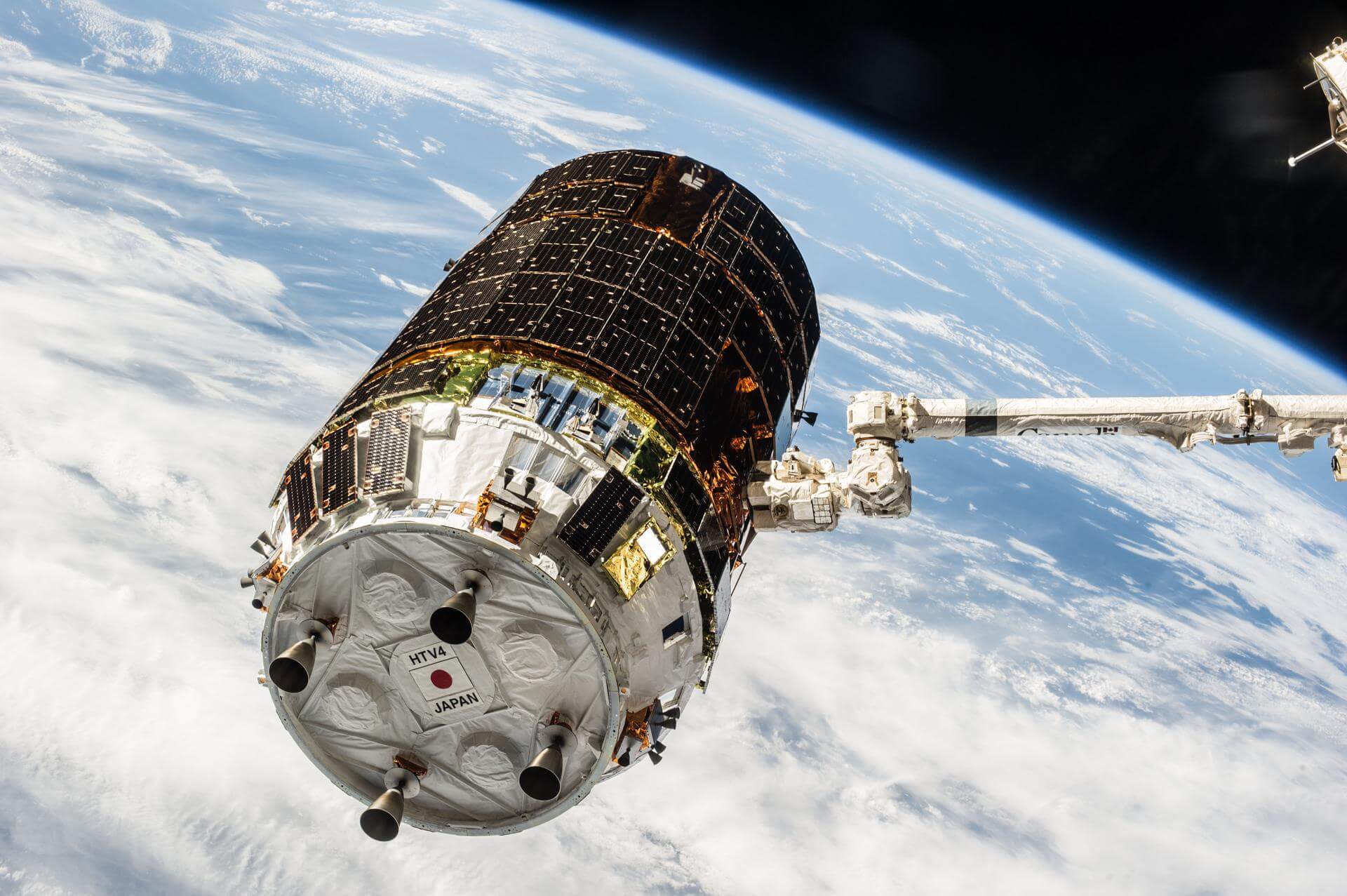
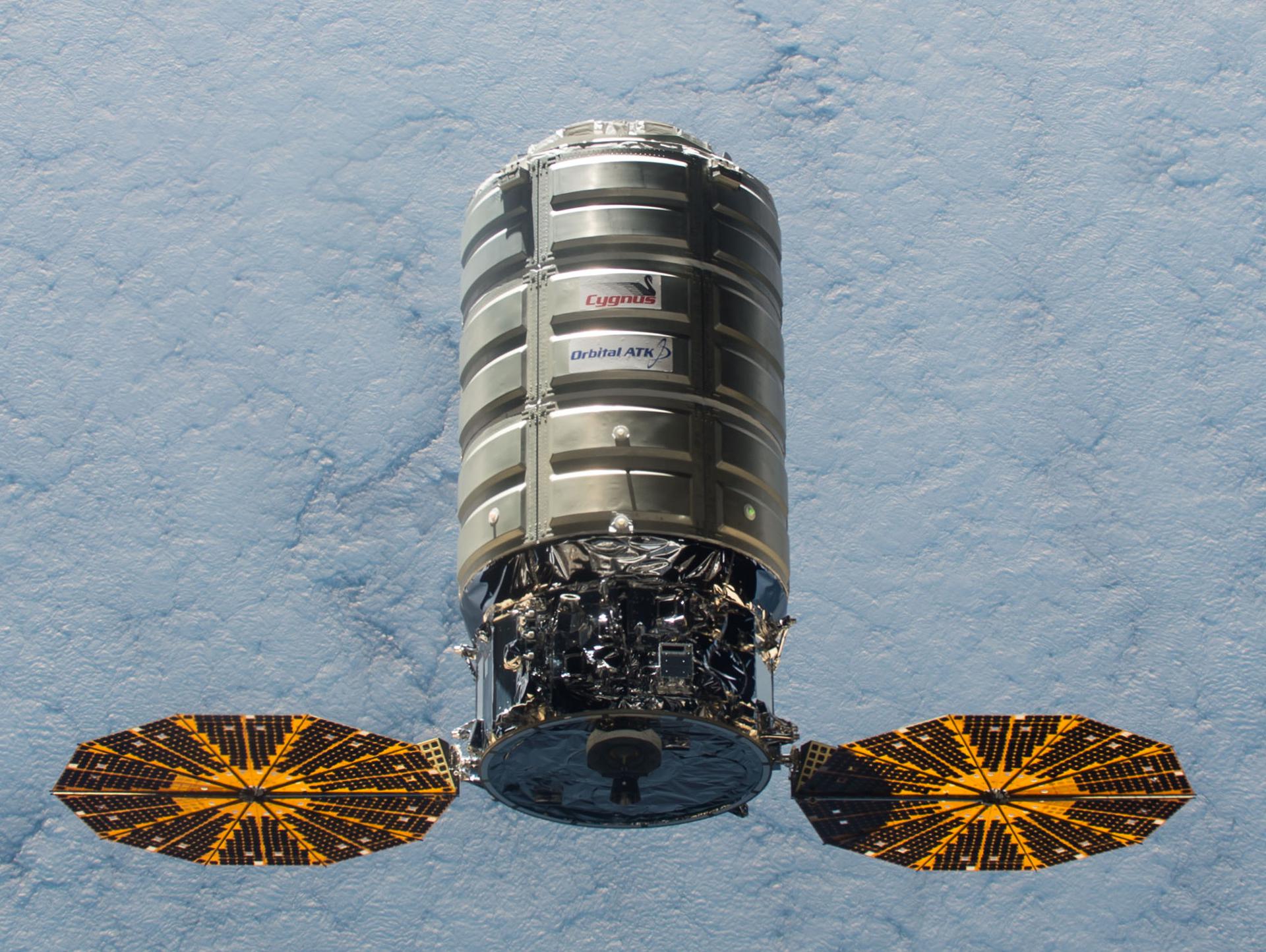
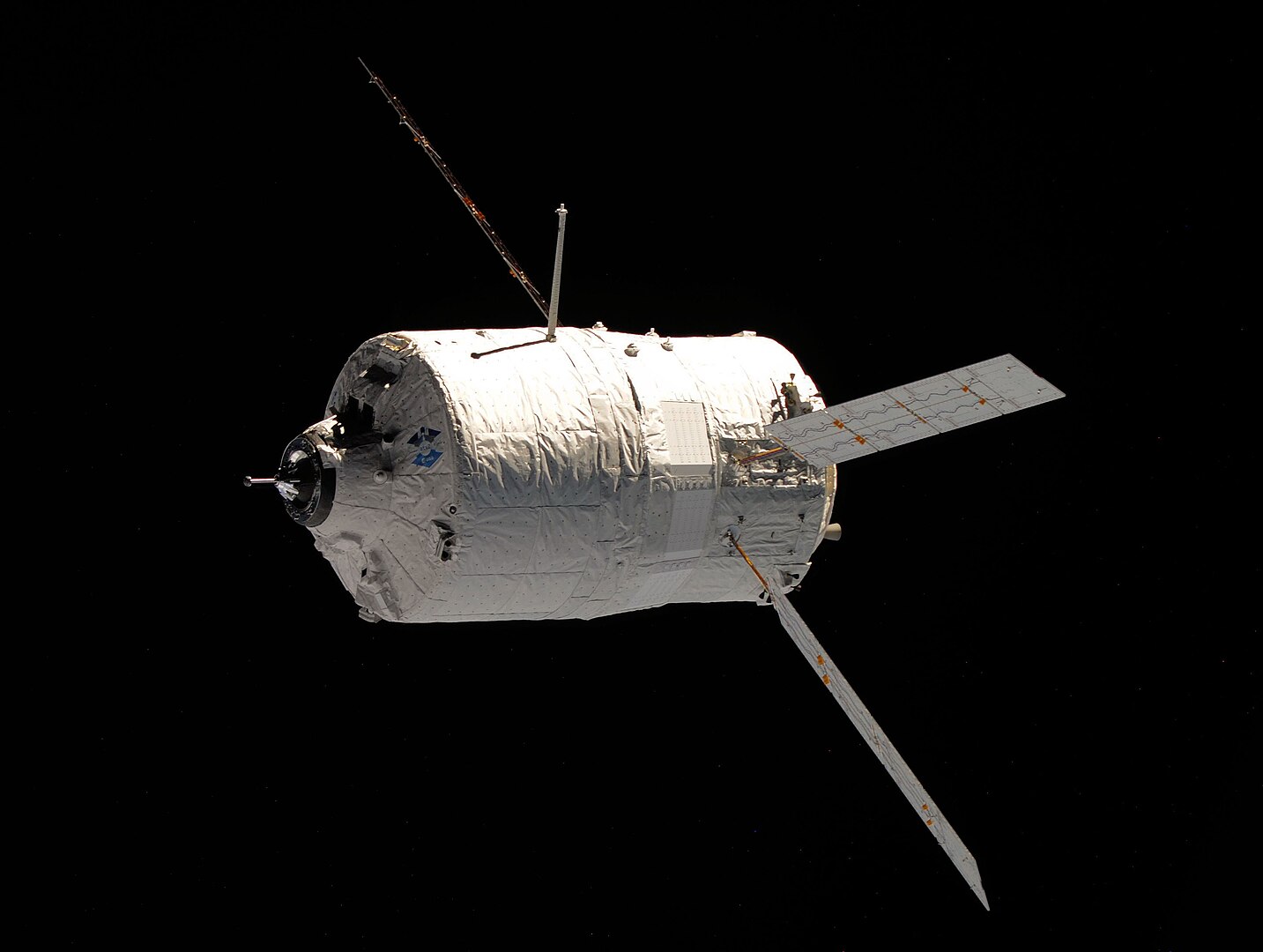
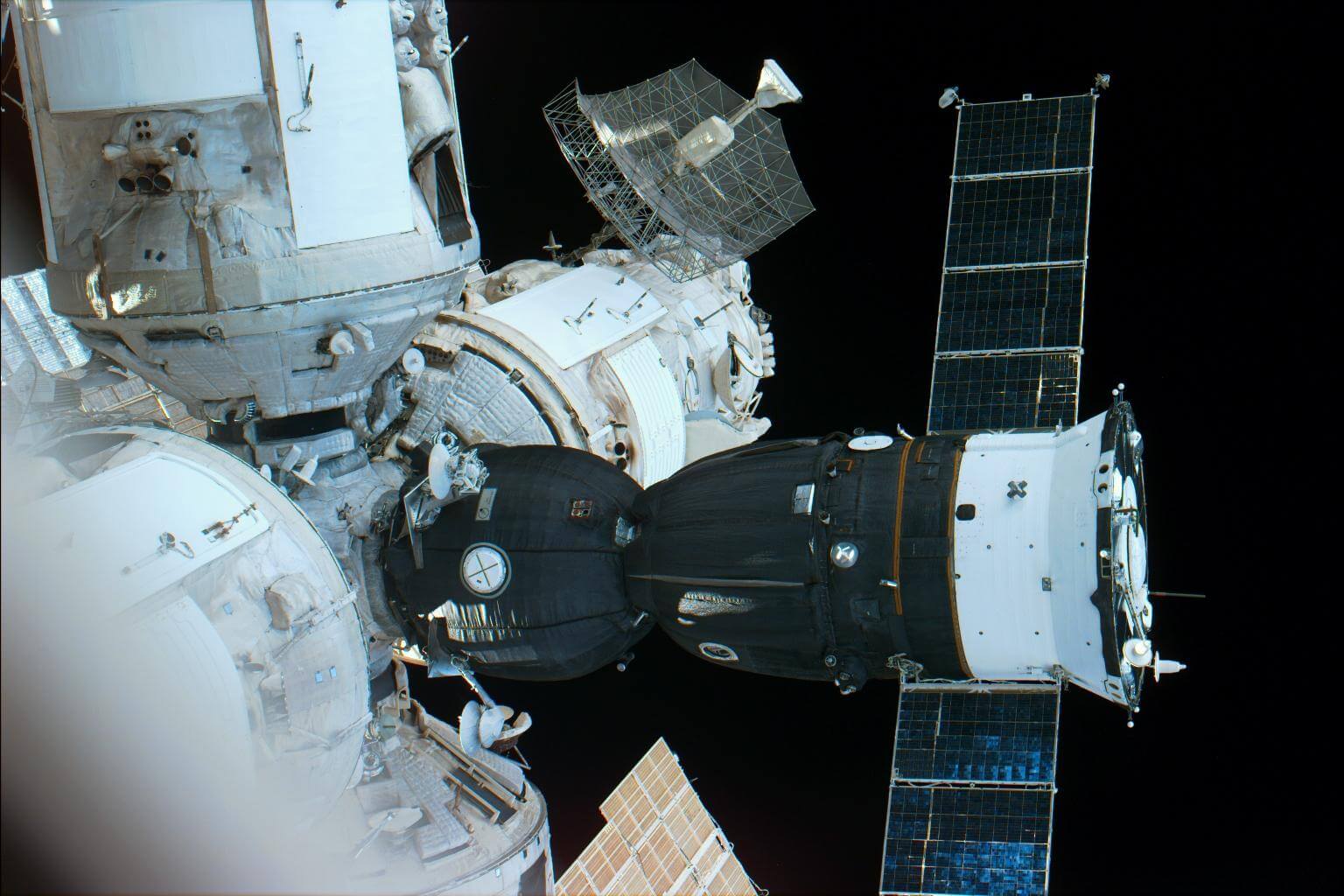
{ "count": 612, "next": "https://lldev.thespacedevs.com/2.2.0/spacecraft/?format=api&limit=10&offset=40&ordering=flights_count", "previous": "https://lldev.thespacedevs.com/2.2.0/spacecraft/?format=api&limit=10&offset=20&ordering=flights_count", "results": [ { "id": 425, "url": "https://lldev.thespacedevs.com/2.2.0/spacecraft/425/?format=api", "name": "Shenzhou 8", "serial_number": "8", "is_placeholder": false, "in_space": false, "time_in_space": "P16DT13H33M50S", "time_docked": "P13DT4H55M", "flights_count": 1, "mission_ends_count": 1, "status": { "id": 4, "name": "Single Use" }, "description": "The Shenzhou 8 spacecraft was automatically docked with the Tiangong-1 space module (launched on 29 September 2011) on November 3 and again on November 14, 2011. This unmanned docking—China's first—was followed in 2012 with the manned Shenzhou 9 mission, which performed a manned docking (also China's first) with the Tiangong-1 module.", "spacecraft_config": { "id": 2, "url": "https://lldev.thespacedevs.com/2.2.0/config/spacecraft/2/?format=api", "name": "Shenzhou", "type": { "id": 2, "name": "Capsule" }, "agency": { "id": 17, "url": "https://lldev.thespacedevs.com/2.2.0/agencies/17/?format=api", "name": "China National Space Administration", "type": "Government" }, "in_use": true, "image_url": "https://thespacedevs-dev.nyc3.digitaloceanspaces.com/media/images/shenzhou_image_20190207032522.jpeg" } }, { "id": 412, "url": "https://lldev.thespacedevs.com/2.2.0/spacecraft/412/?format=api", "name": "Progress 4", "serial_number": "Progress 4 (No.105)", "is_placeholder": false, "in_space": false, "time_in_space": "P22DT17H18M43S", "time_docked": "P18DT12H1M37S", "flights_count": 1, "mission_ends_count": 1, "status": { "id": 4, "name": "Single Use" }, "description": "Progress 4 (Russian: Прогресс 4), was a Progress spacecraft used to resupply the space station Salyut 6.", "spacecraft_config": { "id": 8, "url": "https://lldev.thespacedevs.com/2.2.0/config/spacecraft/8/?format=api", "name": "Progress 7K-TG", "type": { "id": 4, "name": "Cargo Resupply" }, "agency": { "id": 63, "url": "https://lldev.thespacedevs.com/2.2.0/agencies/63/?format=api", "name": "Russian Federal Space Agency (ROSCOSMOS)", "type": "Government" }, "in_use": false, "image_url": "https://thespacedevs-dev.nyc3.digitaloceanspaces.com/media/images/progress_7k-tg_image_20231220085840.png" } }, { "id": 205, "url": "https://lldev.thespacedevs.com/2.2.0/spacecraft/205/?format=api", "name": "Soyuz 2", "serial_number": "Soyuz 7K-OK (P) 11F615 #11", "is_placeholder": false, "in_space": false, "time_in_space": "P2DT22H51M", "time_docked": "P0D", "flights_count": 1, "mission_ends_count": 1, "status": { "id": 4, "name": "Single Use" }, "description": "Soyuz 2 was a uncrewed Soyuz spacecraft which launched on 28 October 1968 07:51 UTC. It intended to be the target of the Soyuz 3 docking, but it was unsuccessful.", "spacecraft_config": { "id": 1, "url": "https://lldev.thespacedevs.com/2.2.0/config/spacecraft/1/?format=api", "name": "Soyuz", "type": { "id": 2, "name": "Capsule" }, "agency": { "id": 63, "url": "https://lldev.thespacedevs.com/2.2.0/agencies/63/?format=api", "name": "Russian Federal Space Agency (ROSCOSMOS)", "type": "Government" }, "in_use": false, "image_url": "https://thespacedevs-dev.nyc3.digitaloceanspaces.com/media/images/soyuz_image_20201015191152.jpg" } }, { "id": 318, "url": "https://lldev.thespacedevs.com/2.2.0/spacecraft/318/?format=api", "name": "Progress M-46", "serial_number": "Progress M-46 (No.246)", "is_placeholder": false, "in_space": false, "time_in_space": "P110DT4H45M30S", "time_docked": "P87DT7H36M", "flights_count": 1, "mission_ends_count": 1, "status": { "id": 4, "name": "Single Use" }, "description": "Progress M-46 (Russian: Прогресс М-46), identified by NASA as Progress 8 or 8P, was a Progress spacecraft used to resupply the International Space Station.", "spacecraft_config": { "id": 35, "url": "https://lldev.thespacedevs.com/2.2.0/config/spacecraft/35/?format=api", "name": "Progress-M", "type": { "id": 4, "name": "Cargo Resupply" }, "agency": { "id": 63, "url": "https://lldev.thespacedevs.com/2.2.0/agencies/63/?format=api", "name": "Russian Federal Space Agency (ROSCOSMOS)", "type": "Government" }, "in_use": false, "image_url": "https://thespacedevs-dev.nyc3.digitaloceanspaces.com/media/images/progress-m_image_20231219141001.jpeg" } }, { "id": 176, "url": "https://lldev.thespacedevs.com/2.2.0/spacecraft/176/?format=api", "name": "Kounotori 6", "serial_number": "HTV-6", "is_placeholder": false, "in_space": false, "time_in_space": "P58DT1H39M13S", "time_docked": "P44DT21H2M", "flights_count": 1, "mission_ends_count": 1, "status": { "id": 4, "name": "Single Use" }, "description": "Kounotori 6, also known as HTV-6, is the sixth flight of the H-II Transfer Vehicle, an unmanned cargo spacecraft launched to resupply the International Space Station. It was launched at 13:26:47 UTC on 9 December 2016 aboard H-IIB launch vehicle from Tanegashima Space Center.", "spacecraft_config": { "id": 18, "url": "https://lldev.thespacedevs.com/2.2.0/config/spacecraft/18/?format=api", "name": "H-II Transfer Vehicle (HTV)", "type": { "id": 4, "name": "Cargo Resupply" }, "agency": { "id": 37, "url": "https://lldev.thespacedevs.com/2.2.0/agencies/37/?format=api", "name": "Japan Aerospace Exploration Agency", "type": "Government" }, "in_use": false, "image_url": "https://thespacedevs-dev.nyc3.digitaloceanspaces.com/media/images/htv-4_captured__image_20240325122159.jpeg" } }, { "id": 164, "url": "https://lldev.thespacedevs.com/2.2.0/spacecraft/164/?format=api", "name": "Cygnus CRS OA-4", "serial_number": null, "is_placeholder": false, "in_space": false, "time_in_space": "P75DT18H15M3S", "time_docked": "P71DT23H19M", "flights_count": 1, "mission_ends_count": 1, "status": { "id": 4, "name": "Single Use" }, "description": "Cygnus CRS OA-4, also known as Orbital ATK CRS-4 and CRS Orb-4, was the fourth successful flight of the Orbital ATK uncrewed resupply spacecraft Cygnus and its third flight to the International Space Station under the Commercial Resupply Services contract with NASA. With the Antares rocket undergoing a redesign following its failure during the Orb-3 launch, OA-4 was launched by an Atlas V rocket. Following three launch delays due to inclement weather beginning on 3 December 2015, OA-4 was launched at 21:44 UTC on 6 December 2015. With a liftoff weight of 7,492 kilograms, OA-4 became the heaviest payload ever launched on an Atlas V. The spacecraft rendezvoused with and was berthed to the ISS on 9 December 2015. It was released on 19 February 2016 after 72 days at the station. Deorbit occurred on 20 February at approximately 16:00 UTC.", "spacecraft_config": { "id": 19, "url": "https://lldev.thespacedevs.com/2.2.0/config/spacecraft/19/?format=api", "name": "Cygnus Enhanced", "type": { "id": 4, "name": "Cargo Resupply" }, "agency": { "id": 257, "url": "https://lldev.thespacedevs.com/2.2.0/agencies/257/?format=api", "name": "Northrop Grumman Space Systems", "type": "Commercial" }, "in_use": true, "image_url": "https://thespacedevs-dev.nyc3.digitaloceanspaces.com/media/images/cygnus2520enhanced_image_20190207032513.jpeg" } }, { "id": 415, "url": "https://lldev.thespacedevs.com/2.2.0/spacecraft/415/?format=api", "name": "Progress 1", "serial_number": "Progress 1 (No.102)", "is_placeholder": false, "in_space": false, "time_in_space": "P18DT17H35M20S", "time_docked": "P14DT19H41M46S", "flights_count": 1, "mission_ends_count": 1, "status": { "id": 4, "name": "Single Use" }, "description": "Progress 1 (Russian: Прогресс 1), was a Progress spacecraft used to resupply the space station Salyut 6.", "spacecraft_config": { "id": 8, "url": "https://lldev.thespacedevs.com/2.2.0/config/spacecraft/8/?format=api", "name": "Progress 7K-TG", "type": { "id": 4, "name": "Cargo Resupply" }, "agency": { "id": 63, "url": "https://lldev.thespacedevs.com/2.2.0/agencies/63/?format=api", "name": "Russian Federal Space Agency (ROSCOSMOS)", "type": "Government" }, "in_use": false, "image_url": "https://thespacedevs-dev.nyc3.digitaloceanspaces.com/media/images/progress_7k-tg_image_20231220085840.png" } }, { "id": 156, "url": "https://lldev.thespacedevs.com/2.2.0/spacecraft/156/?format=api", "name": "Johannes Kepler ATV", "serial_number": "ATV-002", "is_placeholder": false, "in_space": false, "time_in_space": "P154DT2H8M58S", "time_docked": "P115DT23H46M41S", "flights_count": 1, "mission_ends_count": 1, "status": { "id": 4, "name": "Single Use" }, "description": "The Johannes Kepler ATV, or Automated Transfer Vehicle 002 (ATV-002), was an unmanned cargo spacecraft built to resupply the International Space Station (ISS). It was launched on 16 February 2011 by the European Space Agency (ESA). Johannes Kepler carried propellant, air and dry cargo weighing over 7,000 kilograms, and had a total mass of over 20,000 kilograms, making it, at the time, the heaviest payload launched by the ESA. The spacecraft was named after the 17th-century German astronomer Johannes Kepler.", "spacecraft_config": { "id": 17, "url": "https://lldev.thespacedevs.com/2.2.0/config/spacecraft/17/?format=api", "name": "Automated Transfer Vehicle (ATV)", "type": { "id": 4, "name": "Cargo Resupply" }, "agency": { "id": 115, "url": "https://lldev.thespacedevs.com/2.2.0/agencies/115/?format=api", "name": "Arianespace", "type": "Commercial" }, "in_use": false, "image_url": "https://thespacedevs-dev.nyc3.digitaloceanspaces.com/media/images/automated_trans_image_20231118111716.jpeg" } }, { "id": 330, "url": "https://lldev.thespacedevs.com/2.2.0/spacecraft/330/?format=api", "name": "Progress M1-1", "serial_number": "Progress M1-1 (No.250)", "is_placeholder": false, "in_space": false, "time_in_space": "P85DT12H39M37S", "time_docked": "P83DT8H30M40S", "flights_count": 1, "mission_ends_count": 1, "status": { "id": 4, "name": "Single Use" }, "description": "Progress M1-1 (Russian: Прогресс М1-1), was a Progress spacecraft used to resupply the space station Mir.", "spacecraft_config": { "id": 36, "url": "https://lldev.thespacedevs.com/2.2.0/config/spacecraft/36/?format=api", "name": "Progress-M1", "type": { "id": 4, "name": "Cargo Resupply" }, "agency": { "id": 63, "url": "https://lldev.thespacedevs.com/2.2.0/agencies/63/?format=api", "name": "Russian Federal Space Agency (ROSCOSMOS)", "type": "Government" }, "in_use": false, "image_url": "https://thespacedevs-dev.nyc3.digitaloceanspaces.com/media/images/progress-m1_image_20231219142545.jpeg" } }, { "id": 113, "url": "https://lldev.thespacedevs.com/2.2.0/spacecraft/113/?format=api", "name": "Soyuz TM-17", "serial_number": "Soyuz TM 11F732A51 #66", "is_placeholder": false, "in_space": false, "time_in_space": "P196DT17H45M2S", "time_docked": "P194DT12H13M8S", "flights_count": 1, "mission_ends_count": 1, "status": { "id": 4, "name": "Single Use" }, "description": "Soyuz TM-17 was a Soyuz spacecraft which launched on 1 July 1993 14:32 UTC. It transported two members of the Expedition 14 crew and a French astronaut to Mir. The Expedition 14 crew consisted of Vasili Tsibliyev and Aleksandr Serebrov. The astronaut was ESA astronaut Jean-Pierre Haigneré.", "spacecraft_config": { "id": 41, "url": "https://lldev.thespacedevs.com/2.2.0/config/spacecraft/41/?format=api", "name": "Soyuz TM", "type": { "id": 2, "name": "Capsule" }, "agency": { "id": 63, "url": "https://lldev.thespacedevs.com/2.2.0/agencies/63/?format=api", "name": "Russian Federal Space Agency (ROSCOSMOS)", "type": "Government" }, "in_use": false, "image_url": "https://thespacedevs-dev.nyc3.digitaloceanspaces.com/media/images/soyuz_tm_image_20231228130713.jpeg" } } ] }