Event List
API endpoint that allows all Events to be viewed.
FILTERS: 'type', 'type__ids', 'program', 'agency__ids', 'last_updated'
GET: Return a list of all Events
SEARCH EXAMPLE: /2.2.0/event/?search=Dragon Searches through name
ORDERING: Fields - 'date', 'last_updated' Example - /2.2.0/event/?ordering=-date
GET /2.2.0/event/?format=api&offset=1070&ordering=-date
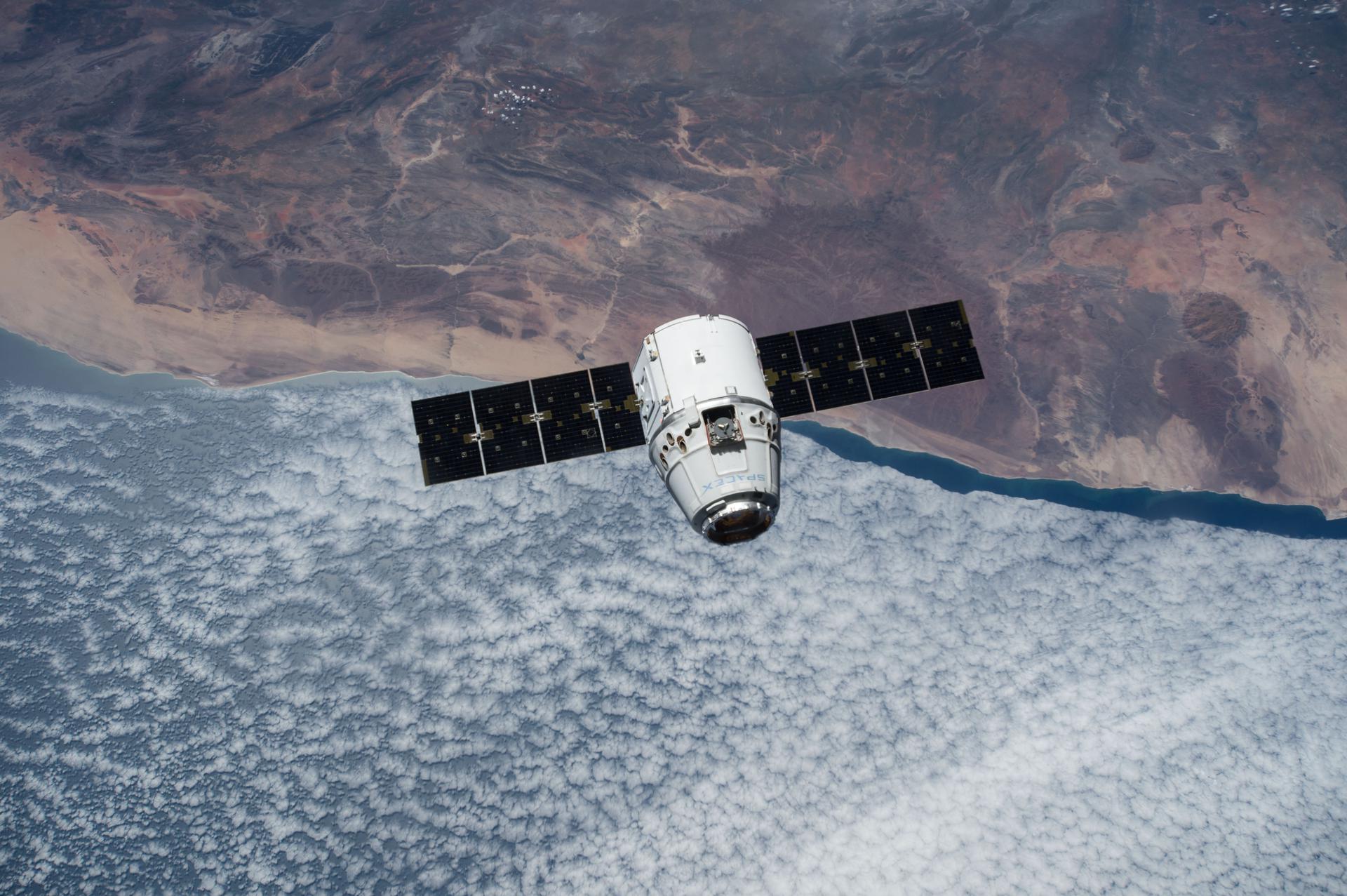
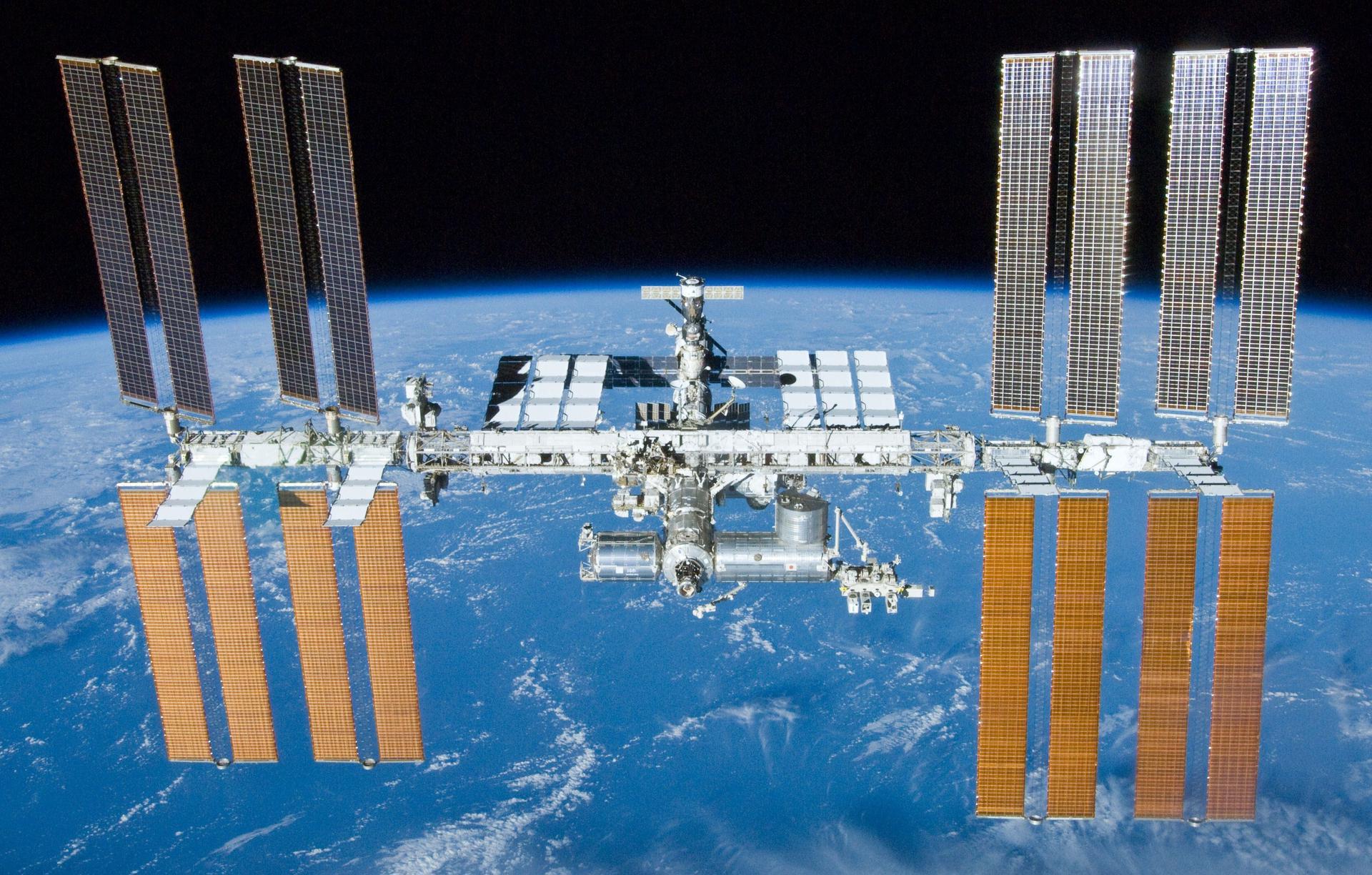
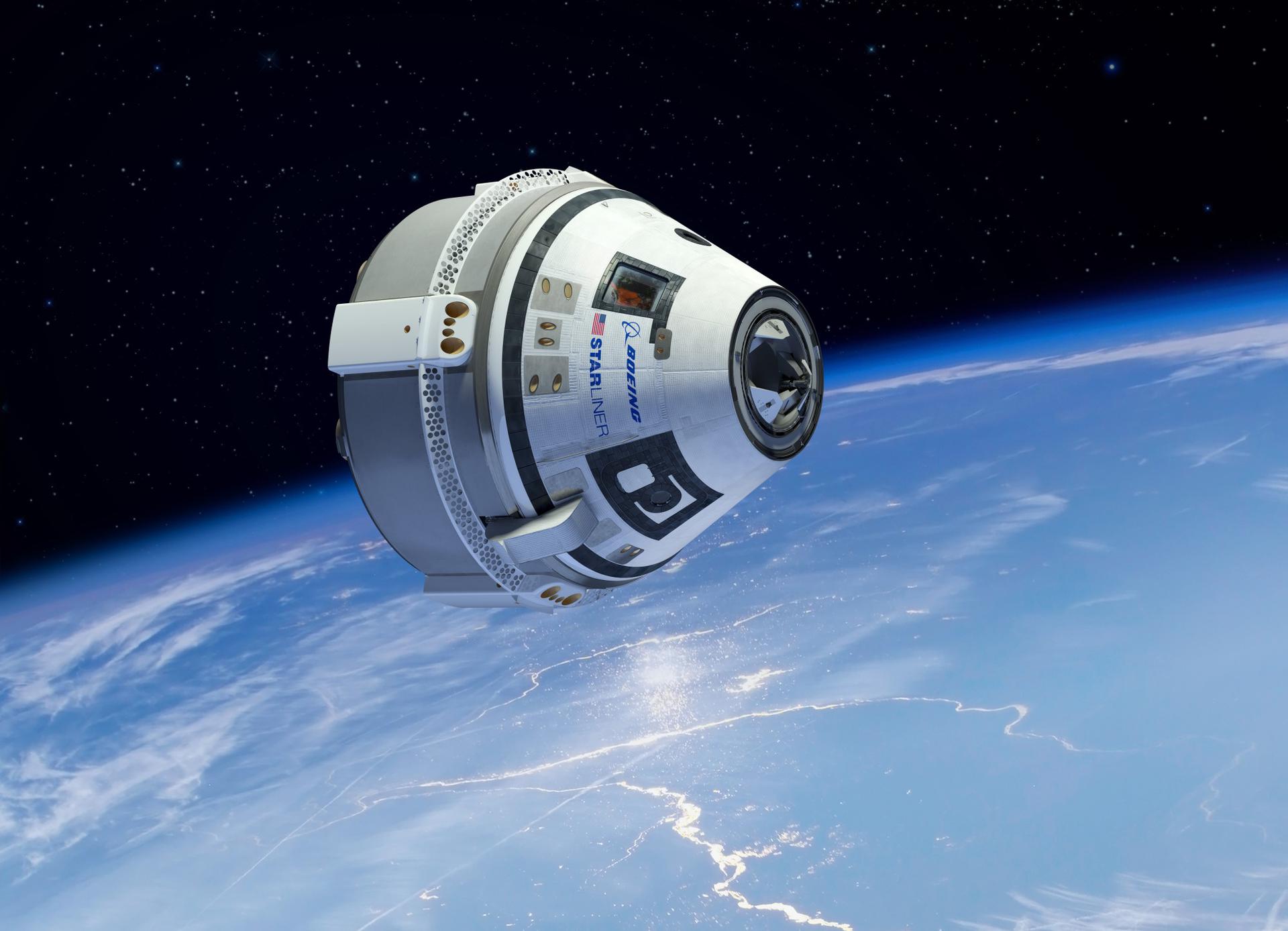
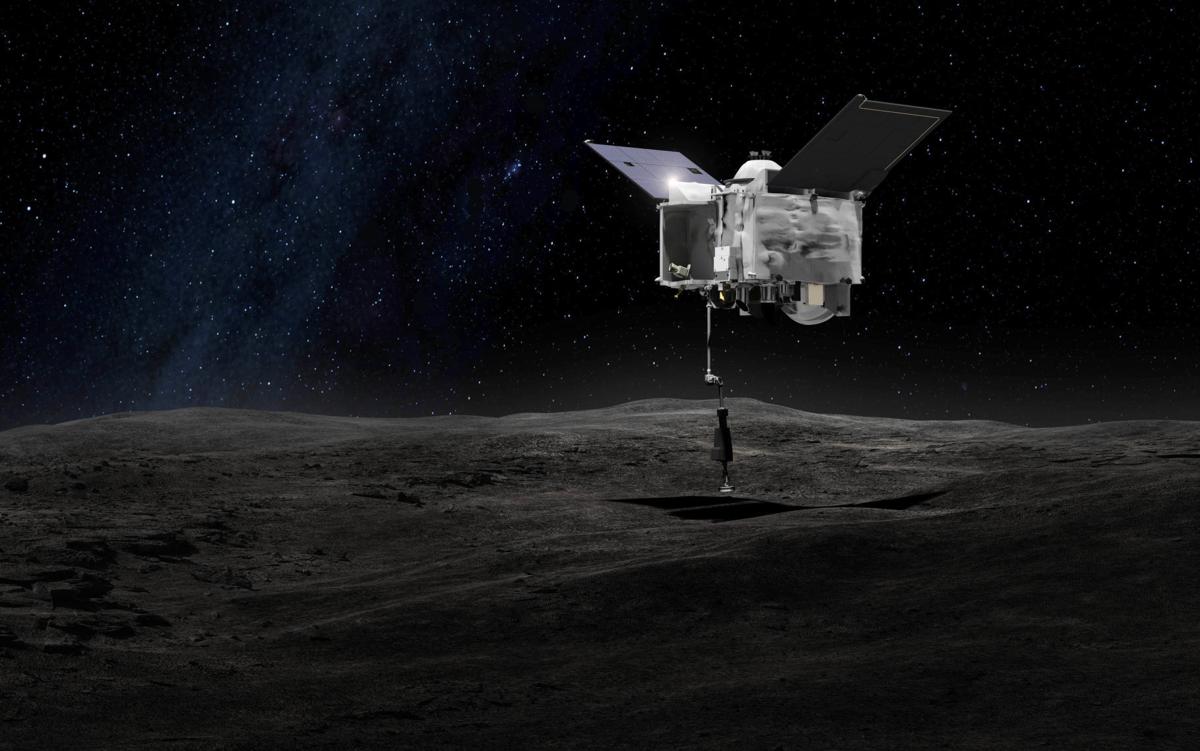
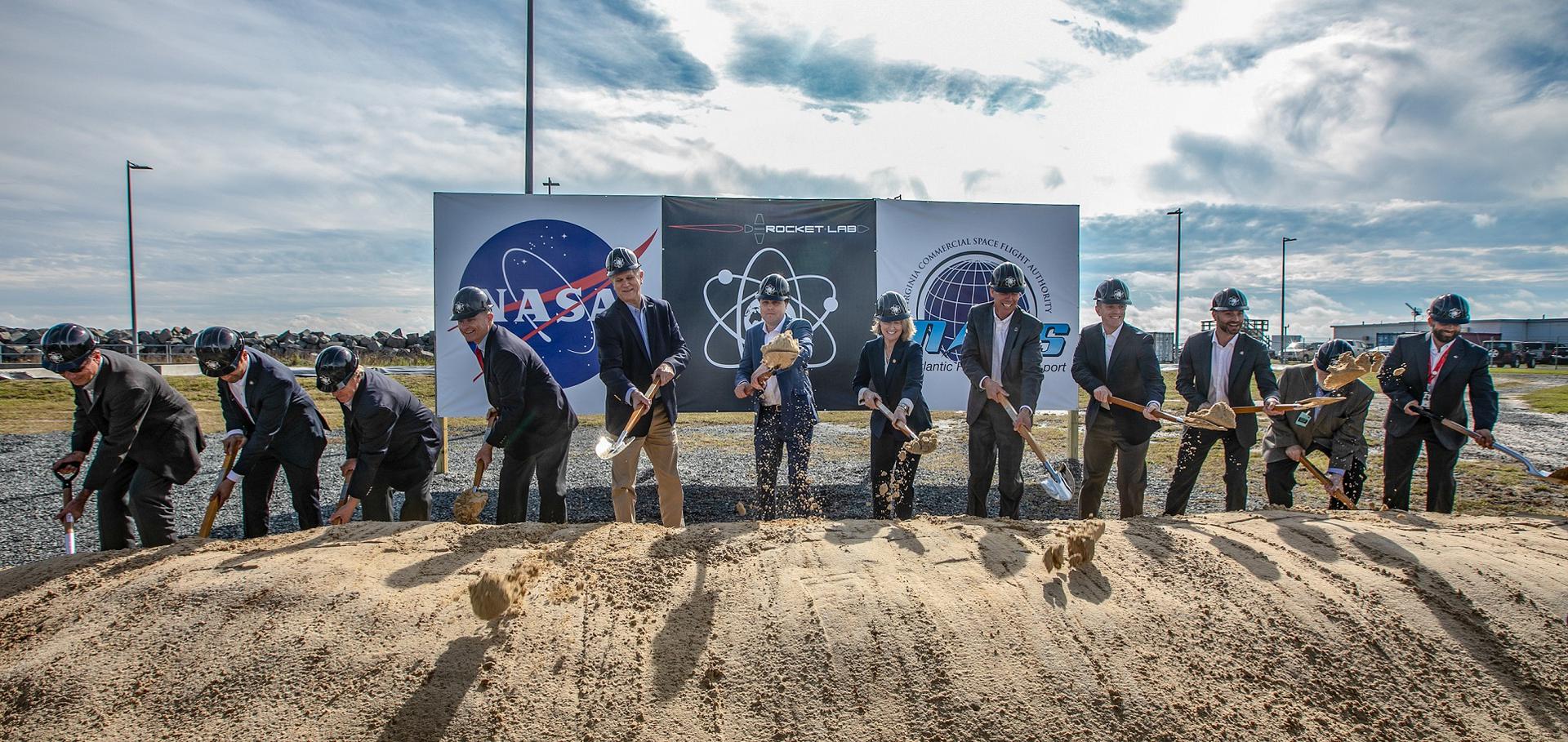
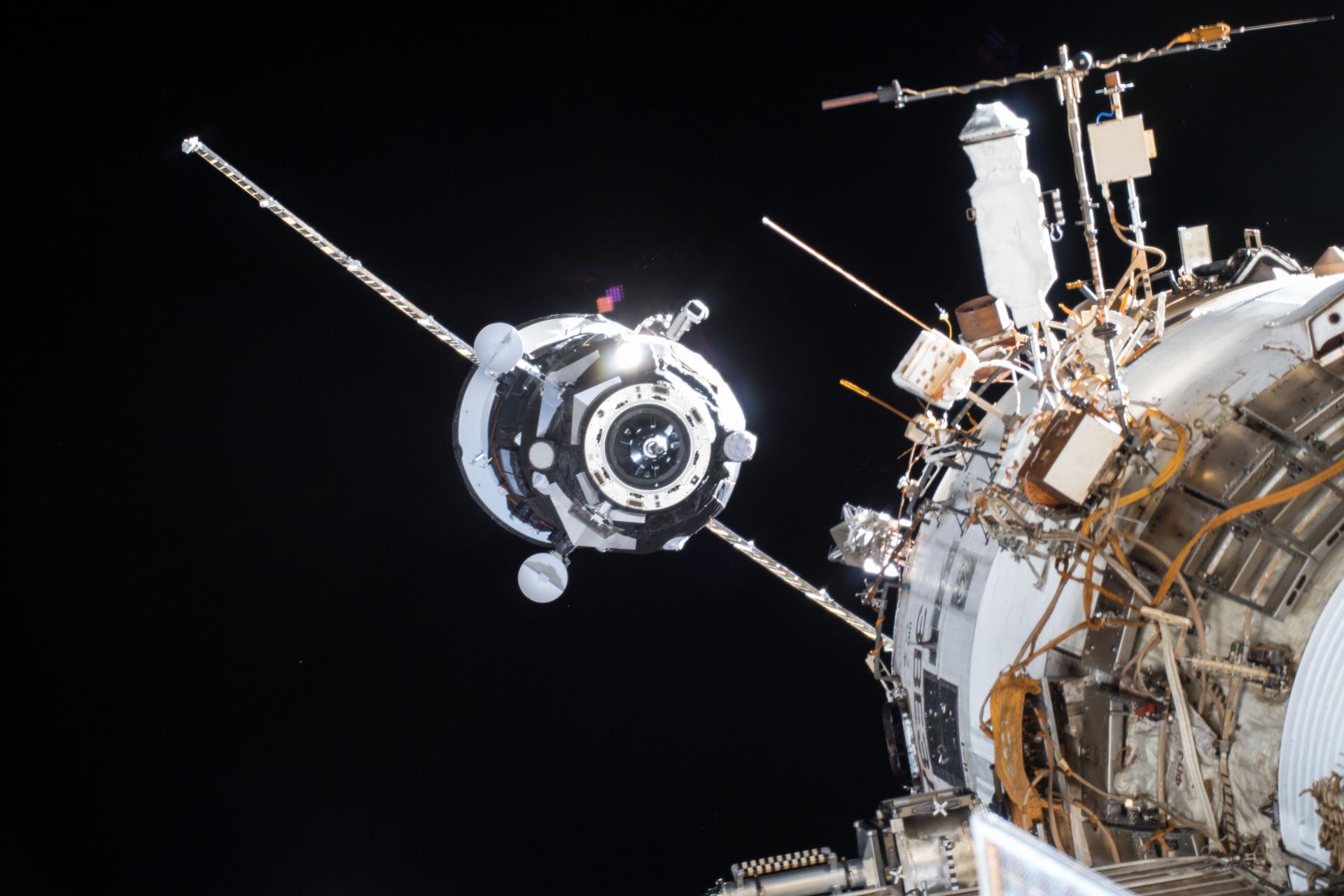
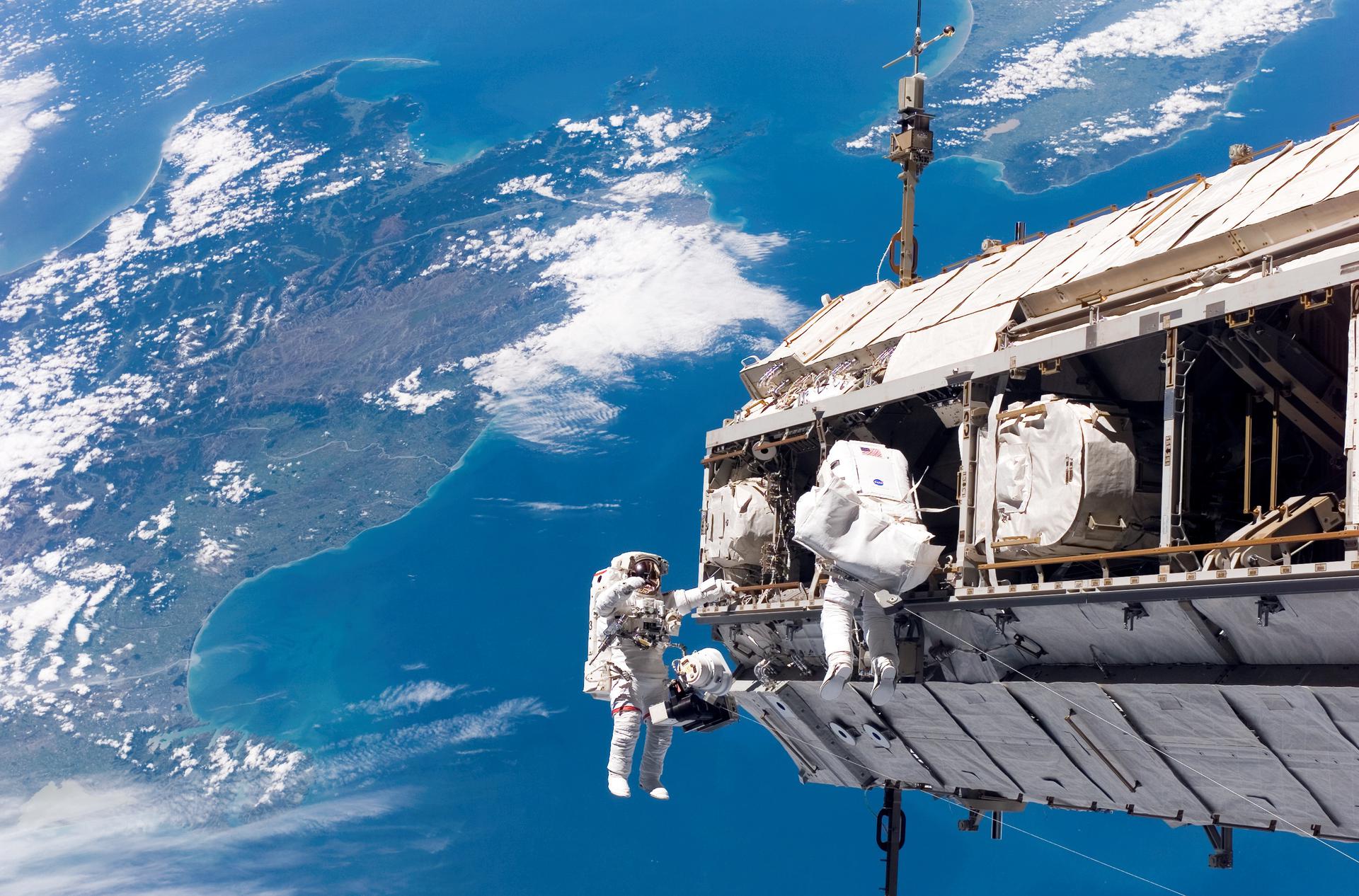
{ "count": 1143, "next": "https://lldev.thespacedevs.com/2.2.0/event/?format=api&limit=10&offset=1080&ordering=-date", "previous": "https://lldev.thespacedevs.com/2.2.0/event/?format=api&limit=10&offset=1060&ordering=-date", "results": [ { "id": 73, "url": "https://lldev.thespacedevs.com/2.2.0/event/73/?format=api", "slug": "crs-19-dragon-release", "name": "CRS-19 Dragon Release", "updates": [], "last_updated": "2024-03-05T17:28:52Z", "type": { "id": 13, "name": "Spacecraft Release" }, "description": "NASA TV will livestream the release of the CRS-19 Dragon cargo craft from the International Space Station.", "webcast_live": false, "location": "International Space Station", "news_url": null, "video_url": null, "info_urls": [], "vid_urls": [], "feature_image": "https://thespacedevs-dev.nyc3.digitaloceanspaces.com/media/images/crs-172520dragon2520berthing_image_20190318203226.jpeg", "date": "2020-01-07T10:03:00Z", "date_precision": null, "duration": null, "agencies": [], "launches": [], "expeditions": [], "spacestations": [ { "id": 4, "url": "https://lldev.thespacedevs.com/2.2.0/spacestation/4/?format=api", "name": "International Space Station", "status": { "id": 1, "name": "Active" }, "founded": "1998-11-20", "description": "The International Space Station (ISS) is a space station, or a habitable artificial satellite, in low Earth orbit. Its first component was launched into orbit in 1998, with the first long-term residents arriving in November 2000. It has been inhabited continuously since that date. The last pressurised module was fitted in 2011, and an experimental inflatable space habitat was added in 2016. The station is expected to operate until 2030. Development and assembly of the station continues, with several new elements scheduled for launch in 2019. The ISS is the largest human-made body in low Earth orbit and can often be seen with the naked eye from Earth. The ISS consists of pressurised habitation modules, structural trusses, solar arrays, radiators, docking ports, experiment bays and robotic arms. ISS components have been launched by Russian Proton and Soyuz rockets, and American Space Shuttles.", "orbit": "Low Earth Orbit", "image_url": "https://thespacedevs-dev.nyc3.digitaloceanspaces.com/media/images/international2520space2520station_image_20190220215716.jpeg" } ], "program": [] }, { "id": 71, "url": "https://lldev.thespacedevs.com/2.2.0/event/71/?format=api", "slug": "starliner-oft-landing", "name": "Starliner OFT Landing", "updates": [], "last_updated": "2024-03-05T17:22:31Z", "type": { "id": 9, "name": "Spacecraft Landing" }, "description": "The first Boeing CST-100 Starliner will renter the Earth's atmosphere and land at the 'White Sands Missile Range' using its parachutes.", "webcast_live": false, "location": "White Sands Missile Range", "news_url": "https://www.nasa.gov/press-release/nasa-television-to-air-boeing-starliner-spacecraft-landing", "video_url": "https://www.youtube.com/watch?v=lPzNHeX7OYM", "info_urls": [ { "priority": 10, "source": "www.nasa.gov", "title": "NASA Television to Air Boeing Starliner Spacecraft Landing", "description": "NASA and Boeing will provide live coverage of the landing on Sunday, Dec. 22, of the company’s CST-100 Starliner spacecraft, on return from its Orbital Flight Test for NASA’s Commercial Crew Program.", "feature_image": null, "url": "https://www.nasa.gov/press-release/nasa-television-to-air-boeing-starliner-spacecraft-landing", "type": null, "language": { "id": 1, "name": "English", "code": "en" } } ], "vid_urls": [ { "priority": 10, "source": "youtube.com", "publisher": "NASA", "title": "Boeing Starliner Orbital Flight Test Landing", "description": "Tune in as Boeing's uncrewed Starliner spacecraft lands at White Sands, New Mexico. Landing is scheduled at 7:57 a.m. EST on Sunday, Dec. 22. After its launch on Dec. 20, the Starliner did not reach t...", "feature_image": "https://i.ytimg.com/vi/lPzNHeX7OYM/maxresdefault.jpg", "url": "https://www.youtube.com/watch?v=lPzNHeX7OYM", "type": { "id": 1, "name": "Official Webcast" }, "language": { "id": 1, "name": "English", "code": "en" }, "start_time": "2019-12-22T11:47:40Z", "end_time": "2019-12-22T14:34:11Z" } ], "feature_image": "https://thespacedevs-dev.nyc3.digitaloceanspaces.com/media/images/boeing2520starliner2520docking_image_20191210170411.jpeg", "date": "2019-12-22T12:57:00Z", "date_precision": null, "duration": null, "agencies": [], "launches": [], "expeditions": [], "spacestations": [], "program": [] }, { "id": 76, "url": "https://lldev.thespacedevs.com/2.2.0/event/76/?format=api", "slug": "starliner-oft-deorbit", "name": "Starliner OFT Deorbit", "updates": [], "last_updated": "2024-03-05T17:28:54Z", "type": { "id": 6, "name": "Spacecraft Event" }, "description": "The first Boeing CST-100 Starliner will conduct it's deorbit burn after its unsuccessful flight to the ISS.\r\n\r\nFollowing the deorbit burn the capsule will renter the Earth's atmosphere and land at the 'White Sands Missile Range' using its parachutes.", "webcast_live": false, "location": "LEO", "news_url": "https://www.nasa.gov/press-release/nasa-television-to-air-boeing-starliner-spacecraft-landing", "video_url": "https://www.youtube.com/watch?v=lPzNHeX7OYM", "info_urls": [ { "priority": 10, "source": "www.nasa.gov", "title": "NASA Television to Air Boeing Starliner Spacecraft Landing", "description": "NASA and Boeing will provide live coverage of the landing on Sunday, Dec. 22, of the company’s CST-100 Starliner spacecraft, on return from its Orbital Flight Test for NASA’s Commercial Crew Program.", "feature_image": null, "url": "https://www.nasa.gov/press-release/nasa-television-to-air-boeing-starliner-spacecraft-landing", "type": { "id": 1, "name": "Official Page" }, "language": { "id": 1, "name": "English", "code": "en" } } ], "vid_urls": [ { "priority": 10, "source": "youtube.com", "publisher": "NASA", "title": "Boeing Starliner Orbital Flight Test Landing", "description": "Tune in as Boeing's uncrewed Starliner spacecraft lands at White Sands, New Mexico. Landing is scheduled at 7:57 a.m. EST on Sunday, Dec. 22. After its launch on Dec. 20, the Starliner did not reach t...", "feature_image": "https://i.ytimg.com/vi/lPzNHeX7OYM/maxresdefault.jpg", "url": "https://www.youtube.com/watch?v=lPzNHeX7OYM", "type": { "id": 1, "name": "Official Webcast" }, "language": { "id": 1, "name": "English", "code": "en" }, "start_time": "2019-12-22T11:47:40Z", "end_time": "2019-12-22T14:34:11Z" } ], "feature_image": "https://thespacedevs-dev.nyc3.digitaloceanspaces.com/media/images/boeing2520starliner2520docking_image_20191210170411.jpeg", "date": "2019-12-22T12:23:00Z", "date_precision": null, "duration": null, "agencies": [], "launches": [], "expeditions": [], "spacestations": [], "program": [] }, { "id": 70, "url": "https://lldev.thespacedevs.com/2.2.0/event/70/?format=api", "slug": "boeing-starliner-oft-docking-failed", "name": "Boeing Starliner OFT Docking - Failed", "updates": [], "last_updated": "2024-03-05T17:22:32Z", "type": { "id": 2, "name": "Docking" }, "description": "The first Boeing CST-100 Starliner will NOT dock with the International Space Station on its first uncrewed test flight.\r\n\r\nThe capsule had an anomaly when performing the orbit insertion burn, causing it to be unable to reach the ISS with enough fuel.", "webcast_live": false, "location": "International Space Station", "news_url": null, "video_url": null, "info_urls": [], "vid_urls": [], "feature_image": "https://thespacedevs-dev.nyc3.digitaloceanspaces.com/media/images/boeing2520starliner2520docking_image_20191210170411.jpeg", "date": "2019-12-21T13:27:00Z", "date_precision": null, "duration": null, "agencies": [], "launches": [], "expeditions": [], "spacestations": [ { "id": 4, "url": "https://lldev.thespacedevs.com/2.2.0/spacestation/4/?format=api", "name": "International Space Station", "status": { "id": 1, "name": "Active" }, "founded": "1998-11-20", "description": "The International Space Station (ISS) is a space station, or a habitable artificial satellite, in low Earth orbit. Its first component was launched into orbit in 1998, with the first long-term residents arriving in November 2000. It has been inhabited continuously since that date. The last pressurised module was fitted in 2011, and an experimental inflatable space habitat was added in 2016. The station is expected to operate until 2030. Development and assembly of the station continues, with several new elements scheduled for launch in 2019. The ISS is the largest human-made body in low Earth orbit and can often be seen with the naked eye from Earth. The ISS consists of pressurised habitation modules, structural trusses, solar arrays, radiators, docking ports, experiment bays and robotic arms. ISS components have been launched by Russian Proton and Soyuz rockets, and American Space Shuttles.", "orbit": "Low Earth Orbit", "image_url": "https://thespacedevs-dev.nyc3.digitaloceanspaces.com/media/images/international2520space2520station_image_20190220215716.jpeg" } ], "program": [] }, { "id": 74, "url": "https://lldev.thespacedevs.com/2.2.0/event/74/?format=api", "slug": "osiris-rex-sample-collection-site-announcement", "name": "OSIRIS-Rex Sample Collection Site Announcement", "updates": [], "last_updated": "2024-03-05T17:22:31Z", "type": { "id": 20, "name": "Press Event" }, "description": "NASA will announce the selected site on asteroid Bennu where OSIRIS-REx will collect a sample before bringing back to Earth.", "webcast_live": false, "location": "Asteroid Bennu", "news_url": null, "video_url": null, "info_urls": [], "vid_urls": [], "feature_image": "https://thespacedevs-dev.nyc3.digitaloceanspaces.com/media/images/osiris-rex2520sample2520collection_image_20190729035954.jpg", "date": "2019-12-12T18:00:00Z", "date_precision": null, "duration": null, "agencies": [], "launches": [], "expeditions": [], "spacestations": [], "program": [] }, { "id": 75, "url": "https://lldev.thespacedevs.com/2.2.0/event/75/?format=api", "slug": "rocket-lab-lc-2-inauguration", "name": "Rocket Lab LC-2 Inauguration", "updates": [], "last_updated": "2024-03-05T17:28:51Z", "type": { "id": 20, "name": "Press Event" }, "description": "Less than a year after construction started, Rocket Lab's Launch Complex-2 in Wallops Islands (USA) will be inaugurated during a livestreamed ceremony featuring CEO Peter Beck.", "webcast_live": false, "location": "Wallops Islands, VA, USA", "news_url": "https://twitter.com/RocketLab/status/1204744865667436544?s=20", "video_url": "https://www.youtube.com/watch?v=vu-ZisFbjFo", "info_urls": [ { "priority": 10, "source": "twitter.com", "title": "", "description": "JavaScript is not available.\n\nWe’ve detected that JavaScript is disabled in this browser. Please enable JavaScript or switch to a supported browser to continue using twitter.com. You can see a list of supported browsers in our Help Center.", "feature_image": null, "url": "https://twitter.com/RocketLab/status/1204744865667436544?s=20", "type": { "id": 1, "name": "Official Page" }, "language": { "id": 1, "name": "English", "code": "en" } } ], "vid_urls": [ { "priority": 10, "source": "youtube.com", "publisher": "Rocket Lab", "title": "Rocket Lab Launch Complex 2 Opening", "description": "", "feature_image": "https://i.ytimg.com/vi/vu-ZisFbjFo/maxresdefault.jpg", "url": "https://www.youtube.com/watch?v=vu-ZisFbjFo", "type": { "id": 1, "name": "Official Webcast" }, "language": { "id": 1, "name": "English", "code": "en" }, "start_time": "2019-12-12T15:57:55Z", "end_time": "2019-12-12T16:31:41Z" } ], "feature_image": "https://thespacedevs-dev.nyc3.digitaloceanspaces.com/media/images/rocket2520lab2520lc-22520inauguration_image_20191211152940.jpeg", "date": "2019-12-12T16:00:00Z", "date_precision": null, "duration": null, "agencies": [], "launches": [], "expeditions": [], "spacestations": [], "program": [] }, { "id": 69, "url": "https://lldev.thespacedevs.com/2.2.0/event/69/?format=api", "slug": "progress-ms-13-docking", "name": "Progress MS-13 Docking", "updates": [], "last_updated": "2024-03-05T17:28:49Z", "type": { "id": 2, "name": "Docking" }, "description": "The Progress MS-13 spacecraft has successfully docked to the ISS's Pirs module.", "webcast_live": false, "location": "International Space Station", "news_url": null, "video_url": null, "info_urls": [], "vid_urls": [], "feature_image": "https://thespacedevs-dev.nyc3.digitaloceanspaces.com/media/images/progress2520ms-112520docking_image_20190318202147.jpeg", "date": "2019-12-09T10:35:00Z", "date_precision": null, "duration": null, "agencies": [], "launches": [], "expeditions": [], "spacestations": [ { "id": 4, "url": "https://lldev.thespacedevs.com/2.2.0/spacestation/4/?format=api", "name": "International Space Station", "status": { "id": 1, "name": "Active" }, "founded": "1998-11-20", "description": "The International Space Station (ISS) is a space station, or a habitable artificial satellite, in low Earth orbit. Its first component was launched into orbit in 1998, with the first long-term residents arriving in November 2000. It has been inhabited continuously since that date. The last pressurised module was fitted in 2011, and an experimental inflatable space habitat was added in 2016. The station is expected to operate until 2030. Development and assembly of the station continues, with several new elements scheduled for launch in 2019. The ISS is the largest human-made body in low Earth orbit and can often be seen with the naked eye from Earth. The ISS consists of pressurised habitation modules, structural trusses, solar arrays, radiators, docking ports, experiment bays and robotic arms. ISS components have been launched by Russian Proton and Soyuz rockets, and American Space Shuttles.", "orbit": "Low Earth Orbit", "image_url": "https://thespacedevs-dev.nyc3.digitaloceanspaces.com/media/images/international2520space2520station_image_20190220215716.jpeg" } ], "program": [] }, { "id": 68, "url": "https://lldev.thespacedevs.com/2.2.0/event/68/?format=api", "slug": "crs-19-dragon-berthing", "name": "CRS-19 Dragon Berthing", "updates": [], "last_updated": "2024-03-05T17:28:52Z", "type": { "id": 4, "name": "Spacecraft Berthing" }, "description": "Following its launch atop a Falcon 9, the CRS-19 Dragon has been captured and berthed with the ISS, bringing crew supplies as well as experiments.", "webcast_live": false, "location": "International Space Station", "news_url": null, "video_url": null, "info_urls": [], "vid_urls": [], "feature_image": "https://thespacedevs-dev.nyc3.digitaloceanspaces.com/media/images/crs-172520dragon2520berthing_image_20190318203226.jpeg", "date": "2019-12-08T10:05:00Z", "date_precision": null, "duration": null, "agencies": [], "launches": [], "expeditions": [], "spacestations": [ { "id": 4, "url": "https://lldev.thespacedevs.com/2.2.0/spacestation/4/?format=api", "name": "International Space Station", "status": { "id": 1, "name": "Active" }, "founded": "1998-11-20", "description": "The International Space Station (ISS) is a space station, or a habitable artificial satellite, in low Earth orbit. Its first component was launched into orbit in 1998, with the first long-term residents arriving in November 2000. It has been inhabited continuously since that date. The last pressurised module was fitted in 2011, and an experimental inflatable space habitat was added in 2016. The station is expected to operate until 2030. Development and assembly of the station continues, with several new elements scheduled for launch in 2019. The ISS is the largest human-made body in low Earth orbit and can often be seen with the naked eye from Earth. The ISS consists of pressurised habitation modules, structural trusses, solar arrays, radiators, docking ports, experiment bays and robotic arms. ISS components have been launched by Russian Proton and Soyuz rockets, and American Space Shuttles.", "orbit": "Low Earth Orbit", "image_url": "https://thespacedevs-dev.nyc3.digitaloceanspaces.com/media/images/international2520space2520station_image_20190220215716.jpeg" } ], "program": [] }, { "id": 67, "url": "https://lldev.thespacedevs.com/2.2.0/event/67/?format=api", "slug": "us-eva-61", "name": "US EVA-61", "updates": [], "last_updated": "2024-03-05T17:28:50Z", "type": { "id": 3, "name": "EVA" }, "description": "Astronauts Drew Morgan (NASA) and Luca Parmitano (ESA) will perform an EVA to repair the Alpha Magnetic Spectrometer 2 instrument.", "webcast_live": false, "location": "International Space Station", "news_url": null, "video_url": null, "info_urls": [], "vid_urls": [], "feature_image": "https://thespacedevs-dev.nyc3.digitaloceanspaces.com/media/images/us2520eva-52_image_20190318200748.jpeg", "date": "2019-12-02T11:50:00Z", "date_precision": null, "duration": null, "agencies": [], "launches": [], "expeditions": [ { "id": 136, "url": "https://lldev.thespacedevs.com/2.2.0/expedition/136/?format=api", "name": "Expedition 61", "start": "2019-10-02T00:00:00Z", "end": "2020-02-05T13:40:00Z", "spacestation": { "id": 4, "url": "https://lldev.thespacedevs.com/2.2.0/spacestation/4/?format=api", "name": "International Space Station", "status": { "id": 1, "name": "Active" }, "orbit": "Low Earth Orbit", "image_url": "https://thespacedevs-dev.nyc3.digitaloceanspaces.com/media/images/international2520space2520station_image_20190220215716.jpeg" }, "mission_patches": [ { "id": 723, "name": "Expedition 61 Patch", "priority": 9, "image_url": "https://thespacedevs-dev.nyc3.digitaloceanspaces.com/media/mission_patch_images/expedition_61_patch_20221024013520.png", "agency": { "id": 44, "url": "https://lldev.thespacedevs.com/2.2.0/agencies/44/?format=api", "name": "National Aeronautics and Space Administration", "type": "Government" } } ], "spacewalks": [ { "id": 406, "url": "https://lldev.thespacedevs.com/2.2.0/spacewalks/406/?format=api", "name": "Expedition 61 EVA 1", "start": "2019-10-06T11:39:00Z", "end": "2019-10-06T18:40:00Z", "duration": "PT7H1M", "location": "International Space Station" }, { "id": 407, "url": "https://lldev.thespacedevs.com/2.2.0/spacewalks/407/?format=api", "name": "Expedition 61 EVA 2", "start": "2019-10-11T11:38:00Z", "end": "2019-10-11T18:23:00Z", "duration": "PT6H45M", "location": "International Space Station" }, { "id": 408, "url": "https://lldev.thespacedevs.com/2.2.0/spacewalks/408/?format=api", "name": "Expedition 61 EVA 3", "start": "2019-10-18T11:38:00Z", "end": "2019-10-18T18:55:00Z", "duration": "PT7H17M", "location": "International Space Station" }, { "id": 409, "url": "https://lldev.thespacedevs.com/2.2.0/spacewalks/409/?format=api", "name": "Expedition 61 EVA 4", "start": "2019-11-15T11:39:00Z", "end": "2019-11-15T18:18:00Z", "duration": "PT6H39M", "location": "International Space Station" }, { "id": 410, "url": "https://lldev.thespacedevs.com/2.2.0/spacewalks/410/?format=api", "name": "Expedition 61 EVA 5", "start": "2019-11-22T12:02:00Z", "end": "2019-11-22T18:35:00Z", "duration": "PT6H33M", "location": "International Space Station" }, { "id": 411, "url": "https://lldev.thespacedevs.com/2.2.0/spacewalks/411/?format=api", "name": "Expedition 61 EVA 6", "start": "2019-12-02T11:31:00Z", "end": "2019-12-02T17:33:00Z", "duration": "PT6H2M", "location": "International Space Station" }, { "id": 412, "url": "https://lldev.thespacedevs.com/2.2.0/spacewalks/412/?format=api", "name": "Expedition 61 EVA 7", "start": "2020-01-15T11:35:00Z", "end": "2020-01-15T19:04:00Z", "duration": "PT7H29M", "location": "International Space Station" }, { "id": 413, "url": "https://lldev.thespacedevs.com/2.2.0/spacewalks/413/?format=api", "name": "Expedition 61 EVA 8", "start": "2020-01-20T11:35:00Z", "end": "2020-01-20T18:33:00Z", "duration": "PT6H58M", "location": "International Space Station" }, { "id": 414, "url": "https://lldev.thespacedevs.com/2.2.0/spacewalks/414/?format=api", "name": "Expedition 61 EVA 9", "start": "2020-01-25T12:04:00Z", "end": "2020-01-25T18:20:00Z", "duration": "PT6H16M", "location": "International Space Station" } ] } ], "spacestations": [ { "id": 4, "url": "https://lldev.thespacedevs.com/2.2.0/spacestation/4/?format=api", "name": "International Space Station", "status": { "id": 1, "name": "Active" }, "founded": "1998-11-20", "description": "The International Space Station (ISS) is a space station, or a habitable artificial satellite, in low Earth orbit. Its first component was launched into orbit in 1998, with the first long-term residents arriving in November 2000. It has been inhabited continuously since that date. The last pressurised module was fitted in 2011, and an experimental inflatable space habitat was added in 2016. The station is expected to operate until 2030. Development and assembly of the station continues, with several new elements scheduled for launch in 2019. The ISS is the largest human-made body in low Earth orbit and can often be seen with the naked eye from Earth. The ISS consists of pressurised habitation modules, structural trusses, solar arrays, radiators, docking ports, experiment bays and robotic arms. ISS components have been launched by Russian Proton and Soyuz rockets, and American Space Shuttles.", "orbit": "Low Earth Orbit", "image_url": "https://thespacedevs-dev.nyc3.digitaloceanspaces.com/media/images/international2520space2520station_image_20190220215716.jpeg" } ], "program": [] }, { "id": 66, "url": "https://lldev.thespacedevs.com/2.2.0/event/66/?format=api", "slug": "progress-ms-12-undocking", "name": "Progress MS-12 Undocking", "updates": [], "last_updated": "2024-03-05T17:22:25Z", "type": { "id": 8, "name": "Spacecraft Undocking" }, "description": "The Progress MS-12 spacecraft will undock from the Pirs module of the International Space Station.\r\n\r\nIt will then de-orbit and burn up in the atmosphere.", "webcast_live": false, "location": "International Space Station", "news_url": "https://en.wikipedia.org/wiki/Progress_MS-12", "video_url": null, "info_urls": [ { "priority": 10, "source": "en.wikipedia.org", "title": "Progress MS-12 - Wikipedia", "description": "Progress MS-12 (Russian: Прогресс МC-12), Russian production No.442, identified by NASA as Progress 73P, was a Progress spaceflight operated by Roscosmos to resupply the International Space Station (ISS).[3] This was the 164th flight of a Progress spacecraft.\n\nThe Progress-MS is an uncrewed freighte...", "feature_image": null, "url": "https://en.wikipedia.org/wiki/Progress_MS-12", "type": null, "language": { "id": 1, "name": "English", "code": "en" } } ], "vid_urls": [], "feature_image": "https://thespacedevs-dev.nyc3.digitaloceanspaces.com/media/images/progress2520ms-102520undocking_image_20190506111616.jpeg", "date": "2019-11-29T09:25:00Z", "date_precision": null, "duration": null, "agencies": [], "launches": [], "expeditions": [], "spacestations": [ { "id": 4, "url": "https://lldev.thespacedevs.com/2.2.0/spacestation/4/?format=api", "name": "International Space Station", "status": { "id": 1, "name": "Active" }, "founded": "1998-11-20", "description": "The International Space Station (ISS) is a space station, or a habitable artificial satellite, in low Earth orbit. Its first component was launched into orbit in 1998, with the first long-term residents arriving in November 2000. It has been inhabited continuously since that date. The last pressurised module was fitted in 2011, and an experimental inflatable space habitat was added in 2016. The station is expected to operate until 2030. Development and assembly of the station continues, with several new elements scheduled for launch in 2019. The ISS is the largest human-made body in low Earth orbit and can often be seen with the naked eye from Earth. The ISS consists of pressurised habitation modules, structural trusses, solar arrays, radiators, docking ports, experiment bays and robotic arms. ISS components have been launched by Russian Proton and Soyuz rockets, and American Space Shuttles.", "orbit": "Low Earth Orbit", "image_url": "https://thespacedevs-dev.nyc3.digitaloceanspaces.com/media/images/international2520space2520station_image_20190220215716.jpeg" } ], "program": [] } ] }