Event List
API endpoint that allows all Events to be viewed.
FILTERS: 'type', 'type__ids', 'program', 'agency__ids', 'last_updated'
GET: Return a list of all Events
SEARCH EXAMPLE: /2.2.0/event/?search=Dragon Searches through name
ORDERING: Fields - 'date', 'last_updated' Example - /2.2.0/event/?ordering=-date
GET /2.2.0/event/?format=api&offset=1010&ordering=last_updated
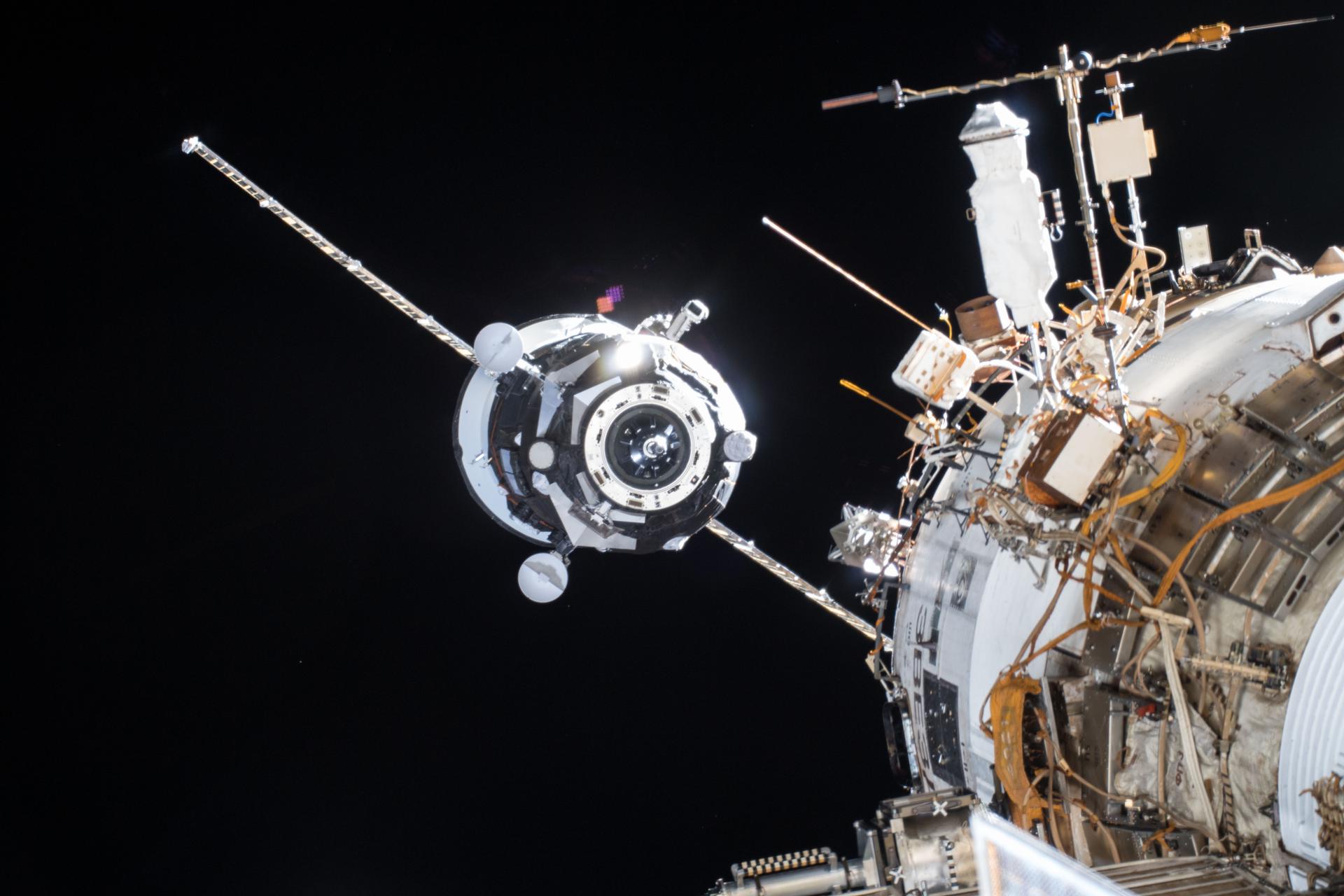
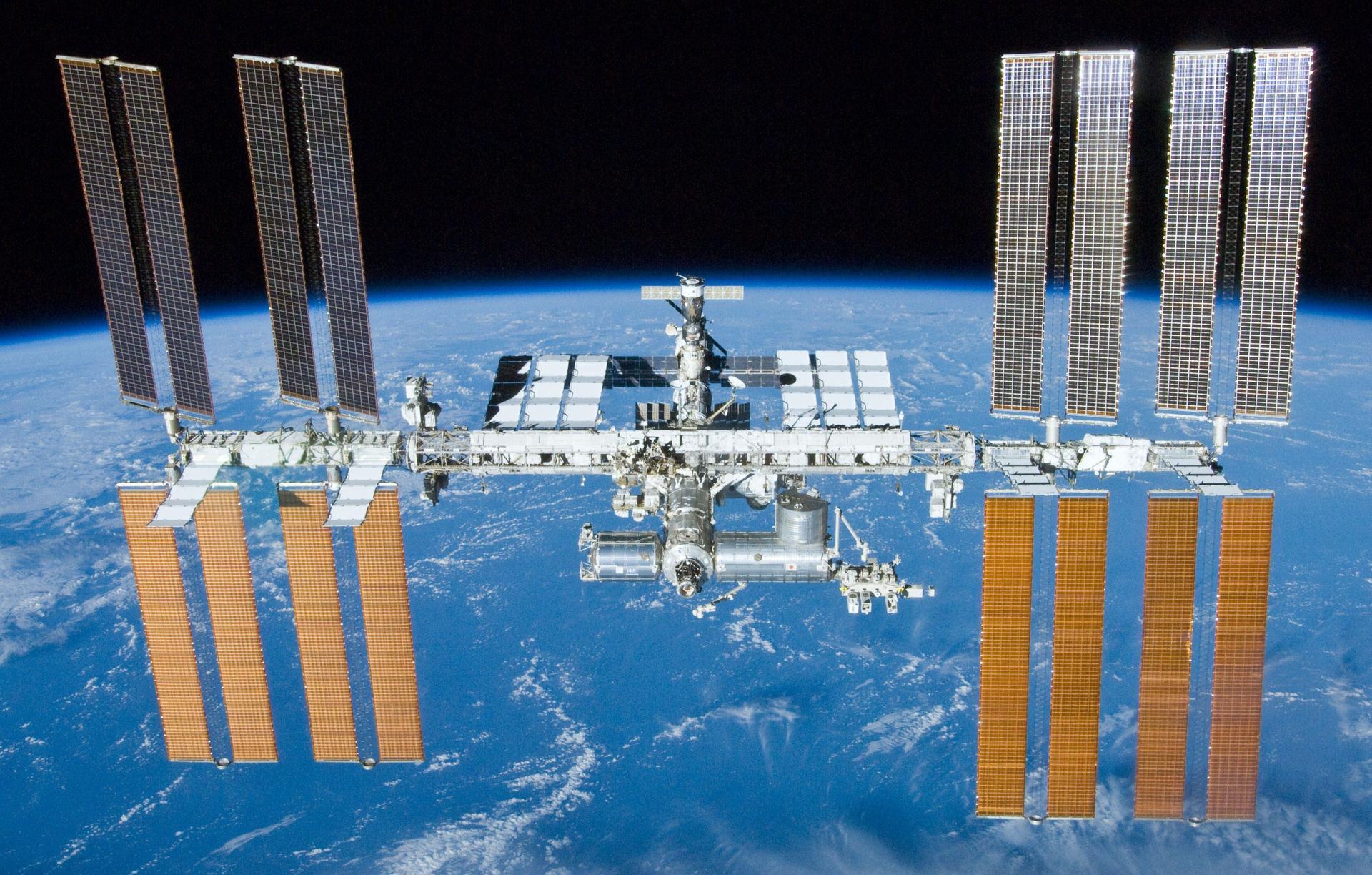
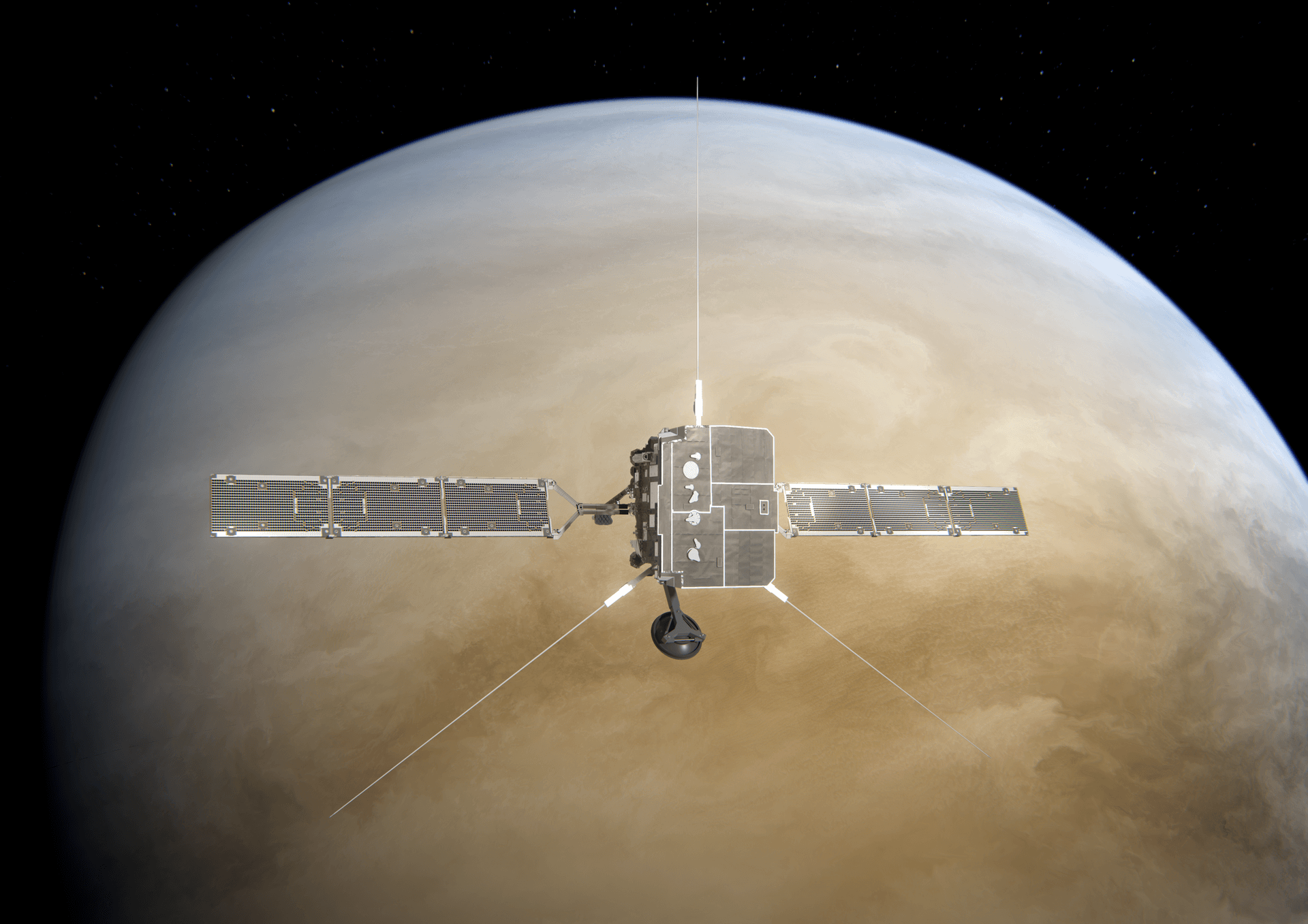
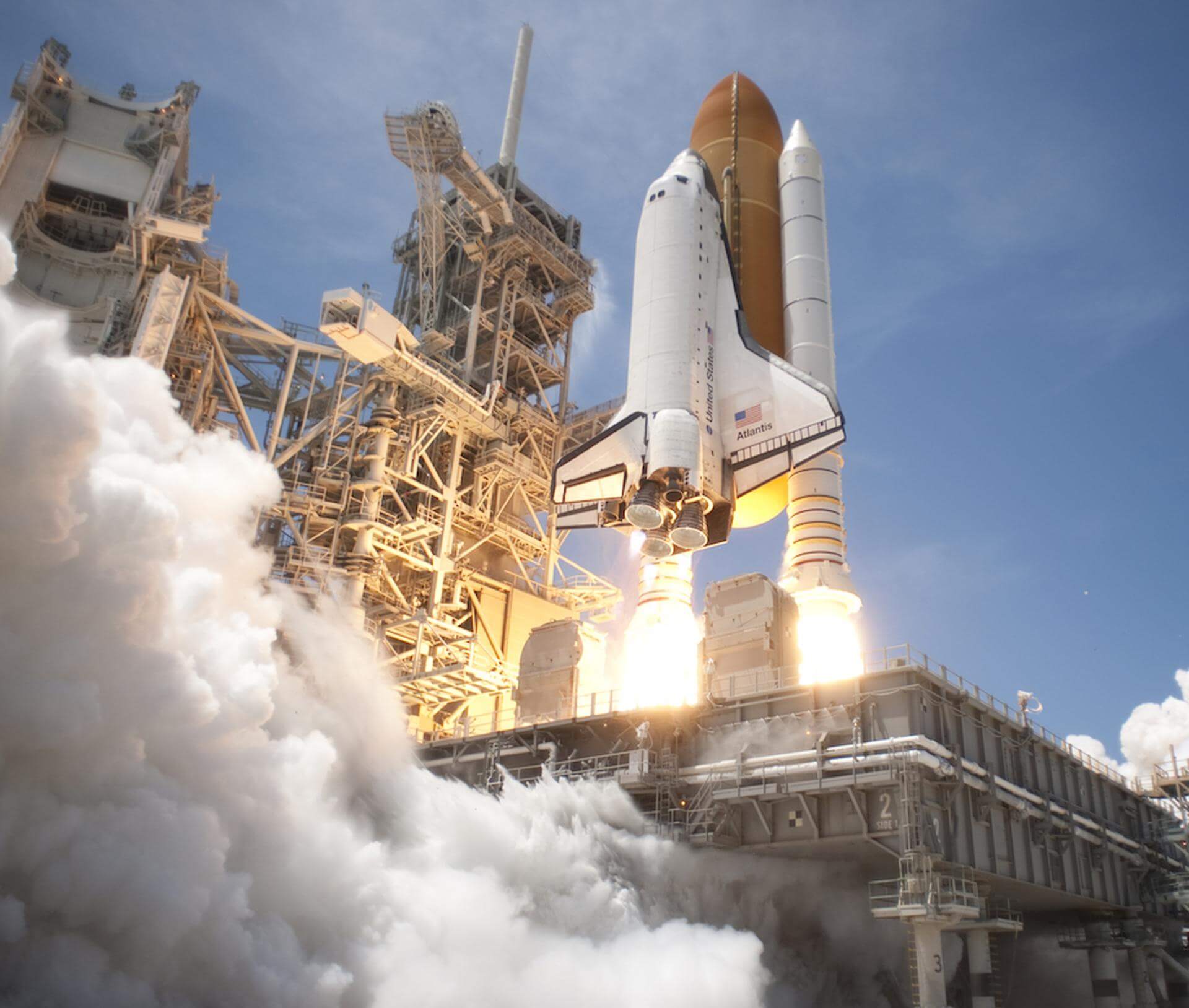
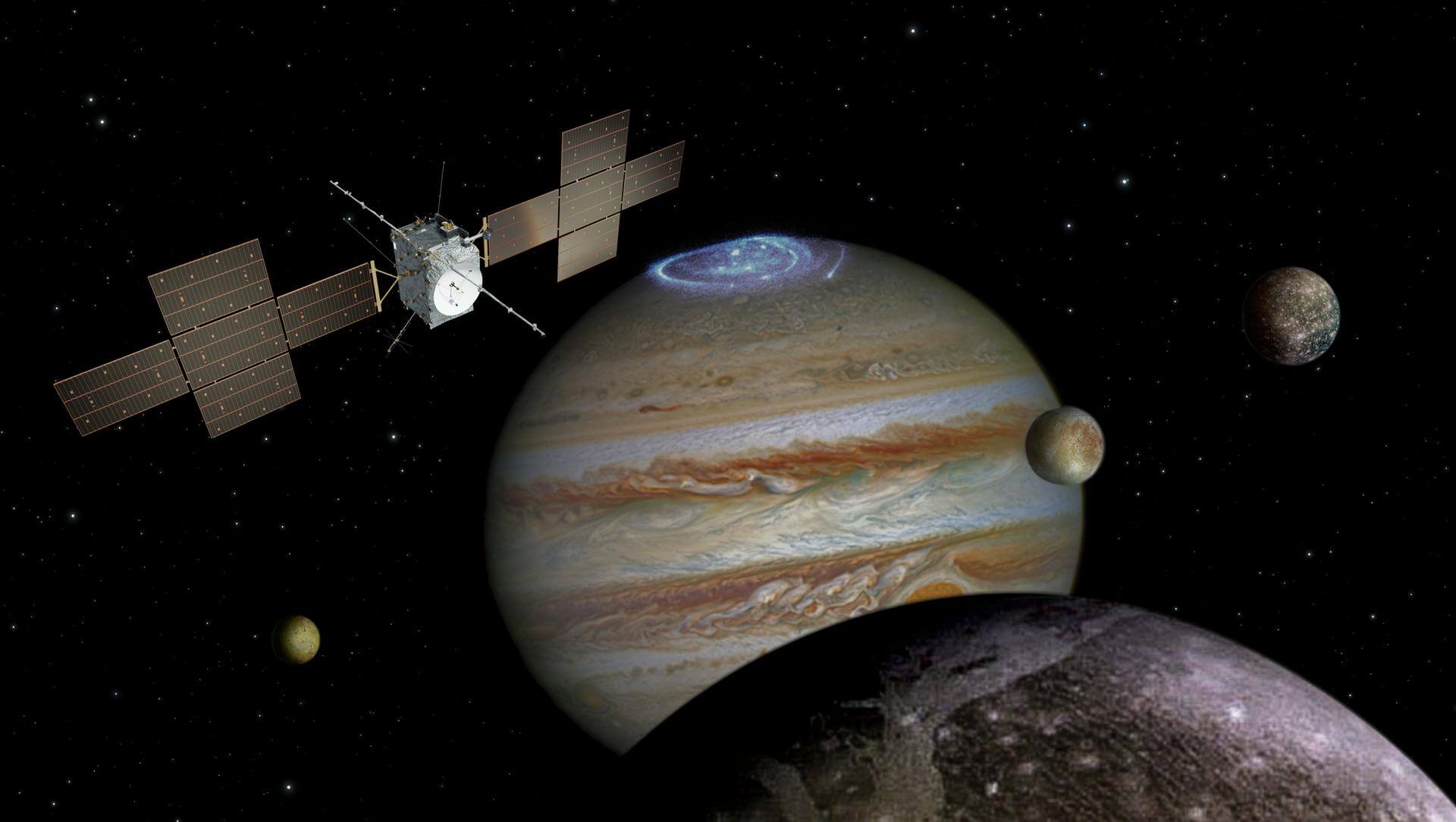
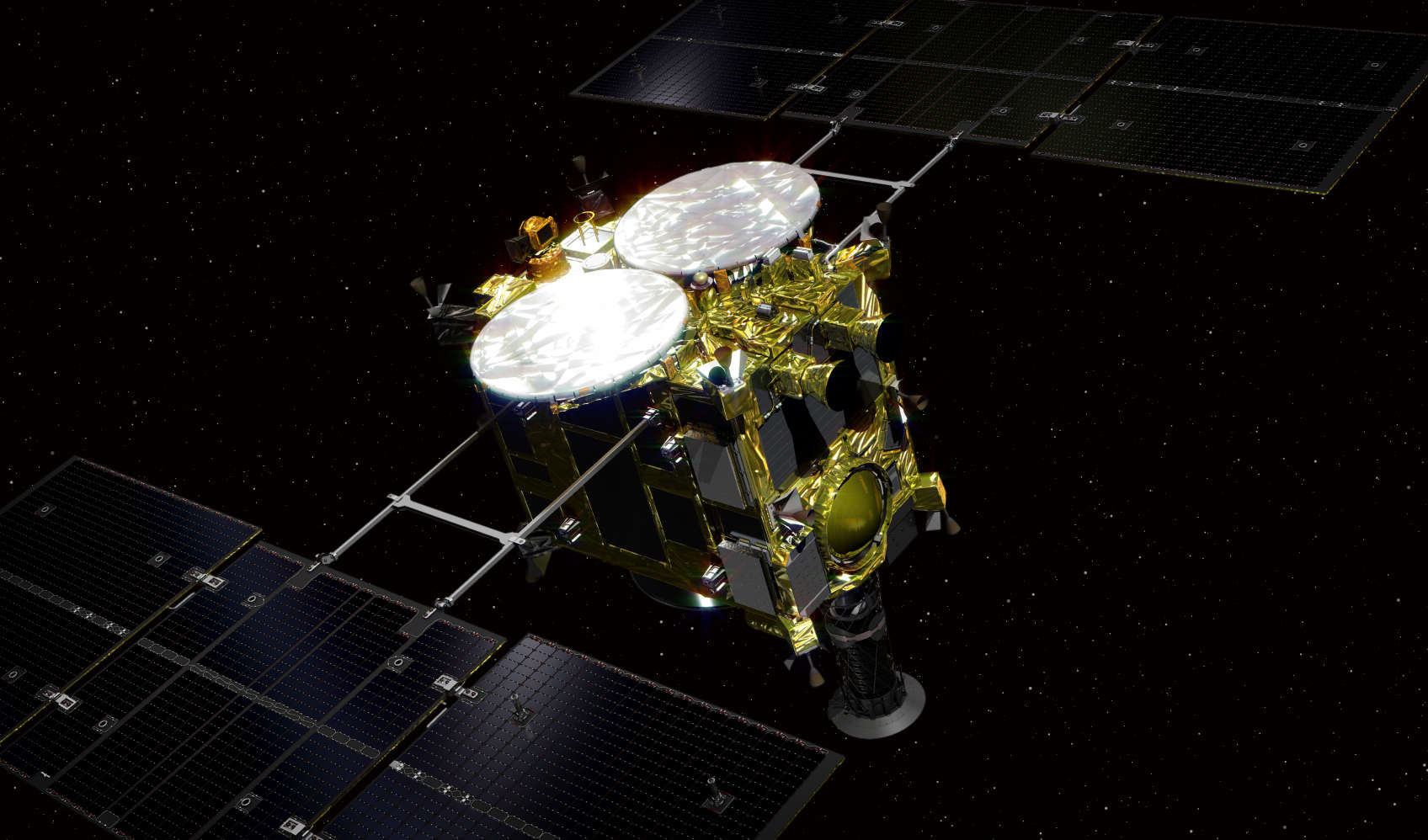
{ "count": 1208, "next": "https://lldev.thespacedevs.com/2.2.0/event/?format=api&limit=10&offset=1020&ordering=last_updated", "previous": "https://lldev.thespacedevs.com/2.2.0/event/?format=api&limit=10&offset=1000&ordering=last_updated", "results": [ { "id": 1239, "url": "https://lldev.thespacedevs.com/2.2.0/event/1239/?format=api", "slug": "progress-ms-30-undocking", "name": "Progress MS-30 Undocking", "updates": [ { "id": 12158, "profile_image": "https://thespacedevs-dev.nyc3.digitaloceanspaces.com/media/profile_images/ll2_profile_20230311134739.png", "comment": "Official Webcast by Роскосмос ТВ has started", "info_url": "https://www.youtube.com/watch?v=WVyASlpS4c8", "created_by": "LL2", "created_on": "2025-09-09T15:38:00Z" }, { "id": 12136, "profile_image": "https://thespacedevs-dev.nyc3.digitaloceanspaces.com/media/profile_images/cosmic2520penguin_profile_20210817212020.png", "comment": "Tweaked undocking time.", "info_url": "https://nasa-public-data.s3.amazonaws.com/iss-coords/current/ISS_OEM/ISS.OEM_J2K_EPH.txt", "created_by": "Cosmic_Penguin", "created_on": "2025-09-07T22:57:00Z" }, { "id": 12014, "profile_image": "https://thespacedevs-dev.nyc3.digitaloceanspaces.com/media/profile_images/arnaud2520muller_profile_20230607144351.jpg", "comment": "Adding event", "info_url": "https://nasa-public-data.s3.amazonaws.com/iss-coords/current/ISS_OEM/ISS.OEM_J2K_EPH.txt", "created_by": "Nosu", "created_on": "2025-08-28T07:59:00Z" } ], "last_updated": "2025-09-09T16:04:10Z", "type": { "id": 8, "name": "Spacecraft Undocking" }, "description": "The Progress MS-30 spacecraft will undock from the Zvezda module of the International Space Station.\r\nIt will then de-orbit and burn up in the atmosphere.", "webcast_live": false, "location": "International Space Station", "news_url": null, "video_url": "https://www.youtube.com/watch?v=WVyASlpS4c8", "info_urls": [], "vid_urls": [ { "priority": 10, "source": "youtube.com", "publisher": "Роскосмос ТВ", "title": "Трансляция расстыковки корабля «Прогресс МС-30» и МКС", "description": "9 сентября в 18:45 мск прощаемся с грузовиком — «Прогресс МС-30» отчалит от модуля «Звезда»\n\nОжидаем включение двигателя на торможение в 21:59 мск. В результате корабль войдёт в плотные слои атмосферы...", "feature_image": "https://i.ytimg.com/vi/WVyASlpS4c8/maxresdefault_live.jpg", "url": "https://www.youtube.com/watch?v=WVyASlpS4c8", "type": { "id": 1, "name": "Official Webcast" }, "language": { "id": 3, "name": "Russian", "code": "ru" }, "start_time": "2025-09-09T15:38:22Z", "end_time": "2025-09-09T16:03:36Z" } ], "feature_image": "https://thespacedevs-dev.nyc3.digitaloceanspaces.com/media/images/progress2520ms-112520docking_image_20190318202147.jpeg", "date": "2025-09-09T15:44:00Z", "date_precision": { "id": 0, "name": "Second", "abbrev": "SEC", "description": "The T-0 is accurate to the second." }, "duration": "PT25M14S", "agencies": [ { "id": 63, "url": "https://lldev.thespacedevs.com/2.2.0/agencies/63/?format=api", "name": "Russian Federal Space Agency (ROSCOSMOS)", "featured": true, "type": "Government", "country_code": "RUS", "abbrev": "RFSA", "description": "The Roscosmos State Corporation for Space Activities, commonly known as Roscosmos, is the governmental body responsible for the space science program of the Russian Federation and general aerospace research. Soyuz has many launch locations the Russian sites are Baikonur, Plesetsk and Vostochny however Ariane also purchases the vehicle and launches it from French Guiana.", "administrator": "Administrator: Yuri Borisov", "founding_year": "1992", "launchers": "Soyuz", "spacecraft": "Soyuz", "parent": null, "image_url": "https://thespacedevs-dev.nyc3.digitaloceanspaces.com/media/images/russian2520federal2520space2520agency25202528roscosmos2529_image_20190207032459.jpeg", "logo_url": "https://thespacedevs-dev.nyc3.digitaloceanspaces.com/media/images/russian2520federal2520space2520agency25202528roscosmos2529_logo_20190207032459.png" } ], "launches": [], "expeditions": [], "spacestations": [ { "id": 4, "url": "https://lldev.thespacedevs.com/2.2.0/spacestation/4/?format=api", "name": "International Space Station", "status": { "id": 1, "name": "Active" }, "founded": "1998-11-20", "description": "The International Space Station (ISS) is a space station, or a habitable artificial satellite, in low Earth orbit. Its first component was launched into orbit in 1998, with the first long-term residents arriving in November 2000. It has been inhabited continuously since that date. The last pressurised module was fitted in 2011, and an experimental inflatable space habitat was added in 2016. The station is expected to operate until 2030. Development and assembly of the station continues, with several new elements scheduled for launch in 2019. The ISS is the largest human-made body in low Earth orbit and can often be seen with the naked eye from Earth. The ISS consists of pressurised habitation modules, structural trusses, solar arrays, radiators, docking ports, experiment bays and robotic arms. ISS components have been launched by Russian Proton and Soyuz rockets, and American Space Shuttles.", "orbit": "Low Earth Orbit", "image_url": "https://thespacedevs-dev.nyc3.digitaloceanspaces.com/media/images/international2520space2520station_image_20190220215716.jpeg" } ], "program": [ { "id": 17, "url": "https://lldev.thespacedevs.com/2.2.0/program/17/?format=api", "name": "International Space Station", "description": "The International Space Station programme is tied together by a complex set of legal, political and financial agreements between the sixteen nations involved in the project, governing ownership of the various components, rights to crewing and utilization, and responsibilities for crew rotation and resupply of the International Space Station. It was conceived in 1984 by President Ronald Reagan, during the Space Station Freedom project as it was originally called.", "agencies": [ { "id": 16, "url": "https://lldev.thespacedevs.com/2.2.0/agencies/16/?format=api", "name": "Canadian Space Agency", "type": "Government" }, { "id": 27, "url": "https://lldev.thespacedevs.com/2.2.0/agencies/27/?format=api", "name": "European Space Agency", "type": "Multinational" }, { "id": 37, "url": "https://lldev.thespacedevs.com/2.2.0/agencies/37/?format=api", "name": "Japan Aerospace Exploration Agency", "type": "Government" }, { "id": 44, "url": "https://lldev.thespacedevs.com/2.2.0/agencies/44/?format=api", "name": "National Aeronautics and Space Administration", "type": "Government" }, { "id": 63, "url": "https://lldev.thespacedevs.com/2.2.0/agencies/63/?format=api", "name": "Russian Federal Space Agency (ROSCOSMOS)", "type": "Government" } ], "image_url": "https://thespacedevs-dev.nyc3.digitaloceanspaces.com/media/images/international2_program_20201129184745.png", "start_date": "1998-11-20T06:40:00Z", "end_date": null, "info_url": "https://www.nasa.gov/mission_pages/station/main/index.html", "wiki_url": "https://en.wikipedia.org/wiki/International_Space_Station_programme", "mission_patches": [], "type": { "id": 2, "name": "Human Spaceflight" } } ] }, { "id": 384, "url": "https://lldev.thespacedevs.com/2.2.0/event/384/?format=api", "slug": "solar-orbiter-venus-flyby-5", "name": "Solar Orbiter Venus Flyby", "updates": [], "last_updated": "2025-09-10T15:01:43Z", "type": { "id": 23, "name": "Flyby" }, "description": "Solar Orbiter, a partnership between ESA and NASA, will perform a gravity assist maneuver with Venus on December 24, 2026. Throughout its mission it also makes repeated gravity assist flybys of Venus to get closer to the Sun, and to change its orbital inclination, boosting it out of the ecliptic plane, to get the best – and first – views of the Sun’s poles.", "webcast_live": false, "location": "Venus", "news_url": "https://www.esa.int/ESA_Multimedia/Images/2020/01/Solar_Orbiter_journey_around_the_Sun", "video_url": null, "info_urls": [ { "priority": 10, "source": "www.esa.int", "title": "Solar Orbiter: journey around the Sun", "description": "Solar Orbiter: journey around the Sun", "feature_image": null, "url": "https://www.esa.int/ESA_Multimedia/Images/2020/01/Solar_Orbiter_journey_around_the_Sun", "type": null, "language": { "id": 1, "name": "English", "code": "en" } } ], "vid_urls": [], "feature_image": "https://thespacedevs-dev.nyc3.digitaloceanspaces.com/media/images/solar_orbiter_v_image_20210930071353.png", "date": "2026-12-24T00:00:00Z", "date_precision": { "id": 5, "name": "Day", "abbrev": "DAY", "description": "The T-0 is expected on the given day." }, "duration": null, "agencies": [ { "id": 27, "url": "https://lldev.thespacedevs.com/2.2.0/agencies/27/?format=api", "name": "European Space Agency", "featured": false, "type": "Multinational", "country_code": "FRA,ITA,DEU,ESP,CHE,GBR,AUT,SWE,BEL,PRT,NLD,HUN,POL,DNK,CZE,ROU,NOR,FIN,GRC,EST,IRL,LUX,SVN", "abbrev": "ESA", "description": "The European Space Agency is an intergovernmental organisation of 22 member states. Established in 1975 and headquartered in Paris, France, ESA has a worldwide staff of about 2,000 employees.\r\n\r\nESA's space flight programme includes human spaceflight (mainly through participation in the International Space Station program); the launch and operation of unmanned exploration missions to other planets and the Moon; Earth observation, science and telecommunication; designing launch vehicles; and maintaining a major spaceport, the Guiana Space Centre at Kourou, French Guiana.", "administrator": "Director General: Josef Aschbacher", "founding_year": "1975", "launchers": "Ariane | Vega", "spacecraft": "Space Rider", "parent": null, "image_url": "https://thespacedevs-dev.nyc3.digitaloceanspaces.com/media/images/esa_patch_float_image_20250211192109.png", "logo_url": "https://thespacedevs-dev.nyc3.digitaloceanspaces.com/media/images/european2520space2520agency_logo_20221130101442.png" }, { "id": 44, "url": "https://lldev.thespacedevs.com/2.2.0/agencies/44/?format=api", "name": "National Aeronautics and Space Administration", "featured": true, "type": "Government", "country_code": "USA", "abbrev": "NASA", "description": "The National Aeronautics and Space Administration is an independent agency of the executive branch of the United States federal government responsible for the civilian space program, as well as aeronautics and aerospace research. NASA have many launch facilities but most are inactive. The most commonly used pad will be LC-39B at Kennedy Space Center in Florida.", "administrator": "Administrator: Jared Isaacman", "founding_year": "1958", "launchers": "Space Shuttle | SLS", "spacecraft": "Orion", "parent": null, "image_url": "https://thespacedevs-dev.nyc3.digitaloceanspaces.com/media/images/national2520aeronautics2520and2520space2520administration_image_20190207032448.jpeg", "logo_url": "https://thespacedevs-dev.nyc3.digitaloceanspaces.com/media/images/national2520aeronautics2520and2520space2520administration_logo_20190207032448.png" } ], "launches": [], "expeditions": [], "spacestations": [], "program": [] }, { "id": 1280, "url": "https://lldev.thespacedevs.com/2.2.0/event/1280/?format=api", "slug": "juice-jupiter-orbit-insertion", "name": "Juice Jupiter Orbit Insertion", "updates": [ { "id": 12178, "profile_image": "https://thespacedevs-dev.nyc3.digitaloceanspaces.com/media/profile_images/arnaud2520muller_profile_20230607144351.jpg", "comment": "Adding event", "info_url": "https://www.esa.int/ESA_Multimedia/Images/2022/12/Juice_mission_milestones", "created_by": "Nosu", "created_on": "2025-09-10T15:17:00Z" } ], "last_updated": "2025-09-10T15:19:33Z", "type": { "id": 16, "name": "Orbital Insertion" }, "description": "Orbital insertion of ESA's Jupiter Icy Moons Explorer (Juice) mission around Jupiter, using a Ganymede gravity assist flyby to reduce its velocity, followed by two engine burns.", "webcast_live": false, "location": "Jupiter", "news_url": "https://www.esa.int/ESA_Multimedia/Images/2022/12/Juice_mission_milestones", "video_url": null, "info_urls": [ { "priority": 10, "source": "www.esa.int", "title": "Juice mission milestones", "description": "ESA’s Jupiter Icy Moons Explorer (Juice) will make detailed observations of the giant gas planet and its three large ocean-bearing moons – Callisto, Europa and in particular Ganymede. This graphic shows the main mission milestones, from arrival at the launch site in French Guiana in February 2023 to...", "feature_image": null, "url": "https://www.esa.int/ESA_Multimedia/Images/2022/12/Juice_mission_milestones", "type": { "id": 1, "name": "Official Page" }, "language": { "id": 1, "name": "English", "code": "en" } } ], "vid_urls": [], "feature_image": "https://thespacedevs-dev.nyc3.digitaloceanspaces.com/media/images/255bauto255d__image_20240307192047.jpeg", "date": "2031-07-31T00:00:00Z", "date_precision": { "id": 7, "name": "Month", "abbrev": "M", "description": "The T-0 is expected in the given month." }, "duration": null, "agencies": [ { "id": 27, "url": "https://lldev.thespacedevs.com/2.2.0/agencies/27/?format=api", "name": "European Space Agency", "featured": false, "type": "Multinational", "country_code": "FRA,ITA,DEU,ESP,CHE,GBR,AUT,SWE,BEL,PRT,NLD,HUN,POL,DNK,CZE,ROU,NOR,FIN,GRC,EST,IRL,LUX,SVN", "abbrev": "ESA", "description": "The European Space Agency is an intergovernmental organisation of 22 member states. Established in 1975 and headquartered in Paris, France, ESA has a worldwide staff of about 2,000 employees.\r\n\r\nESA's space flight programme includes human spaceflight (mainly through participation in the International Space Station program); the launch and operation of unmanned exploration missions to other planets and the Moon; Earth observation, science and telecommunication; designing launch vehicles; and maintaining a major spaceport, the Guiana Space Centre at Kourou, French Guiana.", "administrator": "Director General: Josef Aschbacher", "founding_year": "1975", "launchers": "Ariane | Vega", "spacecraft": "Space Rider", "parent": null, "image_url": "https://thespacedevs-dev.nyc3.digitaloceanspaces.com/media/images/esa_patch_float_image_20250211192109.png", "logo_url": "https://thespacedevs-dev.nyc3.digitaloceanspaces.com/media/images/european2520space2520agency_logo_20221130101442.png" } ], "launches": [], "expeditions": [], "spacestations": [], "program": [] }, { "id": 1281, "url": "https://lldev.thespacedevs.com/2.2.0/event/1281/?format=api", "slug": "juice-ganymede-orbit-insertion", "name": "Juice Ganymede Orbit Insertion", "updates": [ { "id": 12179, "profile_image": "https://thespacedevs-dev.nyc3.digitaloceanspaces.com/media/profile_images/arnaud2520muller_profile_20230607144351.jpg", "comment": "Adding event", "info_url": "https://www.esa.int/ESA_Multimedia/Images/2022/12/Juice_mission_milestones", "created_by": "Nosu", "created_on": "2025-09-10T15:21:00Z" } ], "last_updated": "2025-09-10T15:21:02Z", "type": { "id": 16, "name": "Orbital Insertion" }, "description": "Orbital insertion of ESA's Jupiter Icy Moons Explorer (Juice) mission around Ganymede.", "webcast_live": false, "location": "Ganymede", "news_url": "https://www.esa.int/ESA_Multimedia/Images/2022/12/Juice_mission_milestones", "video_url": null, "info_urls": [ { "priority": 10, "source": "www.esa.int", "title": "Juice mission milestones", "description": "ESA’s Jupiter Icy Moons Explorer (Juice) will make detailed observations of the giant gas planet and its three large ocean-bearing moons – Callisto, Europa and in particular Ganymede. This graphic shows the main mission milestones, from arrival at the launch site in French Guiana in February 2023 to...", "feature_image": null, "url": "https://www.esa.int/ESA_Multimedia/Images/2022/12/Juice_mission_milestones", "type": { "id": 1, "name": "Official Page" }, "language": { "id": 1, "name": "English", "code": "en" } } ], "vid_urls": [], "feature_image": "https://thespacedevs-dev.nyc3.digitaloceanspaces.com/media/images/255bauto255d__image_20240307192047.jpeg", "date": "2034-12-31T00:00:00Z", "date_precision": { "id": 7, "name": "Month", "abbrev": "M", "description": "The T-0 is expected in the given month." }, "duration": null, "agencies": [ { "id": 27, "url": "https://lldev.thespacedevs.com/2.2.0/agencies/27/?format=api", "name": "European Space Agency", "featured": false, "type": "Multinational", "country_code": "FRA,ITA,DEU,ESP,CHE,GBR,AUT,SWE,BEL,PRT,NLD,HUN,POL,DNK,CZE,ROU,NOR,FIN,GRC,EST,IRL,LUX,SVN", "abbrev": "ESA", "description": "The European Space Agency is an intergovernmental organisation of 22 member states. Established in 1975 and headquartered in Paris, France, ESA has a worldwide staff of about 2,000 employees.\r\n\r\nESA's space flight programme includes human spaceflight (mainly through participation in the International Space Station program); the launch and operation of unmanned exploration missions to other planets and the Moon; Earth observation, science and telecommunication; designing launch vehicles; and maintaining a major spaceport, the Guiana Space Centre at Kourou, French Guiana.", "administrator": "Director General: Josef Aschbacher", "founding_year": "1975", "launchers": "Ariane | Vega", "spacecraft": "Space Rider", "parent": null, "image_url": "https://thespacedevs-dev.nyc3.digitaloceanspaces.com/media/images/esa_patch_float_image_20250211192109.png", "logo_url": "https://thespacedevs-dev.nyc3.digitaloceanspaces.com/media/images/european2520space2520agency_logo_20221130101442.png" } ], "launches": [], "expeditions": [], "spacestations": [], "program": [] }, { "id": 1284, "url": "https://lldev.thespacedevs.com/2.2.0/event/1284/?format=api", "slug": "hayabusa2-earth-flyby", "name": "Hayabusa2 Earth Flyby", "updates": [ { "id": 12182, "profile_image": "https://thespacedevs-dev.nyc3.digitaloceanspaces.com/media/profile_images/arnaud2520muller_profile_20230607144351.jpg", "comment": "Adding event", "info_url": "https://www.hayabusa2.jaxa.jp/en/enjoy/material/press/Hayabusa_2_Press_20220629_ver13_en2.pdf", "created_by": "Nosu", "created_on": "2025-09-10T15:38:00Z" } ], "last_updated": "2025-09-10T15:38:23Z", "type": { "id": 23, "name": "Flyby" }, "description": "As part of its mission extension, JAXA's Hayabusa2 spacecraft will fly by Earth on its way to asteroid 1998 KY26.", "webcast_live": false, "location": "Earth", "news_url": null, "video_url": null, "info_urls": [], "vid_urls": [], "feature_image": "https://thespacedevs-dev.nyc3.digitaloceanspaces.com/media/images/hayabusa-22520sample2520returns2520to2520earth_image_20190729040322.jpg", "date": "2027-12-31T00:00:00Z", "date_precision": { "id": 7, "name": "Month", "abbrev": "M", "description": "The T-0 is expected in the given month." }, "duration": null, "agencies": [ { "id": 37, "url": "https://lldev.thespacedevs.com/2.2.0/agencies/37/?format=api", "name": "Japan Aerospace Exploration Agency", "featured": true, "type": "Government", "country_code": "JPN", "abbrev": "JAXA", "description": "The Japan Aerospace Exploration Agency (JAXA) is Japan's national aero-space agency. Through the merger of three previously independent organizations, JAXA was formed on 1 October 2003. JAXA is responsible for research, technology development and the launch of satellites into orbit, and is involved in many more advanced missions, such as asteroid exploration and possible manned exploration of the Moon. JAXA launch their Epsilon vehicle from the Uchinoura Space Center and their H-II vehicles from the Tanegashima Space Center.", "administrator": "Administrator: Hiroshi Yamakawa", "founding_year": "2003", "launchers": "H-II", "spacecraft": "", "parent": null, "image_url": "https://thespacedevs-dev.nyc3.digitaloceanspaces.com/media/images/japan2520aerospace2520exploration2520agency_image_20190207032440.jpeg", "logo_url": "https://thespacedevs-dev.nyc3.digitaloceanspaces.com/media/images/japan2520aerospace2520exploration2520agency_logo_20190207032440.png" } ], "launches": [], "expeditions": [], "spacestations": [], "program": [] }, { "id": 1285, "url": "https://lldev.thespacedevs.com/2.2.0/event/1285/?format=api", "slug": "hayabusa2-earth-flyby-2", "name": "Hayabusa2 Earth Flyby", "updates": [ { "id": 12183, "profile_image": "https://thespacedevs-dev.nyc3.digitaloceanspaces.com/media/profile_images/arnaud2520muller_profile_20230607144351.jpg", "comment": "Adding event", "info_url": "https://www.hayabusa2.jaxa.jp/en/enjoy/material/press/Hayabusa_2_Press_20220629_ver13_en2.pdf", "created_by": "Nosu", "created_on": "2025-09-10T15:39:00Z" } ], "last_updated": "2025-09-10T15:39:03Z", "type": { "id": 23, "name": "Flyby" }, "description": "As part of its mission extension, JAXA's Hayabusa2 spacecraft will fly by Earth on its way to asteroid 1998 KY26.", "webcast_live": false, "location": "Earth", "news_url": null, "video_url": null, "info_urls": [], "vid_urls": [], "feature_image": "https://thespacedevs-dev.nyc3.digitaloceanspaces.com/media/images/hayabusa-22520sample2520returns2520to2520earth_image_20190729040322.jpg", "date": "2028-06-30T00:00:00Z", "date_precision": { "id": 7, "name": "Month", "abbrev": "M", "description": "The T-0 is expected in the given month." }, "duration": null, "agencies": [ { "id": 37, "url": "https://lldev.thespacedevs.com/2.2.0/agencies/37/?format=api", "name": "Japan Aerospace Exploration Agency", "featured": true, "type": "Government", "country_code": "JPN", "abbrev": "JAXA", "description": "The Japan Aerospace Exploration Agency (JAXA) is Japan's national aero-space agency. Through the merger of three previously independent organizations, JAXA was formed on 1 October 2003. JAXA is responsible for research, technology development and the launch of satellites into orbit, and is involved in many more advanced missions, such as asteroid exploration and possible manned exploration of the Moon. JAXA launch their Epsilon vehicle from the Uchinoura Space Center and their H-II vehicles from the Tanegashima Space Center.", "administrator": "Administrator: Hiroshi Yamakawa", "founding_year": "2003", "launchers": "H-II", "spacecraft": "", "parent": null, "image_url": "https://thespacedevs-dev.nyc3.digitaloceanspaces.com/media/images/japan2520aerospace2520exploration2520agency_image_20190207032440.jpeg", "logo_url": "https://thespacedevs-dev.nyc3.digitaloceanspaces.com/media/images/japan2520aerospace2520exploration2520agency_logo_20190207032440.png" } ], "launches": [], "expeditions": [], "spacestations": [], "program": [] }, { "id": 1286, "url": "https://lldev.thespacedevs.com/2.2.0/event/1286/?format=api", "slug": "hayabusa2-asteroid-1998-ky26-rendezvous", "name": "Hayabusa2 Asteroid 1998 KY26 Rendezvous", "updates": [ { "id": 12184, "profile_image": "https://thespacedevs-dev.nyc3.digitaloceanspaces.com/media/profile_images/arnaud2520muller_profile_20230607144351.jpg", "comment": "Adding event", "info_url": "https://www.hayabusa2.jaxa.jp/en/enjoy/material/press/Hayabusa_2_Press_20220629_ver13_en2.pdf", "created_by": "Nosu", "created_on": "2025-09-10T15:40:00Z" } ], "last_updated": "2025-09-10T15:40:42Z", "type": { "id": 6, "name": "Spacecraft Event" }, "description": "As part of its mission extension, JAXA's Hayabusa2 spacecraft will rendezvous with asteroid 1998 KY26.", "webcast_live": false, "location": "1998 KY26", "news_url": null, "video_url": null, "info_urls": [], "vid_urls": [], "feature_image": "https://thespacedevs-dev.nyc3.digitaloceanspaces.com/media/images/hayabusa-22520sample2520returns2520to2520earth_image_20190729040322.jpg", "date": "2031-07-31T00:00:00Z", "date_precision": { "id": 7, "name": "Month", "abbrev": "M", "description": "The T-0 is expected in the given month." }, "duration": null, "agencies": [ { "id": 37, "url": "https://lldev.thespacedevs.com/2.2.0/agencies/37/?format=api", "name": "Japan Aerospace Exploration Agency", "featured": true, "type": "Government", "country_code": "JPN", "abbrev": "JAXA", "description": "The Japan Aerospace Exploration Agency (JAXA) is Japan's national aero-space agency. Through the merger of three previously independent organizations, JAXA was formed on 1 October 2003. JAXA is responsible for research, technology development and the launch of satellites into orbit, and is involved in many more advanced missions, such as asteroid exploration and possible manned exploration of the Moon. JAXA launch their Epsilon vehicle from the Uchinoura Space Center and their H-II vehicles from the Tanegashima Space Center.", "administrator": "Administrator: Hiroshi Yamakawa", "founding_year": "2003", "launchers": "H-II", "spacecraft": "", "parent": null, "image_url": "https://thespacedevs-dev.nyc3.digitaloceanspaces.com/media/images/japan2520aerospace2520exploration2520agency_image_20190207032440.jpeg", "logo_url": "https://thespacedevs-dev.nyc3.digitaloceanspaces.com/media/images/japan2520aerospace2520exploration2520agency_logo_20190207032440.png" } ], "launches": [], "expeditions": [], "spacestations": [], "program": [] }, { "id": 398, "url": "https://lldev.thespacedevs.com/2.2.0/event/398/?format=api", "slug": "lucy-trojan-asteroid-3548-eurybates-queta-flyby", "name": "Lucy Trojan Asteroid (3548) Eurybates & Queta Flyby", "updates": [], "last_updated": "2025-09-10T15:46:10Z", "type": { "id": 23, "name": "Flyby" }, "description": "Flyby of the Trojan asteroid (3548) Eurybates and its satellite Queta by NASA's Lucy mission.", "webcast_live": false, "location": "(3548) Eurybates", "news_url": "https://lucy.swri.edu/timeline.html", "video_url": null, "info_urls": [ { "priority": 10, "source": "lucy.swri.edu", "title": "Lucy Mission", "description": "\n• Construction and testing of the L'LORRI Instrument is completed at APL and it is delivered to Lockheed Martin\n• Construction and testing of the L'TES Instrument is completed at ASU and it is delivered to Lockheed Martin\n• Construction and testing of the L'Ralph Instrument is completed at NASA God...", "feature_image": null, "url": "https://lucy.swri.edu/timeline.html", "type": null, "language": { "id": 1, "name": "English", "code": "en" } } ], "vid_urls": [], "feature_image": "https://thespacedevs-dev.nyc3.digitaloceanspaces.com/media/images/lucy_earth_flyb_image_20210930111825.jpg", "date": "2027-08-12T00:00:00Z", "date_precision": { "id": 5, "name": "Day", "abbrev": "DAY", "description": "The T-0 is expected on the given day." }, "duration": null, "agencies": [ { "id": 44, "url": "https://lldev.thespacedevs.com/2.2.0/agencies/44/?format=api", "name": "National Aeronautics and Space Administration", "featured": true, "type": "Government", "country_code": "USA", "abbrev": "NASA", "description": "The National Aeronautics and Space Administration is an independent agency of the executive branch of the United States federal government responsible for the civilian space program, as well as aeronautics and aerospace research. NASA have many launch facilities but most are inactive. The most commonly used pad will be LC-39B at Kennedy Space Center in Florida.", "administrator": "Administrator: Jared Isaacman", "founding_year": "1958", "launchers": "Space Shuttle | SLS", "spacecraft": "Orion", "parent": null, "image_url": "https://thespacedevs-dev.nyc3.digitaloceanspaces.com/media/images/national2520aeronautics2520and2520space2520administration_image_20190207032448.jpeg", "logo_url": "https://thespacedevs-dev.nyc3.digitaloceanspaces.com/media/images/national2520aeronautics2520and2520space2520administration_logo_20190207032448.png" } ], "launches": [], "expeditions": [], "spacestations": [], "program": [] }, { "id": 399, "url": "https://lldev.thespacedevs.com/2.2.0/event/399/?format=api", "slug": "lucy-trojan-asteroid-15094-polymele-flyby", "name": "Lucy Trojan Asteroid (15094) Polymele Flyby", "updates": [], "last_updated": "2025-09-10T15:46:16Z", "type": { "id": 23, "name": "Flyby" }, "description": "Flyby of the Trojan asteroid (15094) Polymele by NASA's Lucy mission.", "webcast_live": false, "location": "(15094) Polymele", "news_url": "https://lucy.swri.edu/timeline.html", "video_url": null, "info_urls": [ { "priority": 10, "source": "lucy.swri.edu", "title": "Lucy Mission", "description": "\n• Construction and testing of the L'LORRI Instrument is completed at APL and it is delivered to Lockheed Martin\n• Construction and testing of the L'TES Instrument is completed at ASU and it is delivered to Lockheed Martin\n• Construction and testing of the L'Ralph Instrument is completed at NASA God...", "feature_image": null, "url": "https://lucy.swri.edu/timeline.html", "type": null, "language": { "id": 1, "name": "English", "code": "en" } } ], "vid_urls": [], "feature_image": "https://thespacedevs-dev.nyc3.digitaloceanspaces.com/media/images/lucy_earth_flyb_image_20210930111825.jpg", "date": "2027-09-15T00:00:00Z", "date_precision": { "id": 5, "name": "Day", "abbrev": "DAY", "description": "The T-0 is expected on the given day." }, "duration": null, "agencies": [ { "id": 44, "url": "https://lldev.thespacedevs.com/2.2.0/agencies/44/?format=api", "name": "National Aeronautics and Space Administration", "featured": true, "type": "Government", "country_code": "USA", "abbrev": "NASA", "description": "The National Aeronautics and Space Administration is an independent agency of the executive branch of the United States federal government responsible for the civilian space program, as well as aeronautics and aerospace research. NASA have many launch facilities but most are inactive. The most commonly used pad will be LC-39B at Kennedy Space Center in Florida.", "administrator": "Administrator: Jared Isaacman", "founding_year": "1958", "launchers": "Space Shuttle | SLS", "spacecraft": "Orion", "parent": null, "image_url": "https://thespacedevs-dev.nyc3.digitaloceanspaces.com/media/images/national2520aeronautics2520and2520space2520administration_image_20190207032448.jpeg", "logo_url": "https://thespacedevs-dev.nyc3.digitaloceanspaces.com/media/images/national2520aeronautics2520and2520space2520administration_logo_20190207032448.png" } ], "launches": [], "expeditions": [], "spacestations": [], "program": [] }, { "id": 400, "url": "https://lldev.thespacedevs.com/2.2.0/event/400/?format=api", "slug": "lucy-trojan-asteroid-11351-leucus-flyby", "name": "Lucy Trojan Asteroid (11351) Leucus Flyby", "updates": [], "last_updated": "2025-09-10T15:46:30Z", "type": { "id": 23, "name": "Flyby" }, "description": "Flyby of the Trojan asteroid (11351) Leucus by NASA's Lucy mission.", "webcast_live": false, "location": "(11351) Leucus", "news_url": "https://lucy.swri.edu/timeline.html", "video_url": null, "info_urls": [ { "priority": 10, "source": "lucy.swri.edu", "title": "Lucy Mission", "description": "\n• Construction and testing of the L'LORRI Instrument is completed at APL and it is delivered to Lockheed Martin\n• Construction and testing of the L'TES Instrument is completed at ASU and it is delivered to Lockheed Martin\n• Construction and testing of the L'Ralph Instrument is completed at NASA God...", "feature_image": null, "url": "https://lucy.swri.edu/timeline.html", "type": null, "language": { "id": 1, "name": "English", "code": "en" } } ], "vid_urls": [], "feature_image": "https://thespacedevs-dev.nyc3.digitaloceanspaces.com/media/images/lucy_earth_flyb_image_20210930111825.jpg", "date": "2028-04-18T00:00:00Z", "date_precision": { "id": 5, "name": "Day", "abbrev": "DAY", "description": "The T-0 is expected on the given day." }, "duration": null, "agencies": [ { "id": 44, "url": "https://lldev.thespacedevs.com/2.2.0/agencies/44/?format=api", "name": "National Aeronautics and Space Administration", "featured": true, "type": "Government", "country_code": "USA", "abbrev": "NASA", "description": "The National Aeronautics and Space Administration is an independent agency of the executive branch of the United States federal government responsible for the civilian space program, as well as aeronautics and aerospace research. NASA have many launch facilities but most are inactive. The most commonly used pad will be LC-39B at Kennedy Space Center in Florida.", "administrator": "Administrator: Jared Isaacman", "founding_year": "1958", "launchers": "Space Shuttle | SLS", "spacecraft": "Orion", "parent": null, "image_url": "https://thespacedevs-dev.nyc3.digitaloceanspaces.com/media/images/national2520aeronautics2520and2520space2520administration_image_20190207032448.jpeg", "logo_url": "https://thespacedevs-dev.nyc3.digitaloceanspaces.com/media/images/national2520aeronautics2520and2520space2520administration_logo_20190207032448.png" } ], "launches": [], "expeditions": [], "spacestations": [], "program": [] } ] }