Launcher Config List
API endpoint that allows Launcher Configurations to be viewed.
GET: Return a list of all the existing launcher configurations.
MODE: Normal and Detailed /2.2.0/config/launcher/?mode=detailed
FILTERS: Fields - 'family', 'agency', 'name', 'manufacturer__name', 'full_name', 'program', 'maiden_flight' 'total_launch_count', 'consecutive_successful_launches', 'successful_launches', 'failed_launches', 'pending_launches', 'attempted_landings', 'successful_landings', 'failed_landings', 'consecutive_successful_landings'
ORDERING: Fields - 'name', 'launch_mass', 'leo_capacity', 'gto_capacity', 'launch_cost', 'maiden_flight', 'total_launch_count', 'consecutive_successful_launches', 'successful_launches', 'failed_launches', 'pending_launches', 'attempted_landings', 'successful_landings', 'failed_landings', 'consecutive_successful_landings' Example - /2.2.0/config/launcher/?ordering=maiden_flight
Get all Launchers with the Agency with name NASA. Example - /2.2.0/config/launcher/?manufacturer__name=NASA
GET /2.2.0/config/launcher/?format=api&offset=90&ordering=-attempted_landings
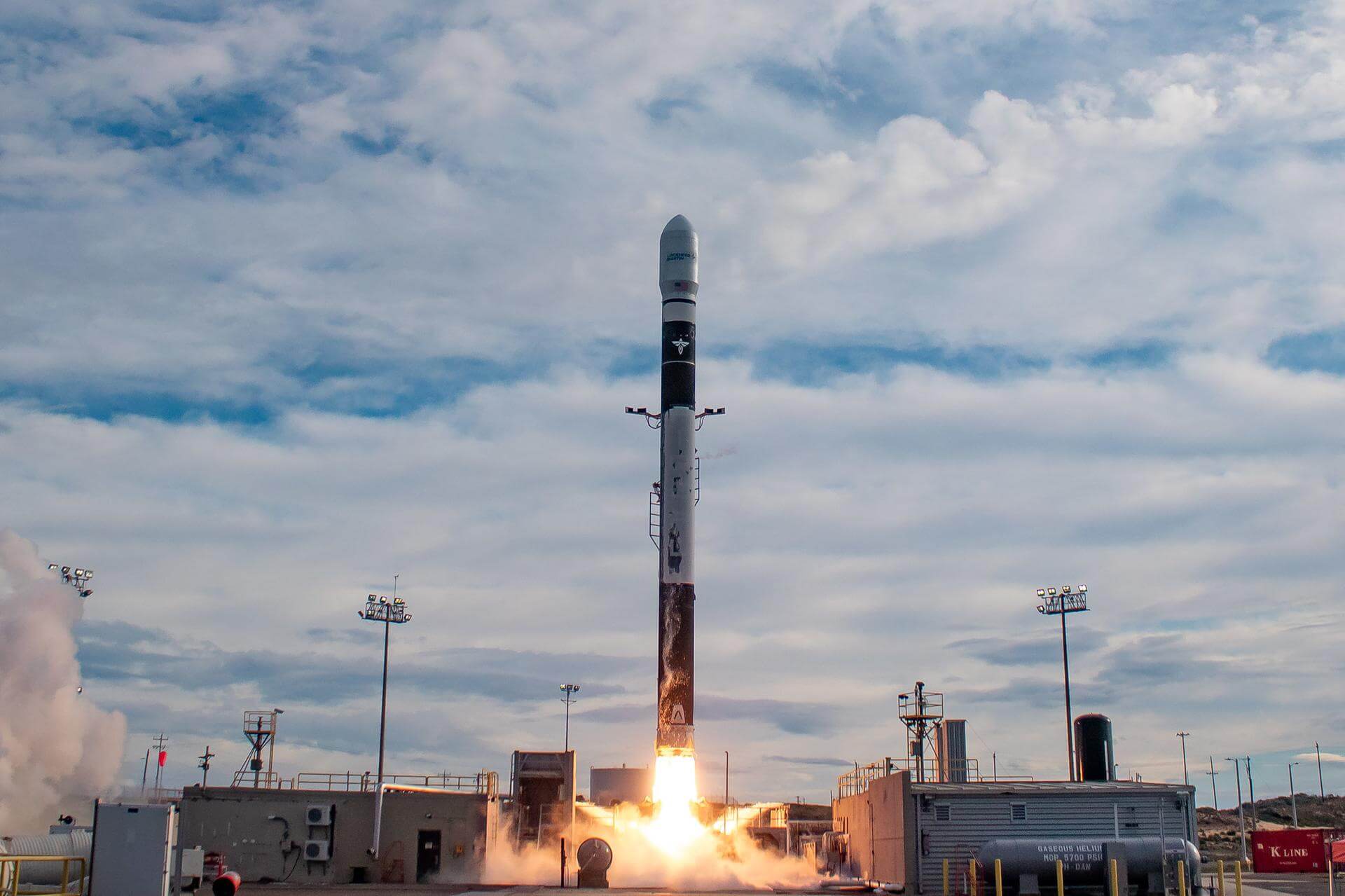
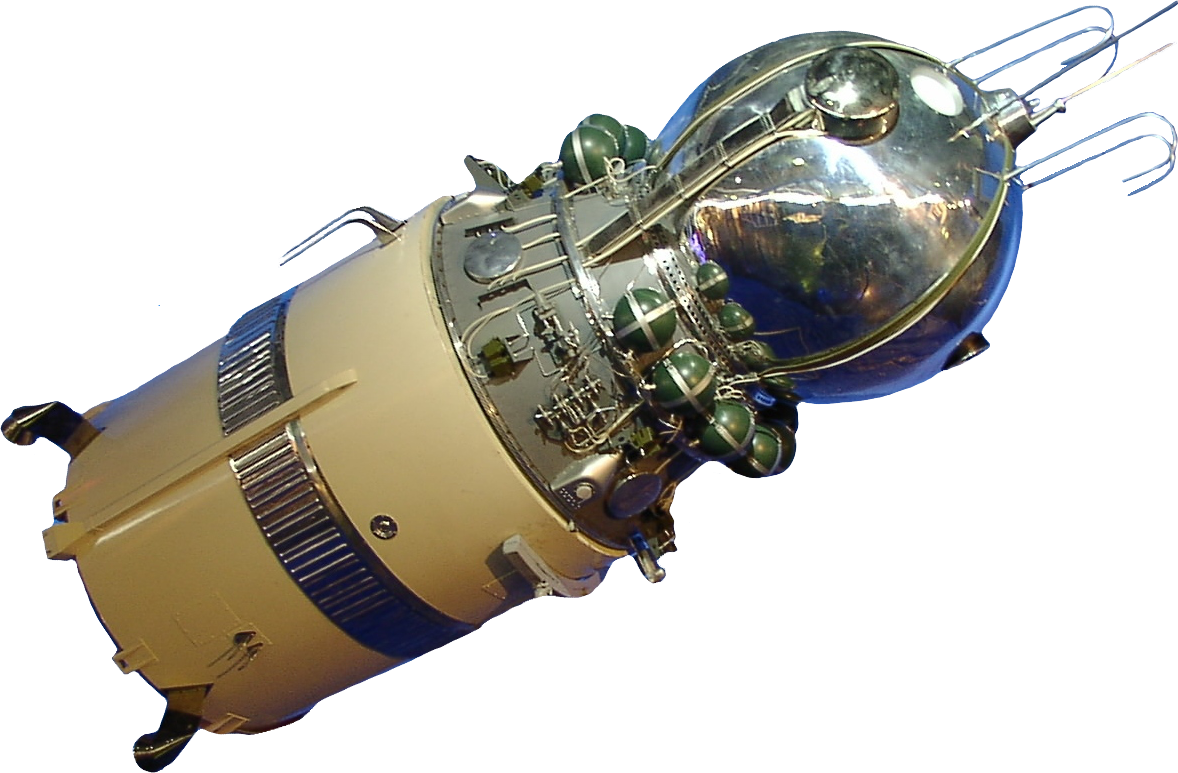
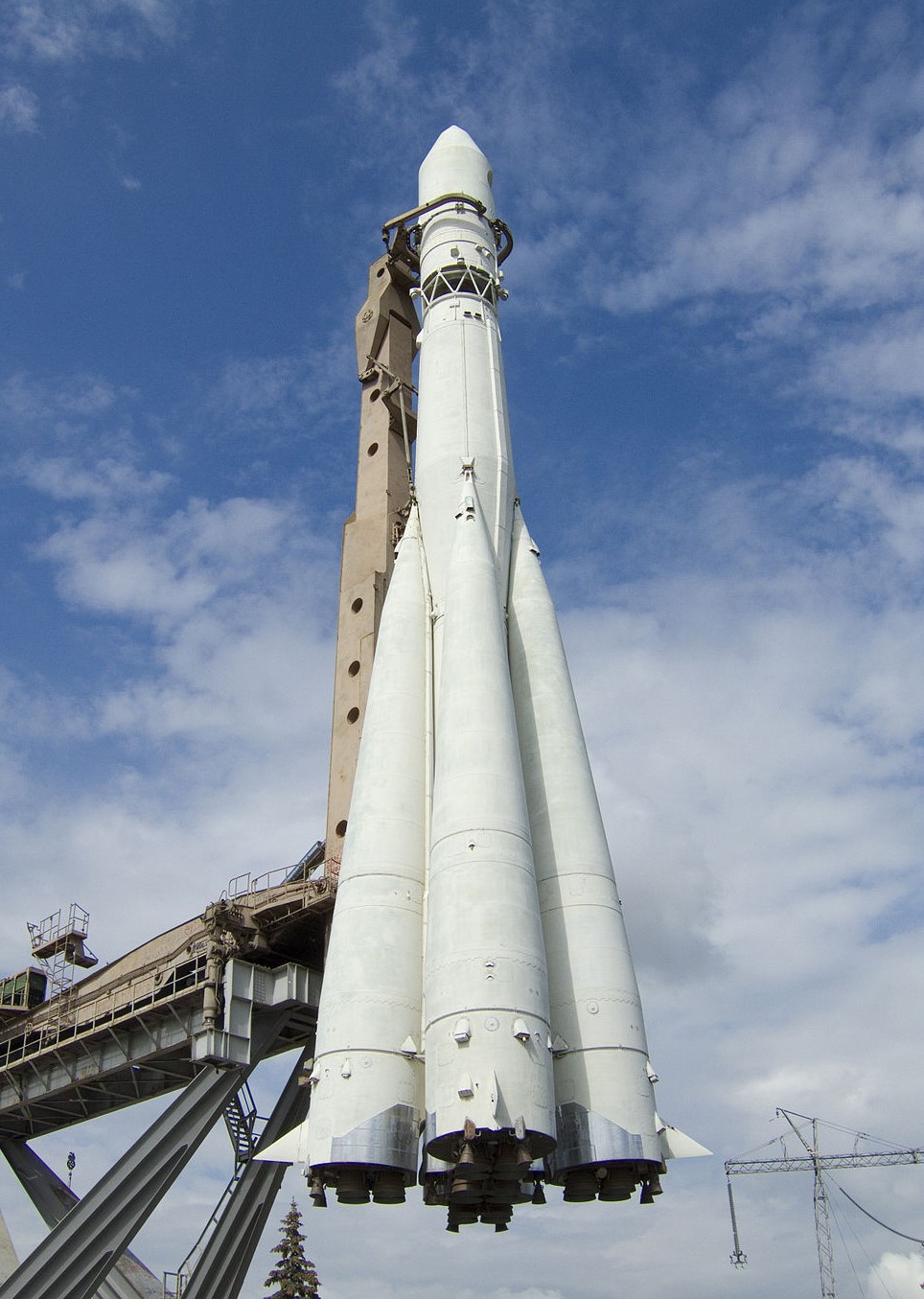
{ "count": 530, "next": "https://lldev.thespacedevs.com/2.2.0/config/launcher/?format=api&limit=10&offset=100&ordering=-attempted_landings", "previous": "https://lldev.thespacedevs.com/2.2.0/config/launcher/?format=api&limit=10&offset=80&ordering=-attempted_landings", "results": [ { "id": 439, "url": "https://lldev.thespacedevs.com/2.2.0/config/launcher/439/?format=api", "name": "Titan IIIC", "manufacturer": { "id": 82, "url": "https://lldev.thespacedevs.com/2.2.0/agencies/82/?format=api", "name": "Lockheed Martin", "featured": false, "type": "Commercial", "country_code": "USA", "abbrev": "LMT", "description": "Lockheed Martin's Space Division started in the production of missiles and later ICBM's in the 1950s. Their TITAN missile system was used for 12 Gemini spacecraft and the Voyager probes. They have worked largely in collaboration with NASA on many of their probes, landers, and spacecraft, and hope to play a key role in NASA's return to the moon in 2024.", "administrator": null, "founding_year": "1953", "launchers": "Titan | Agena", "spacecraft": "Hubble | JUNO | InSight", "parent": null, "image_url": null, "logo_url": null }, "program": [], "family": "Titan", "full_name": "Titan IIIC", "variant": "IIIC", "reusable": false, "image_url": "https://thespacedevs-dev.nyc3.digitaloceanspaces.com/media/images/titan_iii-c_lau_image_20251103140641.jpeg", "info_url": null, "wiki_url": "https://en.wikipedia.org/wiki/Titan_IIIC" }, { "id": 179, "url": "https://lldev.thespacedevs.com/2.2.0/config/launcher/179/?format=api", "name": "Firefly Alpha", "manufacturer": { "id": 265, "url": "https://lldev.thespacedevs.com/2.2.0/agencies/265/?format=api", "name": "Firefly Aerospace", "featured": true, "type": "Commercial", "country_code": "USA", "abbrev": "FA", "description": "Firefly Aerospace is an American private aerospace firm based in Austin, Texas, that develops small and medium-sized launch vehicles for commercial launches to orbit.", "administrator": "CEO: Peter Schumacher", "founding_year": "2014", "launchers": "", "spacecraft": "", "parent": null, "image_url": null, "logo_url": "https://thespacedevs-dev.nyc3.digitaloceanspaces.com/media/images/firefly2520aerospace_logo_20220826094423.jpg" }, "program": [], "family": "Firefly Alpha", "full_name": "Firefly Alpha", "variant": "", "reusable": false, "image_url": "https://thespacedevs-dev.nyc3.digitaloceanspaces.com/media/images/firefly_alpha_l_image_20240605174156.jpeg", "info_url": "https://fireflyspace.com/alpha/", "wiki_url": "https://en.wikipedia.org/wiki/Firefly_Alpha" }, { "id": 103, "url": "https://lldev.thespacedevs.com/2.2.0/config/launcher/103/?format=api", "name": "Vostok", "manufacturer": { "id": 66, "url": "https://lldev.thespacedevs.com/2.2.0/agencies/66/?format=api", "name": "Soviet Space Program", "featured": false, "type": "Government", "country_code": "RUS", "abbrev": "CCCP", "description": "The Soviet space program, was the national space program of the Union of Soviet Socialist Republics (USSR) actived from 1930s until disintegration of the Soviet Union in 1991.\r\n\r\nThe Soviet Union's space program was mainly based on the cosmonautic exploration of space and the development of the expandable launch vehicles, which had been split between many design bureaus competing against each other. Over its 60-years of history, the Russian program was responsible for a number of pioneering feats and accomplishments in the human space flight, including the first intercontinental ballistic missile (R-7), first satellite (Sputnik 1), first animal in Earth orbit (the dog Laika on Sputnik 2), first human in space and Earth orbit (cosmonaut Yuri Gagarin on Vostok 1), first woman in space and Earth orbit (cosmonaut Valentina Tereshkova on Vostok 6), first spacewalk (cosmonaut Alexei Leonov on Voskhod 2), first Moon impact (Luna 2), first image of the far side of the Moon (Luna 3) and unmanned lunar soft landing (Luna 9), first space rover (Lunokhod 1), first sample of lunar soil automatically extracted and brought to Earth (Luna 16), and first space station (Salyut 1). Further notable records included the first interplanetary probes: Venera 1 and Mars 1 to fly by Venus and Mars, respectively, Venera 3 and Mars 2 to impact the respective planet surface, and Venera 7 and Mars 3 to make soft landings on these planets.", "administrator": null, "founding_year": "1931", "launchers": "", "spacecraft": "", "parent": null, "image_url": "https://thespacedevs-dev.nyc3.digitaloceanspaces.com/media/images/soviet2520space2520program_image_20191229081306.jpeg", "logo_url": "https://thespacedevs-dev.nyc3.digitaloceanspaces.com/media/images/soviet2520space2520program_logo_20191229081307.png" }, "program": [ { "id": 9, "url": "https://lldev.thespacedevs.com/2.2.0/program/9/?format=api", "name": "Vostok", "description": "The Vostok programme was a Soviet human spaceflight project to put the first Soviet citizens into low Earth orbit and return them safely. Competing with the United States Project Mercury, it succeeded in placing the first human into space, Yuri Gagarin, in a single orbit in Vostok 1 on April 12, 1961.", "agencies": [ { "id": 66, "url": "https://lldev.thespacedevs.com/2.2.0/agencies/66/?format=api", "name": "Soviet Space Program", "type": "Government" } ], "image_url": "https://thespacedevs-dev.nyc3.digitaloceanspaces.com/media/images/vostok_program_20210417063956.png", "start_date": "1961-04-12T06:07:00Z", "end_date": "1963-06-19T08:20:00Z", "info_url": null, "wiki_url": "https://en.wikipedia.org/wiki/Vostok_programme", "mission_patches": [], "type": { "id": 2, "name": "Human Spaceflight" } } ], "family": "R-7", "full_name": "Vostok-K", "variant": "K", "reusable": false, "image_url": "https://thespacedevs-dev.nyc3.digitaloceanspaces.com/media/images/vostok_image_20191104130128.jpg", "info_url": null, "wiki_url": "https://en.wikipedia.org/wiki/Vostok-K" }, { "id": 357, "url": "https://lldev.thespacedevs.com/2.2.0/config/launcher/357/?format=api", "name": "Scout A-1", "manufacturer": { "id": 1006, "url": "https://lldev.thespacedevs.com/2.2.0/agencies/1006/?format=api", "name": "Vought", "featured": false, "type": "Commercial", "country_code": "USA", "abbrev": "", "description": "Vought was the name of several related American aerospace firms. These have included, in the past, Lewis and Vought Corporation, Chance Vought, Vought-Sikorsky, LTV Aerospace (part of Ling-Temco-Vought), Vought Aircraft Companies, and Vought Aircraft Industries. The first incarnation of Vought was established by Chance M. Vought and Birdseye Lewis in 1917. In 1928, it was acquired by United Aircraft and Transport Corporation, which a few years later became United Aircraft Corporation; this was the first of many reorganizations and buyouts. During the 1920s and 1930s, Vought Aircraft and Chance Vought specialized in carrier-based aircraft for the United States Navy, by far its biggest customer. Chance Vought produced thousands of planes during World War II, including the F4U Corsair. Vought became independent again in 1954, and was purchased by Ling-Temco-Vought in 1961. The company designed and produced a variety of planes and missiles throughout the Cold War. Vought was sold from LTV and owned in various degrees by the Carlyle Group and Northrop Grumman in the early 1990s. It was then fully bought by Carlyle, renamed Vought Aircraft Industries, with headquarters in Dallas, Texas. In June 2010, the Carlyle Group sold Vought to the Triumph Group.", "administrator": null, "founding_year": "1917", "launchers": "", "spacecraft": "", "parent": null, "image_url": null, "logo_url": null }, "program": [], "family": "Scout", "full_name": "Scout A-1", "variant": "A-1", "reusable": false, "image_url": null, "info_url": "", "wiki_url": "https://en.wikipedia.org/wiki/Scout_(rocket_family)" }, { "id": 501, "url": "https://lldev.thespacedevs.com/2.2.0/config/launcher/501/?format=api", "name": "South Korean ADD Solid-Fuel SLV (3 stage)", "manufacturer": { "id": 1079, "url": "https://lldev.thespacedevs.com/2.2.0/agencies/1079/?format=api", "name": "Agency for Defense Development", "featured": false, "type": "Government", "country_code": "KOR", "abbrev": "ADD", "description": "The Agency for Defense Development (ADD) is the South Korean national agency for research and development in defense technology, funded by the Defense Acquisition Program Administration (DAPA). Its purpose is contributing to enforcing the national defence, to improving the national R&D capacity, and to fostering the domestic defense industry.", "administrator": null, "founding_year": "1970", "launchers": "South Korean ADD Solid-Fuel SLV", "spacecraft": "", "parent": null, "image_url": null, "logo_url": "https://thespacedevs-dev.nyc3.digitaloceanspaces.com/media/images/agency2520for2520defense2520development_logo_20231204144839.png" }, "program": [], "family": "South Korean ADD Solid-Fuel SLV", "full_name": "South Korean ADD Solid-Fuel SLV (3 stage)", "variant": "", "reusable": false, "image_url": null, "info_url": null, "wiki_url": null }, { "id": 513, "url": "https://lldev.thespacedevs.com/2.2.0/config/launcher/513/?format=api", "name": "Apollo LM", "manufacturer": { "id": 257, "url": "https://lldev.thespacedevs.com/2.2.0/agencies/257/?format=api", "name": "Northrop Grumman Space Systems", "featured": true, "type": "Commercial", "country_code": "USA", "abbrev": "NGSS", "description": "Northrup Grumman Space Systems designs, builds and delivers space, defence and aviation-related systems to customers around the world. They aquired Orbital ATK in 2018 along with its launchers and ongoing missions.", "administrator": "CEO: Kathy Warden", "founding_year": "2015", "launchers": "Antares | Minotaur | Pegasus", "spacecraft": "Cygnus", "parent": null, "image_url": "https://thespacedevs-dev.nyc3.digitaloceanspaces.com/media/images/northrop2520grumman2520innovation2520systems_image_20190207032451.jpeg", "logo_url": "https://thespacedevs-dev.nyc3.digitaloceanspaces.com/media/images/northrop2520grumman2520innovation2520systems_logo_20190207032451.png" }, "program": [ { "id": 4, "url": "https://lldev.thespacedevs.com/2.2.0/program/4/?format=api", "name": "Apollo", "description": "The Apollo program was the third United States human spaceflight program carried out by the National Aeronautics and Space Administration (NASA), which succeeded in landing the first humans on the Moon from 1969 to 1972.", "agencies": [ { "id": 44, "url": "https://lldev.thespacedevs.com/2.2.0/agencies/44/?format=api", "name": "National Aeronautics and Space Administration", "type": "Government" } ], "image_url": "https://thespacedevs-dev.nyc3.digitaloceanspaces.com/media/images/apollo_program_20200820200202.png", "start_date": "1966-11-16T00:00:00Z", "end_date": "1972-12-19T19:24:59Z", "info_url": "https://www.nasa.gov/mission_pages/apollo/index.html", "wiki_url": "https://en.wikipedia.org/wiki/Apollo_program", "mission_patches": [], "type": { "id": 2, "name": "Human Spaceflight" } } ], "family": "", "full_name": "Apollo LM Ascent Stage", "variant": "", "reusable": false, "image_url": "https://thespacedevs-dev.nyc3.digitaloceanspaces.com/media/images/apollo_14_lm_on_image_20240813073933.jpg", "info_url": null, "wiki_url": "https://en.wikipedia.org/wiki/Apollo_Lunar_Module" }, { "id": 549, "url": "https://lldev.thespacedevs.com/2.2.0/config/launcher/549/?format=api", "name": "Vega-E", "manufacturer": { "id": 159, "url": "https://lldev.thespacedevs.com/2.2.0/agencies/159/?format=api", "name": "Avio S.p.A", "featured": true, "type": "Commercial", "country_code": "ITA", "abbrev": "Avio", "description": "Avio S.p.A. is an Italian company operating in the aerospace sector with its head office in Colleferro near Rome, Italy. Founded in 1908, it is present in Italy and abroad with different commercial offices and 10 production sites.", "administrator": "CEO: Giulio Ranzo", "founding_year": "1908", "launchers": "Vega", "spacecraft": "", "parent": null, "image_url": "https://thespacedevs-dev.nyc3.digitaloceanspaces.com/media/images/vega-c_image_20220713154437.jpg", "logo_url": "https://thespacedevs-dev.nyc3.digitaloceanspaces.com/media/images/avio2520s.p.a_logo_20221130103121.png" }, "program": [], "family": "Vega", "full_name": "Vega-E", "variant": "", "reusable": false, "image_url": "https://thespacedevs-dev.nyc3.digitaloceanspaces.com/media/images/vega-e_render_image_20251225083722.jpg", "info_url": null, "wiki_url": "https://en.wikipedia.org/wiki/Vega_(rocket)" }, { "id": 414, "url": "https://lldev.thespacedevs.com/2.2.0/config/launcher/414/?format=api", "name": "Thor SLV-2 Agena B", "manufacturer": { "id": 153, "url": "https://lldev.thespacedevs.com/2.2.0/agencies/153/?format=api", "name": "McDonnell Douglas", "featured": false, "type": "Commercial", "country_code": "USA", "abbrev": "MDC", "description": null, "administrator": null, "founding_year": null, "launchers": "", "spacecraft": "", "parent": null, "image_url": null, "logo_url": null }, "program": [], "family": "Thor", "full_name": "Thor SLV-2 Agena B", "variant": "SLV-2 Agena B", "reusable": false, "image_url": null, "info_url": null, "wiki_url": "https://en.wikipedia.org/wiki/Thor-Agena" }, { "id": 324, "url": "https://lldev.thespacedevs.com/2.2.0/config/launcher/324/?format=api", "name": "Juno-I", "manufacturer": { "id": 158, "url": "https://lldev.thespacedevs.com/2.2.0/agencies/158/?format=api", "name": "Chrysler", "featured": false, "type": "Commercial", "country_code": "USA", "abbrev": "CHR", "description": "In July 1959, NASA chose the Redstone missile as the basis for the Mercury-Redstone Launch Vehicle to be used for suborbital test flights of the Project Mercury spacecraft. Three unmanned MRLV launch attempts were made between November 1960 and March 1961, two of which were successful. The MRLV successfully launched the chimpanzee Ham, and astronauts Alan Shepard and Gus Grissom on three suborbital flights in January, May and July 1961, respectively.", "administrator": null, "founding_year": "1950", "launchers": "", "spacecraft": "", "parent": null, "image_url": null, "logo_url": null }, "program": [], "family": "Redstone", "full_name": "Juno-I", "variant": "Juno I", "reusable": false, "image_url": "https://thespacedevs-dev.nyc3.digitaloceanspaces.com/media/images/juno_i_on_the_p_image_20240411120216.jpeg", "info_url": null, "wiki_url": "https://en.wikipedia.org/wiki/Juno_I" }, { "id": 547, "url": "https://lldev.thespacedevs.com/2.2.0/config/launcher/547/?format=api", "name": "Maia", "manufacturer": { "id": 1103, "url": "https://lldev.thespacedevs.com/2.2.0/agencies/1103/?format=api", "name": "MaiaSpace", "featured": false, "type": "Private", "country_code": "FRA", "abbrev": "MaiaSpace", "description": "MaiaSpace is a wholly-owned subsidiary of ArianeGroup established in 2022 to develop a small reusable orbital launch vehicle, the Maia rocket.", "administrator": null, "founding_year": "2022", "launchers": "", "spacecraft": "", "parent": "ArianeGroup", "image_url": null, "logo_url": "https://thespacedevs-dev.nyc3.digitaloceanspaces.com/media/images/maiaspace_logo_image_20251205132157.jpg" }, "program": [], "family": "", "full_name": "Maia", "variant": "", "reusable": true, "image_url": "https://thespacedevs-dev.nyc3.digitaloceanspaces.com/media/images/maia_rocket_in__image_20251205133047.jpeg", "info_url": "https://www.maia-space.com/our-launcher/", "wiki_url": "https://en.wikipedia.org/wiki/Maia_(rocket)" } ] }