Launcher Config List
API endpoint that allows Launcher Configurations to be viewed.
GET: Return a list of all the existing launcher configurations.
MODE: Normal and Detailed /2.2.0/config/launcher/?mode=detailed
FILTERS: Fields - 'family', 'agency', 'name', 'manufacturer__name', 'full_name', 'program', 'maiden_flight' 'total_launch_count', 'consecutive_successful_launches', 'successful_launches', 'failed_launches', 'pending_launches', 'attempted_landings', 'successful_landings', 'failed_landings', 'consecutive_successful_landings'
ORDERING: Fields - 'name', 'launch_mass', 'leo_capacity', 'gto_capacity', 'launch_cost', 'maiden_flight', 'total_launch_count', 'consecutive_successful_launches', 'successful_launches', 'failed_launches', 'pending_launches', 'attempted_landings', 'successful_landings', 'failed_landings', 'consecutive_successful_landings' Example - /2.2.0/config/launcher/?ordering=maiden_flight
Get all Launchers with the Agency with name NASA. Example - /2.2.0/config/launcher/?manufacturer__name=NASA
GET /2.2.0/config/launcher/?format=api&offset=80&ordering=-attempted_landings
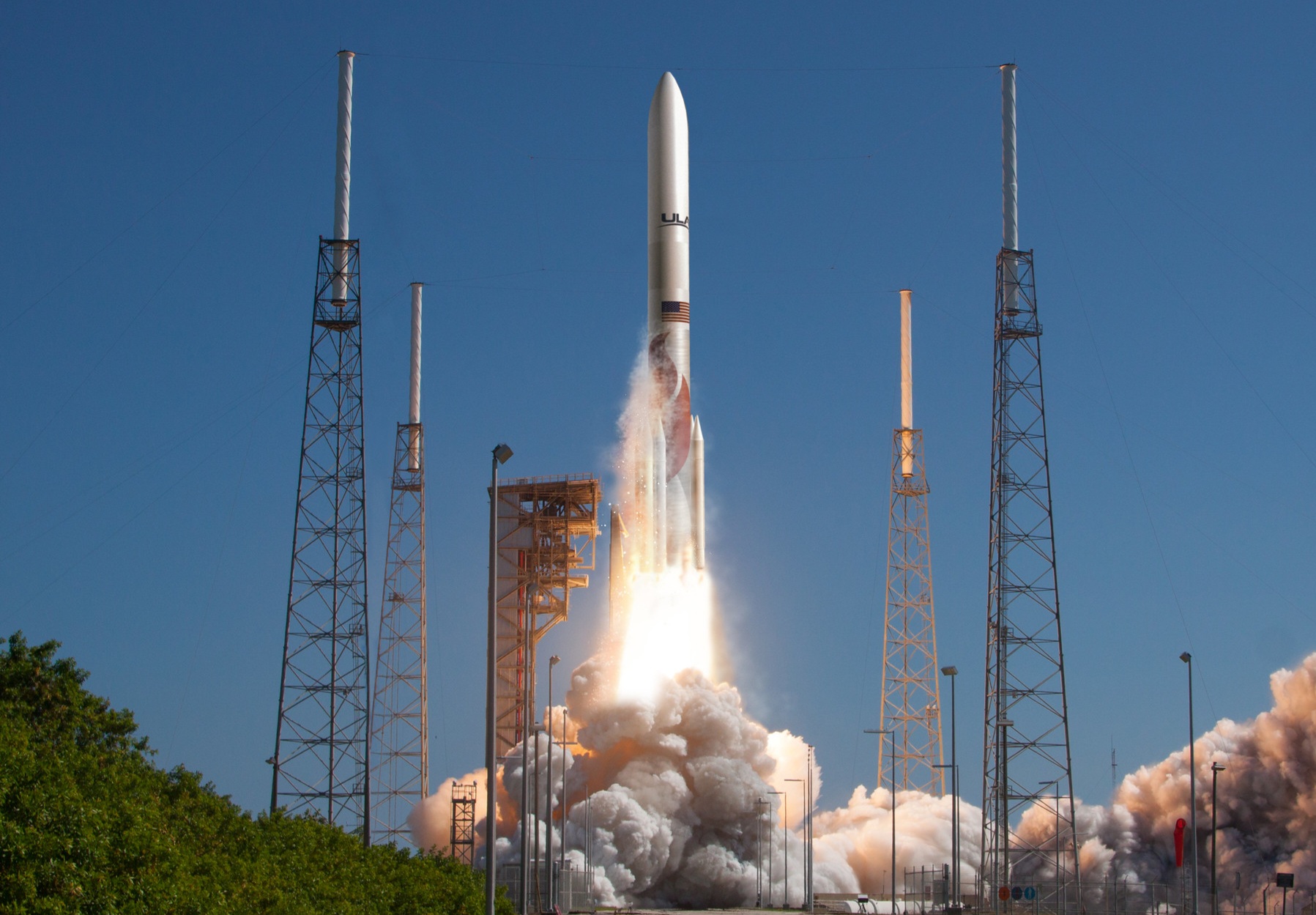
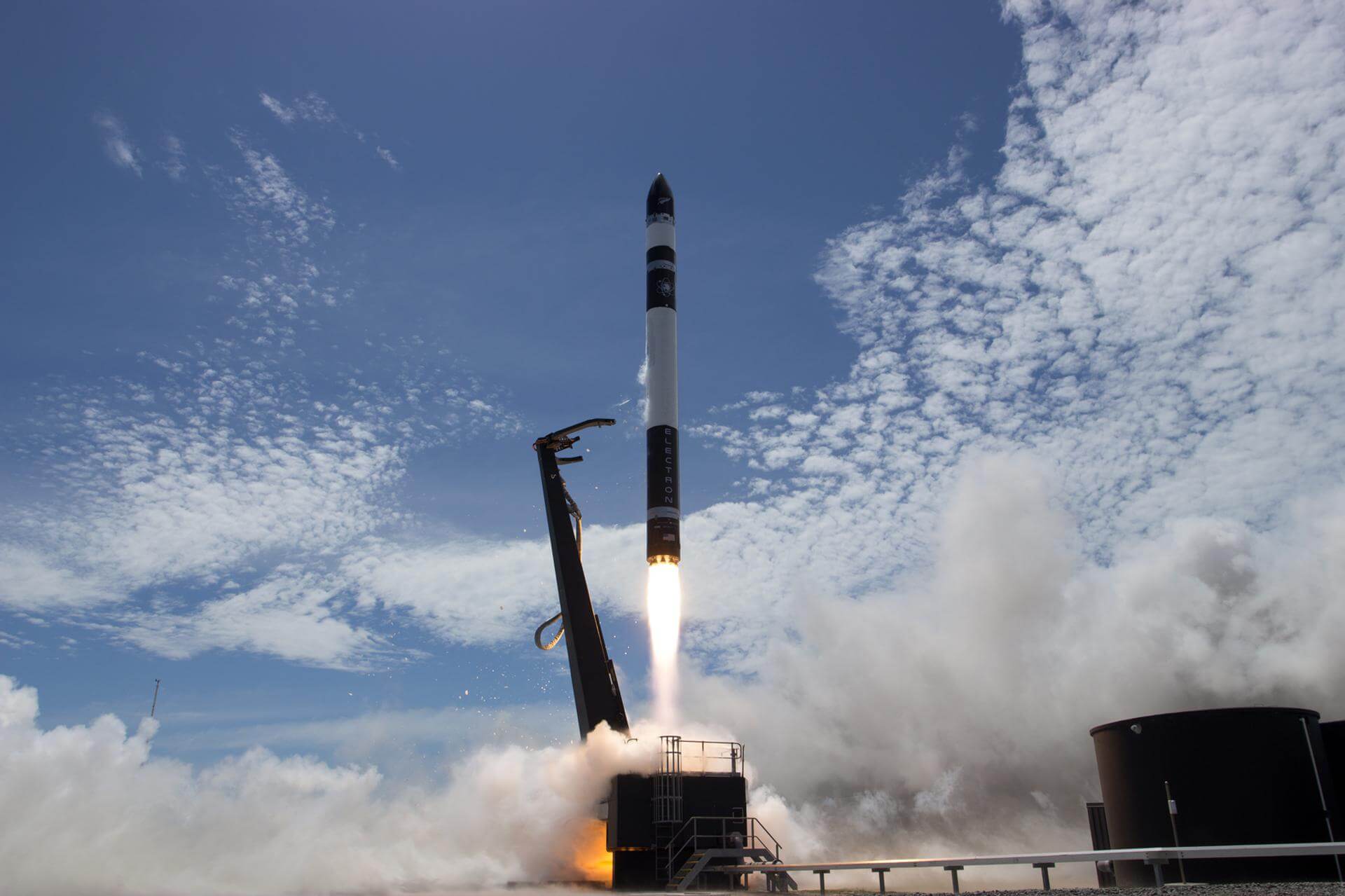
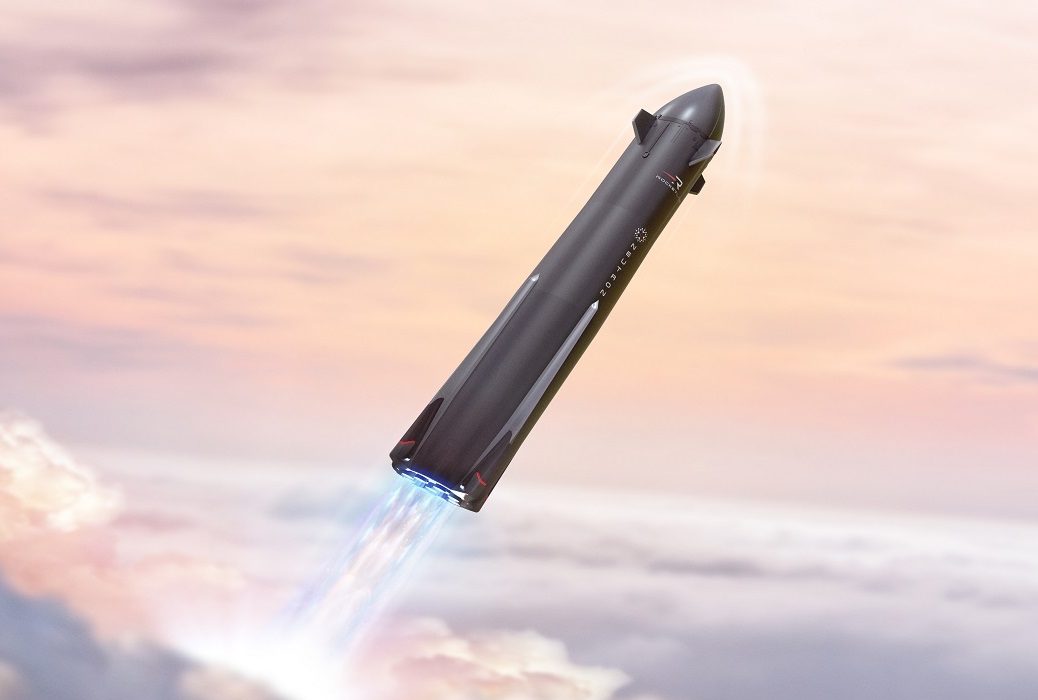
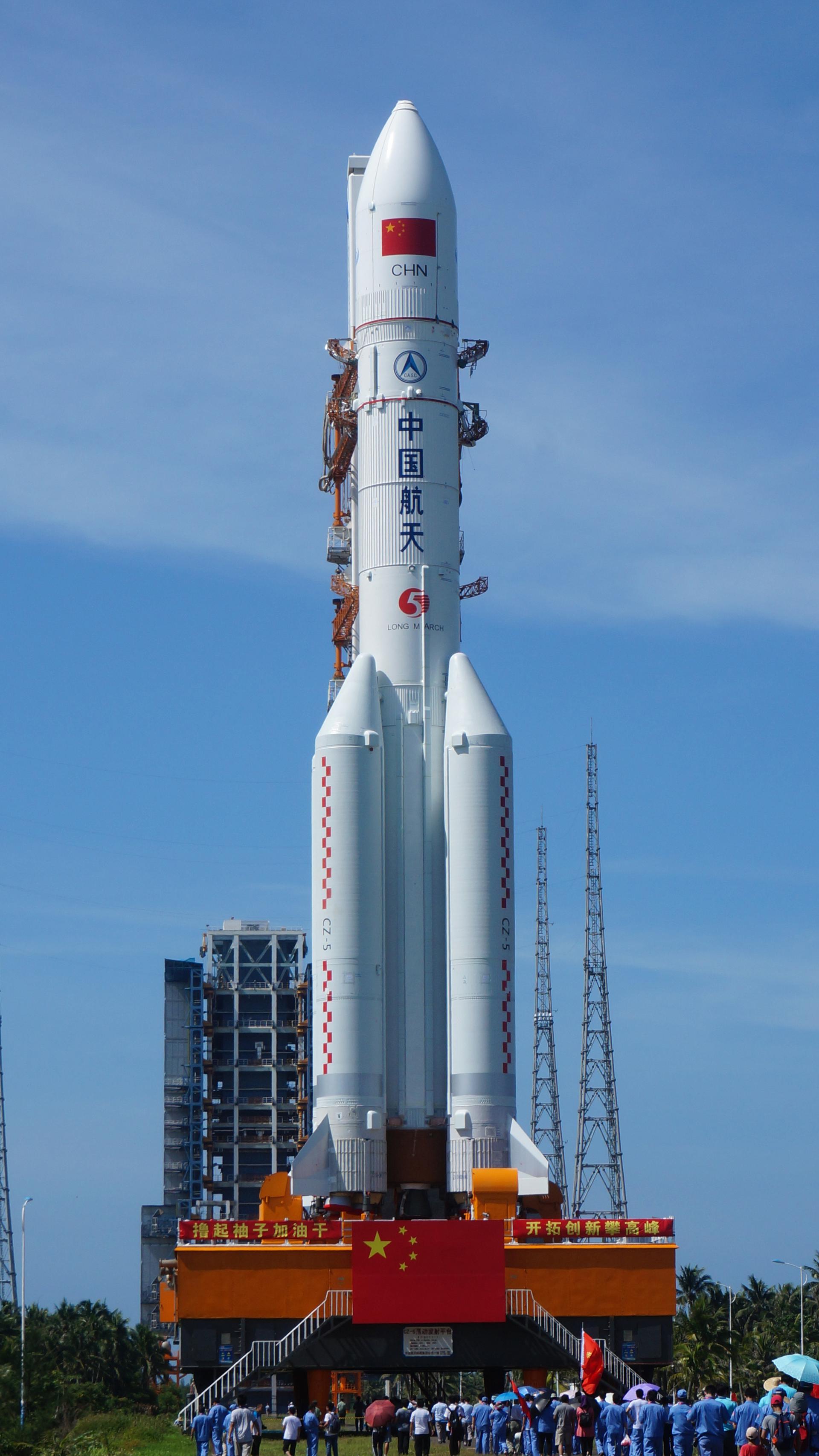
{ "count": 530, "next": "https://lldev.thespacedevs.com/2.2.0/config/launcher/?format=api&limit=10&offset=90&ordering=-attempted_landings", "previous": "https://lldev.thespacedevs.com/2.2.0/config/launcher/?format=api&limit=10&offset=70&ordering=-attempted_landings", "results": [ { "id": 479, "url": "https://lldev.thespacedevs.com/2.2.0/config/launcher/479/?format=api", "name": "Vulcan VC6L", "manufacturer": { "id": 124, "url": "https://lldev.thespacedevs.com/2.2.0/agencies/124/?format=api", "name": "United Launch Alliance", "featured": true, "type": "Commercial", "country_code": "USA", "abbrev": "ULA", "description": "United Launch Alliance (ULA) is a joint venture of Lockheed Martin Space Systems and Boeing Defense, Space & Security. ULA was formed in December 2006 by combining the teams at these companies which provide spacecraft launch services to the government of the United States. ULA launches from both coasts of the US. They launch their Atlas V vehicle from LC-41 in Cape Canaveral and LC-3E at Vandeberg. Their Delta IV launches from LC-37 at Cape Canaveral and LC-6 at Vandenberg.", "administrator": "Interim CEO: John Elbon", "founding_year": "2006", "launchers": "Atlas | Delta | Vulcan", "spacecraft": "", "parent": null, "image_url": "https://thespacedevs-dev.nyc3.digitaloceanspaces.com/media/images/united_launch_a_image_20210412201210.png", "logo_url": "https://thespacedevs-dev.nyc3.digitaloceanspaces.com/media/images/united2520launch2520alliance_logo_20210412195953.png" }, "program": [], "family": "Vulcan", "full_name": "Vulcan VC6L", "variant": "VC6L", "reusable": false, "image_url": "https://thespacedevs-dev.nyc3.digitaloceanspaces.com/media/images/vulcan_vc6l_image_20220406123130.jpg", "info_url": "https://www.ulalaunch.com/rockets/vulcan-centaur", "wiki_url": "https://en.wikipedia.org/wiki/Vulcan_Centaur" }, { "id": 476, "url": "https://lldev.thespacedevs.com/2.2.0/config/launcher/476/?format=api", "name": "Neutron", "manufacturer": { "id": 147, "url": "https://lldev.thespacedevs.com/2.2.0/agencies/147/?format=api", "name": "Rocket Lab", "featured": true, "type": "Commercial", "country_code": "USA", "abbrev": "RL", "description": "Rocket Lab is an American aerospace manufacturer with a wholly owned New Zealand subsidiary. The company develops lightweight, cost-effective commercial rocket launch services. The Electron Program was founded on the premise that small payloads such as CubeSats require dedicated small launch vehicles and flexibility not currently offered by traditional rocket systems. Its rocket, the Electron, is a light-weight rocket and is now operating commercially. The company is also producing a variety of spacecrafts and spacecrafts components.", "administrator": "CEO: Peter Beck", "founding_year": "2006", "launchers": "Electron", "spacecraft": "", "parent": null, "image_url": "https://thespacedevs-dev.nyc3.digitaloceanspaces.com/media/images/rocket2520lab2520ltd_image_20190207032456.jpeg", "logo_url": "https://thespacedevs-dev.nyc3.digitaloceanspaces.com/media/images/rocket2520lab2520ltd_logo_20220218075411.png" }, "program": [], "family": "", "full_name": "Neutron", "variant": "", "reusable": true, "image_url": "https://thespacedevs-dev.nyc3.digitaloceanspaces.com/media/images/neutron_image_20230727171443.jpeg", "info_url": "https://www.rocketlabusa.com/launch/neutron/", "wiki_url": "https://en.wikipedia.org/wiki/Rocket_Lab_Neutron" }, { "id": 518, "url": "https://lldev.thespacedevs.com/2.2.0/config/launcher/518/?format=api", "name": "Long March 8A", "manufacturer": { "id": 88, "url": "https://lldev.thespacedevs.com/2.2.0/agencies/88/?format=api", "name": "China Aerospace Science and Technology Corporation", "featured": true, "type": "Government", "country_code": "CHN", "abbrev": "CASC", "description": "The China Aerospace Science and Technology Corporation (CASC) is the main contractor for the Chinese space program. It is state-owned and has a number of subordinate entities which design, develop and manufacture a range of spacecraft, launch vehicles, strategic and tactical missile systems, and ground equipment. It was officially established in July 1999 as part of a Chinese government reform drive, having previously been one part of the former China Aerospace Corporation. Various incarnations of the program date back to 1956.", "administrator": "Chairman & President: Lei Fanpei", "founding_year": "1999", "launchers": "Long March", "spacecraft": "", "parent": null, "image_url": "https://thespacedevs-dev.nyc3.digitaloceanspaces.com/media/images/china2520aerospace2520science2520and2520technology2520corporation_image_20191228094408.jpeg", "logo_url": "https://thespacedevs-dev.nyc3.digitaloceanspaces.com/media/images/china2520aerospace2520science2520and2520technology2520corporation_logo_20220826093937.png" }, "program": [], "family": "Long March", "full_name": "Long March 8A", "variant": "A", "reusable": false, "image_url": "https://thespacedevs-dev.nyc3.digitaloceanspaces.com/media/images/cz-8a_launch_2_image_20251206093107.jpeg", "info_url": null, "wiki_url": "https://en.wikipedia.org/wiki/Long_March_8#CZ-8A_variant" }, { "id": 528, "url": "https://lldev.thespacedevs.com/2.2.0/config/launcher/528/?format=api", "name": "Starship", "manufacturer": { "id": 121, "url": "https://lldev.thespacedevs.com/2.2.0/agencies/121/?format=api", "name": "SpaceX", "featured": true, "type": "Commercial", "country_code": "USA", "abbrev": "SpX", "description": "Space Exploration Technologies Corp., known as SpaceX, is an American aerospace manufacturer and space transport services company headquartered in Hawthorne, California. It was founded in 2002 by entrepreneur Elon Musk with the goal of reducing space transportation costs and enabling the colonization of Mars. SpaceX operates from many pads, on the East Coast of the US they operate from SLC-40 at Cape Canaveral Space Force Station and historic LC-39A at Kennedy Space Center. They also operate from SLC-4E at Vandenberg Space Force Base, California, usually for polar launches. Another launch site is being developed at Boca Chica, Texas.", "administrator": "CEO: Elon Musk", "founding_year": "2002", "launchers": "Falcon | Starship", "spacecraft": "Dragon", "parent": null, "image_url": "https://thespacedevs-dev.nyc3.digitaloceanspaces.com/media/images/spacex_image_20190207032501.jpeg", "logo_url": "https://thespacedevs-dev.nyc3.digitaloceanspaces.com/media/images/spacex_logo_20220826094919.png" }, "program": [ { "id": 1, "url": "https://lldev.thespacedevs.com/2.2.0/program/1/?format=api", "name": "SpaceX Starship", "description": "The SpaceX Starship is a fully reusable super heavy-lift launch vehicle under development by SpaceX since 2012, as a self-funded private spaceflight project. The second stage of the Starship — is designed as a long-duration cargo and passenger-carrying spacecraft. It is expected to be initially used without any booster stage at all, as part of an extensive development program to prove out launch-and-landing and iterate on a variety of design details, particularly with respect to the vehicle's atmospheric reentry.", "agencies": [ { "id": 121, "url": "https://lldev.thespacedevs.com/2.2.0/agencies/121/?format=api", "name": "SpaceX", "type": "Commercial" } ], "image_url": "https://thespacedevs-dev.nyc3.digitaloceanspaces.com/media/images/starship_on_the_image_20250111100520.jpg", "start_date": "2019-03-01T05:00:00Z", "end_date": null, "info_url": "https://www.spacex.com/vehicles/starship/", "wiki_url": "https://en.wikipedia.org/wiki/SpaceX_Starship", "mission_patches": [], "type": { "id": 7, "name": "Technology" } } ], "family": "Starship", "full_name": "Starship", "variant": "N/A", "reusable": false, "image_url": "https://thespacedevs-dev.nyc3.digitaloceanspaces.com/media/images/starship_on_the_image_20250111100520.jpg", "info_url": "https://www.spacex.com/vehicles/starship", "wiki_url": "https://en.wikipedia.org/wiki/SpaceX_Starship#Block_3" }, { "id": 257, "url": "https://lldev.thespacedevs.com/2.2.0/config/launcher/257/?format=api", "name": "Atlas SLV-3 Agena B", "manufacturer": { "id": 1004, "url": "https://lldev.thespacedevs.com/2.2.0/agencies/1004/?format=api", "name": "Convair", "featured": false, "type": "Commercial", "country_code": "USA", "abbrev": "", "description": "Convair, previously Consolidated Vultee, was an American aircraft manufacturing company that later expanded into rockets and spacecraft. The company was formed in 1943 by the merger of Consolidated Aircraft and Vultee Aircraft. In 1953 it was purchased by General Dynamics, and operated as their Convair Division for most of its corporate history.", "administrator": null, "founding_year": "1943", "launchers": "", "spacecraft": "", "parent": null, "image_url": null, "logo_url": null }, "program": [], "family": "Atlas", "full_name": "Atlas SLV-3 Agena B", "variant": "SLV-3 Agena B", "reusable": false, "image_url": null, "info_url": null, "wiki_url": "https://en.wikipedia.org/wiki/Atlas-Agena" }, { "id": 265, "url": "https://lldev.thespacedevs.com/2.2.0/config/launcher/265/?format=api", "name": "Blue Scout Jr", "manufacturer": { "id": 1006, "url": "https://lldev.thespacedevs.com/2.2.0/agencies/1006/?format=api", "name": "Vought", "featured": false, "type": "Commercial", "country_code": "USA", "abbrev": "", "description": "Vought was the name of several related American aerospace firms. These have included, in the past, Lewis and Vought Corporation, Chance Vought, Vought-Sikorsky, LTV Aerospace (part of Ling-Temco-Vought), Vought Aircraft Companies, and Vought Aircraft Industries. The first incarnation of Vought was established by Chance M. Vought and Birdseye Lewis in 1917. In 1928, it was acquired by United Aircraft and Transport Corporation, which a few years later became United Aircraft Corporation; this was the first of many reorganizations and buyouts. During the 1920s and 1930s, Vought Aircraft and Chance Vought specialized in carrier-based aircraft for the United States Navy, by far its biggest customer. Chance Vought produced thousands of planes during World War II, including the F4U Corsair. Vought became independent again in 1954, and was purchased by Ling-Temco-Vought in 1961. The company designed and produced a variety of planes and missiles throughout the Cold War. Vought was sold from LTV and owned in various degrees by the Carlyle Group and Northrop Grumman in the early 1990s. It was then fully bought by Carlyle, renamed Vought Aircraft Industries, with headquarters in Dallas, Texas. In June 2010, the Carlyle Group sold Vought to the Triumph Group.", "administrator": null, "founding_year": "1917", "launchers": "", "spacecraft": "", "parent": null, "image_url": null, "logo_url": null }, "program": [], "family": "Blue Scout", "full_name": "Blue Scout Jr", "variant": "Jr", "reusable": false, "image_url": "https://thespacedevs-dev.nyc3.digitaloceanspaces.com/media/images/blue_scout_juni_image_20240411084702.png", "info_url": null, "wiki_url": "https://en.wikipedia.org/wiki/Scout_(rocket_family)" }, { "id": 267, "url": "https://lldev.thespacedevs.com/2.2.0/config/launcher/267/?format=api", "name": "Long March 2C/SD", "manufacturer": { "id": 88, "url": "https://lldev.thespacedevs.com/2.2.0/agencies/88/?format=api", "name": "China Aerospace Science and Technology Corporation", "featured": true, "type": "Government", "country_code": "CHN", "abbrev": "CASC", "description": "The China Aerospace Science and Technology Corporation (CASC) is the main contractor for the Chinese space program. It is state-owned and has a number of subordinate entities which design, develop and manufacture a range of spacecraft, launch vehicles, strategic and tactical missile systems, and ground equipment. It was officially established in July 1999 as part of a Chinese government reform drive, having previously been one part of the former China Aerospace Corporation. Various incarnations of the program date back to 1956.", "administrator": "Chairman & President: Lei Fanpei", "founding_year": "1999", "launchers": "Long March", "spacecraft": "", "parent": null, "image_url": "https://thespacedevs-dev.nyc3.digitaloceanspaces.com/media/images/china2520aerospace2520science2520and2520technology2520corporation_image_20191228094408.jpeg", "logo_url": "https://thespacedevs-dev.nyc3.digitaloceanspaces.com/media/images/china2520aerospace2520science2520and2520technology2520corporation_logo_20220826093937.png" }, "program": [], "family": "Long March", "full_name": "Long March 2C/SD", "variant": "C/SD", "reusable": false, "image_url": "https://thespacedevs-dev.nyc3.digitaloceanspaces.com/media/images/long_march_2c-i_image_20210908194304.jpeg", "info_url": null, "wiki_url": "https://en.wikipedia.org/wiki/Long_March_2C" }, { "id": 354, "url": "https://lldev.thespacedevs.com/2.2.0/config/launcher/354/?format=api", "name": "SPARTA", "manufacturer": { "id": 158, "url": "https://lldev.thespacedevs.com/2.2.0/agencies/158/?format=api", "name": "Chrysler", "featured": false, "type": "Commercial", "country_code": "USA", "abbrev": "CHR", "description": "In July 1959, NASA chose the Redstone missile as the basis for the Mercury-Redstone Launch Vehicle to be used for suborbital test flights of the Project Mercury spacecraft. Three unmanned MRLV launch attempts were made between November 1960 and March 1961, two of which were successful. The MRLV successfully launched the chimpanzee Ham, and astronauts Alan Shepard and Gus Grissom on three suborbital flights in January, May and July 1961, respectively.", "administrator": null, "founding_year": "1950", "launchers": "", "spacecraft": "", "parent": null, "image_url": null, "logo_url": null }, "program": [], "family": "", "full_name": "SPARTA", "variant": "", "reusable": false, "image_url": "https://thespacedevs-dev.nyc3.digitaloceanspaces.com/media/images/sparta_rocket_o_image_20240411095008.jpeg", "info_url": null, "wiki_url": "https://en.wikipedia.org/wiki/Sparta_(rocket)" }, { "id": 103, "url": "https://lldev.thespacedevs.com/2.2.0/config/launcher/103/?format=api", "name": "Vostok", "manufacturer": { "id": 66, "url": "https://lldev.thespacedevs.com/2.2.0/agencies/66/?format=api", "name": "Soviet Space Program", "featured": false, "type": "Government", "country_code": "RUS", "abbrev": "CCCP", "description": "The Soviet space program, was the national space program of the Union of Soviet Socialist Republics (USSR) actived from 1930s until disintegration of the Soviet Union in 1991.\r\n\r\nThe Soviet Union's space program was mainly based on the cosmonautic exploration of space and the development of the expandable launch vehicles, which had been split between many design bureaus competing against each other. Over its 60-years of history, the Russian program was responsible for a number of pioneering feats and accomplishments in the human space flight, including the first intercontinental ballistic missile (R-7), first satellite (Sputnik 1), first animal in Earth orbit (the dog Laika on Sputnik 2), first human in space and Earth orbit (cosmonaut Yuri Gagarin on Vostok 1), first woman in space and Earth orbit (cosmonaut Valentina Tereshkova on Vostok 6), first spacewalk (cosmonaut Alexei Leonov on Voskhod 2), first Moon impact (Luna 2), first image of the far side of the Moon (Luna 3) and unmanned lunar soft landing (Luna 9), first space rover (Lunokhod 1), first sample of lunar soil automatically extracted and brought to Earth (Luna 16), and first space station (Salyut 1). Further notable records included the first interplanetary probes: Venera 1 and Mars 1 to fly by Venus and Mars, respectively, Venera 3 and Mars 2 to impact the respective planet surface, and Venera 7 and Mars 3 to make soft landings on these planets.", "administrator": null, "founding_year": "1931", "launchers": "", "spacecraft": "", "parent": null, "image_url": "https://thespacedevs-dev.nyc3.digitaloceanspaces.com/media/images/soviet2520space2520program_image_20191229081306.jpeg", "logo_url": "https://thespacedevs-dev.nyc3.digitaloceanspaces.com/media/images/soviet2520space2520program_logo_20191229081307.png" }, "program": [ { "id": 9, "url": "https://lldev.thespacedevs.com/2.2.0/program/9/?format=api", "name": "Vostok", "description": "The Vostok programme was a Soviet human spaceflight project to put the first Soviet citizens into low Earth orbit and return them safely. Competing with the United States Project Mercury, it succeeded in placing the first human into space, Yuri Gagarin, in a single orbit in Vostok 1 on April 12, 1961.", "agencies": [ { "id": 66, "url": "https://lldev.thespacedevs.com/2.2.0/agencies/66/?format=api", "name": "Soviet Space Program", "type": "Government" } ], "image_url": "https://thespacedevs-dev.nyc3.digitaloceanspaces.com/media/images/vostok_program_20210417063956.png", "start_date": "1961-04-12T06:07:00Z", "end_date": "1963-06-19T08:20:00Z", "info_url": null, "wiki_url": "https://en.wikipedia.org/wiki/Vostok_programme", "mission_patches": [], "type": { "id": 2, "name": "Human Spaceflight" } } ], "family": "R-7", "full_name": "Vostok-K", "variant": "K", "reusable": false, "image_url": "https://thespacedevs-dev.nyc3.digitaloceanspaces.com/media/images/vostok_image_20191104130128.jpg", "info_url": null, "wiki_url": "https://en.wikipedia.org/wiki/Vostok-K" }, { "id": 547, "url": "https://lldev.thespacedevs.com/2.2.0/config/launcher/547/?format=api", "name": "Maia", "manufacturer": { "id": 1103, "url": "https://lldev.thespacedevs.com/2.2.0/agencies/1103/?format=api", "name": "MaiaSpace", "featured": false, "type": "Private", "country_code": "FRA", "abbrev": "MaiaSpace", "description": "MaiaSpace is a wholly-owned subsidiary of ArianeGroup established in 2022 to develop a small reusable orbital launch vehicle, the Maia rocket.", "administrator": null, "founding_year": "2022", "launchers": "", "spacecraft": "", "parent": "ArianeGroup", "image_url": null, "logo_url": "https://thespacedevs-dev.nyc3.digitaloceanspaces.com/media/images/maiaspace_logo_image_20251205132157.jpg" }, "program": [], "family": "", "full_name": "Maia", "variant": "", "reusable": true, "image_url": "https://thespacedevs-dev.nyc3.digitaloceanspaces.com/media/images/maia_rocket_in__image_20251205133047.jpeg", "info_url": "https://www.maia-space.com/our-launcher/", "wiki_url": "https://en.wikipedia.org/wiki/Maia_(rocket)" } ] }