Launcher Config List
API endpoint that allows Launcher Configurations to be viewed.
GET: Return a list of all the existing launcher configurations.
MODE: Normal and Detailed /2.2.0/config/launcher/?mode=detailed
FILTERS: Fields - 'family', 'agency', 'name', 'manufacturer__name', 'full_name', 'program', 'maiden_flight' 'total_launch_count', 'consecutive_successful_launches', 'successful_launches', 'failed_launches', 'pending_launches', 'attempted_landings', 'successful_landings', 'failed_landings', 'consecutive_successful_landings'
ORDERING: Fields - 'name', 'launch_mass', 'leo_capacity', 'gto_capacity', 'launch_cost', 'maiden_flight', 'total_launch_count', 'consecutive_successful_launches', 'successful_launches', 'failed_launches', 'pending_launches', 'attempted_landings', 'successful_landings', 'failed_landings', 'consecutive_successful_landings' Example - /2.2.0/config/launcher/?ordering=maiden_flight
Get all Launchers with the Agency with name NASA. Example - /2.2.0/config/launcher/?manufacturer__name=NASA
GET /2.2.0/config/launcher/?format=api&offset=60&ordering=pending_launches
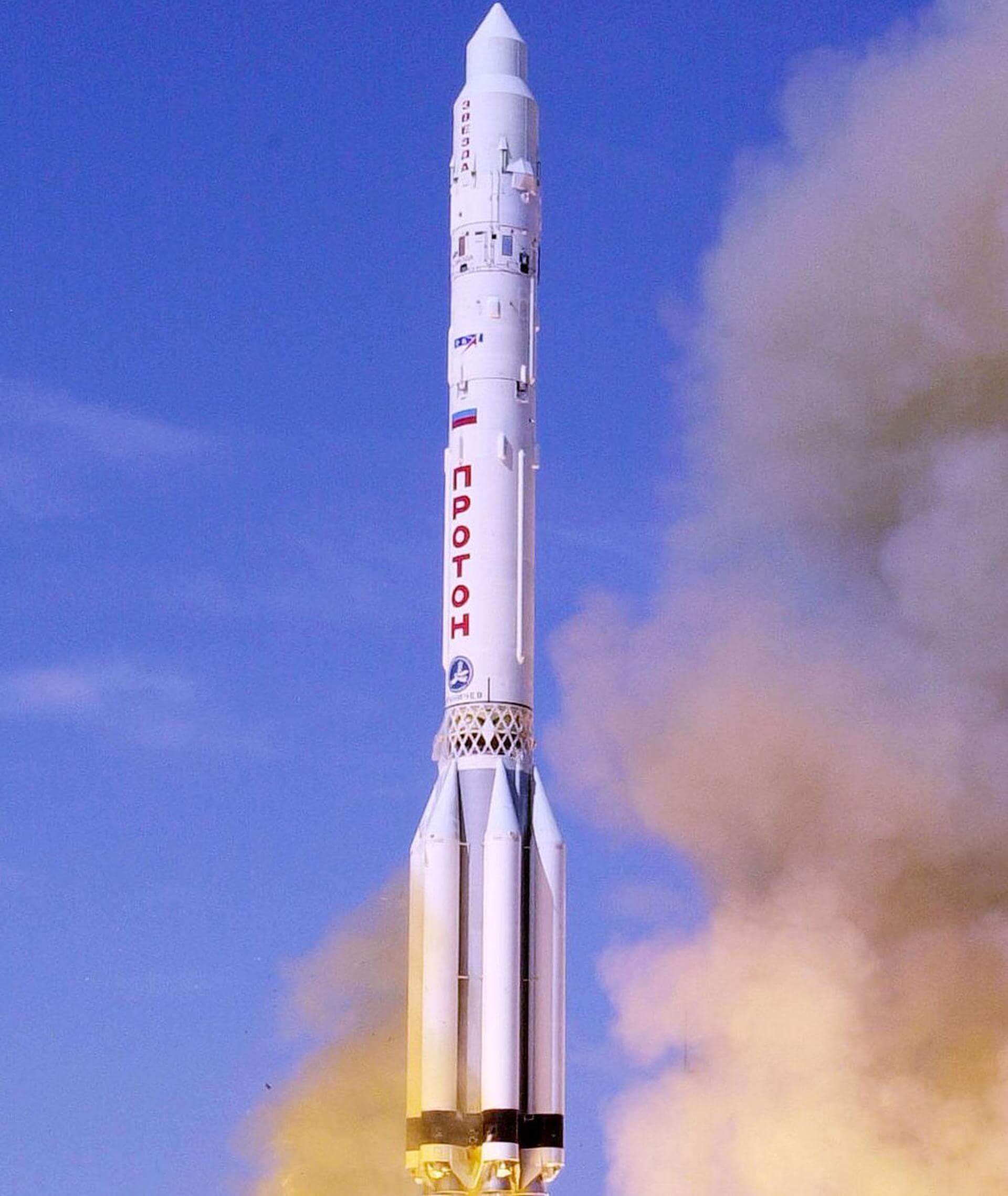
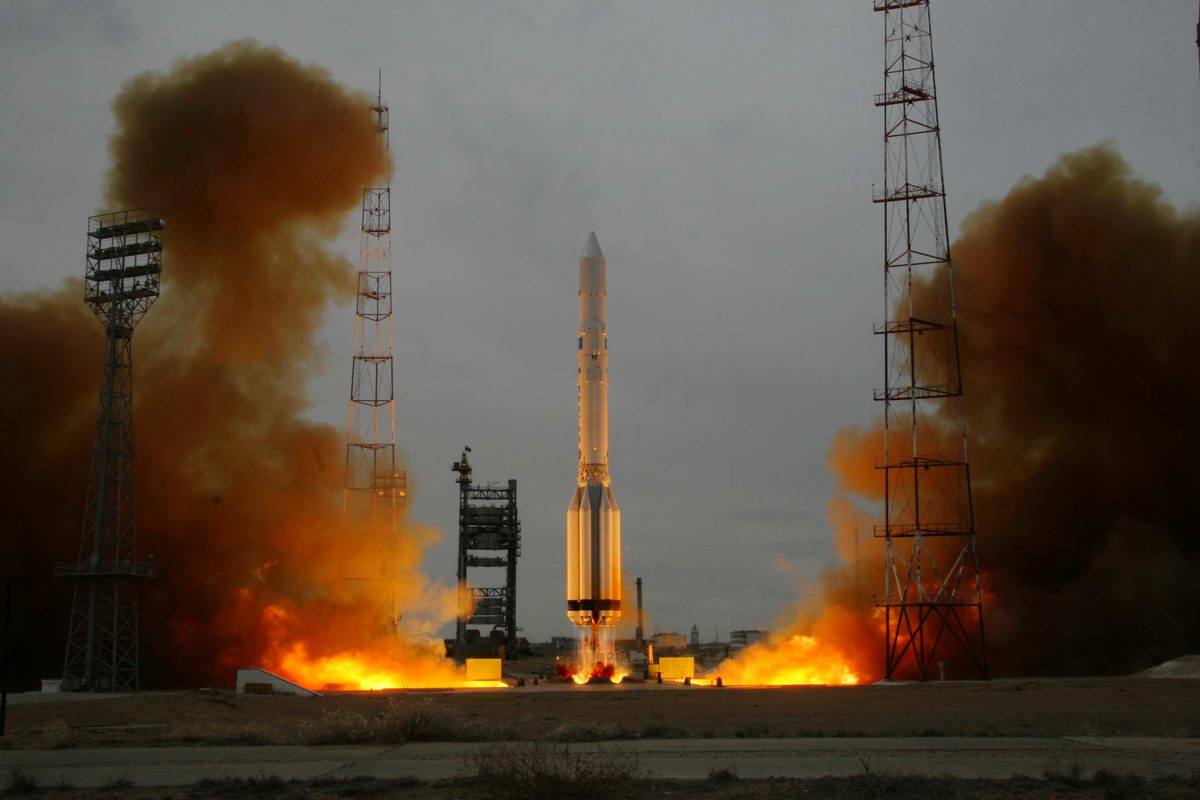
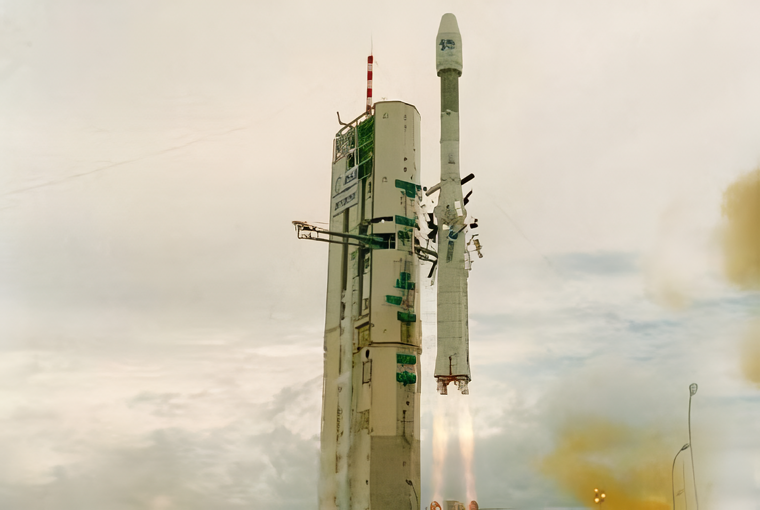
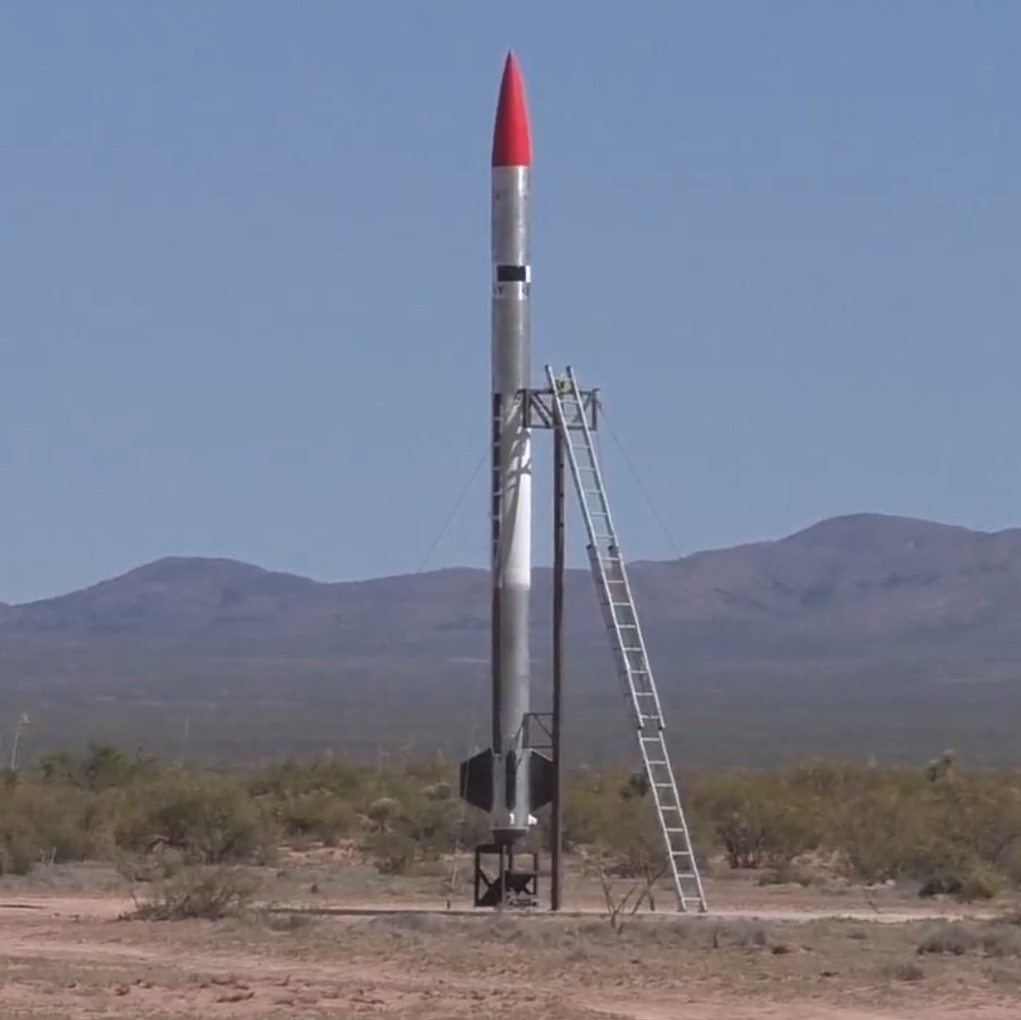
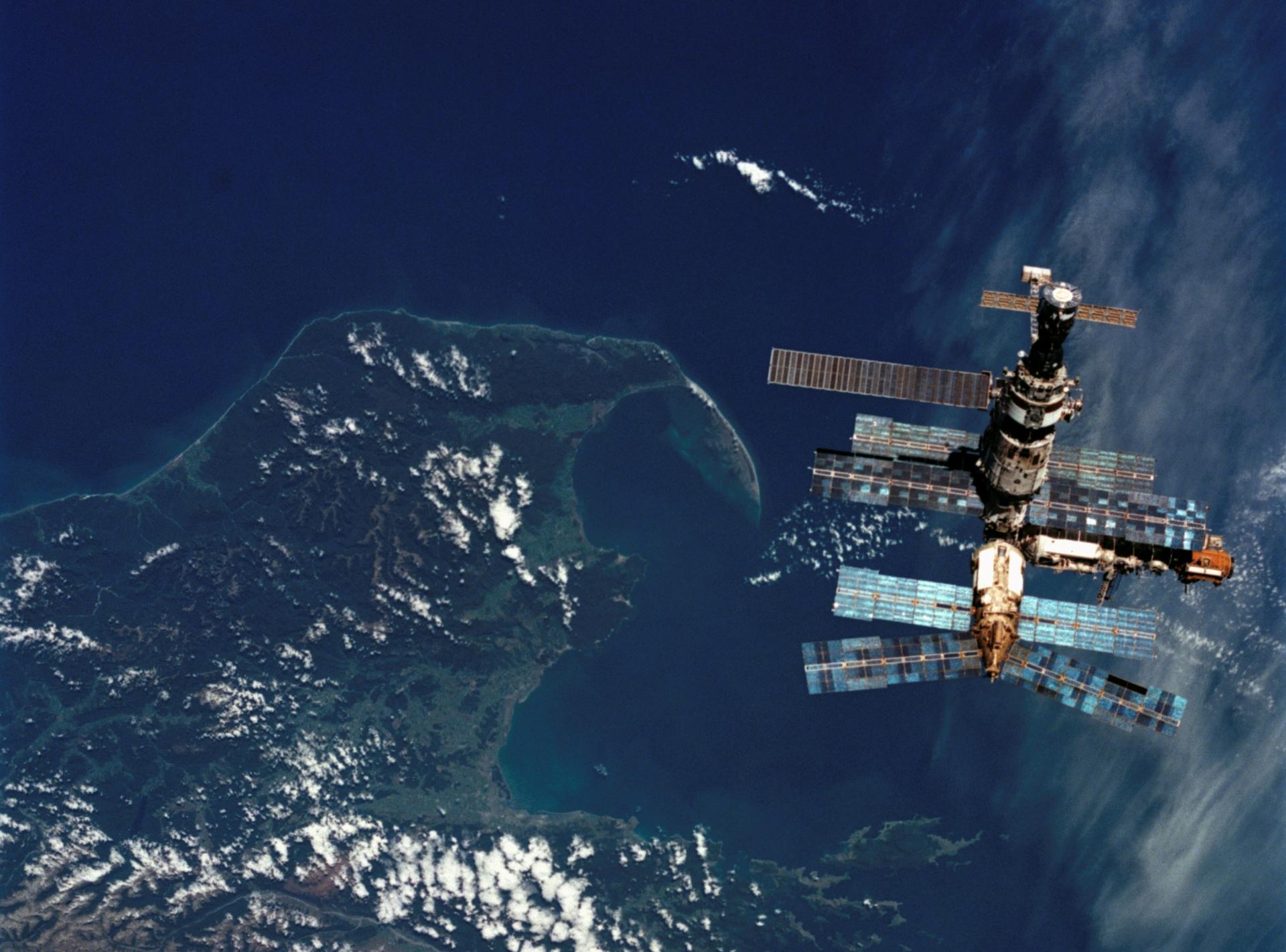
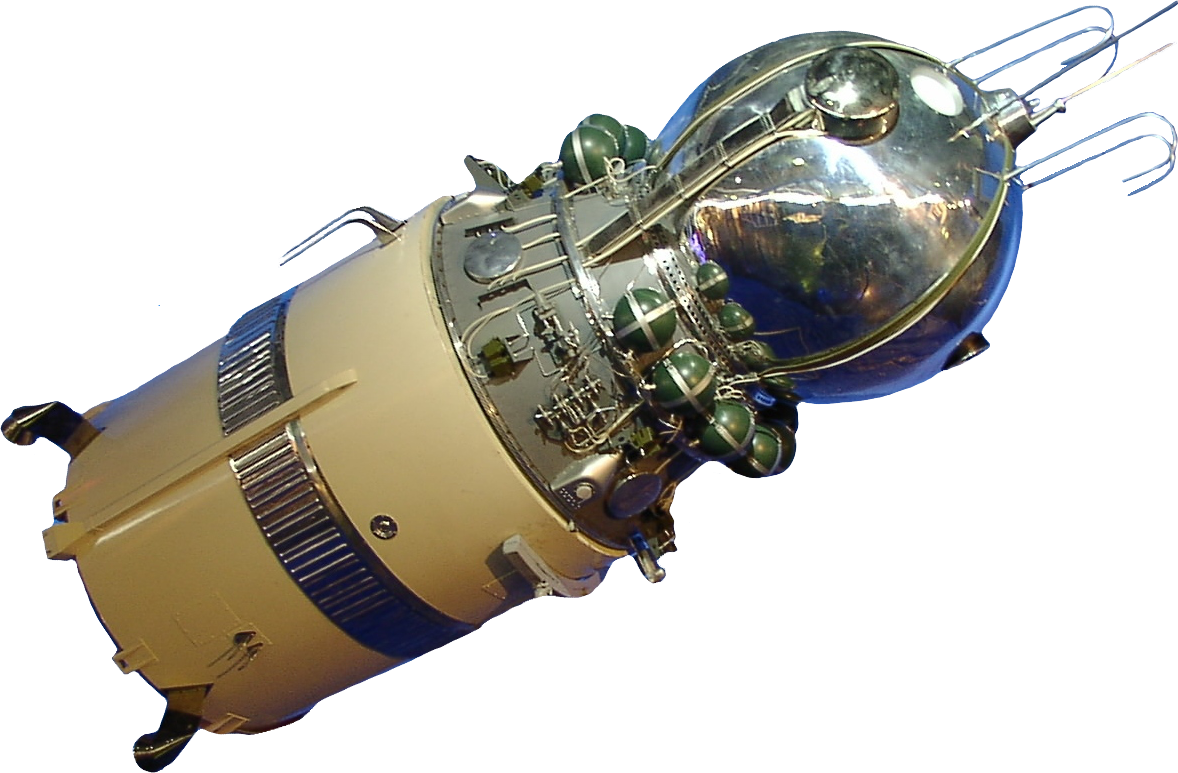
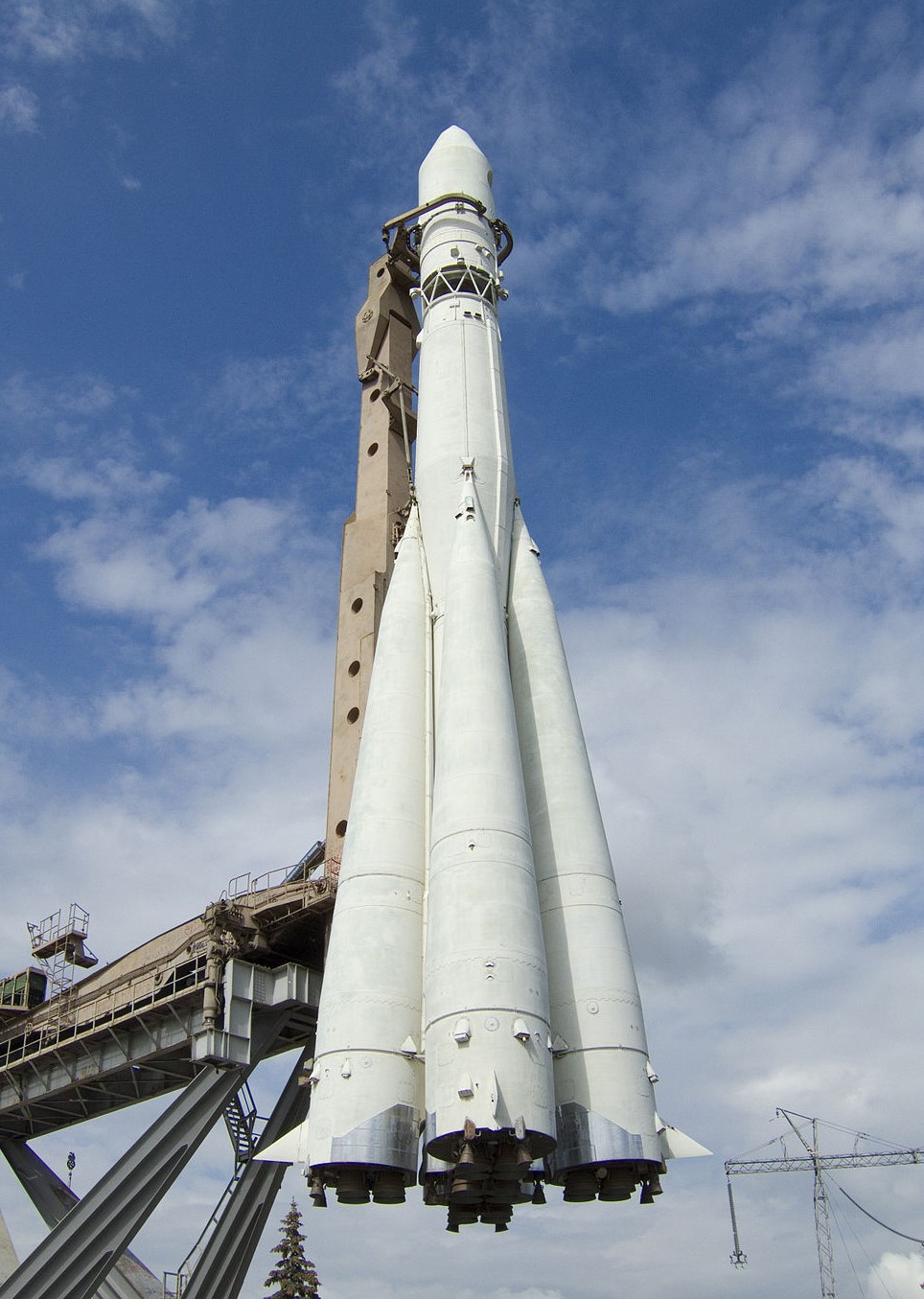
{ "count": 530, "next": "https://lldev.thespacedevs.com/2.2.0/config/launcher/?format=api&limit=10&offset=70&ordering=pending_launches", "previous": "https://lldev.thespacedevs.com/2.2.0/config/launcher/?format=api&limit=10&offset=50&ordering=pending_launches", "results": [ { "id": 318, "url": "https://lldev.thespacedevs.com/2.2.0/config/launcher/318/?format=api", "name": "Feng Bao 1", "manufacturer": { "id": 88, "url": "https://lldev.thespacedevs.com/2.2.0/agencies/88/?format=api", "name": "China Aerospace Science and Technology Corporation", "featured": true, "type": "Government", "country_code": "CHN", "abbrev": "CASC", "description": "The China Aerospace Science and Technology Corporation (CASC) is the main contractor for the Chinese space program. It is state-owned and has a number of subordinate entities which design, develop and manufacture a range of spacecraft, launch vehicles, strategic and tactical missile systems, and ground equipment. It was officially established in July 1999 as part of a Chinese government reform drive, having previously been one part of the former China Aerospace Corporation. Various incarnations of the program date back to 1956.", "administrator": "Chairman & President: Lei Fanpei", "founding_year": "1999", "launchers": "Long March", "spacecraft": "", "parent": null, "image_url": "https://thespacedevs-dev.nyc3.digitaloceanspaces.com/media/images/china2520aerospace2520science2520and2520technology2520corporation_image_20191228094408.jpeg", "logo_url": "https://thespacedevs-dev.nyc3.digitaloceanspaces.com/media/images/china2520aerospace2520science2520and2520technology2520corporation_logo_20220826093937.png" }, "program": [], "family": "", "full_name": "Feng Bao 1", "variant": "1", "reusable": false, "image_url": null, "info_url": null, "wiki_url": "https://en.wikipedia.org/wiki/Feng_Bao_1" }, { "id": 483, "url": "https://lldev.thespacedevs.com/2.2.0/config/launcher/483/?format=api", "name": "Kinetica 1", "manufacturer": { "id": 1040, "url": "https://lldev.thespacedevs.com/2.2.0/agencies/1040/?format=api", "name": "CAS Space", "featured": false, "type": "Commercial", "country_code": "CHN", "abbrev": "CAS", "description": "CAS Space is a spin-off company from the Chinese Academy of Sciences (CAS) that is operating and plans to operate various launch vehicles of the Zhongke series.", "administrator": null, "founding_year": "2018", "launchers": "Zhongke", "spacecraft": "", "parent": null, "image_url": null, "logo_url": "https://thespacedevs-dev.nyc3.digitaloceanspaces.com/media/images/cas2520space_logo_20220727081352.png" }, "program": [], "family": "", "full_name": "Kinetica 1", "variant": "", "reusable": false, "image_url": "https://thespacedevs-dev.nyc3.digitaloceanspaces.com/media/images/zhongke-1a_image_20220912002218.png", "info_url": "https://en.cas-space.com/index/index/technology", "wiki_url": null }, { "id": 63, "url": "https://lldev.thespacedevs.com/2.2.0/config/launcher/63/?format=api", "name": "Antares 120", "manufacturer": { "id": 100, "url": "https://lldev.thespacedevs.com/2.2.0/agencies/100/?format=api", "name": "Orbital Sciences Corporation", "featured": false, "type": "Commercial", "country_code": "USA", "abbrev": "OSC", "description": "", "administrator": null, "founding_year": null, "launchers": "", "spacecraft": "", "parent": null, "image_url": null, "logo_url": "https://thespacedevs-dev.nyc3.digitaloceanspaces.com/media/images/orbital_science_image_20251120065555.png" }, "program": [ { "id": 11, "url": "https://lldev.thespacedevs.com/2.2.0/program/11/?format=api", "name": "Commercial Resupply Services", "description": "Commercial Resupply Services (CRS) are a series of flights awarded by NASA for the delivery of cargo and supplies to the International Space Station.The first CRS contracts were signed in 2008 and awarded $1.6 billion to SpaceX for twelve cargo Dragon and $1.9 billion to Orbital Sciences for eight Cygnus flights, covering deliveries to 2016. The Falcon 9 and Antares rockets were also developed under the CRS program to deliver cargo spacecraft to the ISS.", "agencies": [ { "id": 44, "url": "https://lldev.thespacedevs.com/2.2.0/agencies/44/?format=api", "name": "National Aeronautics and Space Administration", "type": "Government" }, { "id": 257, "url": "https://lldev.thespacedevs.com/2.2.0/agencies/257/?format=api", "name": "Northrop Grumman Space Systems", "type": "Commercial" }, { "id": 1020, "url": "https://lldev.thespacedevs.com/2.2.0/agencies/1020/?format=api", "name": "Sierra Nevada Corporation", "type": "Commercial" }, { "id": 121, "url": "https://lldev.thespacedevs.com/2.2.0/agencies/121/?format=api", "name": "SpaceX", "type": "Commercial" } ], "image_url": "https://thespacedevs-dev.nyc3.digitaloceanspaces.com/media/images/commercial2520_program_20201129212219.png", "start_date": "2008-12-23T00:00:00Z", "end_date": null, "info_url": null, "wiki_url": "https://en.wikipedia.org/wiki/Commercial_Resupply_Services#Commercial_Resupply_Services", "mission_patches": [], "type": { "id": 2, "name": "Human Spaceflight" } } ], "family": "Antares", "full_name": "Antares 120", "variant": "120", "reusable": false, "image_url": "https://thespacedevs-dev.nyc3.digitaloceanspaces.com/media/images/antares_image_20190704015241.jpeg", "info_url": "http://www.northropgrumman.com/Capabilities/Antares/Pages/default.aspx", "wiki_url": "https://en.wikipedia.org/wiki/Antares_(rocket)#Antares_100" }, { "id": 346, "url": "https://lldev.thespacedevs.com/2.2.0/config/launcher/346/?format=api", "name": "Proton-K/Briz-M", "manufacturer": { "id": 96, "url": "https://lldev.thespacedevs.com/2.2.0/agencies/96/?format=api", "name": "Khrunichev State Research and Production Space Center", "featured": true, "type": "Government", "country_code": "RUS", "abbrev": "KhSC", "description": "Khrunichev State Research and Production Space Center is a Moscow-based producer of spacecraft and space-launch systems, including the Proton and Rokot rockets and is currently developing the Angara rocket family. The Proton launch vehicle launches from Baikonur and Rokot launches from Baikonur and Plesetsk. Angara will launch from Plesetsk and Vostochny.", "administrator": "Director: Andrey Vladimirovich Kalinovskiy", "founding_year": "1916", "launchers": "Proton | Rokot", "spacecraft": "", "parent": null, "image_url": "https://thespacedevs-dev.nyc3.digitaloceanspaces.com/media/images/khrunichev2520state2520research2520and2520production2520space2520center_image_20190207032444.jpeg", "logo_url": "https://thespacedevs-dev.nyc3.digitaloceanspaces.com/media/images/khrunichev2520state2520research2520and2520production2520space2520center_logo_20190207032444.png" }, "program": [], "family": "Proton / UR-500", "full_name": "Proton-K/Briz-M", "variant": "Briz-M", "reusable": false, "image_url": "https://thespacedevs-dev.nyc3.digitaloceanspaces.com/media/images/proton_image_20231231095535.jpg", "info_url": null, "wiki_url": "https://en.wikipedia.org/wiki/Proton-K" }, { "id": 222, "url": "https://lldev.thespacedevs.com/2.2.0/config/launcher/222/?format=api", "name": "Ariane 40", "manufacturer": { "id": 1003, "url": "https://lldev.thespacedevs.com/2.2.0/agencies/1003/?format=api", "name": "Aérospatiale", "featured": false, "type": "Government", "country_code": "FRA", "abbrev": "", "description": "Aérospatiale was a French state-owned aerospace manufacturer that built both civilian and military aircraft, rockets and satellites. It was originally known as Société nationale industrielle aérospatiale (SNIAS). Its head office was in the 16th arrondissement of Paris. The name was changed to Aérospatiale during 1970.", "administrator": null, "founding_year": "1970", "launchers": "", "spacecraft": "", "parent": null, "image_url": null, "logo_url": null }, "program": [], "family": "Ariane", "full_name": "Ariane 40", "variant": "40", "reusable": false, "image_url": "https://thespacedevs-dev.nyc3.digitaloceanspaces.com/media/images/ariane_40_at_el_image_20240401084332.png", "info_url": null, "wiki_url": "https://en.wikipedia.org/wiki/Ariane_4" }, { "id": 197, "url": "https://lldev.thespacedevs.com/2.2.0/config/launcher/197/?format=api", "name": "SARGE", "manufacturer": { "id": 1001, "url": "https://lldev.thespacedevs.com/2.2.0/agencies/1001/?format=api", "name": "EXOS Aerospace", "featured": false, "type": "Commercial", "country_code": "USA", "abbrev": "EXOS", "description": "Exos Aerospace Systems & Technologies is an aerospace manufacturer and developer of reusable launch systems intended to support unmanned orbital spaceflight launches, and is based in Caddo Mills, Texas.", "administrator": "President: David Mitchell", "founding_year": "2014", "launchers": "", "spacecraft": "", "parent": null, "image_url": "https://thespacedevs-dev.nyc3.digitaloceanspaces.com/media/images/exos2520aerospace_image_20190629155318.jpg", "logo_url": "https://thespacedevs-dev.nyc3.digitaloceanspaces.com/media/images/exos2520aerospace_logo_20190629155319.png" }, "program": [], "family": "", "full_name": "SARGE", "variant": "", "reusable": true, "image_url": "https://thespacedevs-dev.nyc3.digitaloceanspaces.com/media/images/sarge_image_20191026175316.jpg", "info_url": null, "wiki_url": "https://en.wikipedia.org/wiki/Exos_Aerospace#SARGE" }, { "id": 103, "url": "https://lldev.thespacedevs.com/2.2.0/config/launcher/103/?format=api", "name": "Vostok", "manufacturer": { "id": 66, "url": "https://lldev.thespacedevs.com/2.2.0/agencies/66/?format=api", "name": "Soviet Space Program", "featured": false, "type": "Government", "country_code": "RUS", "abbrev": "CCCP", "description": "The Soviet space program, was the national space program of the Union of Soviet Socialist Republics (USSR) actived from 1930s until disintegration of the Soviet Union in 1991.\r\n\r\nThe Soviet Union's space program was mainly based on the cosmonautic exploration of space and the development of the expandable launch vehicles, which had been split between many design bureaus competing against each other. Over its 60-years of history, the Russian program was responsible for a number of pioneering feats and accomplishments in the human space flight, including the first intercontinental ballistic missile (R-7), first satellite (Sputnik 1), first animal in Earth orbit (the dog Laika on Sputnik 2), first human in space and Earth orbit (cosmonaut Yuri Gagarin on Vostok 1), first woman in space and Earth orbit (cosmonaut Valentina Tereshkova on Vostok 6), first spacewalk (cosmonaut Alexei Leonov on Voskhod 2), first Moon impact (Luna 2), first image of the far side of the Moon (Luna 3) and unmanned lunar soft landing (Luna 9), first space rover (Lunokhod 1), first sample of lunar soil automatically extracted and brought to Earth (Luna 16), and first space station (Salyut 1). Further notable records included the first interplanetary probes: Venera 1 and Mars 1 to fly by Venus and Mars, respectively, Venera 3 and Mars 2 to impact the respective planet surface, and Venera 7 and Mars 3 to make soft landings on these planets.", "administrator": null, "founding_year": "1931", "launchers": "", "spacecraft": "", "parent": null, "image_url": "https://thespacedevs-dev.nyc3.digitaloceanspaces.com/media/images/soviet2520space2520program_image_20191229081306.jpeg", "logo_url": "https://thespacedevs-dev.nyc3.digitaloceanspaces.com/media/images/soviet2520space2520program_logo_20191229081307.png" }, "program": [ { "id": 9, "url": "https://lldev.thespacedevs.com/2.2.0/program/9/?format=api", "name": "Vostok", "description": "The Vostok programme was a Soviet human spaceflight project to put the first Soviet citizens into low Earth orbit and return them safely. Competing with the United States Project Mercury, it succeeded in placing the first human into space, Yuri Gagarin, in a single orbit in Vostok 1 on April 12, 1961.", "agencies": [ { "id": 66, "url": "https://lldev.thespacedevs.com/2.2.0/agencies/66/?format=api", "name": "Soviet Space Program", "type": "Government" } ], "image_url": "https://thespacedevs-dev.nyc3.digitaloceanspaces.com/media/images/vostok_program_20210417063956.png", "start_date": "1961-04-12T06:07:00Z", "end_date": "1963-06-19T08:20:00Z", "info_url": null, "wiki_url": "https://en.wikipedia.org/wiki/Vostok_programme", "mission_patches": [], "type": { "id": 2, "name": "Human Spaceflight" } } ], "family": "R-7", "full_name": "Vostok-K", "variant": "K", "reusable": false, "image_url": "https://thespacedevs-dev.nyc3.digitaloceanspaces.com/media/images/vostok_image_20191104130128.jpg", "info_url": null, "wiki_url": "https://en.wikipedia.org/wiki/Vostok-K" }, { "id": 438, "url": "https://lldev.thespacedevs.com/2.2.0/config/launcher/438/?format=api", "name": "Titan IIIB", "manufacturer": { "id": 82, "url": "https://lldev.thespacedevs.com/2.2.0/agencies/82/?format=api", "name": "Lockheed Martin", "featured": false, "type": "Commercial", "country_code": "USA", "abbrev": "LMT", "description": "Lockheed Martin's Space Division started in the production of missiles and later ICBM's in the 1950s. Their TITAN missile system was used for 12 Gemini spacecraft and the Voyager probes. They have worked largely in collaboration with NASA on many of their probes, landers, and spacecraft, and hope to play a key role in NASA's return to the moon in 2024.", "administrator": null, "founding_year": "1953", "launchers": "Titan | Agena", "spacecraft": "Hubble | JUNO | InSight", "parent": null, "image_url": null, "logo_url": null }, "program": [], "family": "Titan", "full_name": "Titan IIIB", "variant": "IIIB", "reusable": false, "image_url": "https://thespacedevs-dev.nyc3.digitaloceanspaces.com/media/images/titan_iiib_image_20251204210122.jpg", "info_url": null, "wiki_url": "https://en.wikipedia.org/wiki/Titan_IIIB" }, { "id": 292, "url": "https://lldev.thespacedevs.com/2.2.0/config/launcher/292/?format=api", "name": "Delta 3920", "manufacturer": { "id": 153, "url": "https://lldev.thespacedevs.com/2.2.0/agencies/153/?format=api", "name": "McDonnell Douglas", "featured": false, "type": "Commercial", "country_code": "USA", "abbrev": "MDC", "description": null, "administrator": null, "founding_year": null, "launchers": "", "spacecraft": "", "parent": null, "image_url": null, "logo_url": null }, "program": [], "family": "Delta", "full_name": "Delta 3920", "variant": "3920", "reusable": false, "image_url": "https://thespacedevs-dev.nyc3.digitaloceanspaces.com/media/images/delta_3910_image_20231231105538.jpeg", "info_url": null, "wiki_url": "https://en.wikipedia.org/wiki/Delta_3000" }, { "id": 423, "url": "https://lldev.thespacedevs.com/2.2.0/config/launcher/423/?format=api", "name": "Titan 34B", "manufacturer": { "id": 82, "url": "https://lldev.thespacedevs.com/2.2.0/agencies/82/?format=api", "name": "Lockheed Martin", "featured": false, "type": "Commercial", "country_code": "USA", "abbrev": "LMT", "description": "Lockheed Martin's Space Division started in the production of missiles and later ICBM's in the 1950s. Their TITAN missile system was used for 12 Gemini spacecraft and the Voyager probes. They have worked largely in collaboration with NASA on many of their probes, landers, and spacecraft, and hope to play a key role in NASA's return to the moon in 2024.", "administrator": null, "founding_year": "1953", "launchers": "Titan | Agena", "spacecraft": "Hubble | JUNO | InSight", "parent": null, "image_url": null, "logo_url": null }, "program": [], "family": "Titan", "full_name": "Titan 34B", "variant": "34B", "reusable": false, "image_url": null, "info_url": null, "wiki_url": "https://en.wikipedia.org/wiki/Titan_IIIB" } ] }