Astronaut List
API endpoint that allows Astronaut to be viewed.
GET: Return a list of all the existing astronauts.
MODE: Normal, List, LaunchList and Detailed /2.2.0/astronaut/?mode=detailed
FILTERS: Parameters - 'name', 'status', 'nationality', 'agency__name', 'agency__abbrev', 'date_of_birth', 'date_of_death', 'status_ids', 'is_human', 'type__id', 'has_flown', 'in_space' Example - /2.2.0/astronaut/?nationality=American
SEARCH EXAMPLE: /2.2.0/astronaut/?search=armstrong Searches through name, nationality and agency name
ORDERING: Fields - 'name', 'status', 'date_of_birth' Example - /2.2.0/astronaut/?order=name
GET /2.2.0/astronaut/?format=api&offset=860
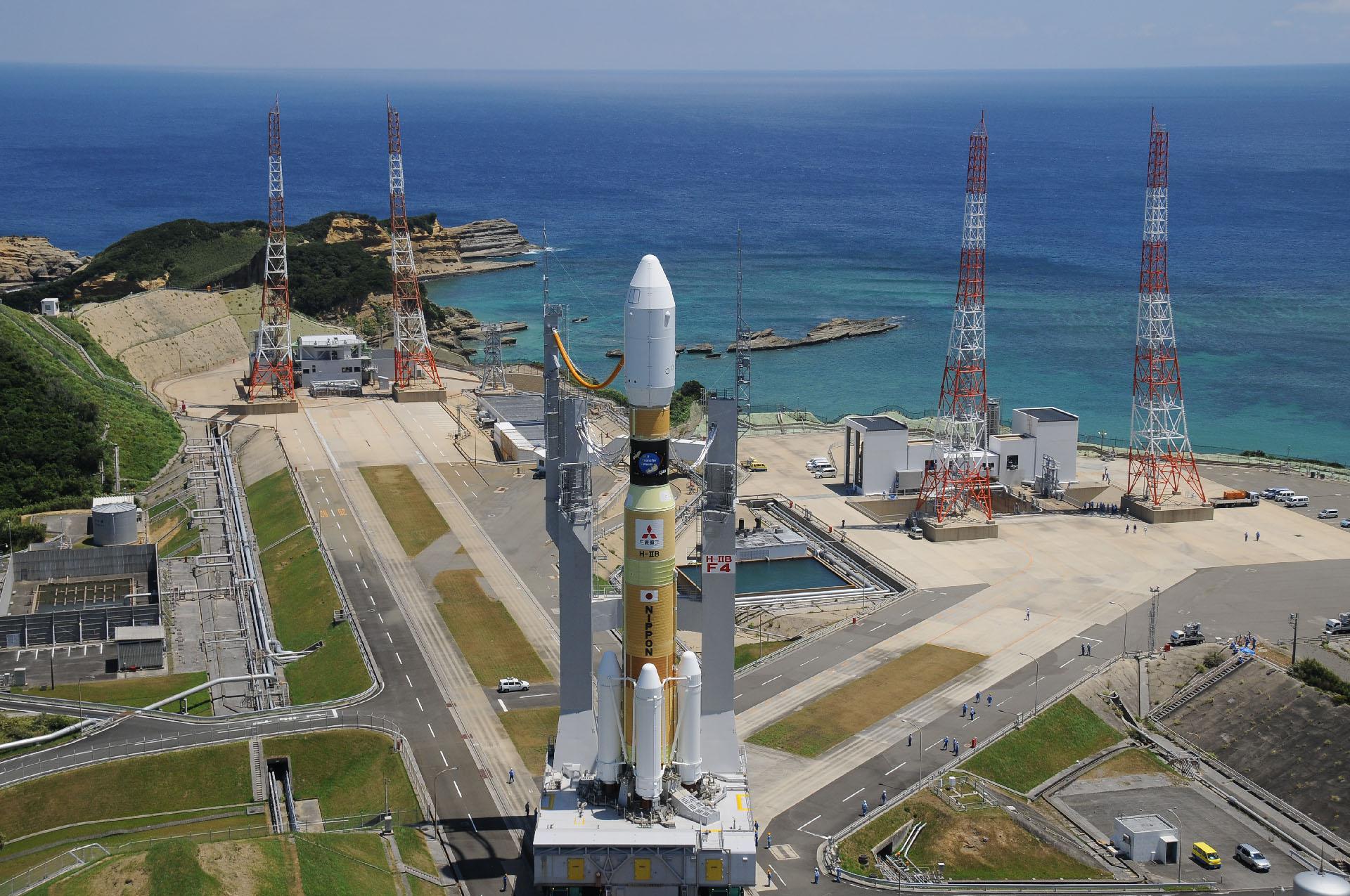
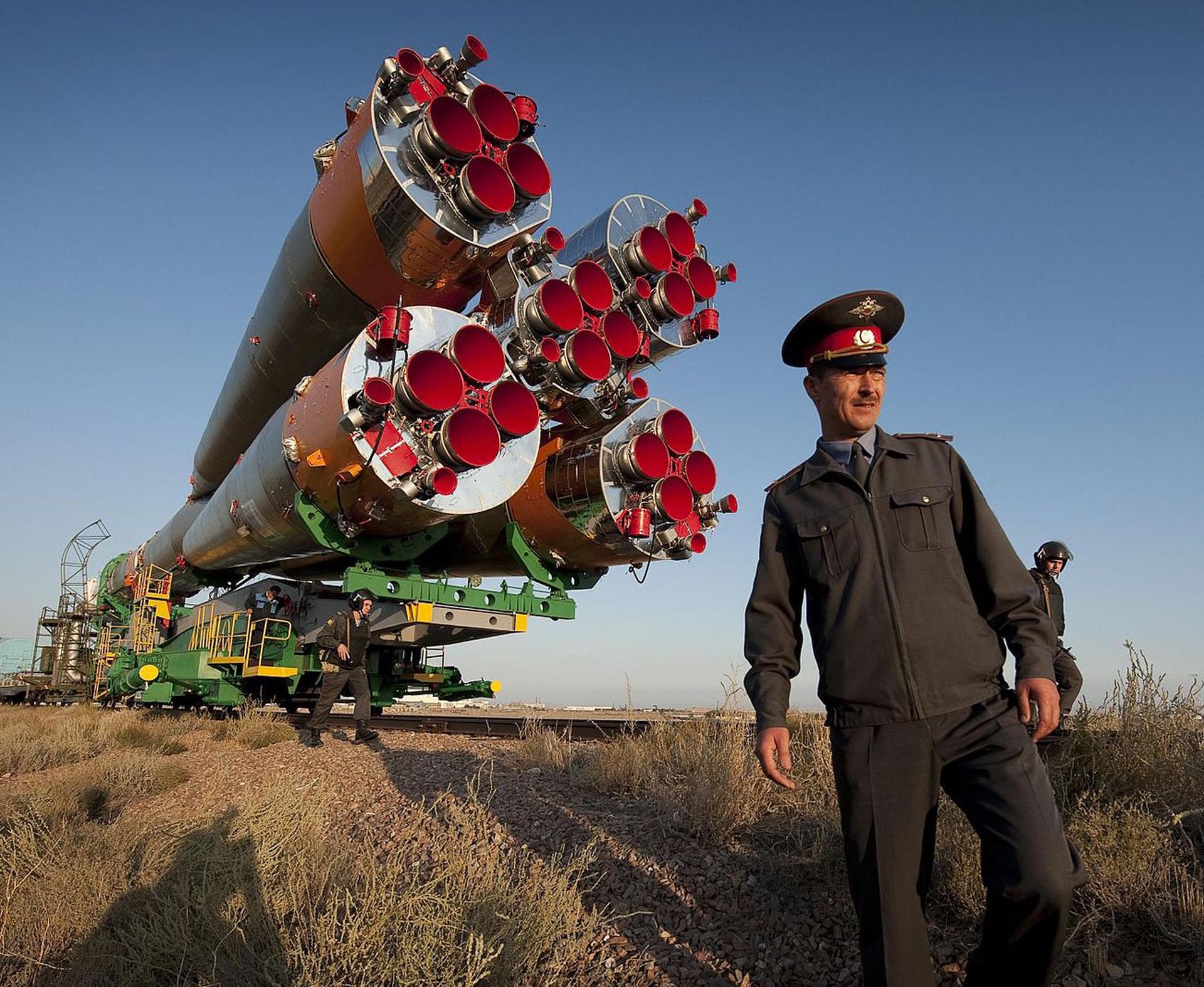
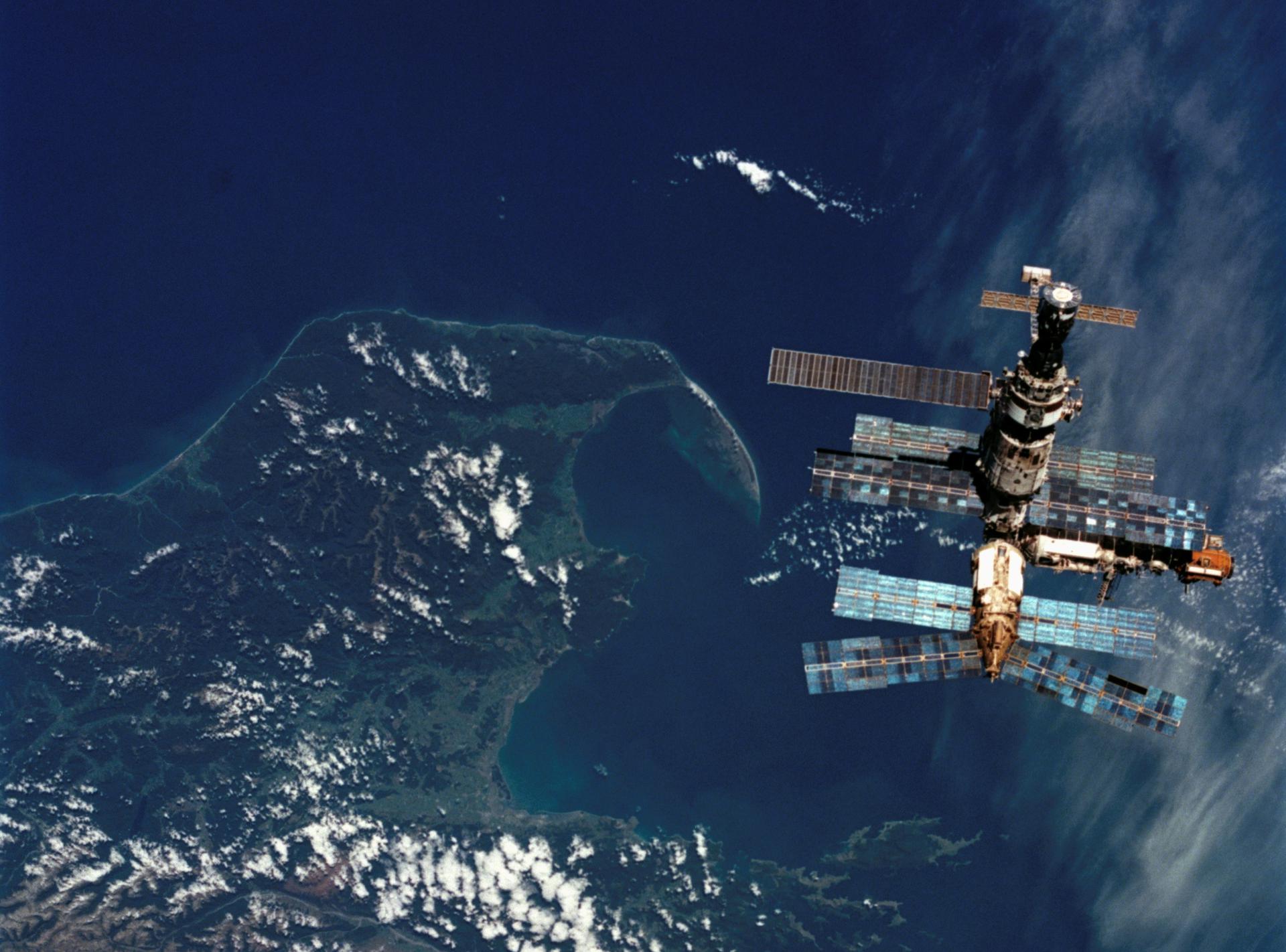
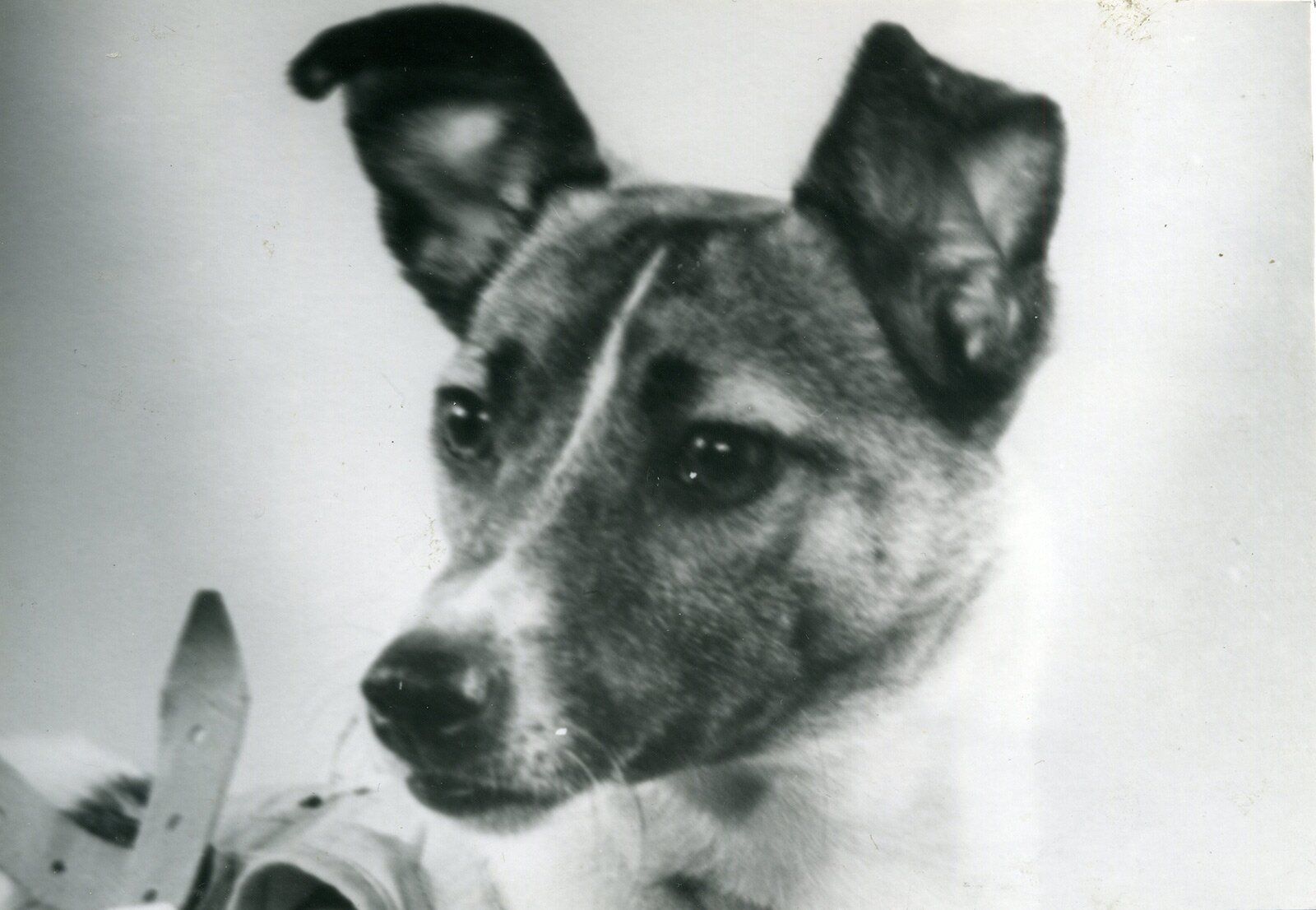
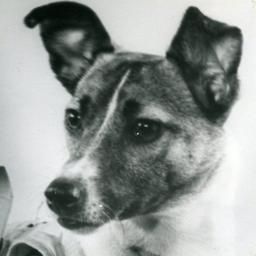
{ "count": 863, "next": null, "previous": "https://lldev.thespacedevs.com/2.2.0/astronaut/?format=api&limit=10&offset=850", "results": [ { "id": 922, "url": "https://lldev.thespacedevs.com/2.2.0/astronaut/922/?format=api", "name": "Ayu Yoneda", "status": { "id": 1, "name": "Active" }, "type": { "id": 2, "name": "Government" }, "in_space": false, "time_in_space": "P0D", "eva_time": "P0D", "age": 31, "date_of_birth": "1995-01-01", "date_of_death": null, "nationality": "Japanese", "bio": "Ayu Yoneda is a Japanese doctor and JAXA astronaut. She was selected as an astronaut candidate in 2023.\r\n\r\nYoneda previously worked at the University of Tokyo Hospital and the Japanese Red Cross Medical Center. Yoneda holds a Doctor of Medicine from the University of Tokyo and completed basic training to become certified as an astronaut in 2024.", "twitter": null, "instagram": null, "wiki": null, "agency": { "id": 37, "url": "https://lldev.thespacedevs.com/2.2.0/agencies/37/?format=api", "name": "Japan Aerospace Exploration Agency", "featured": true, "type": "Government", "country_code": "JPN", "abbrev": "JAXA", "description": "The Japan Aerospace Exploration Agency (JAXA) is Japan's national aero-space agency. Through the merger of three previously independent organizations, JAXA was formed on 1 October 2003. JAXA is responsible for research, technology development and the launch of satellites into orbit, and is involved in many more advanced missions, such as asteroid exploration and possible manned exploration of the Moon. JAXA launch their Epsilon vehicle from the Uchinoura Space Center and their H-II vehicles from the Tanegashima Space Center.", "administrator": "Administrator: Hiroshi Yamakawa", "founding_year": "2003", "launchers": "H-II", "spacecraft": "", "parent": null, "image_url": "https://thespacedevs-dev.nyc3.digitaloceanspaces.com/media/images/japan2520aerospace2520exploration2520agency_image_20190207032440.jpeg", "logo_url": "https://thespacedevs-dev.nyc3.digitaloceanspaces.com/media/images/japan2520aerospace2520exploration2520agency_logo_20190207032440.png" }, "profile_image": "https://thespacedevs-dev.nyc3.digitaloceanspaces.com/media/images/ayu_yoneda_offi_image_20260925013328.jpg", "profile_image_thumbnail": "https://thespacedevs-dev.nyc3.digitaloceanspaces.com/media/images/ayu_yoneda_offi_image_thumbnail_20260925013328.jpeg", "flights_count": 0, "landings_count": 0, "spacewalks_count": 0, "last_flight": null, "first_flight": null }, { "id": 923, "url": "https://lldev.thespacedevs.com/2.2.0/astronaut/923/?format=api", "name": "Arutyun Kiviryan", "status": { "id": 1, "name": "Active" }, "type": { "id": 2, "name": "Government" }, "in_space": false, "time_in_space": "P0D", "eva_time": "P0D", "age": 33, "date_of_birth": "1993-08-23", "date_of_death": null, "nationality": "Russian", "bio": "Arutyun Kiviryan graduated from Saint Petersburg Suvorov Military School in 2010 and later studied at the Baltic State Technical University. He graduated in 2015 as an engineer specializing in rocket science and completed training in the operation of computer-controlled machines. Kiviryan was selected for the Gagarin Research and Test Cosmonaut Training Center Cosmonaut Corps in 2021 and has served as a test cosmonaut since 2023.", "twitter": null, "instagram": null, "wiki": null, "agency": { "id": 63, "url": "https://lldev.thespacedevs.com/2.2.0/agencies/63/?format=api", "name": "Russian Federal Space Agency (ROSCOSMOS)", "featured": true, "type": "Government", "country_code": "RUS", "abbrev": "RFSA", "description": "The Roscosmos State Corporation for Space Activities, commonly known as Roscosmos, is the governmental body responsible for the space science program of the Russian Federation and general aerospace research. Soyuz has many launch locations the Russian sites are Baikonur, Plesetsk and Vostochny however Ariane also purchases the vehicle and launches it from French Guiana.", "administrator": "Administrator: Yuri Borisov", "founding_year": "1992", "launchers": "Soyuz", "spacecraft": "Soyuz", "parent": null, "image_url": "https://thespacedevs-dev.nyc3.digitaloceanspaces.com/media/images/russian2520federal2520space2520agency25202528roscosmos2529_image_20190207032459.jpeg", "logo_url": "https://thespacedevs-dev.nyc3.digitaloceanspaces.com/media/images/russian2520federal2520space2520agency25202528roscosmos2529_logo_20190207032459.png" }, "profile_image": "https://thespacedevs-dev.nyc3.digitaloceanspaces.com/media/images/arutyun_kivirya_image_20260925013635.jpg", "profile_image_thumbnail": "https://thespacedevs-dev.nyc3.digitaloceanspaces.com/media/images/arutyun_kivirya_image_thumbnail_20260925013636.jpeg", "flights_count": 0, "landings_count": 0, "spacewalks_count": 0, "last_flight": null, "first_flight": null }, { "id": 924, "url": "https://lldev.thespacedevs.com/2.2.0/astronaut/924/?format=api", "name": "Laika", "status": { "id": 11, "name": "Deceased" }, "type": { "id": 6, "name": "Non-Human" }, "in_space": true, "time_in_space": "P25213DT23H19M6S", "eva_time": "P0D", "age": 3, "date_of_birth": "1954-01-01", "date_of_death": "1957-11-03", "nationality": "Russian", "bio": "Laika was a Soviet space dog who was one of the first animals in space and the first to orbit the Earth", "twitter": null, "instagram": null, "wiki": "https://en.wikipedia.org/wiki/Laika", "agency": { "id": 66, "url": "https://lldev.thespacedevs.com/2.2.0/agencies/66/?format=api", "name": "Soviet Space Program", "featured": false, "type": "Government", "country_code": "RUS", "abbrev": "CCCP", "description": "The Soviet space program, was the national space program of the Union of Soviet Socialist Republics (USSR) actived from 1930s until disintegration of the Soviet Union in 1991.\r\n\r\nThe Soviet Union's space program was mainly based on the cosmonautic exploration of space and the development of the expandable launch vehicles, which had been split between many design bureaus competing against each other. Over its 60-years of history, the Russian program was responsible for a number of pioneering feats and accomplishments in the human space flight, including the first intercontinental ballistic missile (R-7), first satellite (Sputnik 1), first animal in Earth orbit (the dog Laika on Sputnik 2), first human in space and Earth orbit (cosmonaut Yuri Gagarin on Vostok 1), first woman in space and Earth orbit (cosmonaut Valentina Tereshkova on Vostok 6), first spacewalk (cosmonaut Alexei Leonov on Voskhod 2), first Moon impact (Luna 2), first image of the far side of the Moon (Luna 3) and unmanned lunar soft landing (Luna 9), first space rover (Lunokhod 1), first sample of lunar soil automatically extracted and brought to Earth (Luna 16), and first space station (Salyut 1). Further notable records included the first interplanetary probes: Venera 1 and Mars 1 to fly by Venus and Mars, respectively, Venera 3 and Mars 2 to impact the respective planet surface, and Venera 7 and Mars 3 to make soft landings on these planets.", "administrator": null, "founding_year": "1931", "launchers": "", "spacecraft": "", "parent": null, "image_url": "https://thespacedevs-dev.nyc3.digitaloceanspaces.com/media/images/soviet2520space2520program_image_20191229081306.jpeg", "logo_url": "https://thespacedevs-dev.nyc3.digitaloceanspaces.com/media/images/soviet2520space2520program_logo_20191229081307.png" }, "profile_image": "https://thespacedevs-dev.nyc3.digitaloceanspaces.com/media/images/laika_image_20261102201324.jpeg", "profile_image_thumbnail": "https://thespacedevs-dev.nyc3.digitaloceanspaces.com/media/images/laika_image_thumbnail_20261102201325.jpeg", "flights_count": 1, "landings_count": 0, "spacewalks_count": 0, "last_flight": "1957-11-03T02:30:00Z", "first_flight": "1957-11-03T02:30:00Z" } ] }