Spacecraft List
API endpoint that allows Spacecrafts to be viewed. A Spacecraft is a physically manufactured instance of a Spacecraft Configuration
GET: Return a list of all the existing spacecraft.
FILTERS: Parameters - 'name', 'status', 'spacecraft_config' Example - /2.0.0/spacecraft/?status=Active
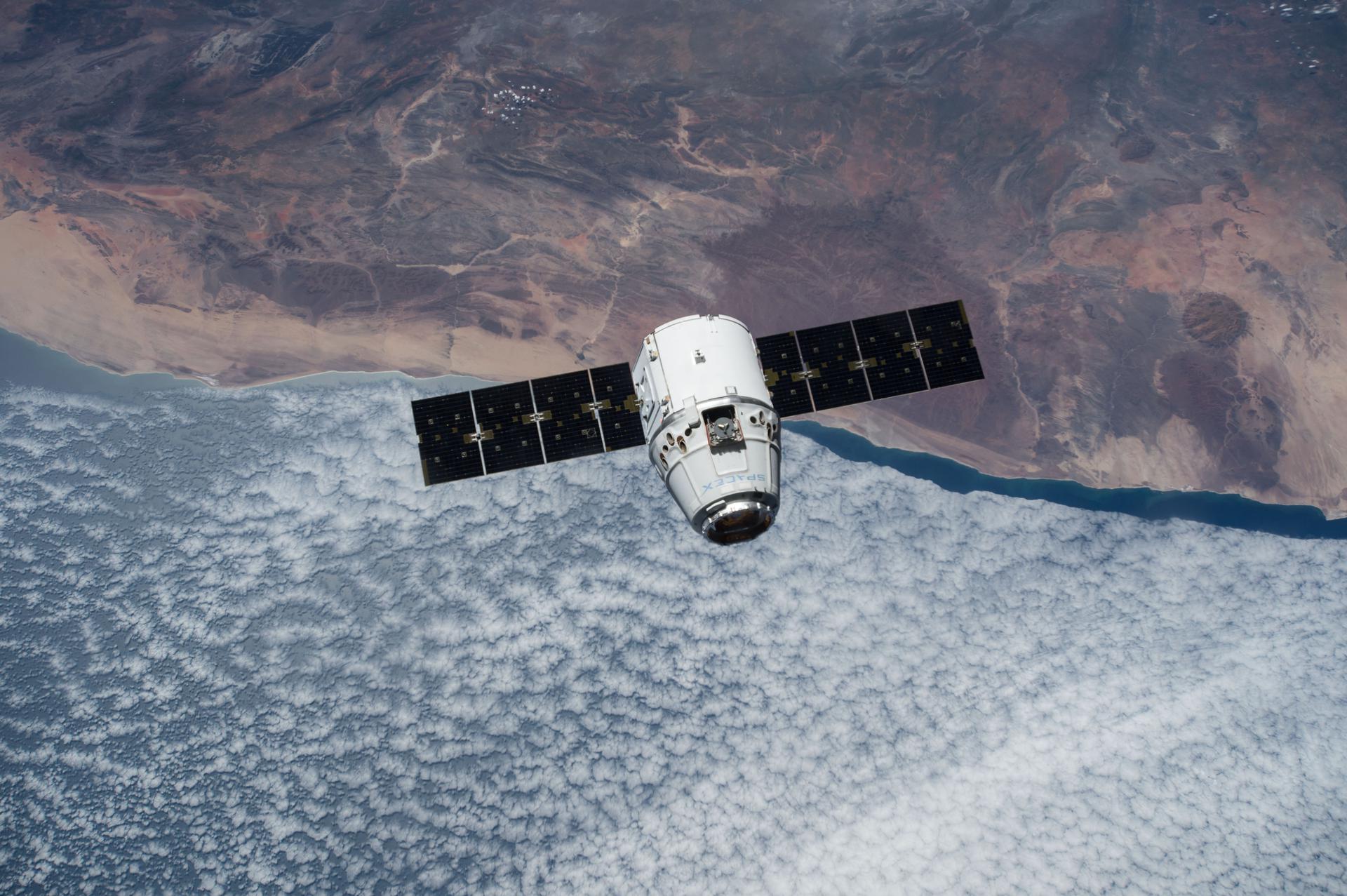
SEARCH EXAMPLE: Example - /2.0.0/spacecraft/?search=Dragon
ORDERING: Fields - 'id' Example - /2.0.0/spacecraft/?order=id
GET /2.0.0/spacecraft/?format=api&offset=230
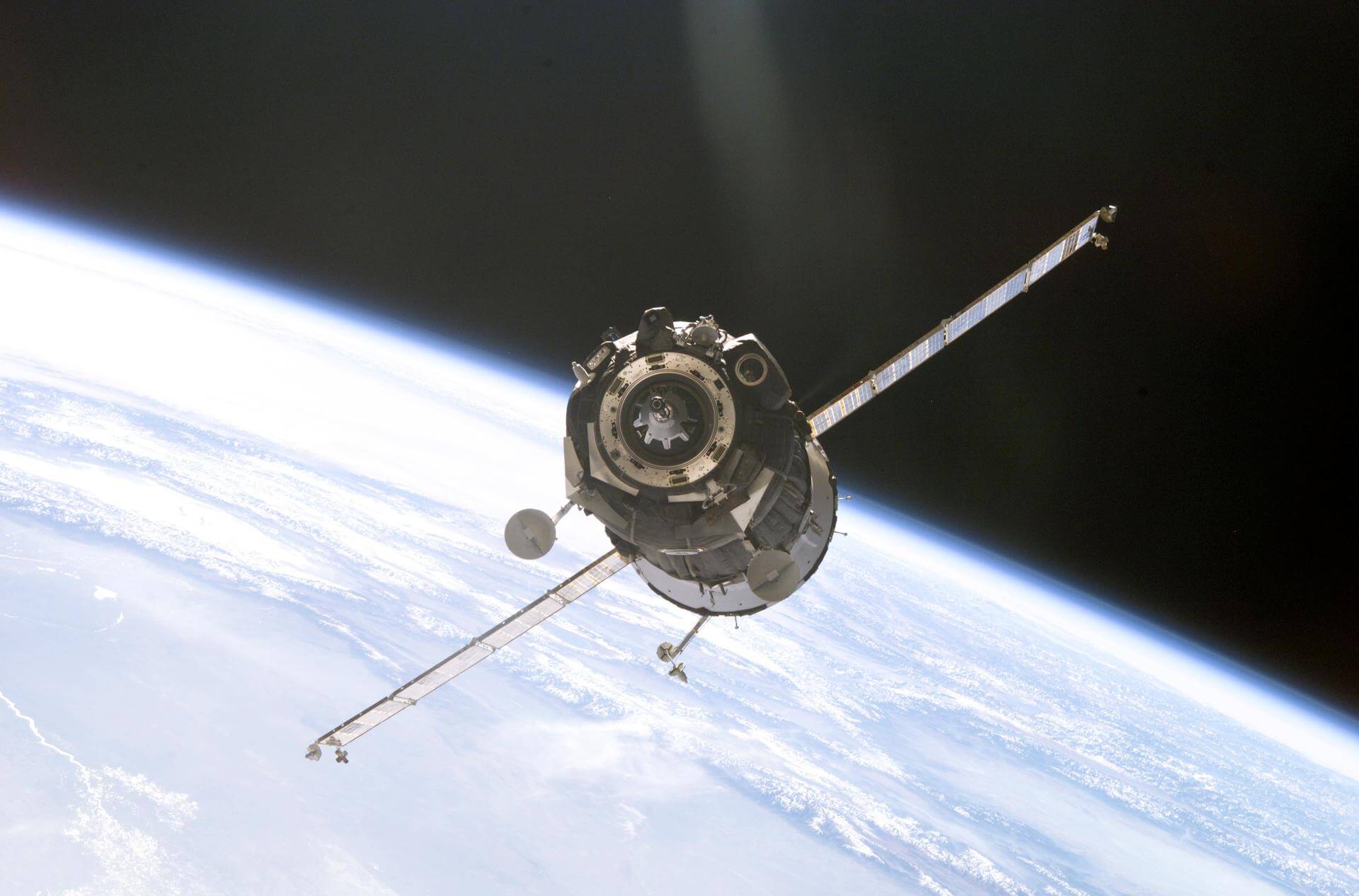
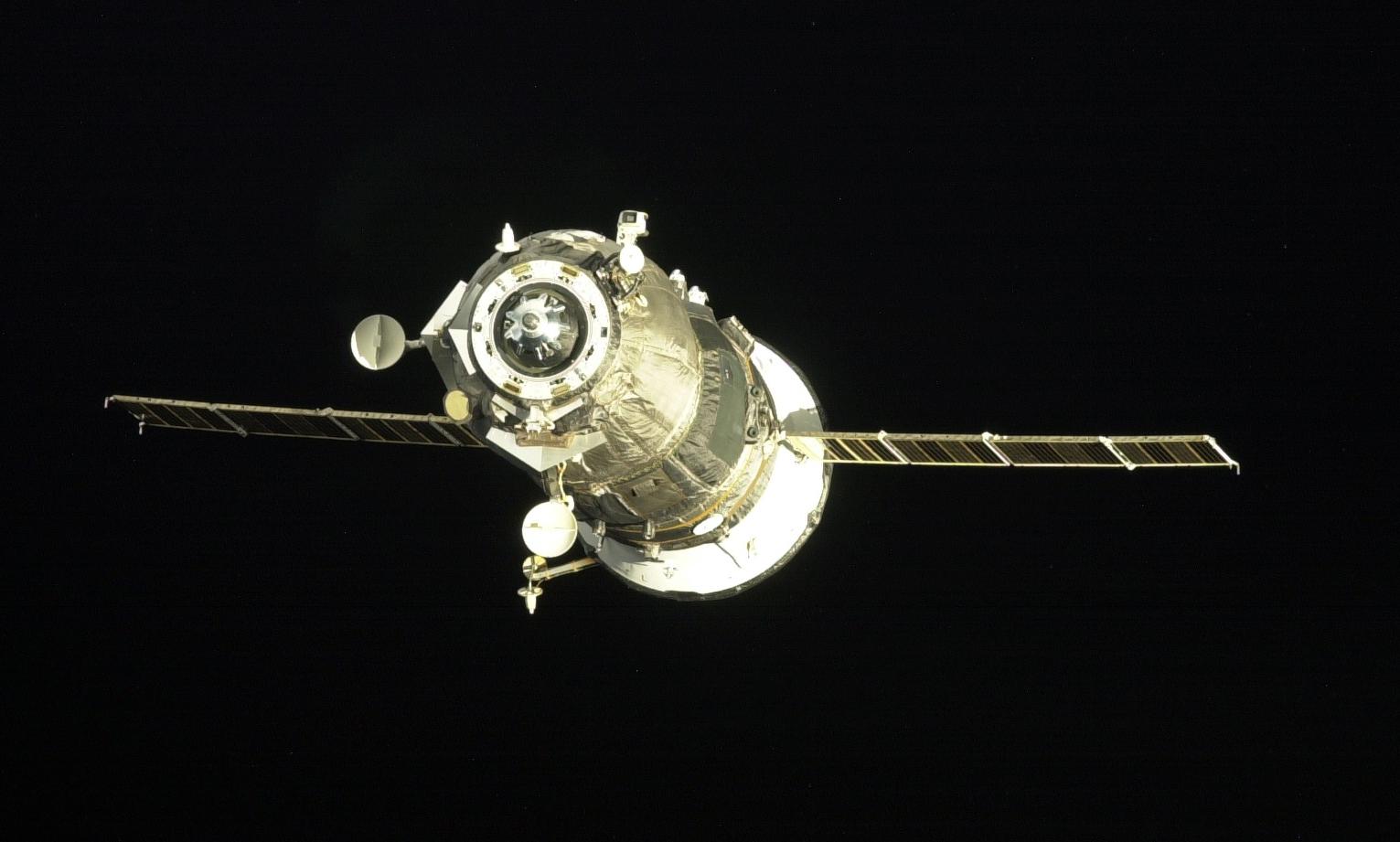
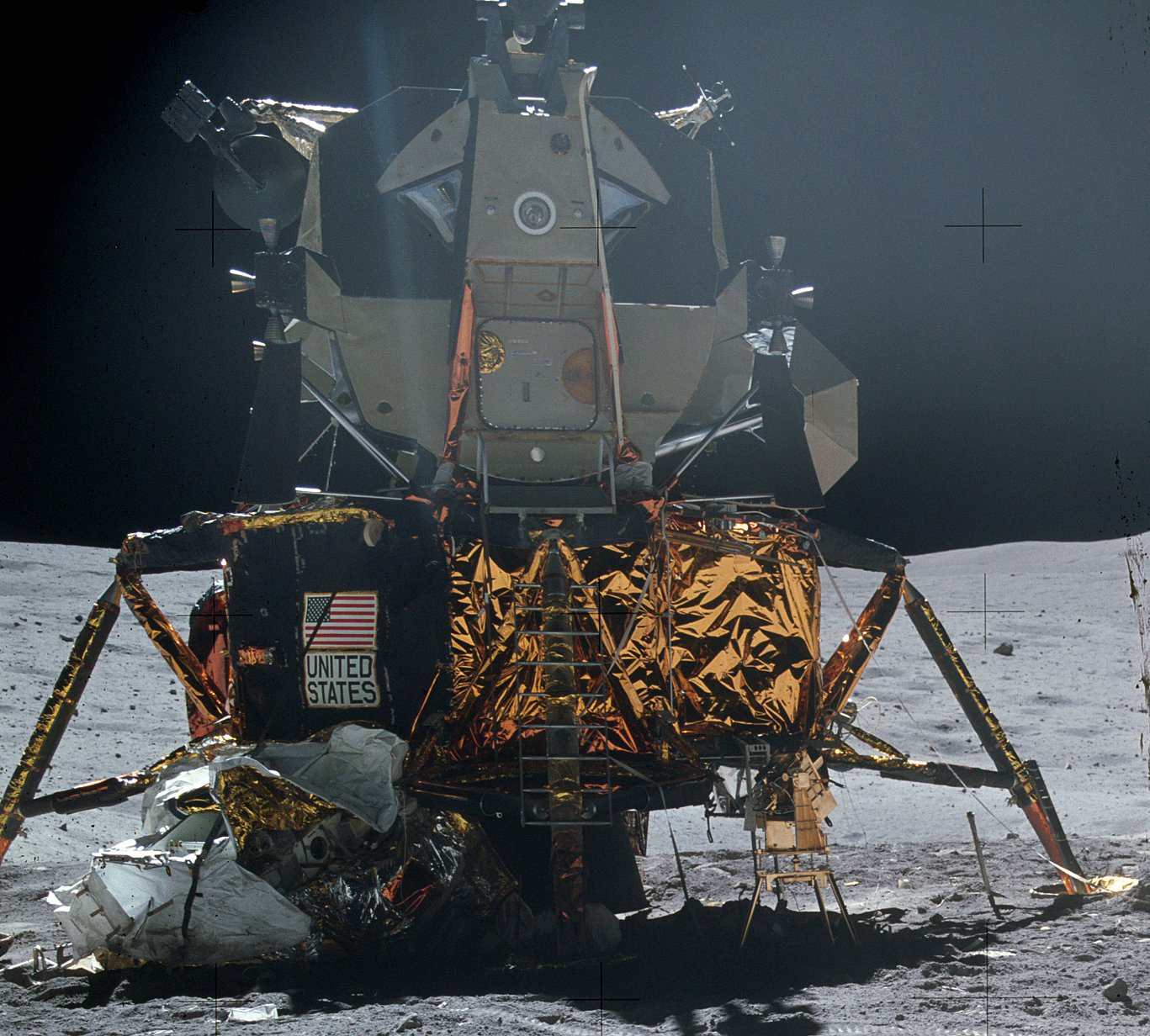
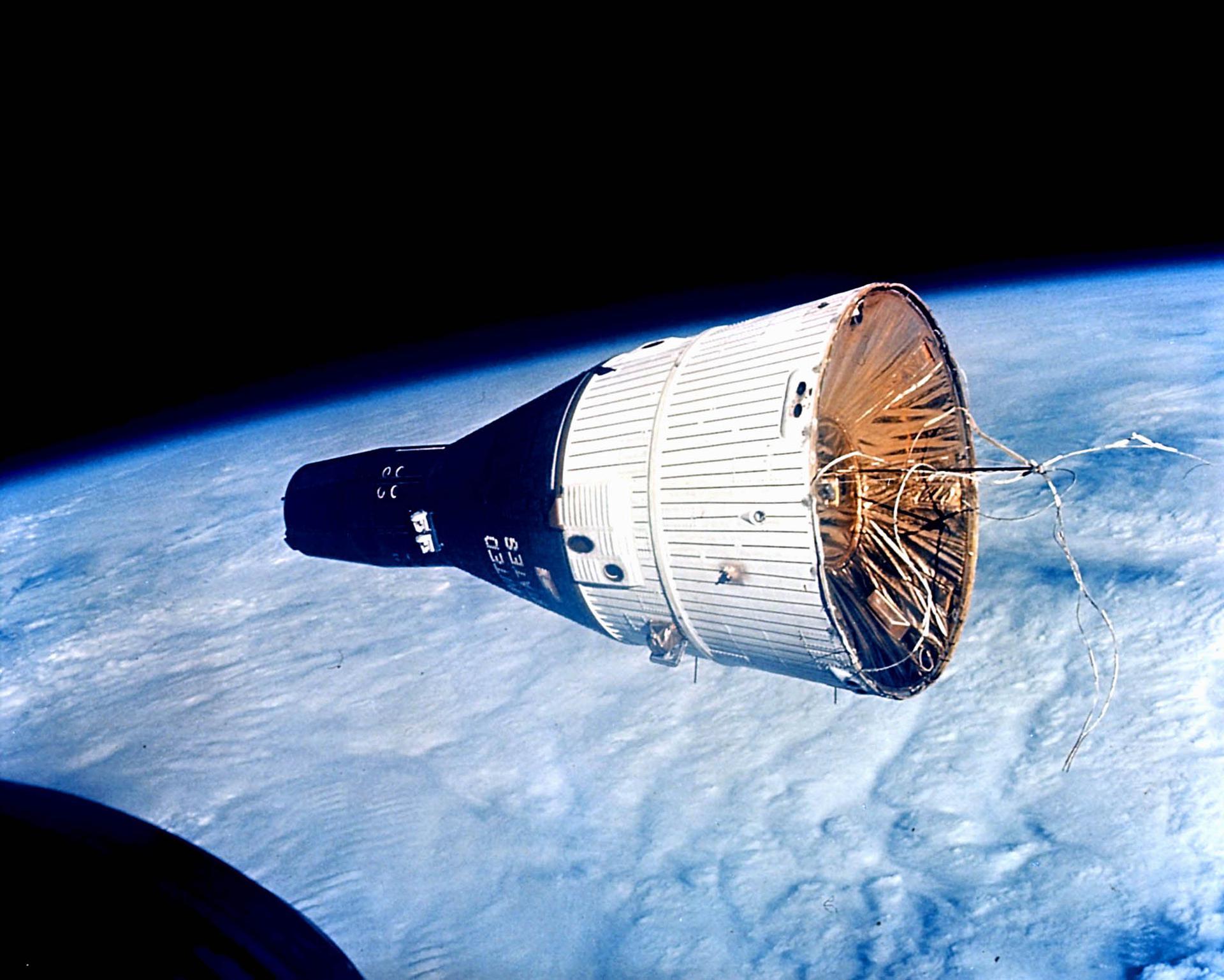
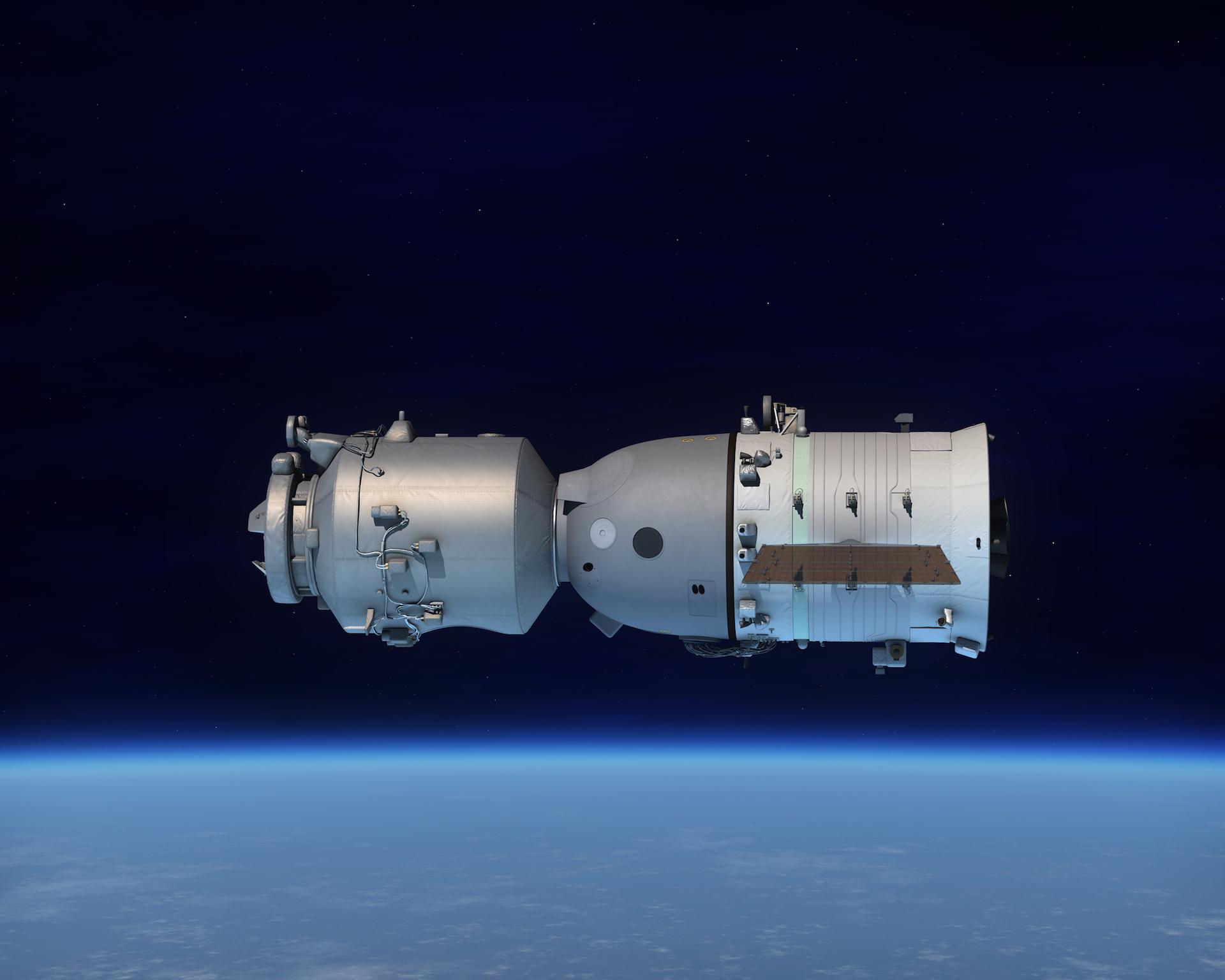
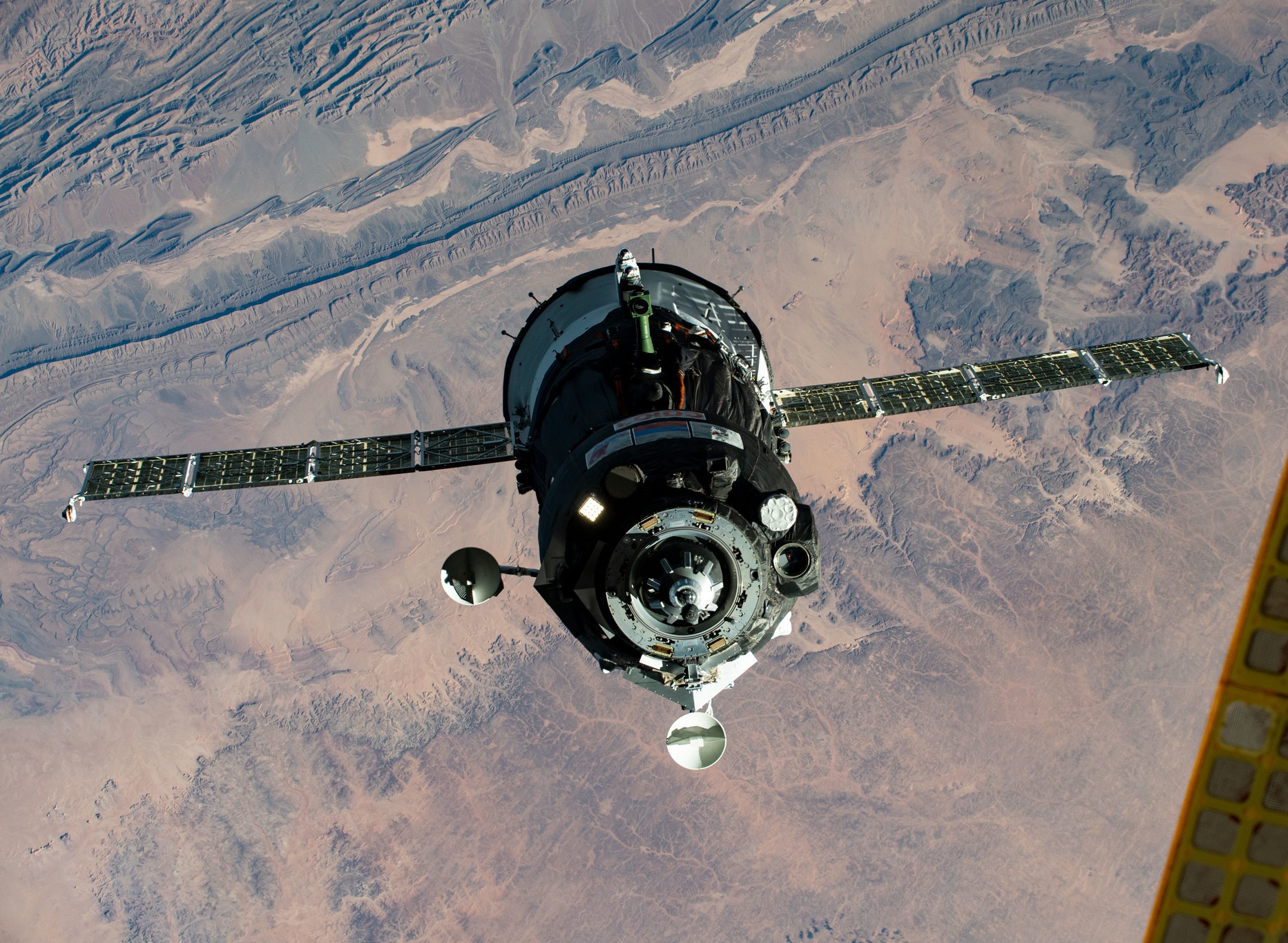
{ "count": 608, "next": "https://lldev.thespacedevs.com/2.0.0/spacecraft/?format=api&limit=10&offset=240", "previous": "https://lldev.thespacedevs.com/2.0.0/spacecraft/?format=api&limit=10&offset=220", "results": [ { "id": 82, "url": "https://lldev.thespacedevs.com/2.0.0/spacecraft/82/?format=api", "name": "Soyuz TMA-11", "serial_number": "Soyuz TMA 11F732A17 #221", "status": { "id": 4, "name": "Single Use" }, "description": "Soyuz TMA-11 was a Soyuz spacecraft which launched on October 10 2007 13:22 UTC. It transported two members of the Expedition 16 crew and one participant to the International Space Station. The Expedition 16 crew consisted of Yuri Malenchenko and Peggy Whitson. The participant was surgeon Sheikh Muszaphar.", "spacecraft_config": { "id": 40, "url": "https://lldev.thespacedevs.com/2.0.0/config/spacecraft/40/?format=api", "name": "Soyuz TMA", "type": { "id": 2, "name": "Capsule" }, "agency": { "id": 63, "url": "https://lldev.thespacedevs.com/2.0.0/agencies/63/?format=api", "name": "Russian Federal Space Agency (ROSCOSMOS)", "type": "Government" }, "in_use": false, "image_url": "https://thespacedevs-dev.nyc3.digitaloceanspaces.com/media/images/soyuz_tma_image_20231225093222.jpeg" } }, { "id": 294, "url": "https://lldev.thespacedevs.com/2.0.0/spacecraft/294/?format=api", "name": "Progress M-67", "serial_number": "Progress M-67 (No.367)", "status": { "id": 4, "name": "Single Use" }, "description": "Progress M-67 (Russian: Прогресс М-67), identified by NASA as Progress 34 or 34P, was a Progress spacecraft used to resupply the International Space Station.", "spacecraft_config": { "id": 35, "url": "https://lldev.thespacedevs.com/2.0.0/config/spacecraft/35/?format=api", "name": "Progress-M", "type": { "id": 4, "name": "Cargo Resupply" }, "agency": { "id": 63, "url": "https://lldev.thespacedevs.com/2.0.0/agencies/63/?format=api", "name": "Russian Federal Space Agency (ROSCOSMOS)", "type": "Government" }, "in_use": false, "image_url": "https://thespacedevs-dev.nyc3.digitaloceanspaces.com/media/images/progress-m_image_20231219141001.jpeg" } }, { "id": 351, "url": "https://lldev.thespacedevs.com/2.0.0/spacecraft/351/?format=api", "name": "Progress M-22", "serial_number": "Progress M-22 (No.222)", "status": { "id": 4, "name": "Single Use" }, "description": "Progress M-22 (Russian: Прогресс М-22), was a Progress spacecraft used to resupply the space station Mir.", "spacecraft_config": { "id": 35, "url": "https://lldev.thespacedevs.com/2.0.0/config/spacecraft/35/?format=api", "name": "Progress-M", "type": { "id": 4, "name": "Cargo Resupply" }, "agency": { "id": 63, "url": "https://lldev.thespacedevs.com/2.0.0/agencies/63/?format=api", "name": "Russian Federal Space Agency (ROSCOSMOS)", "type": "Government" }, "in_use": false, "image_url": "https://thespacedevs-dev.nyc3.digitaloceanspaces.com/media/images/progress-m_image_20231219141001.jpeg" } }, { "id": 591, "url": "https://lldev.thespacedevs.com/2.0.0/spacecraft/591/?format=api", "name": "LM Falcon", "serial_number": "LM-10", "status": { "id": 3, "name": "Destroyed" }, "description": "Flown on Apollo 15.\r\n\r\nDescent stage on lunar surface at Hadley–Apennine, ascent stage deliberately crashed into Moon", "spacecraft_config": { "id": 43, "url": "https://lldev.thespacedevs.com/2.0.0/config/spacecraft/43/?format=api", "name": "Apollo Lunar Module", "type": { "id": 7, "name": "Lander" }, "agency": { "id": 44, "url": "https://lldev.thespacedevs.com/2.0.0/agencies/44/?format=api", "name": "National Aeronautics and Space Administration", "type": "Government" }, "in_use": false, "image_url": "https://thespacedevs-dev.nyc3.digitaloceanspaces.com/media/images/lunar_module_on_image_20240505074251.jpeg" } }, { "id": 11, "url": "https://lldev.thespacedevs.com/2.0.0/spacecraft/11/?format=api", "name": "Gemini SC1", "serial_number": "1", "status": { "id": 4, "name": "Single Use" }, "description": "Gemini SC1 is the Gemini capsule used for the Gemini 1 mission launched on April 8, 1964.", "spacecraft_config": { "id": 12, "url": "https://lldev.thespacedevs.com/2.0.0/config/spacecraft/12/?format=api", "name": "Gemini", "type": { "id": 2, "name": "Capsule" }, "agency": { "id": 44, "url": "https://lldev.thespacedevs.com/2.0.0/agencies/44/?format=api", "name": "National Aeronautics and Space Administration", "type": "Government" }, "in_use": false, "image_url": "https://thespacedevs-dev.nyc3.digitaloceanspaces.com/media/images/gemini_image_20190207032517.jpeg" } }, { "id": 217, "url": "https://lldev.thespacedevs.com/2.0.0/spacecraft/217/?format=api", "name": "Dragon C108", "serial_number": "C108", "status": { "id": 2, "name": "Retired" }, "description": "This capsule flew both CRS-6, CRS-13, and CRS-18\r\n\r\nIt is the first three time flown dragon capsule.\r\n\r\nAs part of CRS-6 the robotic SpaceX Dragon capsule splashed down in the Pacific Ocean on Thursday, 21 May 2015.\r\n\r\nThe CRS-13 mission was the first NASA to fly on a flight-proven Falcon 9.\r\n\r\nNow on display in Los Angeles, California at the California Science Center.", "spacecraft_config": { "id": 3, "url": "https://lldev.thespacedevs.com/2.0.0/config/spacecraft/3/?format=api", "name": "Dragon 1", "type": { "id": 2, "name": "Capsule" }, "agency": { "id": 121, "url": "https://lldev.thespacedevs.com/2.0.0/agencies/121/?format=api", "name": "SpaceX", "type": "Commercial" }, "in_use": false, "image_url": "https://thespacedevs-dev.nyc3.digitaloceanspaces.com/media/images/crs-172520dragon2520berthing_image_20190318203226.jpeg" } }, { "id": 17, "url": "https://lldev.thespacedevs.com/2.0.0/spacecraft/17/?format=api", "name": "Gemini SC7", "serial_number": "7", "status": { "id": 4, "name": "Single Use" }, "description": "Gemini SC7 is the Gemini capsule used for the Gemini 7 mission launched on December 4, 1965 and crewed by astronauts Frank Borman (command pilot) and Jim Lovell (pilot).", "spacecraft_config": { "id": 12, "url": "https://lldev.thespacedevs.com/2.0.0/config/spacecraft/12/?format=api", "name": "Gemini", "type": { "id": 2, "name": "Capsule" }, "agency": { "id": 44, "url": "https://lldev.thespacedevs.com/2.0.0/agencies/44/?format=api", "name": "National Aeronautics and Space Administration", "type": "Government" }, "in_use": false, "image_url": "https://thespacedevs-dev.nyc3.digitaloceanspaces.com/media/images/gemini_image_20190207032517.jpeg" } }, { "id": 418, "url": "https://lldev.thespacedevs.com/2.0.0/spacecraft/418/?format=api", "name": "Shenzhou 1", "serial_number": "1", "status": { "id": 4, "name": "Single Use" }, "description": "The first Shenzhou spacecraft was different from those later used. Instead of featuring unfolding solar panels, Shenzhou 1 was equipped with fixed solar cells. During this first flight there were also no orbit changes. According to Qi Faren the chief designer of the spacecraft, only 8 of the 13 sub-systems on board the spacecraft were operational. Shenzhou 1 was designed primarily to test the Long March 2F rocket. The only systems and capabilities tested on the spacecraft were the separation of the modules, attitude control, lifting body reentry, the heat shield, and ground recovery.", "spacecraft_config": { "id": 2, "url": "https://lldev.thespacedevs.com/2.0.0/config/spacecraft/2/?format=api", "name": "Shenzhou", "type": { "id": 2, "name": "Capsule" }, "agency": { "id": 17, "url": "https://lldev.thespacedevs.com/2.0.0/agencies/17/?format=api", "name": "China National Space Administration", "type": "Government" }, "in_use": true, "image_url": "https://thespacedevs-dev.nyc3.digitaloceanspaces.com/media/images/shenzhou_image_20190207032522.jpeg" } }, { "id": 18, "url": "https://lldev.thespacedevs.com/2.0.0/spacecraft/18/?format=api", "name": "Gemini SC8", "serial_number": "8", "status": { "id": 4, "name": "Single Use" }, "description": "Gemini SC8 is the Gemini capsule used for the Gemini 8 mission launched on March 16, 1966 and crewed by astronauts Neil Armstrong (command pilot) and David Scott (pilot).", "spacecraft_config": { "id": 12, "url": "https://lldev.thespacedevs.com/2.0.0/config/spacecraft/12/?format=api", "name": "Gemini", "type": { "id": 2, "name": "Capsule" }, "agency": { "id": 44, "url": "https://lldev.thespacedevs.com/2.0.0/agencies/44/?format=api", "name": "National Aeronautics and Space Administration", "type": "Government" }, "in_use": false, "image_url": "https://thespacedevs-dev.nyc3.digitaloceanspaces.com/media/images/gemini_image_20190207032517.jpeg" } }, { "id": 508, "url": "https://lldev.thespacedevs.com/2.0.0/spacecraft/508/?format=api", "name": "Soyuz 7K-L1 No.7", "serial_number": "Soyuz 7K-L1 #7", "status": { "id": 3, "name": "Destroyed" }, "description": "The Soyuz 7K-L1 \"Zond\" spacecraft was designed to launch men from the Earth to circle the Moon without going into lunar orbit in the context of the Soviet crewed Moon-flyby program in the Moon race. It was based on the Soyuz 7K-OK.", "spacecraft_config": { "id": 1, "url": "https://lldev.thespacedevs.com/2.0.0/config/spacecraft/1/?format=api", "name": "Soyuz", "type": { "id": 2, "name": "Capsule" }, "agency": { "id": 63, "url": "https://lldev.thespacedevs.com/2.0.0/agencies/63/?format=api", "name": "Russian Federal Space Agency (ROSCOSMOS)", "type": "Government" }, "in_use": false, "image_url": "https://thespacedevs-dev.nyc3.digitaloceanspaces.com/media/images/soyuz_image_20201015191152.jpg" } } ] }