Spacecraft List
API endpoint that allows Spacecrafts to be viewed. A Spacecraft is a physically manufactured instance of a Spacecraft Configuration
GET: Return a list of all the existing spacecraft.
FILTERS: Parameters - 'name', 'status', 'spacecraft_config' Example - /2.0.0/spacecraft/?status=Active
SEARCH EXAMPLE: Example - /2.0.0/spacecraft/?search=Dragon
ORDERING: Fields - 'id' Example - /2.0.0/spacecraft/?order=id
GET /2.0.0/spacecraft/?format=api&offset=200&ordering=-id
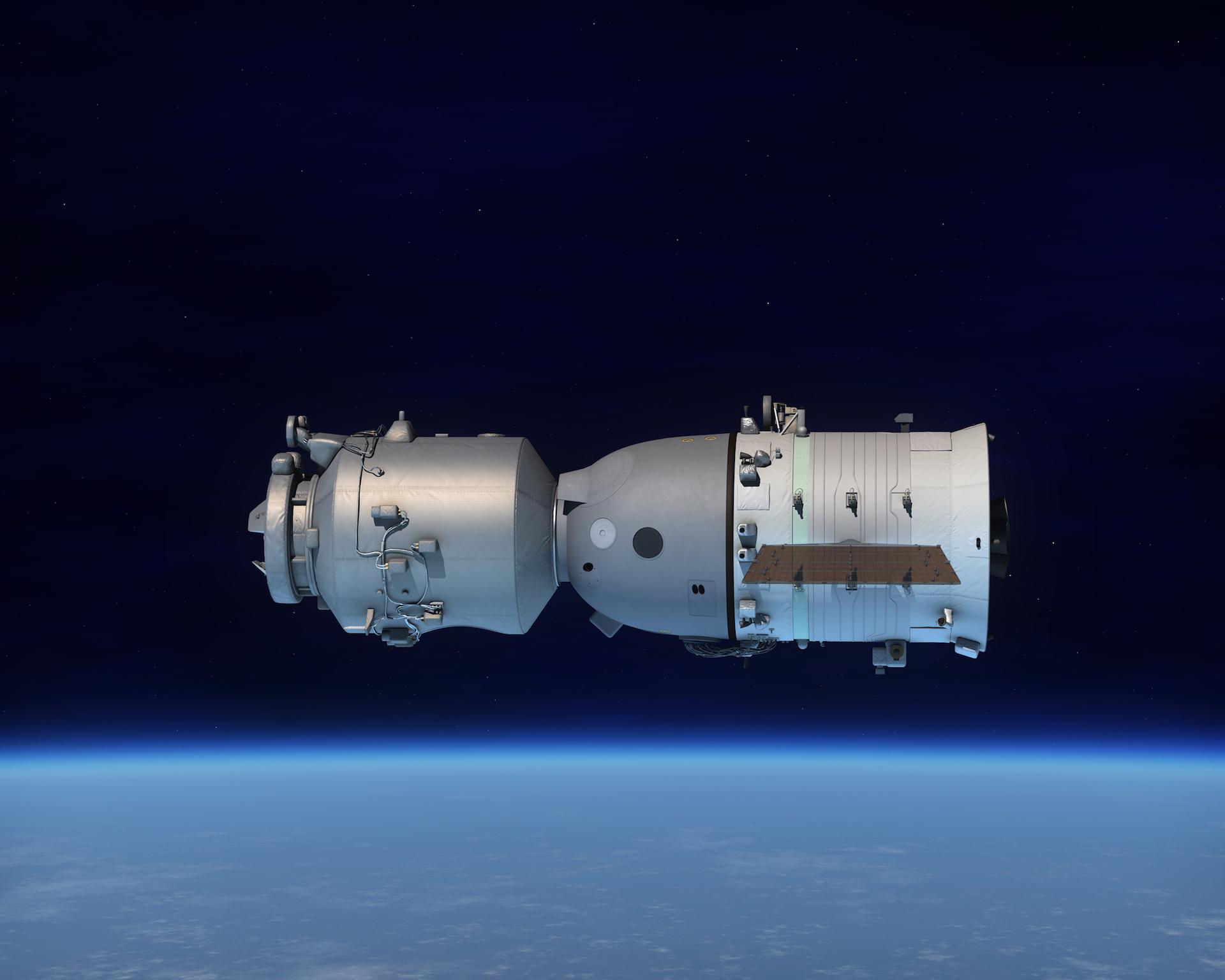
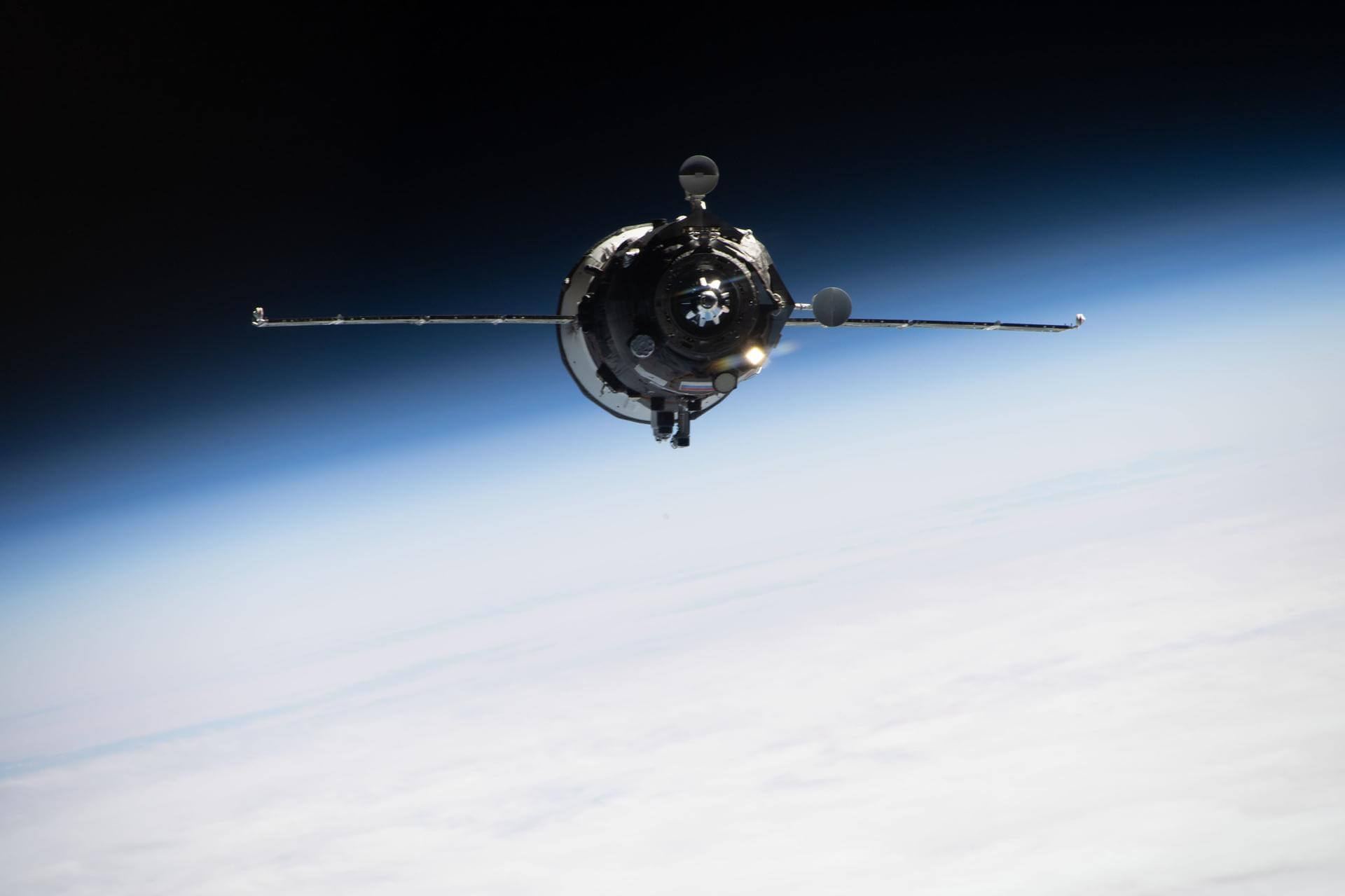
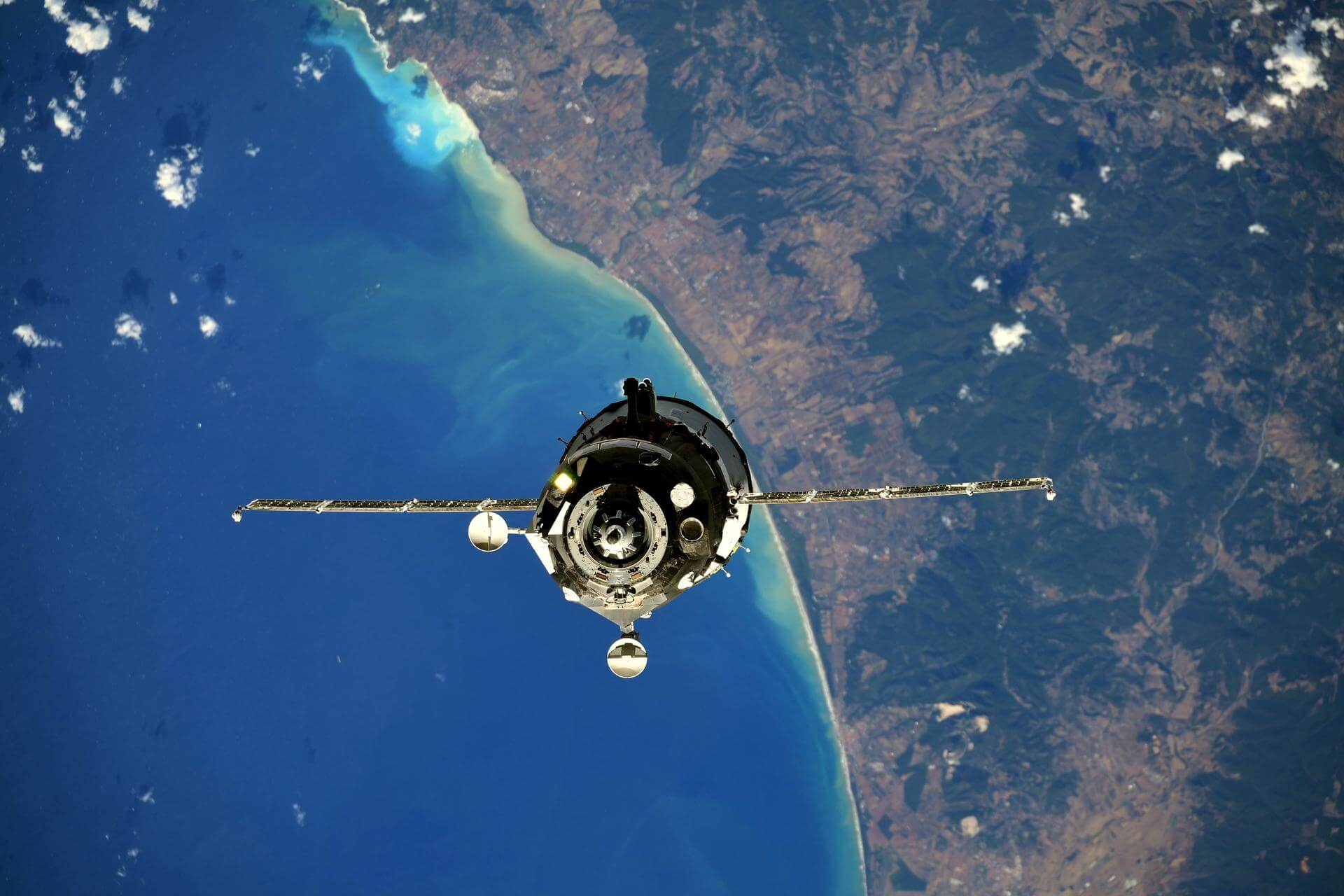
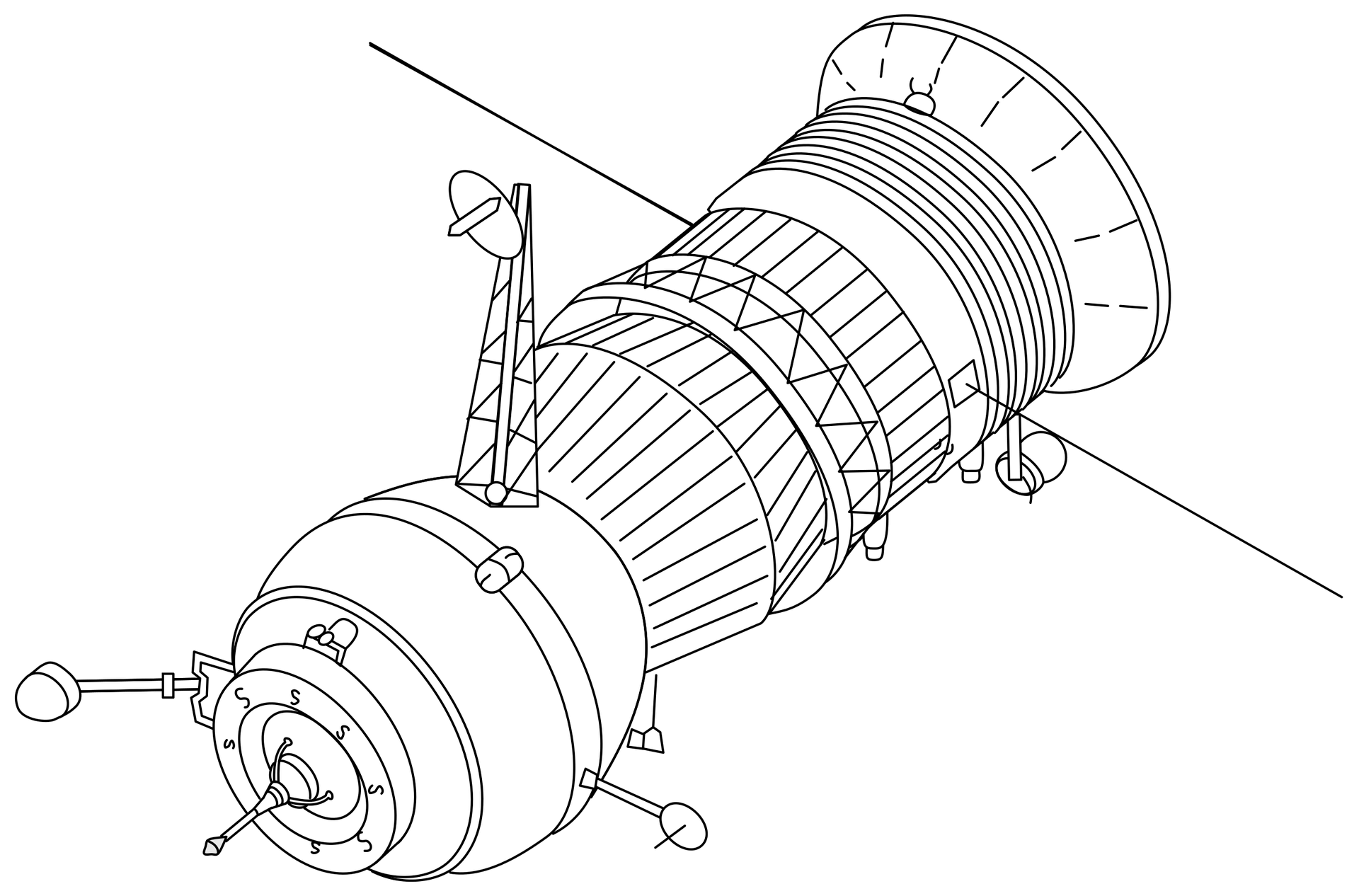
{ "count": 608, "next": "https://lldev.thespacedevs.com/2.0.0/spacecraft/?format=api&limit=10&offset=210&ordering=-id", "previous": "https://lldev.thespacedevs.com/2.0.0/spacecraft/?format=api&limit=10&offset=190&ordering=-id", "results": [ { "id": 422, "url": "https://lldev.thespacedevs.com/2.0.0/spacecraft/422/?format=api", "name": "Shenzhou 5", "serial_number": "5", "status": { "id": 4, "name": "Single Use" }, "description": "Shenzhou 5 was the first human spaceflight mission of the Chinese space program, launched on 15 October 2003. The Shenzhou spacecraft was launched on a Long March 2F launch vehicle.", "spacecraft_config": { "id": 2, "url": "https://lldev.thespacedevs.com/2.0.0/config/spacecraft/2/?format=api", "name": "Shenzhou", "type": { "id": 2, "name": "Capsule" }, "agency": { "id": 17, "url": "https://lldev.thespacedevs.com/2.0.0/agencies/17/?format=api", "name": "China National Space Administration", "type": "Government" }, "in_use": true, "image_url": "https://thespacedevs-dev.nyc3.digitaloceanspaces.com/media/images/shenzhou_image_20190207032522.jpeg" } }, { "id": 421, "url": "https://lldev.thespacedevs.com/2.0.0/spacecraft/421/?format=api", "name": "Shenzhou 4", "serial_number": "4", "status": { "id": 4, "name": "Single Use" }, "description": "The spacecraft was equipped for a manned flight, even featuring a sleeping bag, food, and medication. The windows were constructed of a new material that was designed to stay clear even after reentry to allow an astronaut to confirm that the parachutes have deployed properly. It was said that the spacecraft flown on Shenzhou 4 had no major differences to that used on Shenzhou 5. It flew with the ability for manual control and emergency landing, systems needed for a manned flight. A week before the launch, astronauts trained in the spacecraft to familiarise themselves with its systems.", "spacecraft_config": { "id": 2, "url": "https://lldev.thespacedevs.com/2.0.0/config/spacecraft/2/?format=api", "name": "Shenzhou", "type": { "id": 2, "name": "Capsule" }, "agency": { "id": 17, "url": "https://lldev.thespacedevs.com/2.0.0/agencies/17/?format=api", "name": "China National Space Administration", "type": "Government" }, "in_use": true, "image_url": "https://thespacedevs-dev.nyc3.digitaloceanspaces.com/media/images/shenzhou_image_20190207032522.jpeg" } }, { "id": 420, "url": "https://lldev.thespacedevs.com/2.0.0/spacecraft/420/?format=api", "name": "Shenzhou 3", "serial_number": "3", "status": { "id": 4, "name": "Single Use" }, "description": "This was the first Shenzhou spacecraft launched that could have actually carried a human and as such the main objective of the mission was to test the systems required to support a human in space. On board it carried a dummy to simulate physiological signals of a human — palpitation, pulse, breathing, eating, metabolism, and excretion.", "spacecraft_config": { "id": 2, "url": "https://lldev.thespacedevs.com/2.0.0/config/spacecraft/2/?format=api", "name": "Shenzhou", "type": { "id": 2, "name": "Capsule" }, "agency": { "id": 17, "url": "https://lldev.thespacedevs.com/2.0.0/agencies/17/?format=api", "name": "China National Space Administration", "type": "Government" }, "in_use": true, "image_url": "https://thespacedevs-dev.nyc3.digitaloceanspaces.com/media/images/shenzhou_image_20190207032522.jpeg" } }, { "id": 419, "url": "https://lldev.thespacedevs.com/2.0.0/spacecraft/419/?format=api", "name": "Shenzhou 2", "serial_number": "2", "status": { "id": 4, "name": "Single Use" }, "description": "Inside the reentry capsule were a monkey, a dog and a rabbit in a test of the spaceship's life support systems. The reentry module separated from the rest of the spacecraft after just over seven days in orbit, with the orbital module staying in orbit for another 220 days.", "spacecraft_config": { "id": 2, "url": "https://lldev.thespacedevs.com/2.0.0/config/spacecraft/2/?format=api", "name": "Shenzhou", "type": { "id": 2, "name": "Capsule" }, "agency": { "id": 17, "url": "https://lldev.thespacedevs.com/2.0.0/agencies/17/?format=api", "name": "China National Space Administration", "type": "Government" }, "in_use": true, "image_url": "https://thespacedevs-dev.nyc3.digitaloceanspaces.com/media/images/shenzhou_image_20190207032522.jpeg" } }, { "id": 418, "url": "https://lldev.thespacedevs.com/2.0.0/spacecraft/418/?format=api", "name": "Shenzhou 1", "serial_number": "1", "status": { "id": 4, "name": "Single Use" }, "description": "The first Shenzhou spacecraft was different from those later used. Instead of featuring unfolding solar panels, Shenzhou 1 was equipped with fixed solar cells. During this first flight there were also no orbit changes. According to Qi Faren the chief designer of the spacecraft, only 8 of the 13 sub-systems on board the spacecraft were operational. Shenzhou 1 was designed primarily to test the Long March 2F rocket. The only systems and capabilities tested on the spacecraft were the separation of the modules, attitude control, lifting body reentry, the heat shield, and ground recovery.", "spacecraft_config": { "id": 2, "url": "https://lldev.thespacedevs.com/2.0.0/config/spacecraft/2/?format=api", "name": "Shenzhou", "type": { "id": 2, "name": "Capsule" }, "agency": { "id": 17, "url": "https://lldev.thespacedevs.com/2.0.0/agencies/17/?format=api", "name": "China National Space Administration", "type": "Government" }, "in_use": true, "image_url": "https://thespacedevs-dev.nyc3.digitaloceanspaces.com/media/images/shenzhou_image_20190207032522.jpeg" } }, { "id": 417, "url": "https://lldev.thespacedevs.com/2.0.0/spacecraft/417/?format=api", "name": "Progress MS-12", "serial_number": "MS-12 (No.442)", "status": { "id": 4, "name": "Single Use" }, "description": "A Russian Progress cargo spacecraft used to resupply the International Space Station.", "spacecraft_config": { "id": 33, "url": "https://lldev.thespacedevs.com/2.0.0/config/spacecraft/33/?format=api", "name": "Progress-MS", "type": { "id": 4, "name": "Cargo Resupply" }, "agency": { "id": 63, "url": "https://lldev.thespacedevs.com/2.0.0/agencies/63/?format=api", "name": "Russian Federal Space Agency (ROSCOSMOS)", "type": "Government" }, "in_use": true, "image_url": "https://thespacedevs-dev.nyc3.digitaloceanspaces.com/media/images/progress-ms_image_20231219150735.jpeg" } }, { "id": 416, "url": "https://lldev.thespacedevs.com/2.0.0/spacecraft/416/?format=api", "name": "Soyuz MS-13", "serial_number": "Soyuz MS 11F732A48 #746", "status": { "id": 4, "name": "Single Use" }, "description": "Soyuz MS-13 will transport three astronauts to the International Space Station. The crew consists of Aleksandr Skvortsov, Luca Parmitano, and Andrew R. Morgan.", "spacecraft_config": { "id": 38, "url": "https://lldev.thespacedevs.com/2.0.0/config/spacecraft/38/?format=api", "name": "Soyuz MS", "type": { "id": 2, "name": "Capsule" }, "agency": { "id": 63, "url": "https://lldev.thespacedevs.com/2.0.0/agencies/63/?format=api", "name": "Russian Federal Space Agency (ROSCOSMOS)", "type": "Government" }, "in_use": true, "image_url": "https://thespacedevs-dev.nyc3.digitaloceanspaces.com/media/images/soyuz_ms_in_orb_image_20240313130407.jpeg" } }, { "id": 415, "url": "https://lldev.thespacedevs.com/2.0.0/spacecraft/415/?format=api", "name": "Progress 1", "serial_number": "Progress 1 (No.102)", "status": { "id": 4, "name": "Single Use" }, "description": "Progress 1 (Russian: Прогресс 1), was a Progress spacecraft used to resupply the space station Salyut 6.", "spacecraft_config": { "id": 8, "url": "https://lldev.thespacedevs.com/2.0.0/config/spacecraft/8/?format=api", "name": "Progress 7K-TG", "type": { "id": 4, "name": "Cargo Resupply" }, "agency": { "id": 63, "url": "https://lldev.thespacedevs.com/2.0.0/agencies/63/?format=api", "name": "Russian Federal Space Agency (ROSCOSMOS)", "type": "Government" }, "in_use": false, "image_url": "https://thespacedevs-dev.nyc3.digitaloceanspaces.com/media/images/progress_7k-tg_image_20231220085840.png" } }, { "id": 414, "url": "https://lldev.thespacedevs.com/2.0.0/spacecraft/414/?format=api", "name": "Progress 2", "serial_number": "Progress 2 (No.101)", "status": { "id": 4, "name": "Single Use" }, "description": "Progress 2 (Russian: Прогресс 2), was a Progress spacecraft used to resupply the space station Salyut 6.", "spacecraft_config": { "id": 8, "url": "https://lldev.thespacedevs.com/2.0.0/config/spacecraft/8/?format=api", "name": "Progress 7K-TG", "type": { "id": 4, "name": "Cargo Resupply" }, "agency": { "id": 63, "url": "https://lldev.thespacedevs.com/2.0.0/agencies/63/?format=api", "name": "Russian Federal Space Agency (ROSCOSMOS)", "type": "Government" }, "in_use": false, "image_url": "https://thespacedevs-dev.nyc3.digitaloceanspaces.com/media/images/progress_7k-tg_image_20231220085840.png" } }, { "id": 413, "url": "https://lldev.thespacedevs.com/2.0.0/spacecraft/413/?format=api", "name": "Progress 3", "serial_number": "Progress 3 (No.103)", "status": { "id": 4, "name": "Single Use" }, "description": "Progress 3 (Russian: Прогресс 3), was a Progress spacecraft used to resupply the space station Salyut 6.", "spacecraft_config": { "id": 8, "url": "https://lldev.thespacedevs.com/2.0.0/config/spacecraft/8/?format=api", "name": "Progress 7K-TG", "type": { "id": 4, "name": "Cargo Resupply" }, "agency": { "id": 63, "url": "https://lldev.thespacedevs.com/2.0.0/agencies/63/?format=api", "name": "Russian Federal Space Agency (ROSCOSMOS)", "type": "Government" }, "in_use": false, "image_url": "https://thespacedevs-dev.nyc3.digitaloceanspaces.com/media/images/progress_7k-tg_image_20231220085840.png" } } ] }