Spacecraft List
API endpoint that allows Spacecrafts to be viewed. A Spacecraft is a physically manufactured instance of a Spacecraft Configuration
GET: Return a list of all the existing spacecraft.
FILTERS: Parameters - 'name', 'status', 'spacecraft_config' Example - /2.0.0/spacecraft/?status=Active
SEARCH EXAMPLE: Example - /2.0.0/spacecraft/?search=Dragon
ORDERING: Fields - 'id' Example - /2.0.0/spacecraft/?order=id
GET /2.0.0/spacecraft/?format=api&offset=10
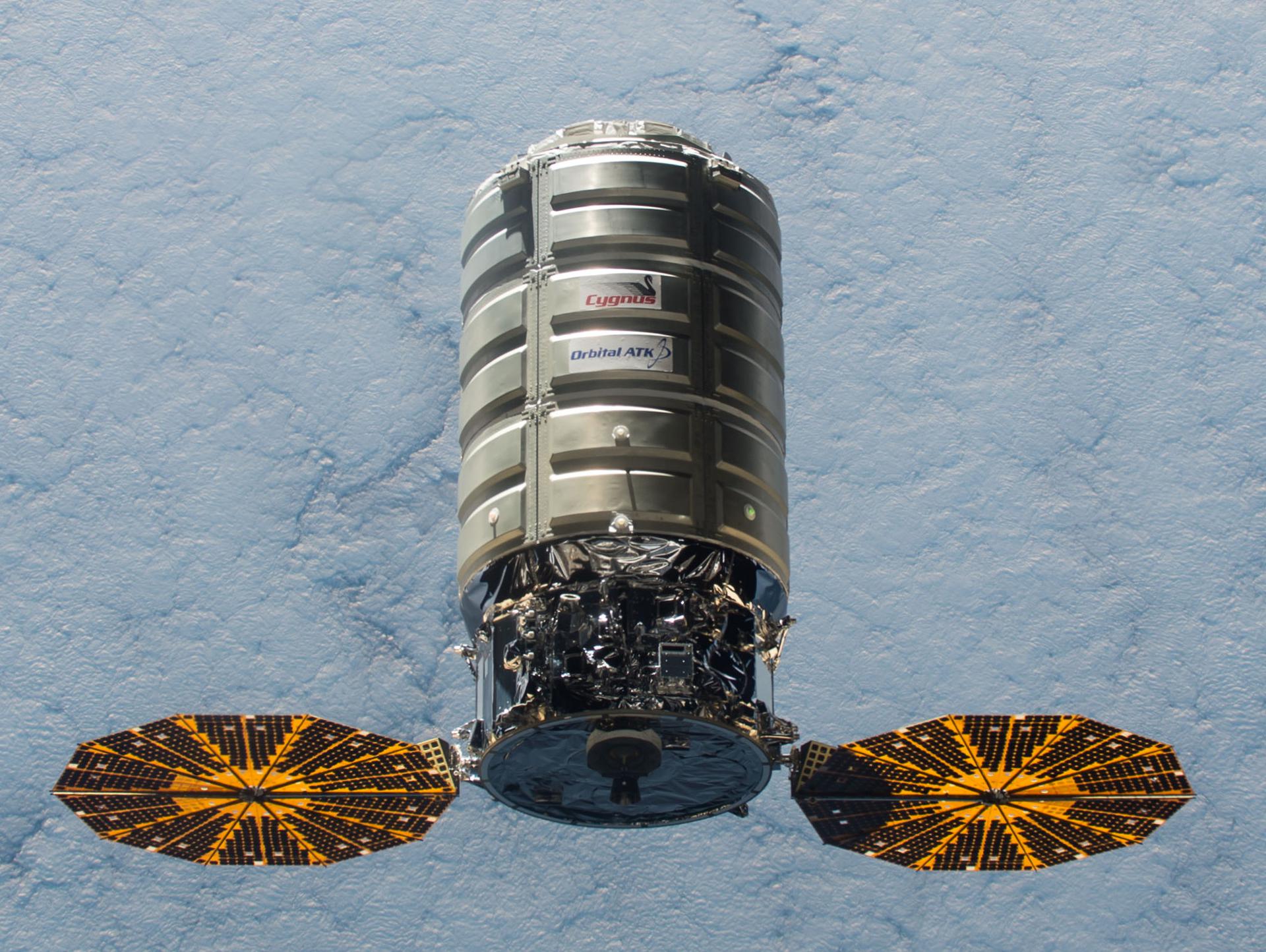
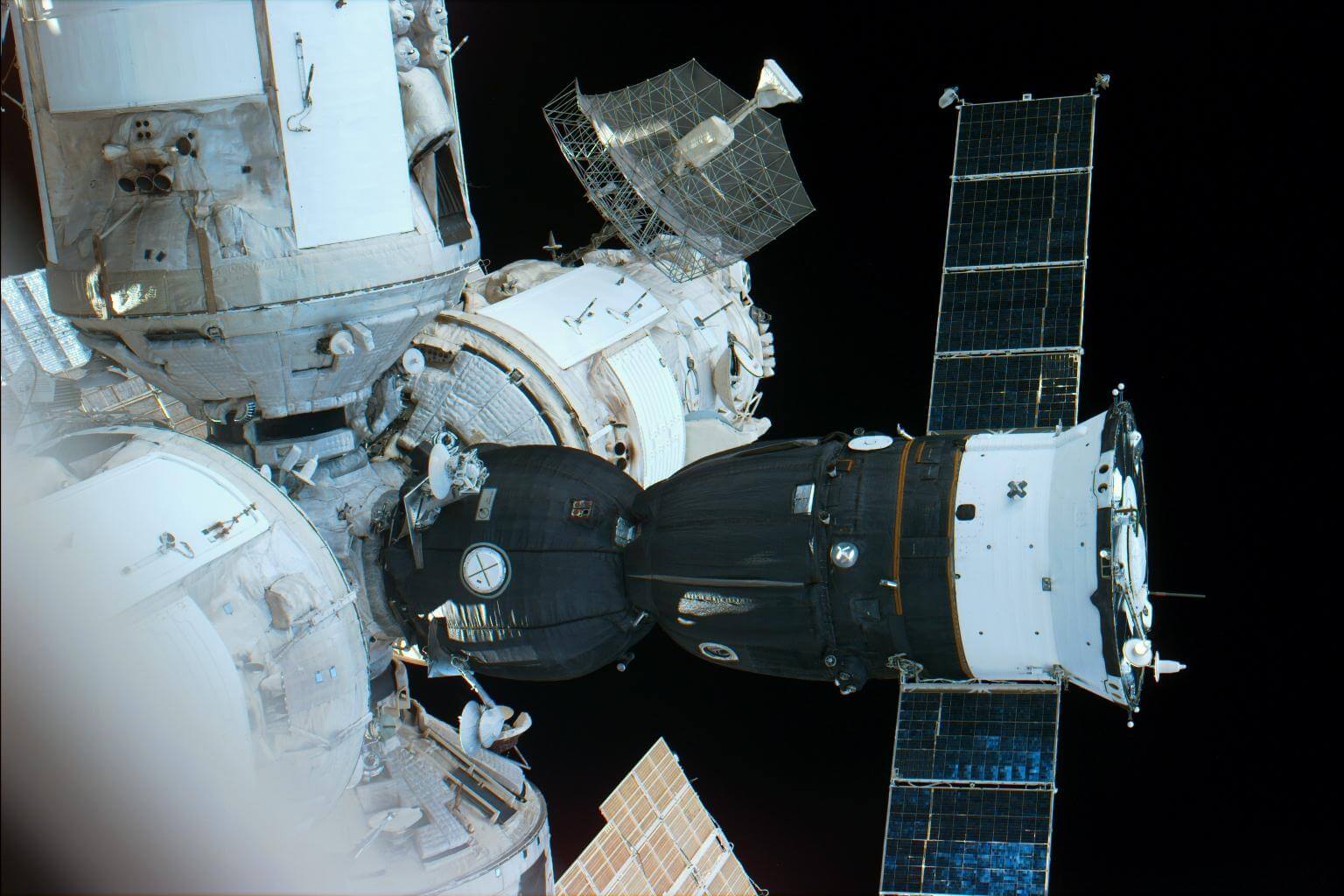
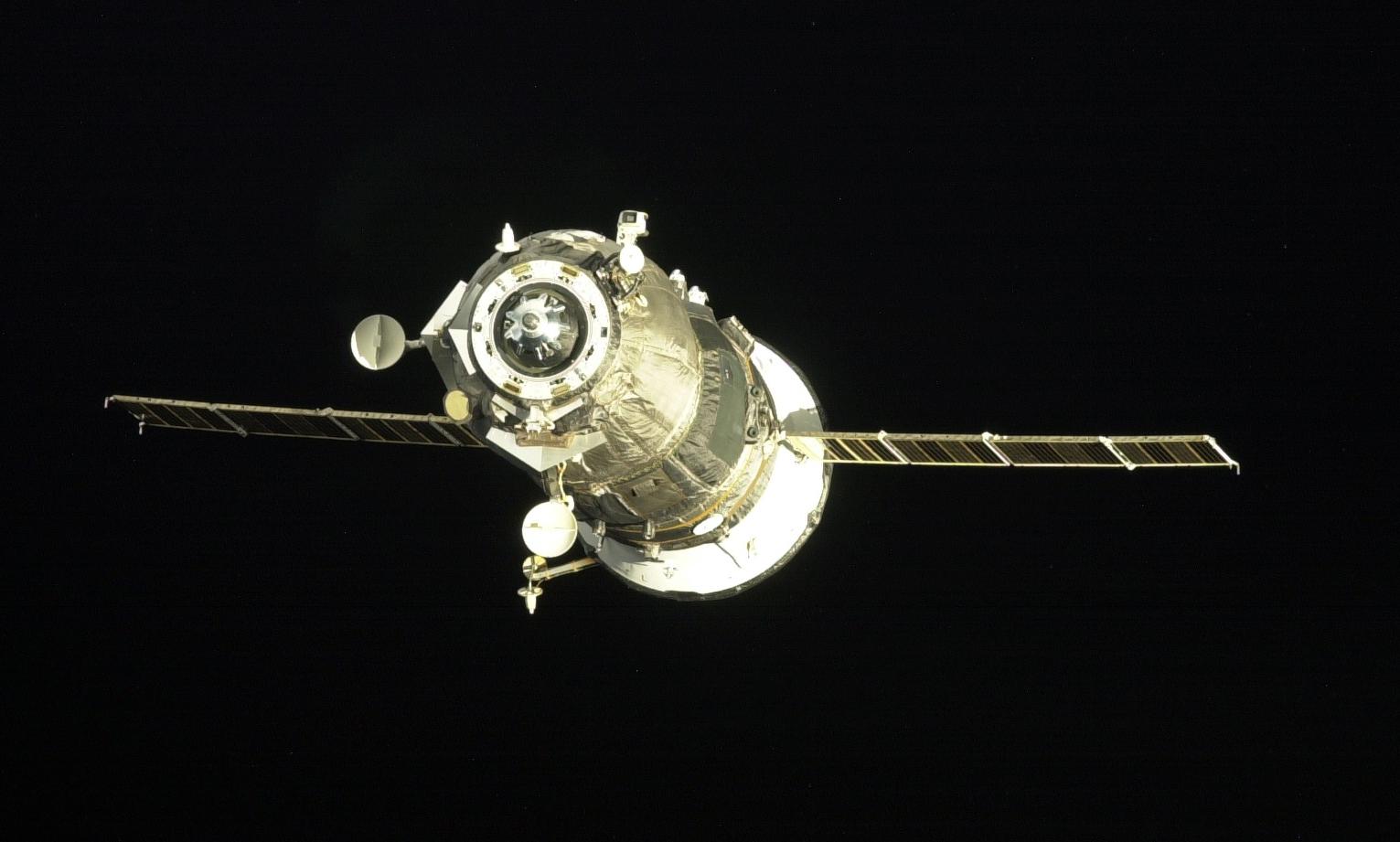
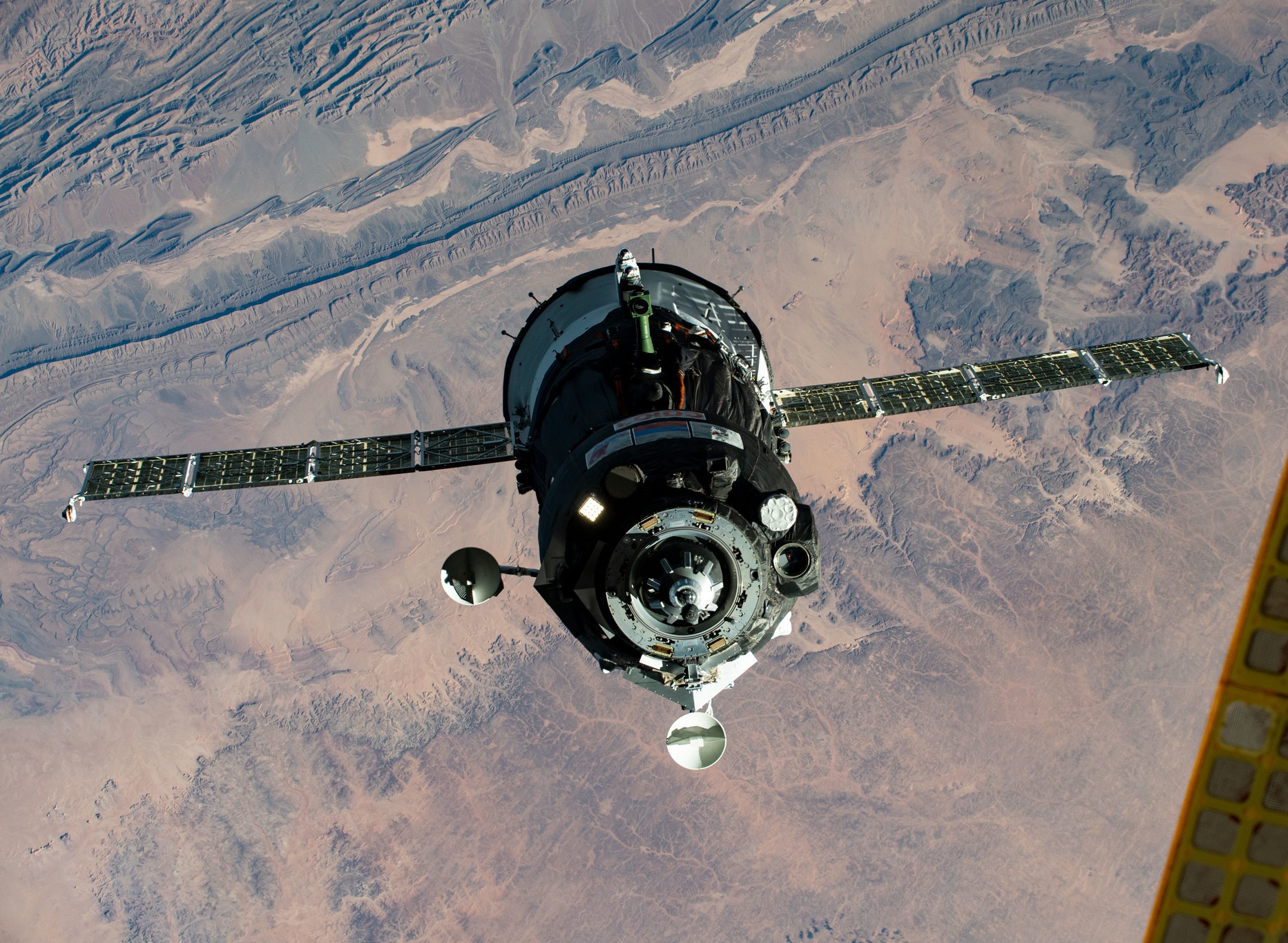
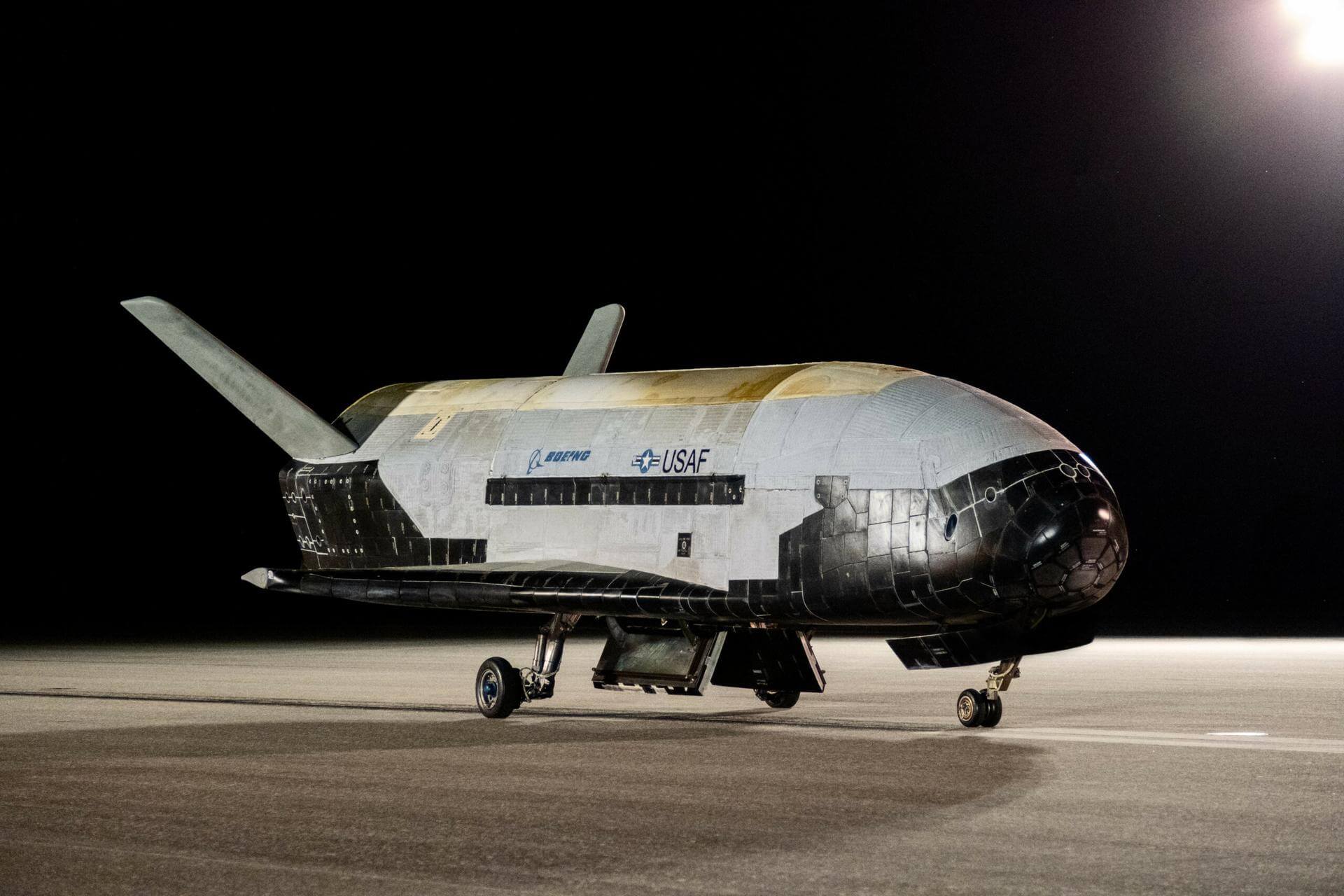
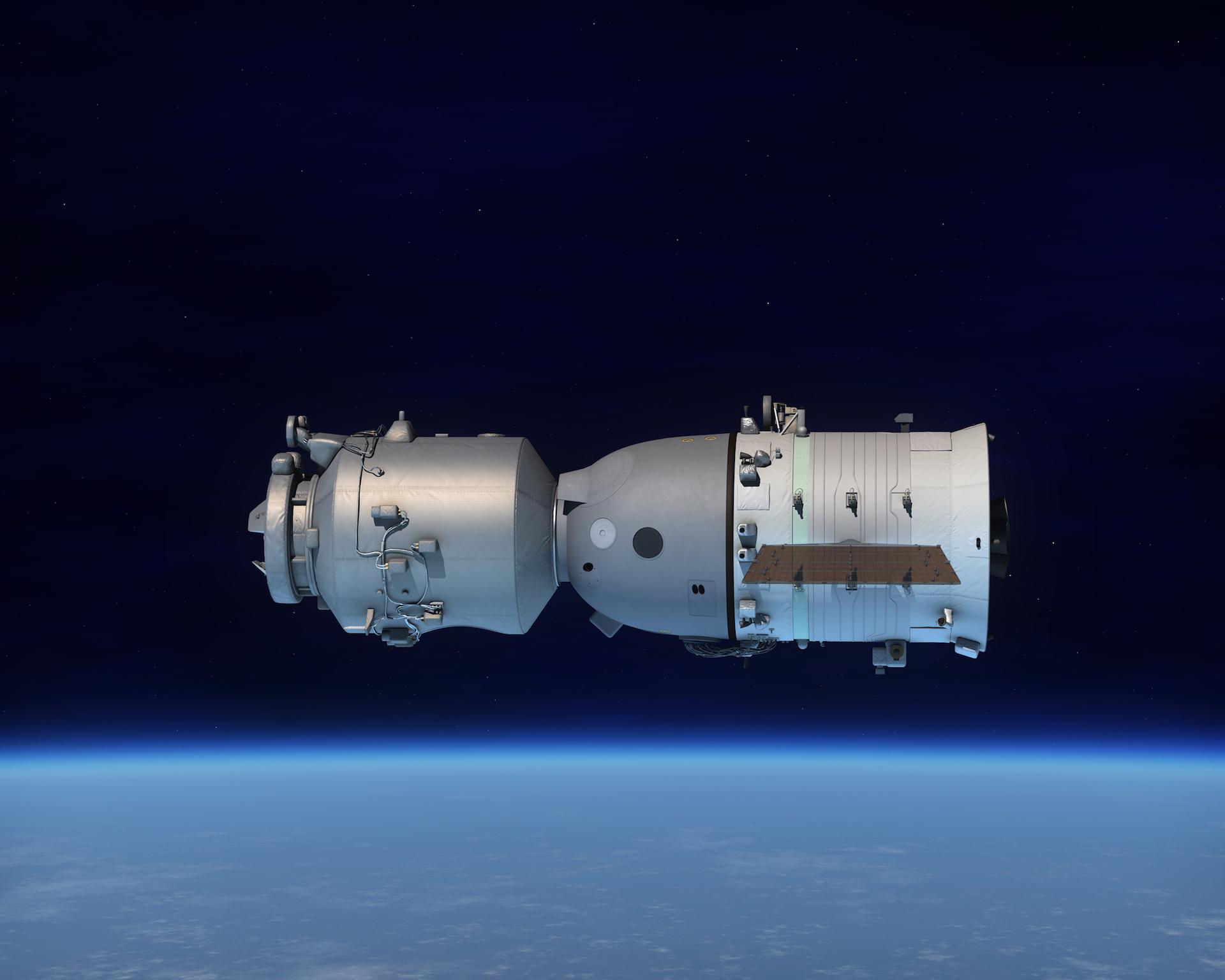
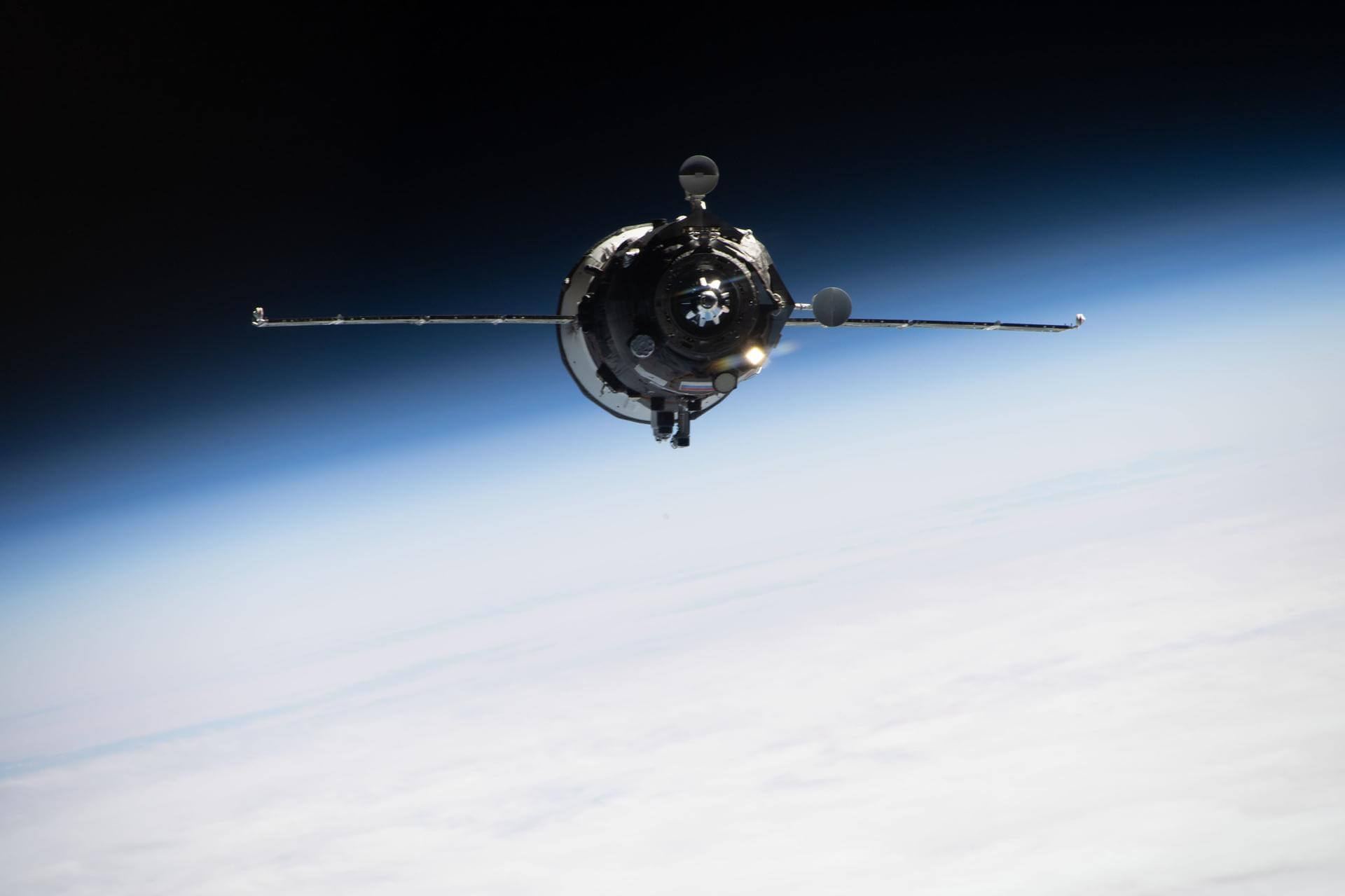
{ "count": 610, "next": "https://lldev.thespacedevs.com/2.0.0/spacecraft/?format=api&limit=10&offset=20", "previous": "https://lldev.thespacedevs.com/2.0.0/spacecraft/?format=api&limit=10", "results": [ { "id": 166, "url": "https://lldev.thespacedevs.com/2.0.0/spacecraft/166/?format=api", "name": "Cygnus CRS OA-5", "serial_number": null, "status": { "id": 4, "name": "Single Use" }, "description": "Cygnus CRS OA-5, also known as Orbital Sciences CRS Flight 5, was the seventh planned flight of the Orbital Sciences' unmanned resupply spacecraft Cygnus and its sixth flight to the International Space Station under the Commercial Resupply Services contract with NASA. Orbital and NASA jointly developed a new space transportation system to provide commercial cargo resupply services to the International Space Station (ISS). Under the Commercial Orbital Transportation System (COTS) program, Orbital designed and built Antares, a medium-class launch vehicle; Cygnus, an advanced maneuvering spacecraft; and a Pressurized Cargo Module which is provided by Orbital's industrial partner Thales Alenia Space.\r\n\r\nThe Cygnus spacecraft for this mission is named the S.S. Alan Poindexter in honor to astronaut Alan G. Poindexter, a deceased space shuttle commander. Poindexter was selected in the 1998 NASA Group (G17) and went into orbit aboard Space Shuttle missions STS-122 and STS-131.", "spacecraft_config": { "id": 19, "url": "https://lldev.thespacedevs.com/2.0.0/config/spacecraft/19/?format=api", "name": "Cygnus Enhanced", "type": { "id": 4, "name": "Cargo Resupply" }, "agency": { "id": 257, "url": "https://lldev.thespacedevs.com/2.0.0/agencies/257/?format=api", "name": "Northrop Grumman Space Systems", "type": "Commercial" }, "in_use": true, "image_url": "https://thespacedevs-dev.nyc3.digitaloceanspaces.com/media/images/cygnus2520enhanced_image_20190207032513.jpeg" } }, { "id": 124, "url": "https://lldev.thespacedevs.com/2.0.0/spacecraft/124/?format=api", "name": "Soyuz TM-6", "serial_number": "Soyuz TM 11F732A51 #56", "status": { "id": 4, "name": "Single Use" }, "description": "Soyuz TM-6 was a Soyuz spacecraft which launched on 29 August 1988 04:23 UTC. It transported one member of Expedition 3, one of Expedition 4 and a Afghan cosmonaut to Mir. The EO-3 member was Vladimir Lyakhov, the EO-4 member was Valeri Polyakov, and the Afghan cosmonaut was Abdul Mohmand.", "spacecraft_config": { "id": 41, "url": "https://lldev.thespacedevs.com/2.0.0/config/spacecraft/41/?format=api", "name": "Soyuz TM", "type": { "id": 2, "name": "Capsule" }, "agency": { "id": 63, "url": "https://lldev.thespacedevs.com/2.0.0/agencies/63/?format=api", "name": "Russian Federal Space Agency (ROSCOSMOS)", "type": "Government" }, "in_use": false, "image_url": "https://thespacedevs-dev.nyc3.digitaloceanspaces.com/media/images/soyuz_tm_image_20231228130713.jpeg" } }, { "id": 358, "url": "https://lldev.thespacedevs.com/2.0.0/spacecraft/358/?format=api", "name": "Progress M-15", "serial_number": "Progress M-15 (No.215)", "status": { "id": 4, "name": "Single Use" }, "description": "Progress M-15 (Russian: Прогресс М-15), was a Progress spacecraft used to resupply the space station Mir.", "spacecraft_config": { "id": 35, "url": "https://lldev.thespacedevs.com/2.0.0/config/spacecraft/35/?format=api", "name": "Progress-M", "type": { "id": 4, "name": "Cargo Resupply" }, "agency": { "id": 63, "url": "https://lldev.thespacedevs.com/2.0.0/agencies/63/?format=api", "name": "Russian Federal Space Agency (ROSCOSMOS)", "type": "Government" }, "in_use": false, "image_url": "https://thespacedevs-dev.nyc3.digitaloceanspaces.com/media/images/progress-m_image_20231219141001.jpeg" } }, { "id": 144, "url": "https://lldev.thespacedevs.com/2.0.0/spacecraft/144/?format=api", "name": "Soyuz 40", "serial_number": "Soyuz 7K-T 11F615A8 #56", "status": { "id": 4, "name": "Single Use" }, "description": "Soyuz 40 was a Soyuz spacecraft which launched on 14 May 1981 17:16 UTC. It transported two cosmonauts of EP-10 to Salyut 6. The crew was Leonid Popov and Dumitru Prunariu.", "spacecraft_config": { "id": 1, "url": "https://lldev.thespacedevs.com/2.0.0/config/spacecraft/1/?format=api", "name": "Soyuz", "type": { "id": 2, "name": "Capsule" }, "agency": { "id": 63, "url": "https://lldev.thespacedevs.com/2.0.0/agencies/63/?format=api", "name": "Russian Federal Space Agency (ROSCOSMOS)", "type": "Government" }, "in_use": false, "image_url": "https://thespacedevs-dev.nyc3.digitaloceanspaces.com/media/images/soyuz_image_20201015191152.jpg" } }, { "id": 294, "url": "https://lldev.thespacedevs.com/2.0.0/spacecraft/294/?format=api", "name": "Progress M-67", "serial_number": "Progress M-67 (No.367)", "status": { "id": 4, "name": "Single Use" }, "description": "Progress M-67 (Russian: Прогресс М-67), identified by NASA as Progress 34 or 34P, was a Progress spacecraft used to resupply the International Space Station.", "spacecraft_config": { "id": 35, "url": "https://lldev.thespacedevs.com/2.0.0/config/spacecraft/35/?format=api", "name": "Progress-M", "type": { "id": 4, "name": "Cargo Resupply" }, "agency": { "id": 63, "url": "https://lldev.thespacedevs.com/2.0.0/agencies/63/?format=api", "name": "Russian Federal Space Agency (ROSCOSMOS)", "type": "Government" }, "in_use": false, "image_url": "https://thespacedevs-dev.nyc3.digitaloceanspaces.com/media/images/progress-m_image_20231219141001.jpeg" } }, { "id": 559, "url": "https://lldev.thespacedevs.com/2.0.0/spacecraft/559/?format=api", "name": "X-37B 2", "serial_number": "2", "status": { "id": 1, "name": "Active" }, "description": "Second X-37B. First flight on March 5, 2011.", "spacecraft_config": { "id": 30, "url": "https://lldev.thespacedevs.com/2.0.0/config/spacecraft/30/?format=api", "name": "X-37B", "type": { "id": 3, "name": "Spaceplane" }, "agency": { "id": 80, "url": "https://lldev.thespacedevs.com/2.0.0/agencies/80/?format=api", "name": "Boeing", "type": "Commercial" }, "in_use": true, "image_url": "https://thespacedevs-dev.nyc3.digitaloceanspaces.com/media/images/x-37b_image_20221113134355.jpeg" } }, { "id": 437, "url": "https://lldev.thespacedevs.com/2.0.0/spacecraft/437/?format=api", "name": "Cygnus CRS NG-13 (S.S. Robert Henry Lawrence Jr.)", "serial_number": null, "status": { "id": 4, "name": "Single Use" }, "description": "This is the thirteenth flight to the ISS by the Cygnus spacecraft under the CRS program and their second under the CRS2 program. This is also the 9th use of the enhanced size Cygnus.", "spacecraft_config": { "id": 19, "url": "https://lldev.thespacedevs.com/2.0.0/config/spacecraft/19/?format=api", "name": "Cygnus Enhanced", "type": { "id": 4, "name": "Cargo Resupply" }, "agency": { "id": 257, "url": "https://lldev.thespacedevs.com/2.0.0/agencies/257/?format=api", "name": "Northrop Grumman Space Systems", "type": "Commercial" }, "in_use": true, "image_url": "https://thespacedevs-dev.nyc3.digitaloceanspaces.com/media/images/cygnus2520enhanced_image_20190207032513.jpeg" } }, { "id": 469, "url": "https://lldev.thespacedevs.com/2.0.0/spacecraft/469/?format=api", "name": "Shenzhou 15", "serial_number": "15", "status": { "id": 4, "name": "Single Use" }, "description": "Fourth crewed mission to the Chinese Space Station.", "spacecraft_config": { "id": 2, "url": "https://lldev.thespacedevs.com/2.0.0/config/spacecraft/2/?format=api", "name": "Shenzhou", "type": { "id": 2, "name": "Capsule" }, "agency": { "id": 17, "url": "https://lldev.thespacedevs.com/2.0.0/agencies/17/?format=api", "name": "China National Space Administration", "type": "Government" }, "in_use": true, "image_url": "https://thespacedevs-dev.nyc3.digitaloceanspaces.com/media/images/shenzhou_image_20190207032522.jpeg" } }, { "id": 633, "url": "https://lldev.thespacedevs.com/2.0.0/spacecraft/633/?format=api", "name": "Progress MS-35", "serial_number": "MS-35 (No.465)", "status": { "id": 1, "name": "Active" }, "description": "Progress MS-35 is a Progress spacecraft used by Roscosmos to resupply the International Space Station (ISS).", "spacecraft_config": { "id": 33, "url": "https://lldev.thespacedevs.com/2.0.0/config/spacecraft/33/?format=api", "name": "Progress-MS", "type": { "id": 4, "name": "Cargo Resupply" }, "agency": { "id": 63, "url": "https://lldev.thespacedevs.com/2.0.0/agencies/63/?format=api", "name": "Russian Federal Space Agency (ROSCOSMOS)", "type": "Government" }, "in_use": true, "image_url": "https://thespacedevs-dev.nyc3.digitaloceanspaces.com/media/images/progress-ms_image_20231219150735.jpeg" } }, { "id": 146, "url": "https://lldev.thespacedevs.com/2.0.0/spacecraft/146/?format=api", "name": "Soyuz 38", "serial_number": "Soyuz 7K-T 11F615A8 #54", "status": { "id": 4, "name": "Single Use" }, "description": "Soyuz 38 was a Soyuz spacecraft which launched on 18 September 1980 19:11 UTC. It transported two cosmonauts of EP-8 to Salyut 6. The crew was Yuri Romanenko and Arnaldo Tamayo Méndez.", "spacecraft_config": { "id": 1, "url": "https://lldev.thespacedevs.com/2.0.0/config/spacecraft/1/?format=api", "name": "Soyuz", "type": { "id": 2, "name": "Capsule" }, "agency": { "id": 63, "url": "https://lldev.thespacedevs.com/2.0.0/agencies/63/?format=api", "name": "Russian Federal Space Agency (ROSCOSMOS)", "type": "Government" }, "in_use": false, "image_url": "https://thespacedevs-dev.nyc3.digitaloceanspaces.com/media/images/soyuz_image_20201015191152.jpg" } } ] }