Event List
API endpoint that allows all Events to be viewed.
GET: Return a list of all Events
SEARCH EXAMPLE: /2.0.0/event/?search=Dragon Searches through name
GET /2.0.0/event/?format=api&offset=980
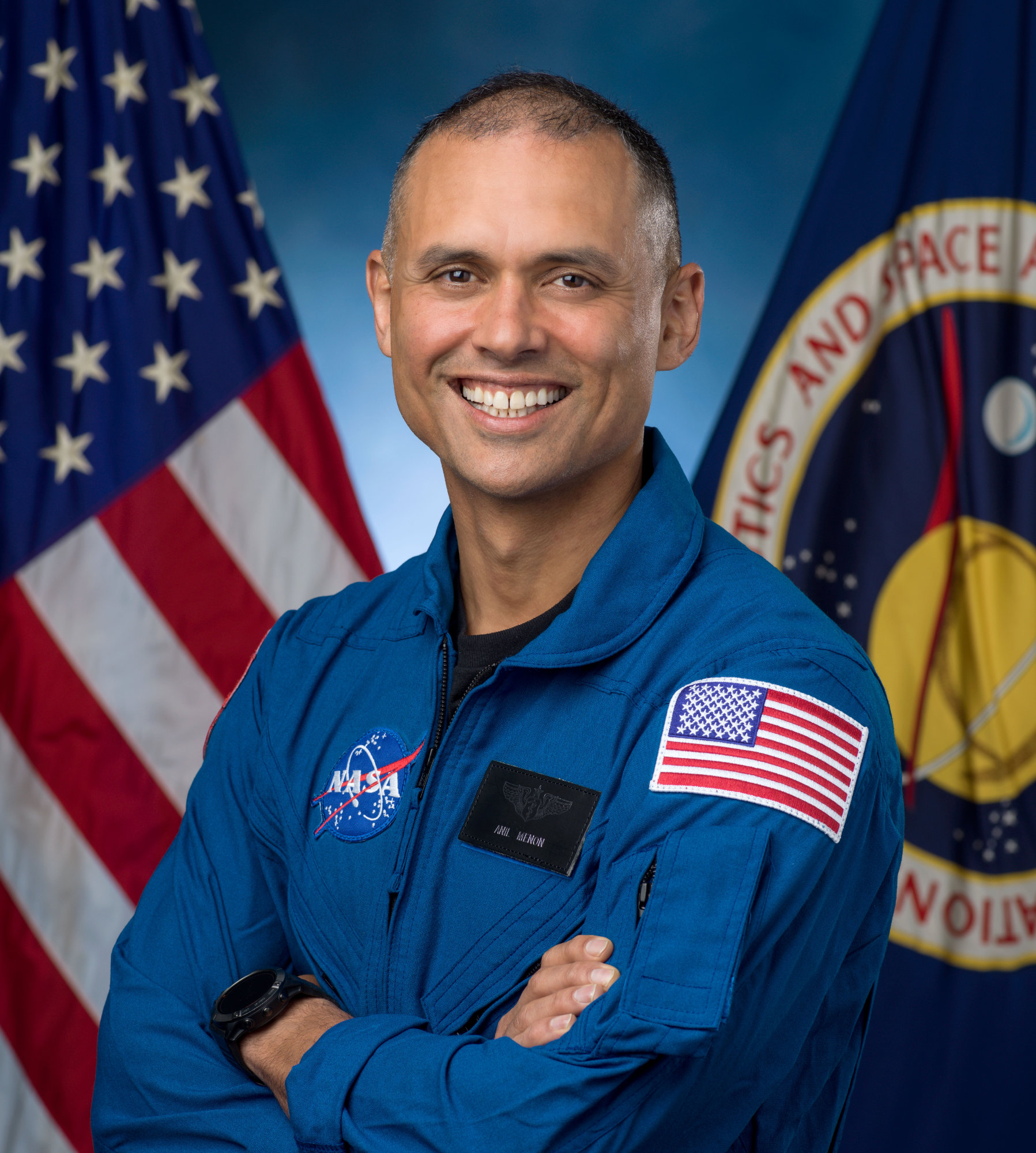
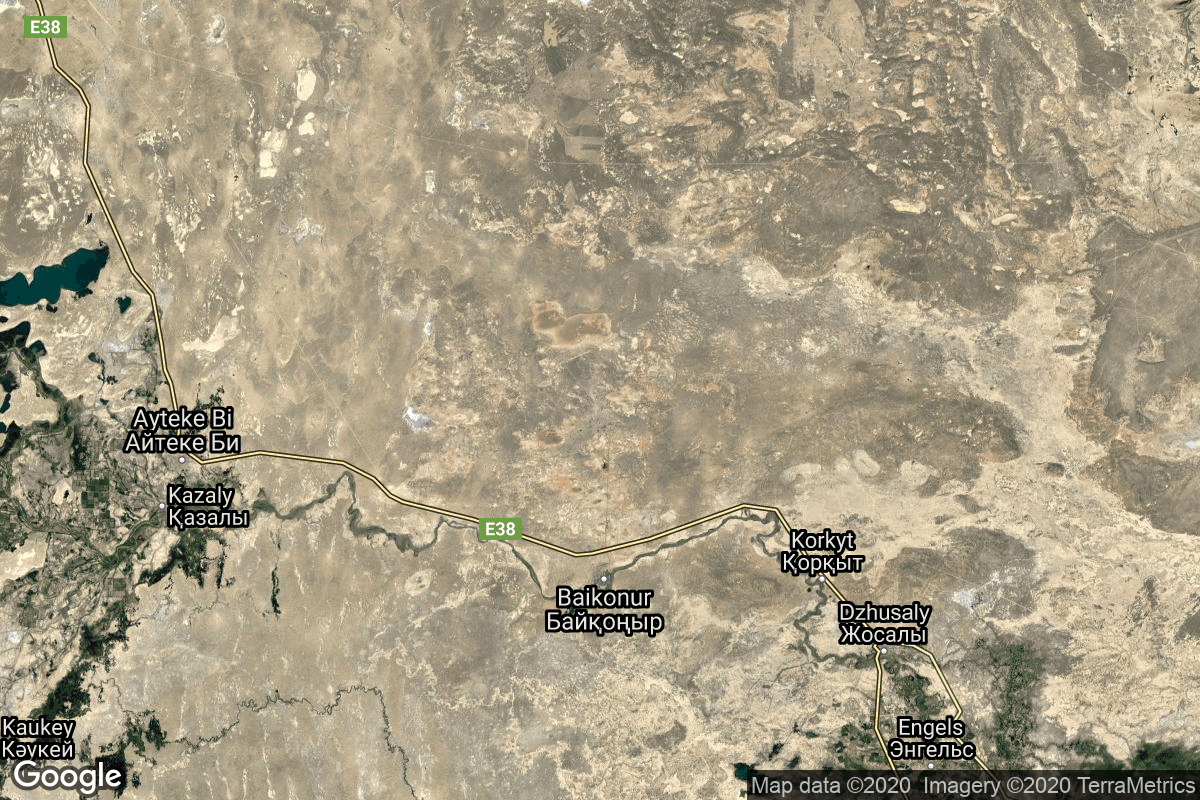
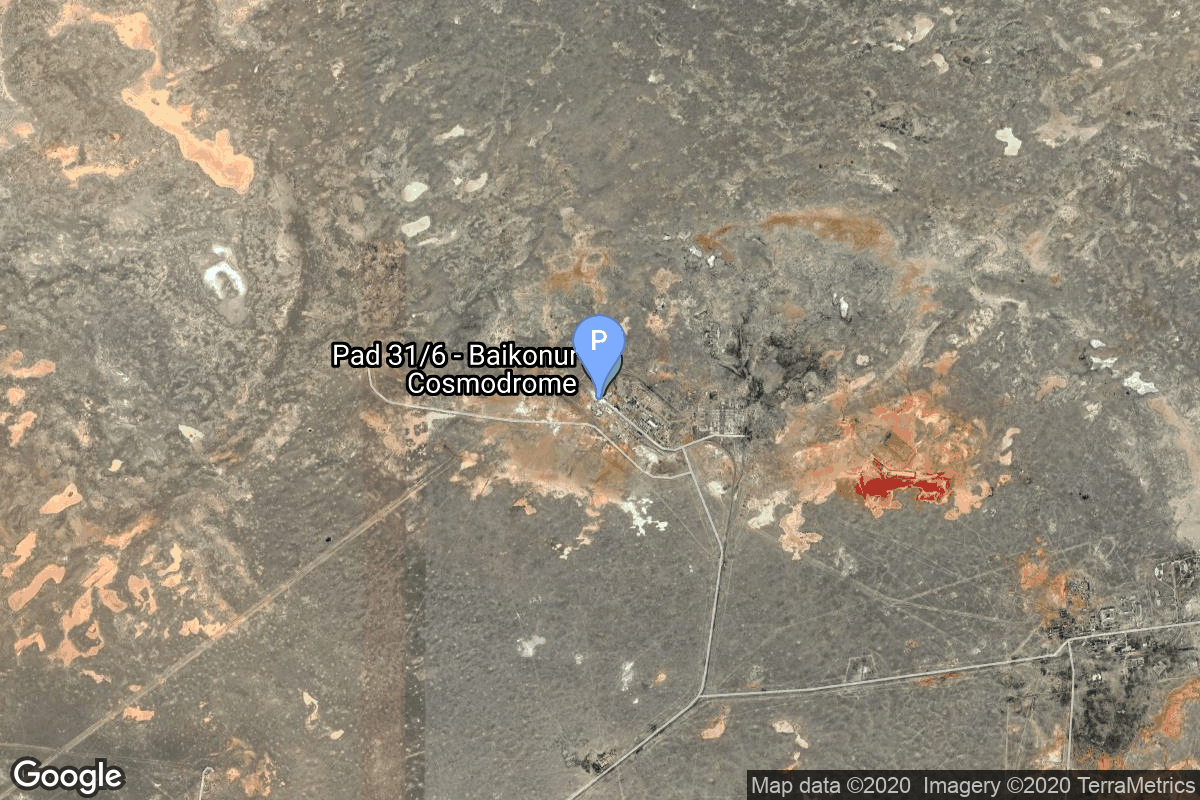
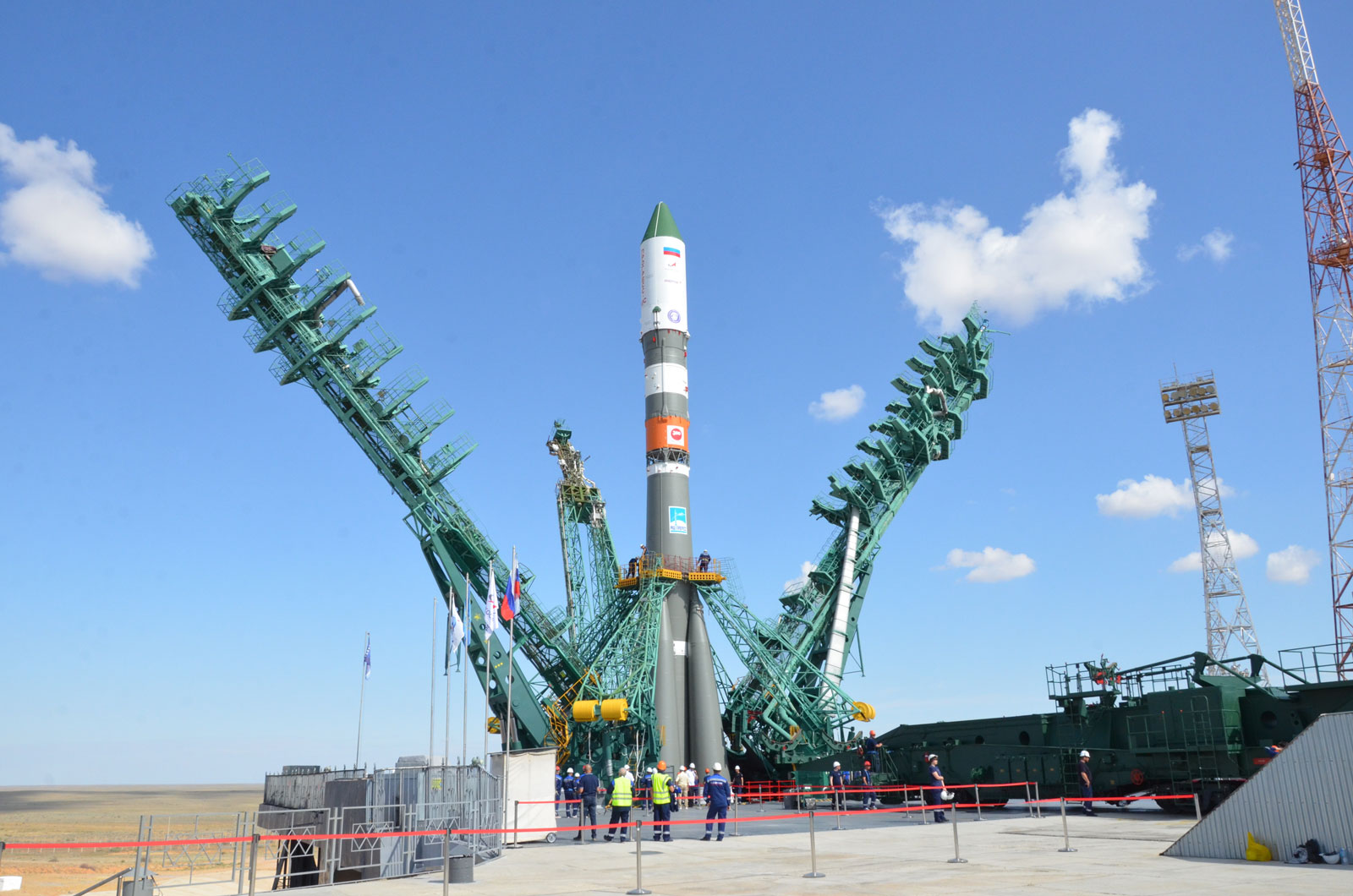
{ "count": 1201, "next": "https://lldev.thespacedevs.com/2.0.0/event/?format=api&limit=10&offset=990", "previous": "https://lldev.thespacedevs.com/2.0.0/event/?format=api&limit=10&offset=970", "results": [ { "id": 1448, "url": "https://lldev.thespacedevs.com/2.0.0/event/1448/?format=api", "slug": "anil-menon-pre-flight-news-conference", "name": "Anil Menon Pre-Flight News Conference", "type": { "id": 20, "name": "Press Event" }, "description": "NASA will host a news conference from the agency’s Johnson Space Center in Houston to preview astronaut Anil Menon’s upcoming mission to the International Space Station.\r\n\r\nThe Soyuz MS-29 mission, targeted to launch Tuesday, July 14, will carry Menon and his crewmates, Roscosmos cosmonauts Pyotr Dubrov and Anna Kikina, to the International Space Station for an eight-month stay as part of Expeditions 74/75. It will be Menon’s first spaceflight.", "location": "Johnson Space Center, Houston, TX, USA", "news_url": "https://www.nasa.gov/news-release/nasa-astronaut-anil-menon-to-discuss-upcoming-launch-mission/", "video_url": "https://www.youtube.com/watch?v=eshK9LS8I5w", "feature_image": "https://thespacedevs-dev.nyc3.digitaloceanspaces.com/media/images/anil_menon_image_20211206185413.jpg", "date": "2026-04-29T17:45:00Z", "launches": [ { "id": "a556b963-0f36-4660-95a8-fdffdba653e2", "url": "https://lldev.thespacedevs.com/2.0.0/launch/a556b963-0f36-4660-95a8-fdffdba653e2/?format=api", "launch_library_id": null, "slug": "soyuz-21a-soyuz-ms-29", "name": "Soyuz 2.1a | Soyuz MS-29", "status": { "id": 3, "name": "Success" }, "net": "2026-07-14T14:47:43Z", "window_end": "2026-07-14T14:47:43Z", "window_start": "2026-07-14T14:47:43Z", "inhold": false, "tbdtime": false, "tbddate": false, "probability": null, "holdreason": "", "failreason": "", "hashtag": null, "launch_service_provider": { "id": 63, "url": "https://lldev.thespacedevs.com/2.0.0/agencies/63/?format=api", "name": "Russian Federal Space Agency (ROSCOSMOS)", "type": "Government" }, "rocket": { "id": 8653, "configuration": { "id": 24, "launch_library_id": 49, "url": "https://lldev.thespacedevs.com/2.0.0/config/launcher/24/?format=api", "name": "Soyuz 2.1a", "family": "Soyuz", "full_name": "Soyuz 2.1a", "variant": "" } }, "mission": { "id": 7245, "launch_library_id": null, "name": "Soyuz MS-29", "description": "Soyuz MS-29 will carry two cosmonauts and one astronaut to the International Space Station aboard the Soyuz spacecraft from the Baikonur Cosmodrome in Kazakhstan. The crew consists of Roscosmos cosmonauts Pyotr Dubrov and Anna Kikina, as well as NASA astronaut Anil Menon.", "launch_designator": null, "type": "Human Exploration", "orbit": { "id": 8, "name": "Low Earth Orbit", "abbrev": "LEO" } }, "pad": { "id": 20, "url": "https://lldev.thespacedevs.com/2.0.0/pad/20/?format=api", "agency_id": null, "name": "31/6", "info_url": null, "wiki_url": "https://en.wikipedia.org/wiki/Baikonur_Cosmodrome_Site_31", "map_url": "https://www.google.com/maps?q=45.996034,63.564003", "latitude": "45.996034", "longitude": "63.564003", "location": { "id": 15, "url": "https://lldev.thespacedevs.com/2.0.0/location/15/?format=api", "name": "Baikonur Cosmodrome, Republic of Kazakhstan", "country_code": "KAZ", "map_image": "https://thespacedevs-dev.nyc3.digitaloceanspaces.com/media/map_images/location_15_20200803142517.jpg", "total_launch_count": 1565, "total_landing_count": 0 }, "map_image": "https://thespacedevs-dev.nyc3.digitaloceanspaces.com/media/map_images/pad_20_20200803143516.jpg", "total_launch_count": 430 }, "webcast_live": false, "image": "https://thespacedevs-dev.nyc3.digitaloceanspaces.com/media/images/soyuz_2.1a_image_20230805184309.jpg", "infographic": null, "program": [ { "id": 8, "url": "https://lldev.thespacedevs.com/2.0.0/program/8/?format=api", "name": "Soyuz", "description": "The Soyuz programme is a human spaceflight programme initiated by the Soviet Union in the early 1960s. The Soyuz spacecraft was originally part of a Moon landing project intended to put a Soviet cosmonaut on the Moon. It was the third Soviet human spaceflight programme after the Vostok and Voskhod programmes.", "agencies": [ { "id": 63, "url": "https://lldev.thespacedevs.com/2.0.0/agencies/63/?format=api", "name": "Russian Federal Space Agency (ROSCOSMOS)", "type": "Government" }, { "id": 66, "url": "https://lldev.thespacedevs.com/2.0.0/agencies/66/?format=api", "name": "Soviet Space Program", "type": "Government" } ], "image_url": "https://thespacedevs-dev.nyc3.digitaloceanspaces.com/media/images/soyuz_program_20201129185543.png", "start_date": "1966-11-28T11:02:00Z", "end_date": null, "info_url": null, "wiki_url": "https://en.wikipedia.org/wiki/Soyuz_programme" }, { "id": 17, "url": "https://lldev.thespacedevs.com/2.0.0/program/17/?format=api", "name": "International Space Station", "description": "The International Space Station programme is tied together by a complex set of legal, political and financial agreements between the sixteen nations involved in the project, governing ownership of the various components, rights to crewing and utilization, and responsibilities for crew rotation and resupply of the International Space Station. It was conceived in 1984 by President Ronald Reagan, during the Space Station Freedom project as it was originally called.", "agencies": [ { "id": 16, "url": "https://lldev.thespacedevs.com/2.0.0/agencies/16/?format=api", "name": "Canadian Space Agency", "type": "Government" }, { "id": 27, "url": "https://lldev.thespacedevs.com/2.0.0/agencies/27/?format=api", "name": "European Space Agency", "type": "Multinational" }, { "id": 37, "url": "https://lldev.thespacedevs.com/2.0.0/agencies/37/?format=api", "name": "Japan Aerospace Exploration Agency", "type": "Government" }, { "id": 44, "url": "https://lldev.thespacedevs.com/2.0.0/agencies/44/?format=api", "name": "National Aeronautics and Space Administration", "type": "Government" }, { "id": 63, "url": "https://lldev.thespacedevs.com/2.0.0/agencies/63/?format=api", "name": "Russian Federal Space Agency (ROSCOSMOS)", "type": "Government" } ], "image_url": "https://thespacedevs-dev.nyc3.digitaloceanspaces.com/media/images/international2_program_20201129184745.png", "start_date": "1998-11-20T06:40:00Z", "end_date": null, "info_url": "https://www.nasa.gov/mission_pages/station/main/index.html", "wiki_url": "https://en.wikipedia.org/wiki/International_Space_Station_programme" } ] } ], "expeditions": [ { "id": 165, "url": "https://lldev.thespacedevs.com/2.0.0/expedition/165/?format=api", "name": "Expedition 74", "start": "2025-12-09T01:41:00Z", "end": "2026-07-26T07:02:00Z", "spacestation": { "id": 4, "url": "https://lldev.thespacedevs.com/2.0.0/spacestation/4/?format=api", "name": "International Space Station", "status": { "id": 1, "name": "Active" }, "orbit": "Low Earth Orbit", "image_url": "https://thespacedevs-dev.nyc3.digitaloceanspaces.com/media/images/international2520space2520station_image_20190220215716.jpeg" } } ], "spacestations": [ { "id": 4, "url": "https://lldev.thespacedevs.com/2.0.0/spacestation/4/?format=api", "name": "International Space Station", "status": { "id": 1, "name": "Active" }, "founded": "1998-11-20", "description": "The International Space Station (ISS) is a space station, or a habitable artificial satellite, in low Earth orbit. Its first component was launched into orbit in 1998, with the first long-term residents arriving in November 2000. It has been inhabited continuously since that date. The last pressurised module was fitted in 2011, and an experimental inflatable space habitat was added in 2016. The station is expected to operate until 2030. Development and assembly of the station continues, with several new elements scheduled for launch in 2019. The ISS is the largest human-made body in low Earth orbit and can often be seen with the naked eye from Earth. The ISS consists of pressurised habitation modules, structural trusses, solar arrays, radiators, docking ports, experiment bays and robotic arms. ISS components have been launched by Russian Proton and Soyuz rockets, and American Space Shuttles.", "orbit": "Low Earth Orbit", "image_url": "https://thespacedevs-dev.nyc3.digitaloceanspaces.com/media/images/international2520space2520station_image_20190220215716.jpeg" } ], "program": [ { "id": 8, "url": "https://lldev.thespacedevs.com/2.0.0/program/8/?format=api", "name": "Soyuz", "description": "The Soyuz programme is a human spaceflight programme initiated by the Soviet Union in the early 1960s. The Soyuz spacecraft was originally part of a Moon landing project intended to put a Soviet cosmonaut on the Moon. It was the third Soviet human spaceflight programme after the Vostok and Voskhod programmes.", "agencies": [ { "id": 63, "url": "https://lldev.thespacedevs.com/2.0.0/agencies/63/?format=api", "name": "Russian Federal Space Agency (ROSCOSMOS)", "type": "Government" }, { "id": 66, "url": "https://lldev.thespacedevs.com/2.0.0/agencies/66/?format=api", "name": "Soviet Space Program", "type": "Government" } ], "image_url": "https://thespacedevs-dev.nyc3.digitaloceanspaces.com/media/images/soyuz_program_20201129185543.png", "start_date": "1966-11-28T11:02:00Z", "end_date": null, "info_url": null, "wiki_url": "https://en.wikipedia.org/wiki/Soyuz_programme" }, { "id": 17, "url": "https://lldev.thespacedevs.com/2.0.0/program/17/?format=api", "name": "International Space Station", "description": "The International Space Station programme is tied together by a complex set of legal, political and financial agreements between the sixteen nations involved in the project, governing ownership of the various components, rights to crewing and utilization, and responsibilities for crew rotation and resupply of the International Space Station. It was conceived in 1984 by President Ronald Reagan, during the Space Station Freedom project as it was originally called.", "agencies": [ { "id": 16, "url": "https://lldev.thespacedevs.com/2.0.0/agencies/16/?format=api", "name": "Canadian Space Agency", "type": "Government" }, { "id": 27, "url": "https://lldev.thespacedevs.com/2.0.0/agencies/27/?format=api", "name": "European Space Agency", "type": "Multinational" }, { "id": 37, "url": "https://lldev.thespacedevs.com/2.0.0/agencies/37/?format=api", "name": "Japan Aerospace Exploration Agency", "type": "Government" }, { "id": 44, "url": "https://lldev.thespacedevs.com/2.0.0/agencies/44/?format=api", "name": "National Aeronautics and Space Administration", "type": "Government" }, { "id": 63, "url": "https://lldev.thespacedevs.com/2.0.0/agencies/63/?format=api", "name": "Russian Federal Space Agency (ROSCOSMOS)", "type": "Government" } ], "image_url": "https://thespacedevs-dev.nyc3.digitaloceanspaces.com/media/images/international2_program_20201129184745.png", "start_date": "1998-11-20T06:40:00Z", "end_date": null, "info_url": "https://www.nasa.gov/mission_pages/station/main/index.html", "wiki_url": "https://en.wikipedia.org/wiki/International_Space_Station_programme" } ] }, { "id": 1453, "url": "https://lldev.thespacedevs.com/2.0.0/event/1453/?format=api", "slug": "nasa-moon-base-news-conference", "name": "NASA Moon Base News Conference", "type": { "id": 20, "name": "Press Event" }, "description": "NASA will host a news conference at 2 p.m. EDT, Tuesday, May 26, to share Moon Base plans and highlight progress toward a sustained presence on the lunar surface.\r\n\r\nParticipants include:\r\n- NASA Administrator Jared Isaacman\r\n- Lori Glaze, acting associate administrator, Exploration Systems Development Mission Directorate\r\n- Carlos García-Galán, program executive, Moon Base", "location": "NASA HQ, Washington DC, USA", "news_url": "https://www.nasa.gov/news-release/nasa-to-provide-update-on-moon-base-strategy-missions/", "video_url": "https://www.youtube.com/watch?v=Nyki6O1oxIg", "feature_image": "https://thespacedevs-dev.nyc3.digitaloceanspaces.com/media/images/astronauts_work_image_20260521065007.jpg", "date": "2026-05-26T18:00:00Z", "launches": [], "expeditions": [], "spacestations": [], "program": [ { "id": 15, "url": "https://lldev.thespacedevs.com/2.0.0/program/15/?format=api", "name": "Artemis", "description": "The Artemis program is a US government-funded crewed spaceflight program that has the goal of landing \"the first woman and the next man\" on the Moon, specifically at the lunar south pole region.", "agencies": [ { "id": 44, "url": "https://lldev.thespacedevs.com/2.0.0/agencies/44/?format=api", "name": "National Aeronautics and Space Administration", "type": "Government" } ], "image_url": "https://thespacedevs-dev.nyc3.digitaloceanspaces.com/media/images/artemis_program_20220827100930.png", "start_date": "2017-12-11T00:00:00Z", "end_date": null, "info_url": "https://www.nasa.gov/specials/artemis/", "wiki_url": "https://en.wikipedia.org/wiki/Artemis_program" } ] }, { "id": 1489, "url": "https://lldev.thespacedevs.com/2.0.0/event/1489/?format=api", "slug": "nasa-maven-farewell-media-teleconference", "name": "NASA MAVEN Farewell Media Teleconference", "type": { "id": 20, "name": "Press Event" }, "description": "The first mission devoted to observing the Martian atmosphere and its evolution, NASA’s MAVEN (Mars Atmosphere and Volatile Evolution), has ended after more than 11 years in orbit at Mars and a decade beyond its primary, one-year mission. The spacecraft was heard last on Dec. 6, when it experienced an unexpected loss of signal after it passed behind the Red Planet.\r\n\r\nNASA will host a media teleconference to discuss MAVEN’s achievements. Participants in the teleconference include:\r\n- Tiffany Morgan, director, Mars Exploration Program, Planetary Science Division, NASA Headquarters\r\n- Mike Moreau, project manager, MAVEN, NASA’s Goddard Space Flight Center, Greenbelt, Maryland\r\n- Greg Heckler, deputy program manager for Capability Development, SCaN (Space Communications and Navigation), NASA Headquarters\r\n- Shannon Curry, MAVEN principal investigator, Laboratory for Atmospheric and Space Physics at the University of Colorado Boulder", "location": "Online", "news_url": "https://www.nasa.gov/news-release/nasa-says-farewell-to-maven-mars-mission-hosts-media-call-today/", "video_url": "https://www.youtube.com/watch?v=4WALToxcMjo", "feature_image": "https://thespacedevs-dev.nyc3.digitaloceanspaces.com/media/images/maven_at_mars_r_image_20260603132603.jpg", "date": "2026-06-03T18:00:00Z", "launches": [], "expeditions": [], "spacestations": [], "program": [] }, { "id": 1495, "url": "https://lldev.thespacedevs.com/2.0.0/event/1495/?format=api", "slug": "soyuz-ms-29-hatch-opening", "name": "Soyuz MS-29 Hatch Opening", "type": { "id": 12, "name": "Hatch Opening" }, "description": "Coverage of the hatch opening and welcoming remarks by the Soyuz MS-29 crew on the International Space Station as they join the Expedition 74 crew.", "location": "International Space Station", "news_url": "https://www.nasa.gov/news-release/nasa-sets-coverage-for-astronaut-anil-menon-launch-to-space-station/", "video_url": "https://www.youtube.com/watch?v=HA_0EtDt_n0", "feature_image": "https://thespacedevs-dev.nyc3.digitaloceanspaces.com/media/images/soyuz_ms_in_orb_image_20240313130407.jpeg", "date": "2026-07-14T19:55:00Z", "launches": [ { "id": "a556b963-0f36-4660-95a8-fdffdba653e2", "url": "https://lldev.thespacedevs.com/2.0.0/launch/a556b963-0f36-4660-95a8-fdffdba653e2/?format=api", "launch_library_id": null, "slug": "soyuz-21a-soyuz-ms-29", "name": "Soyuz 2.1a | Soyuz MS-29", "status": { "id": 3, "name": "Success" }, "net": "2026-07-14T14:47:43Z", "window_end": "2026-07-14T14:47:43Z", "window_start": "2026-07-14T14:47:43Z", "inhold": false, "tbdtime": false, "tbddate": false, "probability": null, "holdreason": "", "failreason": "", "hashtag": null, "launch_service_provider": { "id": 63, "url": "https://lldev.thespacedevs.com/2.0.0/agencies/63/?format=api", "name": "Russian Federal Space Agency (ROSCOSMOS)", "type": "Government" }, "rocket": { "id": 8653, "configuration": { "id": 24, "launch_library_id": 49, "url": "https://lldev.thespacedevs.com/2.0.0/config/launcher/24/?format=api", "name": "Soyuz 2.1a", "family": "Soyuz", "full_name": "Soyuz 2.1a", "variant": "" } }, "mission": { "id": 7245, "launch_library_id": null, "name": "Soyuz MS-29", "description": "Soyuz MS-29 will carry two cosmonauts and one astronaut to the International Space Station aboard the Soyuz spacecraft from the Baikonur Cosmodrome in Kazakhstan. The crew consists of Roscosmos cosmonauts Pyotr Dubrov and Anna Kikina, as well as NASA astronaut Anil Menon.", "launch_designator": null, "type": "Human Exploration", "orbit": { "id": 8, "name": "Low Earth Orbit", "abbrev": "LEO" } }, "pad": { "id": 20, "url": "https://lldev.thespacedevs.com/2.0.0/pad/20/?format=api", "agency_id": null, "name": "31/6", "info_url": null, "wiki_url": "https://en.wikipedia.org/wiki/Baikonur_Cosmodrome_Site_31", "map_url": "https://www.google.com/maps?q=45.996034,63.564003", "latitude": "45.996034", "longitude": "63.564003", "location": { "id": 15, "url": "https://lldev.thespacedevs.com/2.0.0/location/15/?format=api", "name": "Baikonur Cosmodrome, Republic of Kazakhstan", "country_code": "KAZ", "map_image": "https://thespacedevs-dev.nyc3.digitaloceanspaces.com/media/map_images/location_15_20200803142517.jpg", "total_launch_count": 1565, "total_landing_count": 0 }, "map_image": "https://thespacedevs-dev.nyc3.digitaloceanspaces.com/media/map_images/pad_20_20200803143516.jpg", "total_launch_count": 430 }, "webcast_live": false, "image": "https://thespacedevs-dev.nyc3.digitaloceanspaces.com/media/images/soyuz_2.1a_image_20230805184309.jpg", "infographic": null, "program": [ { "id": 8, "url": "https://lldev.thespacedevs.com/2.0.0/program/8/?format=api", "name": "Soyuz", "description": "The Soyuz programme is a human spaceflight programme initiated by the Soviet Union in the early 1960s. The Soyuz spacecraft was originally part of a Moon landing project intended to put a Soviet cosmonaut on the Moon. It was the third Soviet human spaceflight programme after the Vostok and Voskhod programmes.", "agencies": [ { "id": 63, "url": "https://lldev.thespacedevs.com/2.0.0/agencies/63/?format=api", "name": "Russian Federal Space Agency (ROSCOSMOS)", "type": "Government" }, { "id": 66, "url": "https://lldev.thespacedevs.com/2.0.0/agencies/66/?format=api", "name": "Soviet Space Program", "type": "Government" } ], "image_url": "https://thespacedevs-dev.nyc3.digitaloceanspaces.com/media/images/soyuz_program_20201129185543.png", "start_date": "1966-11-28T11:02:00Z", "end_date": null, "info_url": null, "wiki_url": "https://en.wikipedia.org/wiki/Soyuz_programme" }, { "id": 17, "url": "https://lldev.thespacedevs.com/2.0.0/program/17/?format=api", "name": "International Space Station", "description": "The International Space Station programme is tied together by a complex set of legal, political and financial agreements between the sixteen nations involved in the project, governing ownership of the various components, rights to crewing and utilization, and responsibilities for crew rotation and resupply of the International Space Station. It was conceived in 1984 by President Ronald Reagan, during the Space Station Freedom project as it was originally called.", "agencies": [ { "id": 16, "url": "https://lldev.thespacedevs.com/2.0.0/agencies/16/?format=api", "name": "Canadian Space Agency", "type": "Government" }, { "id": 27, "url": "https://lldev.thespacedevs.com/2.0.0/agencies/27/?format=api", "name": "European Space Agency", "type": "Multinational" }, { "id": 37, "url": "https://lldev.thespacedevs.com/2.0.0/agencies/37/?format=api", "name": "Japan Aerospace Exploration Agency", "type": "Government" }, { "id": 44, "url": "https://lldev.thespacedevs.com/2.0.0/agencies/44/?format=api", "name": "National Aeronautics and Space Administration", "type": "Government" }, { "id": 63, "url": "https://lldev.thespacedevs.com/2.0.0/agencies/63/?format=api", "name": "Russian Federal Space Agency (ROSCOSMOS)", "type": "Government" } ], "image_url": "https://thespacedevs-dev.nyc3.digitaloceanspaces.com/media/images/international2_program_20201129184745.png", "start_date": "1998-11-20T06:40:00Z", "end_date": null, "info_url": "https://www.nasa.gov/mission_pages/station/main/index.html", "wiki_url": "https://en.wikipedia.org/wiki/International_Space_Station_programme" } ] } ], "expeditions": [ { "id": 165, "url": "https://lldev.thespacedevs.com/2.0.0/expedition/165/?format=api", "name": "Expedition 74", "start": "2025-12-09T01:41:00Z", "end": "2026-07-26T07:02:00Z", "spacestation": { "id": 4, "url": "https://lldev.thespacedevs.com/2.0.0/spacestation/4/?format=api", "name": "International Space Station", "status": { "id": 1, "name": "Active" }, "orbit": "Low Earth Orbit", "image_url": "https://thespacedevs-dev.nyc3.digitaloceanspaces.com/media/images/international2520space2520station_image_20190220215716.jpeg" } } ], "spacestations": [ { "id": 4, "url": "https://lldev.thespacedevs.com/2.0.0/spacestation/4/?format=api", "name": "International Space Station", "status": { "id": 1, "name": "Active" }, "founded": "1998-11-20", "description": "The International Space Station (ISS) is a space station, or a habitable artificial satellite, in low Earth orbit. Its first component was launched into orbit in 1998, with the first long-term residents arriving in November 2000. It has been inhabited continuously since that date. The last pressurised module was fitted in 2011, and an experimental inflatable space habitat was added in 2016. The station is expected to operate until 2030. Development and assembly of the station continues, with several new elements scheduled for launch in 2019. The ISS is the largest human-made body in low Earth orbit and can often be seen with the naked eye from Earth. The ISS consists of pressurised habitation modules, structural trusses, solar arrays, radiators, docking ports, experiment bays and robotic arms. ISS components have been launched by Russian Proton and Soyuz rockets, and American Space Shuttles.", "orbit": "Low Earth Orbit", "image_url": "https://thespacedevs-dev.nyc3.digitaloceanspaces.com/media/images/international2520space2520station_image_20190220215716.jpeg" } ], "program": [ { "id": 17, "url": "https://lldev.thespacedevs.com/2.0.0/program/17/?format=api", "name": "International Space Station", "description": "The International Space Station programme is tied together by a complex set of legal, political and financial agreements between the sixteen nations involved in the project, governing ownership of the various components, rights to crewing and utilization, and responsibilities for crew rotation and resupply of the International Space Station. It was conceived in 1984 by President Ronald Reagan, during the Space Station Freedom project as it was originally called.", "agencies": [ { "id": 16, "url": "https://lldev.thespacedevs.com/2.0.0/agencies/16/?format=api", "name": "Canadian Space Agency", "type": "Government" }, { "id": 27, "url": "https://lldev.thespacedevs.com/2.0.0/agencies/27/?format=api", "name": "European Space Agency", "type": "Multinational" }, { "id": 37, "url": "https://lldev.thespacedevs.com/2.0.0/agencies/37/?format=api", "name": "Japan Aerospace Exploration Agency", "type": "Government" }, { "id": 44, "url": "https://lldev.thespacedevs.com/2.0.0/agencies/44/?format=api", "name": "National Aeronautics and Space Administration", "type": "Government" }, { "id": 63, "url": "https://lldev.thespacedevs.com/2.0.0/agencies/63/?format=api", "name": "Russian Federal Space Agency (ROSCOSMOS)", "type": "Government" } ], "image_url": "https://thespacedevs-dev.nyc3.digitaloceanspaces.com/media/images/international2_program_20201129184745.png", "start_date": "1998-11-20T06:40:00Z", "end_date": null, "info_url": "https://www.nasa.gov/mission_pages/station/main/index.html", "wiki_url": "https://en.wikipedia.org/wiki/International_Space_Station_programme" } ] }, { "id": 1507, "url": "https://lldev.thespacedevs.com/2.0.0/event/1507/?format=api", "slug": "us-eva-969798-preview-news-conference", "name": "US EVA-96/97/98 Preview News Conference", "type": { "id": 20, "name": "Press Event" }, "description": "NASA will discuss the upcoming US EVA-96, 97 and 98 spacewalks during a news conference at the agency’s Johnson Space Center in Houston.\r\n\r\nNASA participants include:\r\n- Bill Spetch, deputy manager of Commercial, Low Earth Orbit Program\r\n- Chris Dobbins, spacewalk flight director\r\n- Chloe Mehring, spacewalk flight director", "location": "Johnson Space Center, Houston, TX, USA", "news_url": "https://www.nasa.gov/news-release/nasa-to-cover-three-us-spacewalks-host-preview-news-conference/", "video_url": "https://www.youtube.com/watch?v=ea9gZp_KxBU", "feature_image": "https://thespacedevs-dev.nyc3.digitaloceanspaces.com/media/images/us2520eva-52_image_20190318200748.jpeg", "date": "2026-07-30T18:00:00Z", "launches": [], "expeditions": [ { "id": 168, "url": "https://lldev.thespacedevs.com/2.0.0/expedition/168/?format=api", "name": "Expedition 75", "start": "2026-07-26T07:02:00Z", "end": null, "spacestation": { "id": 4, "url": "https://lldev.thespacedevs.com/2.0.0/spacestation/4/?format=api", "name": "International Space Station", "status": { "id": 1, "name": "Active" }, "orbit": "Low Earth Orbit", "image_url": "https://thespacedevs-dev.nyc3.digitaloceanspaces.com/media/images/international2520space2520station_image_20190220215716.jpeg" } } ], "spacestations": [ { "id": 4, "url": "https://lldev.thespacedevs.com/2.0.0/spacestation/4/?format=api", "name": "International Space Station", "status": { "id": 1, "name": "Active" }, "founded": "1998-11-20", "description": "The International Space Station (ISS) is a space station, or a habitable artificial satellite, in low Earth orbit. Its first component was launched into orbit in 1998, with the first long-term residents arriving in November 2000. It has been inhabited continuously since that date. The last pressurised module was fitted in 2011, and an experimental inflatable space habitat was added in 2016. The station is expected to operate until 2030. Development and assembly of the station continues, with several new elements scheduled for launch in 2019. The ISS is the largest human-made body in low Earth orbit and can often be seen with the naked eye from Earth. The ISS consists of pressurised habitation modules, structural trusses, solar arrays, radiators, docking ports, experiment bays and robotic arms. ISS components have been launched by Russian Proton and Soyuz rockets, and American Space Shuttles.", "orbit": "Low Earth Orbit", "image_url": "https://thespacedevs-dev.nyc3.digitaloceanspaces.com/media/images/international2520space2520station_image_20190220215716.jpeg" } ], "program": [ { "id": 17, "url": "https://lldev.thespacedevs.com/2.0.0/program/17/?format=api", "name": "International Space Station", "description": "The International Space Station programme is tied together by a complex set of legal, political and financial agreements between the sixteen nations involved in the project, governing ownership of the various components, rights to crewing and utilization, and responsibilities for crew rotation and resupply of the International Space Station. It was conceived in 1984 by President Ronald Reagan, during the Space Station Freedom project as it was originally called.", "agencies": [ { "id": 16, "url": "https://lldev.thespacedevs.com/2.0.0/agencies/16/?format=api", "name": "Canadian Space Agency", "type": "Government" }, { "id": 27, "url": "https://lldev.thespacedevs.com/2.0.0/agencies/27/?format=api", "name": "European Space Agency", "type": "Multinational" }, { "id": 37, "url": "https://lldev.thespacedevs.com/2.0.0/agencies/37/?format=api", "name": "Japan Aerospace Exploration Agency", "type": "Government" }, { "id": 44, "url": "https://lldev.thespacedevs.com/2.0.0/agencies/44/?format=api", "name": "National Aeronautics and Space Administration", "type": "Government" }, { "id": 63, "url": "https://lldev.thespacedevs.com/2.0.0/agencies/63/?format=api", "name": "Russian Federal Space Agency (ROSCOSMOS)", "type": "Government" } ], "image_url": "https://thespacedevs-dev.nyc3.digitaloceanspaces.com/media/images/international2_program_20201129184745.png", "start_date": "1998-11-20T06:40:00Z", "end_date": null, "info_url": "https://www.nasa.gov/mission_pages/station/main/index.html", "wiki_url": "https://en.wikipedia.org/wiki/International_Space_Station_programme" } ] }, { "id": 1509, "url": "https://lldev.thespacedevs.com/2.0.0/event/1509/?format=api", "slug": "booster-21-rollout-to-the-launch-site", "name": "Booster 21 Rollout to the Launch Site", "type": { "id": 27, "name": "Rollout" }, "description": "Booster 21 is rolling out to the Launch site at Starbase ahead of testing.", "location": "Starbase Texas", "news_url": null, "video_url": "https://www.youtube.com/watch?v=sfj4kdQD2MU", "feature_image": "https://thespacedevs-dev.nyc3.digitaloceanspaces.com/media/images/booster_19_duri_image_20260307203559.jpg", "date": "2026-08-25T17:20:00Z", "launches": [ { "id": "7d1afb26-6f9c-429b-9ccf-29012fd1e519", "url": "https://lldev.thespacedevs.com/2.0.0/launch/7d1afb26-6f9c-429b-9ccf-29012fd1e519/?format=api", "launch_library_id": null, "slug": "starship-starlink-group-31-1-starship-flight-14", "name": "Starship | Starlink Group 31-1 (Starship Flight 14)", "status": { "id": 3, "name": "Success" }, "net": "2026-09-28T12:48:59Z", "window_end": "2026-09-28T13:30:00Z", "window_start": "2026-09-28T12:15:00Z", "inhold": false, "tbdtime": false, "tbddate": false, "probability": null, "holdreason": "", "failreason": "", "hashtag": null, "launch_service_provider": { "id": 121, "url": "https://lldev.thespacedevs.com/2.0.0/agencies/121/?format=api", "name": "SpaceX", "type": "Commercial" }, "rocket": { "id": 9105, "configuration": { "id": 522, "launch_library_id": null, "url": "https://lldev.thespacedevs.com/2.0.0/config/launcher/522/?format=api", "name": "Starship", "family": "Starship", "full_name": "Starship V3", "variant": "V3" } }, "mission": { "id": 7700, "launch_library_id": null, "name": "Starlink Group 31-1 (Starship Flight 14)", "description": "14th test flight of the two-stage Starship launch vehicle. 3rd flight of Starship V3 and the first Starship flight to deploy satellites (a group of Starlink satellites known as Starlink Group 31-1) into stable Low Earth Orbit.\r\n\r\nThe ship is expected to fly at an altitude approximately 275 km above Earth and complete approximately 6 orbits around the planet for nearly 10 hours, with splashdown targeted in the Pacific Ocean west of Chile.\r\n\r\nThe booster’s primary test objective on Flight 14 will be executing a successful launch, ascent, stage separation, boostback burn, and landing burn at an offshore landing point in the Gulf.\r\n\r\nStarship will deliver 26 Starlink V3 satellites to orbit for the first time, which aim to greatly expand the network's capacity and user speeds. Each Starlink V3 satellite will add 1 Tbps of capacity to the constellation.", "launch_designator": null, "type": "Communications", "orbit": { "id": 8, "name": "Low Earth Orbit", "abbrev": "LEO" } }, "pad": { "id": 235, "url": "https://lldev.thespacedevs.com/2.0.0/pad/235/?format=api", "agency_id": 121, "name": "Orbital Launch Pad 2", "info_url": null, "wiki_url": "https://en.wikipedia.org/wiki/SpaceX_Starbase#Launch_site_(Orbital_Launch_Mount_(Pad_1_and_2))", "map_url": "https://www.google.com/maps?q=25.996770,-97.157990", "latitude": "25.99677", "longitude": "-97.15799", "location": { "id": 143, "url": "https://lldev.thespacedevs.com/2.0.0/location/143/?format=api", "name": "SpaceX Starbase, TX, USA", "country_code": "USA", "map_image": "https://thespacedevs-dev.nyc3.digitaloceanspaces.com/media/map_images/location_143_20200803142438.jpg", "total_launch_count": 23, "total_landing_count": 13 }, "map_image": "https://thespacedevs-dev.nyc3.digitaloceanspaces.com/media/map_images/pad_orbital_launch_mount_b_20241126031254.jpg", "total_launch_count": 3 }, "webcast_live": false, "image": "https://thespacedevs-dev.nyc3.digitaloceanspaces.com/media/images/starship_liftof_image_20260929153327.jpg", "infographic": null, "program": [ { "id": 1, "url": "https://lldev.thespacedevs.com/2.0.0/program/1/?format=api", "name": "SpaceX Starship", "description": "The SpaceX Starship is a fully reusable super heavy-lift launch vehicle under development by SpaceX since 2012, as a self-funded private spaceflight project. The second stage of the Starship — is designed as a long-duration cargo and passenger-carrying spacecraft. It is expected to be initially used without any booster stage at all, as part of an extensive development program to prove out launch-and-landing and iterate on a variety of design details, particularly with respect to the vehicle's atmospheric reentry.", "agencies": [ { "id": 121, "url": "https://lldev.thespacedevs.com/2.0.0/agencies/121/?format=api", "name": "SpaceX", "type": "Commercial" } ], "image_url": "https://thespacedevs-dev.nyc3.digitaloceanspaces.com/media/images/starship_on_the_image_20250111100520.jpg", "start_date": "2019-03-01T05:00:00Z", "end_date": null, "info_url": "https://www.spacex.com/vehicles/starship/", "wiki_url": "https://en.wikipedia.org/wiki/SpaceX_Starship" }, { "id": 25, "url": "https://lldev.thespacedevs.com/2.0.0/program/25/?format=api", "name": "Starlink", "description": "Starlink is a satellite internet constellation operated by American aerospace company SpaceX", "agencies": [ { "id": 121, "url": "https://lldev.thespacedevs.com/2.0.0/agencies/121/?format=api", "name": "SpaceX", "type": "Commercial" } ], "image_url": "https://thespacedevs-dev.nyc3.digitaloceanspaces.com/media/images/starlink_program_20231228154508.jpeg", "start_date": "2018-02-22T14:17:00Z", "end_date": null, "info_url": "https://starlink.com", "wiki_url": "https://en.wikipedia.org/wiki/Starlink" } ] } ], "expeditions": [], "spacestations": [], "program": [ { "id": 1, "url": "https://lldev.thespacedevs.com/2.0.0/program/1/?format=api", "name": "SpaceX Starship", "description": "The SpaceX Starship is a fully reusable super heavy-lift launch vehicle under development by SpaceX since 2012, as a self-funded private spaceflight project. The second stage of the Starship — is designed as a long-duration cargo and passenger-carrying spacecraft. It is expected to be initially used without any booster stage at all, as part of an extensive development program to prove out launch-and-landing and iterate on a variety of design details, particularly with respect to the vehicle's atmospheric reentry.", "agencies": [ { "id": 121, "url": "https://lldev.thespacedevs.com/2.0.0/agencies/121/?format=api", "name": "SpaceX", "type": "Commercial" } ], "image_url": "https://thespacedevs-dev.nyc3.digitaloceanspaces.com/media/images/starship_on_the_image_20250111100520.jpg", "start_date": "2019-03-01T05:00:00Z", "end_date": null, "info_url": "https://www.spacex.com/vehicles/starship/", "wiki_url": "https://en.wikipedia.org/wiki/SpaceX_Starship" } ] }, { "id": 1515, "url": "https://lldev.thespacedevs.com/2.0.0/event/1515/?format=api", "slug": "roman-space-telescope-prelaunch-news-conference", "name": "Roman Space Telescope Prelaunch News Conference", "type": { "id": 20, "name": "Press Event" }, "description": "The prelaunch news conference will take place in the NASA Kennedy Press Site auditorium with the following participants:\r\n\r\n* Nicky Fox, associate administrator, Science Mission Directorate, NASA Headquarters\r\n* Lucas Paganini, Roman telescope program executive, NASA Headquarters\r\n* Jackie Townsend, Roman telescope project manager, NASA Goddard\r\n* Denton Gibson, launch director, NASA’s Launch Services Program, NASA Kennedy\r\n* Julianna Scheiman, director, NASA Science and Dragon Programs, SpaceX\r\n* Justin McReynolds, launch weather officer, 45th Weather Squadron, U.S. Space Force", "location": "KSC, Florida", "news_url": "https://www.nasa.gov/news-release/nasa-sets-coverage-for-roman-space-telescope-launch-from-florida/", "video_url": "https://www.youtube.com/watch?v=l5OJk1FuEKg", "feature_image": "https://thespacedevs-dev.nyc3.digitaloceanspaces.com/media/images/roman_space_tel_image_20260329084947.jpg", "date": "2026-08-29T14:30:00Z", "launches": [], "expeditions": [], "spacestations": [], "program": [] }, { "id": 1521, "url": "https://lldev.thespacedevs.com/2.0.0/event/1521/?format=api", "slug": "spacex-crew-13-pre-launch-news-conference", "name": "SpaceX Crew-13 Pre-Launch News Conference", "type": { "id": 20, "name": "Press Event" }, "description": "NASA, CSA, and SpaceX will host a press conference ahead of Crew-13 launch to the International Space Station with the following participants:\r\n- Dr. Lori Glaze, associate administrator, Human Spaceflight Mission Directorate, NASA Headquarters\r\n- Dana Weigel, manager, Low Earth Orbit Program, NASA’s Johnson Space Center in Houston\r\n- Mathieu Caron, director, Astronauts, Life Sciences, and Space Medicine, CSA\r\n- William Gerstenmaier, vice president, Build and Flight Reliability, SpaceX\r\n- Arlena Moses, launch weather officer, Cape Canaveral Space Force Station’s 45th Weather Squadron", "location": "Kennedy Space Center, FL, USA", "news_url": "https://www.nasa.gov/news-release/nasa-sets-crew-13-launch-docking-coverage/", "video_url": "https://www.youtube.com/watch?v=mlfzT_nD6GE", "feature_image": "https://thespacedevs-dev.nyc3.digitaloceanspaces.com/media/images/falcon_9_on_slc_image_20240926072512.jpg", "date": "2026-09-30T22:00:00Z", "launches": [ { "id": "18441371-8b2e-457c-afb5-1ec1b11ab630", "url": "https://lldev.thespacedevs.com/2.0.0/launch/18441371-8b2e-457c-afb5-1ec1b11ab630/?format=api", "launch_library_id": null, "slug": "falcon-9-block-5-crew-13", "name": "Falcon 9 Block 5 | Crew-13", "status": { "id": 3, "name": "Success" }, "net": "2026-10-01T15:10:06Z", "window_end": "2026-10-01T15:10:06Z", "window_start": "2026-10-01T15:10:06Z", "inhold": false, "tbdtime": false, "tbddate": false, "probability": 60, "holdreason": "", "failreason": "", "hashtag": null, "launch_service_provider": { "id": 121, "url": "https://lldev.thespacedevs.com/2.0.0/agencies/121/?format=api", "name": "SpaceX", "type": "Commercial" }, "rocket": { "id": 7600, "configuration": { "id": 164, "launch_library_id": 188, "url": "https://lldev.thespacedevs.com/2.0.0/config/launcher/164/?format=api", "name": "Falcon 9", "family": "Falcon", "full_name": "Falcon 9 Block 5", "variant": "Block 5" } }, "mission": { "id": 6043, "launch_library_id": null, "name": "Crew-13", "description": "SpaceX Crew-13 is the thirteenth crewed operational flight of a Crew Dragon spacecraft to the International Space Station as part of NASA's Commercial Crew Program.", "launch_designator": null, "type": "Human Exploration", "orbit": { "id": 8, "name": "Low Earth Orbit", "abbrev": "LEO" } }, "pad": { "id": 80, "url": "https://lldev.thespacedevs.com/2.0.0/pad/80/?format=api", "agency_id": 121, "name": "Space Launch Complex 40", "info_url": null, "wiki_url": "https://en.wikipedia.org/wiki/Cape_Canaveral_Air_Force_Station_Space_Launch_Complex_40", "map_url": "https://www.google.com/maps?q=28.56194122,-80.57735736", "latitude": "28.56194122", "longitude": "-80.57735736", "location": { "id": 12, "url": "https://lldev.thespacedevs.com/2.0.0/location/12/?format=api", "name": "Cape Canaveral SFS, FL, USA", "country_code": "USA", "map_image": "https://thespacedevs-dev.nyc3.digitaloceanspaces.com/media/map_images/location_12_20200803142519.jpg", "total_launch_count": 1130, "total_landing_count": 82 }, "map_image": "https://thespacedevs-dev.nyc3.digitaloceanspaces.com/media/map_images/pad_80_20200803143323.jpg", "total_launch_count": 402 }, "webcast_live": false, "image": "https://thespacedevs-dev.nyc3.digitaloceanspaces.com/media/images/falcon2520925_image_20220301072106.jpeg", "infographic": null, "program": [ { "id": 5, "url": "https://lldev.thespacedevs.com/2.0.0/program/5/?format=api", "name": "Commercial Crew Program", "description": "The Commercial Crew Program (CCP) is a human spaceflight program operated by NASA, in association with American aerospace manufacturers Boeing and SpaceX. The program conducts rotations between the expeditions of the International Space Station program, transporting crews to and from the International Space Station (ISS) aboard Boeing Starliner and SpaceX Crew Dragon capsules, in the first crewed orbital spaceflights operated by private companies.", "agencies": [ { "id": 80, "url": "https://lldev.thespacedevs.com/2.0.0/agencies/80/?format=api", "name": "Boeing", "type": "Commercial" }, { "id": 44, "url": "https://lldev.thespacedevs.com/2.0.0/agencies/44/?format=api", "name": "National Aeronautics and Space Administration", "type": "Government" }, { "id": 121, "url": "https://lldev.thespacedevs.com/2.0.0/agencies/121/?format=api", "name": "SpaceX", "type": "Commercial" } ], "image_url": "https://thespacedevs-dev.nyc3.digitaloceanspaces.com/media/images/commercial2520_program_20200820201209.png", "start_date": "2011-04-18T00:00:00Z", "end_date": null, "info_url": "https://www.nasa.gov/exploration/commercial/crew/index.html", "wiki_url": "https://en.wikipedia.org/wiki/Commercial_Crew_Program" }, { "id": 17, "url": "https://lldev.thespacedevs.com/2.0.0/program/17/?format=api", "name": "International Space Station", "description": "The International Space Station programme is tied together by a complex set of legal, political and financial agreements between the sixteen nations involved in the project, governing ownership of the various components, rights to crewing and utilization, and responsibilities for crew rotation and resupply of the International Space Station. It was conceived in 1984 by President Ronald Reagan, during the Space Station Freedom project as it was originally called.", "agencies": [ { "id": 16, "url": "https://lldev.thespacedevs.com/2.0.0/agencies/16/?format=api", "name": "Canadian Space Agency", "type": "Government" }, { "id": 27, "url": "https://lldev.thespacedevs.com/2.0.0/agencies/27/?format=api", "name": "European Space Agency", "type": "Multinational" }, { "id": 37, "url": "https://lldev.thespacedevs.com/2.0.0/agencies/37/?format=api", "name": "Japan Aerospace Exploration Agency", "type": "Government" }, { "id": 44, "url": "https://lldev.thespacedevs.com/2.0.0/agencies/44/?format=api", "name": "National Aeronautics and Space Administration", "type": "Government" }, { "id": 63, "url": "https://lldev.thespacedevs.com/2.0.0/agencies/63/?format=api", "name": "Russian Federal Space Agency (ROSCOSMOS)", "type": "Government" } ], "image_url": "https://thespacedevs-dev.nyc3.digitaloceanspaces.com/media/images/international2_program_20201129184745.png", "start_date": "1998-11-20T06:40:00Z", "end_date": null, "info_url": "https://www.nasa.gov/mission_pages/station/main/index.html", "wiki_url": "https://en.wikipedia.org/wiki/International_Space_Station_programme" } ] } ], "expeditions": [], "spacestations": [ { "id": 4, "url": "https://lldev.thespacedevs.com/2.0.0/spacestation/4/?format=api", "name": "International Space Station", "status": { "id": 1, "name": "Active" }, "founded": "1998-11-20", "description": "The International Space Station (ISS) is a space station, or a habitable artificial satellite, in low Earth orbit. Its first component was launched into orbit in 1998, with the first long-term residents arriving in November 2000. It has been inhabited continuously since that date. The last pressurised module was fitted in 2011, and an experimental inflatable space habitat was added in 2016. The station is expected to operate until 2030. Development and assembly of the station continues, with several new elements scheduled for launch in 2019. The ISS is the largest human-made body in low Earth orbit and can often be seen with the naked eye from Earth. The ISS consists of pressurised habitation modules, structural trusses, solar arrays, radiators, docking ports, experiment bays and robotic arms. ISS components have been launched by Russian Proton and Soyuz rockets, and American Space Shuttles.", "orbit": "Low Earth Orbit", "image_url": "https://thespacedevs-dev.nyc3.digitaloceanspaces.com/media/images/international2520space2520station_image_20190220215716.jpeg" } ], "program": [ { "id": 5, "url": "https://lldev.thespacedevs.com/2.0.0/program/5/?format=api", "name": "Commercial Crew Program", "description": "The Commercial Crew Program (CCP) is a human spaceflight program operated by NASA, in association with American aerospace manufacturers Boeing and SpaceX. The program conducts rotations between the expeditions of the International Space Station program, transporting crews to and from the International Space Station (ISS) aboard Boeing Starliner and SpaceX Crew Dragon capsules, in the first crewed orbital spaceflights operated by private companies.", "agencies": [ { "id": 80, "url": "https://lldev.thespacedevs.com/2.0.0/agencies/80/?format=api", "name": "Boeing", "type": "Commercial" }, { "id": 44, "url": "https://lldev.thespacedevs.com/2.0.0/agencies/44/?format=api", "name": "National Aeronautics and Space Administration", "type": "Government" }, { "id": 121, "url": "https://lldev.thespacedevs.com/2.0.0/agencies/121/?format=api", "name": "SpaceX", "type": "Commercial" } ], "image_url": "https://thespacedevs-dev.nyc3.digitaloceanspaces.com/media/images/commercial2520_program_20200820201209.png", "start_date": "2011-04-18T00:00:00Z", "end_date": null, "info_url": "https://www.nasa.gov/exploration/commercial/crew/index.html", "wiki_url": "https://en.wikipedia.org/wiki/Commercial_Crew_Program" }, { "id": 17, "url": "https://lldev.thespacedevs.com/2.0.0/program/17/?format=api", "name": "International Space Station", "description": "The International Space Station programme is tied together by a complex set of legal, political and financial agreements between the sixteen nations involved in the project, governing ownership of the various components, rights to crewing and utilization, and responsibilities for crew rotation and resupply of the International Space Station. It was conceived in 1984 by President Ronald Reagan, during the Space Station Freedom project as it was originally called.", "agencies": [ { "id": 16, "url": "https://lldev.thespacedevs.com/2.0.0/agencies/16/?format=api", "name": "Canadian Space Agency", "type": "Government" }, { "id": 27, "url": "https://lldev.thespacedevs.com/2.0.0/agencies/27/?format=api", "name": "European Space Agency", "type": "Multinational" }, { "id": 37, "url": "https://lldev.thespacedevs.com/2.0.0/agencies/37/?format=api", "name": "Japan Aerospace Exploration Agency", "type": "Government" }, { "id": 44, "url": "https://lldev.thespacedevs.com/2.0.0/agencies/44/?format=api", "name": "National Aeronautics and Space Administration", "type": "Government" }, { "id": 63, "url": "https://lldev.thespacedevs.com/2.0.0/agencies/63/?format=api", "name": "Russian Federal Space Agency (ROSCOSMOS)", "type": "Government" } ], "image_url": "https://thespacedevs-dev.nyc3.digitaloceanspaces.com/media/images/international2_program_20201129184745.png", "start_date": "1998-11-20T06:40:00Z", "end_date": null, "info_url": "https://www.nasa.gov/mission_pages/station/main/index.html", "wiki_url": "https://en.wikipedia.org/wiki/International_Space_Station_programme" } ] }, { "id": 1455, "url": "https://lldev.thespacedevs.com/2.0.0/event/1455/?format=api", "slug": "russian-eva-66", "name": "Russian EVA-66", "type": { "id": 3, "name": "EVA" }, "description": "Russian cosmonauts Sergey Kud-Sverchkov and Sergei Mikaev will install a solar radiation experiment on the Zvezda service module and remove other science hardware from the Poisk and Nauka modules of the orbiting complex’s Roscosmos segment, as well as possibly photographing an antenna on Progress MS-33 that failed to deploy.", "location": "International Space Station", "news_url": "https://www.nasa.gov/news-release/nasa-sets-coverage-for-roscosmos-spacewalk-outside-space-station-2/", "video_url": "https://www.youtube.com/watch?v=HVKuW-DkE_U", "feature_image": "https://thespacedevs-dev.nyc3.digitaloceanspaces.com/media/images/russian_eva-46_image_20201113081602.jpeg", "date": "2026-05-27T14:15:00Z", "launches": [], "expeditions": [], "spacestations": [ { "id": 4, "url": "https://lldev.thespacedevs.com/2.0.0/spacestation/4/?format=api", "name": "International Space Station", "status": { "id": 1, "name": "Active" }, "founded": "1998-11-20", "description": "The International Space Station (ISS) is a space station, or a habitable artificial satellite, in low Earth orbit. Its first component was launched into orbit in 1998, with the first long-term residents arriving in November 2000. It has been inhabited continuously since that date. The last pressurised module was fitted in 2011, and an experimental inflatable space habitat was added in 2016. The station is expected to operate until 2030. Development and assembly of the station continues, with several new elements scheduled for launch in 2019. The ISS is the largest human-made body in low Earth orbit and can often be seen with the naked eye from Earth. The ISS consists of pressurised habitation modules, structural trusses, solar arrays, radiators, docking ports, experiment bays and robotic arms. ISS components have been launched by Russian Proton and Soyuz rockets, and American Space Shuttles.", "orbit": "Low Earth Orbit", "image_url": "https://thespacedevs-dev.nyc3.digitaloceanspaces.com/media/images/international2520space2520station_image_20190220215716.jpeg" } ], "program": [ { "id": 17, "url": "https://lldev.thespacedevs.com/2.0.0/program/17/?format=api", "name": "International Space Station", "description": "The International Space Station programme is tied together by a complex set of legal, political and financial agreements between the sixteen nations involved in the project, governing ownership of the various components, rights to crewing and utilization, and responsibilities for crew rotation and resupply of the International Space Station. It was conceived in 1984 by President Ronald Reagan, during the Space Station Freedom project as it was originally called.", "agencies": [ { "id": 16, "url": "https://lldev.thespacedevs.com/2.0.0/agencies/16/?format=api", "name": "Canadian Space Agency", "type": "Government" }, { "id": 27, "url": "https://lldev.thespacedevs.com/2.0.0/agencies/27/?format=api", "name": "European Space Agency", "type": "Multinational" }, { "id": 37, "url": "https://lldev.thespacedevs.com/2.0.0/agencies/37/?format=api", "name": "Japan Aerospace Exploration Agency", "type": "Government" }, { "id": 44, "url": "https://lldev.thespacedevs.com/2.0.0/agencies/44/?format=api", "name": "National Aeronautics and Space Administration", "type": "Government" }, { "id": 63, "url": "https://lldev.thespacedevs.com/2.0.0/agencies/63/?format=api", "name": "Russian Federal Space Agency (ROSCOSMOS)", "type": "Government" } ], "image_url": "https://thespacedevs-dev.nyc3.digitaloceanspaces.com/media/images/international2_program_20201129184745.png", "start_date": "1998-11-20T06:40:00Z", "end_date": null, "info_url": "https://www.nasa.gov/mission_pages/station/main/index.html", "wiki_url": "https://en.wikipedia.org/wiki/International_Space_Station_programme" } ] }, { "id": 1562, "url": "https://lldev.thespacedevs.com/2.0.0/event/1562/?format=api", "slug": "nasa-jaxa-mmx-media-teleconference", "name": "NASA JAXA MMX Media Teleconference", "type": { "id": 20, "name": "Press Event" }, "description": "NASA will hold a media teleconference to preview the agency’s contributions to JAXA’s (Japan Aerospace Exploration Agency) Martian Moons eXploration (MMX) mission. The mission is scheduled to launch from JAXA’s Tanegashima Space Center in Japan on Monday, Oct. 19 EDT (Tuesday, Oct. 20 JST).\r\n\r\nParticipants in the briefing, who will provide an overview of the mission and NASA’s contributions, include:\r\n- Lindsay Hays, acting director, Planetary Science Division, NASA Headquarters in Washington\r\n- Tom Statler, MMX program executive and scientist, Planetary Science Division, NASA Headquarters\r\n- David Lawrence, MEGANE (Mars-moon Exploration with Gamma-rays and Neutrons) principal investigator, Johns Hopkins Applied Physics Laboratory\r\n- Kris Zacny, vice president, Blue Origin’s Honeybee Robotics", "location": "NASA HQ, Washington DC, USA", "news_url": "https://www.nasa.gov/news-release/nasa-briefing-to-highlight-contributions-to-martian-moons-mission/", "video_url": "https://www.youtube.com/watch?v=3k2mpWrOD1s", "feature_image": "https://thespacedevs-dev.nyc3.digitaloceanspaces.com/media/images/mmx_render_image_20261009063046.jpg", "date": "2026-10-15T20:00:00Z", "launches": [ { "id": "69ebbcd2-b257-4070-9ef9-21e7d1f8a883", "url": "https://lldev.thespacedevs.com/2.0.0/launch/69ebbcd2-b257-4070-9ef9-21e7d1f8a883/?format=api", "launch_library_id": null, "slug": "h3-24-martian-moons-exploration-mmx", "name": "H3-24 | Martian Moons eXploration (MMX)", "status": { "id": 1, "name": "Go" }, "net": "2026-10-19T19:41:03Z", "window_end": "2026-10-19T19:41:03Z", "window_start": "2026-10-19T19:41:03Z", "inhold": false, "tbdtime": false, "tbddate": false, "probability": null, "holdreason": "", "failreason": "", "hashtag": null, "launch_service_provider": { "id": 98, "url": "https://lldev.thespacedevs.com/2.0.0/agencies/98/?format=api", "name": "Mitsubishi Heavy Industries", "type": "Commercial" }, "rocket": { "id": 7769, "configuration": { "id": 204, "launch_library_id": 233, "url": "https://lldev.thespacedevs.com/2.0.0/config/launcher/204/?format=api", "name": "H3-24", "family": "H3", "full_name": "H3-24", "variant": "24" } }, "mission": { "id": 6287, "launch_library_id": null, "name": "Martian Moons eXploration (MMX)", "description": "MMX is a Japanese scientific mission to land on Phobos, one of the two moons of Mars, to collect samples before bringing them back to Earth.\r\n\r\nThe mission includes a small French/German rover to explore the surface of Phobos.", "launch_designator": null, "type": "Planetary Science", "orbit": { "id": 19, "name": "Mars Orbit", "abbrev": "Mars" } }, "pad": { "id": 209, "url": "https://lldev.thespacedevs.com/2.0.0/pad/209/?format=api", "agency_id": 37, "name": "Yoshinobu Launch Complex LP-2", "info_url": null, "wiki_url": "https://en.wikipedia.org/wiki/Yoshinobu_Launch_Complex", "map_url": "https://www.google.com/maps?q=30.400938,130.97564", "latitude": "30.400938", "longitude": "130.97564", "location": { "id": 26, "url": "https://lldev.thespacedevs.com/2.0.0/location/26/?format=api", "name": "Tanegashima Space Center, Japan", "country_code": "JPN", "map_image": "https://thespacedevs-dev.nyc3.digitaloceanspaces.com/media/map_images/location_26_20200803142507.jpg", "total_launch_count": 99, "total_landing_count": 0 }, "map_image": "https://thespacedevs-dev.nyc3.digitaloceanspaces.com/media/map_images/pad_yoshinobu_launch_complex_lp-2_20230707124715.jpg", "total_launch_count": 18 }, "webcast_live": false, "image": "https://thespacedevs-dev.nyc3.digitaloceanspaces.com/media/images/h3-24_liftoff__image_20251028184029.jpeg", "infographic": null, "program": [] } ], "expeditions": [], "spacestations": [], "program": [] } ] }