Event List
API endpoint that allows all Events to be viewed.
GET: Return a list of all Events
SEARCH EXAMPLE: /2.0.0/event/?search=Dragon Searches through name
GET /2.0.0/event/?format=api&offset=80
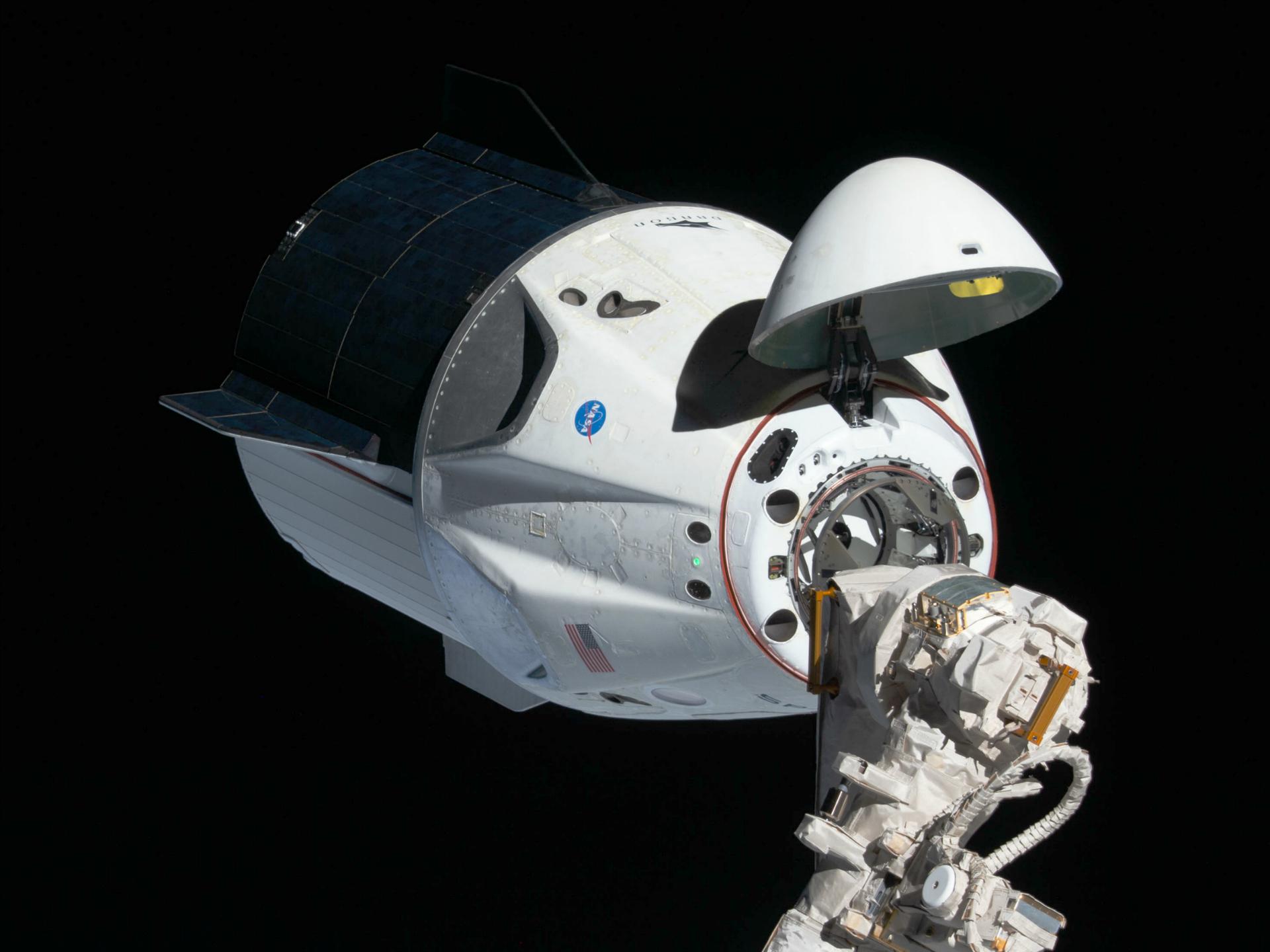
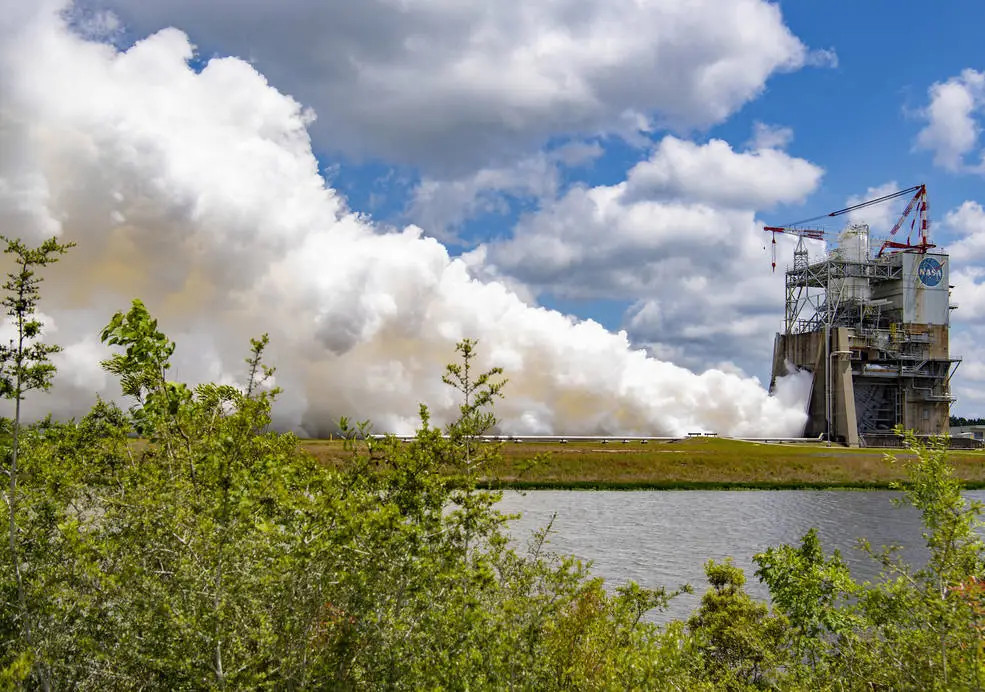
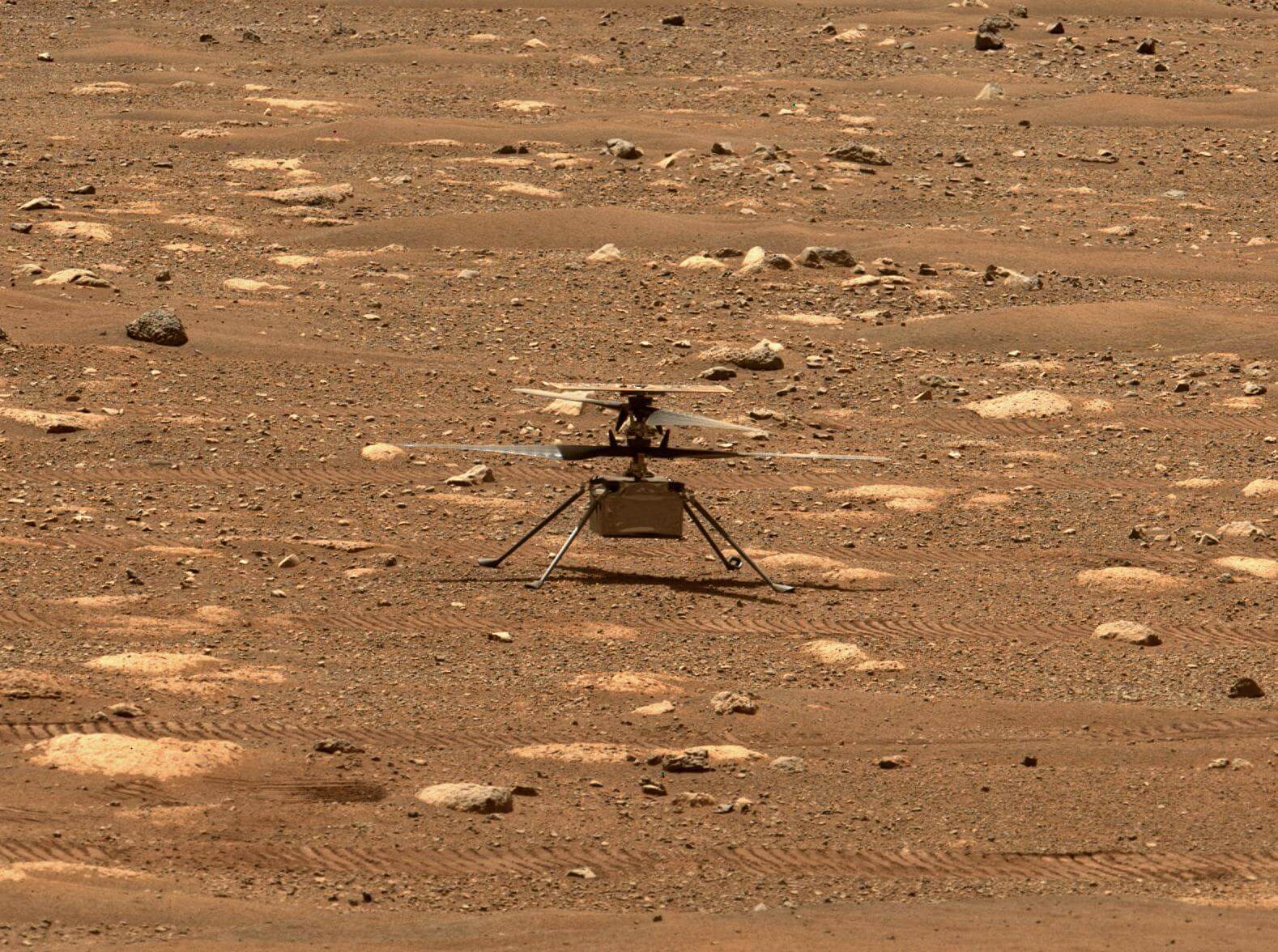
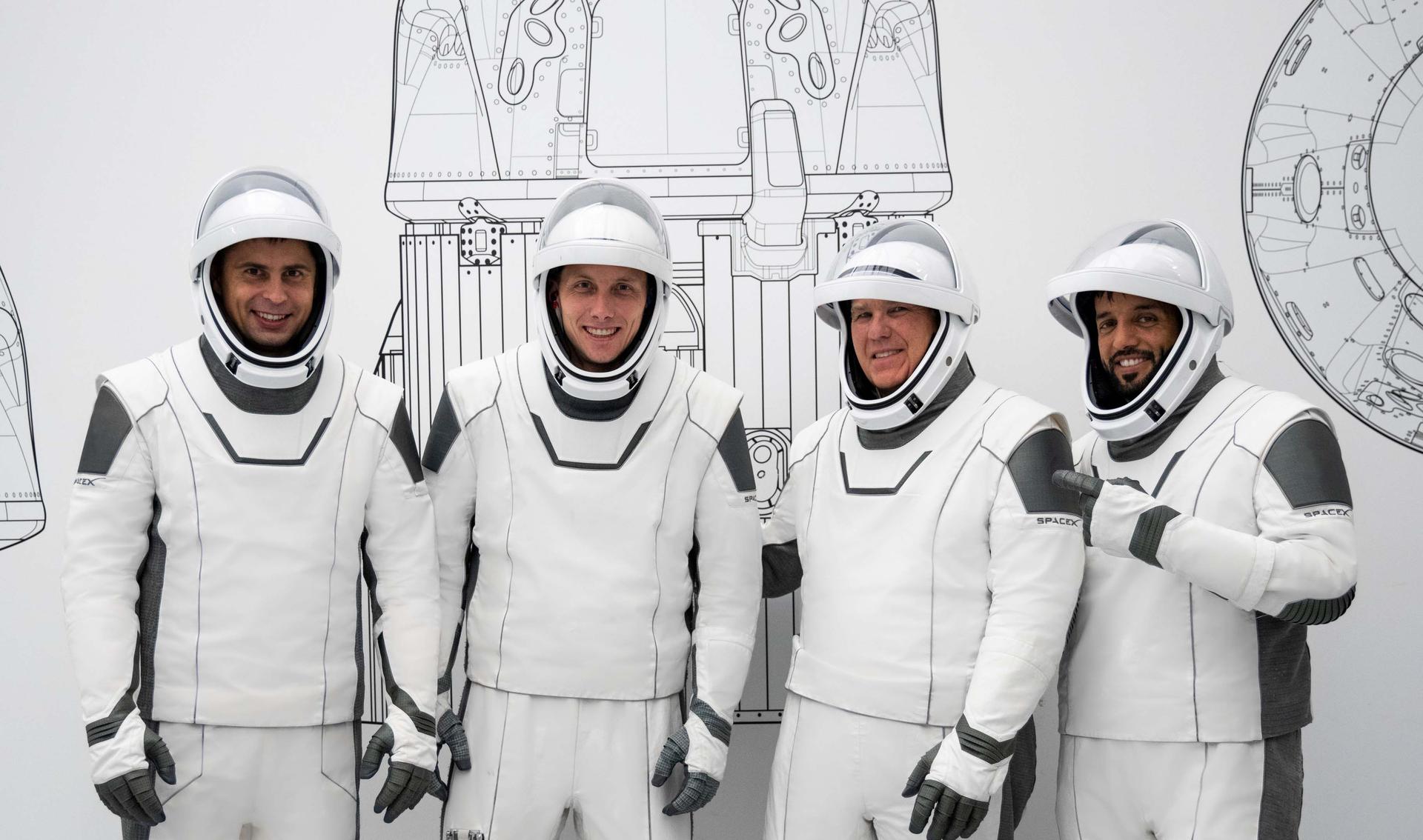
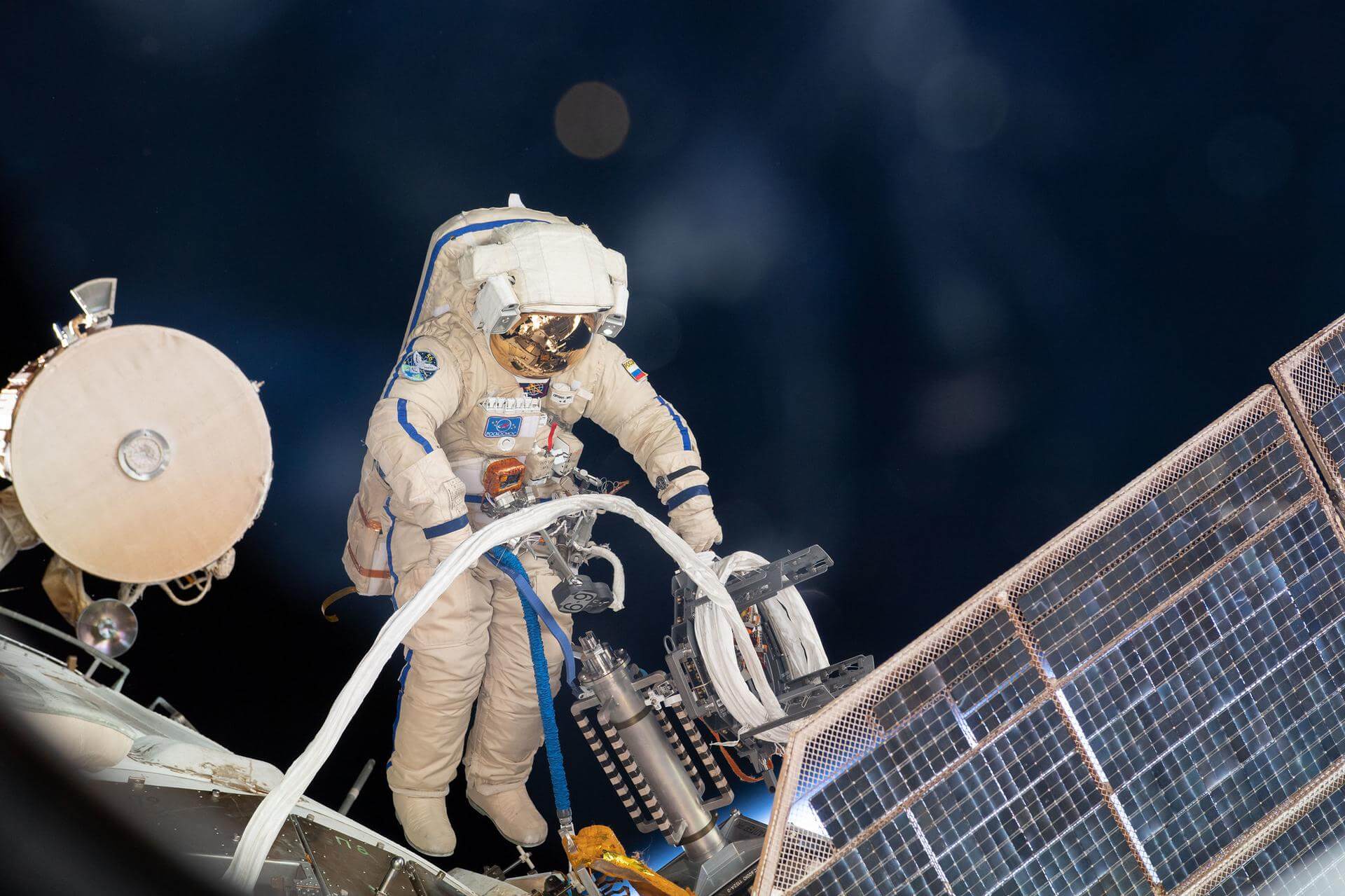
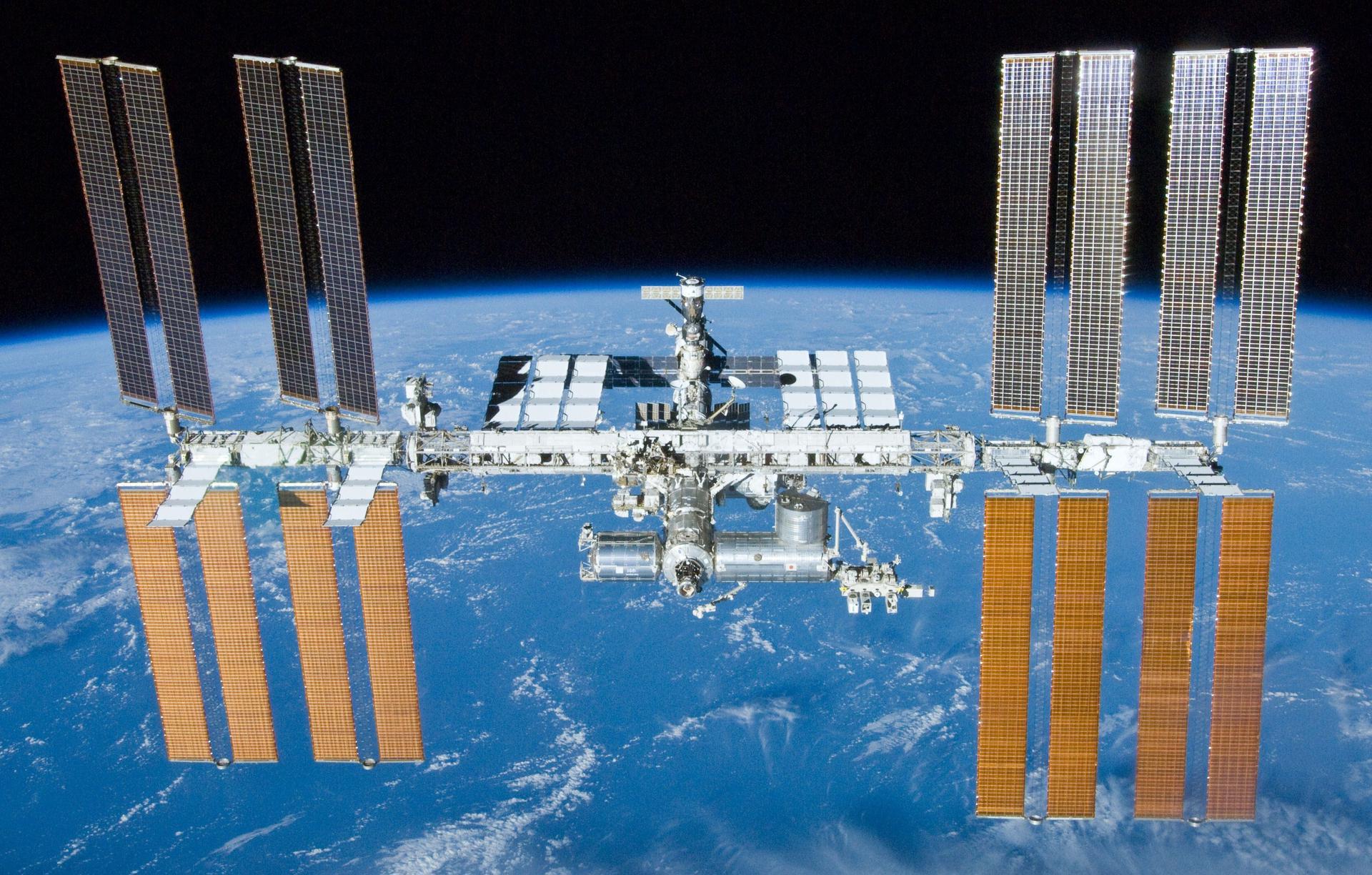
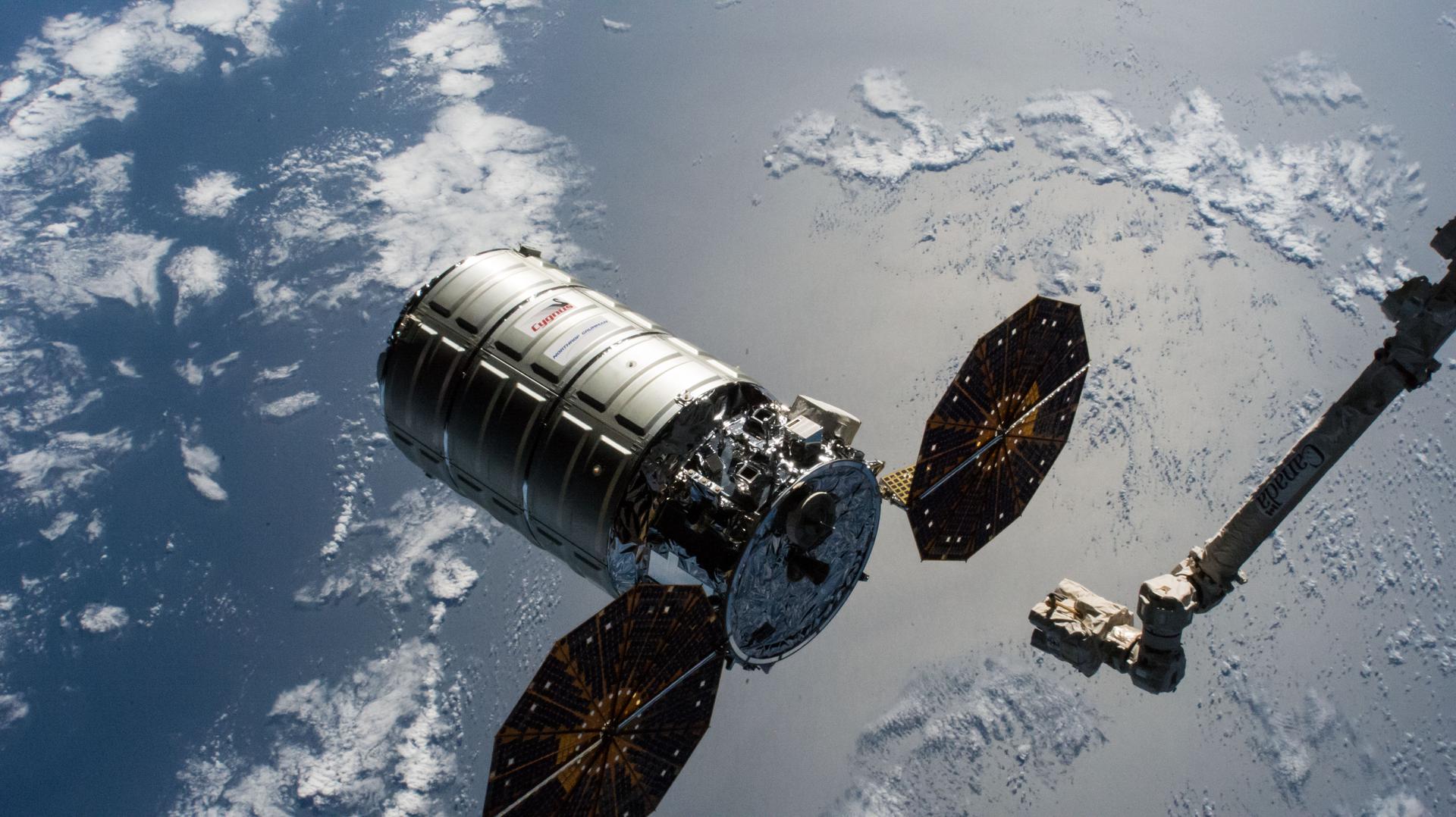
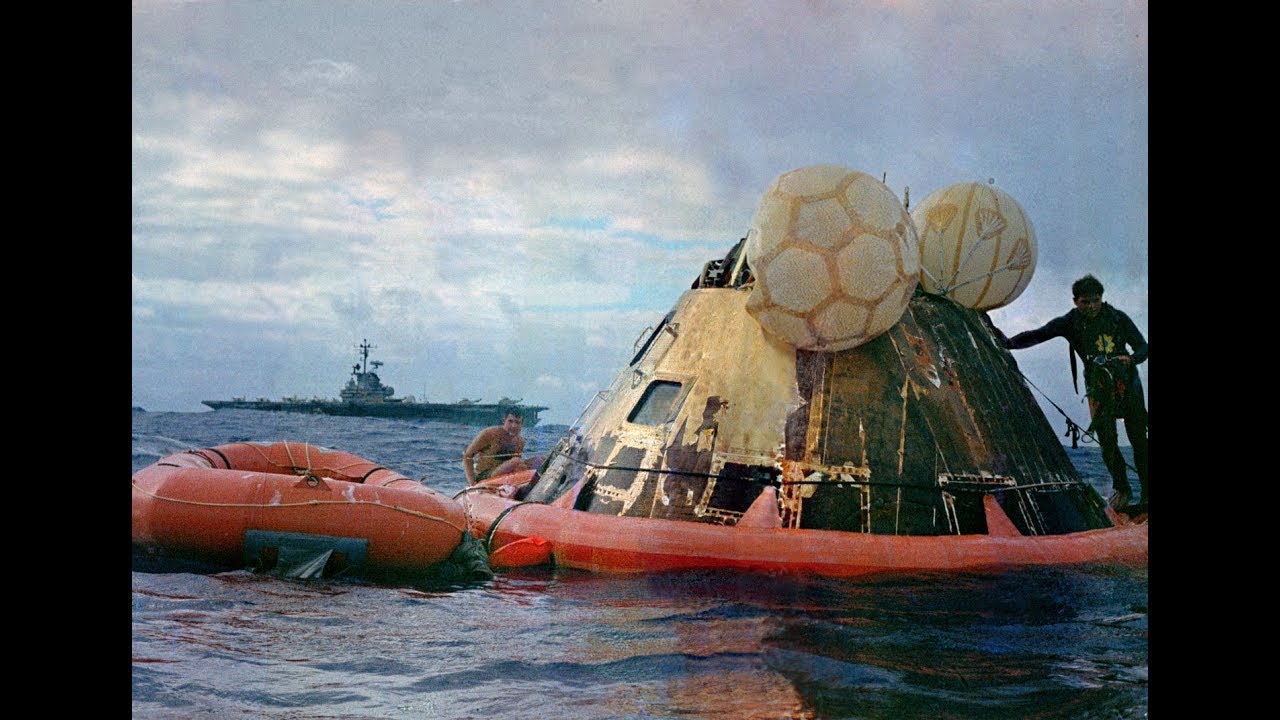
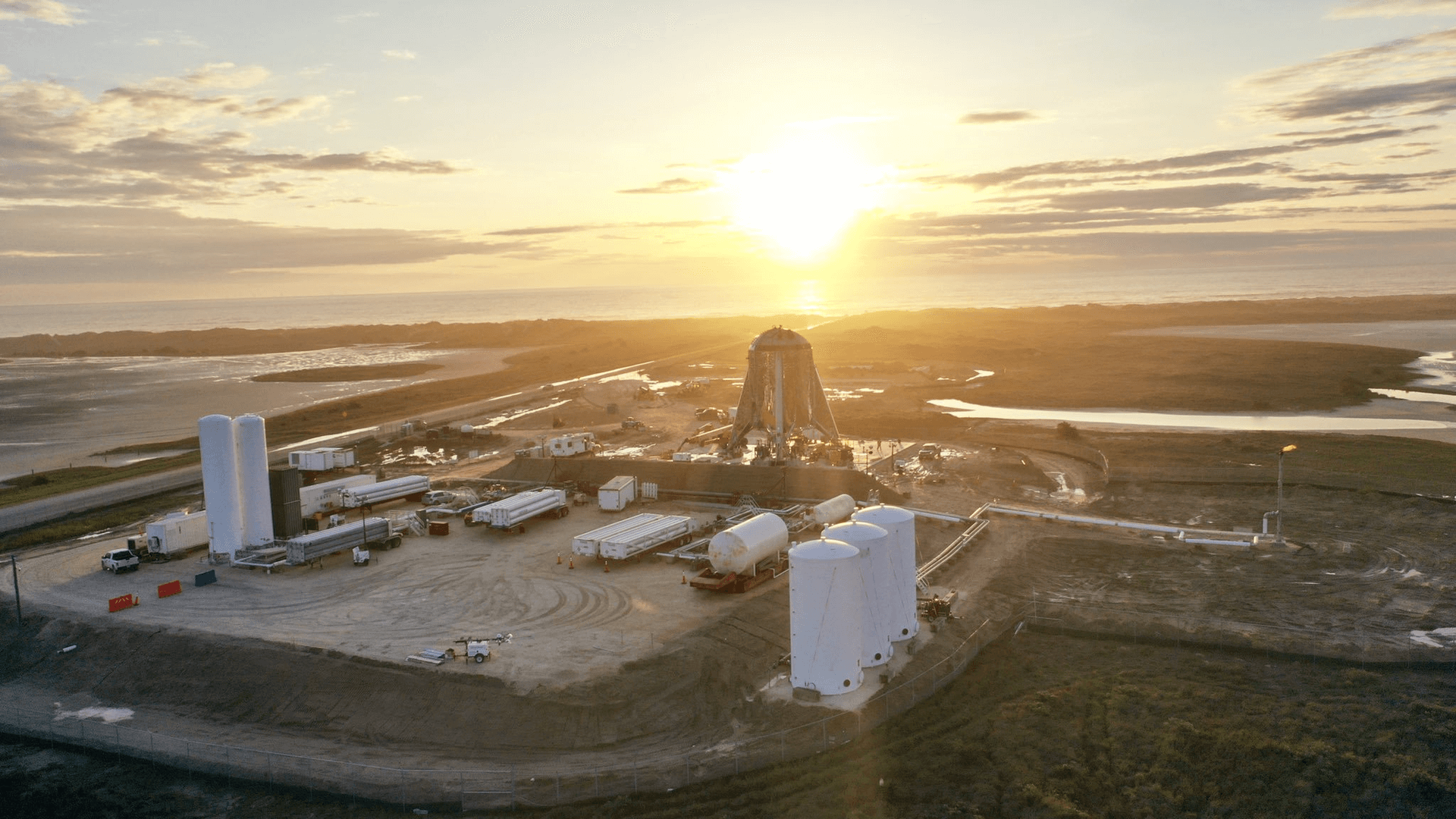
{ "count": 1201, "next": "https://lldev.thespacedevs.com/2.0.0/event/?format=api&limit=10&offset=90", "previous": "https://lldev.thespacedevs.com/2.0.0/event/?format=api&limit=10&offset=70", "results": [ { "id": 2, "url": "https://lldev.thespacedevs.com/2.0.0/event/2/?format=api", "slug": "crew-dragon-docking-with-iss", "name": "Crew Dragon docking with ISS", "type": { "id": 2, "name": "Docking" }, "description": "Crew Dragon 1, launched on March 2, will attempt to dock autonomously with the International Space Station for the first time.", "location": "International Space Station", "news_url": null, "video_url": null, "feature_image": "https://thespacedevs-dev.nyc3.digitaloceanspaces.com/media/images/spacex_dm-2_cre_image_20200504065311.jpeg", "date": "2019-03-03T08:30:00Z", "launches": [], "expeditions": [], "spacestations": [], "program": [] }, { "id": 726, "url": "https://lldev.thespacedevs.com/2.0.0/event/726/?format=api", "slug": "rs-25-engine-test-12", "name": "RS-25 Engine Test", "type": { "id": 5, "name": "Static Fire" }, "description": "NASA will conduct an RS-25 engine test on the A-1 Test Stand at the Stennis Space Center near Bay St. Louis, Mississippi.", "location": "Stennis Space Center, Mississippi", "news_url": "https://twitter.com/NASAStennis/status/1628474811964956674", "video_url": "https://www.youtube.com/watch?v=AjVFbwgYVVU", "feature_image": "https://thespacedevs-dev.nyc3.digitaloceanspaces.com/media/images/rs-25_engine_te_image_20231003182719.jpeg", "date": "2023-02-22T20:42:00Z", "launches": [], "expeditions": [], "spacestations": [], "program": [ { "id": 15, "url": "https://lldev.thespacedevs.com/2.0.0/program/15/?format=api", "name": "Artemis", "description": "The Artemis program is a US government-funded crewed spaceflight program that has the goal of landing \"the first woman and the next man\" on the Moon, specifically at the lunar south pole region.", "agencies": [ { "id": 44, "url": "https://lldev.thespacedevs.com/2.0.0/agencies/44/?format=api", "name": "National Aeronautics and Space Administration", "type": "Government" } ], "image_url": "https://thespacedevs-dev.nyc3.digitaloceanspaces.com/media/images/artemis_program_20220827100930.png", "start_date": "2017-12-11T00:00:00Z", "end_date": null, "info_url": "https://www.nasa.gov/specials/artemis/", "wiki_url": "https://en.wikipedia.org/wiki/Artemis_program" } ] }, { "id": 757, "url": "https://lldev.thespacedevs.com/2.0.0/event/757/?format=api", "slug": "rs-25-engine-test-17", "name": "RS-25 Engine Test", "type": { "id": 5, "name": "Static Fire" }, "description": "NASA will conduct an RS-25 engine test on the A-1 Test Stand at the Stennis Space Center near Bay St. Louis, Mississippi.", "location": "Stennis Space Center, Mississippi", "news_url": "https://twitter.com/NASAStennis/status/1656047414040510473", "video_url": "https://www.youtube.com/watch?v=jlUp56Qea9E", "feature_image": "https://thespacedevs-dev.nyc3.digitaloceanspaces.com/media/images/rs-25_engine_te_image_20231003182719.jpeg", "date": "2023-05-10T18:00:00Z", "launches": [], "expeditions": [], "spacestations": [], "program": [ { "id": 15, "url": "https://lldev.thespacedevs.com/2.0.0/program/15/?format=api", "name": "Artemis", "description": "The Artemis program is a US government-funded crewed spaceflight program that has the goal of landing \"the first woman and the next man\" on the Moon, specifically at the lunar south pole region.", "agencies": [ { "id": 44, "url": "https://lldev.thespacedevs.com/2.0.0/agencies/44/?format=api", "name": "National Aeronautics and Space Administration", "type": "Government" } ], "image_url": "https://thespacedevs-dev.nyc3.digitaloceanspaces.com/media/images/artemis_program_20220827100930.png", "start_date": "2017-12-11T00:00:00Z", "end_date": null, "info_url": "https://www.nasa.gov/specials/artemis/", "wiki_url": "https://en.wikipedia.org/wiki/Artemis_program" } ] }, { "id": 259, "url": "https://lldev.thespacedevs.com/2.0.0/event/259/?format=api", "slug": "nasa-mars-2020-ingenuity-fifth-flight", "name": "NASA Mars 2020 Ingenuity Fifth Flight", "type": { "id": 14, "name": "Test Flight" }, "description": "Ingenuity took off at Wright Brothers Field – the same spot where the helicopter took off and touched back down on all the other flights – but it landed elsewhere, which is another first for the rotorcraft. Ingenuity climbed to 16 feet (5 meters), then retraced its course from flight four, heading south 423 feet (129 meters). But instead of turning around and heading back, it actually climbed to a new height record of 33 feet (10 meters), where it took some color (as well as black-and-white) images of the area. After a total flight time of about 110 seconds, Ingenuity landed, completing its first one-way trip.", "location": "Wright Brothers Field, Jezero crater, Mars", "news_url": "https://mars.nasa.gov/technology/helicopter/status/297/ingenuity-completes-its-fourth-flight/", "video_url": null, "feature_image": "https://thespacedevs-dev.nyc3.digitaloceanspaces.com/media/images/nasa_mars_2020__image_20210409201945.jpeg", "date": "2021-05-07T23:31:00Z", "launches": [], "expeditions": [], "spacestations": [], "program": [] }, { "id": 727, "url": "https://lldev.thespacedevs.com/2.0.0/event/727/?format=api", "slug": "crew-6-pre-launch-news-teleconference", "name": "Crew-6 Pre-Launch News Teleconference", "type": { "id": 20, "name": "Press Event" }, "description": "NASA will hold a news teleconference ahead of the launch of the Crew-6 mission towards the International Space Station.", "location": null, "news_url": null, "video_url": null, "feature_image": "https://thespacedevs-dev.nyc3.digitaloceanspaces.com/media/images/spacex_crew-6_m_image_20230119070535.jpg", "date": "2023-02-26T04:15:00Z", "launches": [], "expeditions": [], "spacestations": [], "program": [ { "id": 5, "url": "https://lldev.thespacedevs.com/2.0.0/program/5/?format=api", "name": "Commercial Crew Program", "description": "The Commercial Crew Program (CCP) is a human spaceflight program operated by NASA, in association with American aerospace manufacturers Boeing and SpaceX. The program conducts rotations between the expeditions of the International Space Station program, transporting crews to and from the International Space Station (ISS) aboard Boeing Starliner and SpaceX Crew Dragon capsules, in the first crewed orbital spaceflights operated by private companies.", "agencies": [ { "id": 80, "url": "https://lldev.thespacedevs.com/2.0.0/agencies/80/?format=api", "name": "Boeing", "type": "Commercial" }, { "id": 44, "url": "https://lldev.thespacedevs.com/2.0.0/agencies/44/?format=api", "name": "National Aeronautics and Space Administration", "type": "Government" }, { "id": 121, "url": "https://lldev.thespacedevs.com/2.0.0/agencies/121/?format=api", "name": "SpaceX", "type": "Commercial" } ], "image_url": "https://thespacedevs-dev.nyc3.digitaloceanspaces.com/media/images/commercial2520_program_20200820201209.png", "start_date": "2011-04-18T00:00:00Z", "end_date": null, "info_url": "https://www.nasa.gov/exploration/commercial/crew/index.html", "wiki_url": "https://en.wikipedia.org/wiki/Commercial_Crew_Program" }, { "id": 17, "url": "https://lldev.thespacedevs.com/2.0.0/program/17/?format=api", "name": "International Space Station", "description": "The International Space Station programme is tied together by a complex set of legal, political and financial agreements between the sixteen nations involved in the project, governing ownership of the various components, rights to crewing and utilization, and responsibilities for crew rotation and resupply of the International Space Station. It was conceived in 1984 by President Ronald Reagan, during the Space Station Freedom project as it was originally called.", "agencies": [ { "id": 16, "url": "https://lldev.thespacedevs.com/2.0.0/agencies/16/?format=api", "name": "Canadian Space Agency", "type": "Government" }, { "id": 27, "url": "https://lldev.thespacedevs.com/2.0.0/agencies/27/?format=api", "name": "European Space Agency", "type": "Multinational" }, { "id": 37, "url": "https://lldev.thespacedevs.com/2.0.0/agencies/37/?format=api", "name": "Japan Aerospace Exploration Agency", "type": "Government" }, { "id": 44, "url": "https://lldev.thespacedevs.com/2.0.0/agencies/44/?format=api", "name": "National Aeronautics and Space Administration", "type": "Government" }, { "id": 63, "url": "https://lldev.thespacedevs.com/2.0.0/agencies/63/?format=api", "name": "Russian Federal Space Agency (ROSCOSMOS)", "type": "Government" } ], "image_url": "https://thespacedevs-dev.nyc3.digitaloceanspaces.com/media/images/international2_program_20201129184745.png", "start_date": "1998-11-20T06:40:00Z", "end_date": null, "info_url": "https://www.nasa.gov/mission_pages/station/main/index.html", "wiki_url": "https://en.wikipedia.org/wiki/International_Space_Station_programme" } ] }, { "id": 353, "url": "https://lldev.thespacedevs.com/2.0.0/event/353/?format=api", "slug": "russian-eva-58", "name": "Russian EVA-58", "type": { "id": 3, "name": "EVA" }, "description": "ROSCOSMOS cosmonauts Sergey Prokopyev and Dmitriy Petelin will perform an EVA outside the International Space Station to deploy a radiator on the Nauka Multipurpose Laboratory Module and attach mechanical, electrical and hydraulic connections.", "location": "International Space Station", "news_url": "https://www.nasa.gov/press-release/nasa-updates-coverage-of-roscosmos-spacewalks-at-space-station/", "video_url": null, "feature_image": "https://thespacedevs-dev.nyc3.digitaloceanspaces.com/media/images/russian_eva-46_image_20201113081602.jpeg", "date": "2023-05-12T15:55:00Z", "launches": [], "expeditions": [], "spacestations": [ { "id": 4, "url": "https://lldev.thespacedevs.com/2.0.0/spacestation/4/?format=api", "name": "International Space Station", "status": { "id": 1, "name": "Active" }, "founded": "1998-11-20", "description": "The International Space Station (ISS) is a space station, or a habitable artificial satellite, in low Earth orbit. Its first component was launched into orbit in 1998, with the first long-term residents arriving in November 2000. It has been inhabited continuously since that date. The last pressurised module was fitted in 2011, and an experimental inflatable space habitat was added in 2016. The station is expected to operate until 2030. Development and assembly of the station continues, with several new elements scheduled for launch in 2019. The ISS is the largest human-made body in low Earth orbit and can often be seen with the naked eye from Earth. The ISS consists of pressurised habitation modules, structural trusses, solar arrays, radiators, docking ports, experiment bays and robotic arms. ISS components have been launched by Russian Proton and Soyuz rockets, and American Space Shuttles.", "orbit": "Low Earth Orbit", "image_url": "https://thespacedevs-dev.nyc3.digitaloceanspaces.com/media/images/international2520space2520station_image_20190220215716.jpeg" } ], "program": [ { "id": 17, "url": "https://lldev.thespacedevs.com/2.0.0/program/17/?format=api", "name": "International Space Station", "description": "The International Space Station programme is tied together by a complex set of legal, political and financial agreements between the sixteen nations involved in the project, governing ownership of the various components, rights to crewing and utilization, and responsibilities for crew rotation and resupply of the International Space Station. It was conceived in 1984 by President Ronald Reagan, during the Space Station Freedom project as it was originally called.", "agencies": [ { "id": 16, "url": "https://lldev.thespacedevs.com/2.0.0/agencies/16/?format=api", "name": "Canadian Space Agency", "type": "Government" }, { "id": 27, "url": "https://lldev.thespacedevs.com/2.0.0/agencies/27/?format=api", "name": "European Space Agency", "type": "Multinational" }, { "id": 37, "url": "https://lldev.thespacedevs.com/2.0.0/agencies/37/?format=api", "name": "Japan Aerospace Exploration Agency", "type": "Government" }, { "id": 44, "url": "https://lldev.thespacedevs.com/2.0.0/agencies/44/?format=api", "name": "National Aeronautics and Space Administration", "type": "Government" }, { "id": 63, "url": "https://lldev.thespacedevs.com/2.0.0/agencies/63/?format=api", "name": "Russian Federal Space Agency (ROSCOSMOS)", "type": "Government" } ], "image_url": "https://thespacedevs-dev.nyc3.digitaloceanspaces.com/media/images/international2_program_20201129184745.png", "start_date": "1998-11-20T06:40:00Z", "end_date": null, "info_url": "https://www.nasa.gov/mission_pages/station/main/index.html", "wiki_url": "https://en.wikipedia.org/wiki/International_Space_Station_programme" } ] }, { "id": 29, "url": "https://lldev.thespacedevs.com/2.0.0/event/29/?format=api", "slug": "ng-11-cygnus-release-and-reentry", "name": "NG-11 Cygnus Release and Reentry", "type": { "id": 8, "name": "Spacecraft Undocking" }, "description": "The Northrop Grumman NG-11 Cygnus 'S.S. Roger Chaffee' will undock before initiating a destructive reentry into the Earth's atmosphere taking waste along with it.", "location": "International Space Station", "news_url": "https://www.northropgrumman.com/Capabilities/Antares/Pages/Antares-Missions.aspx", "video_url": null, "feature_image": "https://thespacedevs-dev.nyc3.digitaloceanspaces.com/media/images/ng-112520cygnus2520release2520and2520reentry_image_20190716173223.jpeg", "date": "2019-07-27T16:20:00Z", "launches": [], "expeditions": [], "spacestations": [ { "id": 4, "url": "https://lldev.thespacedevs.com/2.0.0/spacestation/4/?format=api", "name": "International Space Station", "status": { "id": 1, "name": "Active" }, "founded": "1998-11-20", "description": "The International Space Station (ISS) is a space station, or a habitable artificial satellite, in low Earth orbit. Its first component was launched into orbit in 1998, with the first long-term residents arriving in November 2000. It has been inhabited continuously since that date. The last pressurised module was fitted in 2011, and an experimental inflatable space habitat was added in 2016. The station is expected to operate until 2030. Development and assembly of the station continues, with several new elements scheduled for launch in 2019. The ISS is the largest human-made body in low Earth orbit and can often be seen with the naked eye from Earth. The ISS consists of pressurised habitation modules, structural trusses, solar arrays, radiators, docking ports, experiment bays and robotic arms. ISS components have been launched by Russian Proton and Soyuz rockets, and American Space Shuttles.", "orbit": "Low Earth Orbit", "image_url": "https://thespacedevs-dev.nyc3.digitaloceanspaces.com/media/images/international2520space2520station_image_20190220215716.jpeg" } ], "program": [] }, { "id": 26, "url": "https://lldev.thespacedevs.com/2.0.0/event/26/?format=api", "slug": "splashdown-apollo-11th-50th-anni", "name": "Splashdown - Apollo 11th (50th Anni.)", "type": { "id": 9, "name": "Spacecraft Landing" }, "description": "After completing the monumental Apollo 11 Moon landing, Neil Armstrong, Buzz Aldrin and Michael Collins safely splashed back into the Pacific Ocean on July 24, 1969.", "location": "Pacific Ocean", "news_url": "https://www.nasa.gov/feature/apollo-11-in-real-time-50-years-later/", "video_url": null, "feature_image": "https://thespacedevs-dev.nyc3.digitaloceanspaces.com/media/images/apollo252011th252050th2520anniversary2520-2520splashdown_image_20190715211643.jpg", "date": "2019-07-24T16:50:00Z", "launches": [], "expeditions": [], "spacestations": [], "program": [] }, { "id": 146, "url": "https://lldev.thespacedevs.com/2.0.0/event/146/?format=api", "slug": "starship-hopper-wet-dress-rehearsal-3", "name": "Starship Hopper Wet Dress Rehearsal", "type": { "id": 22, "name": "Wet Dress Rehearsal" }, "description": "The Starhopper prototype has successfully performed a wet dress rehearsal.", "location": "Boca Chica, Texas", "news_url": null, "video_url": "https://www.youtube.com/watch?v=vOUrIPebGlI", "feature_image": "https://thespacedevs-dev.nyc3.digitaloceanspaces.com/media/images/starship_hopper_image_20200821071216.png", "date": "2019-04-01T21:00:00Z", "launches": [], "expeditions": [], "spacestations": [], "program": [ { "id": 1, "url": "https://lldev.thespacedevs.com/2.0.0/program/1/?format=api", "name": "SpaceX Starship", "description": "The SpaceX Starship is a fully reusable super heavy-lift launch vehicle under development by SpaceX since 2012, as a self-funded private spaceflight project. The second stage of the Starship — is designed as a long-duration cargo and passenger-carrying spacecraft. It is expected to be initially used without any booster stage at all, as part of an extensive development program to prove out launch-and-landing and iterate on a variety of design details, particularly with respect to the vehicle's atmospheric reentry.", "agencies": [ { "id": 121, "url": "https://lldev.thespacedevs.com/2.0.0/agencies/121/?format=api", "name": "SpaceX", "type": "Commercial" } ], "image_url": "https://thespacedevs-dev.nyc3.digitaloceanspaces.com/media/images/starship_on_the_image_20250111100520.jpg", "start_date": "2019-03-01T05:00:00Z", "end_date": null, "info_url": "https://www.spacex.com/vehicles/starship/", "wiki_url": "https://en.wikipedia.org/wiki/SpaceX_Starship" } ] }, { "id": 758, "url": "https://lldev.thespacedevs.com/2.0.0/event/758/?format=api", "slug": "spacex-ax-2-crew-dragon-docking", "name": "SpaceX AX-2 Crew Dragon Docking", "type": { "id": 2, "name": "Docking" }, "description": "The AX-2 Crew Dragon will dock autonomously to the International Space Station.", "location": "International Space Station", "news_url": "https://www.nasa.gov/press-release/nasa-sets-coverage-for-axiom-mission-2-briefings-events-broadcast/", "video_url": "https://www.youtube.com/watch?v=F6WLkE-KoRc", "feature_image": "https://thespacedevs-dev.nyc3.digitaloceanspaces.com/media/images/spacex_dm-2_cre_image_20200504065311.jpeg", "date": "2023-05-22T13:10:00Z", "launches": [], "expeditions": [], "spacestations": [ { "id": 4, "url": "https://lldev.thespacedevs.com/2.0.0/spacestation/4/?format=api", "name": "International Space Station", "status": { "id": 1, "name": "Active" }, "founded": "1998-11-20", "description": "The International Space Station (ISS) is a space station, or a habitable artificial satellite, in low Earth orbit. Its first component was launched into orbit in 1998, with the first long-term residents arriving in November 2000. It has been inhabited continuously since that date. The last pressurised module was fitted in 2011, and an experimental inflatable space habitat was added in 2016. The station is expected to operate until 2030. Development and assembly of the station continues, with several new elements scheduled for launch in 2019. The ISS is the largest human-made body in low Earth orbit and can often be seen with the naked eye from Earth. The ISS consists of pressurised habitation modules, structural trusses, solar arrays, radiators, docking ports, experiment bays and robotic arms. ISS components have been launched by Russian Proton and Soyuz rockets, and American Space Shuttles.", "orbit": "Low Earth Orbit", "image_url": "https://thespacedevs-dev.nyc3.digitaloceanspaces.com/media/images/international2520space2520station_image_20190220215716.jpeg" } ], "program": [ { "id": 17, "url": "https://lldev.thespacedevs.com/2.0.0/program/17/?format=api", "name": "International Space Station", "description": "The International Space Station programme is tied together by a complex set of legal, political and financial agreements between the sixteen nations involved in the project, governing ownership of the various components, rights to crewing and utilization, and responsibilities for crew rotation and resupply of the International Space Station. It was conceived in 1984 by President Ronald Reagan, during the Space Station Freedom project as it was originally called.", "agencies": [ { "id": 16, "url": "https://lldev.thespacedevs.com/2.0.0/agencies/16/?format=api", "name": "Canadian Space Agency", "type": "Government" }, { "id": 27, "url": "https://lldev.thespacedevs.com/2.0.0/agencies/27/?format=api", "name": "European Space Agency", "type": "Multinational" }, { "id": 37, "url": "https://lldev.thespacedevs.com/2.0.0/agencies/37/?format=api", "name": "Japan Aerospace Exploration Agency", "type": "Government" }, { "id": 44, "url": "https://lldev.thespacedevs.com/2.0.0/agencies/44/?format=api", "name": "National Aeronautics and Space Administration", "type": "Government" }, { "id": 63, "url": "https://lldev.thespacedevs.com/2.0.0/agencies/63/?format=api", "name": "Russian Federal Space Agency (ROSCOSMOS)", "type": "Government" } ], "image_url": "https://thespacedevs-dev.nyc3.digitaloceanspaces.com/media/images/international2_program_20201129184745.png", "start_date": "1998-11-20T06:40:00Z", "end_date": null, "info_url": "https://www.nasa.gov/mission_pages/station/main/index.html", "wiki_url": "https://en.wikipedia.org/wiki/International_Space_Station_programme" } ] } ] }