Event List
API endpoint that allows all Events to be viewed.
GET: Return a list of all Events
SEARCH EXAMPLE: /2.0.0/event/?search=Dragon Searches through name
GET /2.0.0/event/?format=api&offset=770
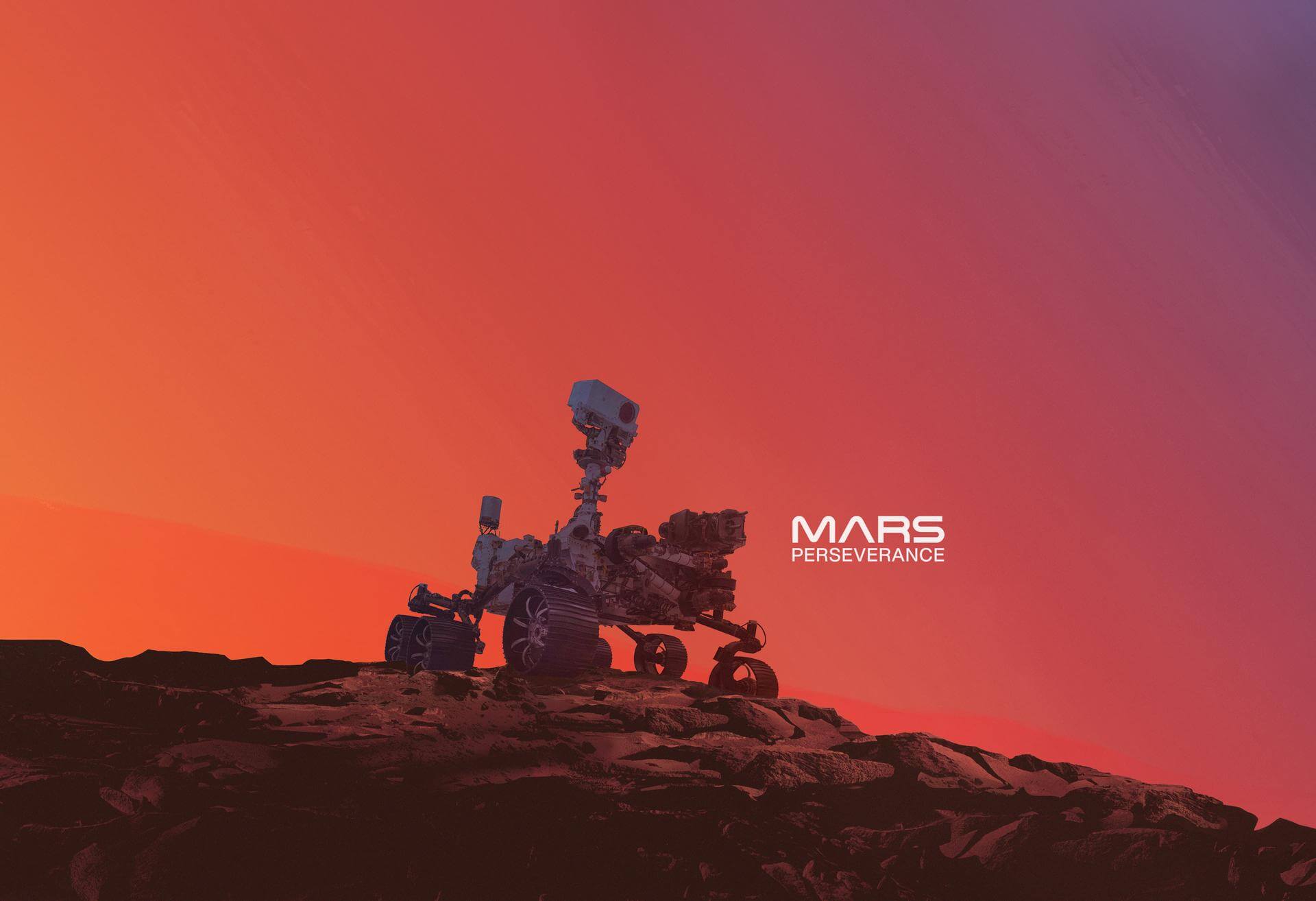
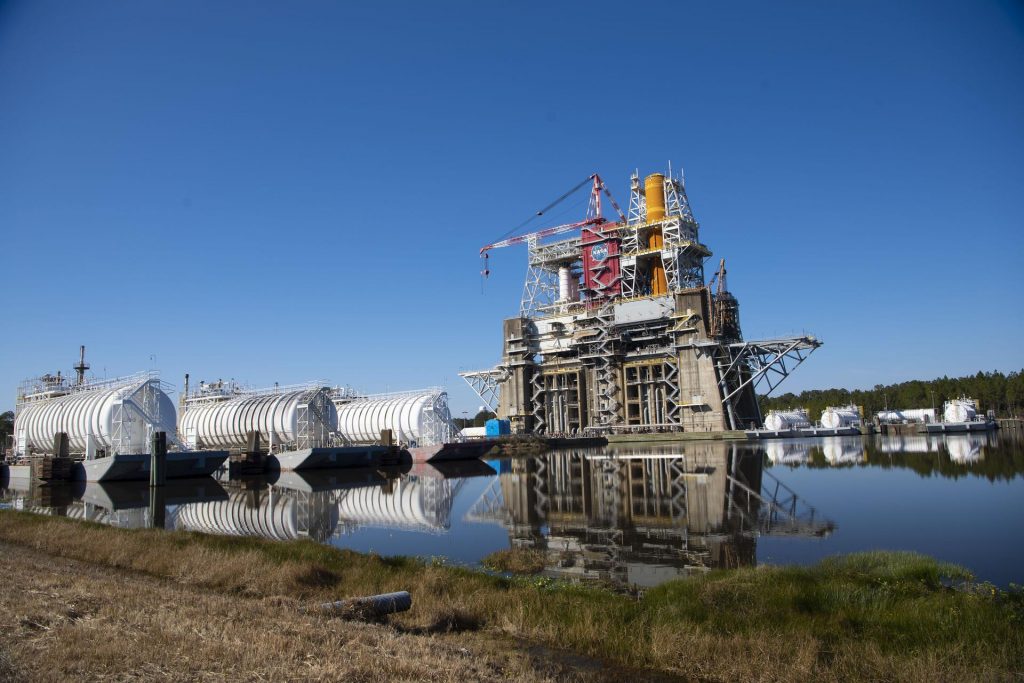
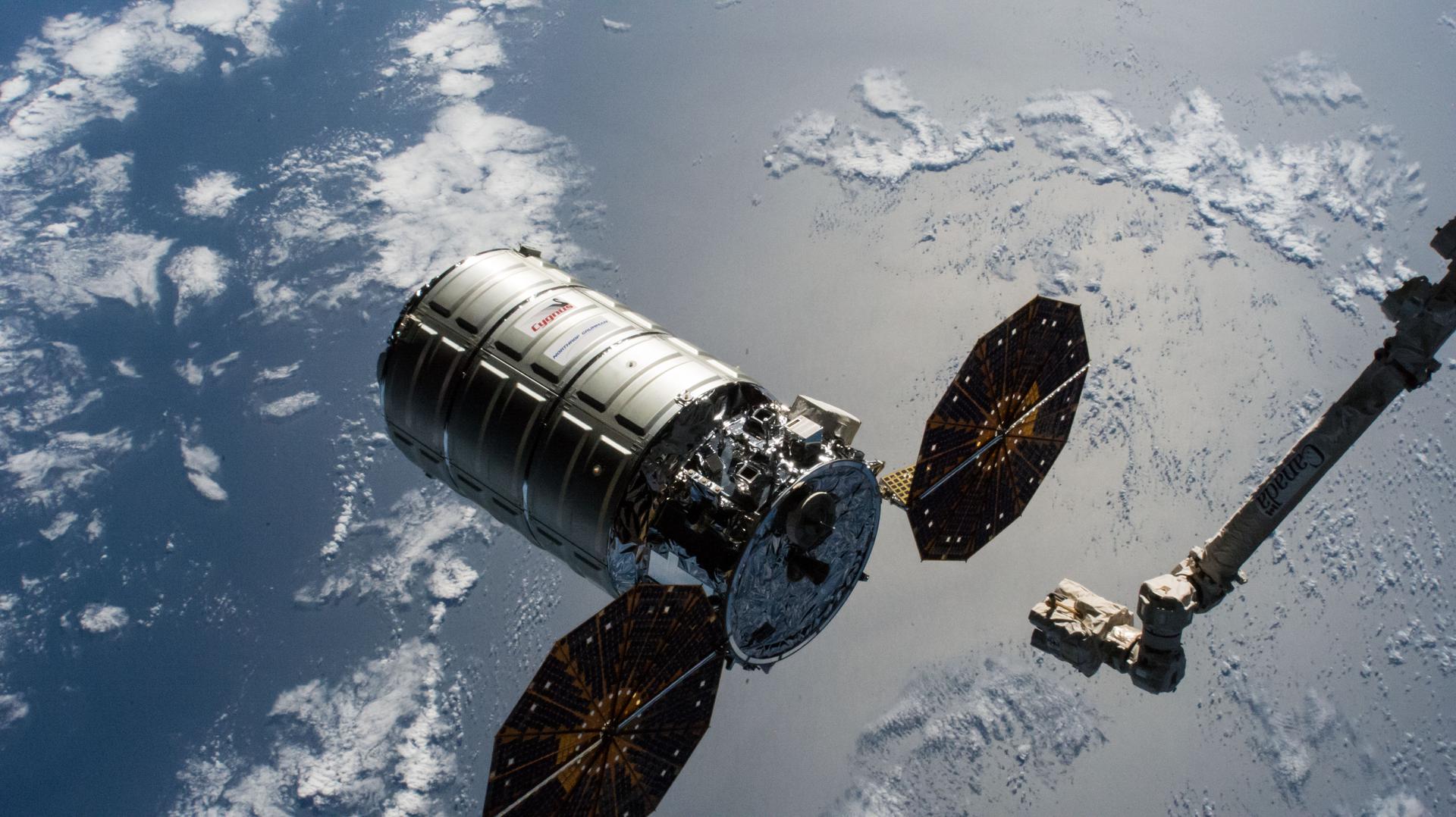
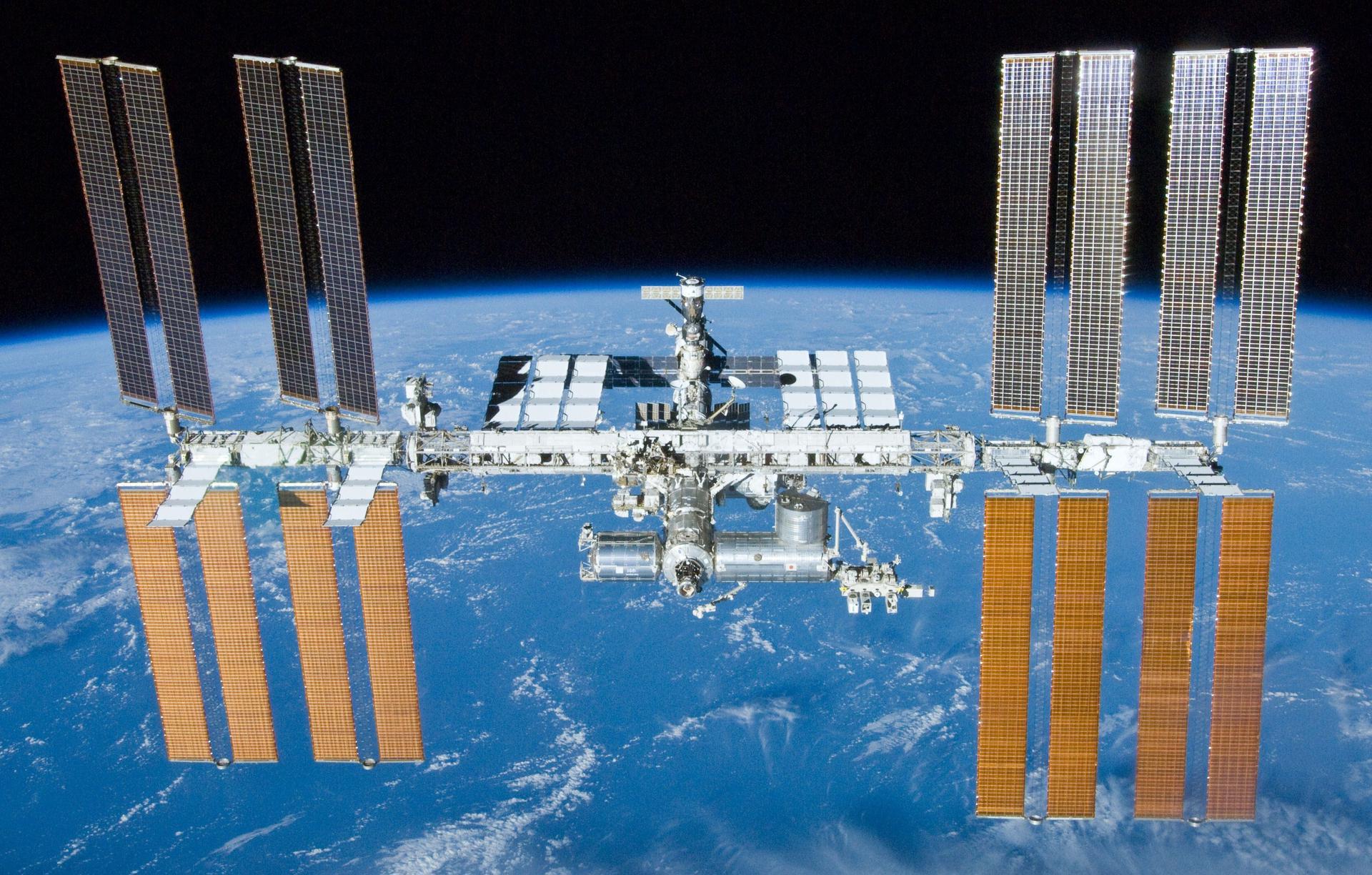
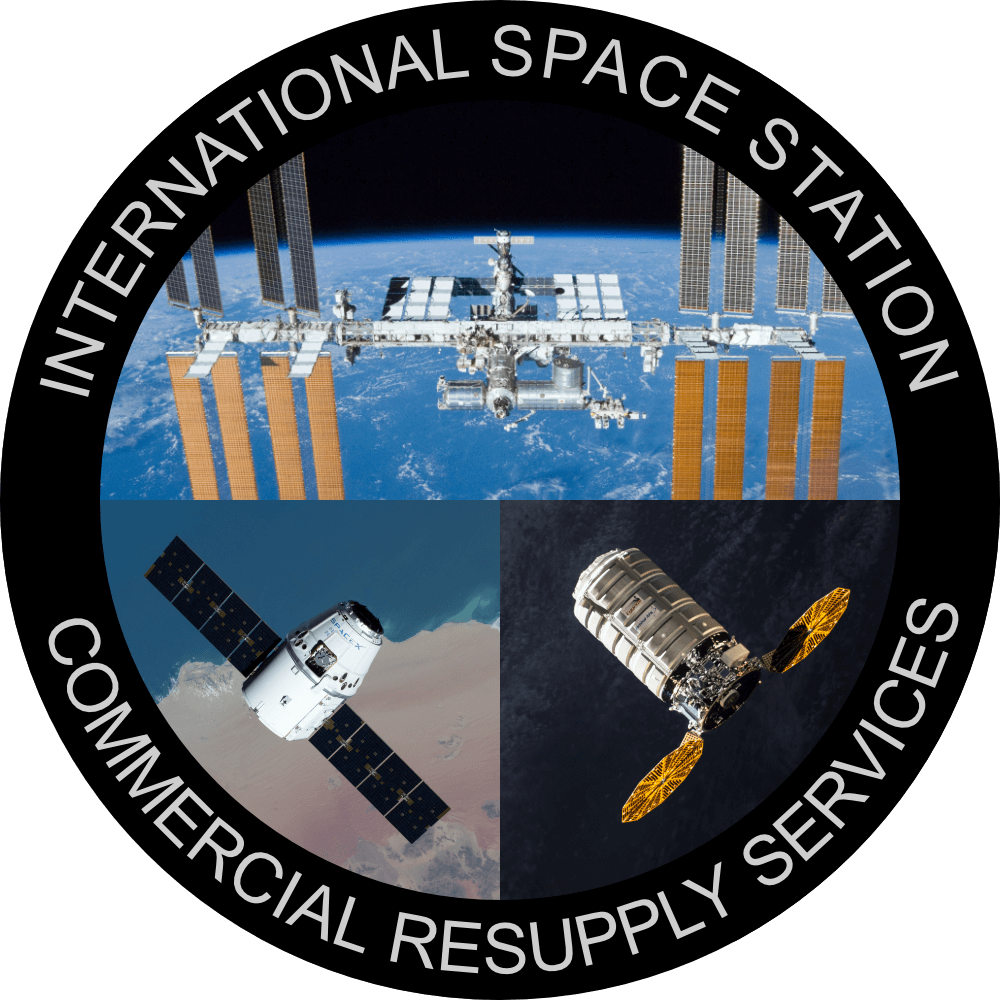
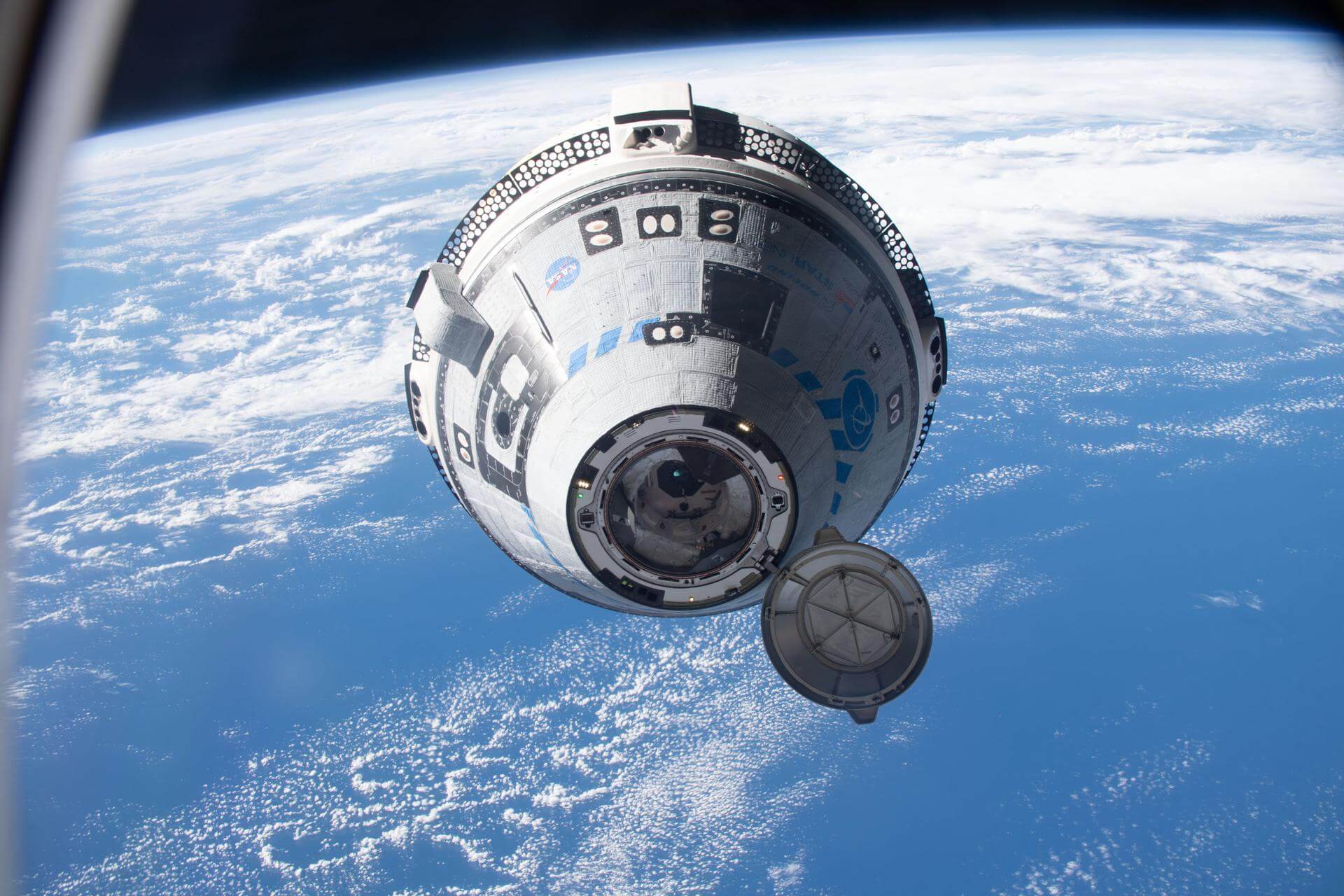
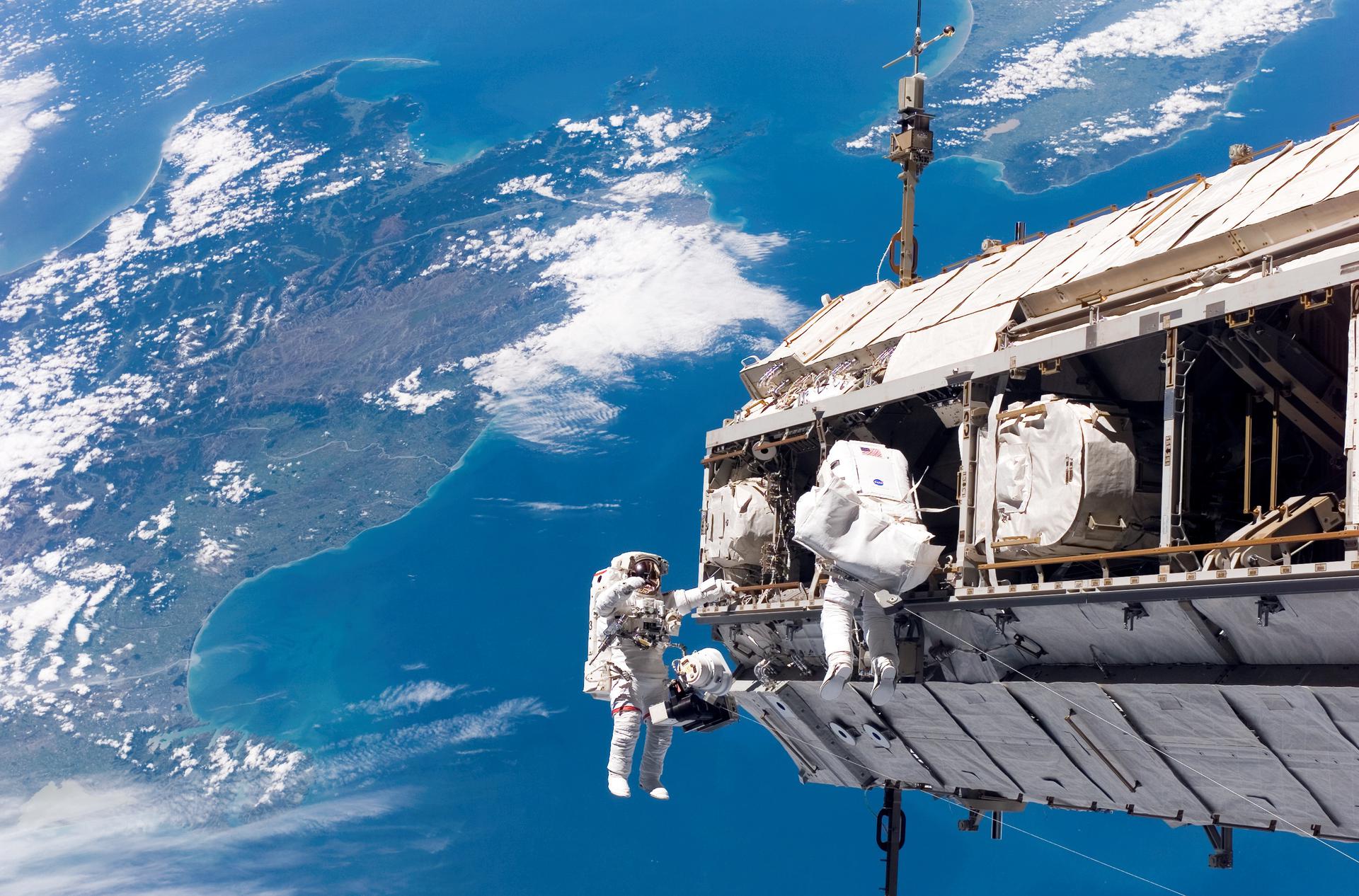
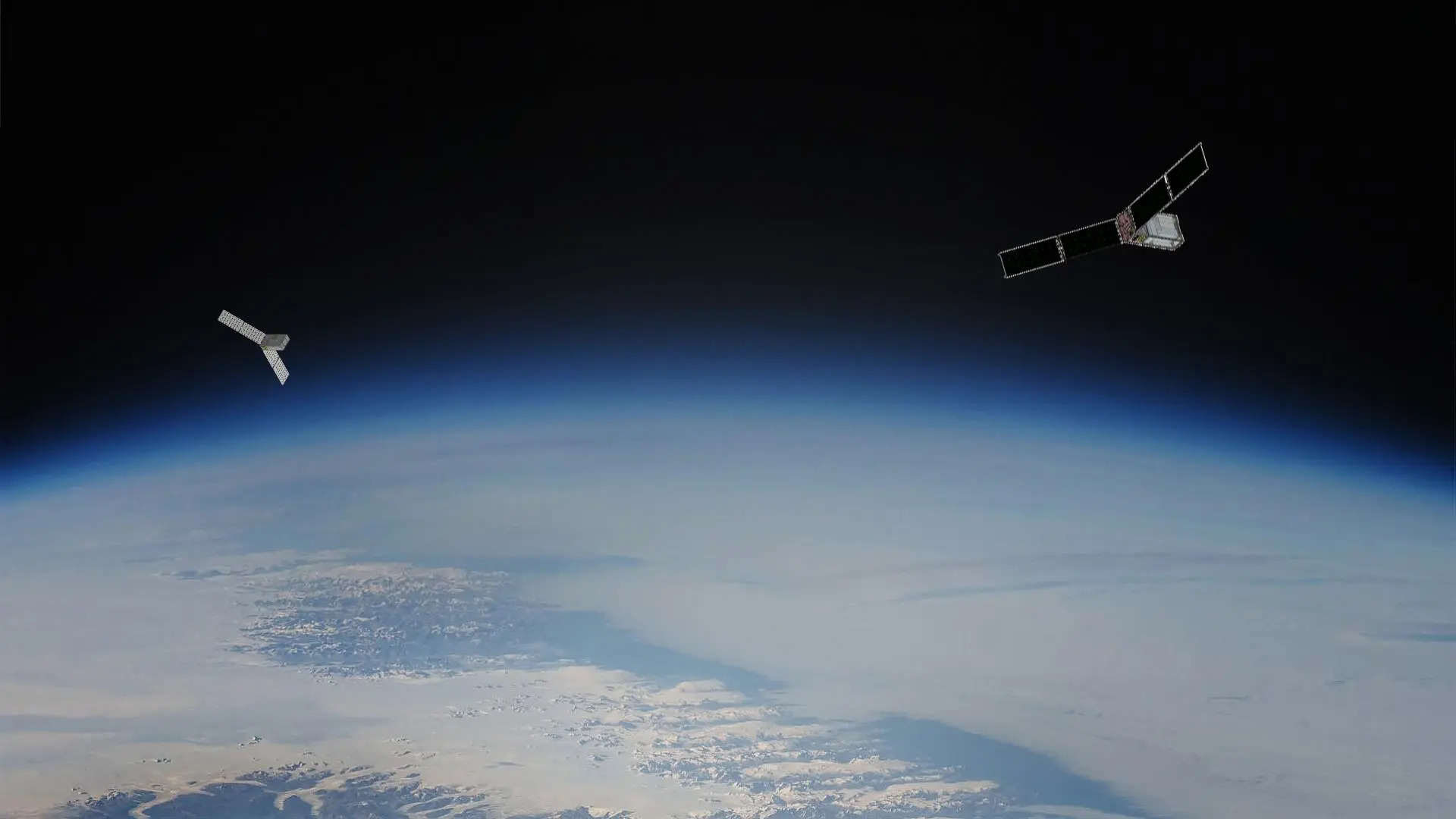
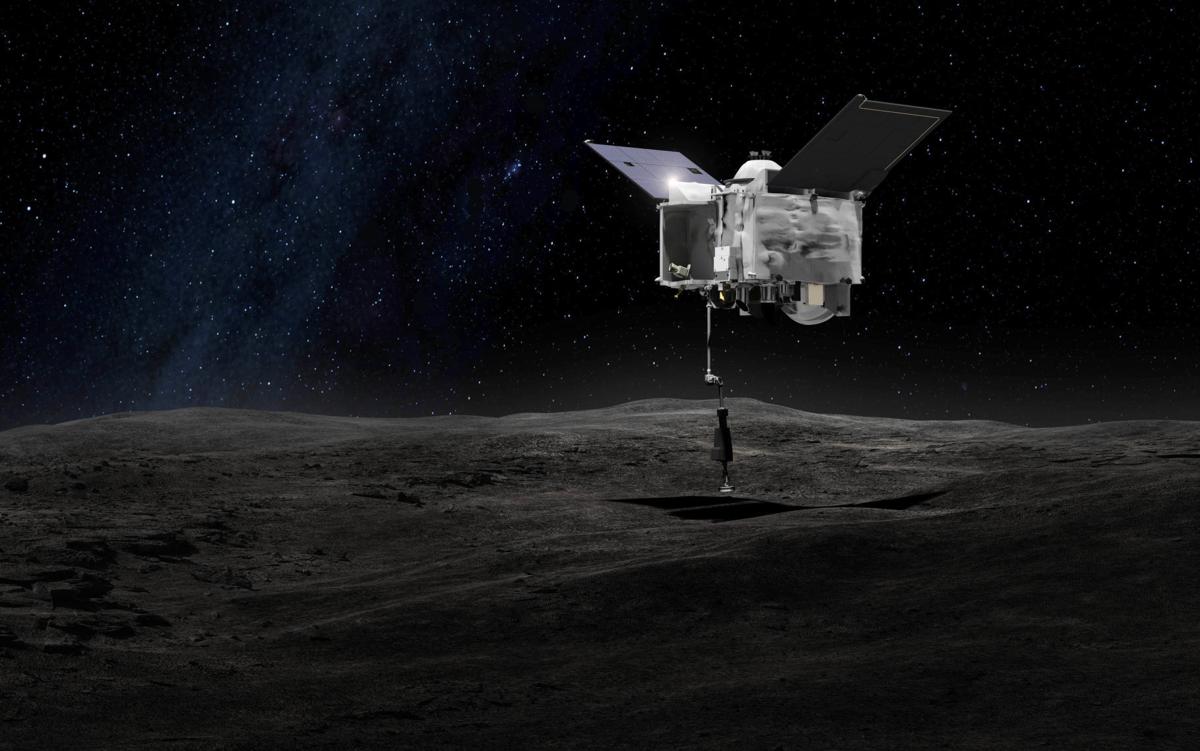
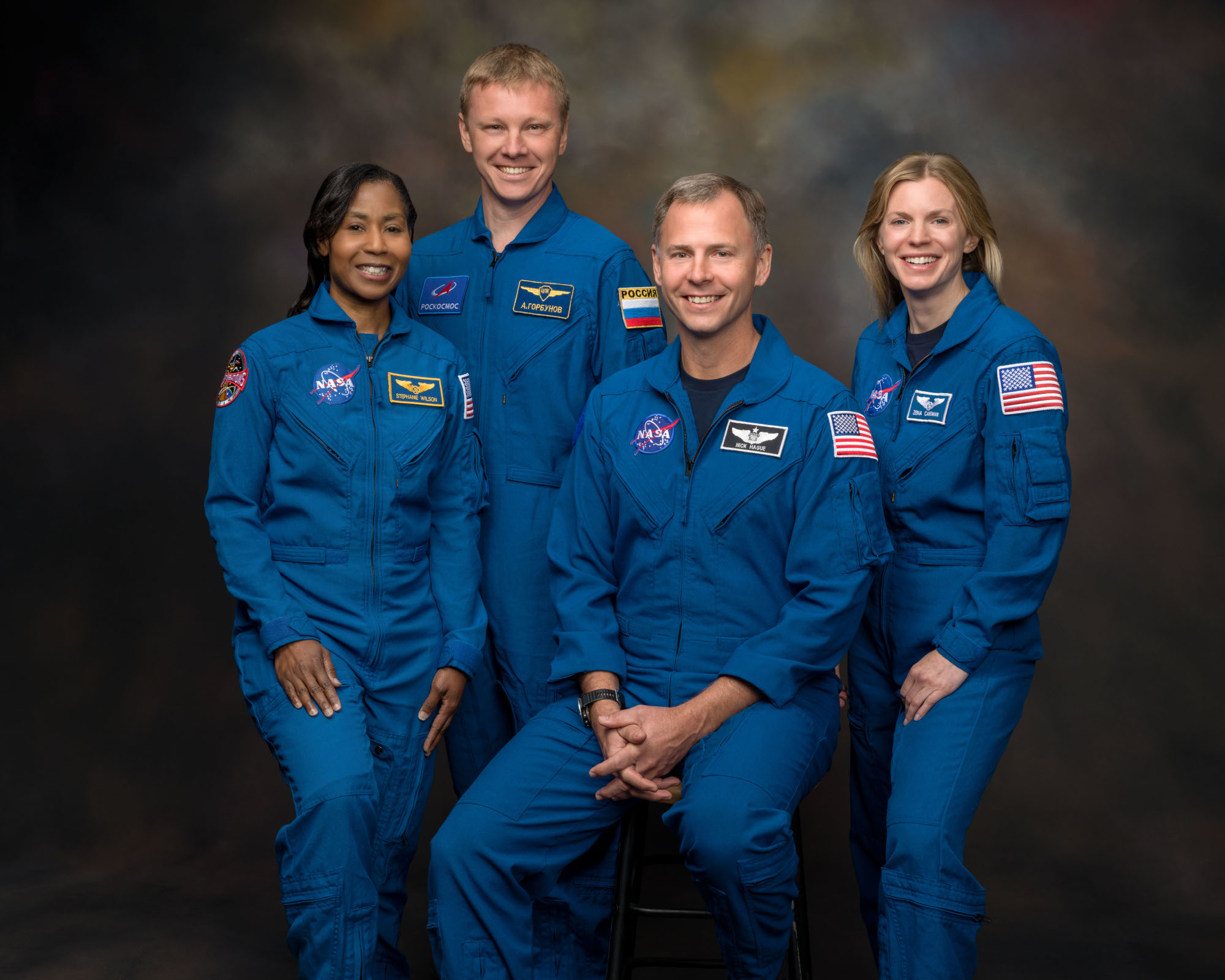
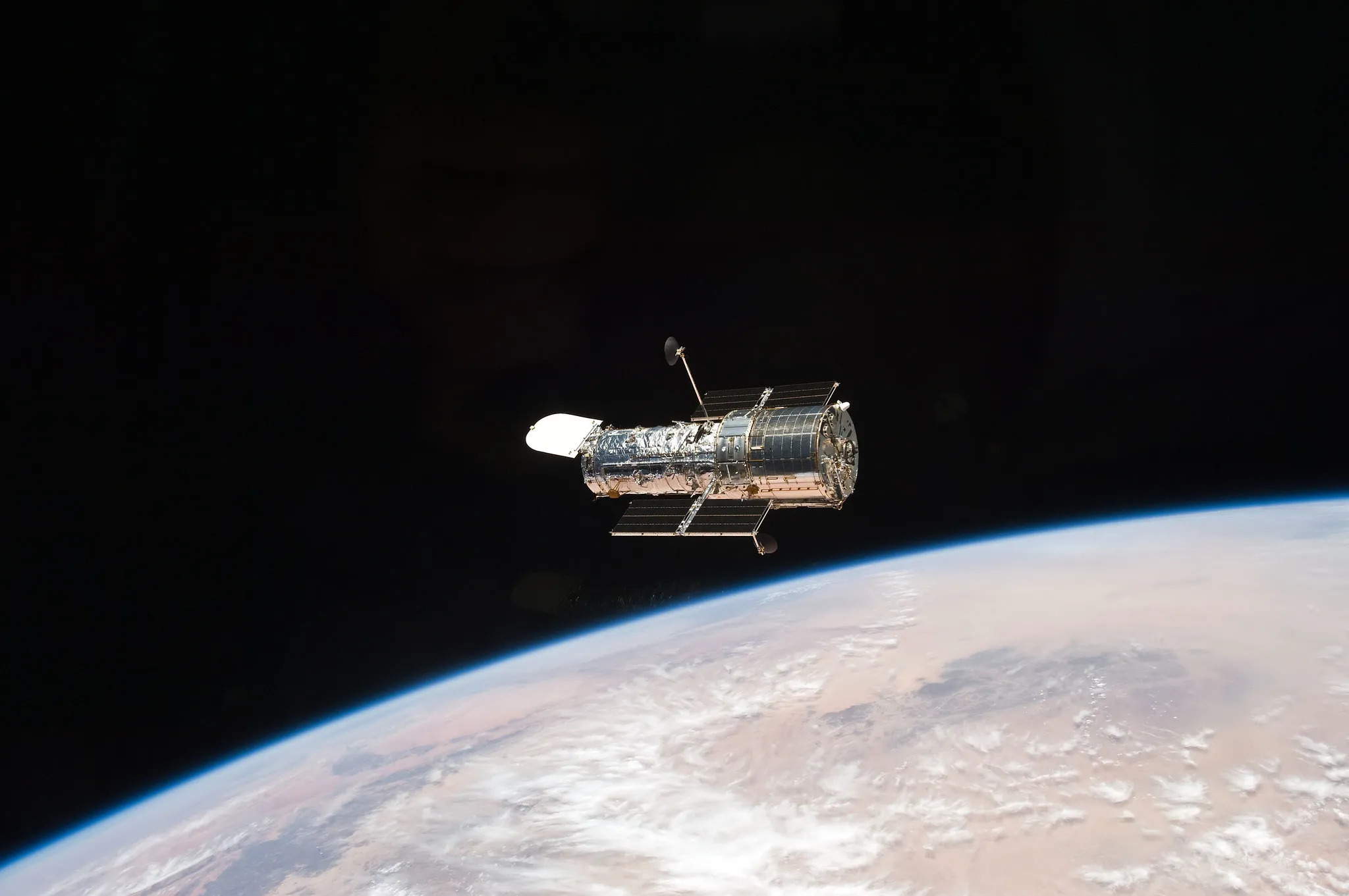
{ "count": 1201, "next": "https://lldev.thespacedevs.com/2.0.0/event/?format=api&limit=10&offset=780", "previous": "https://lldev.thespacedevs.com/2.0.0/event/?format=api&limit=10&offset=760", "results": [ { "id": 227, "url": "https://lldev.thespacedevs.com/2.0.0/event/227/?format=api", "slug": "nasa-mars-2020-perseverance-sol-1-press-conference", "name": "NASA Mars 2020 Perseverance Sol 1 Press Conference", "type": { "id": 20, "name": "Press Event" }, "description": "The Sol 1 press conference of NASA's Mars 2020 Perseverance mission will be broadcasted live on NASA TV and the JPL YouTube channel.", "location": "Jet Propulsion Laboratory, Pasadena, California, USA", "news_url": null, "video_url": "https://www.youtube.com/watch?v=Xz-Id5ZNopM", "feature_image": "https://thespacedevs-dev.nyc3.digitaloceanspaces.com/media/images/nasa_mars_2020__image_20210219115157.jpeg", "date": "2021-02-19T18:00:00Z", "launches": [], "expeditions": [], "spacestations": [], "program": [] }, { "id": 229, "url": "https://lldev.thespacedevs.com/2.0.0/event/229/?format=api", "slug": "nasa-mars-2020-perseverance-mission-images-video-r", "name": "NASA Mars 2020 Perseverance Mission Images & Video Release", "type": { "id": 20, "name": "Press Event" }, "description": "Mission experts of the NASA's Mars 2020 Perseverance mission will provide updates about the rover, including imagery it captured during its descent and landing.", "location": "Jet Propulsion Laboratory, Pasadena, California, USA", "news_url": null, "video_url": "https://www.youtube.com/watch?v=gYQwuYZbA6o", "feature_image": "https://thespacedevs-dev.nyc3.digitaloceanspaces.com/media/images/nasa_mars_2020__image_20210219115157.jpeg", "date": "2021-02-22T19:00:00Z", "launches": [], "expeditions": [], "spacestations": [], "program": [] }, { "id": 225, "url": "https://lldev.thespacedevs.com/2.0.0/event/225/?format=api", "slug": "sls-2nd-hot-fire-test", "name": "SLS 2nd Hot Fire Test", "type": { "id": 5, "name": "Static Fire" }, "description": "NASA successfully conducted a second Green Run hot fire with the Space Launch System (SLS) rocket’s core stage that will launch the Artemis I mission to the Moon. \r\n\r\nThe four RS-25 engines were fired for 8 minutes, demonstrating performance similar to an actual launch.", "location": "Stennis Space Center, Mississippi", "news_url": "https://blogs.nasa.gov/artemis/2021/01/29/green-run-update-nasa-proceeds-with-plans-for-second-hot-fire-test/", "video_url": "https://www.youtube.com/watch?v=XGRE_7yz_kM", "feature_image": "https://thespacedevs-dev.nyc3.digitaloceanspaces.com/media/images/255bauto255d__image_20240307091235.jpg", "date": "2021-03-18T20:37:00Z", "launches": [], "expeditions": [], "spacestations": [], "program": [ { "id": 15, "url": "https://lldev.thespacedevs.com/2.0.0/program/15/?format=api", "name": "Artemis", "description": "The Artemis program is a US government-funded crewed spaceflight program that has the goal of landing \"the first woman and the next man\" on the Moon, specifically at the lunar south pole region.", "agencies": [ { "id": 44, "url": "https://lldev.thespacedevs.com/2.0.0/agencies/44/?format=api", "name": "National Aeronautics and Space Administration", "type": "Government" } ], "image_url": "https://thespacedevs-dev.nyc3.digitaloceanspaces.com/media/images/artemis_program_20220827100930.png", "start_date": "2017-12-11T00:00:00Z", "end_date": null, "info_url": "https://www.nasa.gov/specials/artemis/", "wiki_url": "https://en.wikipedia.org/wiki/Artemis_program" } ] }, { "id": 298, "url": "https://lldev.thespacedevs.com/2.0.0/event/298/?format=api", "slug": "ng-17-cygnus-capture-berthing", "name": "NG-17 Cygnus Capture & Berthing", "type": { "id": 4, "name": "Spacecraft Berthing" }, "description": "NASA TV will livestream the rendezvous and capture of Northrop Grumman's NG-17 Cygnus cargo craft to the International Space Station.", "location": "International Space Station", "news_url": null, "video_url": null, "feature_image": "https://thespacedevs-dev.nyc3.digitaloceanspaces.com/media/images/ng-112520cygnus2520release2520and2520reentry_image_20190716173223.jpeg", "date": "2022-02-21T09:35:00Z", "launches": [], "expeditions": [], "spacestations": [ { "id": 4, "url": "https://lldev.thespacedevs.com/2.0.0/spacestation/4/?format=api", "name": "International Space Station", "status": { "id": 1, "name": "Active" }, "founded": "1998-11-20", "description": "The International Space Station (ISS) is a space station, or a habitable artificial satellite, in low Earth orbit. Its first component was launched into orbit in 1998, with the first long-term residents arriving in November 2000. It has been inhabited continuously since that date. The last pressurised module was fitted in 2011, and an experimental inflatable space habitat was added in 2016. The station is expected to operate until 2030. Development and assembly of the station continues, with several new elements scheduled for launch in 2019. The ISS is the largest human-made body in low Earth orbit and can often be seen with the naked eye from Earth. The ISS consists of pressurised habitation modules, structural trusses, solar arrays, radiators, docking ports, experiment bays and robotic arms. ISS components have been launched by Russian Proton and Soyuz rockets, and American Space Shuttles.", "orbit": "Low Earth Orbit", "image_url": "https://thespacedevs-dev.nyc3.digitaloceanspaces.com/media/images/international2520space2520station_image_20190220215716.jpeg" } ], "program": [ { "id": 11, "url": "https://lldev.thespacedevs.com/2.0.0/program/11/?format=api", "name": "Commercial Resupply Services", "description": "Commercial Resupply Services (CRS) are a series of flights awarded by NASA for the delivery of cargo and supplies to the International Space Station.The first CRS contracts were signed in 2008 and awarded $1.6 billion to SpaceX for twelve cargo Dragon and $1.9 billion to Orbital Sciences for eight Cygnus flights, covering deliveries to 2016. The Falcon 9 and Antares rockets were also developed under the CRS program to deliver cargo spacecraft to the ISS.", "agencies": [ { "id": 44, "url": "https://lldev.thespacedevs.com/2.0.0/agencies/44/?format=api", "name": "National Aeronautics and Space Administration", "type": "Government" }, { "id": 257, "url": "https://lldev.thespacedevs.com/2.0.0/agencies/257/?format=api", "name": "Northrop Grumman Space Systems", "type": "Commercial" }, { "id": 1020, "url": "https://lldev.thespacedevs.com/2.0.0/agencies/1020/?format=api", "name": "Sierra Nevada Corporation", "type": "Commercial" }, { "id": 121, "url": "https://lldev.thespacedevs.com/2.0.0/agencies/121/?format=api", "name": "SpaceX", "type": "Commercial" } ], "image_url": "https://thespacedevs-dev.nyc3.digitaloceanspaces.com/media/images/commercial2520_program_20201129212219.png", "start_date": "2008-12-23T00:00:00Z", "end_date": null, "info_url": null, "wiki_url": "https://en.wikipedia.org/wiki/Commercial_Resupply_Services#Commercial_Resupply_Services" }, { "id": 17, "url": "https://lldev.thespacedevs.com/2.0.0/program/17/?format=api", "name": "International Space Station", "description": "The International Space Station programme is tied together by a complex set of legal, political and financial agreements between the sixteen nations involved in the project, governing ownership of the various components, rights to crewing and utilization, and responsibilities for crew rotation and resupply of the International Space Station. It was conceived in 1984 by President Ronald Reagan, during the Space Station Freedom project as it was originally called.", "agencies": [ { "id": 16, "url": "https://lldev.thespacedevs.com/2.0.0/agencies/16/?format=api", "name": "Canadian Space Agency", "type": "Government" }, { "id": 27, "url": "https://lldev.thespacedevs.com/2.0.0/agencies/27/?format=api", "name": "European Space Agency", "type": "Multinational" }, { "id": 37, "url": "https://lldev.thespacedevs.com/2.0.0/agencies/37/?format=api", "name": "Japan Aerospace Exploration Agency", "type": "Government" }, { "id": 44, "url": "https://lldev.thespacedevs.com/2.0.0/agencies/44/?format=api", "name": "National Aeronautics and Space Administration", "type": "Government" }, { "id": 63, "url": "https://lldev.thespacedevs.com/2.0.0/agencies/63/?format=api", "name": "Russian Federal Space Agency (ROSCOSMOS)", "type": "Government" } ], "image_url": "https://thespacedevs-dev.nyc3.digitaloceanspaces.com/media/images/international2_program_20201129184745.png", "start_date": "1998-11-20T06:40:00Z", "end_date": null, "info_url": "https://www.nasa.gov/mission_pages/station/main/index.html", "wiki_url": "https://en.wikipedia.org/wiki/International_Space_Station_programme" } ] }, { "id": 999, "url": "https://lldev.thespacedevs.com/2.0.0/event/999/?format=api", "slug": "starliner-cft-post-scrub-news-conference", "name": "Starliner CFT Post-Scrub News Conference", "type": { "id": 20, "name": "Press Event" }, "description": "NASA and Boeing will host a joint media teleconference following the scrub of Starliners Crewed Flight Test mission.\r\n\r\nBriefing participants: \r\n- Steve Stich, manager, NASA’s Commercial Crew Program\r\n- Mark Nappi, vice president and program manager, Commercial Crew Program, Boeing\r\n- Tory Bruno, president and CEO, ULA", "location": "Online", "news_url": null, "video_url": "https://www.youtube.com/watch?v=2RT0CLMqb9E", "feature_image": "https://thespacedevs-dev.nyc3.digitaloceanspaces.com/media/images/boeing_starline_image_20220525180700.jpeg", "date": "2024-06-01T19:00:00Z", "launches": [], "expeditions": [], "spacestations": [], "program": [ { "id": 5, "url": "https://lldev.thespacedevs.com/2.0.0/program/5/?format=api", "name": "Commercial Crew Program", "description": "The Commercial Crew Program (CCP) is a human spaceflight program operated by NASA, in association with American aerospace manufacturers Boeing and SpaceX. The program conducts rotations between the expeditions of the International Space Station program, transporting crews to and from the International Space Station (ISS) aboard Boeing Starliner and SpaceX Crew Dragon capsules, in the first crewed orbital spaceflights operated by private companies.", "agencies": [ { "id": 80, "url": "https://lldev.thespacedevs.com/2.0.0/agencies/80/?format=api", "name": "Boeing", "type": "Commercial" }, { "id": 44, "url": "https://lldev.thespacedevs.com/2.0.0/agencies/44/?format=api", "name": "National Aeronautics and Space Administration", "type": "Government" }, { "id": 121, "url": "https://lldev.thespacedevs.com/2.0.0/agencies/121/?format=api", "name": "SpaceX", "type": "Commercial" } ], "image_url": "https://thespacedevs-dev.nyc3.digitaloceanspaces.com/media/images/commercial2520_program_20200820201209.png", "start_date": "2011-04-18T00:00:00Z", "end_date": null, "info_url": "https://www.nasa.gov/exploration/commercial/crew/index.html", "wiki_url": "https://en.wikipedia.org/wiki/Commercial_Crew_Program" } ] }, { "id": 212, "url": "https://lldev.thespacedevs.com/2.0.0/event/212/?format=api", "slug": "us-eva-72", "name": "US EVA-72", "type": { "id": 3, "name": "EVA" }, "description": "NASA and JAXA astronauts Kate Rubins and Soichi Noguchi will venture outside the orbiting outpost to vent ammonia from the Early Ammonia System and complete several other tasks. The pair will install a “stiffener” on the Quest airlock thermal cover to prevent it from blowing out when residual atmosphere escapes as the hatch is opened. Glover began addressing this issue on a previous spacewalk by installing a stronger magnet to keep the cover closed. The crew also will remove and replace a wireless video transceiver assembly. Rubins will be EV 1 and Noguchi will be EV 2.", "location": "International Space Station", "news_url": "https://www.nasa.gov/press-release/nasa-tv-coverage-scheduled-for-upcoming-spacewalks-briefing", "video_url": "https://www.youtube.com/watch?v=qRDASIpSfzQ", "feature_image": "https://thespacedevs-dev.nyc3.digitaloceanspaces.com/media/images/us2520eva-52_image_20190318200748.jpeg", "date": "2021-03-05T12:00:00Z", "launches": [], "expeditions": [ { "id": 140, "url": "https://lldev.thespacedevs.com/2.0.0/expedition/140/?format=api", "name": "Expedition 64", "start": "2020-10-20T20:15:00Z", "end": "2021-04-17T01:34:00Z", "spacestation": { "id": 4, "url": "https://lldev.thespacedevs.com/2.0.0/spacestation/4/?format=api", "name": "International Space Station", "status": { "id": 1, "name": "Active" }, "orbit": "Low Earth Orbit", "image_url": "https://thespacedevs-dev.nyc3.digitaloceanspaces.com/media/images/international2520space2520station_image_20190220215716.jpeg" } } ], "spacestations": [ { "id": 4, "url": "https://lldev.thespacedevs.com/2.0.0/spacestation/4/?format=api", "name": "International Space Station", "status": { "id": 1, "name": "Active" }, "founded": "1998-11-20", "description": "The International Space Station (ISS) is a space station, or a habitable artificial satellite, in low Earth orbit. Its first component was launched into orbit in 1998, with the first long-term residents arriving in November 2000. It has been inhabited continuously since that date. The last pressurised module was fitted in 2011, and an experimental inflatable space habitat was added in 2016. The station is expected to operate until 2030. Development and assembly of the station continues, with several new elements scheduled for launch in 2019. The ISS is the largest human-made body in low Earth orbit and can often be seen with the naked eye from Earth. The ISS consists of pressurised habitation modules, structural trusses, solar arrays, radiators, docking ports, experiment bays and robotic arms. ISS components have been launched by Russian Proton and Soyuz rockets, and American Space Shuttles.", "orbit": "Low Earth Orbit", "image_url": "https://thespacedevs-dev.nyc3.digitaloceanspaces.com/media/images/international2520space2520station_image_20190220215716.jpeg" } ], "program": [ { "id": 17, "url": "https://lldev.thespacedevs.com/2.0.0/program/17/?format=api", "name": "International Space Station", "description": "The International Space Station programme is tied together by a complex set of legal, political and financial agreements between the sixteen nations involved in the project, governing ownership of the various components, rights to crewing and utilization, and responsibilities for crew rotation and resupply of the International Space Station. It was conceived in 1984 by President Ronald Reagan, during the Space Station Freedom project as it was originally called.", "agencies": [ { "id": 16, "url": "https://lldev.thespacedevs.com/2.0.0/agencies/16/?format=api", "name": "Canadian Space Agency", "type": "Government" }, { "id": 27, "url": "https://lldev.thespacedevs.com/2.0.0/agencies/27/?format=api", "name": "European Space Agency", "type": "Multinational" }, { "id": 37, "url": "https://lldev.thespacedevs.com/2.0.0/agencies/37/?format=api", "name": "Japan Aerospace Exploration Agency", "type": "Government" }, { "id": 44, "url": "https://lldev.thespacedevs.com/2.0.0/agencies/44/?format=api", "name": "National Aeronautics and Space Administration", "type": "Government" }, { "id": 63, "url": "https://lldev.thespacedevs.com/2.0.0/agencies/63/?format=api", "name": "Russian Federal Space Agency (ROSCOSMOS)", "type": "Government" } ], "image_url": "https://thespacedevs-dev.nyc3.digitaloceanspaces.com/media/images/international2_program_20201129184745.png", "start_date": "1998-11-20T06:40:00Z", "end_date": null, "info_url": "https://www.nasa.gov/mission_pages/station/main/index.html", "wiki_url": "https://en.wikipedia.org/wiki/International_Space_Station_programme" } ] }, { "id": 990, "url": "https://lldev.thespacedevs.com/2.0.0/event/990/?format=api", "slug": "nasa-prefire-pre-launch-press-conference", "name": "NASA Prefire Pre-Launch Press Conference", "type": { "id": 20, "name": "Press Event" }, "description": "NASA is hosting a media call to discuss the agency’s PREFIRE (Polar Radiant Energy in the Far-InfraRed Experiment) mission, which aims to improve life on Earth by studying heat loss from Earth’s polar regions and provide information on our changing climate.\r\n\r\nParticipants include:\r\n\r\n- Karen St. Germain, director, Earth Science Division, NASA Headquarters in Washington\r\n- Mary White, project manager, PREFIRE, NASA’s Jet Propulsion Laboratory, Southern California\r\n- Tristan L’Ecuyer, principal investigator, PREFIRE, University of Wisconsin-Madison\r\n- Peter Beck, CEO and founder, Rocket Lab", "location": "Online", "news_url": null, "video_url": "https://www.youtube.com/watch?v=qsnRgsRWjVc", "feature_image": "https://thespacedevs-dev.nyc3.digitaloceanspaces.com/media/images/render_of_prefi_image_20240514113358.jpg", "date": "2024-05-15T19:00:00Z", "launches": [], "expeditions": [], "spacestations": [], "program": [] }, { "id": 244, "url": "https://lldev.thespacedevs.com/2.0.0/event/244/?format=api", "slug": "osiris-rex-departure-from-asteroid-bennu", "name": "OSIRIS-Rex Departure from Asteroid Bennu", "type": { "id": 6, "name": "Spacecraft Event" }, "description": "The departure of the OSIRIS-Rex spacecraft from asteroid Bennu will be livestreamed on NASA TV.", "location": "Asteroid Bennu", "news_url": null, "video_url": "https://www.youtube.com/watch?v=otcgXyqbW-M", "feature_image": "https://thespacedevs-dev.nyc3.digitaloceanspaces.com/media/images/osiris-rex2520sample2520collection_image_20190729035954.jpg", "date": "2021-05-10T20:00:00Z", "launches": [], "expeditions": [], "spacestations": [], "program": [] }, { "id": 1023, "url": "https://lldev.thespacedevs.com/2.0.0/event/1023/?format=api", "slug": "spacex-crew-9-crew-news-conference", "name": "SpaceX Crew-9 Crew News Conference", "type": { "id": 20, "name": "Press Event" }, "description": "NASA will host a Crew News Conference for Crew-9.\r\n\r\nParticipants include:\r\n- Zena Cardman, spacecraft commander, NASA\r\n- Nick Hague, pilot, NASA\r\n- Stephanie Wilson, mission specialist, NASA\r\n- Alexsandr Gorbunov, mission specialist, Roscosmos", "location": "Johnson Space Center, Houston, TX, USA", "news_url": "https://www.nasa.gov/news-release/nasa-sets-briefings-for-crew-9-mission-to-space-station/", "video_url": "https://www.youtube.com/watch?v=Eo_Hu5GSK3o", "feature_image": "https://thespacedevs-dev.nyc3.digitaloceanspaces.com/media/images/crew-9_crew_por_image_20240723073550.jpg", "date": "2024-07-26T18:00:00Z", "launches": [], "expeditions": [], "spacestations": [ { "id": 4, "url": "https://lldev.thespacedevs.com/2.0.0/spacestation/4/?format=api", "name": "International Space Station", "status": { "id": 1, "name": "Active" }, "founded": "1998-11-20", "description": "The International Space Station (ISS) is a space station, or a habitable artificial satellite, in low Earth orbit. Its first component was launched into orbit in 1998, with the first long-term residents arriving in November 2000. It has been inhabited continuously since that date. The last pressurised module was fitted in 2011, and an experimental inflatable space habitat was added in 2016. The station is expected to operate until 2030. Development and assembly of the station continues, with several new elements scheduled for launch in 2019. The ISS is the largest human-made body in low Earth orbit and can often be seen with the naked eye from Earth. The ISS consists of pressurised habitation modules, structural trusses, solar arrays, radiators, docking ports, experiment bays and robotic arms. ISS components have been launched by Russian Proton and Soyuz rockets, and American Space Shuttles.", "orbit": "Low Earth Orbit", "image_url": "https://thespacedevs-dev.nyc3.digitaloceanspaces.com/media/images/international2520space2520station_image_20190220215716.jpeg" } ], "program": [ { "id": 5, "url": "https://lldev.thespacedevs.com/2.0.0/program/5/?format=api", "name": "Commercial Crew Program", "description": "The Commercial Crew Program (CCP) is a human spaceflight program operated by NASA, in association with American aerospace manufacturers Boeing and SpaceX. The program conducts rotations between the expeditions of the International Space Station program, transporting crews to and from the International Space Station (ISS) aboard Boeing Starliner and SpaceX Crew Dragon capsules, in the first crewed orbital spaceflights operated by private companies.", "agencies": [ { "id": 80, "url": "https://lldev.thespacedevs.com/2.0.0/agencies/80/?format=api", "name": "Boeing", "type": "Commercial" }, { "id": 44, "url": "https://lldev.thespacedevs.com/2.0.0/agencies/44/?format=api", "name": "National Aeronautics and Space Administration", "type": "Government" }, { "id": 121, "url": "https://lldev.thespacedevs.com/2.0.0/agencies/121/?format=api", "name": "SpaceX", "type": "Commercial" } ], "image_url": "https://thespacedevs-dev.nyc3.digitaloceanspaces.com/media/images/commercial2520_program_20200820201209.png", "start_date": "2011-04-18T00:00:00Z", "end_date": null, "info_url": "https://www.nasa.gov/exploration/commercial/crew/index.html", "wiki_url": "https://en.wikipedia.org/wiki/Commercial_Crew_Program" }, { "id": 17, "url": "https://lldev.thespacedevs.com/2.0.0/program/17/?format=api", "name": "International Space Station", "description": "The International Space Station programme is tied together by a complex set of legal, political and financial agreements between the sixteen nations involved in the project, governing ownership of the various components, rights to crewing and utilization, and responsibilities for crew rotation and resupply of the International Space Station. It was conceived in 1984 by President Ronald Reagan, during the Space Station Freedom project as it was originally called.", "agencies": [ { "id": 16, "url": "https://lldev.thespacedevs.com/2.0.0/agencies/16/?format=api", "name": "Canadian Space Agency", "type": "Government" }, { "id": 27, "url": "https://lldev.thespacedevs.com/2.0.0/agencies/27/?format=api", "name": "European Space Agency", "type": "Multinational" }, { "id": 37, "url": "https://lldev.thespacedevs.com/2.0.0/agencies/37/?format=api", "name": "Japan Aerospace Exploration Agency", "type": "Government" }, { "id": 44, "url": "https://lldev.thespacedevs.com/2.0.0/agencies/44/?format=api", "name": "National Aeronautics and Space Administration", "type": "Government" }, { "id": 63, "url": "https://lldev.thespacedevs.com/2.0.0/agencies/63/?format=api", "name": "Russian Federal Space Agency (ROSCOSMOS)", "type": "Government" } ], "image_url": "https://thespacedevs-dev.nyc3.digitaloceanspaces.com/media/images/international2_program_20201129184745.png", "start_date": "1998-11-20T06:40:00Z", "end_date": null, "info_url": "https://www.nasa.gov/mission_pages/station/main/index.html", "wiki_url": "https://en.wikipedia.org/wiki/International_Space_Station_programme" } ] }, { "id": 1000, "url": "https://lldev.thespacedevs.com/2.0.0/event/1000/?format=api", "slug": "hubble-operations-press-conference", "name": "Hubble Operations Press Conference", "type": { "id": 20, "name": "Press Event" }, "description": "NASA will hold a media teleconference to provide an update on operations for NASA’s Hubble Space Telescope. NASA anticipates Hubble will continue making discoveries, working with other observatories such as the agency’s James Webb Space Telescope, throughout this decade and into the next.\r\n\r\n\r\nParticipants in the teleconference include:\r\n\r\n- Mark Clampin, director, Astrophysics Division, Science Mission Directorate at NASA Headquarters in Washington\r\n- Patrick Crouse, project manager, Hubble Space Telescope, NASA’s Goddard Space Flight Center in Greenbelt, Maryland", "location": "Online", "news_url": "https://www.nasa.gov/news-release/nasa-invites-media-to-discuss-hubble-operations-update/", "video_url": "https://www.youtube.com/watch?v=LP5p5C8bVWI", "feature_image": "https://thespacedevs-dev.nyc3.digitaloceanspaces.com/media/images/nasa25e22580_image_20240604063757.jpg", "date": "2024-06-04T20:00:00Z", "launches": [], "expeditions": [], "spacestations": [], "program": [] } ] }