Event List
API endpoint that allows all Events to be viewed.
GET: Return a list of all Events
SEARCH EXAMPLE: /2.0.0/event/?search=Dragon Searches through name
GET /2.0.0/event/?format=api&offset=710
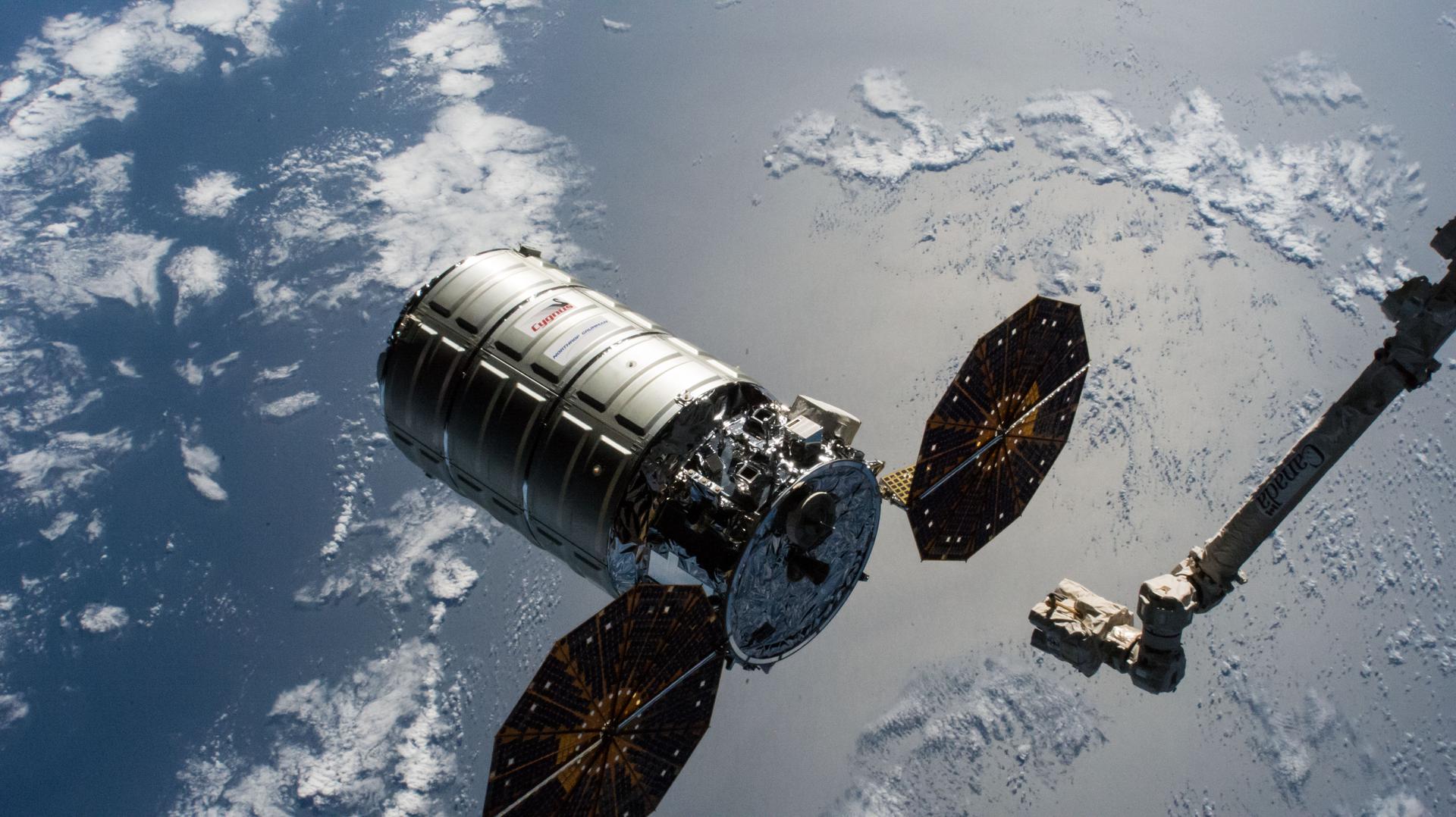
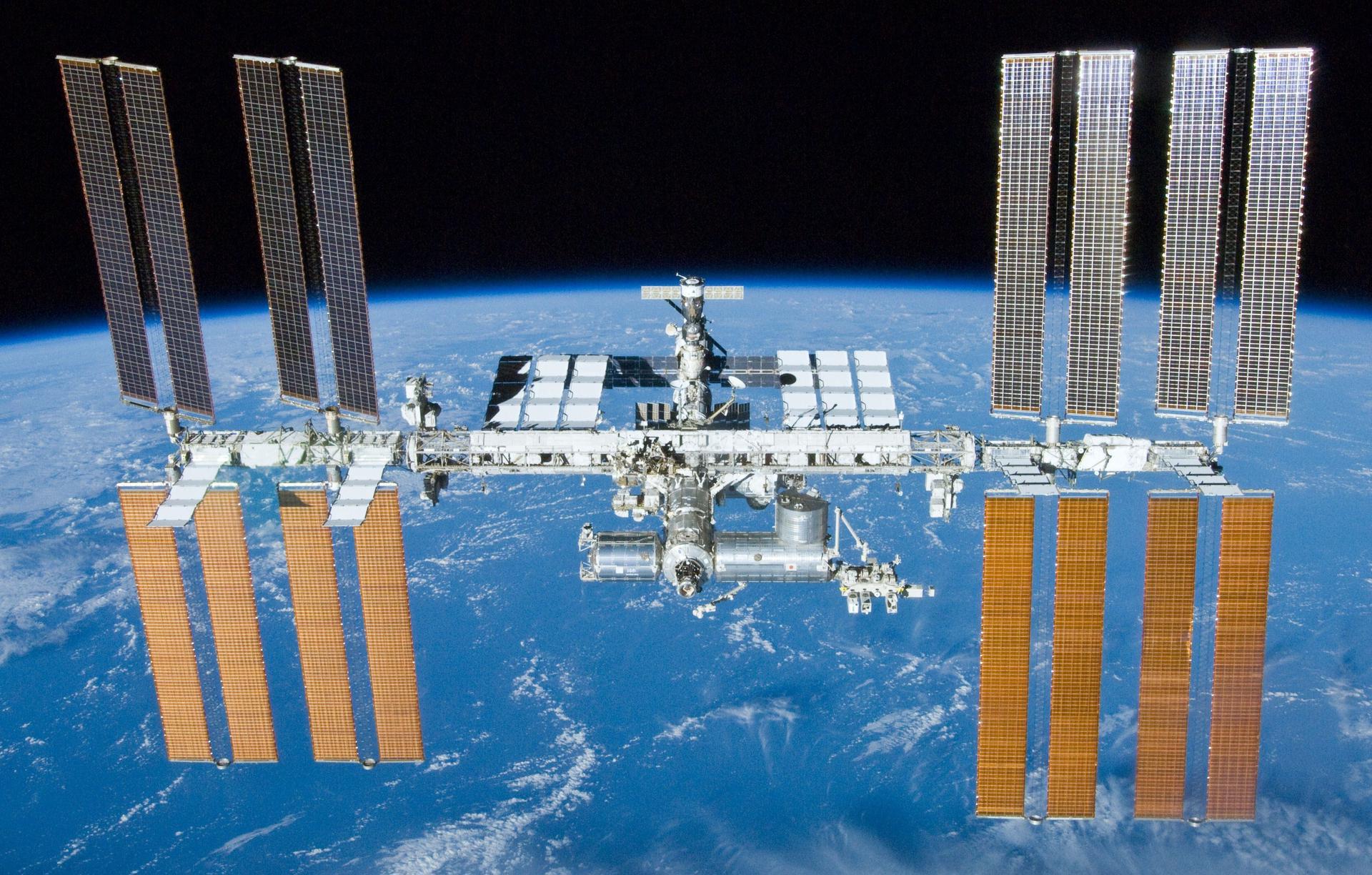
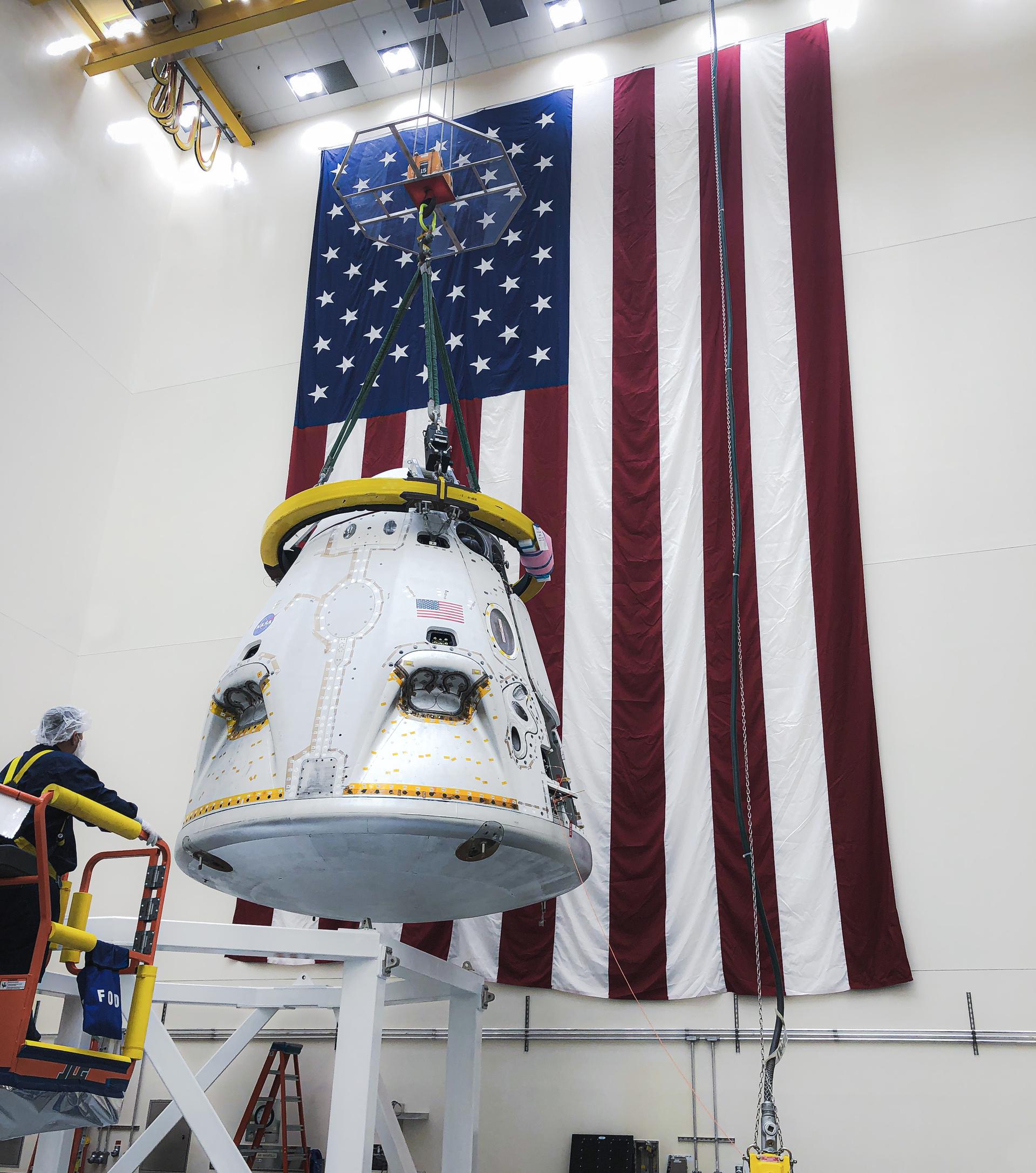
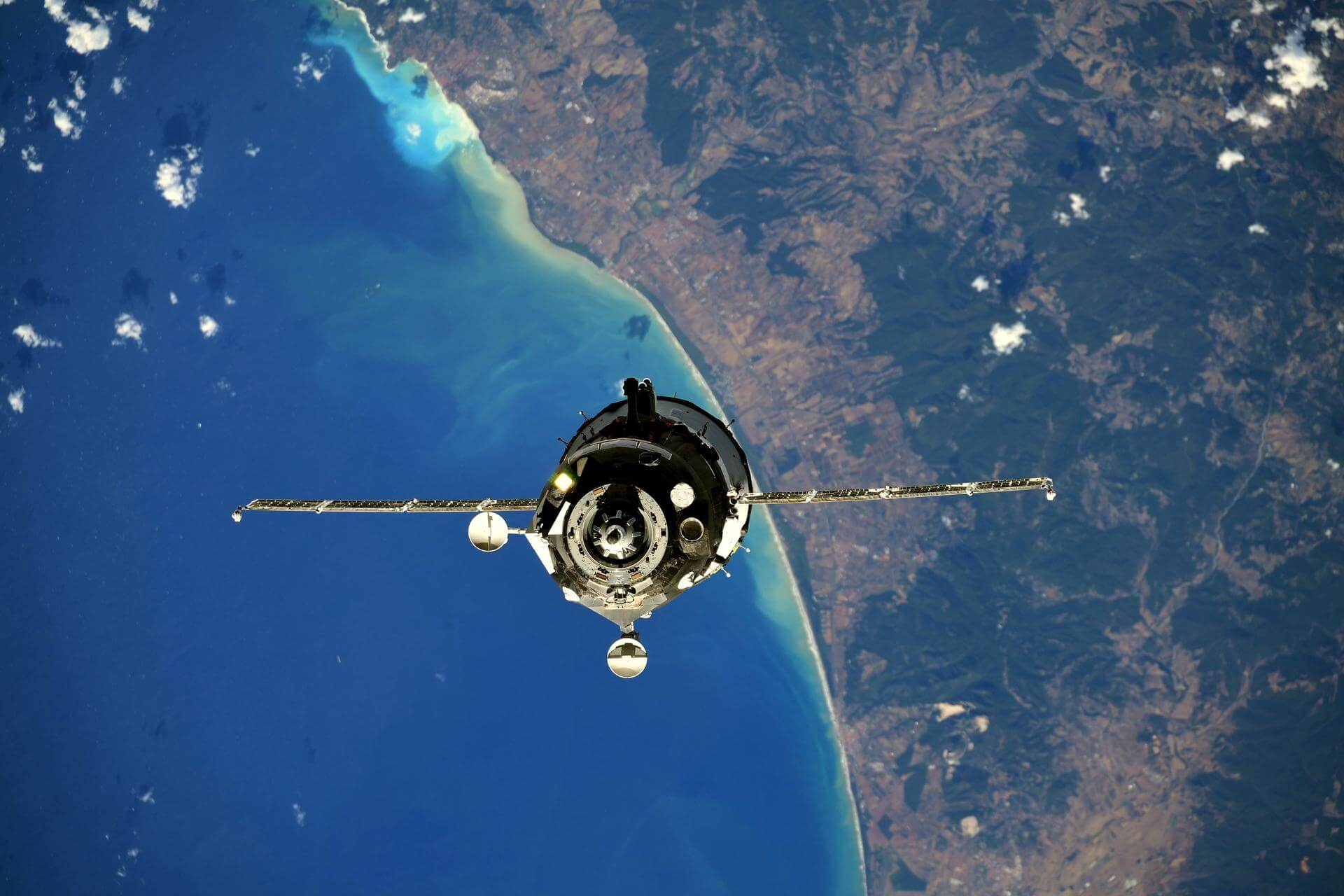
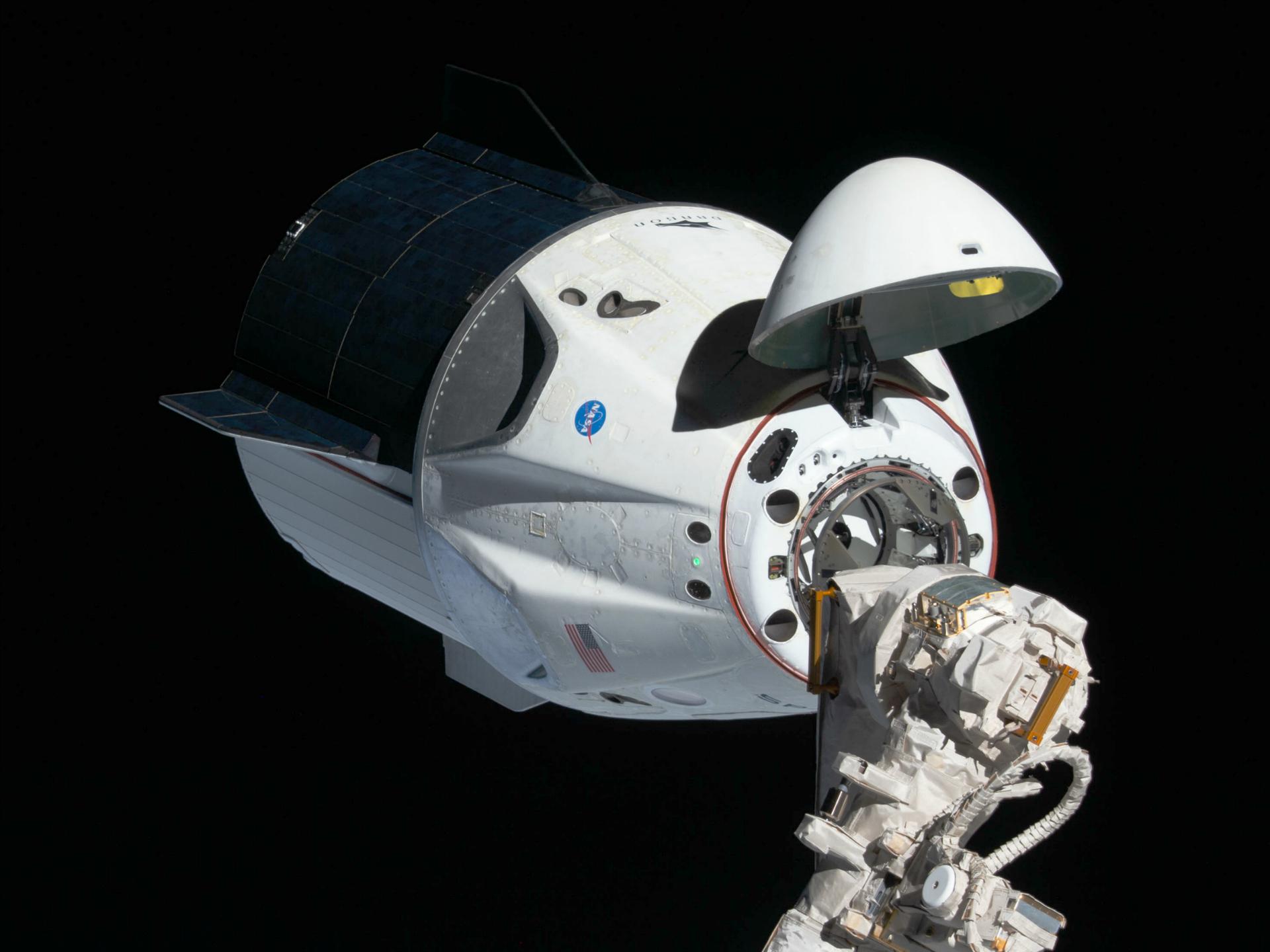
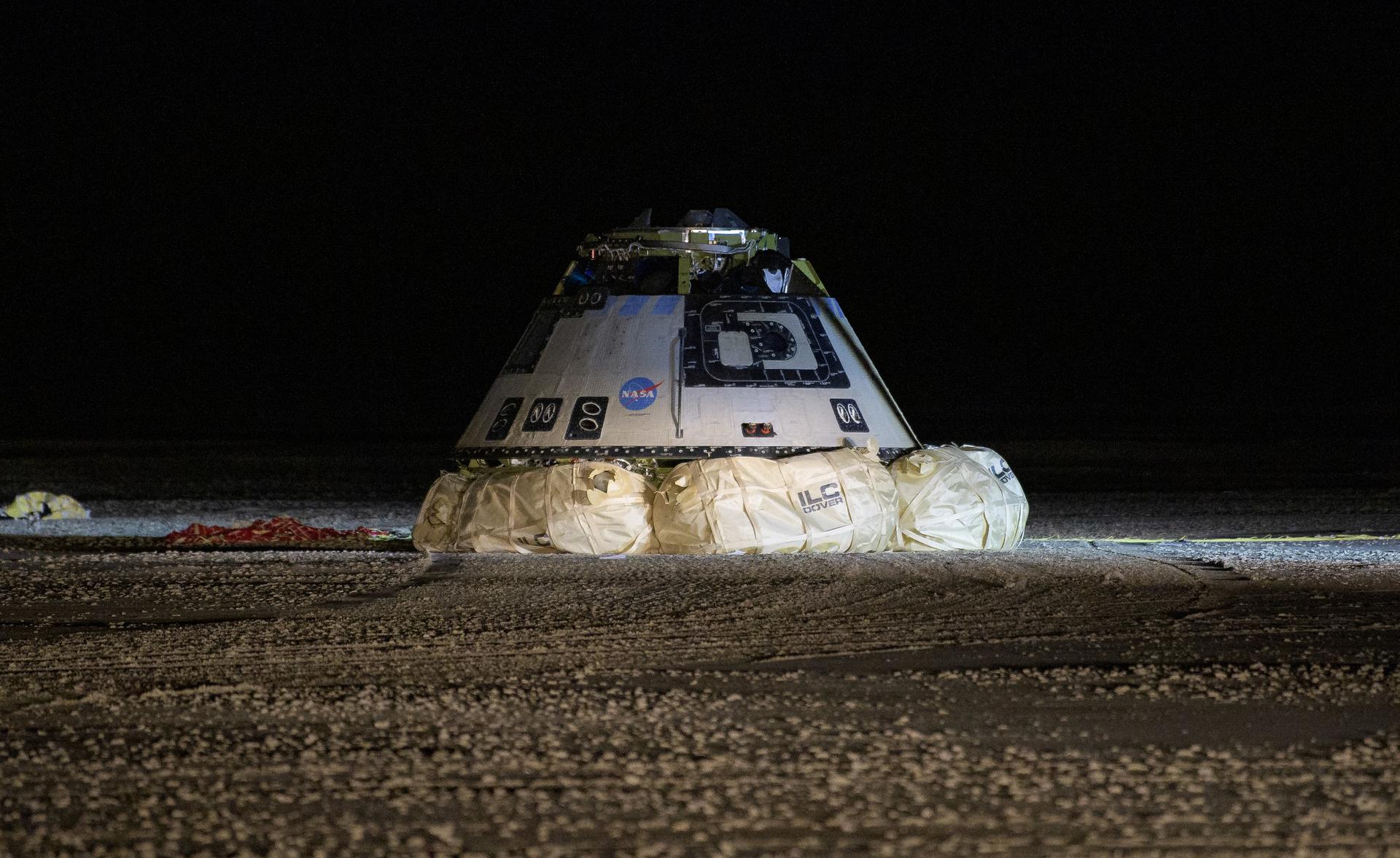
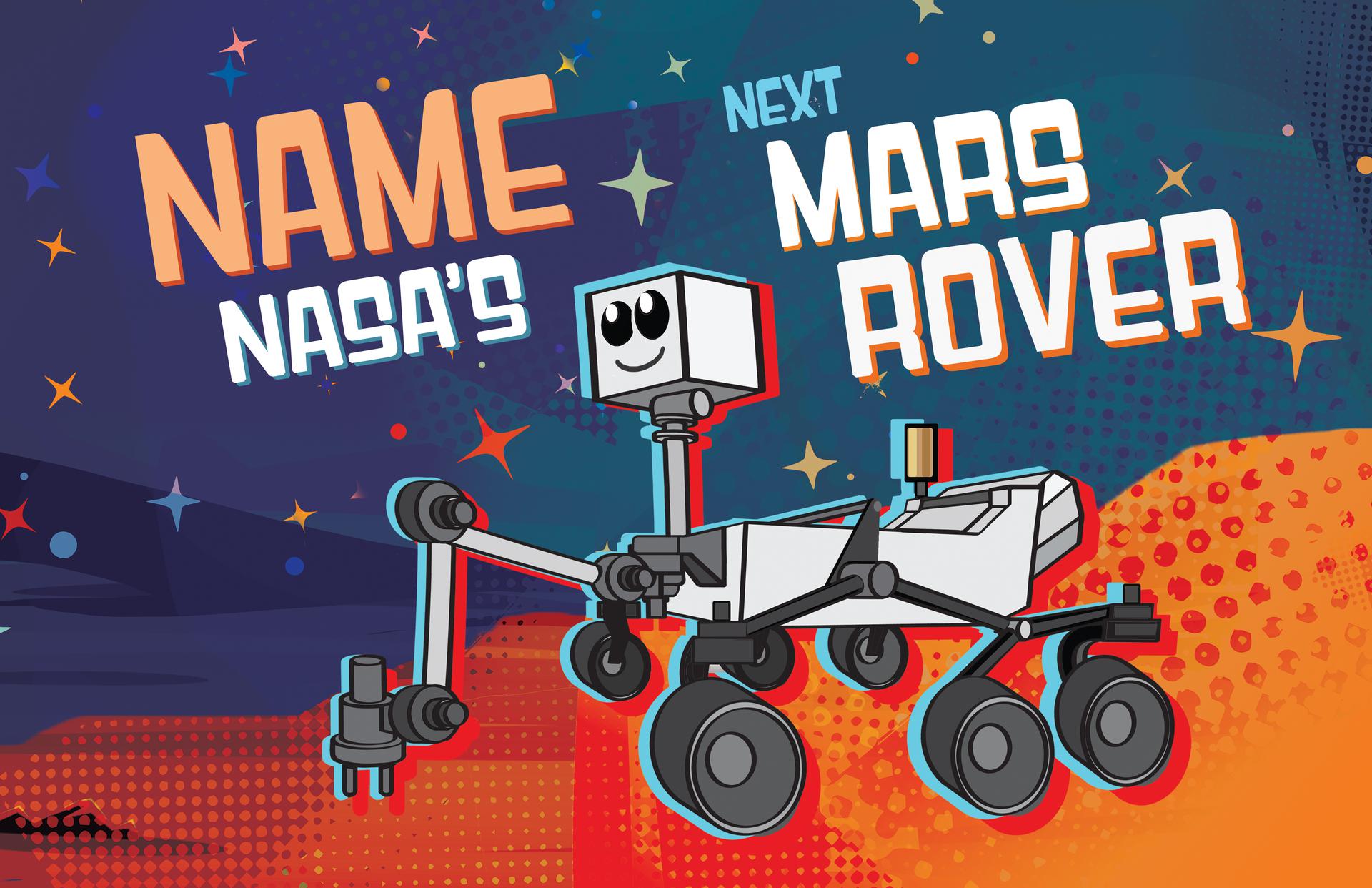
{ "count": 1201, "next": "https://lldev.thespacedevs.com/2.0.0/event/?format=api&limit=10&offset=720", "previous": "https://lldev.thespacedevs.com/2.0.0/event/?format=api&limit=10&offset=700", "results": [ { "id": 84, "url": "https://lldev.thespacedevs.com/2.0.0/event/84/?format=api", "slug": "ng-13-cygnus-berthing", "name": "NG-13 Cygnus Berthing", "type": { "id": 4, "name": "Spacecraft Berthing" }, "description": "NASA TV will livestream the rendezvous and capture of Northrop Grumman's NG-13 Cygnus cargo craft to the International Space Station.", "location": "International Space Station", "news_url": "https://www.nasa.gov/multimedia/nasatv/schedule.html", "video_url": null, "feature_image": "https://thespacedevs-dev.nyc3.digitaloceanspaces.com/media/images/ng-112520cygnus2520release2520and2520reentry_image_20190716173223.jpeg", "date": "2020-02-18T09:05:00Z", "launches": [], "expeditions": [], "spacestations": [ { "id": 4, "url": "https://lldev.thespacedevs.com/2.0.0/spacestation/4/?format=api", "name": "International Space Station", "status": { "id": 1, "name": "Active" }, "founded": "1998-11-20", "description": "The International Space Station (ISS) is a space station, or a habitable artificial satellite, in low Earth orbit. Its first component was launched into orbit in 1998, with the first long-term residents arriving in November 2000. It has been inhabited continuously since that date. The last pressurised module was fitted in 2011, and an experimental inflatable space habitat was added in 2016. The station is expected to operate until 2030. Development and assembly of the station continues, with several new elements scheduled for launch in 2019. The ISS is the largest human-made body in low Earth orbit and can often be seen with the naked eye from Earth. The ISS consists of pressurised habitation modules, structural trusses, solar arrays, radiators, docking ports, experiment bays and robotic arms. ISS components have been launched by Russian Proton and Soyuz rockets, and American Space Shuttles.", "orbit": "Low Earth Orbit", "image_url": "https://thespacedevs-dev.nyc3.digitaloceanspaces.com/media/images/international2520space2520station_image_20190220215716.jpeg" } ], "program": [] }, { "id": 83, "url": "https://lldev.thespacedevs.com/2.0.0/event/83/?format=api", "slug": "spacex-dragon-in-flight-abort-test-press-conferenc", "name": "SpaceX Dragon In-Flight Abort Test Press Conference", "type": { "id": 20, "name": "Press Event" }, "description": "The news conference preceding SpaceX's Dragon In-Flight Abort Test (IFA) will be livestreamed on NASA TV.", "location": "Kennedy Space Center", "news_url": null, "video_url": "https://www.youtube.com/watch?v=kNYMGEwEoRE", "feature_image": "https://thespacedevs-dev.nyc3.digitaloceanspaces.com/media/images/spacex2520dragon2520in-flight2520abort2520test2520press2520conference_image_20200109064627.jpeg", "date": "2020-01-17T18:00:00Z", "launches": [], "expeditions": [], "spacestations": [], "program": [] }, { "id": 82, "url": "https://lldev.thespacedevs.com/2.0.0/event/82/?format=api", "slug": "soyuz-ms-13-undocking", "name": "Soyuz MS-13 Undocking", "type": { "id": 8, "name": "Spacecraft Undocking" }, "description": "The Soyuz MS-13 spacecraft will undock at approximately 05:49am UTC from the International Space Station.\r\n\r\nIt will return to Earth with astronauts Aleksandr Skvortsov, Christina Koch and Luca Parmitano onboard. Landing will be at approximately 09:14am UTC.", "location": "International Space Station", "news_url": null, "video_url": null, "feature_image": "https://thespacedevs-dev.nyc3.digitaloceanspaces.com/media/images/soyuz_ms_in_orb_image_20240313130407.jpeg", "date": "2020-02-06T05:50:00Z", "launches": [], "expeditions": [ { "id": 136, "url": "https://lldev.thespacedevs.com/2.0.0/expedition/136/?format=api", "name": "Expedition 61", "start": "2019-10-02T00:00:00Z", "end": "2020-02-05T13:40:00Z", "spacestation": { "id": 4, "url": "https://lldev.thespacedevs.com/2.0.0/spacestation/4/?format=api", "name": "International Space Station", "status": { "id": 1, "name": "Active" }, "orbit": "Low Earth Orbit", "image_url": "https://thespacedevs-dev.nyc3.digitaloceanspaces.com/media/images/international2520space2520station_image_20190220215716.jpeg" } } ], "spacestations": [ { "id": 4, "url": "https://lldev.thespacedevs.com/2.0.0/spacestation/4/?format=api", "name": "International Space Station", "status": { "id": 1, "name": "Active" }, "founded": "1998-11-20", "description": "The International Space Station (ISS) is a space station, or a habitable artificial satellite, in low Earth orbit. Its first component was launched into orbit in 1998, with the first long-term residents arriving in November 2000. It has been inhabited continuously since that date. The last pressurised module was fitted in 2011, and an experimental inflatable space habitat was added in 2016. The station is expected to operate until 2030. Development and assembly of the station continues, with several new elements scheduled for launch in 2019. The ISS is the largest human-made body in low Earth orbit and can often be seen with the naked eye from Earth. The ISS consists of pressurised habitation modules, structural trusses, solar arrays, radiators, docking ports, experiment bays and robotic arms. ISS components have been launched by Russian Proton and Soyuz rockets, and American Space Shuttles.", "orbit": "Low Earth Orbit", "image_url": "https://thespacedevs-dev.nyc3.digitaloceanspaces.com/media/images/international2520space2520station_image_20190220215716.jpeg" } ], "program": [] }, { "id": 97, "url": "https://lldev.thespacedevs.com/2.0.0/event/97/?format=api", "slug": "soyuz-ms-15-landing", "name": "Soyuz MS-15 Landing", "type": { "id": 9, "name": "Spacecraft Landing" }, "description": "The Soyuz MS-15 spacecraft carrying ROSCOSMOS cosmonaut Oleg Skripochka and NASA astronauts Jessica Meir and Andrew Morgan will land back on Earth near Dzhezkazgan, Kazakhstan.", "location": "Dzhezkazgan, Kazakhstan", "news_url": null, "video_url": null, "feature_image": "https://thespacedevs-dev.nyc3.digitaloceanspaces.com/media/images/soyuz2520ms-122520landing_image_20190929074125.jpg", "date": "2020-04-17T05:18:00Z", "launches": [], "expeditions": [ { "id": 137, "url": "https://lldev.thespacedevs.com/2.0.0/expedition/137/?format=api", "name": "Expedition 62", "start": "2020-02-05T13:40:00Z", "end": "2020-04-17T01:53:00Z", "spacestation": { "id": 4, "url": "https://lldev.thespacedevs.com/2.0.0/spacestation/4/?format=api", "name": "International Space Station", "status": { "id": 1, "name": "Active" }, "orbit": "Low Earth Orbit", "image_url": "https://thespacedevs-dev.nyc3.digitaloceanspaces.com/media/images/international2520space2520station_image_20190220215716.jpeg" } } ], "spacestations": [ { "id": 4, "url": "https://lldev.thespacedevs.com/2.0.0/spacestation/4/?format=api", "name": "International Space Station", "status": { "id": 1, "name": "Active" }, "founded": "1998-11-20", "description": "The International Space Station (ISS) is a space station, or a habitable artificial satellite, in low Earth orbit. Its first component was launched into orbit in 1998, with the first long-term residents arriving in November 2000. It has been inhabited continuously since that date. The last pressurised module was fitted in 2011, and an experimental inflatable space habitat was added in 2016. The station is expected to operate until 2030. Development and assembly of the station continues, with several new elements scheduled for launch in 2019. The ISS is the largest human-made body in low Earth orbit and can often be seen with the naked eye from Earth. The ISS consists of pressurised habitation modules, structural trusses, solar arrays, radiators, docking ports, experiment bays and robotic arms. ISS components have been launched by Russian Proton and Soyuz rockets, and American Space Shuttles.", "orbit": "Low Earth Orbit", "image_url": "https://thespacedevs-dev.nyc3.digitaloceanspaces.com/media/images/international2520space2520station_image_20190220215716.jpeg" } ], "program": [] }, { "id": 110, "url": "https://lldev.thespacedevs.com/2.0.0/event/110/?format=api", "slug": "us-eva-66", "name": "US EVA-66", "type": { "id": 3, "name": "EVA" }, "description": "NASA astronauts Chris Cassidy and Bob Behnken will exit the orbital lab on July 1 to continue replacing batteries that store and distribute power collected from the solar arrays. They will work on the outer portion of the truss structure, or the Starboard-6 truss, disconnecting and removing the old nickel hydrogen batteries. Following that, new lithium-ion batteries will be installed in their place and powered up by mission controllers on the ground.", "location": "International Space Station", "news_url": "https://blogs.nasa.gov/spacestation/2020/06/11/crew-gears-up-for-spacewalks-continues-space-science/", "video_url": "https://www.youtube.com/watch?v=AKQgP1JekP8", "feature_image": "https://thespacedevs-dev.nyc3.digitaloceanspaces.com/media/images/us2520eva-52_image_20190318200748.jpeg", "date": "2020-07-01T11:35:00Z", "launches": [], "expeditions": [ { "id": 138, "url": "https://lldev.thespacedevs.com/2.0.0/expedition/138/?format=api", "name": "Expedition 63", "start": "2020-04-17T01:53:00Z", "end": "2020-10-20T20:15:00Z", "spacestation": { "id": 4, "url": "https://lldev.thespacedevs.com/2.0.0/spacestation/4/?format=api", "name": "International Space Station", "status": { "id": 1, "name": "Active" }, "orbit": "Low Earth Orbit", "image_url": "https://thespacedevs-dev.nyc3.digitaloceanspaces.com/media/images/international2520space2520station_image_20190220215716.jpeg" } } ], "spacestations": [ { "id": 4, "url": "https://lldev.thespacedevs.com/2.0.0/spacestation/4/?format=api", "name": "International Space Station", "status": { "id": 1, "name": "Active" }, "founded": "1998-11-20", "description": "The International Space Station (ISS) is a space station, or a habitable artificial satellite, in low Earth orbit. Its first component was launched into orbit in 1998, with the first long-term residents arriving in November 2000. It has been inhabited continuously since that date. The last pressurised module was fitted in 2011, and an experimental inflatable space habitat was added in 2016. The station is expected to operate until 2030. Development and assembly of the station continues, with several new elements scheduled for launch in 2019. The ISS is the largest human-made body in low Earth orbit and can often be seen with the naked eye from Earth. The ISS consists of pressurised habitation modules, structural trusses, solar arrays, radiators, docking ports, experiment bays and robotic arms. ISS components have been launched by Russian Proton and Soyuz rockets, and American Space Shuttles.", "orbit": "Low Earth Orbit", "image_url": "https://thespacedevs-dev.nyc3.digitaloceanspaces.com/media/images/international2520space2520station_image_20190220215716.jpeg" } ], "program": [] }, { "id": 977, "url": "https://lldev.thespacedevs.com/2.0.0/event/977/?format=api", "slug": "russian-eva-62", "name": "Russian EVA-62", "type": { "id": 3, "name": "EVA" }, "description": "Russian cosmonauts Oleg Kononenko and Nikolai Chub will perform an EVA removing and installing hardware on the orbital outpost’s Roscosmos segment of the International Space Station, including deployment of one panel on a synthetic radar system and installing equipment and experiments on the Poisk module to analyze the level of corrosion on station surfaces and modules.", "location": "International Space Station", "news_url": null, "video_url": null, "feature_image": "https://thespacedevs-dev.nyc3.digitaloceanspaces.com/media/images/russian_eva-46_image_20201113081602.jpeg", "date": "2024-04-25T14:55:00Z", "launches": [], "expeditions": [], "spacestations": [ { "id": 4, "url": "https://lldev.thespacedevs.com/2.0.0/spacestation/4/?format=api", "name": "International Space Station", "status": { "id": 1, "name": "Active" }, "founded": "1998-11-20", "description": "The International Space Station (ISS) is a space station, or a habitable artificial satellite, in low Earth orbit. Its first component was launched into orbit in 1998, with the first long-term residents arriving in November 2000. It has been inhabited continuously since that date. The last pressurised module was fitted in 2011, and an experimental inflatable space habitat was added in 2016. The station is expected to operate until 2030. Development and assembly of the station continues, with several new elements scheduled for launch in 2019. The ISS is the largest human-made body in low Earth orbit and can often be seen with the naked eye from Earth. The ISS consists of pressurised habitation modules, structural trusses, solar arrays, radiators, docking ports, experiment bays and robotic arms. ISS components have been launched by Russian Proton and Soyuz rockets, and American Space Shuttles.", "orbit": "Low Earth Orbit", "image_url": "https://thespacedevs-dev.nyc3.digitaloceanspaces.com/media/images/international2520space2520station_image_20190220215716.jpeg" } ], "program": [ { "id": 17, "url": "https://lldev.thespacedevs.com/2.0.0/program/17/?format=api", "name": "International Space Station", "description": "The International Space Station programme is tied together by a complex set of legal, political and financial agreements between the sixteen nations involved in the project, governing ownership of the various components, rights to crewing and utilization, and responsibilities for crew rotation and resupply of the International Space Station. It was conceived in 1984 by President Ronald Reagan, during the Space Station Freedom project as it was originally called.", "agencies": [ { "id": 16, "url": "https://lldev.thespacedevs.com/2.0.0/agencies/16/?format=api", "name": "Canadian Space Agency", "type": "Government" }, { "id": 27, "url": "https://lldev.thespacedevs.com/2.0.0/agencies/27/?format=api", "name": "European Space Agency", "type": "Multinational" }, { "id": 37, "url": "https://lldev.thespacedevs.com/2.0.0/agencies/37/?format=api", "name": "Japan Aerospace Exploration Agency", "type": "Government" }, { "id": 44, "url": "https://lldev.thespacedevs.com/2.0.0/agencies/44/?format=api", "name": "National Aeronautics and Space Administration", "type": "Government" }, { "id": 63, "url": "https://lldev.thespacedevs.com/2.0.0/agencies/63/?format=api", "name": "Russian Federal Space Agency (ROSCOSMOS)", "type": "Government" } ], "image_url": "https://thespacedevs-dev.nyc3.digitaloceanspaces.com/media/images/international2_program_20201129184745.png", "start_date": "1998-11-20T06:40:00Z", "end_date": null, "info_url": "https://www.nasa.gov/mission_pages/station/main/index.html", "wiki_url": "https://en.wikipedia.org/wiki/International_Space_Station_programme" } ] }, { "id": 106, "url": "https://lldev.thespacedevs.com/2.0.0/event/106/?format=api", "slug": "spacex-dm-2-crew-dragon-hatch-opening", "name": "SpaceX DM-2 Crew Dragon Hatch Opening", "type": { "id": 12, "name": "Hatch Opening" }, "description": "The Crew Dragon hatch will be opened, allowing the first astronauts launched from US soil since 2011 to enter the International Space Station as crew members of Expedition 63.", "location": "International Space Station", "news_url": "https://www.nasa.gov/specials/dm2/", "video_url": null, "feature_image": "https://thespacedevs-dev.nyc3.digitaloceanspaces.com/media/images/spacex_dm-2_cre_image_20200504065311.jpeg", "date": "2020-05-31T17:02:00Z", "launches": [], "expeditions": [ { "id": 138, "url": "https://lldev.thespacedevs.com/2.0.0/expedition/138/?format=api", "name": "Expedition 63", "start": "2020-04-17T01:53:00Z", "end": "2020-10-20T20:15:00Z", "spacestation": { "id": 4, "url": "https://lldev.thespacedevs.com/2.0.0/spacestation/4/?format=api", "name": "International Space Station", "status": { "id": 1, "name": "Active" }, "orbit": "Low Earth Orbit", "image_url": "https://thespacedevs-dev.nyc3.digitaloceanspaces.com/media/images/international2520space2520station_image_20190220215716.jpeg" } } ], "spacestations": [ { "id": 4, "url": "https://lldev.thespacedevs.com/2.0.0/spacestation/4/?format=api", "name": "International Space Station", "status": { "id": 1, "name": "Active" }, "founded": "1998-11-20", "description": "The International Space Station (ISS) is a space station, or a habitable artificial satellite, in low Earth orbit. Its first component was launched into orbit in 1998, with the first long-term residents arriving in November 2000. It has been inhabited continuously since that date. The last pressurised module was fitted in 2011, and an experimental inflatable space habitat was added in 2016. The station is expected to operate until 2030. Development and assembly of the station continues, with several new elements scheduled for launch in 2019. The ISS is the largest human-made body in low Earth orbit and can often be seen with the naked eye from Earth. The ISS consists of pressurised habitation modules, structural trusses, solar arrays, radiators, docking ports, experiment bays and robotic arms. ISS components have been launched by Russian Proton and Soyuz rockets, and American Space Shuttles.", "orbit": "Low Earth Orbit", "image_url": "https://thespacedevs-dev.nyc3.digitaloceanspaces.com/media/images/international2520space2520station_image_20190220215716.jpeg" } ], "program": [] }, { "id": 87, "url": "https://lldev.thespacedevs.com/2.0.0/event/87/?format=api", "slug": "starliner-orbital-flight-test-reviews", "name": "Starliner Orbital Flight Test Reviews", "type": { "id": 20, "name": "Press Event" }, "description": "NASA and Boeing will host a media teleconference at 20:30 UTC Friday, Feb. 7, to discuss the status of the joint independent review team investigation into the primary issues detected during the company’s uncrewed Orbital Flight Test in December as part of NASA’s Commercial Crew Program.", "location": "NASA HQ", "news_url": "https://www.nasa.gov/press-release/nasa-boeing-to-provide-update-on-starliner-orbital-flight-test-reviews", "video_url": null, "feature_image": "https://thespacedevs-dev.nyc3.digitaloceanspaces.com/media/images/starliner2520orbital2520flight2520test2520reviews_image_20200207073637.jpeg", "date": "2020-02-07T20:30:00Z", "launches": [], "expeditions": [], "spacestations": [], "program": [] }, { "id": 114, "url": "https://lldev.thespacedevs.com/2.0.0/event/114/?format=api", "slug": "us-eva-68", "name": "US EVA-68", "type": { "id": 3, "name": "EVA" }, "description": "NASA astronauts Chris Cassidy and Bob Behnken will exit the orbital lab on July 21 to continue replacing batteries that store and distribute power collected from the solar arrays.", "location": "International Space Station", "news_url": "https://www.nasa.gov/press-release/nasa-broadcasts-final-spacewalks-to-upgrade-space-station-power-system/", "video_url": "https://www.youtube.com/watch?v=QGjfPYL9uQ8", "feature_image": "https://thespacedevs-dev.nyc3.digitaloceanspaces.com/media/images/us2520eva-52_image_20190318200748.jpeg", "date": "2020-07-21T11:35:00Z", "launches": [], "expeditions": [ { "id": 138, "url": "https://lldev.thespacedevs.com/2.0.0/expedition/138/?format=api", "name": "Expedition 63", "start": "2020-04-17T01:53:00Z", "end": "2020-10-20T20:15:00Z", "spacestation": { "id": 4, "url": "https://lldev.thespacedevs.com/2.0.0/spacestation/4/?format=api", "name": "International Space Station", "status": { "id": 1, "name": "Active" }, "orbit": "Low Earth Orbit", "image_url": "https://thespacedevs-dev.nyc3.digitaloceanspaces.com/media/images/international2520space2520station_image_20190220215716.jpeg" } } ], "spacestations": [ { "id": 4, "url": "https://lldev.thespacedevs.com/2.0.0/spacestation/4/?format=api", "name": "International Space Station", "status": { "id": 1, "name": "Active" }, "founded": "1998-11-20", "description": "The International Space Station (ISS) is a space station, or a habitable artificial satellite, in low Earth orbit. Its first component was launched into orbit in 1998, with the first long-term residents arriving in November 2000. It has been inhabited continuously since that date. The last pressurised module was fitted in 2011, and an experimental inflatable space habitat was added in 2016. The station is expected to operate until 2030. Development and assembly of the station continues, with several new elements scheduled for launch in 2019. The ISS is the largest human-made body in low Earth orbit and can often be seen with the naked eye from Earth. The ISS consists of pressurised habitation modules, structural trusses, solar arrays, radiators, docking ports, experiment bays and robotic arms. ISS components have been launched by Russian Proton and Soyuz rockets, and American Space Shuttles.", "orbit": "Low Earth Orbit", "image_url": "https://thespacedevs-dev.nyc3.digitaloceanspaces.com/media/images/international2520space2520station_image_20190220215716.jpeg" } ], "program": [] }, { "id": 94, "url": "https://lldev.thespacedevs.com/2.0.0/event/94/?format=api", "slug": "mars-2020-rover-name-reveal", "name": "Mars 2020 Rover Name Reveal", "type": { "id": 20, "name": "Press Event" }, "description": "NASA will unveil the name of the agency’s next Mars rover, currently known as Mars 2020, during a live event on NASA Television at 1:30 p.m. EST Thursday, March 5, followed by a media teleconference at 3:30 p.m. about the mission and the naming.\r\n\r\nThe Mars 2020 rover was the subject of a nationwide naming contest in 2019 that drew more than 28,000 essays by K-12 students from every U.S. state and territory. Nearly 4,700 volunteer judges – educators, professionals, and space enthusiasts from around the country – helped narrow the pool down to 155 semifinalists. A second round of judging selected the nine finalist essays that were open to an online public poll before Thomas Zurbuchen, associate administrator of NASA's Science Mission Directorate, made the final selection.", "location": "NASA HQ", "news_url": "https://www.nasa.gov/press-release/nasa-to-reveal-name-of-next-mars-rover-hold-media-teleconference", "video_url": "https://www.youtube.com/watch?v=Zni3MLBHDaY", "feature_image": "https://thespacedevs-dev.nyc3.digitaloceanspaces.com/media/images/mars_2020_rover_image_20200304085430.jpeg", "date": "2020-03-05T18:30:00Z", "launches": [], "expeditions": [], "spacestations": [], "program": [] } ] }