Event List
API endpoint that allows all Events to be viewed.
GET: Return a list of all Events
SEARCH EXAMPLE: /2.0.0/event/?search=Dragon Searches through name
GET /2.0.0/event/?format=api&offset=680
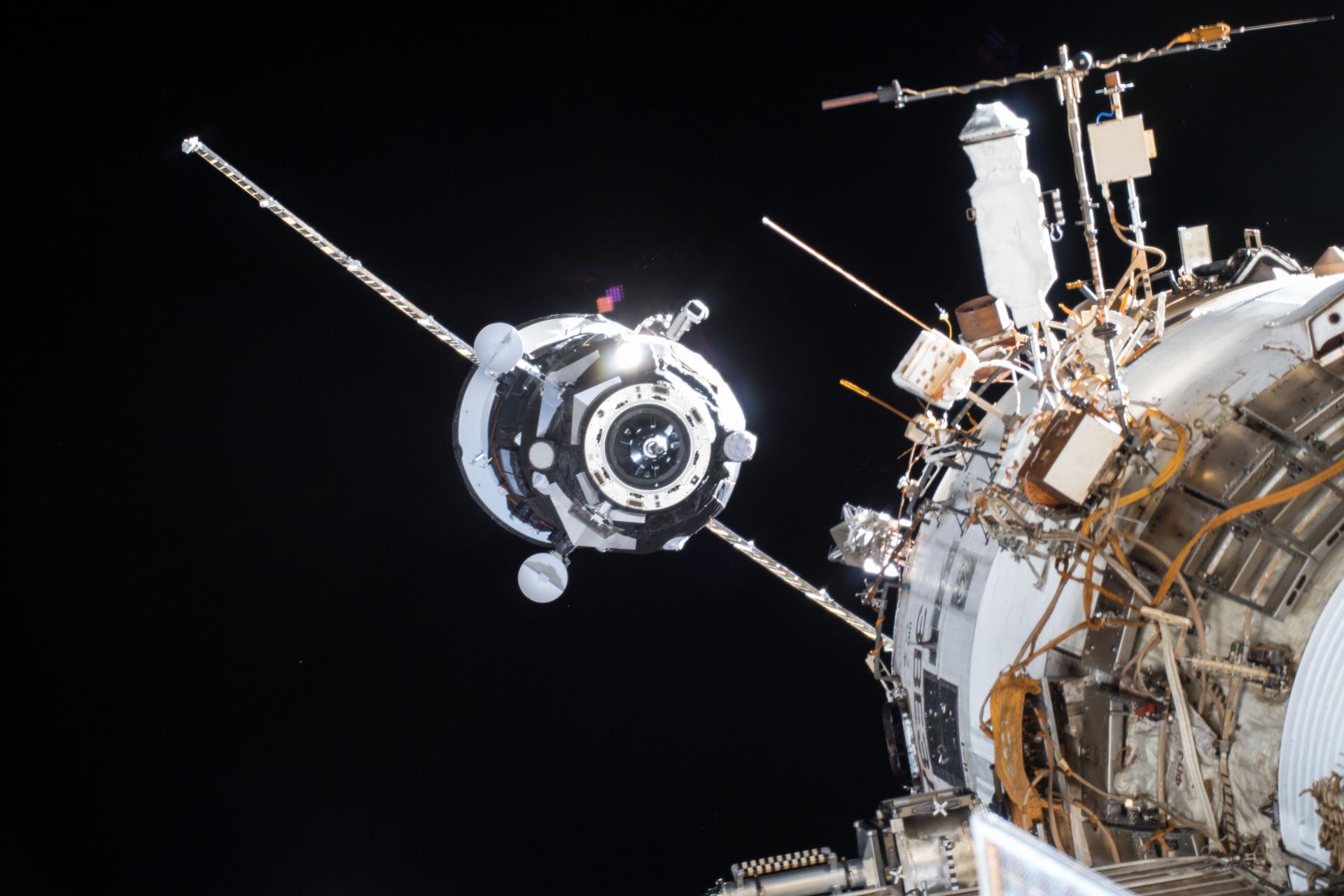
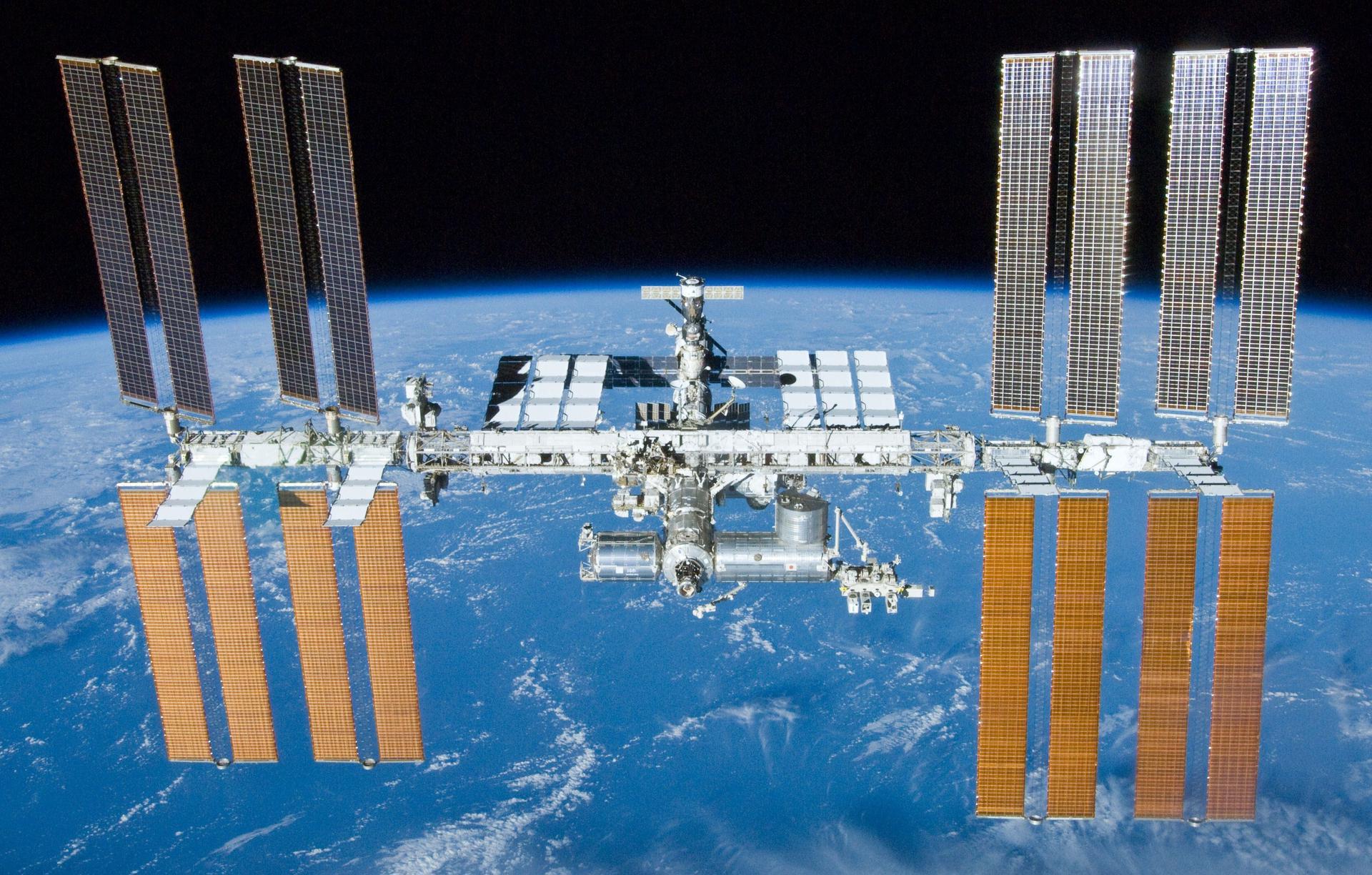
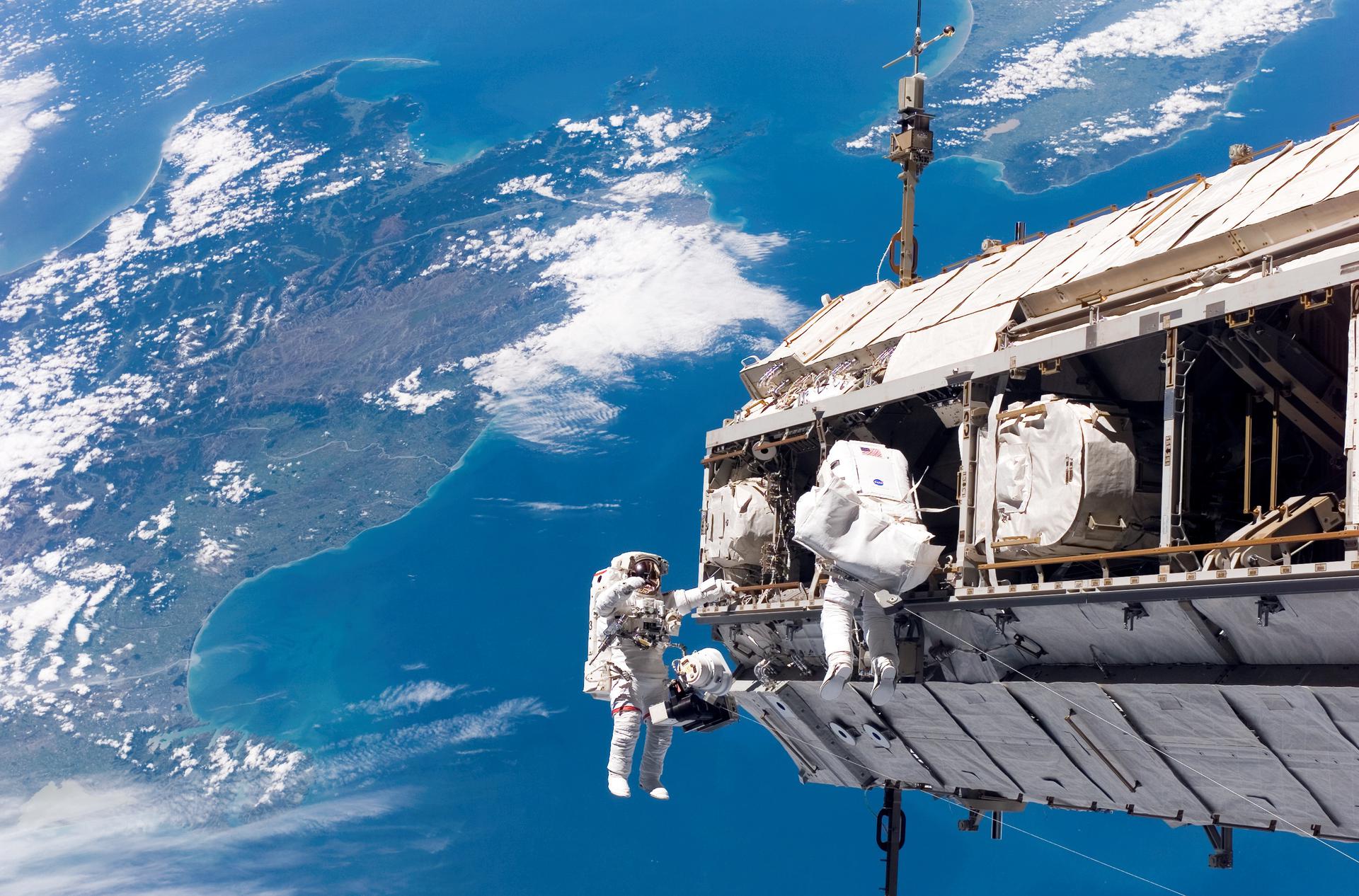
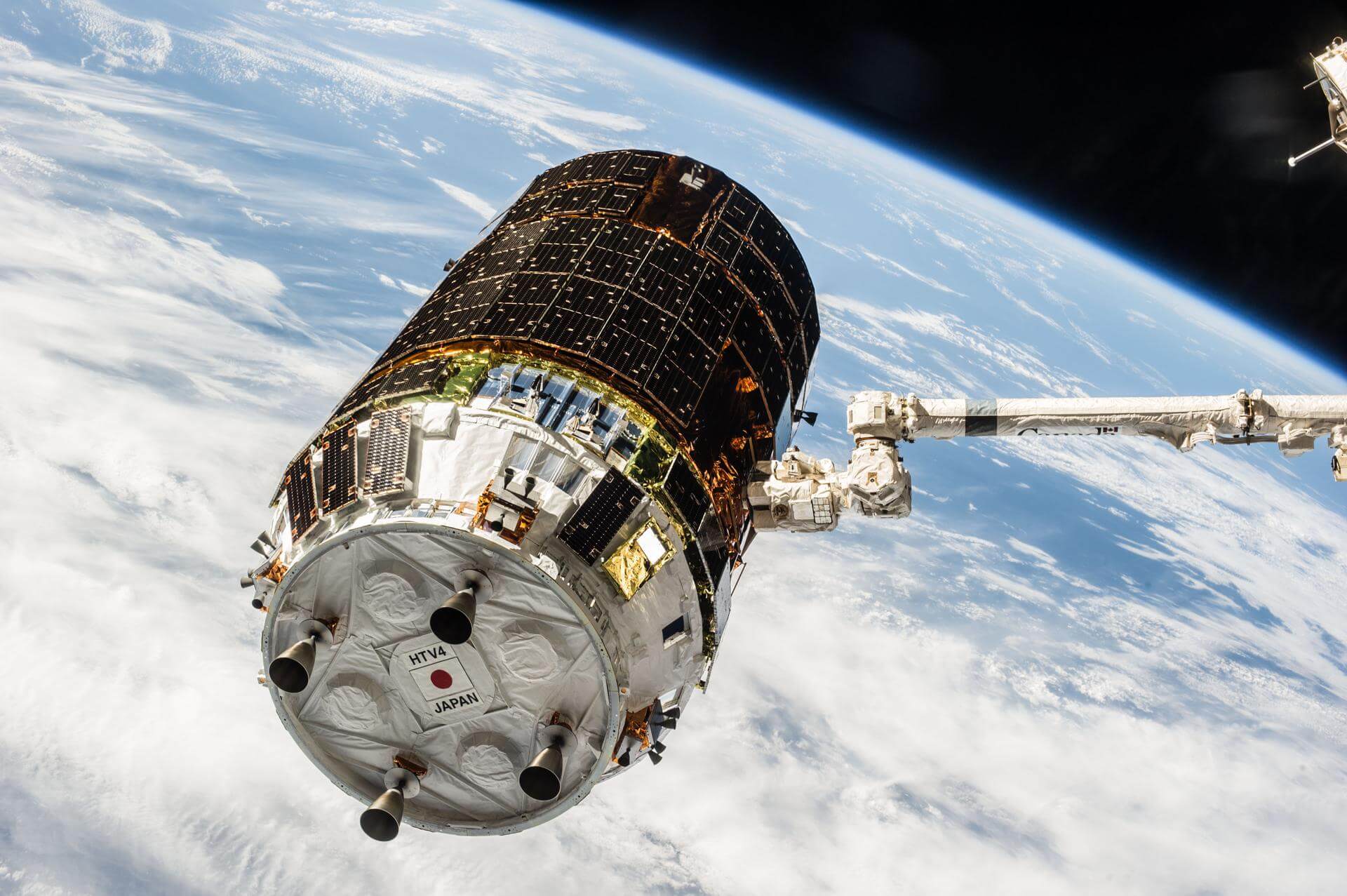
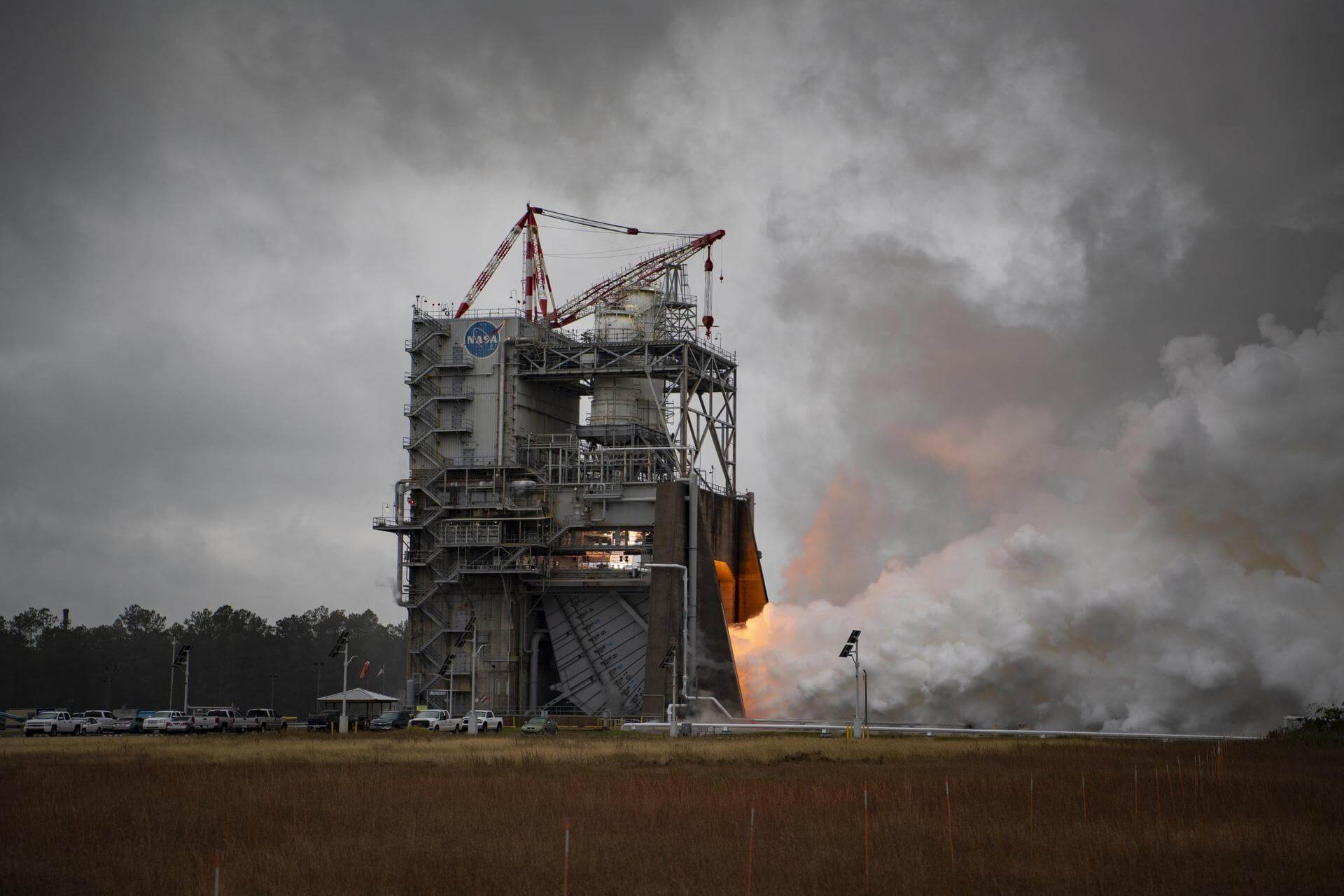
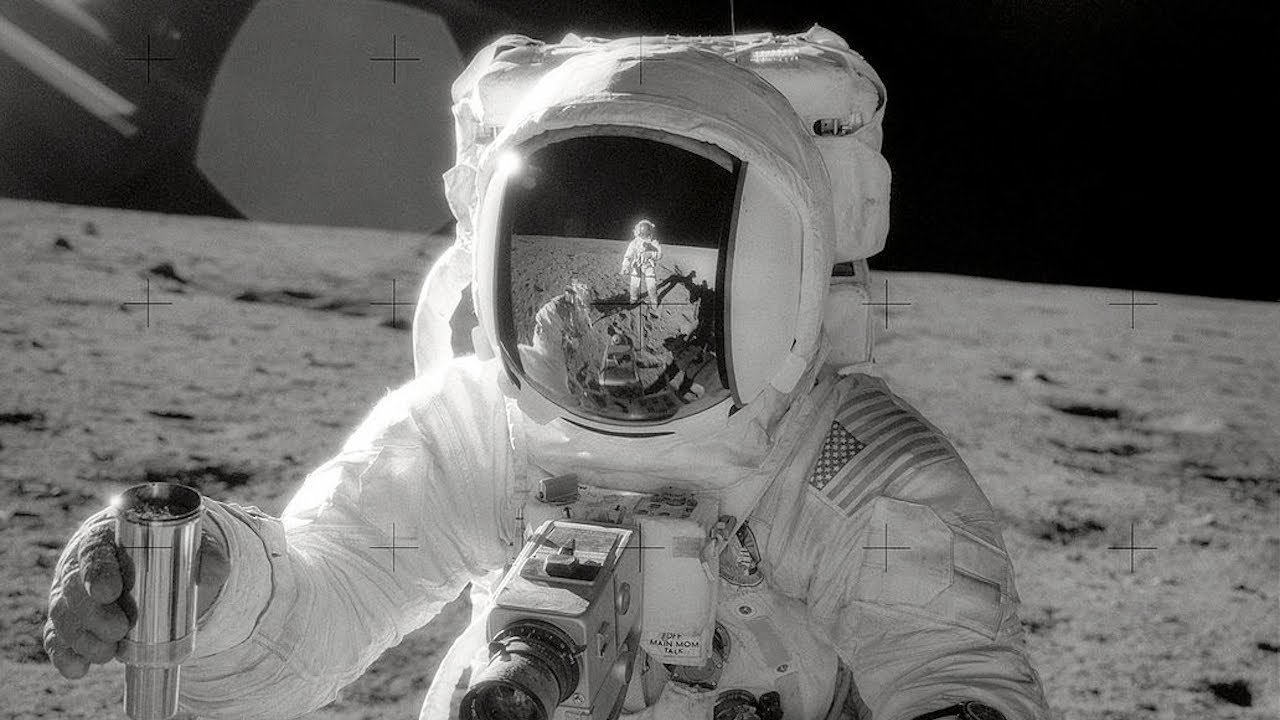
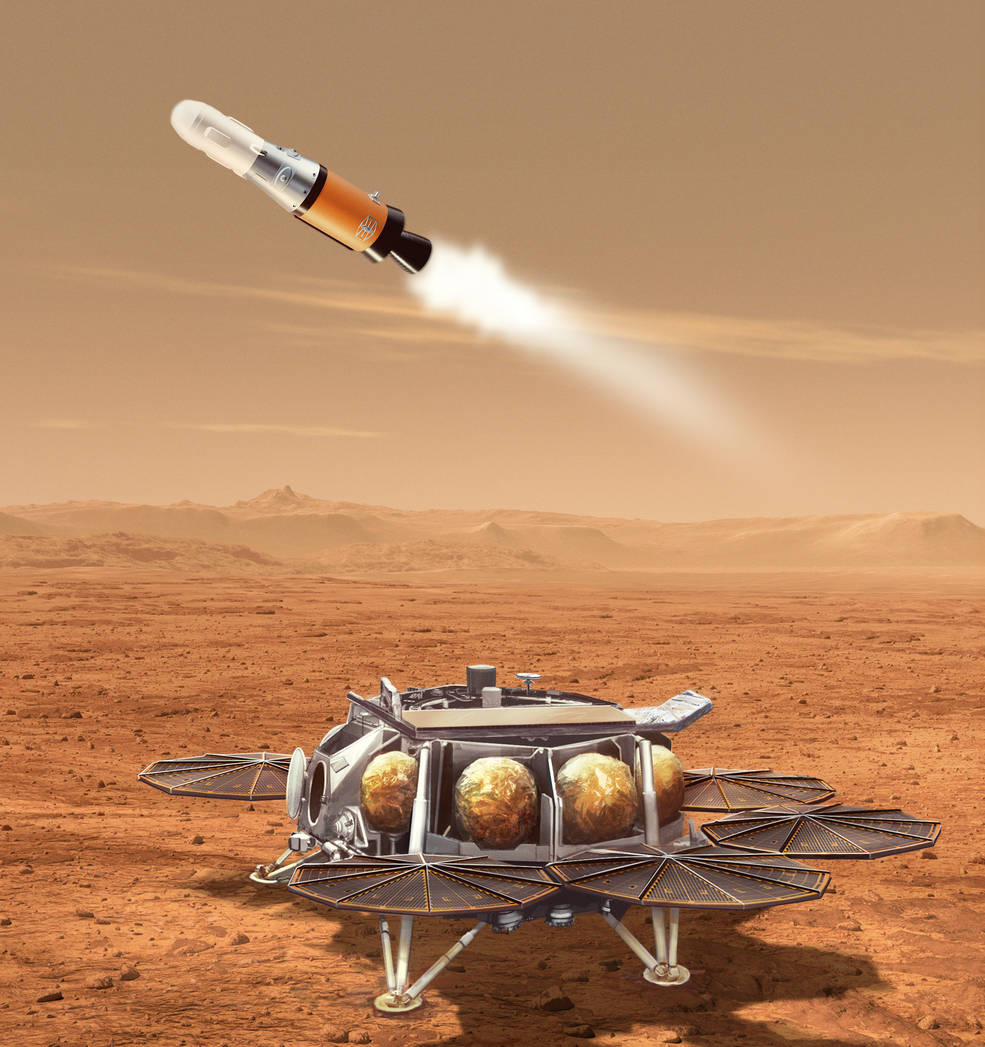
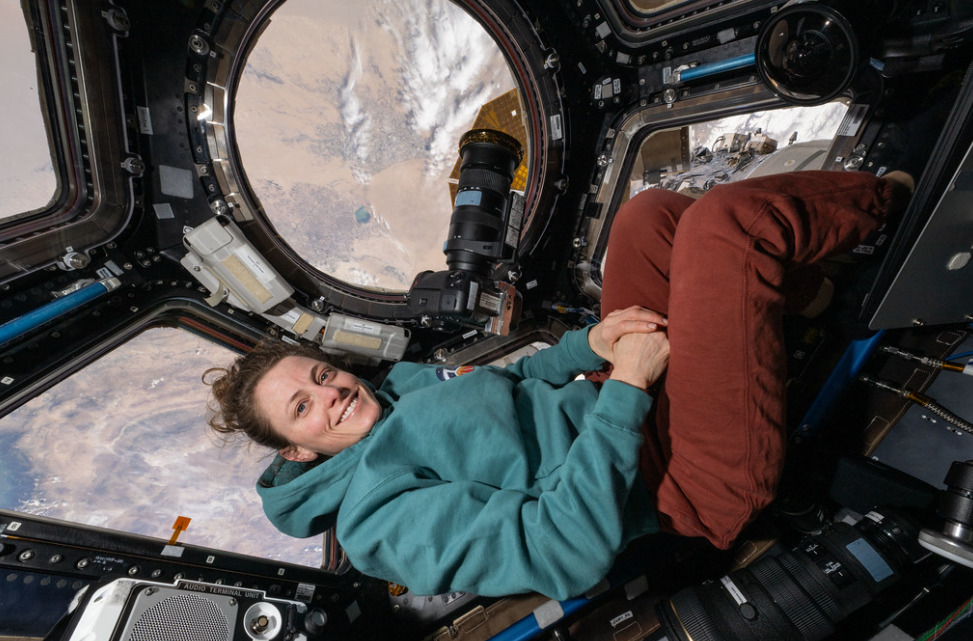
{ "count": 1201, "next": "https://lldev.thespacedevs.com/2.0.0/event/?format=api&limit=10&offset=690", "previous": "https://lldev.thespacedevs.com/2.0.0/event/?format=api&limit=10&offset=670", "results": [ { "id": 69, "url": "https://lldev.thespacedevs.com/2.0.0/event/69/?format=api", "slug": "progress-ms-13-docking", "name": "Progress MS-13 Docking", "type": { "id": 2, "name": "Docking" }, "description": "The Progress MS-13 spacecraft has successfully docked to the ISS's Pirs module.", "location": "International Space Station", "news_url": null, "video_url": null, "feature_image": "https://thespacedevs-dev.nyc3.digitaloceanspaces.com/media/images/progress2520ms-112520docking_image_20190318202147.jpeg", "date": "2019-12-09T10:35:00Z", "launches": [], "expeditions": [], "spacestations": [ { "id": 4, "url": "https://lldev.thespacedevs.com/2.0.0/spacestation/4/?format=api", "name": "International Space Station", "status": { "id": 1, "name": "Active" }, "founded": "1998-11-20", "description": "The International Space Station (ISS) is a space station, or a habitable artificial satellite, in low Earth orbit. Its first component was launched into orbit in 1998, with the first long-term residents arriving in November 2000. It has been inhabited continuously since that date. The last pressurised module was fitted in 2011, and an experimental inflatable space habitat was added in 2016. The station is expected to operate until 2030. Development and assembly of the station continues, with several new elements scheduled for launch in 2019. The ISS is the largest human-made body in low Earth orbit and can often be seen with the naked eye from Earth. The ISS consists of pressurised habitation modules, structural trusses, solar arrays, radiators, docking ports, experiment bays and robotic arms. ISS components have been launched by Russian Proton and Soyuz rockets, and American Space Shuttles.", "orbit": "Low Earth Orbit", "image_url": "https://thespacedevs-dev.nyc3.digitaloceanspaces.com/media/images/international2520space2520station_image_20190220215716.jpeg" } ], "program": [] }, { "id": 53, "url": "https://lldev.thespacedevs.com/2.0.0/event/53/?format=api", "slug": "us-eva-58", "name": "US EVA-58", "type": { "id": 3, "name": "EVA" }, "description": "Expedition 61 astronauts Christina Koch and Jessica Meir replace a battery charge/discharge unit.\r\n\r\nThis will be the first all-female EVA in the history of human spaceflight.\r\n\r\nSpacewalk begins at 11:50 a.m. UTC and is slated to last 6 ½ hours.", "location": "International Space Station", "news_url": null, "video_url": null, "feature_image": "https://thespacedevs-dev.nyc3.digitaloceanspaces.com/media/images/us2520eva-52_image_20190318200748.jpeg", "date": "2019-10-18T11:50:00Z", "launches": [], "expeditions": [ { "id": 136, "url": "https://lldev.thespacedevs.com/2.0.0/expedition/136/?format=api", "name": "Expedition 61", "start": "2019-10-02T00:00:00Z", "end": "2020-02-05T13:40:00Z", "spacestation": { "id": 4, "url": "https://lldev.thespacedevs.com/2.0.0/spacestation/4/?format=api", "name": "International Space Station", "status": { "id": 1, "name": "Active" }, "orbit": "Low Earth Orbit", "image_url": "https://thespacedevs-dev.nyc3.digitaloceanspaces.com/media/images/international2520space2520station_image_20190220215716.jpeg" } } ], "spacestations": [ { "id": 4, "url": "https://lldev.thespacedevs.com/2.0.0/spacestation/4/?format=api", "name": "International Space Station", "status": { "id": 1, "name": "Active" }, "founded": "1998-11-20", "description": "The International Space Station (ISS) is a space station, or a habitable artificial satellite, in low Earth orbit. Its first component was launched into orbit in 1998, with the first long-term residents arriving in November 2000. It has been inhabited continuously since that date. The last pressurised module was fitted in 2011, and an experimental inflatable space habitat was added in 2016. The station is expected to operate until 2030. Development and assembly of the station continues, with several new elements scheduled for launch in 2019. The ISS is the largest human-made body in low Earth orbit and can often be seen with the naked eye from Earth. The ISS consists of pressurised habitation modules, structural trusses, solar arrays, radiators, docking ports, experiment bays and robotic arms. ISS components have been launched by Russian Proton and Soyuz rockets, and American Space Shuttles.", "orbit": "Low Earth Orbit", "image_url": "https://thespacedevs-dev.nyc3.digitaloceanspaces.com/media/images/international2520space2520station_image_20190220215716.jpeg" } ], "program": [] }, { "id": 58, "url": "https://lldev.thespacedevs.com/2.0.0/event/58/?format=api", "slug": "htv-8-kounotori-release", "name": "HTV-8 “Kounotori” Release", "type": { "id": 13, "name": "Spacecraft Release" }, "description": "The japanese cargo craft HTV-8 “Kounotori” will be released from the International Space Station at 5:20pm UTC.", "location": "International Space Station", "news_url": "https://www.nasa.gov/multimedia/nasatv/schedule.html", "video_url": null, "feature_image": "https://thespacedevs-dev.nyc3.digitaloceanspaces.com/media/images/htv-4_captured__image_20240325122159.jpeg", "date": "2019-11-01T17:20:00Z", "launches": [], "expeditions": [], "spacestations": [ { "id": 4, "url": "https://lldev.thespacedevs.com/2.0.0/spacestation/4/?format=api", "name": "International Space Station", "status": { "id": 1, "name": "Active" }, "founded": "1998-11-20", "description": "The International Space Station (ISS) is a space station, or a habitable artificial satellite, in low Earth orbit. Its first component was launched into orbit in 1998, with the first long-term residents arriving in November 2000. It has been inhabited continuously since that date. The last pressurised module was fitted in 2011, and an experimental inflatable space habitat was added in 2016. The station is expected to operate until 2030. Development and assembly of the station continues, with several new elements scheduled for launch in 2019. The ISS is the largest human-made body in low Earth orbit and can often be seen with the naked eye from Earth. The ISS consists of pressurised habitation modules, structural trusses, solar arrays, radiators, docking ports, experiment bays and robotic arms. ISS components have been launched by Russian Proton and Soyuz rockets, and American Space Shuttles.", "orbit": "Low Earth Orbit", "image_url": "https://thespacedevs-dev.nyc3.digitaloceanspaces.com/media/images/international2520space2520station_image_20190220215716.jpeg" } ], "program": [] }, { "id": 63, "url": "https://lldev.thespacedevs.com/2.0.0/event/63/?format=api", "slug": "us-eva-59", "name": "US EVA-59", "type": { "id": 3, "name": "EVA" }, "description": "NASA astronaut Drew Morgan and ESA astronaut Luca Parmitano will perform EVA-59 to begin repairs on the Alpha Magnetic Spectrometer. It is the first of four spacewalks and expected to last at least 6.5 hours.", "location": "International Space Station", "news_url": null, "video_url": "https://www.youtube.com/watch?v=evaBhht5uGA", "feature_image": "https://thespacedevs-dev.nyc3.digitaloceanspaces.com/media/images/us2520eva-52_image_20190318200748.jpeg", "date": "2019-11-15T12:05:00Z", "launches": [], "expeditions": [ { "id": 136, "url": "https://lldev.thespacedevs.com/2.0.0/expedition/136/?format=api", "name": "Expedition 61", "start": "2019-10-02T00:00:00Z", "end": "2020-02-05T13:40:00Z", "spacestation": { "id": 4, "url": "https://lldev.thespacedevs.com/2.0.0/spacestation/4/?format=api", "name": "International Space Station", "status": { "id": 1, "name": "Active" }, "orbit": "Low Earth Orbit", "image_url": "https://thespacedevs-dev.nyc3.digitaloceanspaces.com/media/images/international2520space2520station_image_20190220215716.jpeg" } } ], "spacestations": [], "program": [] }, { "id": 974, "url": "https://lldev.thespacedevs.com/2.0.0/event/974/?format=api", "slug": "rs-25-engine-test-33", "name": "RS-25 Engine Test", "type": { "id": 5, "name": "Static Fire" }, "description": "NASA is conducting a hot fire as part of the final round of certification testing ahead of production of an updated set of the engines for the SLS (Space Launch System) rocket.", "location": "Fred Haise Test Stand, NASA’s Stennis Space Center", "news_url": null, "video_url": "https://www.youtube.com/watch?v=MiuY-me7zDM", "feature_image": "https://thespacedevs-dev.nyc3.digitaloceanspaces.com/media/images/rs-25_engine_te_image_20240111163044.jpeg", "date": "2024-03-27T18:10:00Z", "launches": [], "expeditions": [], "spacestations": [], "program": [ { "id": 15, "url": "https://lldev.thespacedevs.com/2.0.0/program/15/?format=api", "name": "Artemis", "description": "The Artemis program is a US government-funded crewed spaceflight program that has the goal of landing \"the first woman and the next man\" on the Moon, specifically at the lunar south pole region.", "agencies": [ { "id": 44, "url": "https://lldev.thespacedevs.com/2.0.0/agencies/44/?format=api", "name": "National Aeronautics and Space Administration", "type": "Government" } ], "image_url": "https://thespacedevs-dev.nyc3.digitaloceanspaces.com/media/images/artemis_program_20220827100930.png", "start_date": "2017-12-11T00:00:00Z", "end_date": null, "info_url": "https://www.nasa.gov/specials/artemis/", "wiki_url": "https://en.wikipedia.org/wiki/Artemis_program" } ] }, { "id": 65, "url": "https://lldev.thespacedevs.com/2.0.0/event/65/?format=api", "slug": "apollo-12-50th-anniversary-coverage", "name": "Apollo 12: 50th Anniversary Coverage", "type": { "id": 7, "name": "Moon Landing" }, "description": "Apollo 12 50th anniversary has a commemorative stream for the launch beginning at 11am EST. \r\n\r\nThe launch will take place at 11:42am.\r\n\r\n\"The second Apollo crew built on the work of the first. In addition to continuing Apollo's lunar exploration tasks they deployed the Apollo Lunar Surface Experiments Package, a set of investigations left on the Moon's surface to gather data. On their way to the Moon, the Apollo 12 crew conducted an orbital maneuver that let them land in the Moon's Western Hemisphere, so they could recover portions of a lander that had been on the moon for two years.\" - NASA", "location": "NASA TV", "news_url": "https://www.nasa.gov/mission_pages/apollo/apollo-12", "video_url": null, "feature_image": "https://thespacedevs-dev.nyc3.digitaloceanspaces.com/media/images/apollo252012253a252050th2520anniversary2520coverage_image_20191114145437.jpg", "date": "2019-11-14T10:00:00Z", "launches": [], "expeditions": [], "spacestations": [], "program": [] }, { "id": 61, "url": "https://lldev.thespacedevs.com/2.0.0/event/61/?format=api", "slug": "cst-100-starliner-pad-abort-test", "name": "CST-100 Starliner Pad Abort Test", "type": { "id": 10, "name": "Abort Test" }, "description": "NASA and Boeing will broadcast live coverage of the CST-100 Starliner Pad Abort Test on Monday, Nov. 4, from Launch Complex 32 at White Sands Missile Range in New Mexico.\r\n\r\nThe test is designed to verify that each of Starliner’s systems will function not only separately, but in concert, to protect astronauts by carrying them safely away from the launch pad in the unlikely event of an emergency prior to liftoff. During the test, Starliner’s four launch abort engines and several orbital maneuvering and attitude control thrusters will fire, pushing the spacecraft approximately 1 mile above land and 1 mile north of the test stand.", "location": "White Sands Missile Range, New Mexico", "news_url": "https://www.nasa.gov/press-release/nasa-tv-to-air-boeing-starliner-pad-abort-test", "video_url": "https://www.youtube.com/watch?v=1NLQ4bO-f58", "feature_image": "https://thespacedevs-dev.nyc3.digitaloceanspaces.com/media/images/cst-1002520starliner2520pad2520abort2520test_image_20191102055453.jpg", "date": "2019-11-04T14:15:00Z", "launches": [], "expeditions": [], "spacestations": [], "program": [] }, { "id": 980, "url": "https://lldev.thespacedevs.com/2.0.0/event/980/?format=api", "slug": "nasa-mars-sample-return-update-conference", "name": "NASA Mars Sample Return Update Conference", "type": { "id": 20, "name": "Press Event" }, "description": "NASA will host a media teleconference to discuss the agency’s response to a Mars Sample Return Independent Review Board report from September 2023, including next steps for the program.\r\n\r\nThe media teleconference will share the agency’s recommendations regarding a path forward for Mars Sample Return within a balanced overall science program. The speakers include:\r\n\r\n- NASA Administrator Bill Nelson\r\n- Nicky Fox, associate administrator, Science Mission Directorate", "location": "Online", "news_url": "https://www.nasa.gov/news-release/nasa-invites-media-to-mars-sample-return-update/", "video_url": "https://www.youtube.com/watch?v=5PA1qhzkSlA", "feature_image": "https://thespacedevs-dev.nyc3.digitaloceanspaces.com/media/images/mars_sample_ret_image_20220721193056.jpeg", "date": "2024-04-15T17:00:00Z", "launches": [], "expeditions": [], "spacestations": [], "program": [] }, { "id": 979, "url": "https://lldev.thespacedevs.com/2.0.0/event/979/?format=api", "slug": "loral-ohara-post-mission-press-conference", "name": "Loral O’Hara Post Mission Press Conference", "type": { "id": 20, "name": "Press Event" }, "description": "After spending six-and-a-half-months aboard the International Space Station, NASA astronaut Loral O’Hara will participate in a news conference.\r\n\r\nO’Hara completed 204 days in space, 3,264 orbits of the Earth, and 86.5 million miles during her first spaceflight. She witnessed the arrival of eight visiting spacecraft and the departure of seven visiting spacecraft, including both crewed and cargo missions. O’Hara also completed one spacewalk totaling six hours, 42 minutes.", "location": "Johnson Space Center, Houston", "news_url": "https://www.nasa.gov/news-release/nasa-astronaut-loral-ohara-to-discuss-space-station-mission/", "video_url": "https://www.youtube.com/watch?v=0D6T5CWFugc", "feature_image": "https://thespacedevs-dev.nyc3.digitaloceanspaces.com/media/images/loral_o25e225_image_20240409181800.jpg", "date": "2024-04-15T14:45:00Z", "launches": [], "expeditions": [ { "id": 155, "url": "https://lldev.thespacedevs.com/2.0.0/expedition/155/?format=api", "name": "Expedition 70", "start": "2023-09-26T13:40:00Z", "end": "2024-04-06T03:53:57Z", "spacestation": { "id": 4, "url": "https://lldev.thespacedevs.com/2.0.0/spacestation/4/?format=api", "name": "International Space Station", "status": { "id": 1, "name": "Active" }, "orbit": "Low Earth Orbit", "image_url": "https://thespacedevs-dev.nyc3.digitaloceanspaces.com/media/images/international2520space2520station_image_20190220215716.jpeg" } } ], "spacestations": [ { "id": 4, "url": "https://lldev.thespacedevs.com/2.0.0/spacestation/4/?format=api", "name": "International Space Station", "status": { "id": 1, "name": "Active" }, "founded": "1998-11-20", "description": "The International Space Station (ISS) is a space station, or a habitable artificial satellite, in low Earth orbit. Its first component was launched into orbit in 1998, with the first long-term residents arriving in November 2000. It has been inhabited continuously since that date. The last pressurised module was fitted in 2011, and an experimental inflatable space habitat was added in 2016. The station is expected to operate until 2030. Development and assembly of the station continues, with several new elements scheduled for launch in 2019. The ISS is the largest human-made body in low Earth orbit and can often be seen with the naked eye from Earth. The ISS consists of pressurised habitation modules, structural trusses, solar arrays, radiators, docking ports, experiment bays and robotic arms. ISS components have been launched by Russian Proton and Soyuz rockets, and American Space Shuttles.", "orbit": "Low Earth Orbit", "image_url": "https://thespacedevs-dev.nyc3.digitaloceanspaces.com/media/images/international2520space2520station_image_20190220215716.jpeg" } ], "program": [ { "id": 17, "url": "https://lldev.thespacedevs.com/2.0.0/program/17/?format=api", "name": "International Space Station", "description": "The International Space Station programme is tied together by a complex set of legal, political and financial agreements between the sixteen nations involved in the project, governing ownership of the various components, rights to crewing and utilization, and responsibilities for crew rotation and resupply of the International Space Station. It was conceived in 1984 by President Ronald Reagan, during the Space Station Freedom project as it was originally called.", "agencies": [ { "id": 16, "url": "https://lldev.thespacedevs.com/2.0.0/agencies/16/?format=api", "name": "Canadian Space Agency", "type": "Government" }, { "id": 27, "url": "https://lldev.thespacedevs.com/2.0.0/agencies/27/?format=api", "name": "European Space Agency", "type": "Multinational" }, { "id": 37, "url": "https://lldev.thespacedevs.com/2.0.0/agencies/37/?format=api", "name": "Japan Aerospace Exploration Agency", "type": "Government" }, { "id": 44, "url": "https://lldev.thespacedevs.com/2.0.0/agencies/44/?format=api", "name": "National Aeronautics and Space Administration", "type": "Government" }, { "id": 63, "url": "https://lldev.thespacedevs.com/2.0.0/agencies/63/?format=api", "name": "Russian Federal Space Agency (ROSCOSMOS)", "type": "Government" } ], "image_url": "https://thespacedevs-dev.nyc3.digitaloceanspaces.com/media/images/international2_program_20201129184745.png", "start_date": "1998-11-20T06:40:00Z", "end_date": null, "info_url": "https://www.nasa.gov/mission_pages/station/main/index.html", "wiki_url": "https://en.wikipedia.org/wiki/International_Space_Station_programme" } ] }, { "id": 112, "url": "https://lldev.thespacedevs.com/2.0.0/event/112/?format=api", "slug": "virgin-galactic-spaceship-cabin-reveal", "name": "Virgin Galactic Spaceship Cabin Reveal", "type": { "id": 20, "name": "Press Event" }, "description": "Virgin Galactic will unveil the cabin interior design of their spaceship during a live-streamed event featuring a virtual walkthrough.", "location": null, "news_url": "https://www.virgingalactic.com/articles/virgin-galactic-announces-date-for-worlds-first-virtual-reveal-of-spaceship-cabin-design/", "video_url": "https://www.youtube.com/watch?v=LC286Dnq4M4", "feature_image": "https://thespacedevs-dev.nyc3.digitaloceanspaces.com/media/images/virgin_galactic_image_20200707144137.jpeg", "date": "2020-07-28T17:00:00Z", "launches": [], "expeditions": [], "spacestations": [], "program": [] } ] }