Event List
API endpoint that allows all Events to be viewed.
GET: Return a list of all Events
SEARCH EXAMPLE: /2.0.0/event/?search=Dragon Searches through name
GET /2.0.0/event/?format=api&offset=660
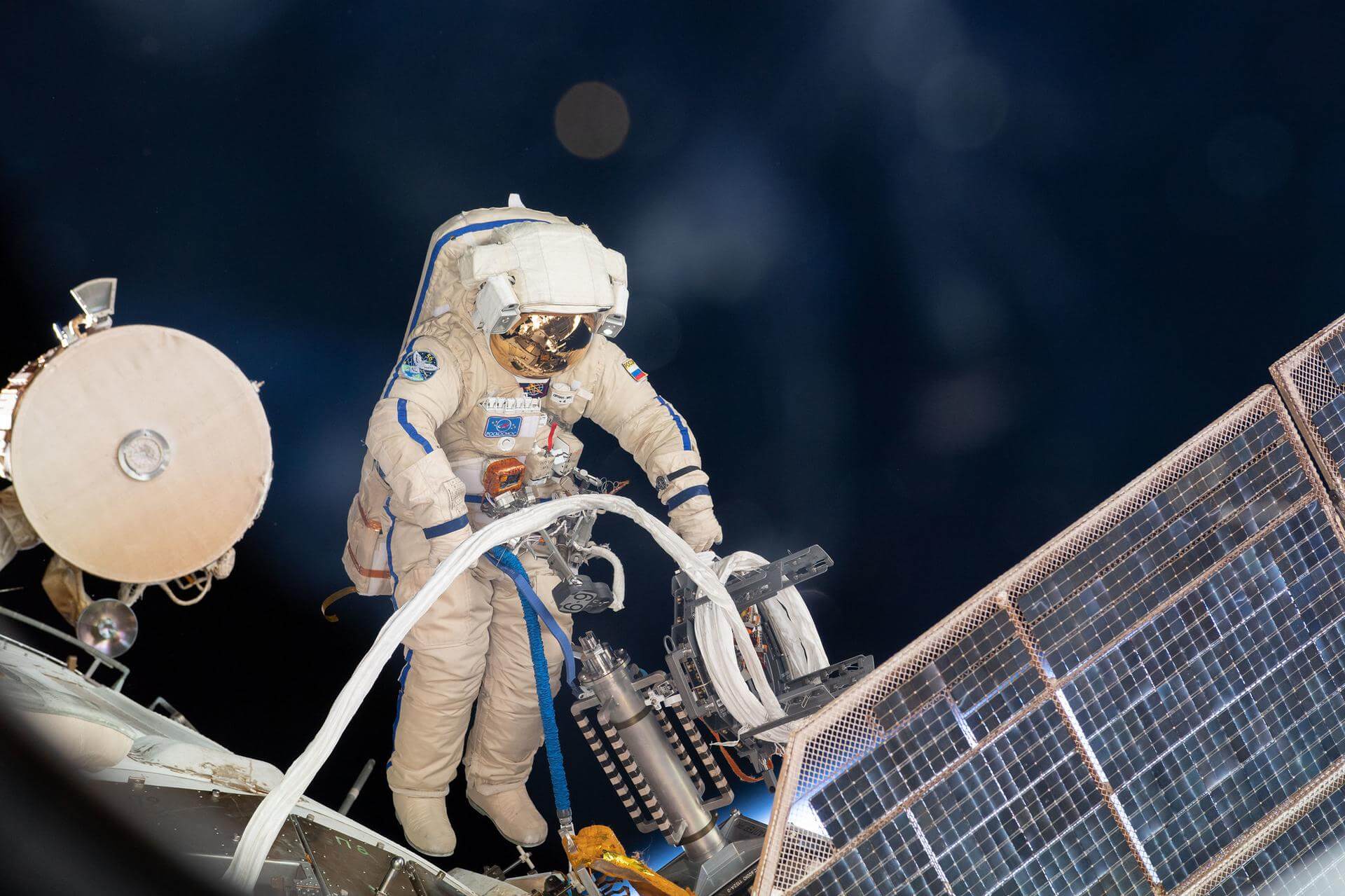
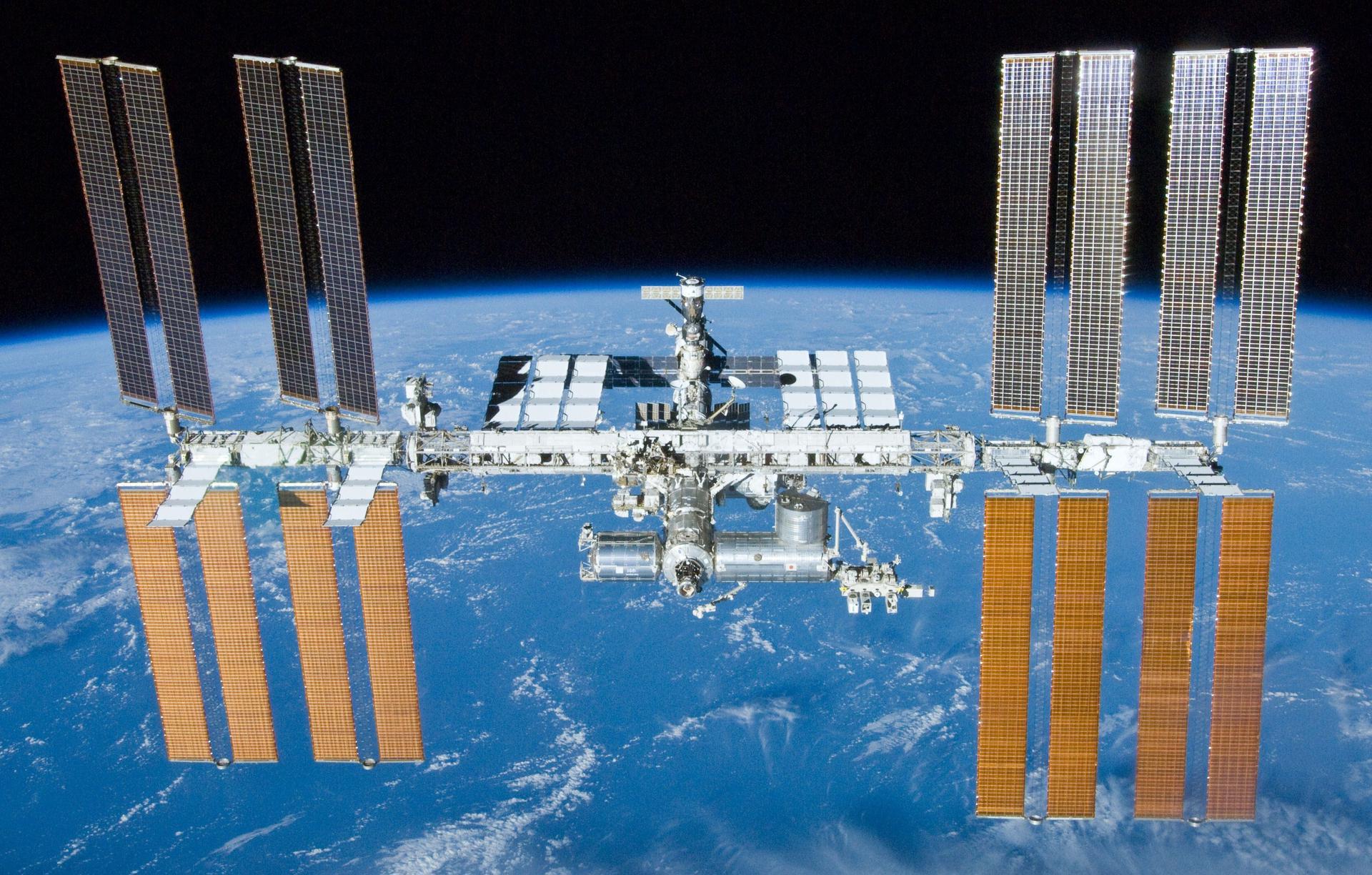
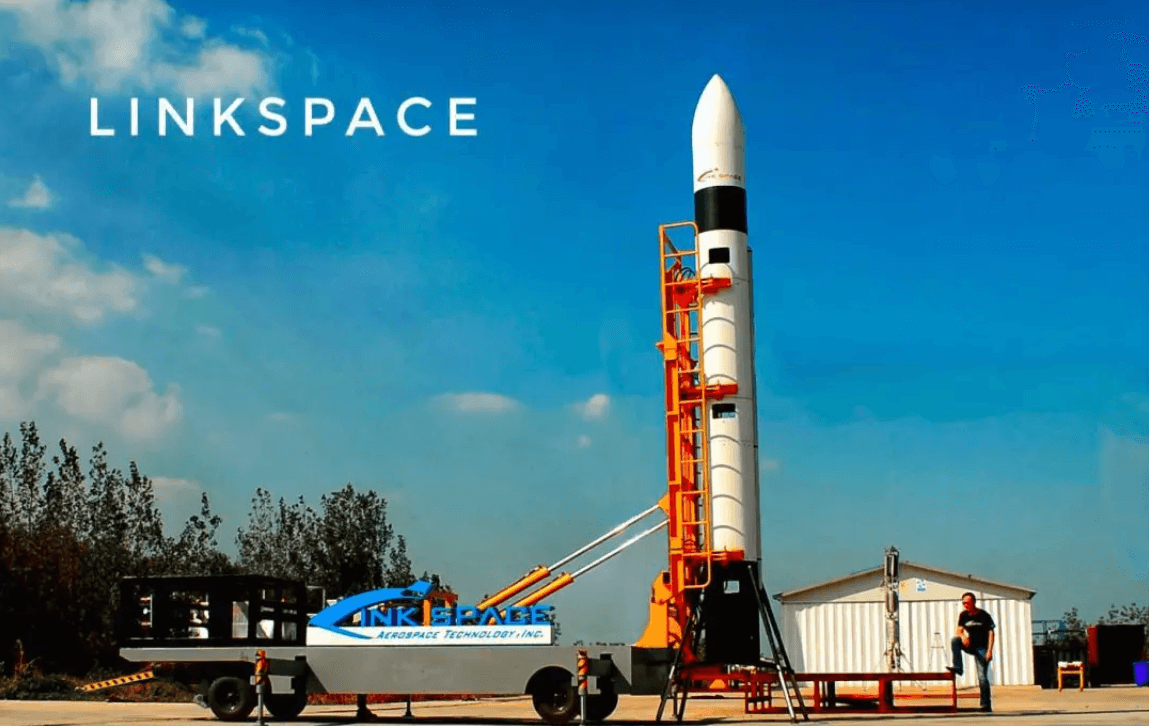
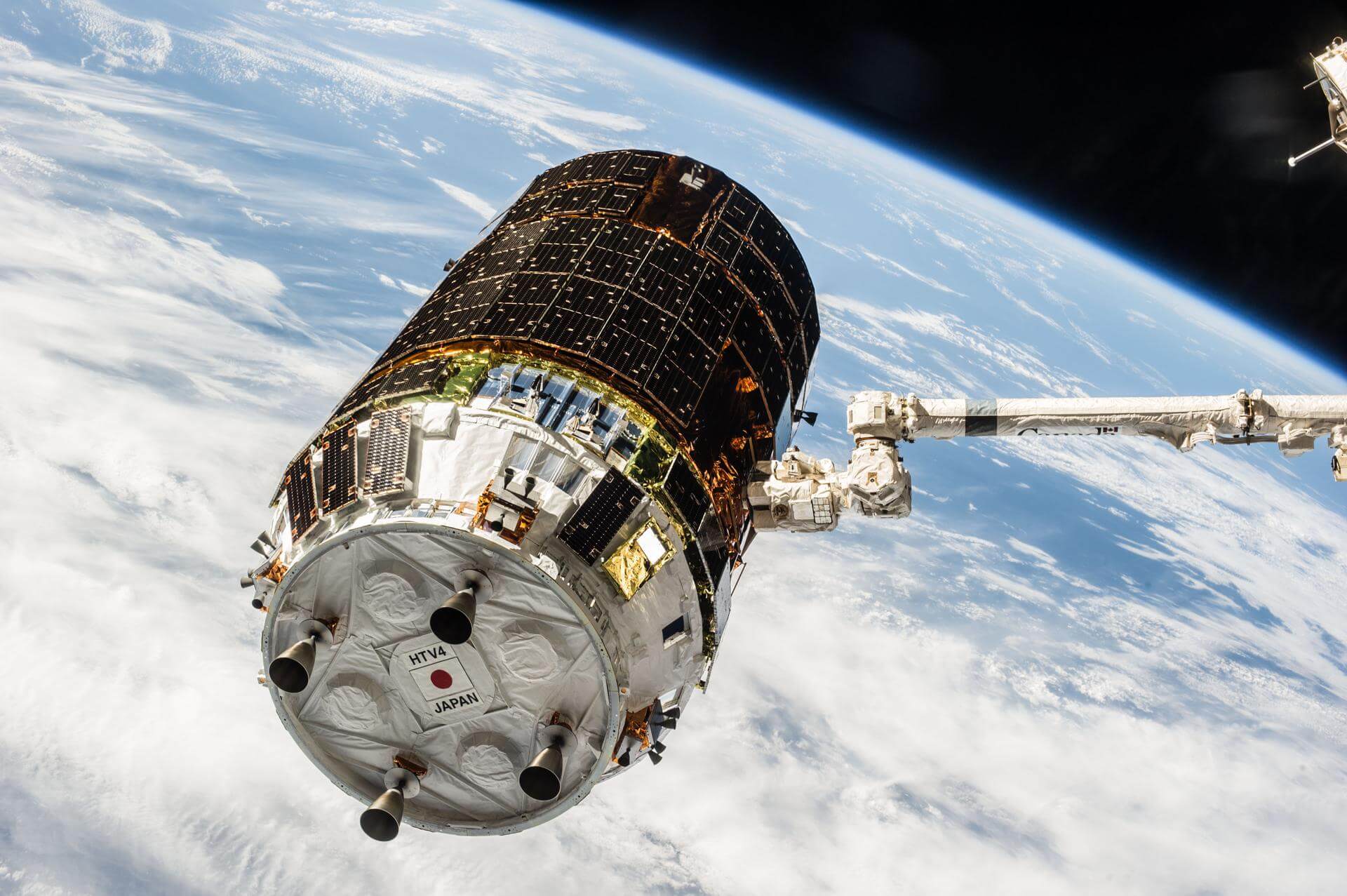
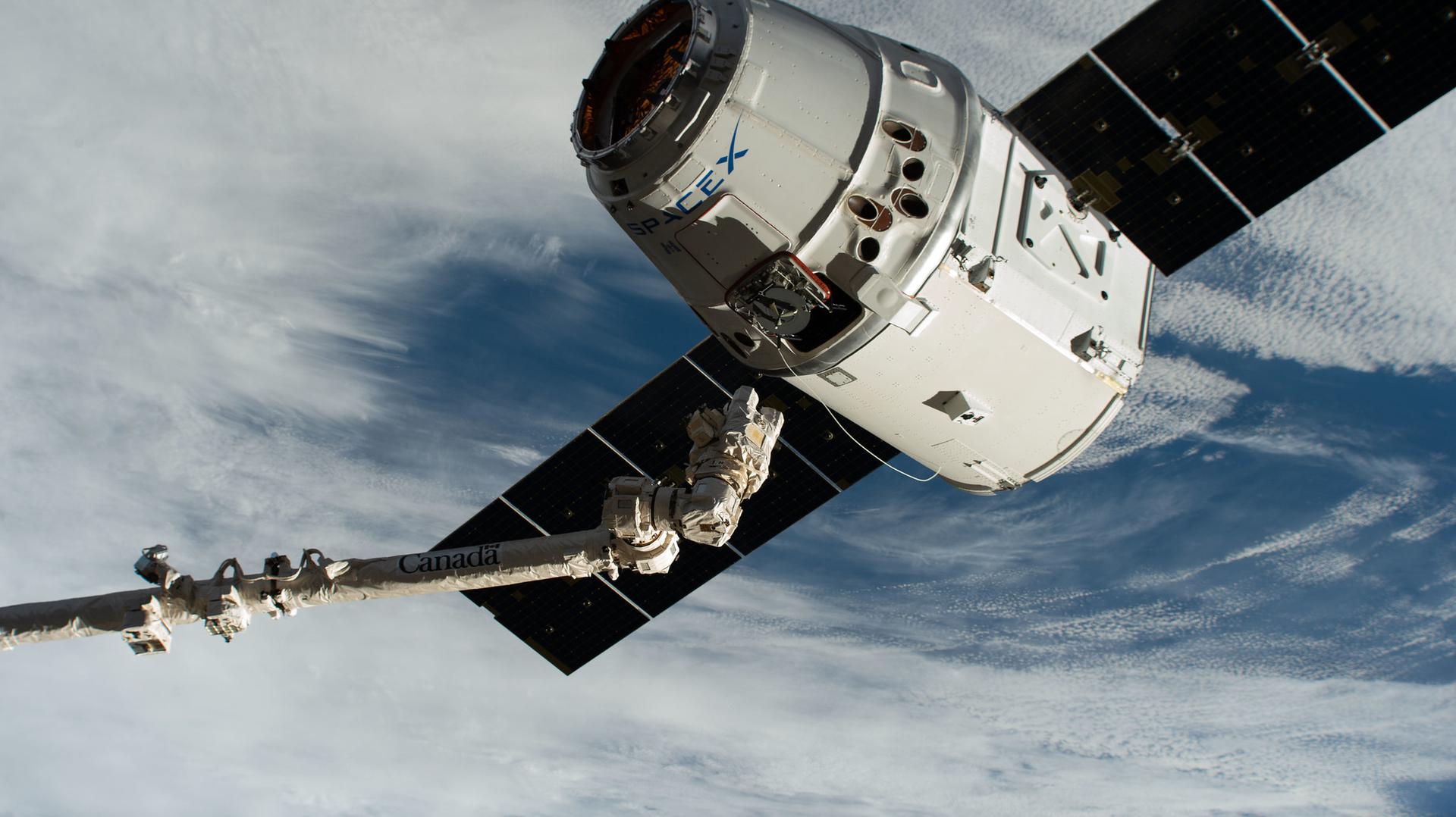
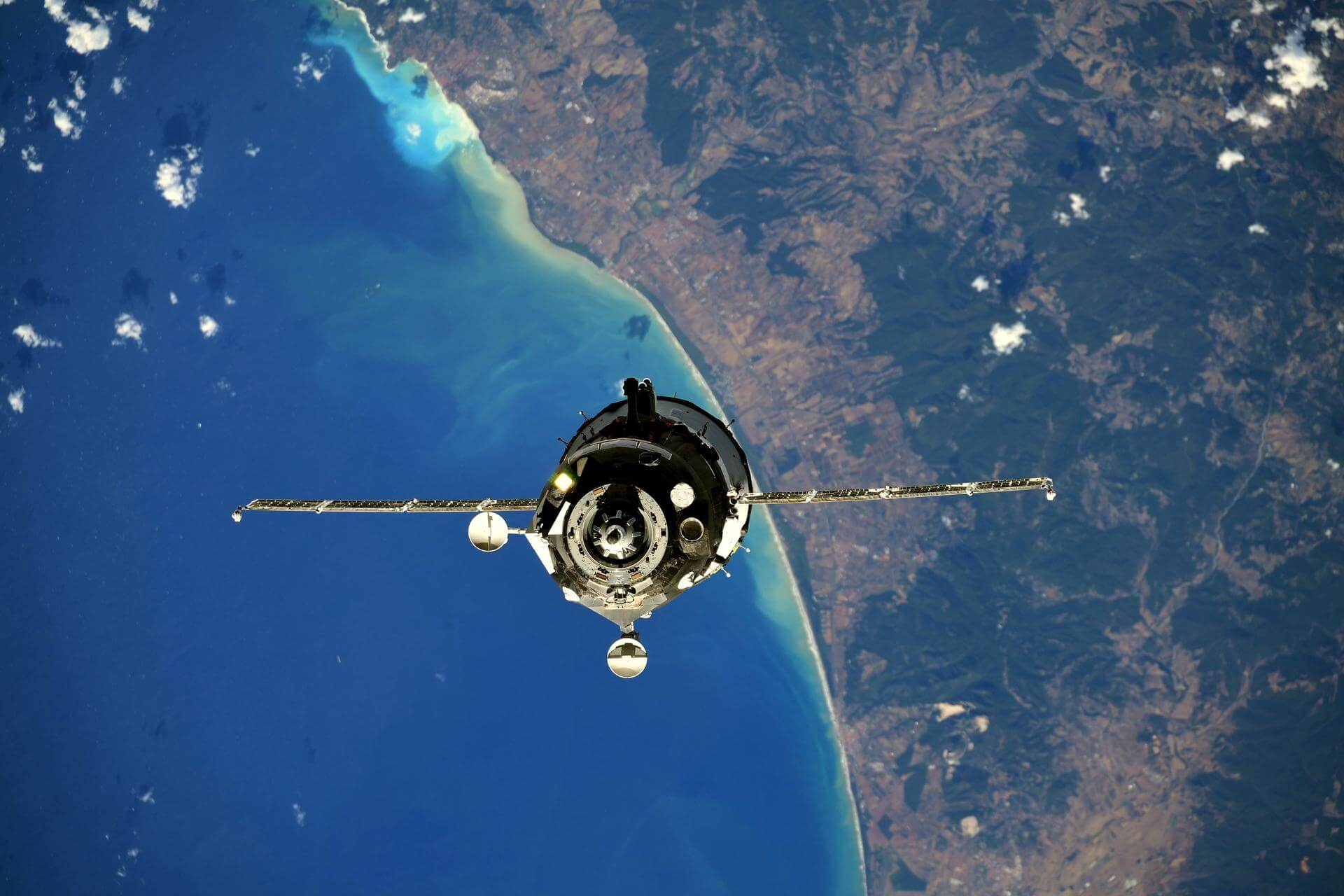
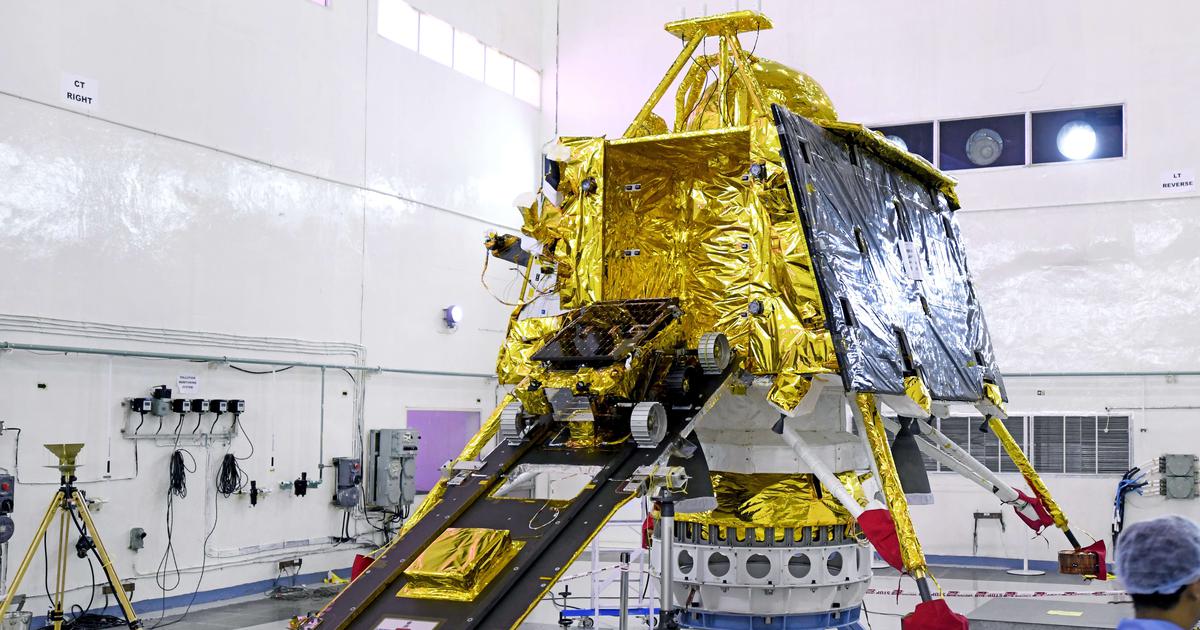
{ "count": 1201, "next": "https://lldev.thespacedevs.com/2.0.0/event/?format=api&limit=10&offset=670", "previous": "https://lldev.thespacedevs.com/2.0.0/event/?format=api&limit=10&offset=650", "results": [ { "id": 349, "url": "https://lldev.thespacedevs.com/2.0.0/event/349/?format=api", "slug": "russian-eva-56", "name": "Russian EVA-56", "type": { "id": 3, "name": "EVA" }, "description": "ROSCOSMOS cosmonauts Sergey Prokopyev and Dmitriy Petelin will exit the International Space Station to transfer the radiation heat exchanger from the Rassvet module to the MLM Nauka module.", "location": "International Space Station", "news_url": null, "video_url": null, "feature_image": "https://thespacedevs-dev.nyc3.digitaloceanspaces.com/media/images/russian_eva-46_image_20201113081602.jpeg", "date": "2023-04-19T01:30:00Z", "launches": [], "expeditions": [], "spacestations": [ { "id": 4, "url": "https://lldev.thespacedevs.com/2.0.0/spacestation/4/?format=api", "name": "International Space Station", "status": { "id": 1, "name": "Active" }, "founded": "1998-11-20", "description": "The International Space Station (ISS) is a space station, or a habitable artificial satellite, in low Earth orbit. Its first component was launched into orbit in 1998, with the first long-term residents arriving in November 2000. It has been inhabited continuously since that date. The last pressurised module was fitted in 2011, and an experimental inflatable space habitat was added in 2016. The station is expected to operate until 2030. Development and assembly of the station continues, with several new elements scheduled for launch in 2019. The ISS is the largest human-made body in low Earth orbit and can often be seen with the naked eye from Earth. The ISS consists of pressurised habitation modules, structural trusses, solar arrays, radiators, docking ports, experiment bays and robotic arms. ISS components have been launched by Russian Proton and Soyuz rockets, and American Space Shuttles.", "orbit": "Low Earth Orbit", "image_url": "https://thespacedevs-dev.nyc3.digitaloceanspaces.com/media/images/international2520space2520station_image_20190220215716.jpeg" } ], "program": [ { "id": 17, "url": "https://lldev.thespacedevs.com/2.0.0/program/17/?format=api", "name": "International Space Station", "description": "The International Space Station programme is tied together by a complex set of legal, political and financial agreements between the sixteen nations involved in the project, governing ownership of the various components, rights to crewing and utilization, and responsibilities for crew rotation and resupply of the International Space Station. It was conceived in 1984 by President Ronald Reagan, during the Space Station Freedom project as it was originally called.", "agencies": [ { "id": 16, "url": "https://lldev.thespacedevs.com/2.0.0/agencies/16/?format=api", "name": "Canadian Space Agency", "type": "Government" }, { "id": 27, "url": "https://lldev.thespacedevs.com/2.0.0/agencies/27/?format=api", "name": "European Space Agency", "type": "Multinational" }, { "id": 37, "url": "https://lldev.thespacedevs.com/2.0.0/agencies/37/?format=api", "name": "Japan Aerospace Exploration Agency", "type": "Government" }, { "id": 44, "url": "https://lldev.thespacedevs.com/2.0.0/agencies/44/?format=api", "name": "National Aeronautics and Space Administration", "type": "Government" }, { "id": 63, "url": "https://lldev.thespacedevs.com/2.0.0/agencies/63/?format=api", "name": "Russian Federal Space Agency (ROSCOSMOS)", "type": "Government" } ], "image_url": "https://thespacedevs-dev.nyc3.digitaloceanspaces.com/media/images/international2_program_20201129184745.png", "start_date": "1998-11-20T06:40:00Z", "end_date": null, "info_url": "https://www.nasa.gov/mission_pages/station/main/index.html", "wiki_url": "https://en.wikipedia.org/wiki/International_Space_Station_programme" } ] }, { "id": 40, "url": "https://lldev.thespacedevs.com/2.0.0/event/40/?format=api", "slug": "linkspace-rlv-t5-300m-hop", "name": "LinkSpace RLV-T5 | 300m Hop", "type": { "id": 14, "name": "Test Flight" }, "description": "LinkSpace is a private Chinese spaceflight company developing re-usable first stages.\r\n\r\nThis flight of the RLV-T5 vehicle will fly to approximately 300 meters, then propulsively land. This follows the successful prior flight.\r\n\r\n\r\n\r\nImage Credit: Linkspace", "location": "Cold Lake Town, Haixi County, Qinghai Province", "news_url": "https://www.douyu.com/cms/new_list/201908/08/11053.shtml", "video_url": "https://www.douyu.com/7305473", "feature_image": "https://thespacedevs-dev.nyc3.digitaloceanspaces.com/media/images/linkspace2520rlv-t52520257c25201km2520hop_image_20190809101144.png", "date": "2019-08-10T02:35:00Z", "launches": [], "expeditions": [], "spacestations": [], "program": [] }, { "id": 46, "url": "https://lldev.thespacedevs.com/2.0.0/event/46/?format=api", "slug": "htv-8-kounotori-rendezvous-and-capture", "name": "HTV-8 “Kounotori” Rendezvous and Capture", "type": { "id": 4, "name": "Spacecraft Berthing" }, "description": "NASA TV will live stream the rendezvous and capture of JAXA's HTV-8 cargo craft to the International Space Station.\r\n\r\nCapture is scheduled at 11:00 UTC.", "location": "International Space Station", "news_url": "https://en.wikipedia.org/wiki/HTV-8", "video_url": null, "feature_image": "https://thespacedevs-dev.nyc3.digitaloceanspaces.com/media/images/htv-4_captured__image_20240325122159.jpeg", "date": "2019-09-28T11:00:00Z", "launches": [], "expeditions": [], "spacestations": [ { "id": 4, "url": "https://lldev.thespacedevs.com/2.0.0/spacestation/4/?format=api", "name": "International Space Station", "status": { "id": 1, "name": "Active" }, "founded": "1998-11-20", "description": "The International Space Station (ISS) is a space station, or a habitable artificial satellite, in low Earth orbit. Its first component was launched into orbit in 1998, with the first long-term residents arriving in November 2000. It has been inhabited continuously since that date. The last pressurised module was fitted in 2011, and an experimental inflatable space habitat was added in 2016. The station is expected to operate until 2030. Development and assembly of the station continues, with several new elements scheduled for launch in 2019. The ISS is the largest human-made body in low Earth orbit and can often be seen with the naked eye from Earth. The ISS consists of pressurised habitation modules, structural trusses, solar arrays, radiators, docking ports, experiment bays and robotic arms. ISS components have been launched by Russian Proton and Soyuz rockets, and American Space Shuttles.", "orbit": "Low Earth Orbit", "image_url": "https://thespacedevs-dev.nyc3.digitaloceanspaces.com/media/images/international2520space2520station_image_20190220215716.jpeg" } ], "program": [] }, { "id": 43, "url": "https://lldev.thespacedevs.com/2.0.0/event/43/?format=api", "slug": "spacex-crs-18-dragon-unberthing-reentry", "name": "SpaceX CRS-18 Dragon Unberthing & Reentry", "type": { "id": 8, "name": "Spacecraft Undocking" }, "description": "The SpaceX Dragon spacecraft will be unberthed and released from the International Space Station ahead of its reentry, splashdown and recovery.", "location": "International Space Station", "news_url": null, "video_url": null, "feature_image": "https://thespacedevs-dev.nyc3.digitaloceanspaces.com/media/images/spacex2520cargo2520dragon25202528crs-172529_image_20190530165550.jpeg", "date": "2019-08-27T14:15:00Z", "launches": [], "expeditions": [], "spacestations": [ { "id": 4, "url": "https://lldev.thespacedevs.com/2.0.0/spacestation/4/?format=api", "name": "International Space Station", "status": { "id": 1, "name": "Active" }, "founded": "1998-11-20", "description": "The International Space Station (ISS) is a space station, or a habitable artificial satellite, in low Earth orbit. Its first component was launched into orbit in 1998, with the first long-term residents arriving in November 2000. It has been inhabited continuously since that date. The last pressurised module was fitted in 2011, and an experimental inflatable space habitat was added in 2016. The station is expected to operate until 2030. Development and assembly of the station continues, with several new elements scheduled for launch in 2019. The ISS is the largest human-made body in low Earth orbit and can often be seen with the naked eye from Earth. The ISS consists of pressurised habitation modules, structural trusses, solar arrays, radiators, docking ports, experiment bays and robotic arms. ISS components have been launched by Russian Proton and Soyuz rockets, and American Space Shuttles.", "orbit": "Low Earth Orbit", "image_url": "https://thespacedevs-dev.nyc3.digitaloceanspaces.com/media/images/international2520space2520station_image_20190220215716.jpeg" } ], "program": [] }, { "id": 27, "url": "https://lldev.thespacedevs.com/2.0.0/event/27/?format=api", "slug": "soyuz-ms-13-docking", "name": "Soyuz MS-13 Docking", "type": { "id": 2, "name": "Docking" }, "description": "Launching from Baikonur Cosmodrome in Kazakhstan in July 2019, Soyuz MS-13 is expected to bring three more people to the International Space Station: Russian cosmonaut Aleksandr Skvortsov, European Space Agency astronaut Luca Parmitano and NASA astronaut Drew Morgan.", "location": "International Space Station", "news_url": "https://spacelaunchnow.me/launch/soyuz-fg-soyuz-ms-13-1627/", "video_url": null, "feature_image": "https://thespacedevs-dev.nyc3.digitaloceanspaces.com/media/images/soyuz_ms_in_orb_image_20240313130407.jpeg", "date": "2019-07-20T22:30:00Z", "launches": [], "expeditions": [ { "id": 119, "url": "https://lldev.thespacedevs.com/2.0.0/expedition/119/?format=api", "name": "Expedition 60", "start": "2019-06-24T23:25:00Z", "end": "2019-10-02T00:00:00Z", "spacestation": { "id": 4, "url": "https://lldev.thespacedevs.com/2.0.0/spacestation/4/?format=api", "name": "International Space Station", "status": { "id": 1, "name": "Active" }, "orbit": "Low Earth Orbit", "image_url": "https://thespacedevs-dev.nyc3.digitaloceanspaces.com/media/images/international2520space2520station_image_20190220215716.jpeg" } } ], "spacestations": [ { "id": 4, "url": "https://lldev.thespacedevs.com/2.0.0/spacestation/4/?format=api", "name": "International Space Station", "status": { "id": 1, "name": "Active" }, "founded": "1998-11-20", "description": "The International Space Station (ISS) is a space station, or a habitable artificial satellite, in low Earth orbit. Its first component was launched into orbit in 1998, with the first long-term residents arriving in November 2000. It has been inhabited continuously since that date. The last pressurised module was fitted in 2011, and an experimental inflatable space habitat was added in 2016. The station is expected to operate until 2030. Development and assembly of the station continues, with several new elements scheduled for launch in 2019. The ISS is the largest human-made body in low Earth orbit and can often be seen with the naked eye from Earth. The ISS consists of pressurised habitation modules, structural trusses, solar arrays, radiators, docking ports, experiment bays and robotic arms. ISS components have been launched by Russian Proton and Soyuz rockets, and American Space Shuttles.", "orbit": "Low Earth Orbit", "image_url": "https://thespacedevs-dev.nyc3.digitaloceanspaces.com/media/images/international2520space2520station_image_20190220215716.jpeg" } ], "program": [] }, { "id": 42, "url": "https://lldev.thespacedevs.com/2.0.0/event/42/?format=api", "slug": "soyuz-ms-14-docking", "name": "Soyuz MS-14 Docking", "type": { "id": 2, "name": "Docking" }, "description": "The Soyuz MS-14 spacecraft will dock to the International Space Station on Monday August 26 following it's failed attempt two day's before.\r\n\r\nIt will carry no crew members, as it is intended to test a modification of the launch abort system for integration with the Soyuz-2.1a launch vehicle.", "location": "International Space Station", "news_url": "https://en.wikipedia.org/wiki/Soyuz_MS-14", "video_url": null, "feature_image": "https://thespacedevs-dev.nyc3.digitaloceanspaces.com/media/images/soyuz_ms_in_orb_image_20240313130407.jpeg", "date": "2019-08-27T03:12:00Z", "launches": [], "expeditions": [], "spacestations": [ { "id": 4, "url": "https://lldev.thespacedevs.com/2.0.0/spacestation/4/?format=api", "name": "International Space Station", "status": { "id": 1, "name": "Active" }, "founded": "1998-11-20", "description": "The International Space Station (ISS) is a space station, or a habitable artificial satellite, in low Earth orbit. Its first component was launched into orbit in 1998, with the first long-term residents arriving in November 2000. It has been inhabited continuously since that date. The last pressurised module was fitted in 2011, and an experimental inflatable space habitat was added in 2016. The station is expected to operate until 2030. Development and assembly of the station continues, with several new elements scheduled for launch in 2019. The ISS is the largest human-made body in low Earth orbit and can often be seen with the naked eye from Earth. The ISS consists of pressurised habitation modules, structural trusses, solar arrays, radiators, docking ports, experiment bays and robotic arms. ISS components have been launched by Russian Proton and Soyuz rockets, and American Space Shuttles.", "orbit": "Low Earth Orbit", "image_url": "https://thespacedevs-dev.nyc3.digitaloceanspaces.com/media/images/international2520space2520station_image_20190220215716.jpeg" } ], "program": [] }, { "id": 33, "url": "https://lldev.thespacedevs.com/2.0.0/event/33/?format=api", "slug": "chandrayaan-2-lunar-landing", "name": "Chandrayaan-2 Lunar Landing", "type": { "id": 7, "name": "Moon Landing" }, "description": "Chandrayaan-2 is India's second lunar exploration mission after Chandrayaan-1. Developed by the Indian Space Research Organisation, the mission was launched from the second launch pad at Satish Dhawan Space Centre on 22 July 2019 at 2.43 PM IST to the Moon by a Geosynchronous Satellite Launch Vehicle Mark III\r\n\r\nUnfortunately the lander portion of the mission ended in failure as the lander was lost on descent.", "location": "Lunar Surface", "news_url": "https://en.wikipedia.org/wiki/Chandrayaan-2", "video_url": "https://www.youtube.com/watch?v=2srV-bEi_DU", "feature_image": "https://thespacedevs-dev.nyc3.digitaloceanspaces.com/media/images/chandrayaan-22520lunar2520landing_image_20190726141737.jpg", "date": "2019-09-06T19:55:00Z", "launches": [], "expeditions": [], "spacestations": [], "program": [] }, { "id": 31, "url": "https://lldev.thespacedevs.com/2.0.0/event/31/?format=api", "slug": "progress-73-docking", "name": "Progress 73 Docking", "type": { "id": 2, "name": "Docking" }, "description": "Live coverage of the resupply craft’s launch and docking will began at 7:45 a.m. EDT on NASA Television and the agency’s website.", "location": "International Space Station", "news_url": "https://www.nasa.gov/press-release/nasa-tv-to-air-launch-docking-of-russian-space-station-cargo-ship", "video_url": null, "feature_image": "https://thespacedevs-dev.nyc3.digitaloceanspaces.com/media/images/progress2520732520257c2520docking_image_20190725195520.jpg", "date": "2019-07-31T15:35:00Z", "launches": [], "expeditions": [], "spacestations": [], "program": [] }, { "id": 145, "url": "https://lldev.thespacedevs.com/2.0.0/event/145/?format=api", "slug": "starship-hopper-wet-dress-rehearsal-2", "name": "Starship Hopper Wet Dress Rehearsal", "type": { "id": 22, "name": "Wet Dress Rehearsal" }, "description": "The Starhopper prototype has successfully performed a wet dress rehearsal.", "location": "Boca Chica, Texas", "news_url": null, "video_url": "https://www.youtube.com/watch?v=iOv34Tfabng", "feature_image": "https://thespacedevs-dev.nyc3.digitaloceanspaces.com/media/images/starship_hopper_image_20200821071216.png", "date": "2019-03-28T23:00:00Z", "launches": [], "expeditions": [], "spacestations": [], "program": [ { "id": 1, "url": "https://lldev.thespacedevs.com/2.0.0/program/1/?format=api", "name": "SpaceX Starship", "description": "The SpaceX Starship is a fully reusable super heavy-lift launch vehicle under development by SpaceX since 2012, as a self-funded private spaceflight project. The second stage of the Starship — is designed as a long-duration cargo and passenger-carrying spacecraft. It is expected to be initially used without any booster stage at all, as part of an extensive development program to prove out launch-and-landing and iterate on a variety of design details, particularly with respect to the vehicle's atmospheric reentry.", "agencies": [ { "id": 121, "url": "https://lldev.thespacedevs.com/2.0.0/agencies/121/?format=api", "name": "SpaceX", "type": "Commercial" } ], "image_url": "https://thespacedevs-dev.nyc3.digitaloceanspaces.com/media/images/starship_on_the_image_20250111100520.jpg", "start_date": "2019-03-01T05:00:00Z", "end_date": null, "info_url": "https://www.spacex.com/vehicles/starship/", "wiki_url": "https://en.wikipedia.org/wiki/SpaceX_Starship" } ] }, { "id": 966, "url": "https://lldev.thespacedevs.com/2.0.0/event/966/?format=api", "slug": "lunar-terrain-vehicle-announcement", "name": "Lunar Terrain Vehicle Announcement", "type": { "id": 20, "name": "Press Event" }, "description": "NASA will host a news conference to announce the company, or companies, selected to move forward in developing the LTV (Lunar Terrain Vehicle), which will help Artemis astronauts explore more of the Moon’s surface on future missions.\r\nEvent participants will include:\r\n\r\n- Vanessa Wyche, director, NASA Johnson\r\n- Jacob Bleacher, chief exploration scientist, NASA Headquarters\r\n- Lara Kearney, manager, Extravehicular Activity and Human Surface Mobility Program, NASA Johnson", "location": "Johnson Space Center, Houston", "news_url": "https://www.nasa.gov/news-release/nasa-to-select-lunar-terrain-vehicle-for-artemis-missions/", "video_url": "https://www.youtube.com/watch?v=2nVKbW59viQ", "feature_image": "https://thespacedevs-dev.nyc3.digitaloceanspaces.com/media/images/nasa_placeholde_image_20240319185727.jpg", "date": "2024-04-03T20:00:00Z", "launches": [], "expeditions": [], "spacestations": [], "program": [ { "id": 15, "url": "https://lldev.thespacedevs.com/2.0.0/program/15/?format=api", "name": "Artemis", "description": "The Artemis program is a US government-funded crewed spaceflight program that has the goal of landing \"the first woman and the next man\" on the Moon, specifically at the lunar south pole region.", "agencies": [ { "id": 44, "url": "https://lldev.thespacedevs.com/2.0.0/agencies/44/?format=api", "name": "National Aeronautics and Space Administration", "type": "Government" } ], "image_url": "https://thespacedevs-dev.nyc3.digitaloceanspaces.com/media/images/artemis_program_20220827100930.png", "start_date": "2017-12-11T00:00:00Z", "end_date": null, "info_url": "https://www.nasa.gov/specials/artemis/", "wiki_url": "https://en.wikipedia.org/wiki/Artemis_program" } ] } ] }