Event List
API endpoint that allows all Events to be viewed.
GET: Return a list of all Events
SEARCH EXAMPLE: /2.0.0/event/?search=Dragon Searches through name
GET /2.0.0/event/?format=api&offset=430
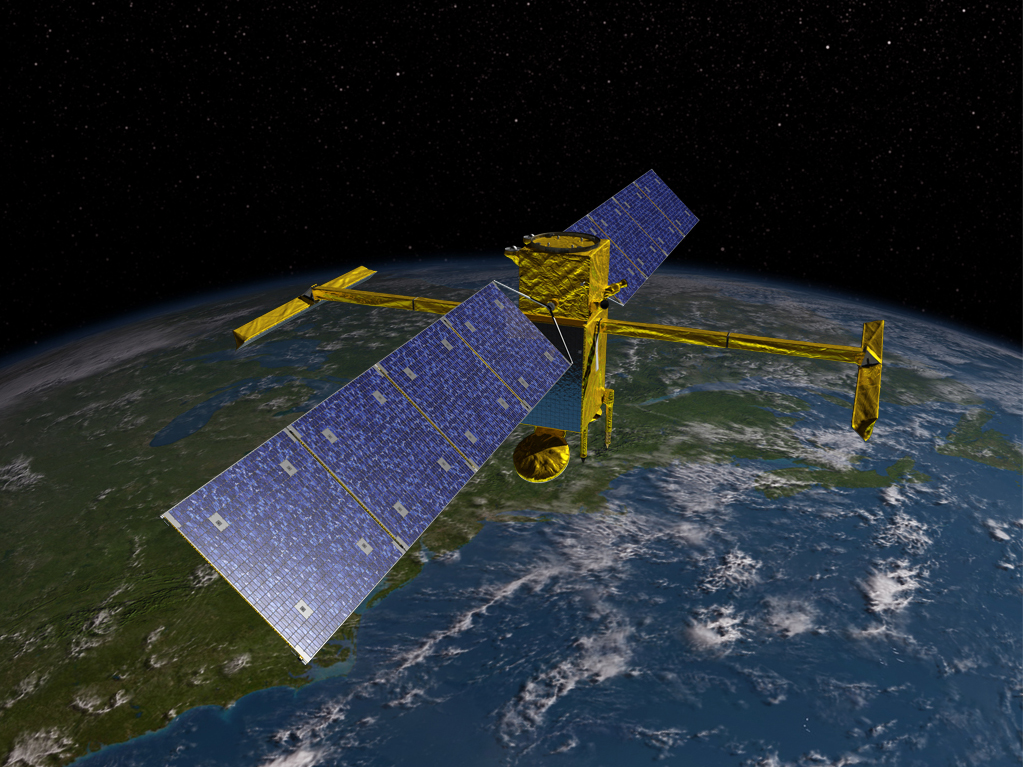
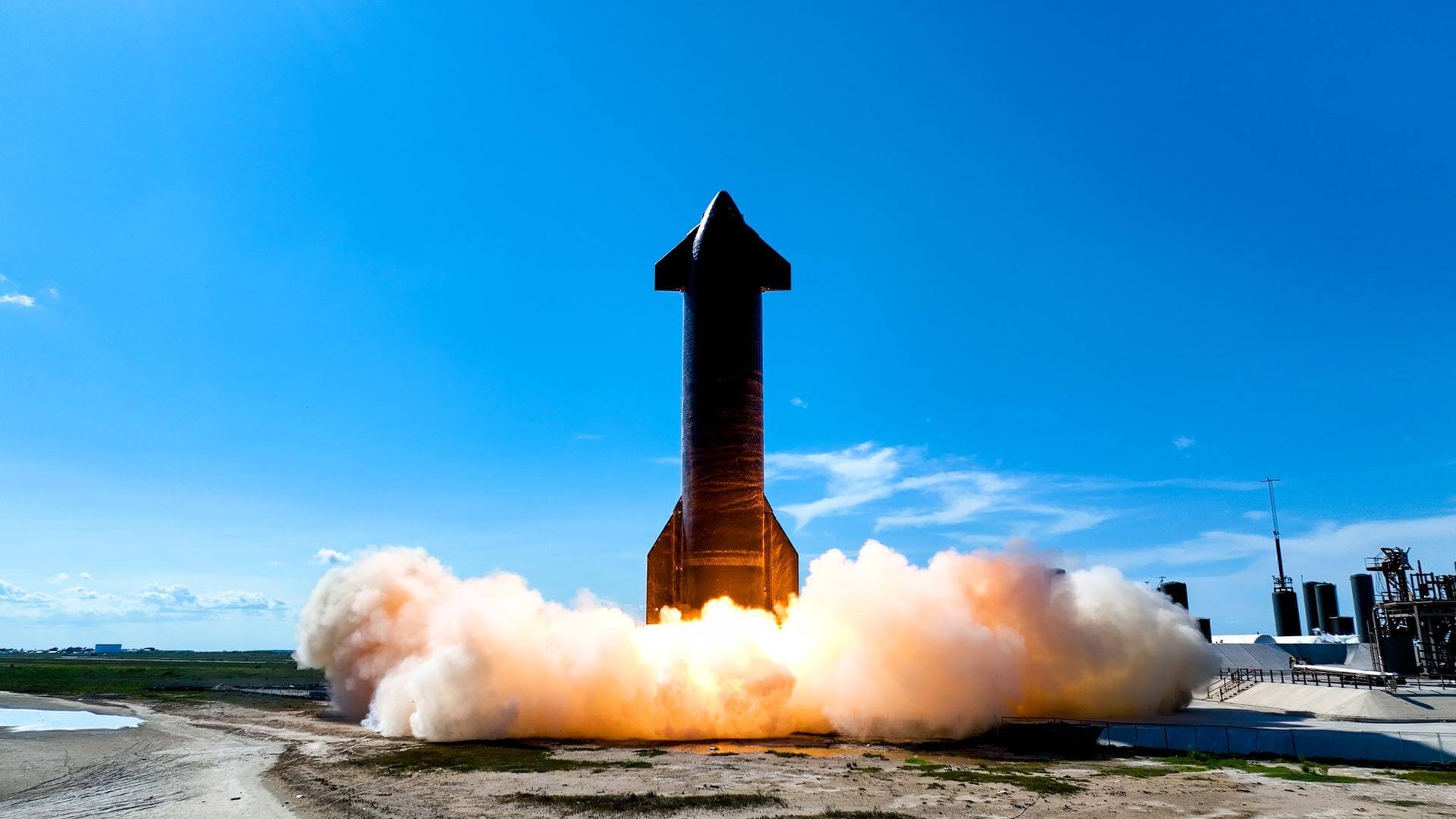
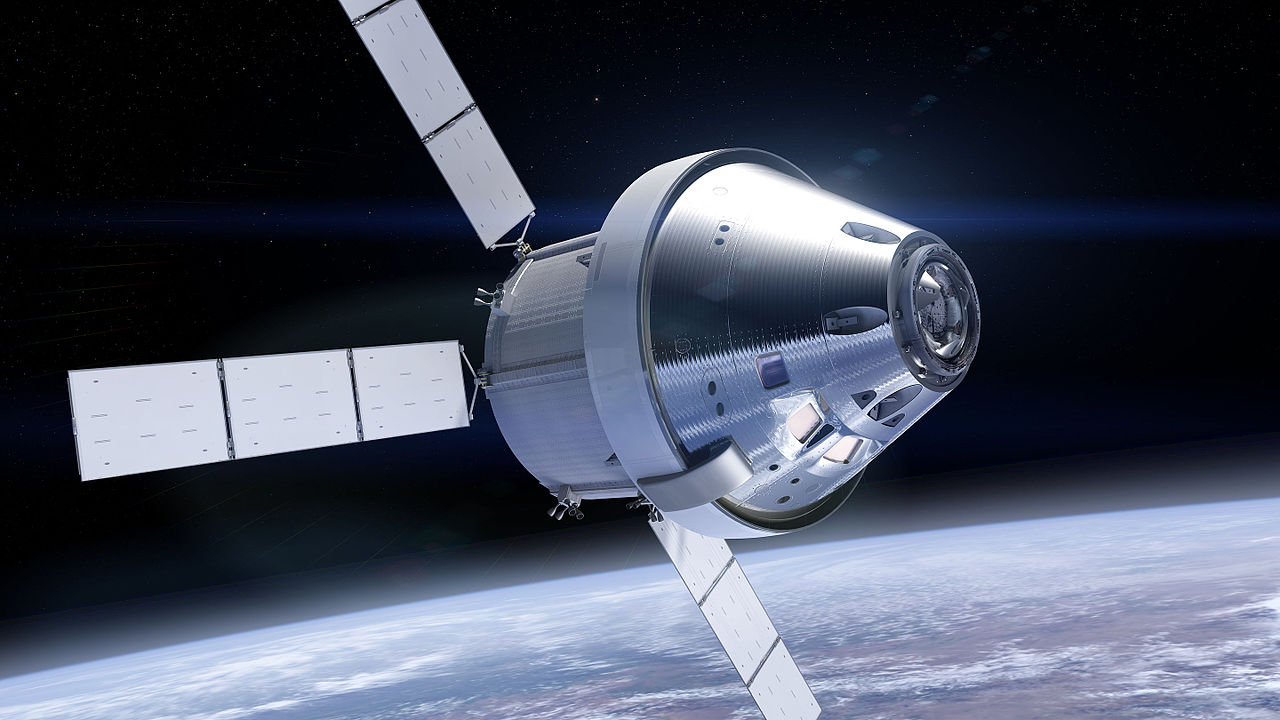
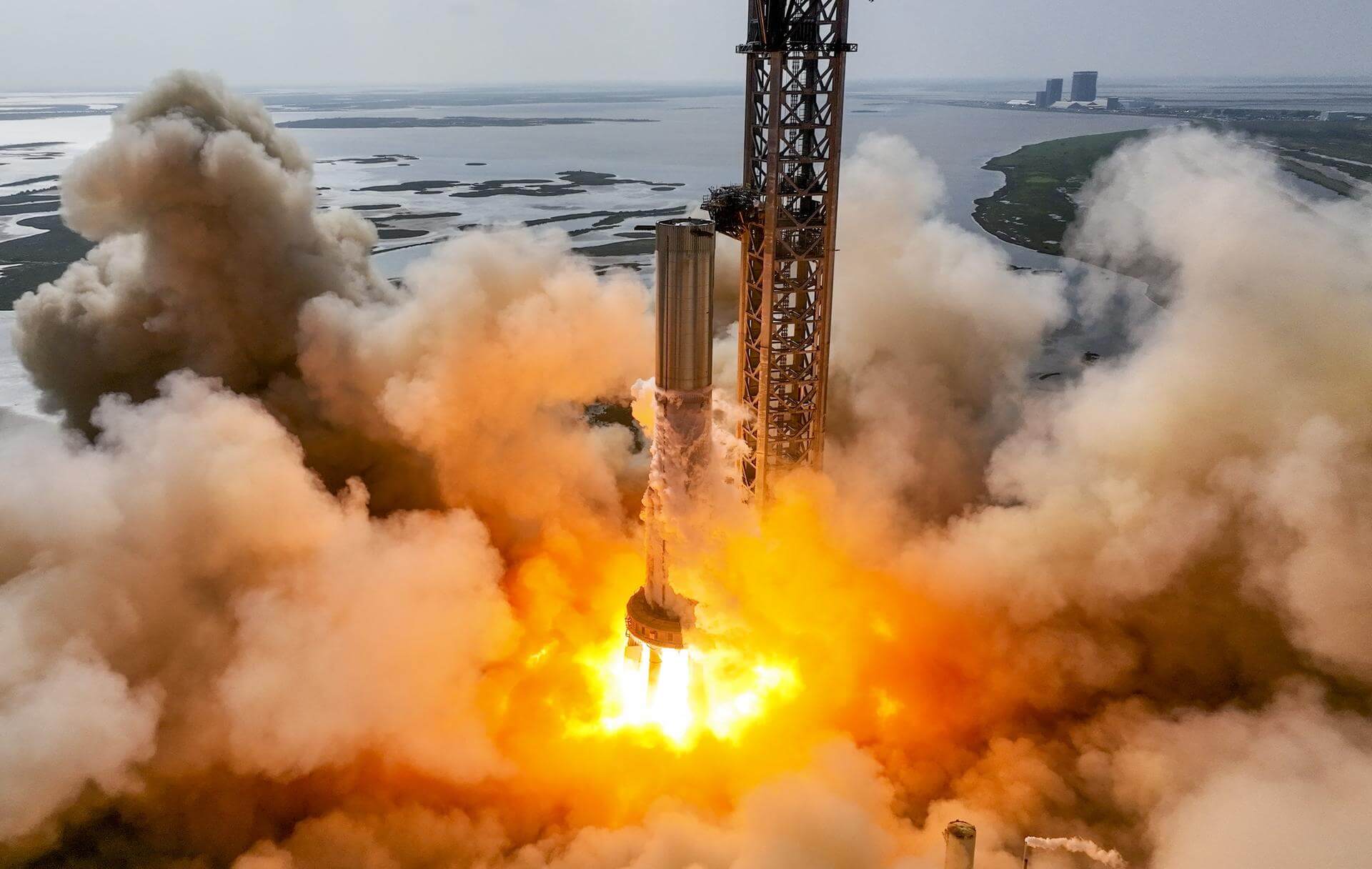
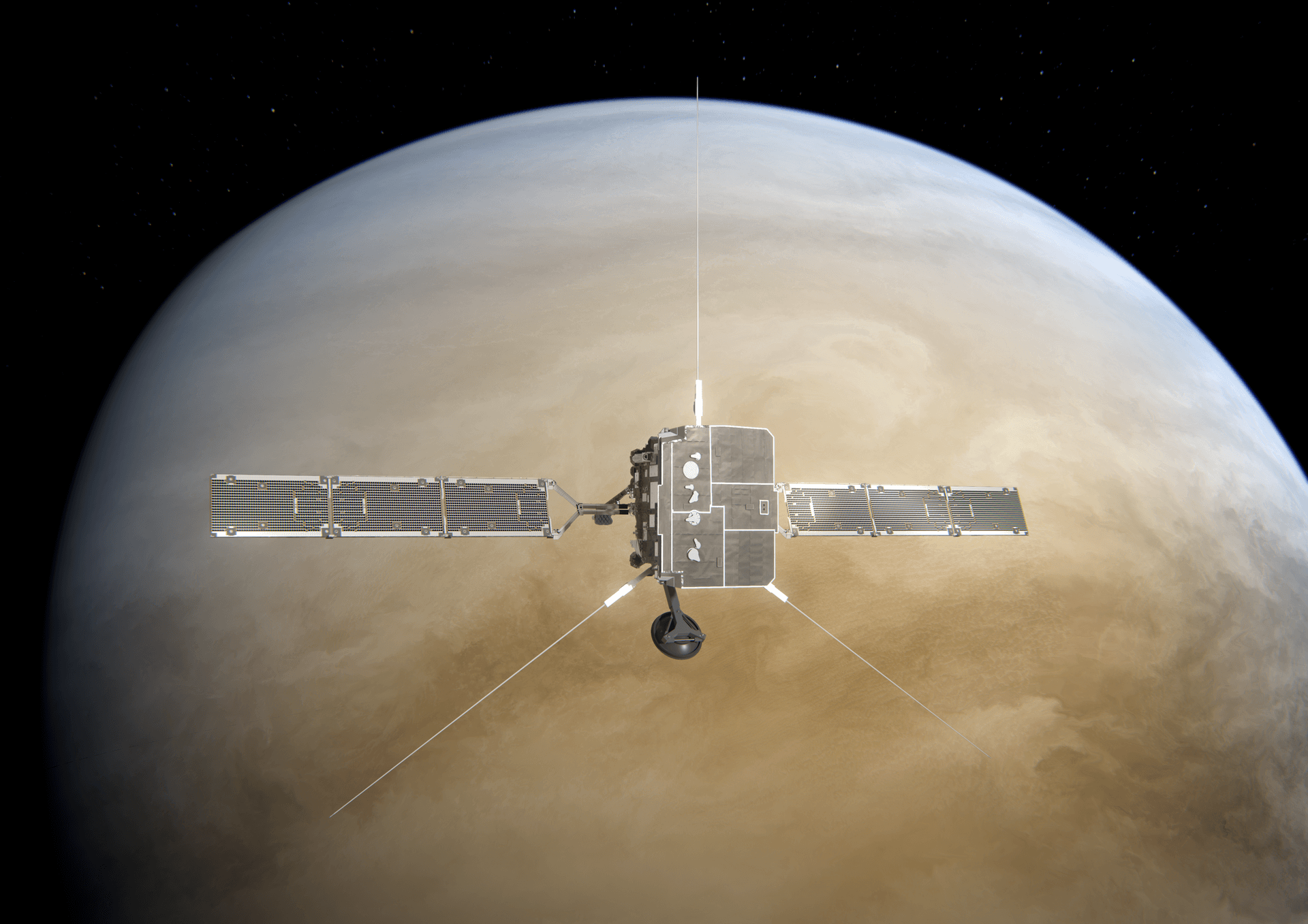
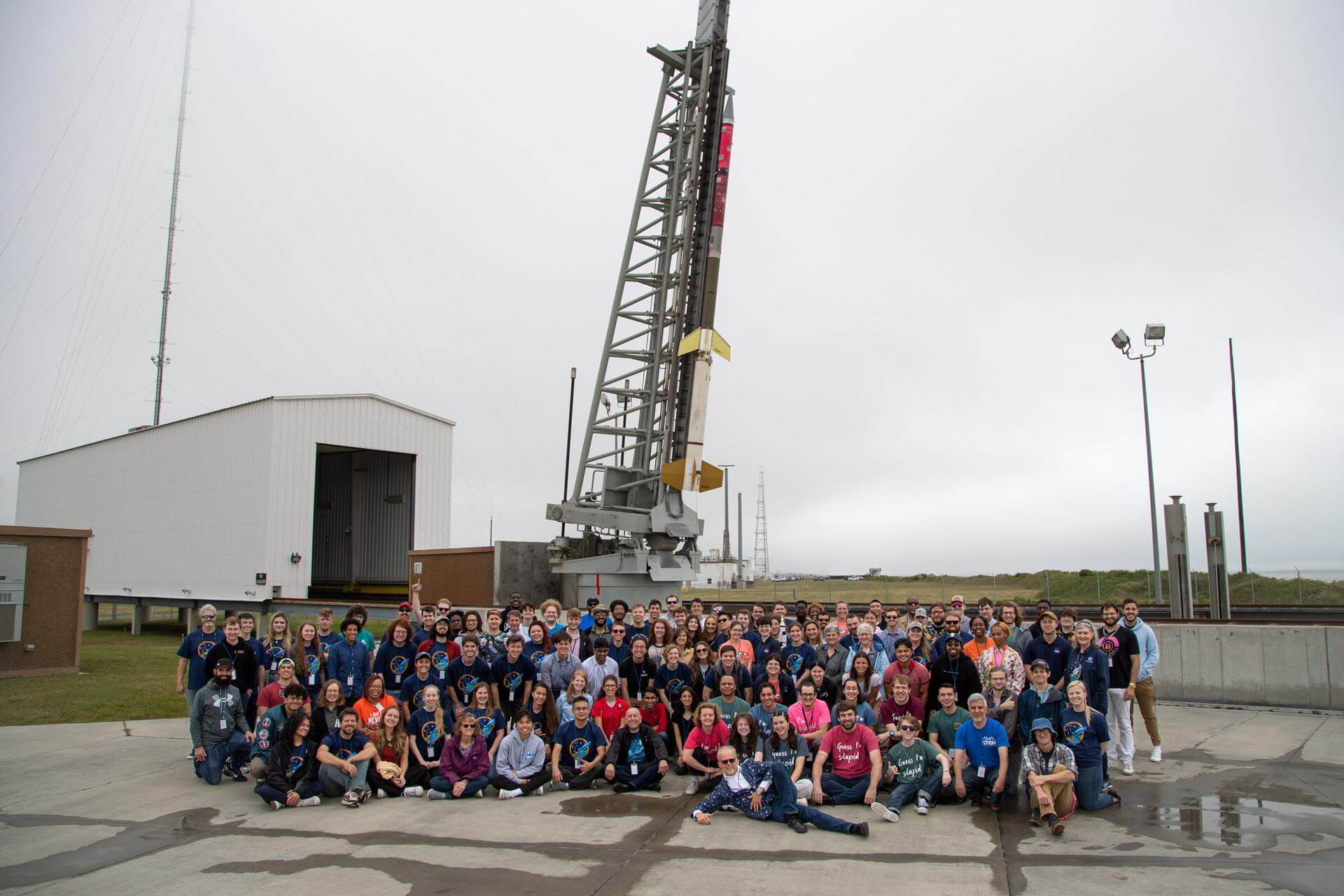
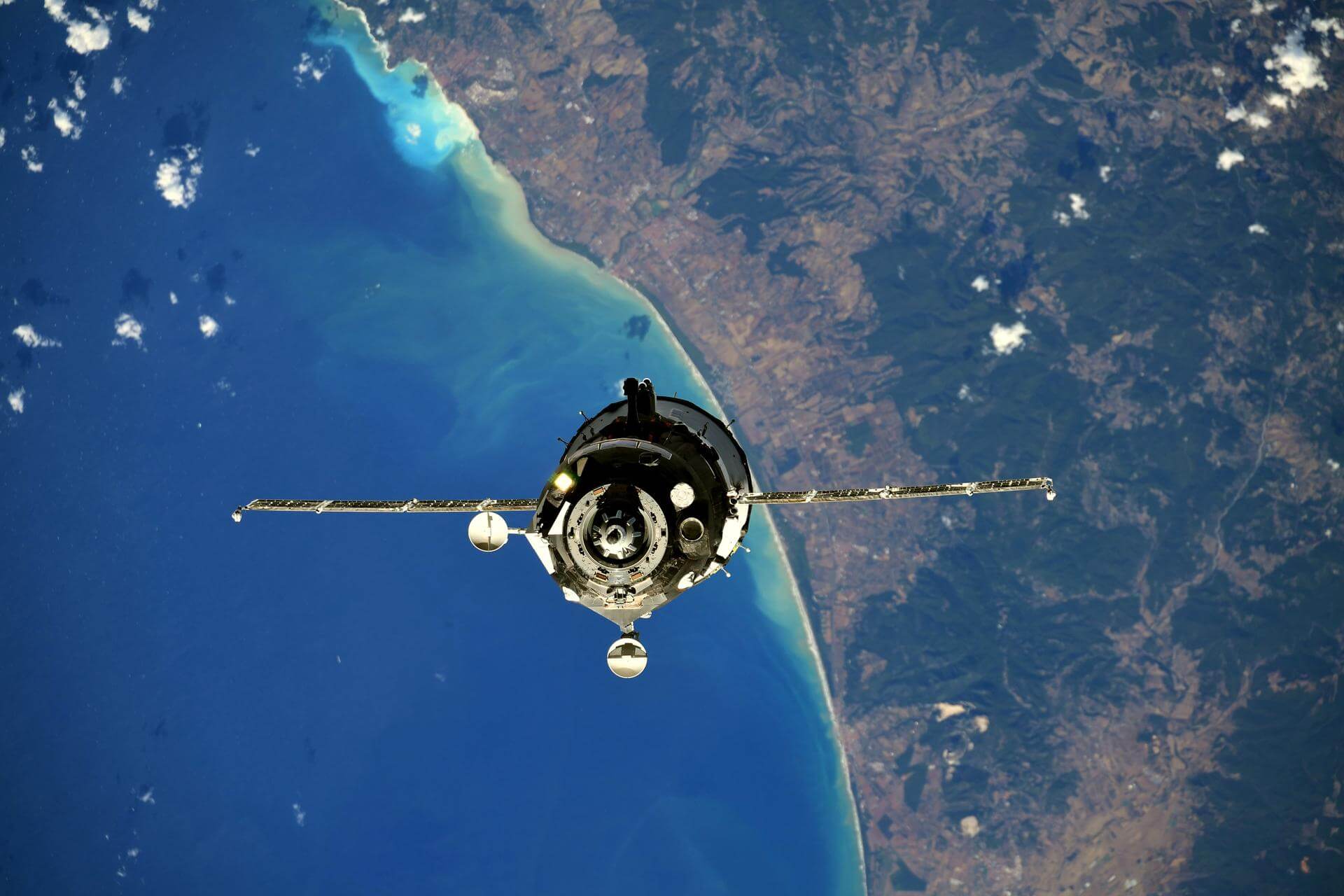
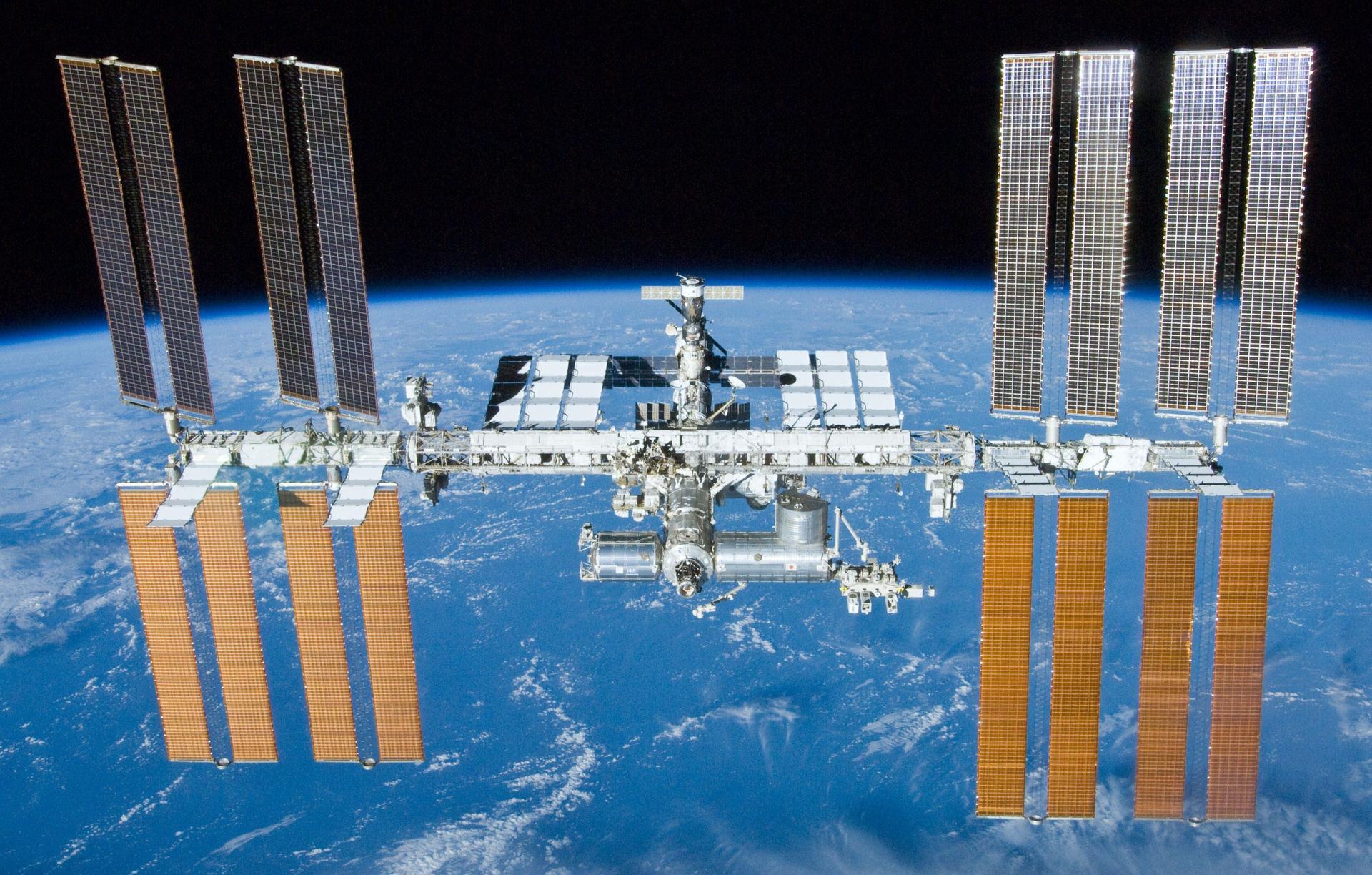
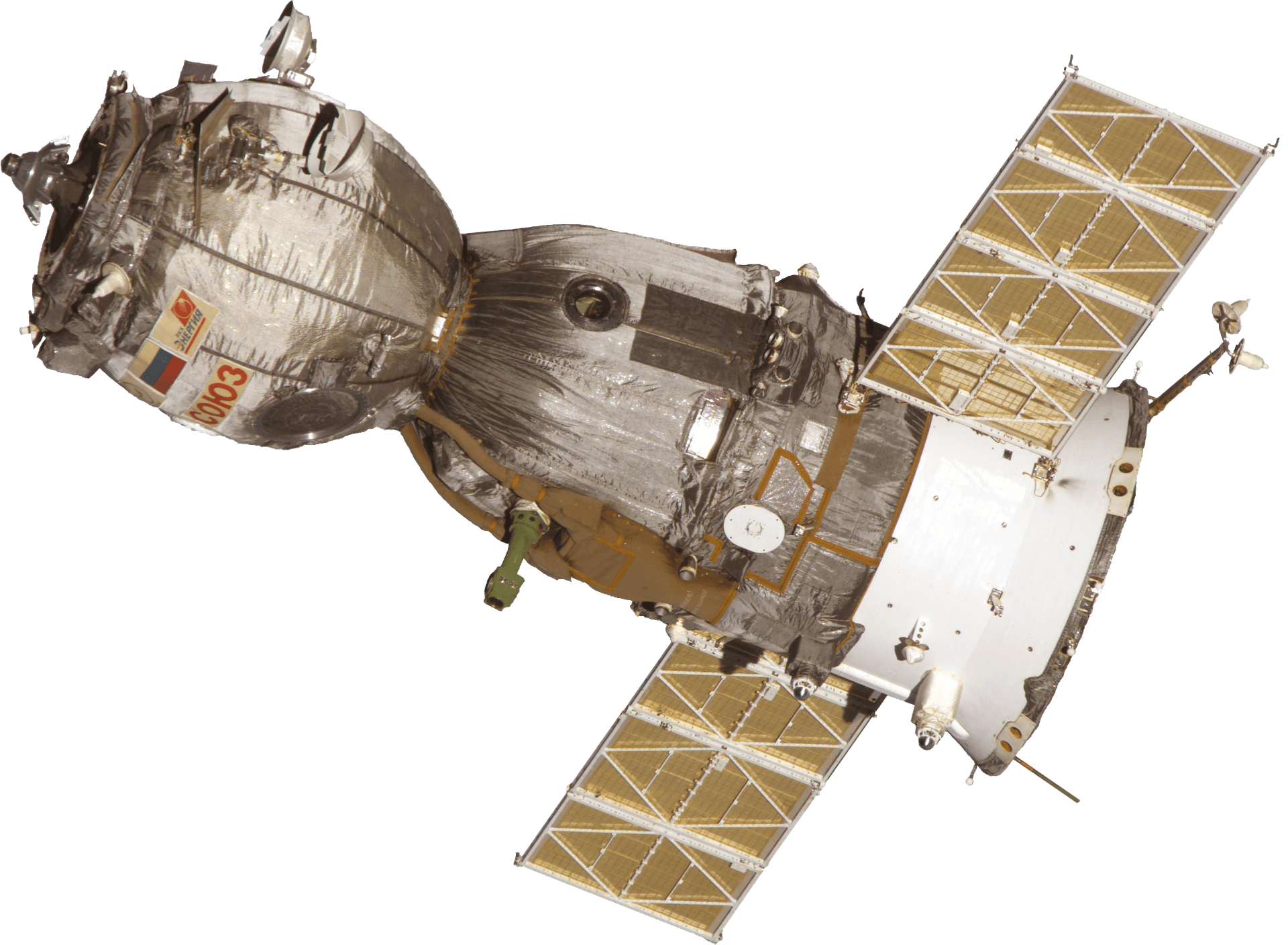
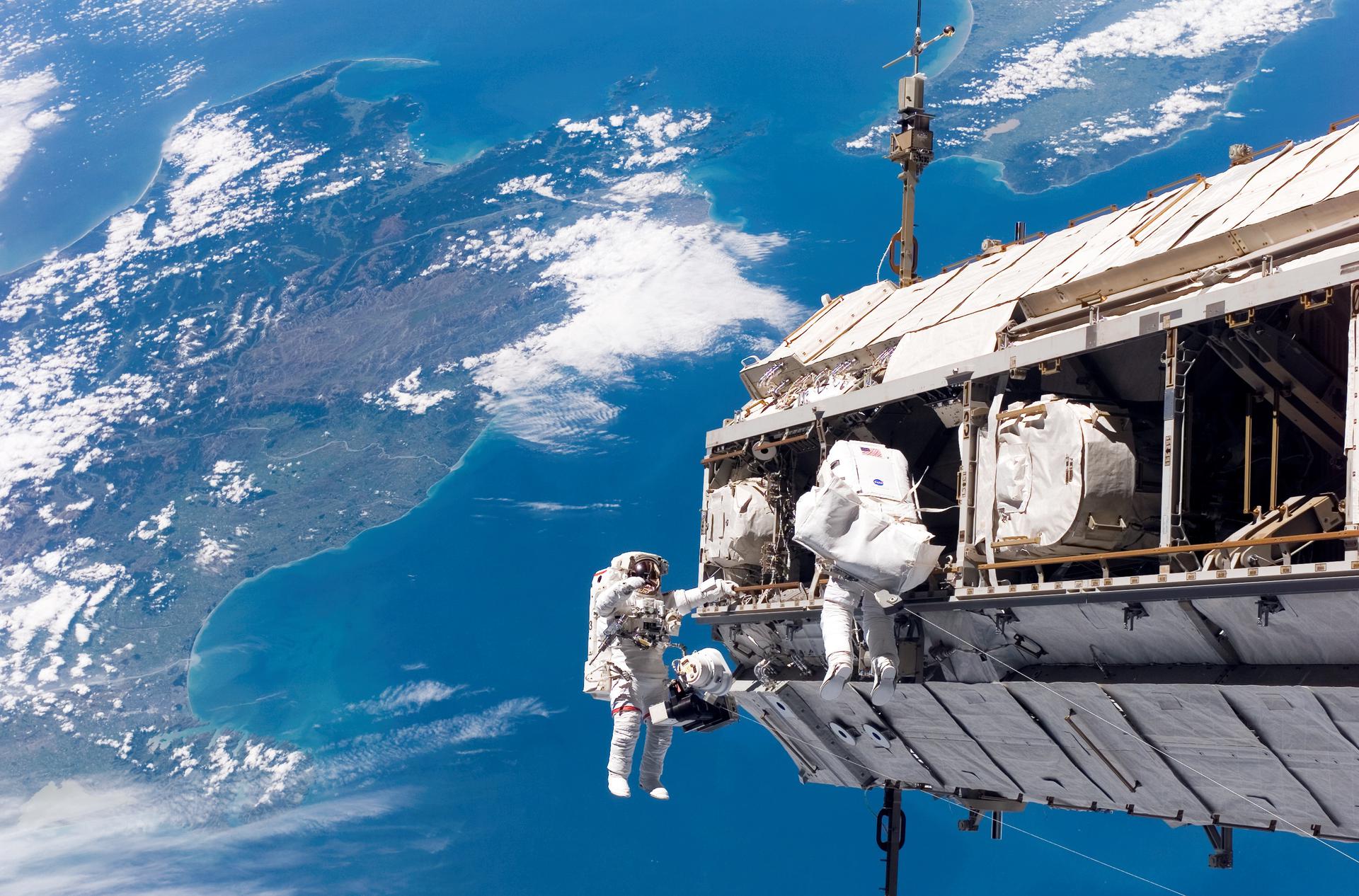
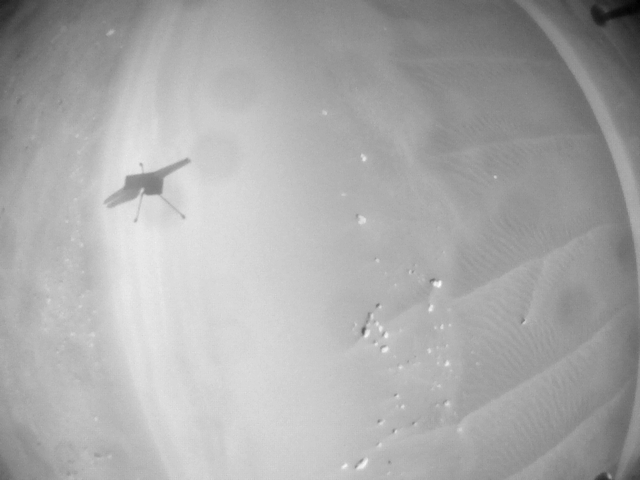
{ "count": 1214, "next": "https://lldev.thespacedevs.com/2.0.0/event/?format=api&limit=10&offset=440", "previous": "https://lldev.thespacedevs.com/2.0.0/event/?format=api&limit=10&offset=420", "results": [ { "id": 705, "url": "https://lldev.thespacedevs.com/2.0.0/event/705/?format=api", "slug": "nasa-swot-pre-launch-news-conference", "name": "NASA SWOT Pre-Launch News Conference", "type": { "id": 20, "name": "Press Event" }, "description": "NASA will hold a news conference ahead of the launch of the Surface Water and Ocean Topography (SWOT) satellite, built in cooperation with the french space agency CNES.", "location": null, "news_url": "https://www.nasa.gov/press-release/nasa-sets-coverage-for-swot-water-survey-mission-launch", "video_url": null, "feature_image": "https://thespacedevs-dev.nyc3.digitaloceanspaces.com/media/images/nasa_swot_pre-l_image_20221110203209.jpg", "date": "2022-12-14T20:00:00Z", "launches": [], "expeditions": [], "spacestations": [], "program": [] }, { "id": 779, "url": "https://lldev.thespacedevs.com/2.0.0/event/779/?format=api", "slug": "starship-s25-static-fire-1", "name": "Starship S25 Static Fire #1", "type": { "id": 5, "name": "Static Fire" }, "description": "Starship S25 will conduct a static fire test of all 6 Raptor 2 engines on Suborbital Pad B at SpaceX's Starbase facility.", "location": "Boca Chica, Texas", "news_url": null, "video_url": "https://www.youtube.com/watch?v=iv-TSySI6DY", "feature_image": "https://thespacedevs-dev.nyc3.digitaloceanspaces.com/media/images/starship_s24_st_image_20240305172824.jpeg", "date": "2023-06-27T01:10:00Z", "launches": [], "expeditions": [], "spacestations": [], "program": [ { "id": 1, "url": "https://lldev.thespacedevs.com/2.0.0/program/1/?format=api", "name": "SpaceX Starship", "description": "The SpaceX Starship is a fully reusable super heavy-lift launch vehicle under development by SpaceX since 2012, as a self-funded private spaceflight project. The second stage of the Starship — is designed as a long-duration cargo and passenger-carrying spacecraft. It is expected to be initially used without any booster stage at all, as part of an extensive development program to prove out launch-and-landing and iterate on a variety of design details, particularly with respect to the vehicle's atmospheric reentry.", "agencies": [ { "id": 121, "url": "https://lldev.thespacedevs.com/2.0.0/agencies/121/?format=api", "name": "SpaceX", "type": "Commercial" } ], "image_url": "https://thespacedevs-dev.nyc3.digitaloceanspaces.com/media/images/starship_on_the_image_20250111100520.jpg", "start_date": "2019-03-01T05:00:00Z", "end_date": null, "info_url": "https://www.spacex.com/vehicles/starship/", "wiki_url": "https://en.wikipedia.org/wiki/SpaceX_Starship" } ] }, { "id": 698, "url": "https://lldev.thespacedevs.com/2.0.0/event/698/?format=api", "slug": "artemis-i-orion-return-powered-moon-flyby", "name": "Artemis I Orion Return Powered Moon Flyby", "type": { "id": 23, "name": "Flyby" }, "description": "NASA will livestream coverage of the return powered flyby of the Moon by the Artemis I Orion spacecraft.", "location": null, "news_url": null, "video_url": "https://www.youtube.com/watch?v=ppxaKK9papQ", "feature_image": "https://thespacedevs-dev.nyc3.digitaloceanspaces.com/media/images/artemis-1_orion_image_20220821063559.jpg", "date": "2022-12-05T16:43:00Z", "launches": [], "expeditions": [], "spacestations": [], "program": [ { "id": 15, "url": "https://lldev.thespacedevs.com/2.0.0/program/15/?format=api", "name": "Artemis", "description": "The Artemis program is a US government-funded crewed spaceflight program that has the goal of landing \"the first woman and the next man\" on the Moon, specifically at the lunar south pole region.", "agencies": [ { "id": 44, "url": "https://lldev.thespacedevs.com/2.0.0/agencies/44/?format=api", "name": "National Aeronautics and Space Administration", "type": "Government" } ], "image_url": "https://thespacedevs-dev.nyc3.digitaloceanspaces.com/media/images/artemis_program_20220827100930.png", "start_date": "2017-12-11T00:00:00Z", "end_date": null, "info_url": "https://www.nasa.gov/specials/artemis/", "wiki_url": "https://en.wikipedia.org/wiki/Artemis_program" } ] }, { "id": 1187, "url": "https://lldev.thespacedevs.com/2.0.0/event/1187/?format=api", "slug": "booster-14-2-static-fire", "name": "Booster 14-2 Static Fire", "type": { "id": 5, "name": "Static Fire" }, "description": "SpaceX will static fire booster 14-2, possibly in preparation for IFT-9.", "location": "Starbase. Texas", "news_url": null, "video_url": "https://www.youtube.com/watch?v=at4-EkTVm20", "feature_image": "https://thespacedevs-dev.nyc3.digitaloceanspaces.com/media/images/booster_7_33_en_image_20230128102545.jpeg", "date": "2025-04-03T14:40:00Z", "launches": [], "expeditions": [], "spacestations": [], "program": [ { "id": 1, "url": "https://lldev.thespacedevs.com/2.0.0/program/1/?format=api", "name": "SpaceX Starship", "description": "The SpaceX Starship is a fully reusable super heavy-lift launch vehicle under development by SpaceX since 2012, as a self-funded private spaceflight project. The second stage of the Starship — is designed as a long-duration cargo and passenger-carrying spacecraft. It is expected to be initially used without any booster stage at all, as part of an extensive development program to prove out launch-and-landing and iterate on a variety of design details, particularly with respect to the vehicle's atmospheric reentry.", "agencies": [ { "id": 121, "url": "https://lldev.thespacedevs.com/2.0.0/agencies/121/?format=api", "name": "SpaceX", "type": "Commercial" } ], "image_url": "https://thespacedevs-dev.nyc3.digitaloceanspaces.com/media/images/starship_on_the_image_20250111100520.jpg", "start_date": "2019-03-01T05:00:00Z", "end_date": null, "info_url": "https://www.spacex.com/vehicles/starship/", "wiki_url": "https://en.wikipedia.org/wiki/SpaceX_Starship" } ] }, { "id": 387, "url": "https://lldev.thespacedevs.com/2.0.0/event/387/?format=api", "slug": "solar-orbiter-venus-flyby-8", "name": "Solar Orbiter Venus Flyby", "type": { "id": 23, "name": "Flyby" }, "description": "Solar Orbiter, a partnership between ESA and NASA, will perform a gravity assist maneuver with Venus on September 2, 2030. Throughout its mission it also makes repeated gravity assist flybys of Venus to get closer to the Sun, and to change its orbital inclination, boosting it out of the ecliptic plane, to get the best – and first – views of the Sun’s poles.", "location": "Venus", "news_url": "https://www.esa.int/ESA_Multimedia/Images/2020/01/Solar_Orbiter_journey_around_the_Sun", "video_url": null, "feature_image": "https://thespacedevs-dev.nyc3.digitaloceanspaces.com/media/images/solar_orbiter_v_image_20210930071353.png", "date": "2030-09-03T00:00:00Z", "launches": [], "expeditions": [], "spacestations": [], "program": [] }, { "id": 848, "url": "https://lldev.thespacedevs.com/2.0.0/event/848/?format=api", "slug": "rocksat-x-launch", "name": "RockSat-X Launch", "type": { "id": 31, "name": "Sounding Rocket Launch" }, "description": "Coverage of the mission will begin 15 minutes before the first launch.\r\n\r\nThe Terrier-Improved Orion and Terrier-Improved Malemute rockets will launch 5 minutes apart and are expected to reach an altitude of about 70 miles (113 kilometers) before descending by parachute into the Atlantic Ocean to be recovered.\r\n\r\nThe rockets will be carrying experiments developed by more than 30 university and community college teams as part of NASA’s RockOn Workshop and RockSat programs.", "location": "NASA's Wallops Flight Facility, Virginia", "news_url": "https://www.nasa.gov/feature/wallops/2023/double-header-nasa-sounding-rockets-to-launch-student-experiments", "video_url": "https://www.youtube.com/watch?v=VJGH7GrnEuk", "feature_image": "https://thespacedevs-dev.nyc3.digitaloceanspaces.com/media/images/rocksat-x_2526_image_20230810183225.jpeg", "date": "2023-08-16T10:21:00Z", "launches": [], "expeditions": [], "spacestations": [], "program": [] }, { "id": 1299, "url": "https://lldev.thespacedevs.com/2.0.0/event/1299/?format=api", "slug": "nasa-interstellar-comet-3iatlas-images-press-confe", "name": "NASA Interstellar Comet 3I/ATLAS Images Press Conference", "type": { "id": 20, "name": "Press Event" }, "description": "Live event to share imagery of the interstellar comet 3I/ATLAS collected by a number of the agency’s missions.", "location": "Online", "news_url": null, "video_url": "https://plus.nasa.gov/scheduled-video/nasa-shares-interstellar-comet-3i-atlas-images/", "feature_image": "https://thespacedevs-dev.nyc3.digitaloceanspaces.com/media/images/interstellar_co_image_20251117203418.jpg", "date": "2025-11-19T20:00:00Z", "launches": [], "expeditions": [], "spacestations": [], "program": [] }, { "id": 1040, "url": "https://lldev.thespacedevs.com/2.0.0/event/1040/?format=api", "slug": "soyuz-ms-26-docking", "name": "Soyuz MS-26 Docking", "type": { "id": 2, "name": "Docking" }, "description": "The Soyuz MS-26 spacecraft will autonomously dock to the International Space Station.", "location": "International Space Station", "news_url": null, "video_url": "https://www.youtube.com/watch?v=5UfRruUjemE", "feature_image": "https://thespacedevs-dev.nyc3.digitaloceanspaces.com/media/images/soyuz_ms_in_orb_image_20240313130407.jpeg", "date": "2024-09-11T19:33:37Z", "launches": [], "expeditions": [], "spacestations": [ { "id": 4, "url": "https://lldev.thespacedevs.com/2.0.0/spacestation/4/?format=api", "name": "International Space Station", "status": { "id": 1, "name": "Active" }, "founded": "1998-11-20", "description": "The International Space Station (ISS) is a space station, or a habitable artificial satellite, in low Earth orbit. Its first component was launched into orbit in 1998, with the first long-term residents arriving in November 2000. It has been inhabited continuously since that date. The last pressurised module was fitted in 2011, and an experimental inflatable space habitat was added in 2016. The station is expected to operate until 2030. Development and assembly of the station continues, with several new elements scheduled for launch in 2019. The ISS is the largest human-made body in low Earth orbit and can often be seen with the naked eye from Earth. The ISS consists of pressurised habitation modules, structural trusses, solar arrays, radiators, docking ports, experiment bays and robotic arms. ISS components have been launched by Russian Proton and Soyuz rockets, and American Space Shuttles.", "orbit": "Low Earth Orbit", "image_url": "https://thespacedevs-dev.nyc3.digitaloceanspaces.com/media/images/international2520space2520station_image_20190220215716.jpeg" } ], "program": [ { "id": 8, "url": "https://lldev.thespacedevs.com/2.0.0/program/8/?format=api", "name": "Soyuz", "description": "The Soyuz programme is a human spaceflight programme initiated by the Soviet Union in the early 1960s. The Soyuz spacecraft was originally part of a Moon landing project intended to put a Soviet cosmonaut on the Moon. It was the third Soviet human spaceflight programme after the Vostok and Voskhod programmes.", "agencies": [ { "id": 63, "url": "https://lldev.thespacedevs.com/2.0.0/agencies/63/?format=api", "name": "Russian Federal Space Agency (ROSCOSMOS)", "type": "Government" }, { "id": 66, "url": "https://lldev.thespacedevs.com/2.0.0/agencies/66/?format=api", "name": "Soviet Space Program", "type": "Government" } ], "image_url": "https://thespacedevs-dev.nyc3.digitaloceanspaces.com/media/images/soyuz_program_20201129185543.png", "start_date": "1966-11-28T11:02:00Z", "end_date": null, "info_url": null, "wiki_url": "https://en.wikipedia.org/wiki/Soyuz_programme" }, { "id": 17, "url": "https://lldev.thespacedevs.com/2.0.0/program/17/?format=api", "name": "International Space Station", "description": "The International Space Station programme is tied together by a complex set of legal, political and financial agreements between the sixteen nations involved in the project, governing ownership of the various components, rights to crewing and utilization, and responsibilities for crew rotation and resupply of the International Space Station. It was conceived in 1984 by President Ronald Reagan, during the Space Station Freedom project as it was originally called.", "agencies": [ { "id": 16, "url": "https://lldev.thespacedevs.com/2.0.0/agencies/16/?format=api", "name": "Canadian Space Agency", "type": "Government" }, { "id": 27, "url": "https://lldev.thespacedevs.com/2.0.0/agencies/27/?format=api", "name": "European Space Agency", "type": "Multinational" }, { "id": 37, "url": "https://lldev.thespacedevs.com/2.0.0/agencies/37/?format=api", "name": "Japan Aerospace Exploration Agency", "type": "Government" }, { "id": 44, "url": "https://lldev.thespacedevs.com/2.0.0/agencies/44/?format=api", "name": "National Aeronautics and Space Administration", "type": "Government" }, { "id": 63, "url": "https://lldev.thespacedevs.com/2.0.0/agencies/63/?format=api", "name": "Russian Federal Space Agency (ROSCOSMOS)", "type": "Government" } ], "image_url": "https://thespacedevs-dev.nyc3.digitaloceanspaces.com/media/images/international2_program_20201129184745.png", "start_date": "1998-11-20T06:40:00Z", "end_date": null, "info_url": "https://www.nasa.gov/mission_pages/station/main/index.html", "wiki_url": "https://en.wikipedia.org/wiki/International_Space_Station_programme" } ] }, { "id": 4, "url": "https://lldev.thespacedevs.com/2.0.0/event/4/?format=api", "slug": "us-eva-52", "name": "US EVA-52", "type": { "id": 3, "name": "EVA" }, "description": "NASA astronauts Anne McClain and Nick Hague, onboard the ISS as part of Expedition 59, will begin work to replace batteries on the P4 Truss segment.\r\n\r\nIt was originally planned for Fall 2018 but had to be delayed due to the launch failure of Soyuz MS-10 carrying Aleksey Ovchinin and Nick Hague.", "location": "International Space Station", "news_url": null, "video_url": null, "feature_image": "https://thespacedevs-dev.nyc3.digitaloceanspaces.com/media/images/us2520eva-52_image_20190318200748.jpeg", "date": "2019-03-22T12:00:00Z", "launches": [], "expeditions": [ { "id": 93, "url": "https://lldev.thespacedevs.com/2.0.0/expedition/93/?format=api", "name": "Expedition 59", "start": "2019-03-15T01:01:00Z", "end": "2019-06-24T23:25:00Z", "spacestation": { "id": 4, "url": "https://lldev.thespacedevs.com/2.0.0/spacestation/4/?format=api", "name": "International Space Station", "status": { "id": 1, "name": "Active" }, "orbit": "Low Earth Orbit", "image_url": "https://thespacedevs-dev.nyc3.digitaloceanspaces.com/media/images/international2520space2520station_image_20190220215716.jpeg" } } ], "spacestations": [ { "id": 4, "url": "https://lldev.thespacedevs.com/2.0.0/spacestation/4/?format=api", "name": "International Space Station", "status": { "id": 1, "name": "Active" }, "founded": "1998-11-20", "description": "The International Space Station (ISS) is a space station, or a habitable artificial satellite, in low Earth orbit. Its first component was launched into orbit in 1998, with the first long-term residents arriving in November 2000. It has been inhabited continuously since that date. The last pressurised module was fitted in 2011, and an experimental inflatable space habitat was added in 2016. The station is expected to operate until 2030. Development and assembly of the station continues, with several new elements scheduled for launch in 2019. The ISS is the largest human-made body in low Earth orbit and can often be seen with the naked eye from Earth. The ISS consists of pressurised habitation modules, structural trusses, solar arrays, radiators, docking ports, experiment bays and robotic arms. ISS components have been launched by Russian Proton and Soyuz rockets, and American Space Shuttles.", "orbit": "Low Earth Orbit", "image_url": "https://thespacedevs-dev.nyc3.digitaloceanspaces.com/media/images/international2520space2520station_image_20190220215716.jpeg" } ], "program": [] }, { "id": 554, "url": "https://lldev.thespacedevs.com/2.0.0/event/554/?format=api", "slug": "nasa-mars-2020-ingenuity-24th-flight", "name": "NASA Mars 2020 Ingenuity 24th Flight", "type": { "id": 14, "name": "Test Flight" }, "description": "During the helicopters 24th flight on the Red Planet, it covered a distance of 47 meters at an altitude of 10 meters over a duration of 69.5 seconds.", "location": "Airfield P, Jezero crater, Mars", "news_url": "https://mars.nasa.gov/technology/helicopter/status/373/balancing-risks-in-the-seitah-region-flight-24/", "video_url": null, "feature_image": "https://thespacedevs-dev.nyc3.digitaloceanspaces.com/media/images/nasa_mars_2020__image_20220415214231.png", "date": "2022-04-03T00:00:00Z", "launches": [], "expeditions": [], "spacestations": [], "program": [] } ] }