Event List
API endpoint that allows all Events to be viewed.
GET: Return a list of all Events
SEARCH EXAMPLE: /2.0.0/event/?search=Dragon Searches through name
GET /2.0.0/event/?format=api&offset=420
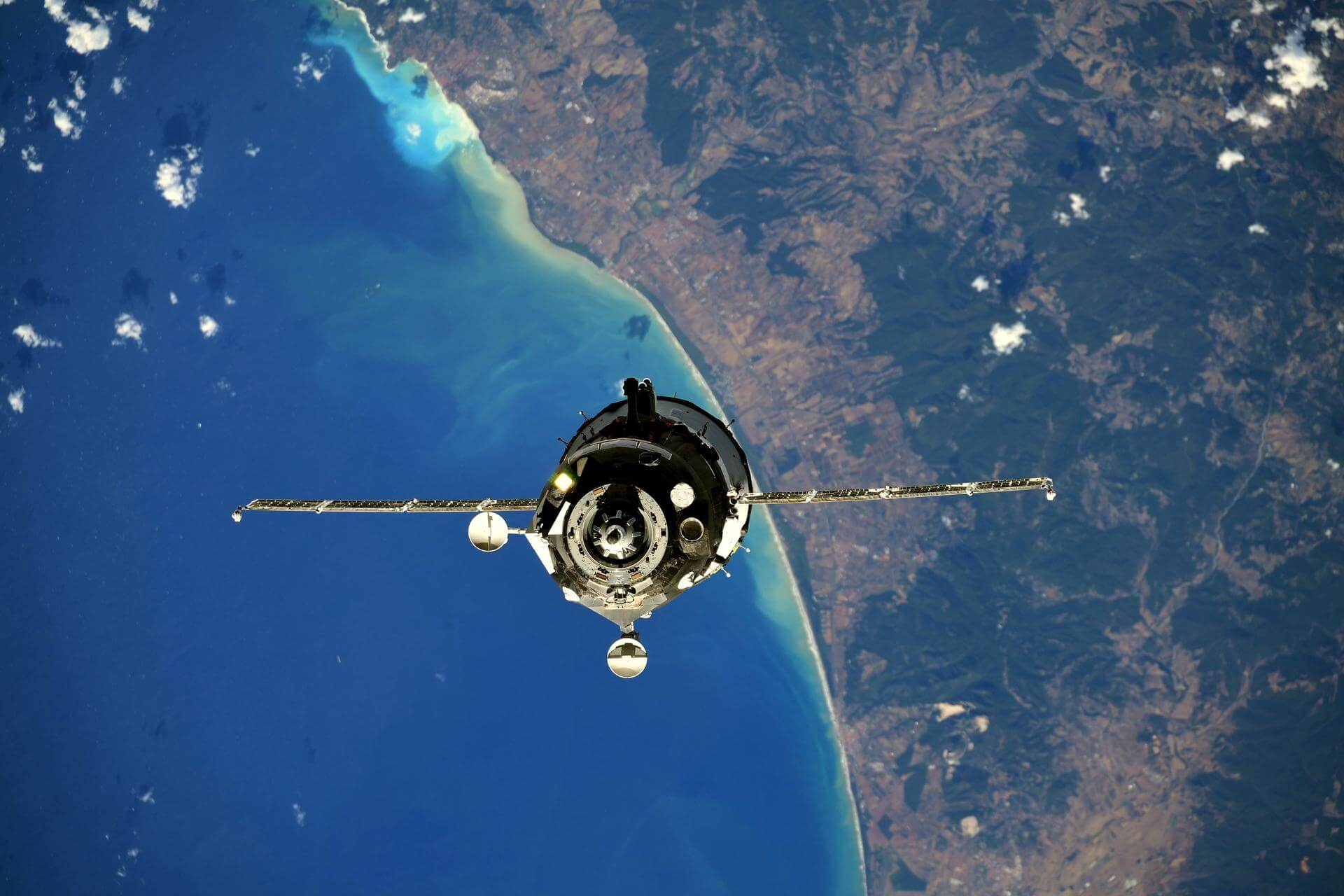
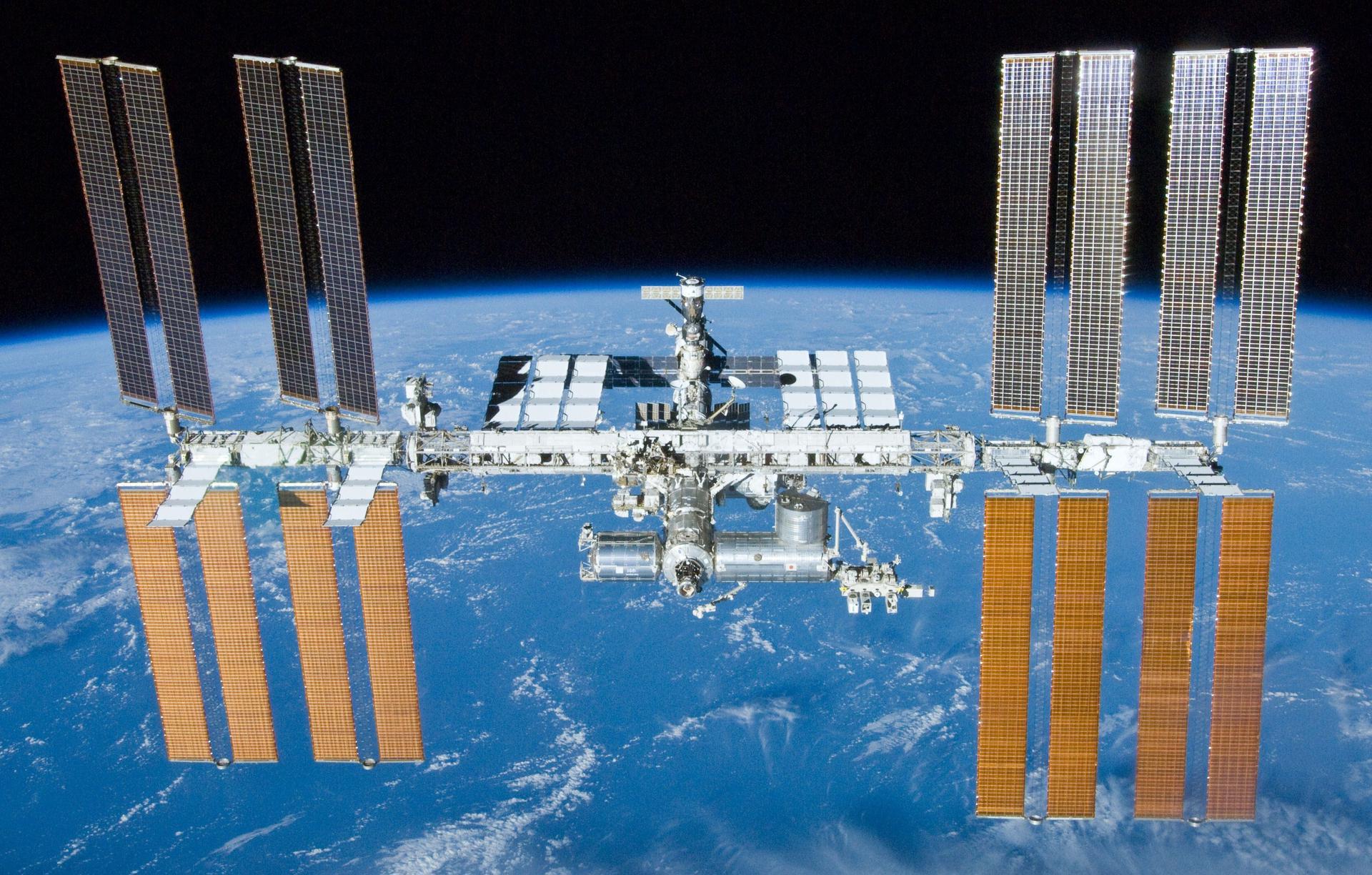
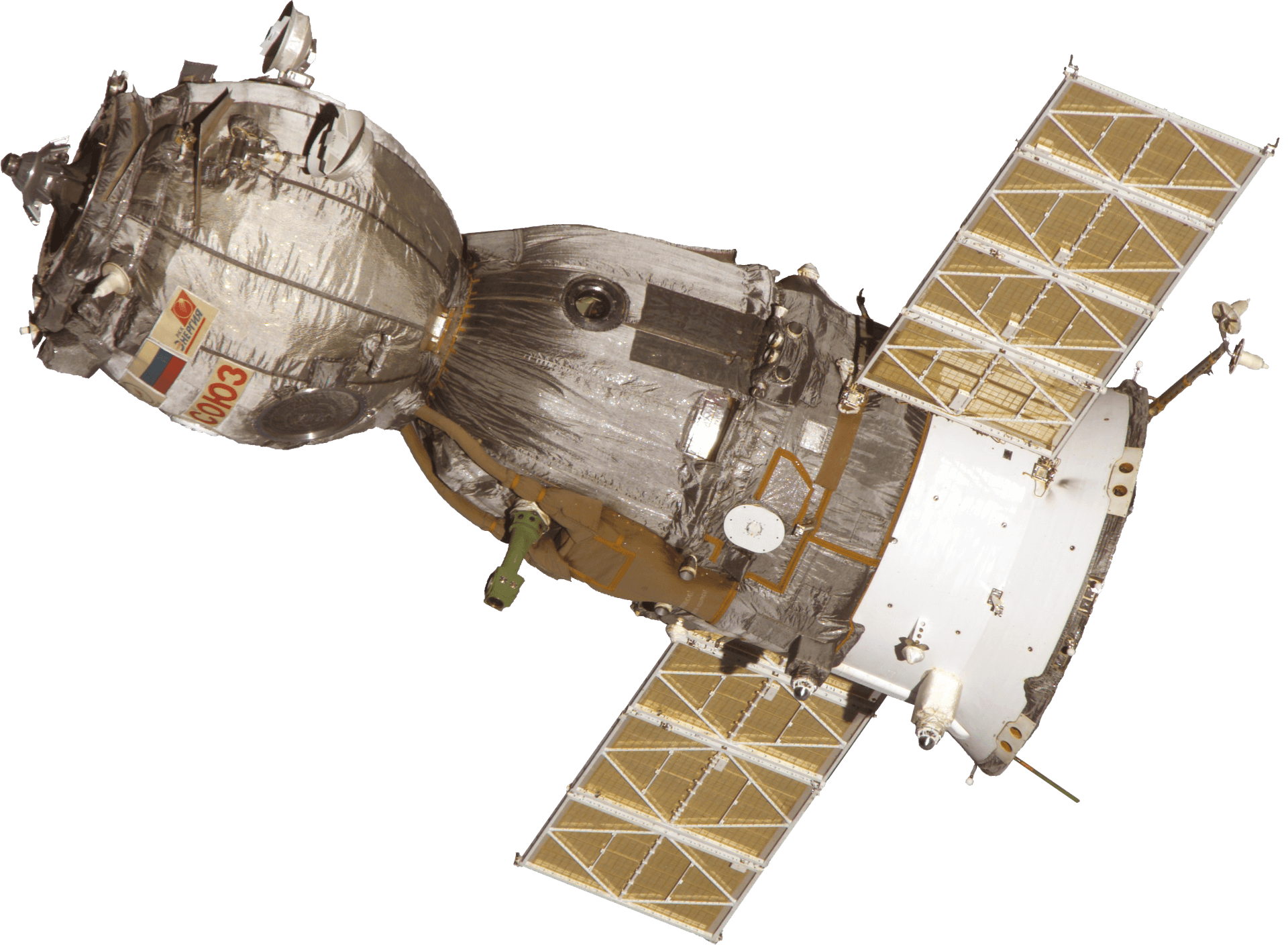
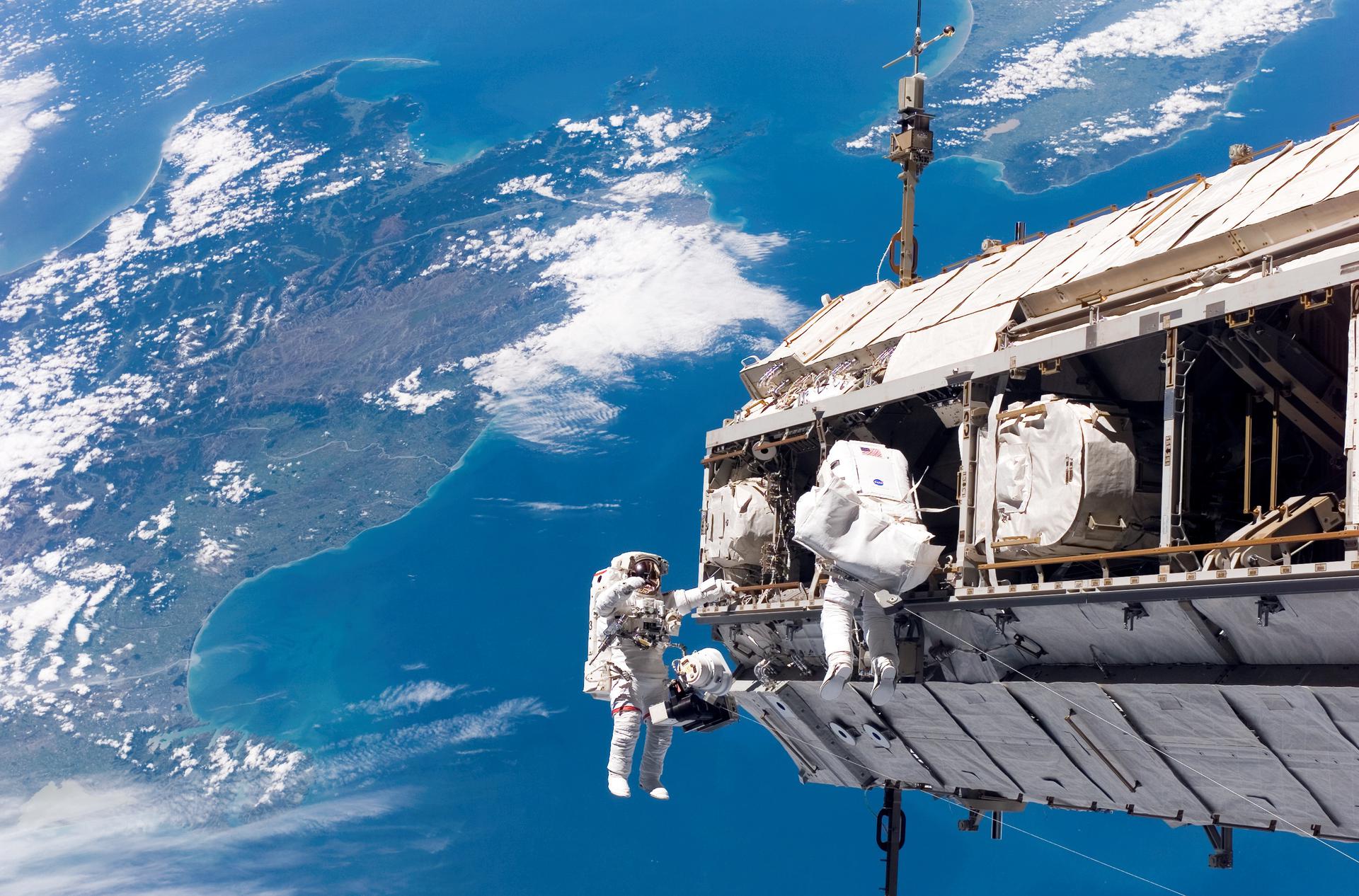
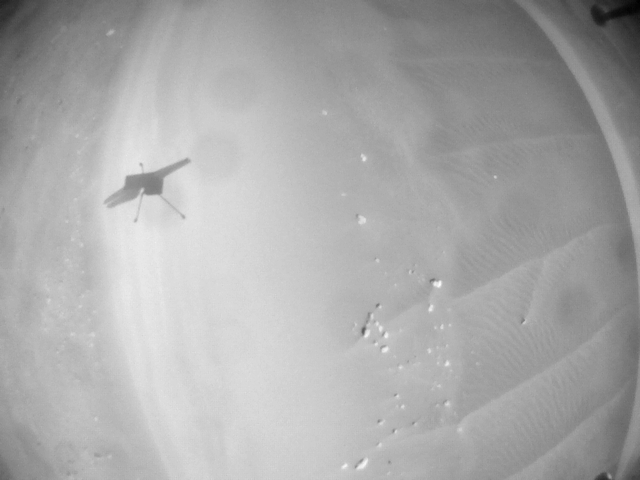
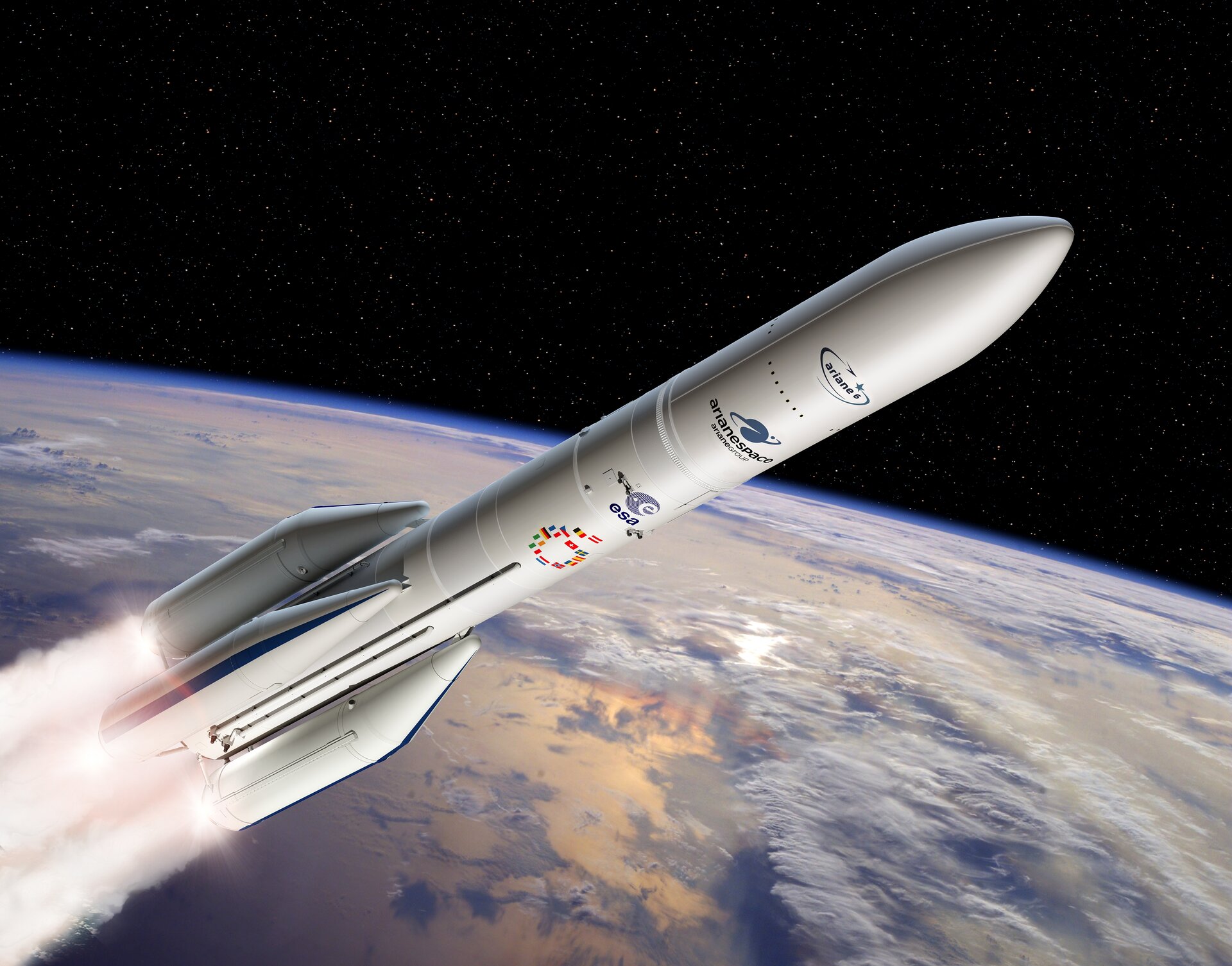
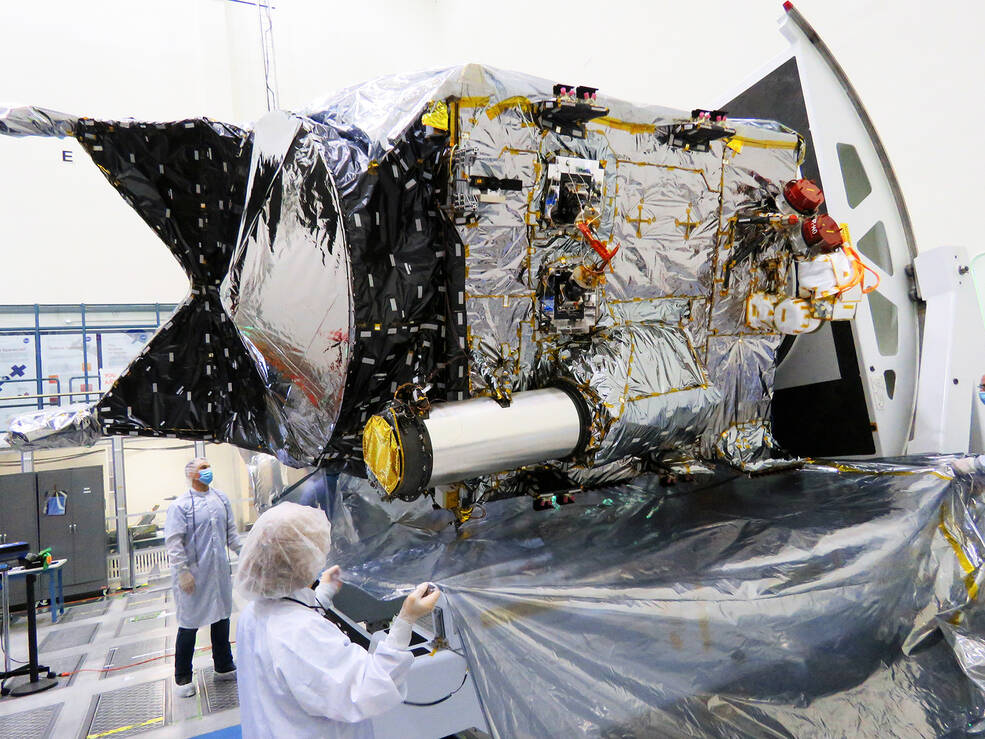
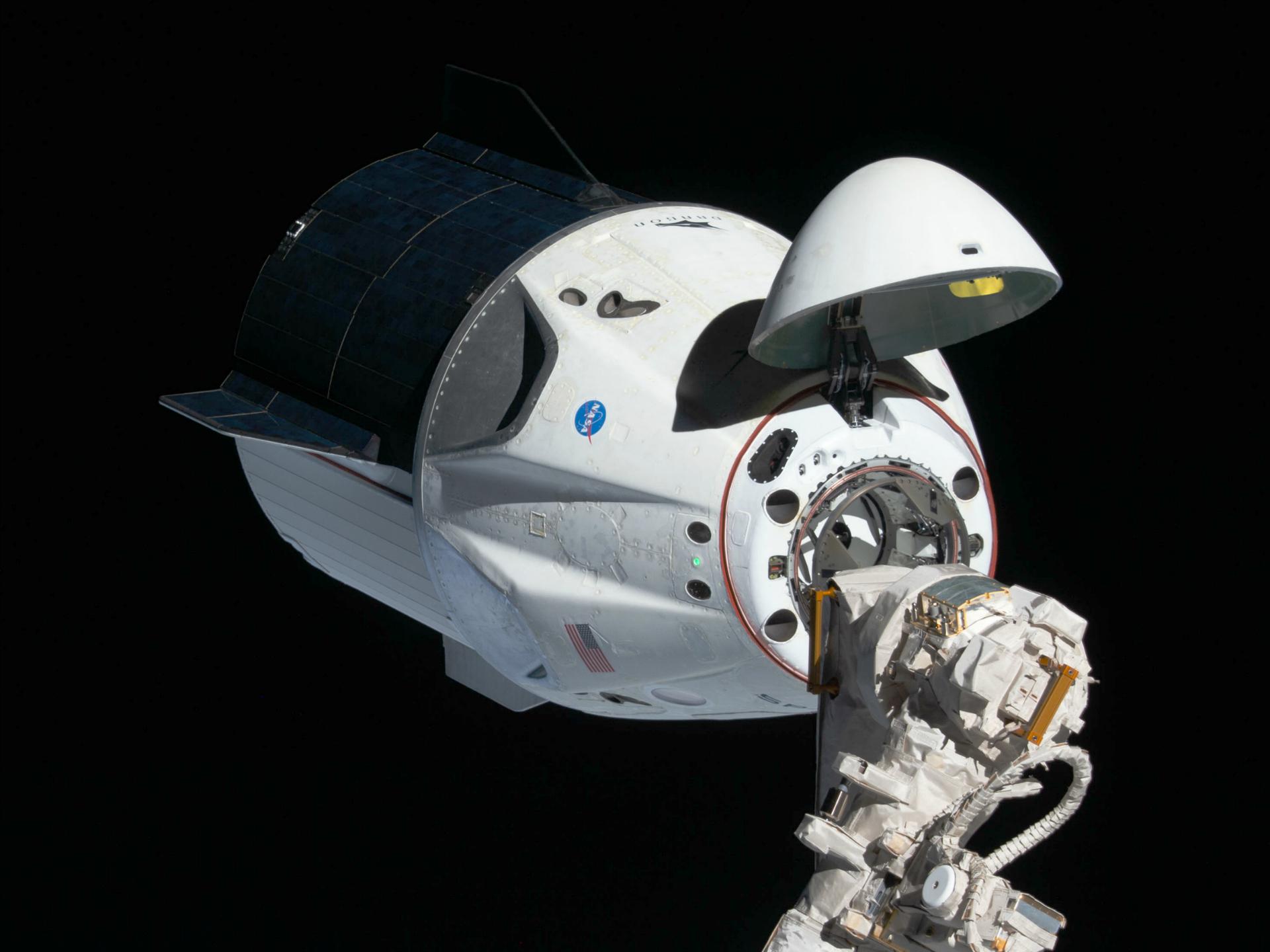
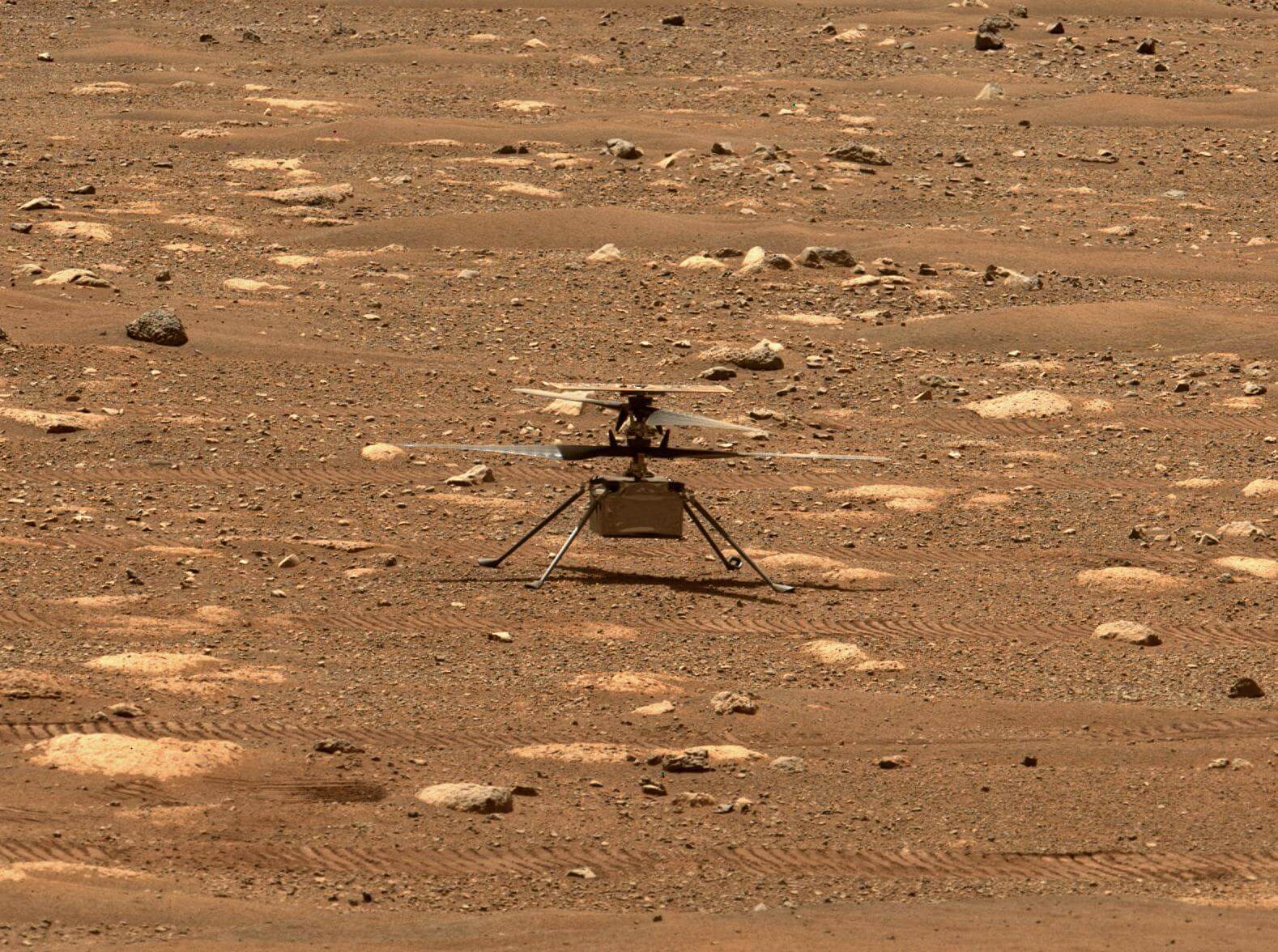
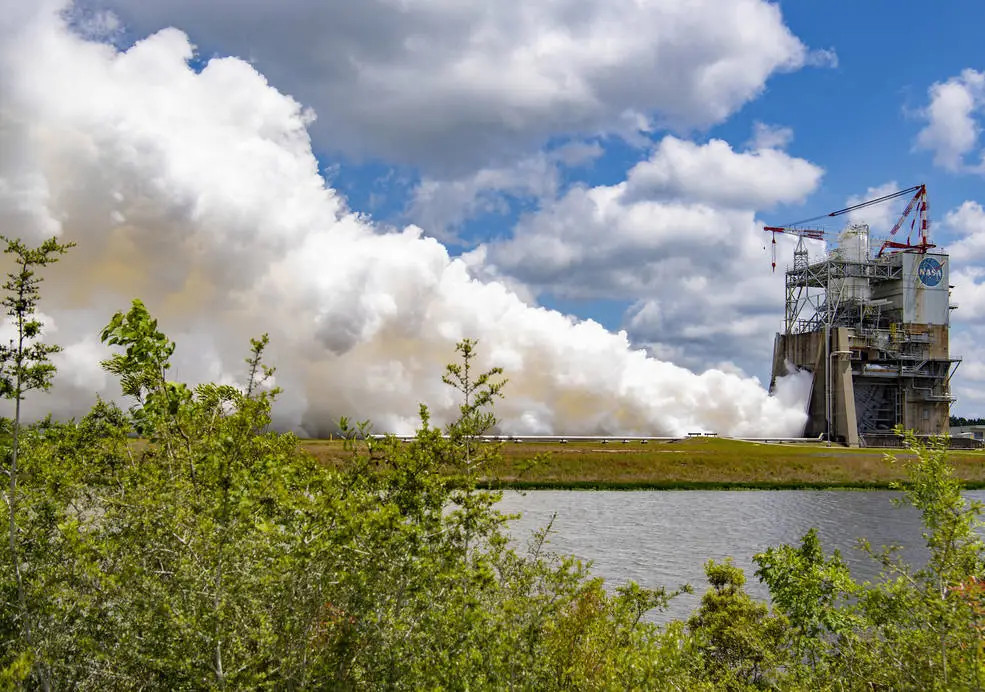
{ "count": 1201, "next": "https://lldev.thespacedevs.com/2.0.0/event/?format=api&limit=10&offset=430", "previous": "https://lldev.thespacedevs.com/2.0.0/event/?format=api&limit=10&offset=410", "results": [ { "id": 1040, "url": "https://lldev.thespacedevs.com/2.0.0/event/1040/?format=api", "slug": "soyuz-ms-26-docking", "name": "Soyuz MS-26 Docking", "type": { "id": 2, "name": "Docking" }, "description": "The Soyuz MS-26 spacecraft will autonomously dock to the International Space Station.", "location": "International Space Station", "news_url": null, "video_url": "https://www.youtube.com/watch?v=5UfRruUjemE", "feature_image": "https://thespacedevs-dev.nyc3.digitaloceanspaces.com/media/images/soyuz_ms_in_orb_image_20240313130407.jpeg", "date": "2024-09-11T19:33:37Z", "launches": [], "expeditions": [], "spacestations": [ { "id": 4, "url": "https://lldev.thespacedevs.com/2.0.0/spacestation/4/?format=api", "name": "International Space Station", "status": { "id": 1, "name": "Active" }, "founded": "1998-11-20", "description": "The International Space Station (ISS) is a space station, or a habitable artificial satellite, in low Earth orbit. Its first component was launched into orbit in 1998, with the first long-term residents arriving in November 2000. It has been inhabited continuously since that date. The last pressurised module was fitted in 2011, and an experimental inflatable space habitat was added in 2016. The station is expected to operate until 2030. Development and assembly of the station continues, with several new elements scheduled for launch in 2019. The ISS is the largest human-made body in low Earth orbit and can often be seen with the naked eye from Earth. The ISS consists of pressurised habitation modules, structural trusses, solar arrays, radiators, docking ports, experiment bays and robotic arms. ISS components have been launched by Russian Proton and Soyuz rockets, and American Space Shuttles.", "orbit": "Low Earth Orbit", "image_url": "https://thespacedevs-dev.nyc3.digitaloceanspaces.com/media/images/international2520space2520station_image_20190220215716.jpeg" } ], "program": [ { "id": 8, "url": "https://lldev.thespacedevs.com/2.0.0/program/8/?format=api", "name": "Soyuz", "description": "The Soyuz programme is a human spaceflight programme initiated by the Soviet Union in the early 1960s. The Soyuz spacecraft was originally part of a Moon landing project intended to put a Soviet cosmonaut on the Moon. It was the third Soviet human spaceflight programme after the Vostok and Voskhod programmes.", "agencies": [ { "id": 63, "url": "https://lldev.thespacedevs.com/2.0.0/agencies/63/?format=api", "name": "Russian Federal Space Agency (ROSCOSMOS)", "type": "Government" }, { "id": 66, "url": "https://lldev.thespacedevs.com/2.0.0/agencies/66/?format=api", "name": "Soviet Space Program", "type": "Government" } ], "image_url": "https://thespacedevs-dev.nyc3.digitaloceanspaces.com/media/images/soyuz_program_20201129185543.png", "start_date": "1966-11-28T11:02:00Z", "end_date": null, "info_url": null, "wiki_url": "https://en.wikipedia.org/wiki/Soyuz_programme" }, { "id": 17, "url": "https://lldev.thespacedevs.com/2.0.0/program/17/?format=api", "name": "International Space Station", "description": "The International Space Station programme is tied together by a complex set of legal, political and financial agreements between the sixteen nations involved in the project, governing ownership of the various components, rights to crewing and utilization, and responsibilities for crew rotation and resupply of the International Space Station. It was conceived in 1984 by President Ronald Reagan, during the Space Station Freedom project as it was originally called.", "agencies": [ { "id": 16, "url": "https://lldev.thespacedevs.com/2.0.0/agencies/16/?format=api", "name": "Canadian Space Agency", "type": "Government" }, { "id": 27, "url": "https://lldev.thespacedevs.com/2.0.0/agencies/27/?format=api", "name": "European Space Agency", "type": "Multinational" }, { "id": 37, "url": "https://lldev.thespacedevs.com/2.0.0/agencies/37/?format=api", "name": "Japan Aerospace Exploration Agency", "type": "Government" }, { "id": 44, "url": "https://lldev.thespacedevs.com/2.0.0/agencies/44/?format=api", "name": "National Aeronautics and Space Administration", "type": "Government" }, { "id": 63, "url": "https://lldev.thespacedevs.com/2.0.0/agencies/63/?format=api", "name": "Russian Federal Space Agency (ROSCOSMOS)", "type": "Government" } ], "image_url": "https://thespacedevs-dev.nyc3.digitaloceanspaces.com/media/images/international2_program_20201129184745.png", "start_date": "1998-11-20T06:40:00Z", "end_date": null, "info_url": "https://www.nasa.gov/mission_pages/station/main/index.html", "wiki_url": "https://en.wikipedia.org/wiki/International_Space_Station_programme" } ] }, { "id": 4, "url": "https://lldev.thespacedevs.com/2.0.0/event/4/?format=api", "slug": "us-eva-52", "name": "US EVA-52", "type": { "id": 3, "name": "EVA" }, "description": "NASA astronauts Anne McClain and Nick Hague, onboard the ISS as part of Expedition 59, will begin work to replace batteries on the P4 Truss segment.\r\n\r\nIt was originally planned for Fall 2018 but had to be delayed due to the launch failure of Soyuz MS-10 carrying Aleksey Ovchinin and Nick Hague.", "location": "International Space Station", "news_url": null, "video_url": null, "feature_image": "https://thespacedevs-dev.nyc3.digitaloceanspaces.com/media/images/us2520eva-52_image_20190318200748.jpeg", "date": "2019-03-22T12:00:00Z", "launches": [], "expeditions": [ { "id": 93, "url": "https://lldev.thespacedevs.com/2.0.0/expedition/93/?format=api", "name": "Expedition 59", "start": "2019-03-15T01:01:00Z", "end": "2019-06-24T23:25:00Z", "spacestation": { "id": 4, "url": "https://lldev.thespacedevs.com/2.0.0/spacestation/4/?format=api", "name": "International Space Station", "status": { "id": 1, "name": "Active" }, "orbit": "Low Earth Orbit", "image_url": "https://thespacedevs-dev.nyc3.digitaloceanspaces.com/media/images/international2520space2520station_image_20190220215716.jpeg" } } ], "spacestations": [ { "id": 4, "url": "https://lldev.thespacedevs.com/2.0.0/spacestation/4/?format=api", "name": "International Space Station", "status": { "id": 1, "name": "Active" }, "founded": "1998-11-20", "description": "The International Space Station (ISS) is a space station, or a habitable artificial satellite, in low Earth orbit. Its first component was launched into orbit in 1998, with the first long-term residents arriving in November 2000. It has been inhabited continuously since that date. The last pressurised module was fitted in 2011, and an experimental inflatable space habitat was added in 2016. The station is expected to operate until 2030. Development and assembly of the station continues, with several new elements scheduled for launch in 2019. The ISS is the largest human-made body in low Earth orbit and can often be seen with the naked eye from Earth. The ISS consists of pressurised habitation modules, structural trusses, solar arrays, radiators, docking ports, experiment bays and robotic arms. ISS components have been launched by Russian Proton and Soyuz rockets, and American Space Shuttles.", "orbit": "Low Earth Orbit", "image_url": "https://thespacedevs-dev.nyc3.digitaloceanspaces.com/media/images/international2520space2520station_image_20190220215716.jpeg" } ], "program": [] }, { "id": 554, "url": "https://lldev.thespacedevs.com/2.0.0/event/554/?format=api", "slug": "nasa-mars-2020-ingenuity-24th-flight", "name": "NASA Mars 2020 Ingenuity 24th Flight", "type": { "id": 14, "name": "Test Flight" }, "description": "During the helicopters 24th flight on the Red Planet, it covered a distance of 47 meters at an altitude of 10 meters over a duration of 69.5 seconds.", "location": "Airfield P, Jezero crater, Mars", "news_url": "https://mars.nasa.gov/technology/helicopter/status/373/balancing-risks-in-the-seitah-region-flight-24/", "video_url": null, "feature_image": "https://thespacedevs-dev.nyc3.digitaloceanspaces.com/media/images/nasa_mars_2020__image_20220415214231.png", "date": "2022-04-03T00:00:00Z", "launches": [], "expeditions": [], "spacestations": [], "program": [] }, { "id": 665, "url": "https://lldev.thespacedevs.com/2.0.0/event/665/?format=api", "slug": "ariane-6-progress-media-briefing", "name": "Ariane 6 Progress Media Briefing", "type": { "id": 20, "name": "Press Event" }, "description": "Heads of ESA, ArianeGroup, CNES and Arianespace will answer media questions on the progress towards the first flight of Europe’s new Ariane 6 launch vehicle and will outline the broader plan for European space transportation in the latter part of this decade.", "location": "ESA Headquarters, Paris, France", "news_url": "https://www.esa.int/Newsroom/Press_Releases/Invitation_to_Media_Ariane_6_Progress_and_Preparation_of_Future_European_Space_Transportation", "video_url": null, "feature_image": "https://thespacedevs-dev.nyc3.digitaloceanspaces.com/media/images/ariane_6_progre_image_20221012153658.jpg", "date": "2022-10-19T15:00:00Z", "launches": [], "expeditions": [], "spacestations": [], "program": [] }, { "id": 870, "url": "https://lldev.thespacedevs.com/2.0.0/event/870/?format=api", "slug": "deep-space-optical-communications-media-teleconfer", "name": "Deep Space Optical Communications Media Teleconference", "type": { "id": 20, "name": "Press Event" }, "description": "NASA will host a media teleconference to discuss the agency’s first test of high-bandwidth optical communications beyond the Moon. The Deep Space Optical Communications (DSOC) technology demonstration is launching aboard the Psyche spacecraft.\r\n\r\nThe following participants will discuss the goals of this demonstration and benefits of high-data-rate laser communications that could be used by future NASA missions:\r\n\r\n- Jeff Volosin, acting deputy associate administrator and program manager for Space Communications and Navigation\r\n- Tawnya Laughinghouse, program manager for Technology Demonstration Missions\r\n- Abi Biswas, DSOC project technologist\r\n- Meera Srinivasan, DSOC ground system product delivery manager and operations lead", "location": "Online", "news_url": "https://www.nasa.gov/press-release/nasa-to-discuss-optical-communications-demo-riding-with-psyche", "video_url": "https://www.youtube.com/watch?v=o0uy82AOcR0", "feature_image": "https://thespacedevs-dev.nyc3.digitaloceanspaces.com/media/images/deep_space_opti_image_20230915180219.jpg", "date": "2023-09-20T17:00:00Z", "launches": [], "expeditions": [], "spacestations": [], "program": [] }, { "id": 771, "url": "https://lldev.thespacedevs.com/2.0.0/event/771/?format=api", "slug": "spacex-crew-6-crew-dragon-undocking", "name": "SpaceX Crew-6 Crew Dragon Undocking", "type": { "id": 8, "name": "Spacecraft Undocking" }, "description": "The Crew-6 Crew Dragon will undock from the International Space Station, carrying four astronauts. It will then reenter the Earth's atmosphere and splashdown in the Atlantic Ocean.", "location": "International Space Station", "news_url": null, "video_url": "https://www.youtube.com/watch?v=Iz6qdzVCN9g", "feature_image": "https://thespacedevs-dev.nyc3.digitaloceanspaces.com/media/images/spacex_dm-2_cre_image_20200504065311.jpeg", "date": "2023-09-03T11:05:00Z", "launches": [], "expeditions": [], "spacestations": [ { "id": 4, "url": "https://lldev.thespacedevs.com/2.0.0/spacestation/4/?format=api", "name": "International Space Station", "status": { "id": 1, "name": "Active" }, "founded": "1998-11-20", "description": "The International Space Station (ISS) is a space station, or a habitable artificial satellite, in low Earth orbit. Its first component was launched into orbit in 1998, with the first long-term residents arriving in November 2000. It has been inhabited continuously since that date. The last pressurised module was fitted in 2011, and an experimental inflatable space habitat was added in 2016. The station is expected to operate until 2030. Development and assembly of the station continues, with several new elements scheduled for launch in 2019. The ISS is the largest human-made body in low Earth orbit and can often be seen with the naked eye from Earth. The ISS consists of pressurised habitation modules, structural trusses, solar arrays, radiators, docking ports, experiment bays and robotic arms. ISS components have been launched by Russian Proton and Soyuz rockets, and American Space Shuttles.", "orbit": "Low Earth Orbit", "image_url": "https://thespacedevs-dev.nyc3.digitaloceanspaces.com/media/images/international2520space2520station_image_20190220215716.jpeg" } ], "program": [ { "id": 5, "url": "https://lldev.thespacedevs.com/2.0.0/program/5/?format=api", "name": "Commercial Crew Program", "description": "The Commercial Crew Program (CCP) is a human spaceflight program operated by NASA, in association with American aerospace manufacturers Boeing and SpaceX. The program conducts rotations between the expeditions of the International Space Station program, transporting crews to and from the International Space Station (ISS) aboard Boeing Starliner and SpaceX Crew Dragon capsules, in the first crewed orbital spaceflights operated by private companies.", "agencies": [ { "id": 80, "url": "https://lldev.thespacedevs.com/2.0.0/agencies/80/?format=api", "name": "Boeing", "type": "Commercial" }, { "id": 44, "url": "https://lldev.thespacedevs.com/2.0.0/agencies/44/?format=api", "name": "National Aeronautics and Space Administration", "type": "Government" }, { "id": 121, "url": "https://lldev.thespacedevs.com/2.0.0/agencies/121/?format=api", "name": "SpaceX", "type": "Commercial" } ], "image_url": "https://thespacedevs-dev.nyc3.digitaloceanspaces.com/media/images/commercial2520_program_20200820201209.png", "start_date": "2011-04-18T00:00:00Z", "end_date": null, "info_url": "https://www.nasa.gov/exploration/commercial/crew/index.html", "wiki_url": "https://en.wikipedia.org/wiki/Commercial_Crew_Program" }, { "id": 17, "url": "https://lldev.thespacedevs.com/2.0.0/program/17/?format=api", "name": "International Space Station", "description": "The International Space Station programme is tied together by a complex set of legal, political and financial agreements between the sixteen nations involved in the project, governing ownership of the various components, rights to crewing and utilization, and responsibilities for crew rotation and resupply of the International Space Station. It was conceived in 1984 by President Ronald Reagan, during the Space Station Freedom project as it was originally called.", "agencies": [ { "id": 16, "url": "https://lldev.thespacedevs.com/2.0.0/agencies/16/?format=api", "name": "Canadian Space Agency", "type": "Government" }, { "id": 27, "url": "https://lldev.thespacedevs.com/2.0.0/agencies/27/?format=api", "name": "European Space Agency", "type": "Multinational" }, { "id": 37, "url": "https://lldev.thespacedevs.com/2.0.0/agencies/37/?format=api", "name": "Japan Aerospace Exploration Agency", "type": "Government" }, { "id": 44, "url": "https://lldev.thespacedevs.com/2.0.0/agencies/44/?format=api", "name": "National Aeronautics and Space Administration", "type": "Government" }, { "id": 63, "url": "https://lldev.thespacedevs.com/2.0.0/agencies/63/?format=api", "name": "Russian Federal Space Agency (ROSCOSMOS)", "type": "Government" } ], "image_url": "https://thespacedevs-dev.nyc3.digitaloceanspaces.com/media/images/international2_program_20201129184745.png", "start_date": "1998-11-20T06:40:00Z", "end_date": null, "info_url": "https://www.nasa.gov/mission_pages/station/main/index.html", "wiki_url": "https://en.wikipedia.org/wiki/International_Space_Station_programme" } ] }, { "id": 690, "url": "https://lldev.thespacedevs.com/2.0.0/event/690/?format=api", "slug": "2022-esa-astronaut-class-announcement", "name": "2022 ESA Astronaut Class Announcement", "type": { "id": 20, "name": "Press Event" }, "description": "ESA’s new class of astronauts will be announced at the Grand Palais Éphémère (GPE) in Paris. The new class will include career astronauts, reserve astronauts as well as astronauts with a physical disability for a feasibility project", "location": "Grand Palais Éphémère, Paris, France", "news_url": "https://www.esa.int/Newsroom/Press_Releases/Media_Invitation_Announcement_of_ESA_Astronaut_Class_of_2022", "video_url": "https://www.youtube.com/watch?v=WZeD9TS3Slg", "feature_image": "https://thespacedevs-dev.nyc3.digitaloceanspaces.com/media/images/2022_esa_astron_image_20221121111640.jpg", "date": "2022-11-23T14:35:00Z", "launches": [], "expeditions": [], "spacestations": [], "program": [] }, { "id": 423, "url": "https://lldev.thespacedevs.com/2.0.0/event/423/?format=api", "slug": "nasa-mars-2020-ingenuity-14th-flight", "name": "NASA Mars 2020 Ingenuity 14th Flight", "type": { "id": 14, "name": "Test Flight" }, "description": "Ingenuity's 14th flight consisted of a short hop to test out flying in lower atmospheric densities with a higher RPM rotor speed.", "location": "Airfield H, Jezero crater, Mars", "news_url": null, "video_url": null, "feature_image": "https://thespacedevs-dev.nyc3.digitaloceanspaces.com/media/images/nasa_mars_2020__image_20210409201945.jpeg", "date": "2021-10-25T00:00:00Z", "launches": [], "expeditions": [], "spacestations": [], "program": [] }, { "id": 747, "url": "https://lldev.thespacedevs.com/2.0.0/event/747/?format=api", "slug": "rs-25-engine-test-15", "name": "RS-25 Engine Test", "type": { "id": 5, "name": "Static Fire" }, "description": "NASA will conduct an RS-25 engine test on the A-1 Test Stand at the Stennis Space Center near Bay St. Louis, Mississippi.", "location": "Stennis Space Center, Mississippi", "news_url": "https://twitter.com/NASAStennis/status/1643640092865490948", "video_url": "https://www.youtube.com/watch?v=H4TrSRwfy7A", "feature_image": "https://thespacedevs-dev.nyc3.digitaloceanspaces.com/media/images/rs-25_engine_te_image_20231003182719.jpeg", "date": "2023-04-05T18:24:00Z", "launches": [], "expeditions": [], "spacestations": [], "program": [ { "id": 15, "url": "https://lldev.thespacedevs.com/2.0.0/program/15/?format=api", "name": "Artemis", "description": "The Artemis program is a US government-funded crewed spaceflight program that has the goal of landing \"the first woman and the next man\" on the Moon, specifically at the lunar south pole region.", "agencies": [ { "id": 44, "url": "https://lldev.thespacedevs.com/2.0.0/agencies/44/?format=api", "name": "National Aeronautics and Space Administration", "type": "Government" } ], "image_url": "https://thespacedevs-dev.nyc3.digitaloceanspaces.com/media/images/artemis_program_20220827100930.png", "start_date": "2017-12-11T00:00:00Z", "end_date": null, "info_url": "https://www.nasa.gov/specials/artemis/", "wiki_url": "https://en.wikipedia.org/wiki/Artemis_program" } ] }, { "id": 740, "url": "https://lldev.thespacedevs.com/2.0.0/event/740/?format=api", "slug": "spacex-crs-27-pre-launch-media-teleconference", "name": "SpaceX CRS-27 Pre-Launch Media Teleconference", "type": { "id": 20, "name": "Press Event" }, "description": "NASA and SpaceX will hold a pre-launch media teleconference ahead of the CRS-27 resupply mission towards the International Space Station.", "location": null, "news_url": "https://www.nasa.gov/press-release/nasa-sets-coverage-for-next-spacex-resupply-launch-to-space-station-0", "video_url": "https://www.youtube.com/watch?v=e0UKdn1JxIw", "feature_image": "https://thespacedevs-dev.nyc3.digitaloceanspaces.com/media/images/crs-28_dragon_d_image_20230530191602.jpeg", "date": "2023-03-14T00:00:00Z", "launches": [], "expeditions": [], "spacestations": [], "program": [ { "id": 11, "url": "https://lldev.thespacedevs.com/2.0.0/program/11/?format=api", "name": "Commercial Resupply Services", "description": "Commercial Resupply Services (CRS) are a series of flights awarded by NASA for the delivery of cargo and supplies to the International Space Station.The first CRS contracts were signed in 2008 and awarded $1.6 billion to SpaceX for twelve cargo Dragon and $1.9 billion to Orbital Sciences for eight Cygnus flights, covering deliveries to 2016. The Falcon 9 and Antares rockets were also developed under the CRS program to deliver cargo spacecraft to the ISS.", "agencies": [ { "id": 44, "url": "https://lldev.thespacedevs.com/2.0.0/agencies/44/?format=api", "name": "National Aeronautics and Space Administration", "type": "Government" }, { "id": 257, "url": "https://lldev.thespacedevs.com/2.0.0/agencies/257/?format=api", "name": "Northrop Grumman Space Systems", "type": "Commercial" }, { "id": 1020, "url": "https://lldev.thespacedevs.com/2.0.0/agencies/1020/?format=api", "name": "Sierra Nevada Corporation", "type": "Commercial" }, { "id": 121, "url": "https://lldev.thespacedevs.com/2.0.0/agencies/121/?format=api", "name": "SpaceX", "type": "Commercial" } ], "image_url": "https://thespacedevs-dev.nyc3.digitaloceanspaces.com/media/images/commercial2520_program_20201129212219.png", "start_date": "2008-12-23T00:00:00Z", "end_date": null, "info_url": null, "wiki_url": "https://en.wikipedia.org/wiki/Commercial_Resupply_Services#Commercial_Resupply_Services" }, { "id": 17, "url": "https://lldev.thespacedevs.com/2.0.0/program/17/?format=api", "name": "International Space Station", "description": "The International Space Station programme is tied together by a complex set of legal, political and financial agreements between the sixteen nations involved in the project, governing ownership of the various components, rights to crewing and utilization, and responsibilities for crew rotation and resupply of the International Space Station. It was conceived in 1984 by President Ronald Reagan, during the Space Station Freedom project as it was originally called.", "agencies": [ { "id": 16, "url": "https://lldev.thespacedevs.com/2.0.0/agencies/16/?format=api", "name": "Canadian Space Agency", "type": "Government" }, { "id": 27, "url": "https://lldev.thespacedevs.com/2.0.0/agencies/27/?format=api", "name": "European Space Agency", "type": "Multinational" }, { "id": 37, "url": "https://lldev.thespacedevs.com/2.0.0/agencies/37/?format=api", "name": "Japan Aerospace Exploration Agency", "type": "Government" }, { "id": 44, "url": "https://lldev.thespacedevs.com/2.0.0/agencies/44/?format=api", "name": "National Aeronautics and Space Administration", "type": "Government" }, { "id": 63, "url": "https://lldev.thespacedevs.com/2.0.0/agencies/63/?format=api", "name": "Russian Federal Space Agency (ROSCOSMOS)", "type": "Government" } ], "image_url": "https://thespacedevs-dev.nyc3.digitaloceanspaces.com/media/images/international2_program_20201129184745.png", "start_date": "1998-11-20T06:40:00Z", "end_date": null, "info_url": "https://www.nasa.gov/mission_pages/station/main/index.html", "wiki_url": "https://en.wikipedia.org/wiki/International_Space_Station_programme" } ] } ] }