Event List
API endpoint that allows all Events to be viewed.
GET: Return a list of all Events
SEARCH EXAMPLE: /2.0.0/event/?search=Dragon Searches through name
GET /2.0.0/event/?format=api&offset=220
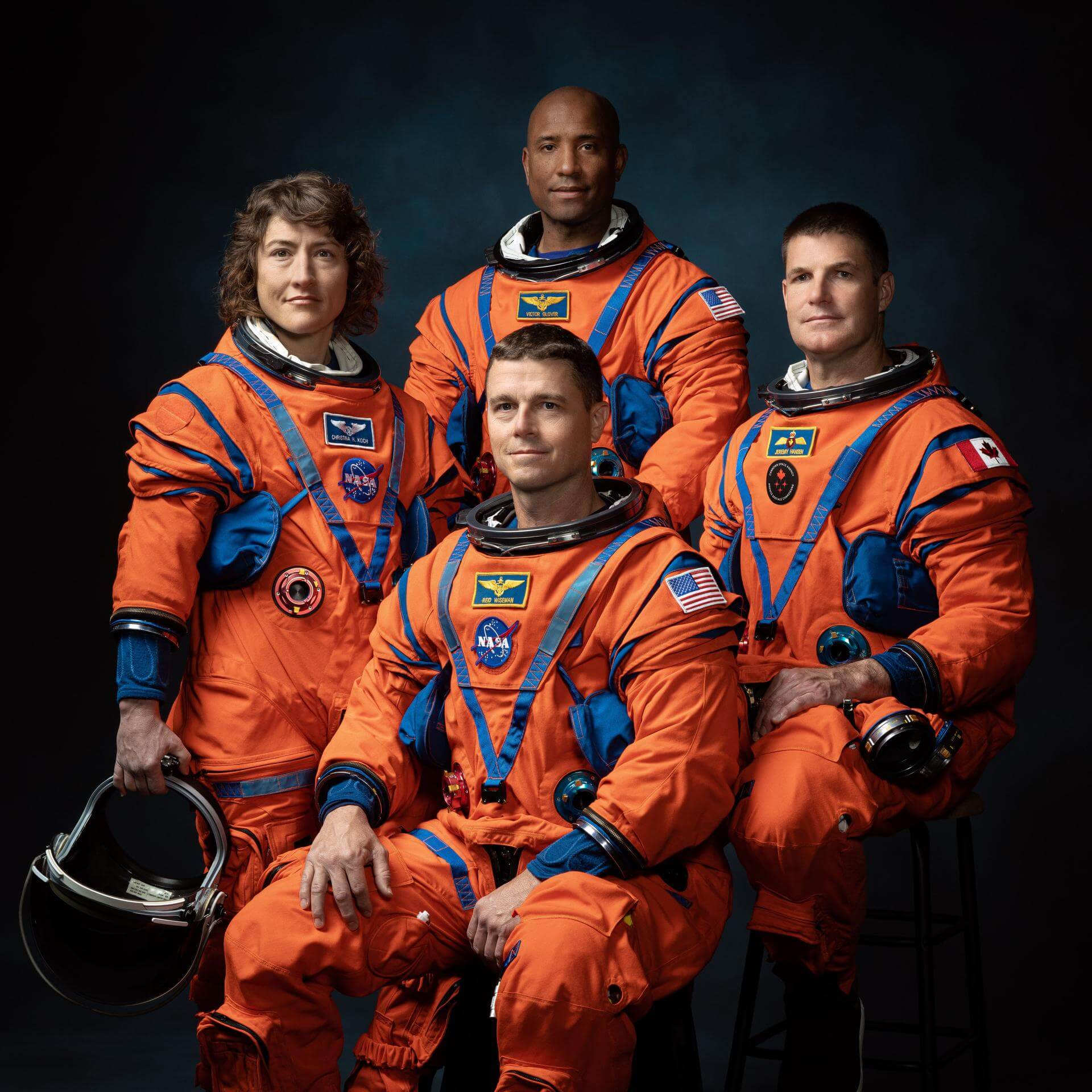
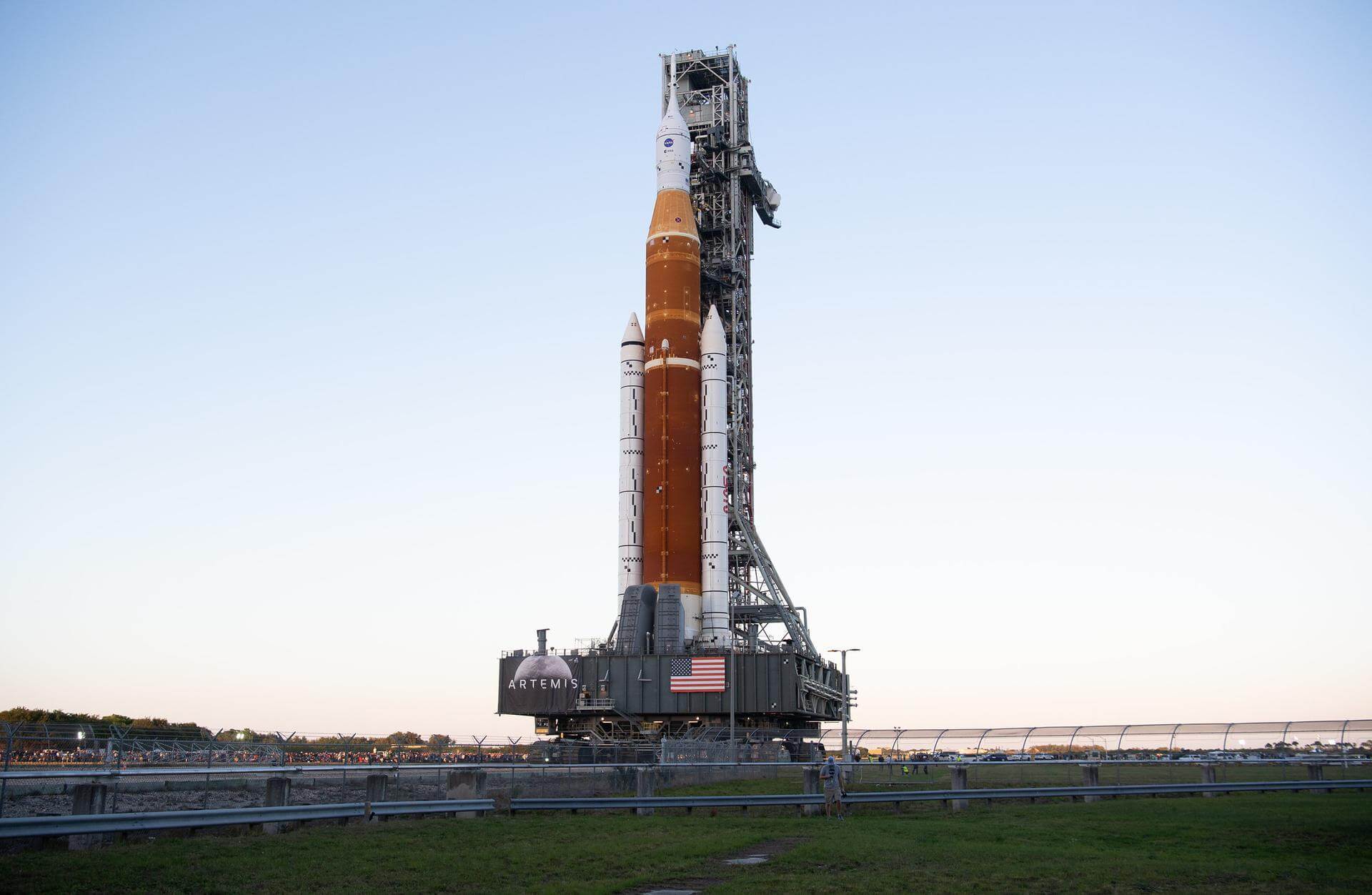
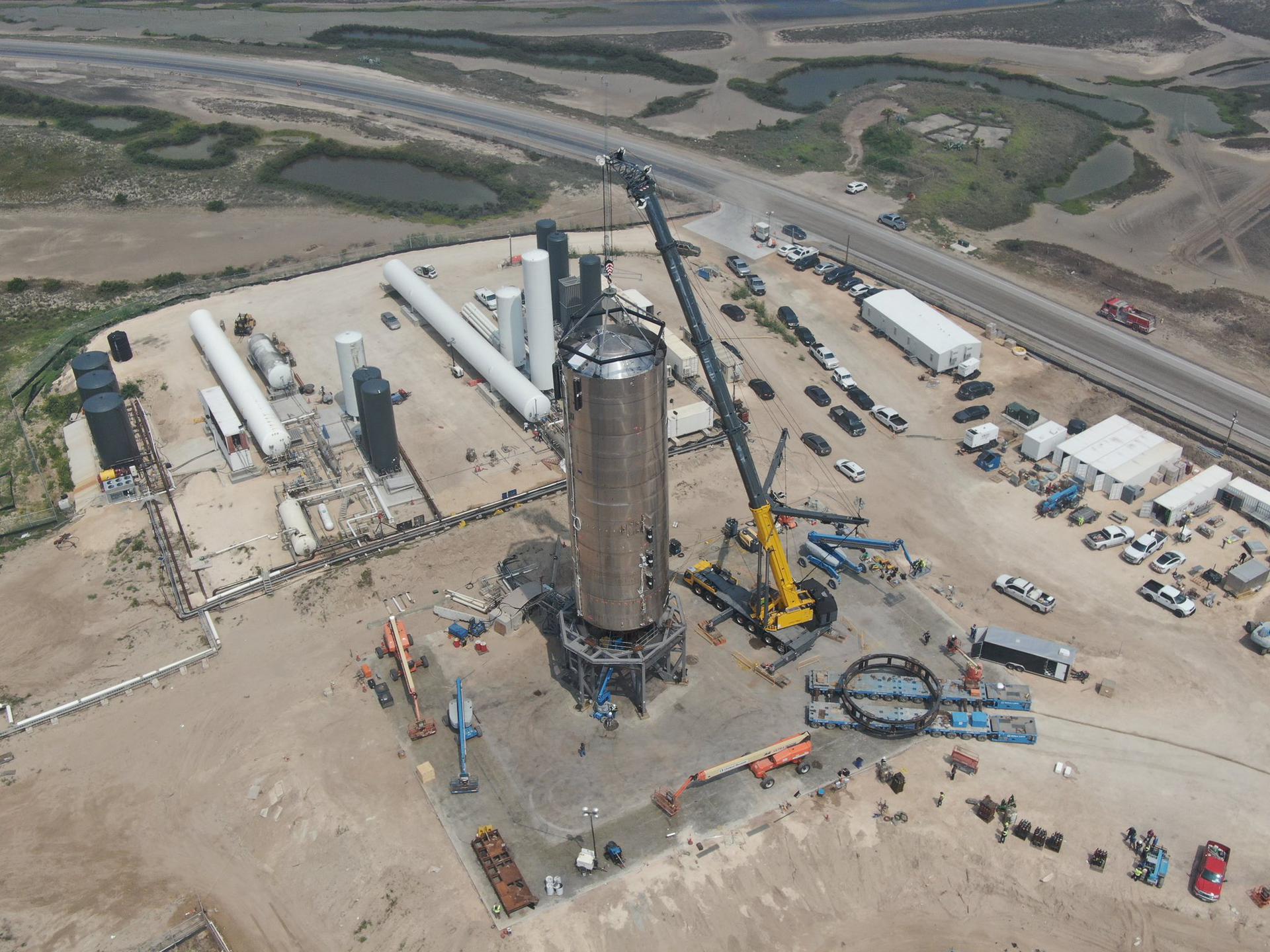
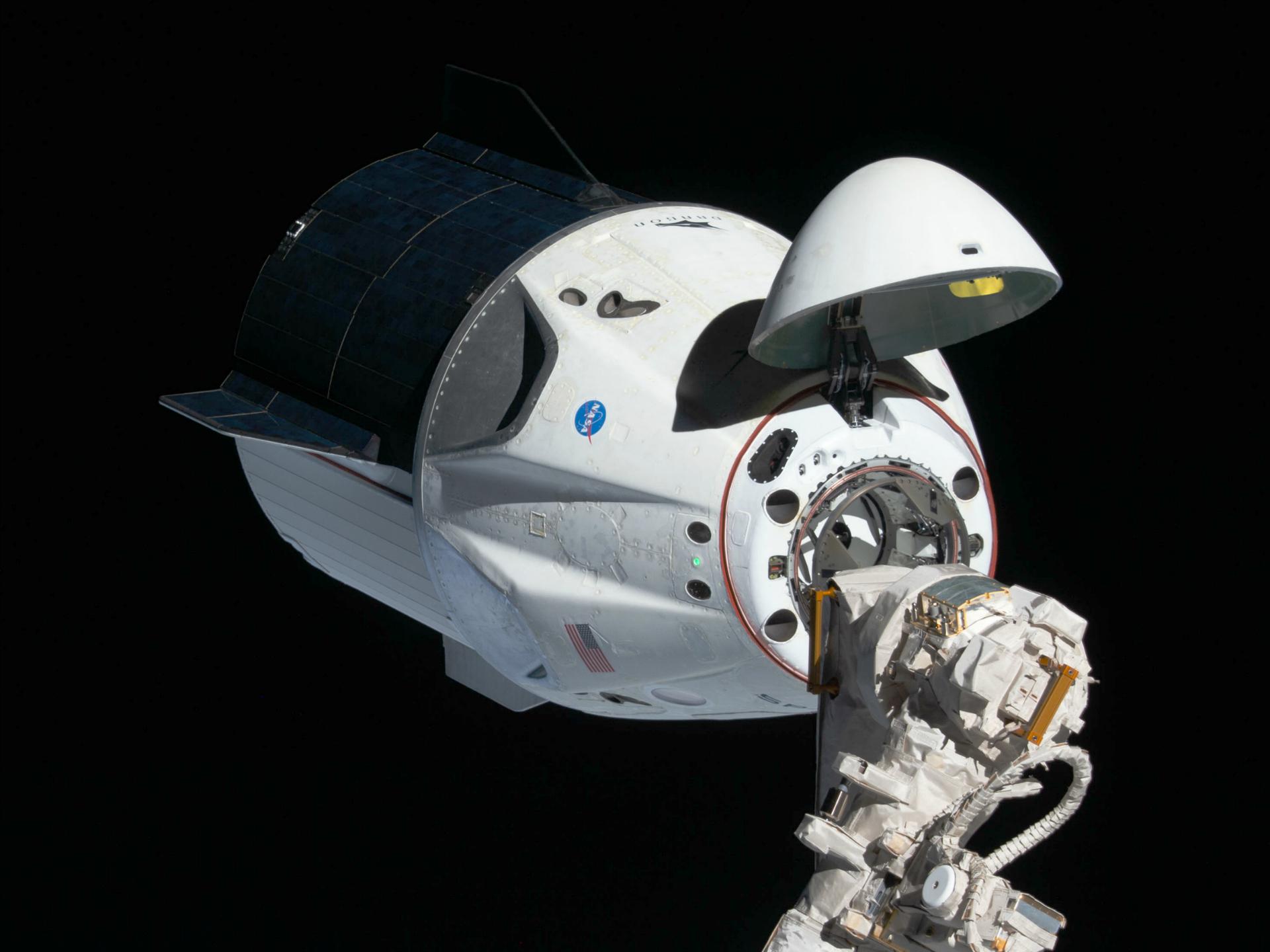
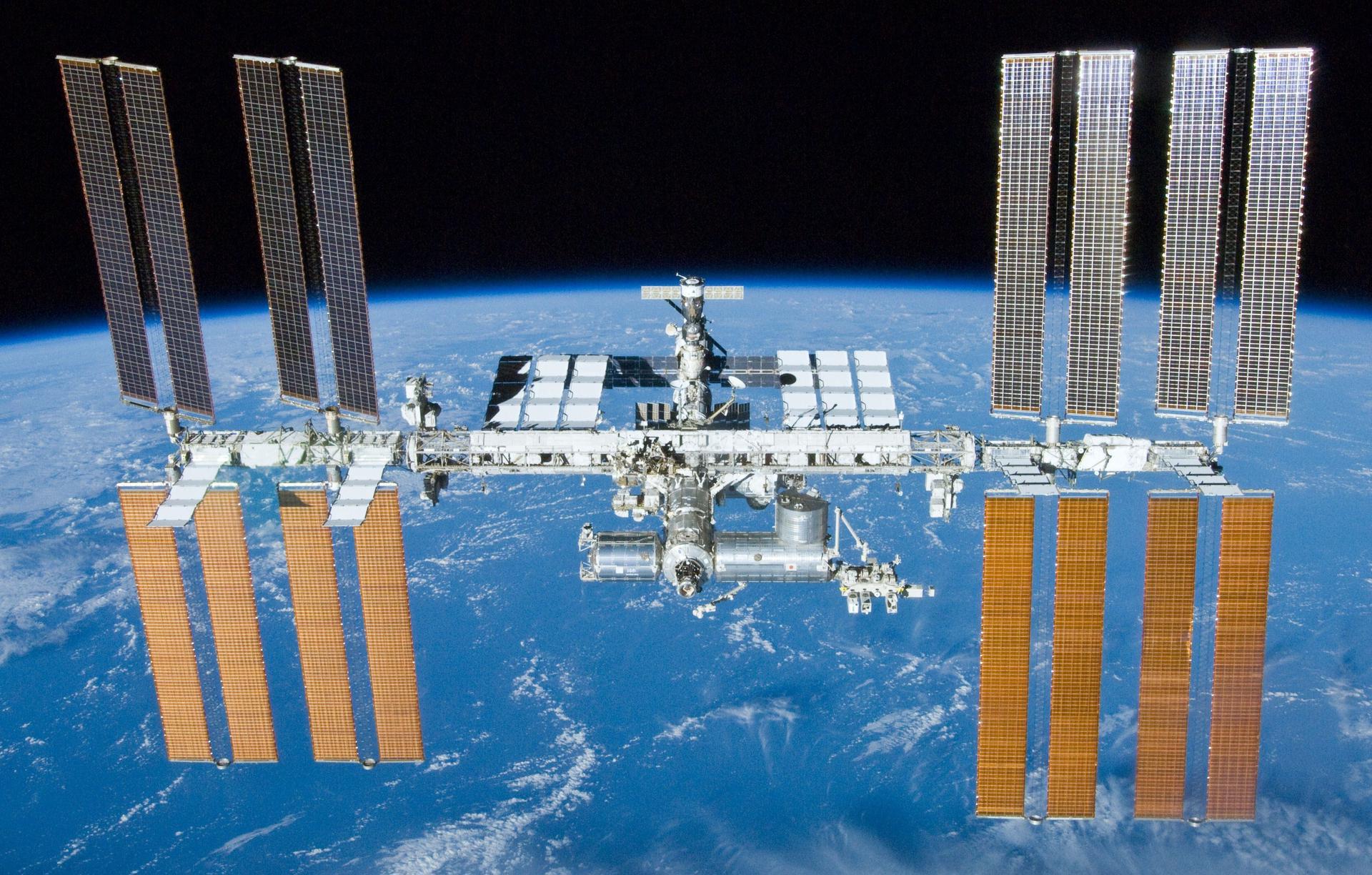
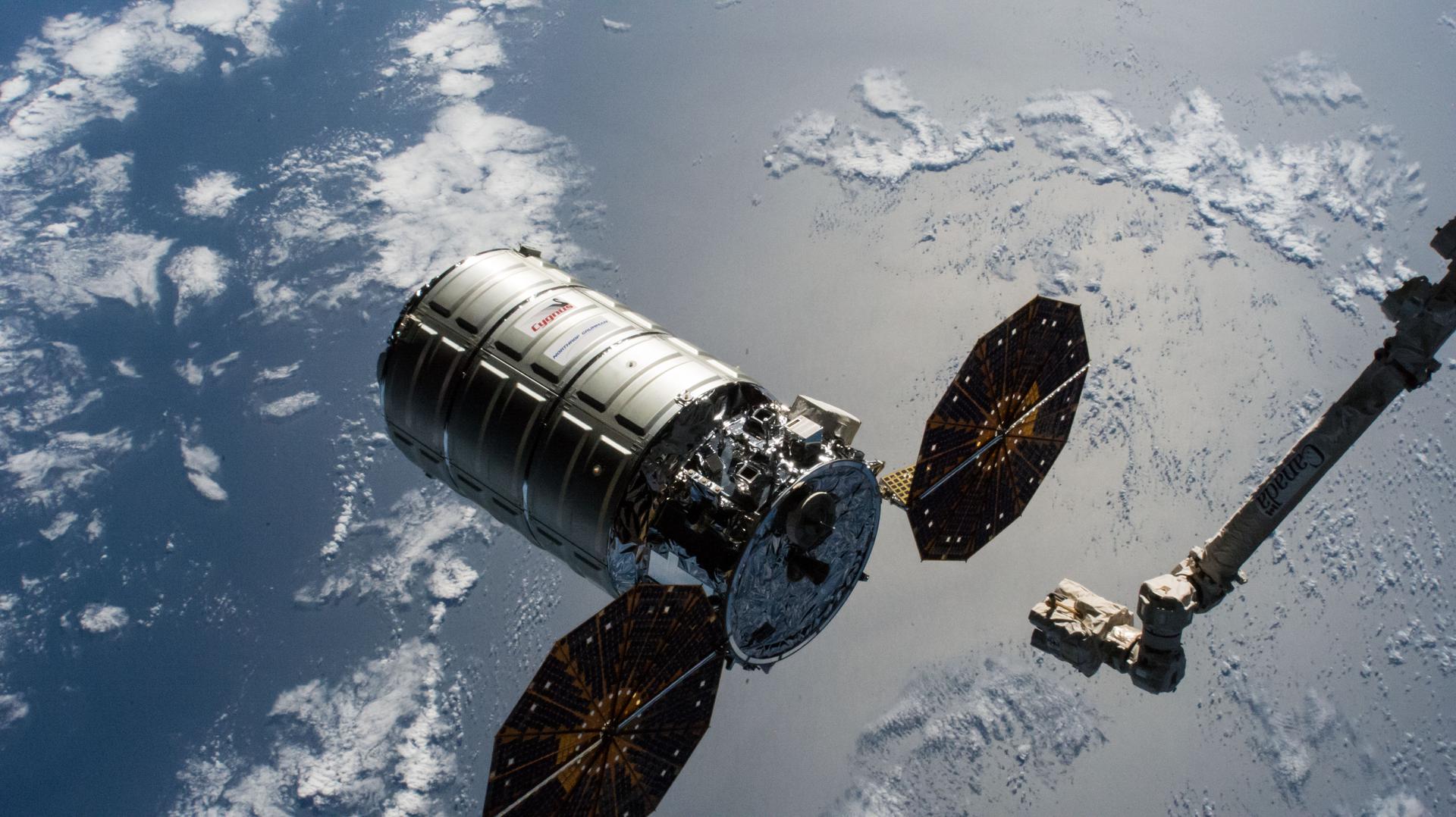
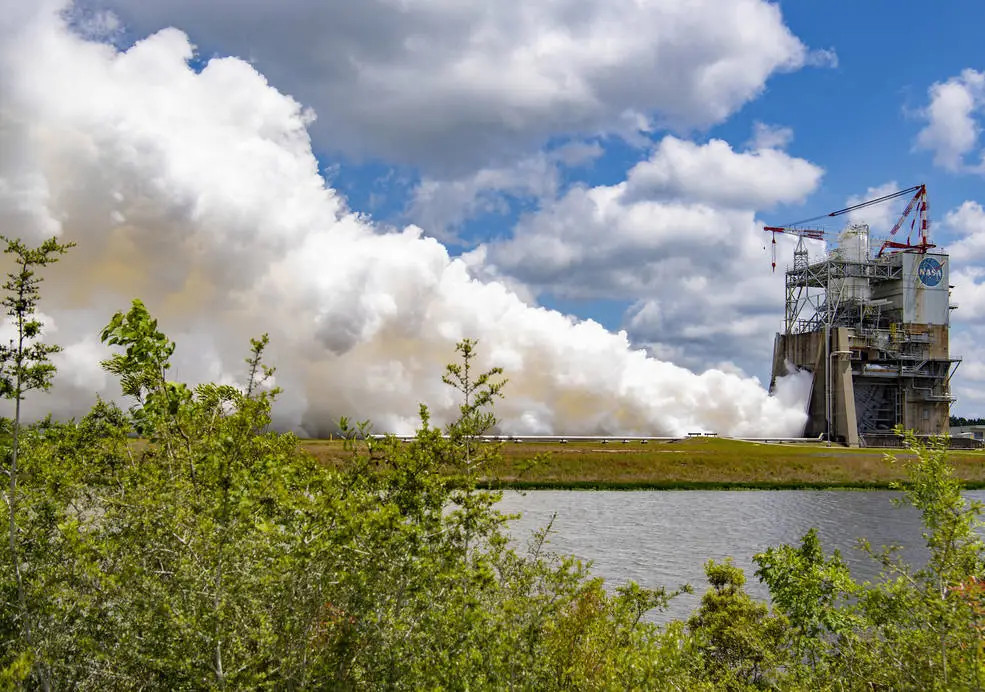
{ "count": 1201, "next": "https://lldev.thespacedevs.com/2.0.0/event/?format=api&limit=10&offset=230", "previous": "https://lldev.thespacedevs.com/2.0.0/event/?format=api&limit=10&offset=210", "results": [ { "id": 1411, "url": "https://lldev.thespacedevs.com/2.0.0/event/1411/?format=api", "slug": "nasas-artemis-ii-crew-return-to-houston", "name": "NASA's Artemis II Crew Return to Houston", "type": { "id": 20, "name": "Press Event" }, "description": "After their historic journey around the Moon, the Artemis II astronauts are coming home. Watch as they arrive in Houston, Texas, home to NASA's Johnson Space Center.\r\n\r\nNASA astronauts Reid Wiseman, Victor Glover, Christina Koch, and CSA (Canadian Space Agency) astronaut Jeremy Hansen splashed down in the Pacific Ocean on April 10, 2026, concluding the Artemis II mission. The crew accomplished many milestones on their 10-day mission, surpassing the Apollo 13 record for farthest crewed spaceflight and observing the lunar surface like never before, capturing iconic views.", "location": "Johnson Space Center, TX, USA", "news_url": null, "video_url": "https://www.youtube.com/watch?v=DYY4nnfxKbU", "feature_image": "https://thespacedevs-dev.nyc3.digitaloceanspaces.com/media/images/nasa_artemis_ii_image_20230403161326.jpeg", "date": "2026-04-11T20:00:00Z", "launches": [ { "id": "41699701-2ef4-4b0c-ac9d-6757820cde87", "url": "https://lldev.thespacedevs.com/2.0.0/launch/41699701-2ef4-4b0c-ac9d-6757820cde87/?format=api", "launch_library_id": 1379, "slug": "sls-block-1-artemis-ii", "name": "SLS Block 1 | Artemis II", "status": { "id": 3, "name": "Success" }, "net": "2026-04-01T22:35:12Z", "window_end": "2026-04-02T00:24:00Z", "window_start": "2026-04-01T22:24:00Z", "inhold": false, "tbdtime": false, "tbddate": false, "probability": 90, "holdreason": "", "failreason": "", "hashtag": null, "launch_service_provider": { "id": 44, "url": "https://lldev.thespacedevs.com/2.0.0/agencies/44/?format=api", "name": "National Aeronautics and Space Administration", "type": "Government" }, "rocket": { "id": 187, "configuration": { "id": 143, "launch_library_id": 144, "url": "https://lldev.thespacedevs.com/2.0.0/config/launcher/143/?format=api", "name": "Space Launch System (SLS)", "family": "Space Launch System", "full_name": "Space Launch System Block 1", "variant": "Block 1" } }, "mission": { "id": 6343, "launch_library_id": null, "name": "Artemis II", "description": "Artemis II is the first crewed mission as part of the Artemis program. Artemis II will send a crew of 4 - 3 Americans and 1 Canadian around the moon and return them back to Earth.\r\n\r\nThe mission will test the core systems of NASA's Orion spacecraft including the critical life support system, among other systems which could not be tested during Artemis I due to the lack of crew onboard.", "launch_designator": null, "type": "Human Exploration", "orbit": { "id": 9, "name": "Lunar flyby", "abbrev": "Lunar flyby" } }, "pad": { "id": 4, "url": "https://lldev.thespacedevs.com/2.0.0/pad/4/?format=api", "agency_id": 44, "name": "Launch Complex 39B", "info_url": null, "wiki_url": "https://en.wikipedia.org/wiki/Kennedy_Space_Center_Launch_Complex_39#Launch_Pad_39B", "map_url": "https://www.google.com/maps?q=28.62711233,-80.62101503", "latitude": "28.62711233", "longitude": "-80.62101503", "location": { "id": 27, "url": "https://lldev.thespacedevs.com/2.0.0/location/27/?format=api", "name": "Kennedy Space Center, FL, USA", "country_code": "USA", "map_image": "https://thespacedevs-dev.nyc3.digitaloceanspaces.com/media/map_images/location_27_20200803142447.jpg", "total_launch_count": 283, "total_landing_count": 0 }, "map_image": "https://thespacedevs-dev.nyc3.digitaloceanspaces.com/media/map_images/pad_4_20200803143518.jpg", "total_launch_count": 59 }, "webcast_live": false, "image": "https://thespacedevs-dev.nyc3.digitaloceanspaces.com/media/images/space_launch_sy_image_20260405204639.jpg", "infographic": "https://thespacedevs-dev.nyc3.digitaloceanspaces.com/media/infographic_images/sls2520block2_infographic_20260329082241.jpeg", "program": [ { "id": 15, "url": "https://lldev.thespacedevs.com/2.0.0/program/15/?format=api", "name": "Artemis", "description": "The Artemis program is a US government-funded crewed spaceflight program that has the goal of landing \"the first woman and the next man\" on the Moon, specifically at the lunar south pole region.", "agencies": [ { "id": 44, "url": "https://lldev.thespacedevs.com/2.0.0/agencies/44/?format=api", "name": "National Aeronautics and Space Administration", "type": "Government" } ], "image_url": "https://thespacedevs-dev.nyc3.digitaloceanspaces.com/media/images/artemis_program_20220827100930.png", "start_date": "2017-12-11T00:00:00Z", "end_date": null, "info_url": "https://www.nasa.gov/specials/artemis/", "wiki_url": "https://en.wikipedia.org/wiki/Artemis_program" } ] } ], "expeditions": [], "spacestations": [], "program": [ { "id": 15, "url": "https://lldev.thespacedevs.com/2.0.0/program/15/?format=api", "name": "Artemis", "description": "The Artemis program is a US government-funded crewed spaceflight program that has the goal of landing \"the first woman and the next man\" on the Moon, specifically at the lunar south pole region.", "agencies": [ { "id": 44, "url": "https://lldev.thespacedevs.com/2.0.0/agencies/44/?format=api", "name": "National Aeronautics and Space Administration", "type": "Government" } ], "image_url": "https://thespacedevs-dev.nyc3.digitaloceanspaces.com/media/images/artemis_program_20220827100930.png", "start_date": "2017-12-11T00:00:00Z", "end_date": null, "info_url": "https://www.nasa.gov/specials/artemis/", "wiki_url": "https://en.wikipedia.org/wiki/Artemis_program" } ] }, { "id": 737, "url": "https://lldev.thespacedevs.com/2.0.0/event/737/?format=api", "slug": "nasa-tempo-instrument-news-briefing", "name": "NASA TEMPO Instrument News Briefing", "type": { "id": 20, "name": "Press Event" }, "description": "NASA will hold a news briefing about its TEMPO (Tropospheric Emissions: Monitoring of Pollution) instrument scheduled to launch on the INTELSAT 40e satellite.", "location": "Smithsonian's National Air and Space Museum", "news_url": "https://www.nasa.gov/press-release/nasa-smithsonian-to-discuss-air-quality-satellite-instrument", "video_url": "https://www.youtube.com/watch?v=QPFP0bZefCY", "feature_image": "https://thespacedevs-dev.nyc3.digitaloceanspaces.com/media/images/nasa_tempo_inst_image_20230309175848.jpeg", "date": "2023-03-14T13:00:00Z", "launches": [], "expeditions": [], "spacestations": [], "program": [] }, { "id": 603, "url": "https://lldev.thespacedevs.com/2.0.0/event/603/?format=api", "slug": "artemis-i-mission-overview-briefing", "name": "Artemis I Mission Overview Briefing", "type": { "id": 20, "name": "Press Event" }, "description": "NASA will host a mission overview briefing about Artemis I which will send the Orion spacecraft around the Moon and back to Earth. The mission will take place over the course of about six weeks to check out systems before crew fly aboard on Artemis II.", "location": "NASA Headquarters", "news_url": "https://www.nasa.gov/press-release/nasa-to-host-briefings-to-preview-artemis-i-moon-mission", "video_url": null, "feature_image": "https://thespacedevs-dev.nyc3.digitaloceanspaces.com/media/images/artemis-1_sls_r_image_20220522090551.jpeg", "date": "2022-08-03T15:00:00Z", "launches": [], "expeditions": [], "spacestations": [], "program": [ { "id": 15, "url": "https://lldev.thespacedevs.com/2.0.0/program/15/?format=api", "name": "Artemis", "description": "The Artemis program is a US government-funded crewed spaceflight program that has the goal of landing \"the first woman and the next man\" on the Moon, specifically at the lunar south pole region.", "agencies": [ { "id": 44, "url": "https://lldev.thespacedevs.com/2.0.0/agencies/44/?format=api", "name": "National Aeronautics and Space Administration", "type": "Government" } ], "image_url": "https://thespacedevs-dev.nyc3.digitaloceanspaces.com/media/images/artemis_program_20220827100930.png", "start_date": "2017-12-11T00:00:00Z", "end_date": null, "info_url": "https://www.nasa.gov/specials/artemis/", "wiki_url": "https://en.wikipedia.org/wiki/Artemis_program" } ] }, { "id": 105, "url": "https://lldev.thespacedevs.com/2.0.0/event/105/?format=api", "slug": "starship-sn4-static-fire-3", "name": "Starship SN4 Static Fire", "type": { "id": 5, "name": "Static Fire" }, "description": "The SpaceX Starship SN4 Prototype has successfully performed its third static fire.", "location": "Boca Chica, Texas", "news_url": "https://spaceflightnow.com/2020/05/06/spacex-test-fires-raptor-engine-on-starship-test-rocket/", "video_url": "https://www.youtube.com/watch?v=kICMCCXAKVg", "feature_image": "https://thespacedevs-dev.nyc3.digitaloceanspaces.com/media/images/sn4_static_fire_image_20200506020647.jpeg", "date": "2020-05-19T18:00:54Z", "launches": [], "expeditions": [], "spacestations": [], "program": [ { "id": 1, "url": "https://lldev.thespacedevs.com/2.0.0/program/1/?format=api", "name": "SpaceX Starship", "description": "The SpaceX Starship is a fully reusable super heavy-lift launch vehicle under development by SpaceX since 2012, as a self-funded private spaceflight project. The second stage of the Starship — is designed as a long-duration cargo and passenger-carrying spacecraft. It is expected to be initially used without any booster stage at all, as part of an extensive development program to prove out launch-and-landing and iterate on a variety of design details, particularly with respect to the vehicle's atmospheric reentry.", "agencies": [ { "id": 121, "url": "https://lldev.thespacedevs.com/2.0.0/agencies/121/?format=api", "name": "SpaceX", "type": "Commercial" } ], "image_url": "https://thespacedevs-dev.nyc3.digitaloceanspaces.com/media/images/starship_on_the_image_20250111100520.jpg", "start_date": "2019-03-01T05:00:00Z", "end_date": null, "info_url": "https://www.spacex.com/vehicles/starship/", "wiki_url": "https://en.wikipedia.org/wiki/SpaceX_Starship" } ] }, { "id": 187, "url": "https://lldev.thespacedevs.com/2.0.0/event/187/?format=api", "slug": "spacex-crew-1-resilience-crew-dragon-docking", "name": "SpaceX Crew-1 \"Resilience\" Crew Dragon Docking", "type": { "id": 2, "name": "Docking" }, "description": "The \"Resilience\" Crew Dragon will dock autonomously to the International Space Station, carrying JAXA astronaut Soichi Noguchi and NASA astronauts Victor J. Glover, Shannon Walker and Michael S. Hopkins to the International Space Station as crew members of Expedition 64.", "location": "International Space Station", "news_url": null, "video_url": "https://www.youtube.com/watch?v=aT4rITutAwA", "feature_image": "https://thespacedevs-dev.nyc3.digitaloceanspaces.com/media/images/spacex_dm-2_cre_image_20200504065311.jpeg", "date": "2020-11-17T04:00:00Z", "launches": [], "expeditions": [ { "id": 140, "url": "https://lldev.thespacedevs.com/2.0.0/expedition/140/?format=api", "name": "Expedition 64", "start": "2020-10-20T20:15:00Z", "end": "2021-04-17T01:34:00Z", "spacestation": { "id": 4, "url": "https://lldev.thespacedevs.com/2.0.0/spacestation/4/?format=api", "name": "International Space Station", "status": { "id": 1, "name": "Active" }, "orbit": "Low Earth Orbit", "image_url": "https://thespacedevs-dev.nyc3.digitaloceanspaces.com/media/images/international2520space2520station_image_20190220215716.jpeg" } } ], "spacestations": [ { "id": 4, "url": "https://lldev.thespacedevs.com/2.0.0/spacestation/4/?format=api", "name": "International Space Station", "status": { "id": 1, "name": "Active" }, "founded": "1998-11-20", "description": "The International Space Station (ISS) is a space station, or a habitable artificial satellite, in low Earth orbit. Its first component was launched into orbit in 1998, with the first long-term residents arriving in November 2000. It has been inhabited continuously since that date. The last pressurised module was fitted in 2011, and an experimental inflatable space habitat was added in 2016. The station is expected to operate until 2030. Development and assembly of the station continues, with several new elements scheduled for launch in 2019. The ISS is the largest human-made body in low Earth orbit and can often be seen with the naked eye from Earth. The ISS consists of pressurised habitation modules, structural trusses, solar arrays, radiators, docking ports, experiment bays and robotic arms. ISS components have been launched by Russian Proton and Soyuz rockets, and American Space Shuttles.", "orbit": "Low Earth Orbit", "image_url": "https://thespacedevs-dev.nyc3.digitaloceanspaces.com/media/images/international2520space2520station_image_20190220215716.jpeg" } ], "program": [ { "id": 5, "url": "https://lldev.thespacedevs.com/2.0.0/program/5/?format=api", "name": "Commercial Crew Program", "description": "The Commercial Crew Program (CCP) is a human spaceflight program operated by NASA, in association with American aerospace manufacturers Boeing and SpaceX. The program conducts rotations between the expeditions of the International Space Station program, transporting crews to and from the International Space Station (ISS) aboard Boeing Starliner and SpaceX Crew Dragon capsules, in the first crewed orbital spaceflights operated by private companies.", "agencies": [ { "id": 80, "url": "https://lldev.thespacedevs.com/2.0.0/agencies/80/?format=api", "name": "Boeing", "type": "Commercial" }, { "id": 44, "url": "https://lldev.thespacedevs.com/2.0.0/agencies/44/?format=api", "name": "National Aeronautics and Space Administration", "type": "Government" }, { "id": 121, "url": "https://lldev.thespacedevs.com/2.0.0/agencies/121/?format=api", "name": "SpaceX", "type": "Commercial" } ], "image_url": "https://thespacedevs-dev.nyc3.digitaloceanspaces.com/media/images/commercial2520_program_20200820201209.png", "start_date": "2011-04-18T00:00:00Z", "end_date": null, "info_url": "https://www.nasa.gov/exploration/commercial/crew/index.html", "wiki_url": "https://en.wikipedia.org/wiki/Commercial_Crew_Program" }, { "id": 17, "url": "https://lldev.thespacedevs.com/2.0.0/program/17/?format=api", "name": "International Space Station", "description": "The International Space Station programme is tied together by a complex set of legal, political and financial agreements between the sixteen nations involved in the project, governing ownership of the various components, rights to crewing and utilization, and responsibilities for crew rotation and resupply of the International Space Station. It was conceived in 1984 by President Ronald Reagan, during the Space Station Freedom project as it was originally called.", "agencies": [ { "id": 16, "url": "https://lldev.thespacedevs.com/2.0.0/agencies/16/?format=api", "name": "Canadian Space Agency", "type": "Government" }, { "id": 27, "url": "https://lldev.thespacedevs.com/2.0.0/agencies/27/?format=api", "name": "European Space Agency", "type": "Multinational" }, { "id": 37, "url": "https://lldev.thespacedevs.com/2.0.0/agencies/37/?format=api", "name": "Japan Aerospace Exploration Agency", "type": "Government" }, { "id": 44, "url": "https://lldev.thespacedevs.com/2.0.0/agencies/44/?format=api", "name": "National Aeronautics and Space Administration", "type": "Government" }, { "id": 63, "url": "https://lldev.thespacedevs.com/2.0.0/agencies/63/?format=api", "name": "Russian Federal Space Agency (ROSCOSMOS)", "type": "Government" } ], "image_url": "https://thespacedevs-dev.nyc3.digitaloceanspaces.com/media/images/international2_program_20201129184745.png", "start_date": "1998-11-20T06:40:00Z", "end_date": null, "info_url": "https://www.nasa.gov/mission_pages/station/main/index.html", "wiki_url": "https://en.wikipedia.org/wiki/International_Space_Station_programme" } ] }, { "id": 371, "url": "https://lldev.thespacedevs.com/2.0.0/event/371/?format=api", "slug": "ng-18-cygnus-release-reentry", "name": "NG-18 Cygnus Release & Reentry", "type": { "id": 13, "name": "Spacecraft Release" }, "description": "The Northrop Grumman NG-18 Cygnus will be unberthed from the ISS before initiating a destructive reentry into the Earth's atmosphere taking waste along with it.", "location": "International Space Station", "news_url": null, "video_url": null, "feature_image": "https://thespacedevs-dev.nyc3.digitaloceanspaces.com/media/images/ng-112520cygnus2520release2520and2520reentry_image_20190716173223.jpeg", "date": "2023-04-21T11:20:00Z", "launches": [], "expeditions": [], "spacestations": [ { "id": 4, "url": "https://lldev.thespacedevs.com/2.0.0/spacestation/4/?format=api", "name": "International Space Station", "status": { "id": 1, "name": "Active" }, "founded": "1998-11-20", "description": "The International Space Station (ISS) is a space station, or a habitable artificial satellite, in low Earth orbit. Its first component was launched into orbit in 1998, with the first long-term residents arriving in November 2000. It has been inhabited continuously since that date. The last pressurised module was fitted in 2011, and an experimental inflatable space habitat was added in 2016. The station is expected to operate until 2030. Development and assembly of the station continues, with several new elements scheduled for launch in 2019. The ISS is the largest human-made body in low Earth orbit and can often be seen with the naked eye from Earth. The ISS consists of pressurised habitation modules, structural trusses, solar arrays, radiators, docking ports, experiment bays and robotic arms. ISS components have been launched by Russian Proton and Soyuz rockets, and American Space Shuttles.", "orbit": "Low Earth Orbit", "image_url": "https://thespacedevs-dev.nyc3.digitaloceanspaces.com/media/images/international2520space2520station_image_20190220215716.jpeg" } ], "program": [ { "id": 11, "url": "https://lldev.thespacedevs.com/2.0.0/program/11/?format=api", "name": "Commercial Resupply Services", "description": "Commercial Resupply Services (CRS) are a series of flights awarded by NASA for the delivery of cargo and supplies to the International Space Station.The first CRS contracts were signed in 2008 and awarded $1.6 billion to SpaceX for twelve cargo Dragon and $1.9 billion to Orbital Sciences for eight Cygnus flights, covering deliveries to 2016. The Falcon 9 and Antares rockets were also developed under the CRS program to deliver cargo spacecraft to the ISS.", "agencies": [ { "id": 44, "url": "https://lldev.thespacedevs.com/2.0.0/agencies/44/?format=api", "name": "National Aeronautics and Space Administration", "type": "Government" }, { "id": 257, "url": "https://lldev.thespacedevs.com/2.0.0/agencies/257/?format=api", "name": "Northrop Grumman Space Systems", "type": "Commercial" }, { "id": 1020, "url": "https://lldev.thespacedevs.com/2.0.0/agencies/1020/?format=api", "name": "Sierra Nevada Corporation", "type": "Commercial" }, { "id": 121, "url": "https://lldev.thespacedevs.com/2.0.0/agencies/121/?format=api", "name": "SpaceX", "type": "Commercial" } ], "image_url": "https://thespacedevs-dev.nyc3.digitaloceanspaces.com/media/images/commercial2520_program_20201129212219.png", "start_date": "2008-12-23T00:00:00Z", "end_date": null, "info_url": null, "wiki_url": "https://en.wikipedia.org/wiki/Commercial_Resupply_Services#Commercial_Resupply_Services" }, { "id": 17, "url": "https://lldev.thespacedevs.com/2.0.0/program/17/?format=api", "name": "International Space Station", "description": "The International Space Station programme is tied together by a complex set of legal, political and financial agreements between the sixteen nations involved in the project, governing ownership of the various components, rights to crewing and utilization, and responsibilities for crew rotation and resupply of the International Space Station. It was conceived in 1984 by President Ronald Reagan, during the Space Station Freedom project as it was originally called.", "agencies": [ { "id": 16, "url": "https://lldev.thespacedevs.com/2.0.0/agencies/16/?format=api", "name": "Canadian Space Agency", "type": "Government" }, { "id": 27, "url": "https://lldev.thespacedevs.com/2.0.0/agencies/27/?format=api", "name": "European Space Agency", "type": "Multinational" }, { "id": 37, "url": "https://lldev.thespacedevs.com/2.0.0/agencies/37/?format=api", "name": "Japan Aerospace Exploration Agency", "type": "Government" }, { "id": 44, "url": "https://lldev.thespacedevs.com/2.0.0/agencies/44/?format=api", "name": "National Aeronautics and Space Administration", "type": "Government" }, { "id": 63, "url": "https://lldev.thespacedevs.com/2.0.0/agencies/63/?format=api", "name": "Russian Federal Space Agency (ROSCOSMOS)", "type": "Government" } ], "image_url": "https://thespacedevs-dev.nyc3.digitaloceanspaces.com/media/images/international2_program_20201129184745.png", "start_date": "1998-11-20T06:40:00Z", "end_date": null, "info_url": "https://www.nasa.gov/mission_pages/station/main/index.html", "wiki_url": "https://en.wikipedia.org/wiki/International_Space_Station_programme" } ] }, { "id": 59, "url": "https://lldev.thespacedevs.com/2.0.0/event/59/?format=api", "slug": "ng-12-cygnus-berthing", "name": "NG-12 Cygnus Berthing", "type": { "id": 4, "name": "Spacecraft Berthing" }, "description": "NASA TV will live stream the rendezvous and capture of Northrop Grumman's NG-12 Cygnus cargo craft to the International Space Station.\r\n\r\nCapture is scheduled at 09:10 UTC.", "location": "International Space Station", "news_url": "https://www.nasa.gov/multimedia/nasatv/schedule.html", "video_url": null, "feature_image": "https://thespacedevs-dev.nyc3.digitaloceanspaces.com/media/images/ng-112520cygnus2520release2520and2520reentry_image_20190716173223.jpeg", "date": "2019-11-04T09:10:00Z", "launches": [], "expeditions": [], "spacestations": [ { "id": 4, "url": "https://lldev.thespacedevs.com/2.0.0/spacestation/4/?format=api", "name": "International Space Station", "status": { "id": 1, "name": "Active" }, "founded": "1998-11-20", "description": "The International Space Station (ISS) is a space station, or a habitable artificial satellite, in low Earth orbit. Its first component was launched into orbit in 1998, with the first long-term residents arriving in November 2000. It has been inhabited continuously since that date. The last pressurised module was fitted in 2011, and an experimental inflatable space habitat was added in 2016. The station is expected to operate until 2030. Development and assembly of the station continues, with several new elements scheduled for launch in 2019. The ISS is the largest human-made body in low Earth orbit and can often be seen with the naked eye from Earth. The ISS consists of pressurised habitation modules, structural trusses, solar arrays, radiators, docking ports, experiment bays and robotic arms. ISS components have been launched by Russian Proton and Soyuz rockets, and American Space Shuttles.", "orbit": "Low Earth Orbit", "image_url": "https://thespacedevs-dev.nyc3.digitaloceanspaces.com/media/images/international2520space2520station_image_20190220215716.jpeg" } ], "program": [] }, { "id": 894, "url": "https://lldev.thespacedevs.com/2.0.0/event/894/?format=api", "slug": "rs-25-engine-test-24", "name": "RS-25 Engine Test", "type": { "id": 5, "name": "Static Fire" }, "description": "NASA will perform a RS-25 static fire as part of the final round of certification testing ahead of production of an updated set of the engines for the SLS (Space Launch System) rocket.\r\nThe test is scheduled for 500 seconds and will fire the RS-25 engine up to 113% power level.", "location": "Fred Haise Test Stand, NASA’s Stennis Space Center", "news_url": null, "video_url": "https://www.youtube.com/watch?v=ZQAkoDzoPAc", "feature_image": "https://thespacedevs-dev.nyc3.digitaloceanspaces.com/media/images/rs-25_engine_te_image_20231003182719.jpeg", "date": "2023-11-15T20:46:00Z", "launches": [], "expeditions": [], "spacestations": [], "program": [ { "id": 15, "url": "https://lldev.thespacedevs.com/2.0.0/program/15/?format=api", "name": "Artemis", "description": "The Artemis program is a US government-funded crewed spaceflight program that has the goal of landing \"the first woman and the next man\" on the Moon, specifically at the lunar south pole region.", "agencies": [ { "id": 44, "url": "https://lldev.thespacedevs.com/2.0.0/agencies/44/?format=api", "name": "National Aeronautics and Space Administration", "type": "Government" } ], "image_url": "https://thespacedevs-dev.nyc3.digitaloceanspaces.com/media/images/artemis_program_20220827100930.png", "start_date": "2017-12-11T00:00:00Z", "end_date": null, "info_url": "https://www.nasa.gov/specials/artemis/", "wiki_url": "https://en.wikipedia.org/wiki/Artemis_program" } ] }, { "id": 738, "url": "https://lldev.thespacedevs.com/2.0.0/event/738/?format=api", "slug": "nasa-artemis-ii-crew-reveal", "name": "NASA Artemis II Crew Reveal", "type": { "id": 20, "name": "Press Event" }, "description": "NASA will reveal the crew of its Artemis II mission that will fly around the moon in 2024. Out of four crew members, three will be NASA astronauts and one will be a CSA astronaut.", "location": "Johnson Space Center, Houston, TX, USA", "news_url": null, "video_url": "https://www.youtube.com/watch?v=mua1Lysc_JQ", "feature_image": "https://thespacedevs-dev.nyc3.digitaloceanspaces.com/media/images/nasa_artemis_ii_image_20230309210433.jpg", "date": "2023-04-03T15:00:00Z", "launches": [ { "id": "41699701-2ef4-4b0c-ac9d-6757820cde87", "url": "https://lldev.thespacedevs.com/2.0.0/launch/41699701-2ef4-4b0c-ac9d-6757820cde87/?format=api", "launch_library_id": 1379, "slug": "sls-block-1-artemis-ii", "name": "SLS Block 1 | Artemis II", "status": { "id": 3, "name": "Success" }, "net": "2026-04-01T22:35:12Z", "window_end": "2026-04-02T00:24:00Z", "window_start": "2026-04-01T22:24:00Z", "inhold": false, "tbdtime": false, "tbddate": false, "probability": 90, "holdreason": "", "failreason": "", "hashtag": null, "launch_service_provider": { "id": 44, "url": "https://lldev.thespacedevs.com/2.0.0/agencies/44/?format=api", "name": "National Aeronautics and Space Administration", "type": "Government" }, "rocket": { "id": 187, "configuration": { "id": 143, "launch_library_id": 144, "url": "https://lldev.thespacedevs.com/2.0.0/config/launcher/143/?format=api", "name": "Space Launch System (SLS)", "family": "Space Launch System", "full_name": "Space Launch System Block 1", "variant": "Block 1" } }, "mission": { "id": 6343, "launch_library_id": null, "name": "Artemis II", "description": "Artemis II is the first crewed mission as part of the Artemis program. Artemis II will send a crew of 4 - 3 Americans and 1 Canadian around the moon and return them back to Earth.\r\n\r\nThe mission will test the core systems of NASA's Orion spacecraft including the critical life support system, among other systems which could not be tested during Artemis I due to the lack of crew onboard.", "launch_designator": null, "type": "Human Exploration", "orbit": { "id": 9, "name": "Lunar flyby", "abbrev": "Lunar flyby" } }, "pad": { "id": 4, "url": "https://lldev.thespacedevs.com/2.0.0/pad/4/?format=api", "agency_id": 44, "name": "Launch Complex 39B", "info_url": null, "wiki_url": "https://en.wikipedia.org/wiki/Kennedy_Space_Center_Launch_Complex_39#Launch_Pad_39B", "map_url": "https://www.google.com/maps?q=28.62711233,-80.62101503", "latitude": "28.62711233", "longitude": "-80.62101503", "location": { "id": 27, "url": "https://lldev.thespacedevs.com/2.0.0/location/27/?format=api", "name": "Kennedy Space Center, FL, USA", "country_code": "USA", "map_image": "https://thespacedevs-dev.nyc3.digitaloceanspaces.com/media/map_images/location_27_20200803142447.jpg", "total_launch_count": 283, "total_landing_count": 0 }, "map_image": "https://thespacedevs-dev.nyc3.digitaloceanspaces.com/media/map_images/pad_4_20200803143518.jpg", "total_launch_count": 59 }, "webcast_live": false, "image": "https://thespacedevs-dev.nyc3.digitaloceanspaces.com/media/images/space_launch_sy_image_20260405204639.jpg", "infographic": "https://thespacedevs-dev.nyc3.digitaloceanspaces.com/media/infographic_images/sls2520block2_infographic_20260329082241.jpeg", "program": [ { "id": 15, "url": "https://lldev.thespacedevs.com/2.0.0/program/15/?format=api", "name": "Artemis", "description": "The Artemis program is a US government-funded crewed spaceflight program that has the goal of landing \"the first woman and the next man\" on the Moon, specifically at the lunar south pole region.", "agencies": [ { "id": 44, "url": "https://lldev.thespacedevs.com/2.0.0/agencies/44/?format=api", "name": "National Aeronautics and Space Administration", "type": "Government" } ], "image_url": "https://thespacedevs-dev.nyc3.digitaloceanspaces.com/media/images/artemis_program_20220827100930.png", "start_date": "2017-12-11T00:00:00Z", "end_date": null, "info_url": "https://www.nasa.gov/specials/artemis/", "wiki_url": "https://en.wikipedia.org/wiki/Artemis_program" } ] } ], "expeditions": [], "spacestations": [], "program": [ { "id": 15, "url": "https://lldev.thespacedevs.com/2.0.0/program/15/?format=api", "name": "Artemis", "description": "The Artemis program is a US government-funded crewed spaceflight program that has the goal of landing \"the first woman and the next man\" on the Moon, specifically at the lunar south pole region.", "agencies": [ { "id": 44, "url": "https://lldev.thespacedevs.com/2.0.0/agencies/44/?format=api", "name": "National Aeronautics and Space Administration", "type": "Government" } ], "image_url": "https://thespacedevs-dev.nyc3.digitaloceanspaces.com/media/images/artemis_program_20220827100930.png", "start_date": "2017-12-11T00:00:00Z", "end_date": null, "info_url": "https://www.nasa.gov/specials/artemis/", "wiki_url": "https://en.wikipedia.org/wiki/Artemis_program" } ] }, { "id": 56, "url": "https://lldev.thespacedevs.com/2.0.0/event/56/?format=api", "slug": "nasa-administrator-visit-at-spacex-headquarters", "name": "NASA Administrator Visit at SpaceX Headquarters", "type": { "id": 20, "name": "Press Event" }, "description": "NASA Administrator Jim Bridenstine will tour SpaceX headquarters in Hawthorne, California, on Thursday, Oct. 10, to see the progress the company is making to fly astronauts to and from the International Space Station from American soil as part of the agency’s Commercial Crew Program.\r\n\r\nFollowing the tour, SpaceX will host a media availability with Bridenstine, SpaceX Chief Engineer Elon Musk, and NASA astronauts Bob Behnken and Doug Hurley – the crew for the Demo-2 flight test to the space station.\r\n\r\nThe media availability will be streamed live on Bridenstine’s Twitter account.", "location": "SpaceX Headquarters, Hawthorne, CA, USA", "news_url": "https://www.nasa.gov/press-release/nasa-administrator-to-visit-spacex-headquarters", "video_url": null, "feature_image": "https://thespacedevs-dev.nyc3.digitaloceanspaces.com/media/images/nasa2520administrator2520visit2520at2520spacex2520headquarters_image_20191010080759.jpeg", "date": "2019-10-10T21:00:00Z", "launches": [], "expeditions": [], "spacestations": [], "program": [] } ] }