Event List
API endpoint that allows all Events to be viewed.
GET: Return a list of all Events
SEARCH EXAMPLE: /2.0.0/event/?search=Dragon Searches through name
GET /2.0.0/event/?format=api&offset=120
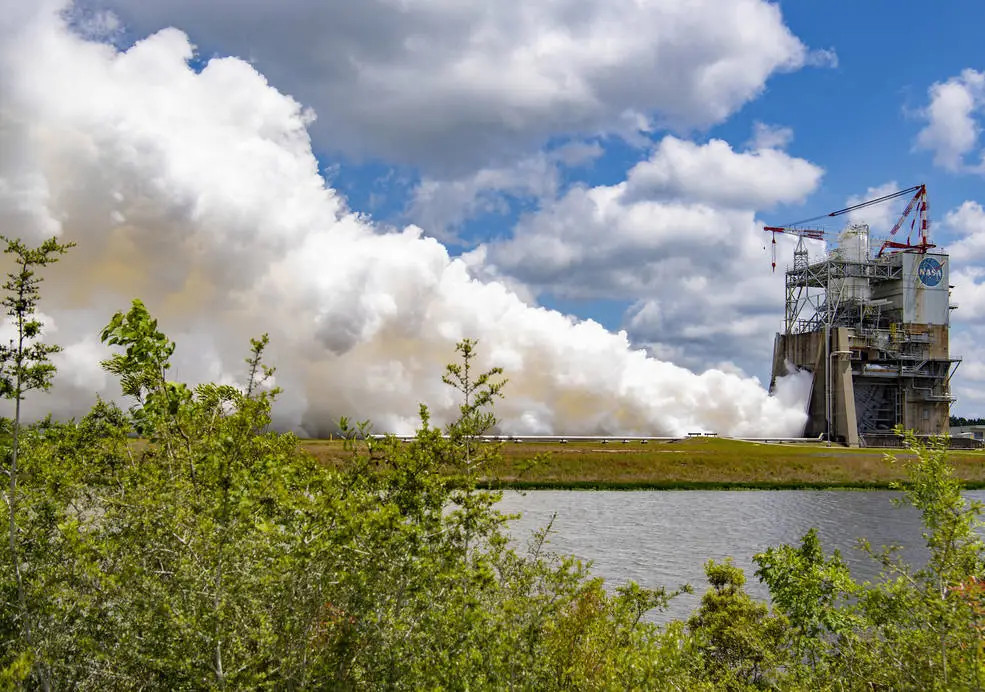
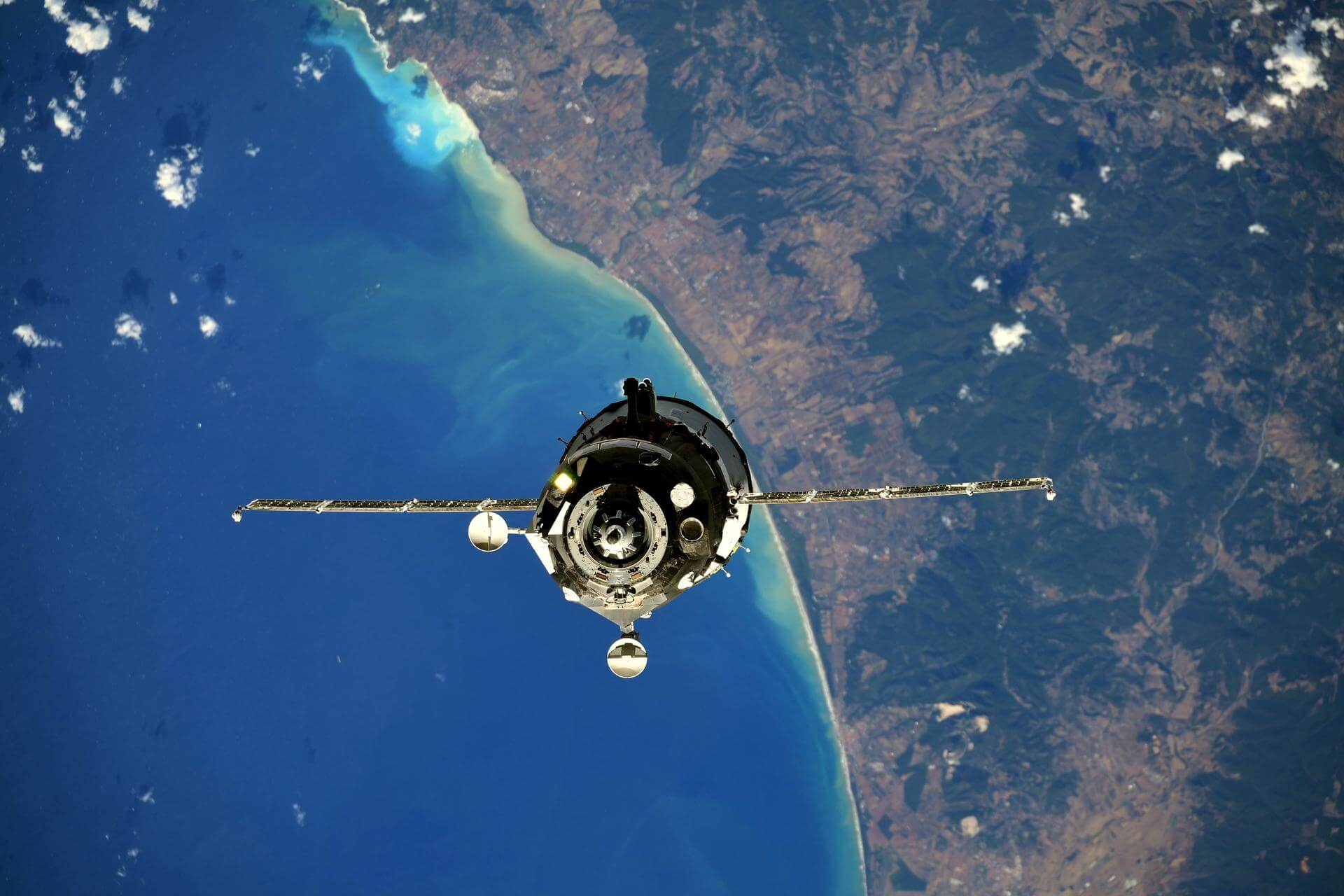
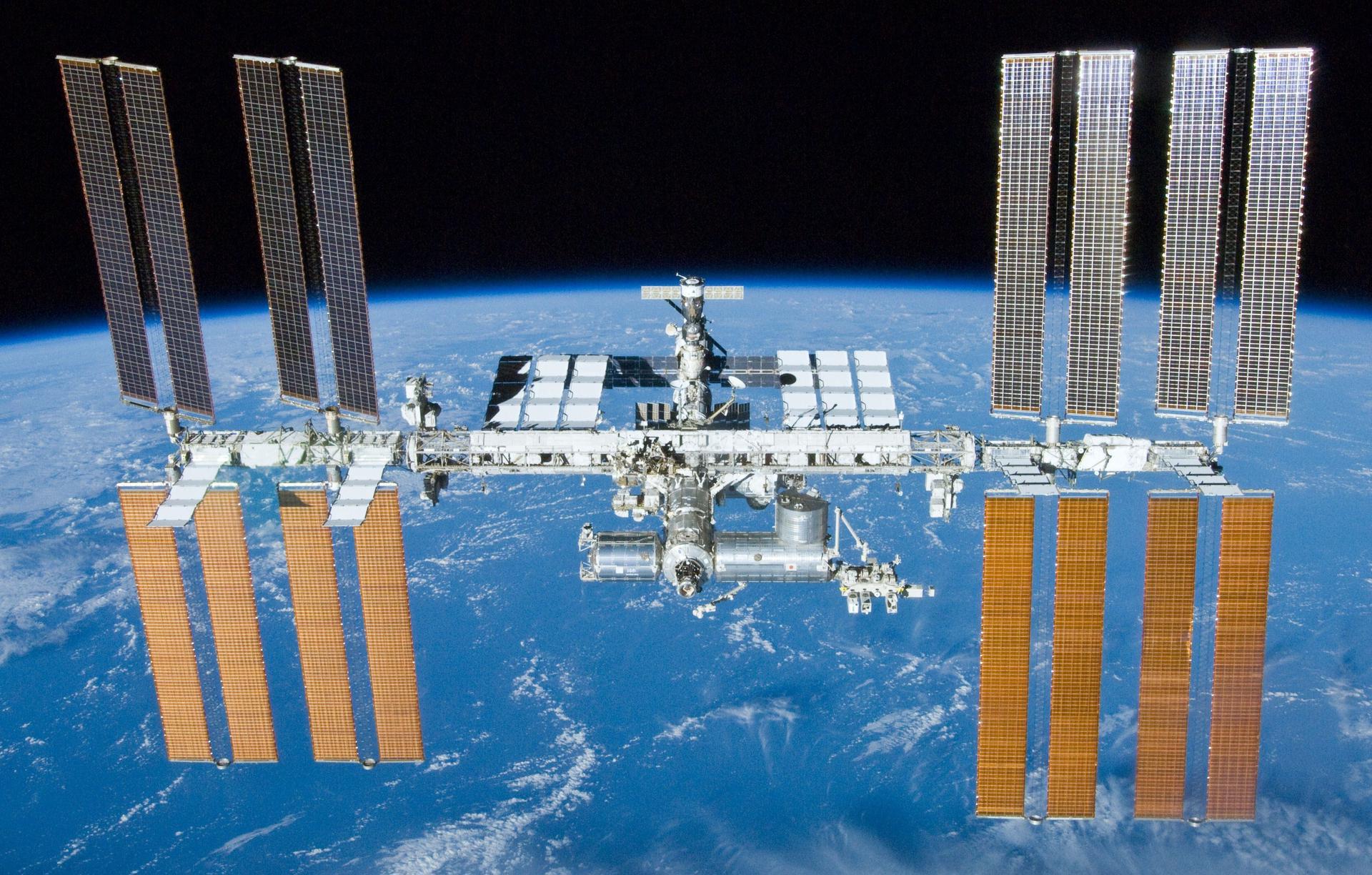
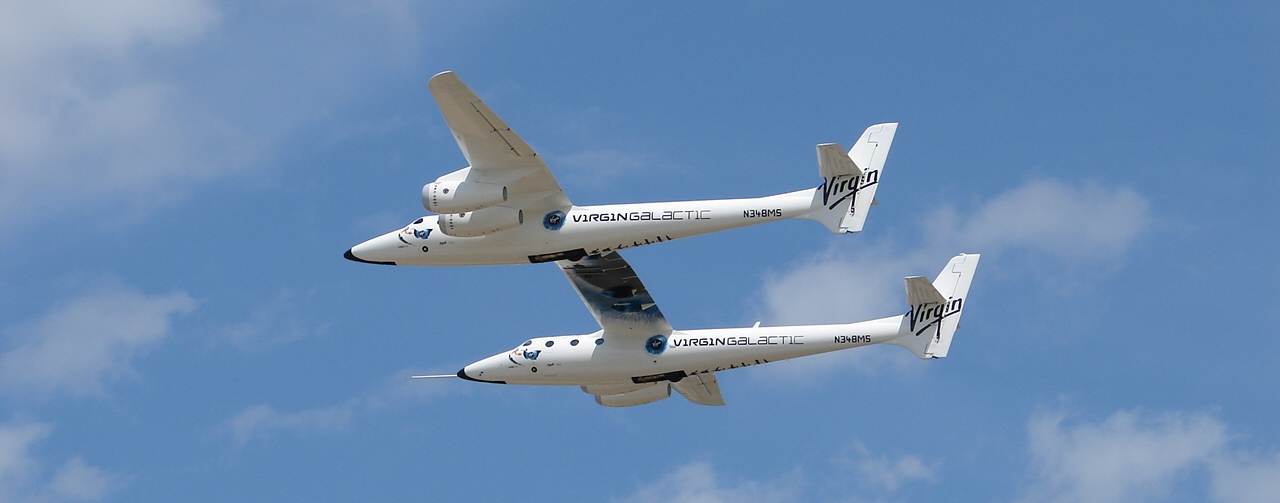
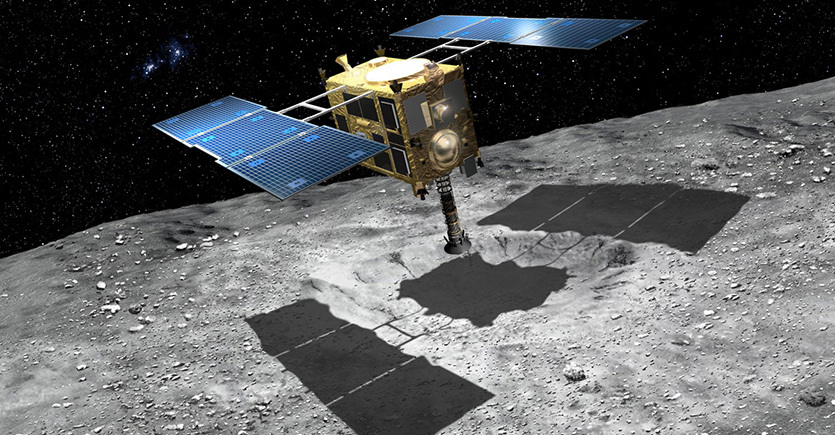
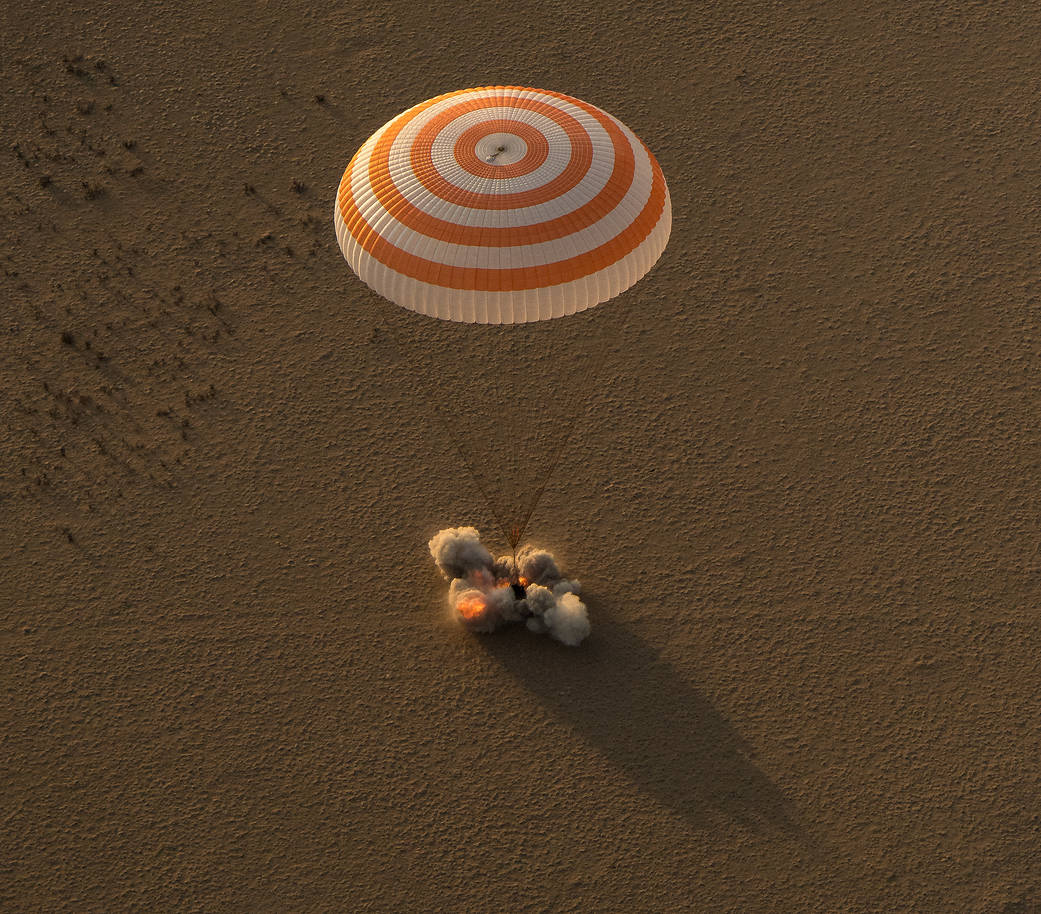
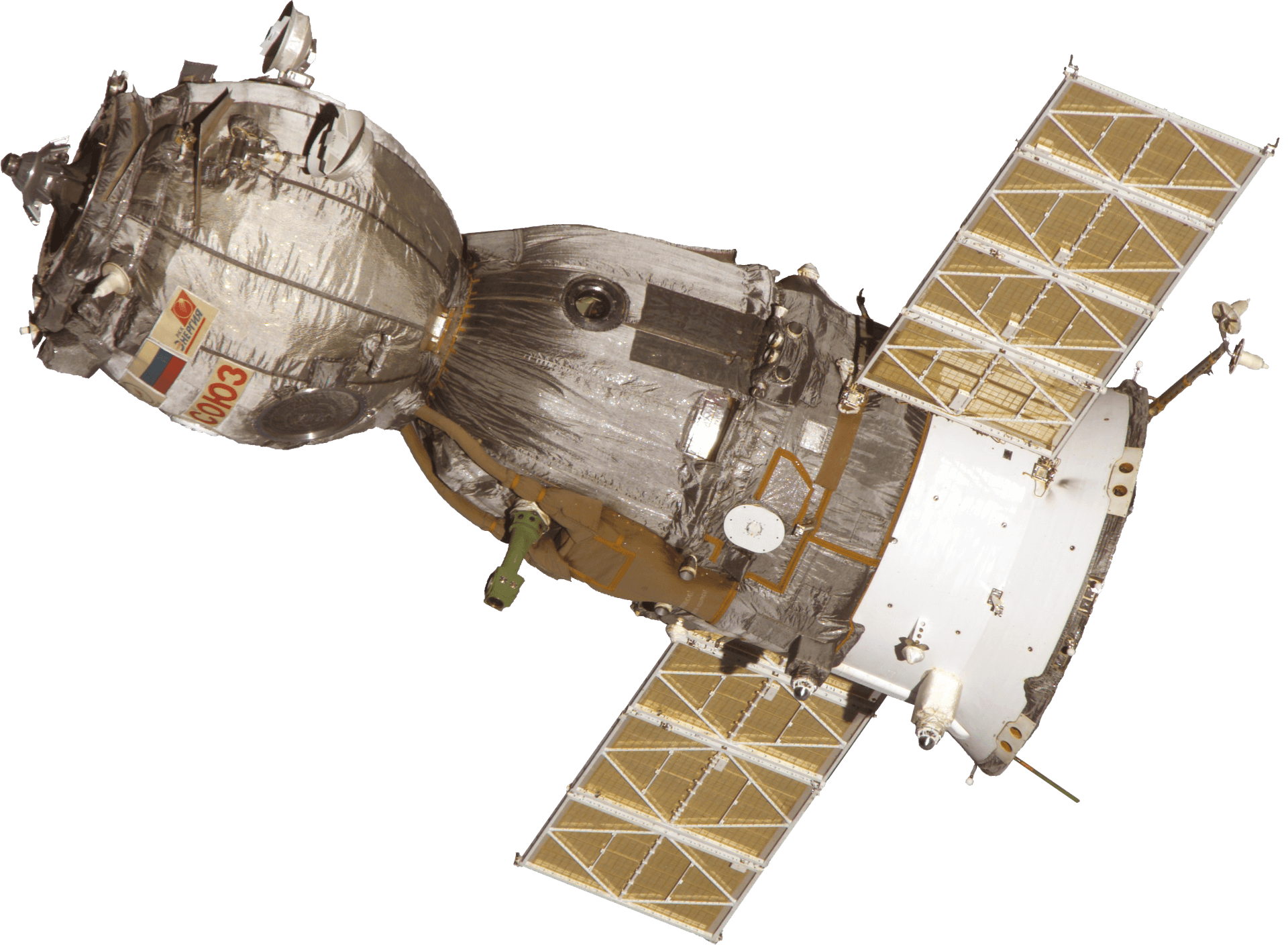
{ "count": 1201, "next": "https://lldev.thespacedevs.com/2.0.0/event/?format=api&limit=10&offset=130", "previous": "https://lldev.thespacedevs.com/2.0.0/event/?format=api&limit=10&offset=110", "results": [ { "id": 822, "url": "https://lldev.thespacedevs.com/2.0.0/event/822/?format=api", "slug": "rs-25-engine-test-19", "name": "RS-25 Engine Test", "type": { "id": 5, "name": "Static Fire" }, "description": "NASA will conduct an RS-25 engine test on the Fred Haise Test Stand at the Stennis Space Center near Bay St. Louis, Mississippi.", "location": "Stennis Space Center, Mississippi", "news_url": "https://twitter.com/NASAStennis/status/1663931470199521281", "video_url": "https://www.youtube.com/watch?v=M8scyGrAbmw", "feature_image": "https://thespacedevs-dev.nyc3.digitaloceanspaces.com/media/images/rs-25_engine_te_image_20231003182719.jpeg", "date": "2023-06-01T17:49:00Z", "launches": [], "expeditions": [], "spacestations": [], "program": [ { "id": 15, "url": "https://lldev.thespacedevs.com/2.0.0/program/15/?format=api", "name": "Artemis", "description": "The Artemis program is a US government-funded crewed spaceflight program that has the goal of landing \"the first woman and the next man\" on the Moon, specifically at the lunar south pole region.", "agencies": [ { "id": 44, "url": "https://lldev.thespacedevs.com/2.0.0/agencies/44/?format=api", "name": "National Aeronautics and Space Administration", "type": "Government" } ], "image_url": "https://thespacedevs-dev.nyc3.digitaloceanspaces.com/media/images/artemis_program_20220827100930.png", "start_date": "2017-12-11T00:00:00Z", "end_date": null, "info_url": "https://www.nasa.gov/specials/artemis/", "wiki_url": "https://en.wikipedia.org/wiki/Artemis_program" } ] }, { "id": 49, "url": "https://lldev.thespacedevs.com/2.0.0/event/49/?format=api", "slug": "soyuz-ms-12-undocking", "name": "Soyuz MS-12 Undocking", "type": { "id": 8, "name": "Spacecraft Undocking" }, "description": "The Soyuz MS-11 spacecraft will undock from the International Space Station at 7:36 am UTC.", "location": "International Space Station", "news_url": null, "video_url": null, "feature_image": "https://thespacedevs-dev.nyc3.digitaloceanspaces.com/media/images/soyuz_ms_in_orb_image_20240313130407.jpeg", "date": "2019-10-03T07:36:00Z", "launches": [], "expeditions": [ { "id": 119, "url": "https://lldev.thespacedevs.com/2.0.0/expedition/119/?format=api", "name": "Expedition 60", "start": "2019-06-24T23:25:00Z", "end": "2019-10-02T00:00:00Z", "spacestation": { "id": 4, "url": "https://lldev.thespacedevs.com/2.0.0/spacestation/4/?format=api", "name": "International Space Station", "status": { "id": 1, "name": "Active" }, "orbit": "Low Earth Orbit", "image_url": "https://thespacedevs-dev.nyc3.digitaloceanspaces.com/media/images/international2520space2520station_image_20190220215716.jpeg" } } ], "spacestations": [ { "id": 4, "url": "https://lldev.thespacedevs.com/2.0.0/spacestation/4/?format=api", "name": "International Space Station", "status": { "id": 1, "name": "Active" }, "founded": "1998-11-20", "description": "The International Space Station (ISS) is a space station, or a habitable artificial satellite, in low Earth orbit. Its first component was launched into orbit in 1998, with the first long-term residents arriving in November 2000. It has been inhabited continuously since that date. The last pressurised module was fitted in 2011, and an experimental inflatable space habitat was added in 2016. The station is expected to operate until 2030. Development and assembly of the station continues, with several new elements scheduled for launch in 2019. The ISS is the largest human-made body in low Earth orbit and can often be seen with the naked eye from Earth. The ISS consists of pressurised habitation modules, structural trusses, solar arrays, radiators, docking ports, experiment bays and robotic arms. ISS components have been launched by Russian Proton and Soyuz rockets, and American Space Shuttles.", "orbit": "Low Earth Orbit", "image_url": "https://thespacedevs-dev.nyc3.digitaloceanspaces.com/media/images/international2520space2520station_image_20190220215716.jpeg" } ], "program": [] }, { "id": 57, "url": "https://lldev.thespacedevs.com/2.0.0/event/57/?format=api", "slug": "virgin-galactic-spacesuit-announcement", "name": "Virgin Galactic Spacesuit Announcement", "type": { "id": 20, "name": "Press Event" }, "description": "Commercial spaceflight company Virgin Galactic will be announcing their new spacesuit to be used for private customers on sub-orbital spaceflight.", "location": "New York, NY, United States", "news_url": "https://twitter.com/virgingalactic/status/1182336054671613954", "video_url": null, "feature_image": "https://thespacedevs-dev.nyc3.digitaloceanspaces.com/media/images/virgin2520galactic2520announcement_image_20191012091430.jpg", "date": "2019-10-17T01:15:00Z", "launches": [], "expeditions": [], "spacestations": [], "program": [] }, { "id": 62, "url": "https://lldev.thespacedevs.com/2.0.0/event/62/?format=api", "slug": "hayabusa-2-departure-from-ryugu", "name": "Hayabusa 2 Departure from Ryugu", "type": { "id": 6, "name": "Spacecraft Event" }, "description": "Departure is on November 13 at 10:05 JST (onboard time). The RCS thrusters are scheduled to begin moving Hayabusa 2 away from Ryugu at about 10cm/s.", "location": "162173 Ryugu", "news_url": null, "video_url": null, "feature_image": "https://thespacedevs-dev.nyc3.digitaloceanspaces.com/media/images/hayabusa252022520departure2520from2520ryugu_image_20191113010708.jpg", "date": "2019-11-13T01:05:00Z", "launches": [], "expeditions": [], "spacestations": [], "program": [] }, { "id": 293, "url": "https://lldev.thespacedevs.com/2.0.0/event/293/?format=api", "slug": "soyuz-ms-20-landing", "name": "Soyuz MS-20 Landing", "type": { "id": 9, "name": "Spacecraft Landing" }, "description": "The Soyuz MS-20 spacecraft carrying ROSCOSMOS cosmonaut Alexander Misurkin as well as Japanese entrepreneur Yusaku Maezawa and his cameraman Yozo Hirano will land back on Earth near Dzhezkazgan, Kazakhstan.", "location": "Dzhezkazgan, Kazakhstan", "news_url": null, "video_url": null, "feature_image": "https://thespacedevs-dev.nyc3.digitaloceanspaces.com/media/images/soyuz2520ms-122520landing_image_20190929074125.jpg", "date": "2021-12-20T03:13:00Z", "launches": [], "expeditions": [ { "id": 144, "url": "https://lldev.thespacedevs.com/2.0.0/expedition/144/?format=api", "name": "Soyuz MS-20", "start": "2021-12-08T00:00:00Z", "end": "2021-12-20T00:00:00Z", "spacestation": { "id": 4, "url": "https://lldev.thespacedevs.com/2.0.0/spacestation/4/?format=api", "name": "International Space Station", "status": { "id": 1, "name": "Active" }, "orbit": "Low Earth Orbit", "image_url": "https://thespacedevs-dev.nyc3.digitaloceanspaces.com/media/images/international2520space2520station_image_20190220215716.jpeg" } } ], "spacestations": [ { "id": 4, "url": "https://lldev.thespacedevs.com/2.0.0/spacestation/4/?format=api", "name": "International Space Station", "status": { "id": 1, "name": "Active" }, "founded": "1998-11-20", "description": "The International Space Station (ISS) is a space station, or a habitable artificial satellite, in low Earth orbit. Its first component was launched into orbit in 1998, with the first long-term residents arriving in November 2000. It has been inhabited continuously since that date. The last pressurised module was fitted in 2011, and an experimental inflatable space habitat was added in 2016. The station is expected to operate until 2030. Development and assembly of the station continues, with several new elements scheduled for launch in 2019. The ISS is the largest human-made body in low Earth orbit and can often be seen with the naked eye from Earth. The ISS consists of pressurised habitation modules, structural trusses, solar arrays, radiators, docking ports, experiment bays and robotic arms. ISS components have been launched by Russian Proton and Soyuz rockets, and American Space Shuttles.", "orbit": "Low Earth Orbit", "image_url": "https://thespacedevs-dev.nyc3.digitaloceanspaces.com/media/images/international2520space2520station_image_20190220215716.jpeg" } ], "program": [ { "id": 8, "url": "https://lldev.thespacedevs.com/2.0.0/program/8/?format=api", "name": "Soyuz", "description": "The Soyuz programme is a human spaceflight programme initiated by the Soviet Union in the early 1960s. The Soyuz spacecraft was originally part of a Moon landing project intended to put a Soviet cosmonaut on the Moon. It was the third Soviet human spaceflight programme after the Vostok and Voskhod programmes.", "agencies": [ { "id": 63, "url": "https://lldev.thespacedevs.com/2.0.0/agencies/63/?format=api", "name": "Russian Federal Space Agency (ROSCOSMOS)", "type": "Government" }, { "id": 66, "url": "https://lldev.thespacedevs.com/2.0.0/agencies/66/?format=api", "name": "Soviet Space Program", "type": "Government" } ], "image_url": "https://thespacedevs-dev.nyc3.digitaloceanspaces.com/media/images/soyuz_program_20201129185543.png", "start_date": "1966-11-28T11:02:00Z", "end_date": null, "info_url": null, "wiki_url": "https://en.wikipedia.org/wiki/Soyuz_programme" }, { "id": 17, "url": "https://lldev.thespacedevs.com/2.0.0/program/17/?format=api", "name": "International Space Station", "description": "The International Space Station programme is tied together by a complex set of legal, political and financial agreements between the sixteen nations involved in the project, governing ownership of the various components, rights to crewing and utilization, and responsibilities for crew rotation and resupply of the International Space Station. It was conceived in 1984 by President Ronald Reagan, during the Space Station Freedom project as it was originally called.", "agencies": [ { "id": 16, "url": "https://lldev.thespacedevs.com/2.0.0/agencies/16/?format=api", "name": "Canadian Space Agency", "type": "Government" }, { "id": 27, "url": "https://lldev.thespacedevs.com/2.0.0/agencies/27/?format=api", "name": "European Space Agency", "type": "Multinational" }, { "id": 37, "url": "https://lldev.thespacedevs.com/2.0.0/agencies/37/?format=api", "name": "Japan Aerospace Exploration Agency", "type": "Government" }, { "id": 44, "url": "https://lldev.thespacedevs.com/2.0.0/agencies/44/?format=api", "name": "National Aeronautics and Space Administration", "type": "Government" }, { "id": 63, "url": "https://lldev.thespacedevs.com/2.0.0/agencies/63/?format=api", "name": "Russian Federal Space Agency (ROSCOSMOS)", "type": "Government" } ], "image_url": "https://thespacedevs-dev.nyc3.digitaloceanspaces.com/media/images/international2_program_20201129184745.png", "start_date": "1998-11-20T06:40:00Z", "end_date": null, "info_url": "https://www.nasa.gov/mission_pages/station/main/index.html", "wiki_url": "https://en.wikipedia.org/wiki/International_Space_Station_programme" } ] }, { "id": 583, "url": "https://lldev.thespacedevs.com/2.0.0/event/583/?format=api", "slug": "us-eva-83", "name": "US EVA-83", "type": { "id": 3, "name": "EVA" }, "description": "Astronauts Francisco Rubio and Josh Cassada will venture in space from the Quest airlock to install an IROSA (ISS Rollout Solar Array) on the Port 4 truss of the International Space Station.", "location": "International Space Station", "news_url": "https://www.nasa.gov/press-release/nasa-to-air-live-coverage-of-us-spacewalk-for-solar-array-installation", "video_url": "https://www.youtube.com/watch?v=wL_GWTVd9-U", "feature_image": "https://thespacedevs-dev.nyc3.digitaloceanspaces.com/media/images/us2520eva-52_image_20190318200748.jpeg", "date": "2022-12-22T13:30:00Z", "launches": [], "expeditions": [], "spacestations": [ { "id": 4, "url": "https://lldev.thespacedevs.com/2.0.0/spacestation/4/?format=api", "name": "International Space Station", "status": { "id": 1, "name": "Active" }, "founded": "1998-11-20", "description": "The International Space Station (ISS) is a space station, or a habitable artificial satellite, in low Earth orbit. Its first component was launched into orbit in 1998, with the first long-term residents arriving in November 2000. It has been inhabited continuously since that date. The last pressurised module was fitted in 2011, and an experimental inflatable space habitat was added in 2016. The station is expected to operate until 2030. Development and assembly of the station continues, with several new elements scheduled for launch in 2019. The ISS is the largest human-made body in low Earth orbit and can often be seen with the naked eye from Earth. The ISS consists of pressurised habitation modules, structural trusses, solar arrays, radiators, docking ports, experiment bays and robotic arms. ISS components have been launched by Russian Proton and Soyuz rockets, and American Space Shuttles.", "orbit": "Low Earth Orbit", "image_url": "https://thespacedevs-dev.nyc3.digitaloceanspaces.com/media/images/international2520space2520station_image_20190220215716.jpeg" } ], "program": [ { "id": 17, "url": "https://lldev.thespacedevs.com/2.0.0/program/17/?format=api", "name": "International Space Station", "description": "The International Space Station programme is tied together by a complex set of legal, political and financial agreements between the sixteen nations involved in the project, governing ownership of the various components, rights to crewing and utilization, and responsibilities for crew rotation and resupply of the International Space Station. It was conceived in 1984 by President Ronald Reagan, during the Space Station Freedom project as it was originally called.", "agencies": [ { "id": 16, "url": "https://lldev.thespacedevs.com/2.0.0/agencies/16/?format=api", "name": "Canadian Space Agency", "type": "Government" }, { "id": 27, "url": "https://lldev.thespacedevs.com/2.0.0/agencies/27/?format=api", "name": "European Space Agency", "type": "Multinational" }, { "id": 37, "url": "https://lldev.thespacedevs.com/2.0.0/agencies/37/?format=api", "name": "Japan Aerospace Exploration Agency", "type": "Government" }, { "id": 44, "url": "https://lldev.thespacedevs.com/2.0.0/agencies/44/?format=api", "name": "National Aeronautics and Space Administration", "type": "Government" }, { "id": 63, "url": "https://lldev.thespacedevs.com/2.0.0/agencies/63/?format=api", "name": "Russian Federal Space Agency (ROSCOSMOS)", "type": "Government" } ], "image_url": "https://thespacedevs-dev.nyc3.digitaloceanspaces.com/media/images/international2_program_20201129184745.png", "start_date": "1998-11-20T06:40:00Z", "end_date": null, "info_url": "https://www.nasa.gov/mission_pages/station/main/index.html", "wiki_url": "https://en.wikipedia.org/wiki/International_Space_Station_programme" } ] }, { "id": 723, "url": "https://lldev.thespacedevs.com/2.0.0/event/723/?format=api", "slug": "soyuz-ms-22-landing", "name": "Soyuz MS-22 Landing", "type": { "id": 9, "name": "Spacecraft Landing" }, "description": "The Soyuz MS-22 spacecraft will land back on Earth near Dzhezkazgan, Kazakhstan.", "location": "Dzhezkazgan, Kazakhstan", "news_url": null, "video_url": "https://www.youtube.com/watch?v=JgP_zEou9Mk", "feature_image": "https://thespacedevs-dev.nyc3.digitaloceanspaces.com/media/images/soyuz2520ms-122520landing_image_20190929074125.jpg", "date": "2023-03-28T11:45:00Z", "launches": [], "expeditions": [], "spacestations": [ { "id": 4, "url": "https://lldev.thespacedevs.com/2.0.0/spacestation/4/?format=api", "name": "International Space Station", "status": { "id": 1, "name": "Active" }, "founded": "1998-11-20", "description": "The International Space Station (ISS) is a space station, or a habitable artificial satellite, in low Earth orbit. Its first component was launched into orbit in 1998, with the first long-term residents arriving in November 2000. It has been inhabited continuously since that date. The last pressurised module was fitted in 2011, and an experimental inflatable space habitat was added in 2016. The station is expected to operate until 2030. Development and assembly of the station continues, with several new elements scheduled for launch in 2019. The ISS is the largest human-made body in low Earth orbit and can often be seen with the naked eye from Earth. The ISS consists of pressurised habitation modules, structural trusses, solar arrays, radiators, docking ports, experiment bays and robotic arms. ISS components have been launched by Russian Proton and Soyuz rockets, and American Space Shuttles.", "orbit": "Low Earth Orbit", "image_url": "https://thespacedevs-dev.nyc3.digitaloceanspaces.com/media/images/international2520space2520station_image_20190220215716.jpeg" } ], "program": [ { "id": 8, "url": "https://lldev.thespacedevs.com/2.0.0/program/8/?format=api", "name": "Soyuz", "description": "The Soyuz programme is a human spaceflight programme initiated by the Soviet Union in the early 1960s. The Soyuz spacecraft was originally part of a Moon landing project intended to put a Soviet cosmonaut on the Moon. It was the third Soviet human spaceflight programme after the Vostok and Voskhod programmes.", "agencies": [ { "id": 63, "url": "https://lldev.thespacedevs.com/2.0.0/agencies/63/?format=api", "name": "Russian Federal Space Agency (ROSCOSMOS)", "type": "Government" }, { "id": 66, "url": "https://lldev.thespacedevs.com/2.0.0/agencies/66/?format=api", "name": "Soviet Space Program", "type": "Government" } ], "image_url": "https://thespacedevs-dev.nyc3.digitaloceanspaces.com/media/images/soyuz_program_20201129185543.png", "start_date": "1966-11-28T11:02:00Z", "end_date": null, "info_url": null, "wiki_url": "https://en.wikipedia.org/wiki/Soyuz_programme" }, { "id": 17, "url": "https://lldev.thespacedevs.com/2.0.0/program/17/?format=api", "name": "International Space Station", "description": "The International Space Station programme is tied together by a complex set of legal, political and financial agreements between the sixteen nations involved in the project, governing ownership of the various components, rights to crewing and utilization, and responsibilities for crew rotation and resupply of the International Space Station. It was conceived in 1984 by President Ronald Reagan, during the Space Station Freedom project as it was originally called.", "agencies": [ { "id": 16, "url": "https://lldev.thespacedevs.com/2.0.0/agencies/16/?format=api", "name": "Canadian Space Agency", "type": "Government" }, { "id": 27, "url": "https://lldev.thespacedevs.com/2.0.0/agencies/27/?format=api", "name": "European Space Agency", "type": "Multinational" }, { "id": 37, "url": "https://lldev.thespacedevs.com/2.0.0/agencies/37/?format=api", "name": "Japan Aerospace Exploration Agency", "type": "Government" }, { "id": 44, "url": "https://lldev.thespacedevs.com/2.0.0/agencies/44/?format=api", "name": "National Aeronautics and Space Administration", "type": "Government" }, { "id": 63, "url": "https://lldev.thespacedevs.com/2.0.0/agencies/63/?format=api", "name": "Russian Federal Space Agency (ROSCOSMOS)", "type": "Government" } ], "image_url": "https://thespacedevs-dev.nyc3.digitaloceanspaces.com/media/images/international2_program_20201129184745.png", "start_date": "1998-11-20T06:40:00Z", "end_date": null, "info_url": "https://www.nasa.gov/mission_pages/station/main/index.html", "wiki_url": "https://en.wikipedia.org/wiki/International_Space_Station_programme" } ] }, { "id": 77, "url": "https://lldev.thespacedevs.com/2.0.0/event/77/?format=api", "slug": "2017-nasa-astronaut-class-graduation-ceremony", "name": "2017 NASA Astronaut class graduation ceremony", "type": { "id": 20, "name": "Press Event" }, "description": "NASA will honor the first class of astronaut candidates to graduate under the Artemis program at 10:30 a.m. EST Friday, Jan. 10, at the agency’s Johnson Space Center in Houston. After completing more than two years of basic training, these candidates will become eligible for spaceflight, including assignments to the International Space Station, Artemis missions to the Moon, and ultimately, missions to Mars.", "location": "NASA's Johnson Space Center, Houston, TX, USA", "news_url": "https://www.nasa.gov/press-release/nasa-s-astronaut-candidates-to-graduate-with-eye-on-artemis-missions", "video_url": "https://www.youtube.com/watch?v=xo58EoT987M", "feature_image": "https://thespacedevs-dev.nyc3.digitaloceanspaces.com/media/images/20172520nasa2520astronaut2520class2520graduation2520ceremony_image_20191228100802.jpg", "date": "2020-01-10T15:30:00Z", "launches": [], "expeditions": [], "spacestations": [], "program": [] }, { "id": 52, "url": "https://lldev.thespacedevs.com/2.0.0/event/52/?format=api", "slug": "us-eva-57", "name": "US EVA-57", "type": { "id": 3, "name": "EVA" }, "description": "Expedition 61 astronauts Andrew Morgan and Christina Koch will install new batteries on the P6 truss.\r\n\r\nSpacewalk begins at 11:50 a.m. UTC and is slated to last 6 ½ hours.", "location": "International Space Station", "news_url": null, "video_url": null, "feature_image": "https://thespacedevs-dev.nyc3.digitaloceanspaces.com/media/images/us2520eva-52_image_20190318200748.jpeg", "date": "2019-10-11T10:30:00Z", "launches": [], "expeditions": [ { "id": 136, "url": "https://lldev.thespacedevs.com/2.0.0/expedition/136/?format=api", "name": "Expedition 61", "start": "2019-10-02T00:00:00Z", "end": "2020-02-05T13:40:00Z", "spacestation": { "id": 4, "url": "https://lldev.thespacedevs.com/2.0.0/spacestation/4/?format=api", "name": "International Space Station", "status": { "id": 1, "name": "Active" }, "orbit": "Low Earth Orbit", "image_url": "https://thespacedevs-dev.nyc3.digitaloceanspaces.com/media/images/international2520space2520station_image_20190220215716.jpeg" } } ], "spacestations": [ { "id": 4, "url": "https://lldev.thespacedevs.com/2.0.0/spacestation/4/?format=api", "name": "International Space Station", "status": { "id": 1, "name": "Active" }, "founded": "1998-11-20", "description": "The International Space Station (ISS) is a space station, or a habitable artificial satellite, in low Earth orbit. Its first component was launched into orbit in 1998, with the first long-term residents arriving in November 2000. It has been inhabited continuously since that date. The last pressurised module was fitted in 2011, and an experimental inflatable space habitat was added in 2016. The station is expected to operate until 2030. Development and assembly of the station continues, with several new elements scheduled for launch in 2019. The ISS is the largest human-made body in low Earth orbit and can often be seen with the naked eye from Earth. The ISS consists of pressurised habitation modules, structural trusses, solar arrays, radiators, docking ports, experiment bays and robotic arms. ISS components have been launched by Russian Proton and Soyuz rockets, and American Space Shuttles.", "orbit": "Low Earth Orbit", "image_url": "https://thespacedevs-dev.nyc3.digitaloceanspaces.com/media/images/international2520space2520station_image_20190220215716.jpeg" } ], "program": [] }, { "id": 119, "url": "https://lldev.thespacedevs.com/2.0.0/event/119/?format=api", "slug": "mars-2020-nasa-administrator-center-director-brief", "name": "Mars 2020 NASA Administrator & Center Director Briefing", "type": { "id": 20, "name": "Press Event" }, "description": "The Mars 2020 briefing held by the NASA Administrator and Center Director will be livestreamed on NASA TV.", "location": null, "news_url": null, "video_url": null, "feature_image": "https://thespacedevs-dev.nyc3.digitaloceanspaces.com/media/images/mars_2020_pre-l_image_20200717135837.png", "date": "2020-07-29T16:00:00Z", "launches": [], "expeditions": [], "spacestations": [], "program": [] } ] }