Event List
API endpoint that allows all Events to be viewed.
GET: Return a list of all Events
SEARCH EXAMPLE: /2.0.0/event/?search=Dragon Searches through name
GET /2.0.0/event/?format=api&offset=110
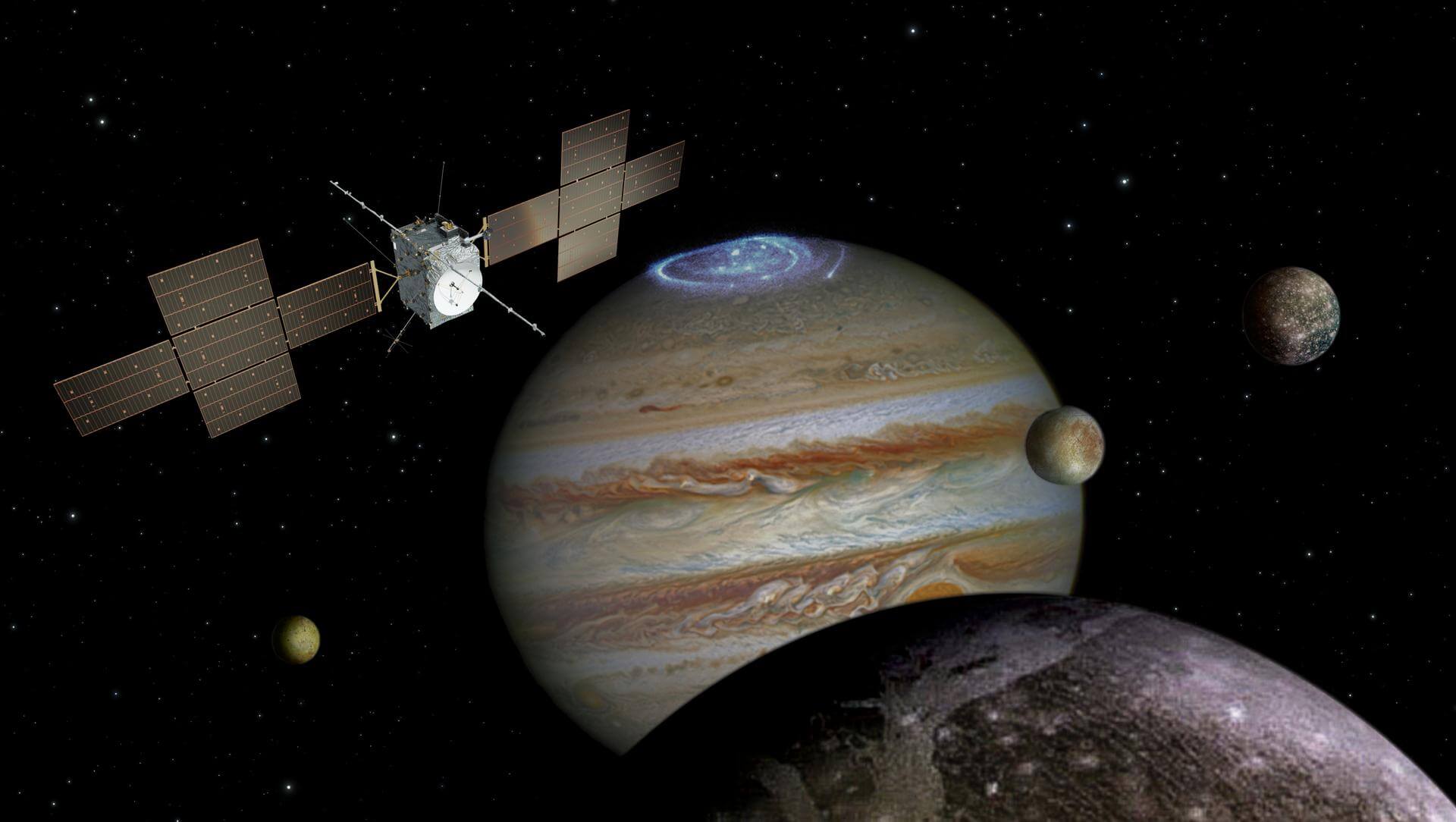
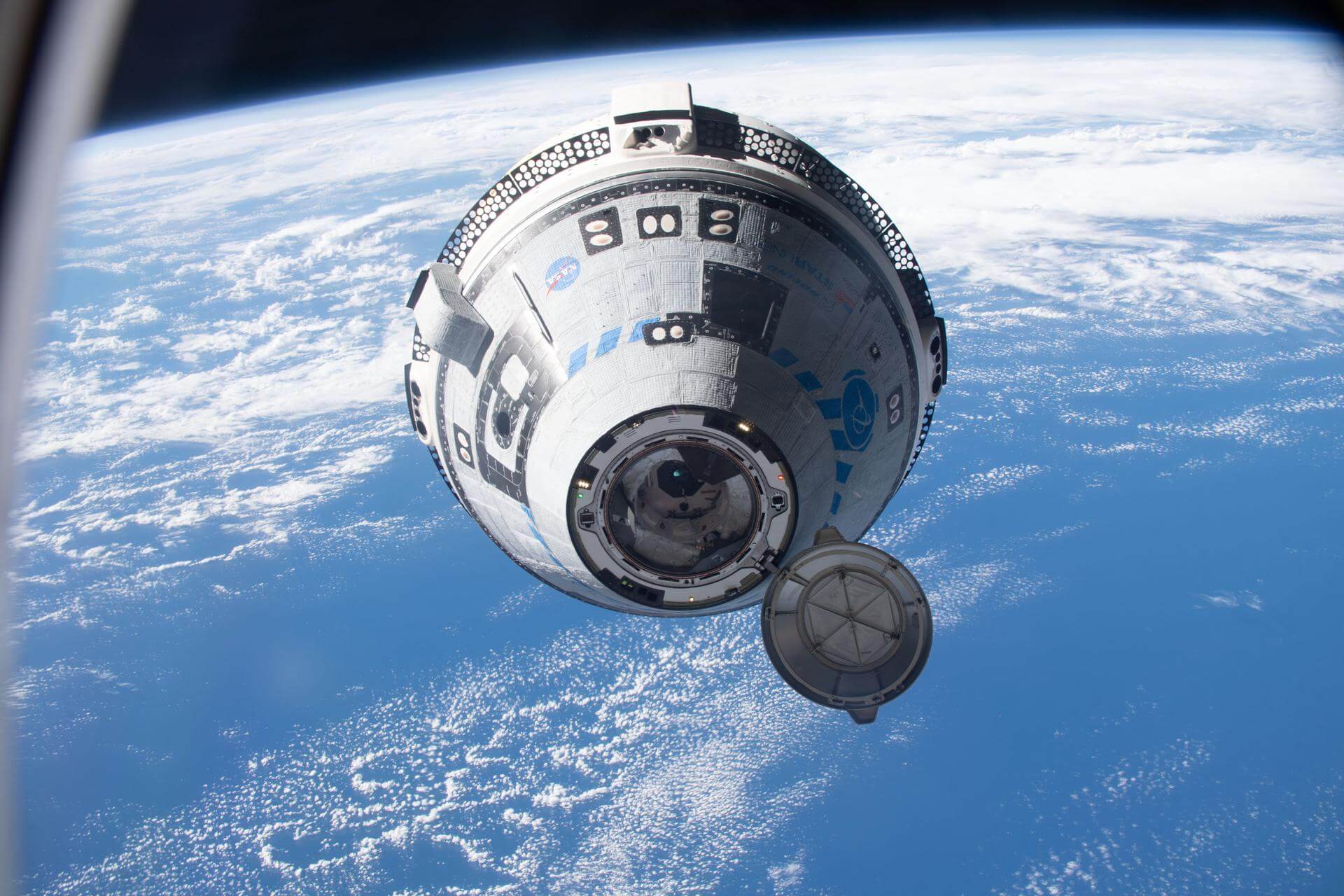
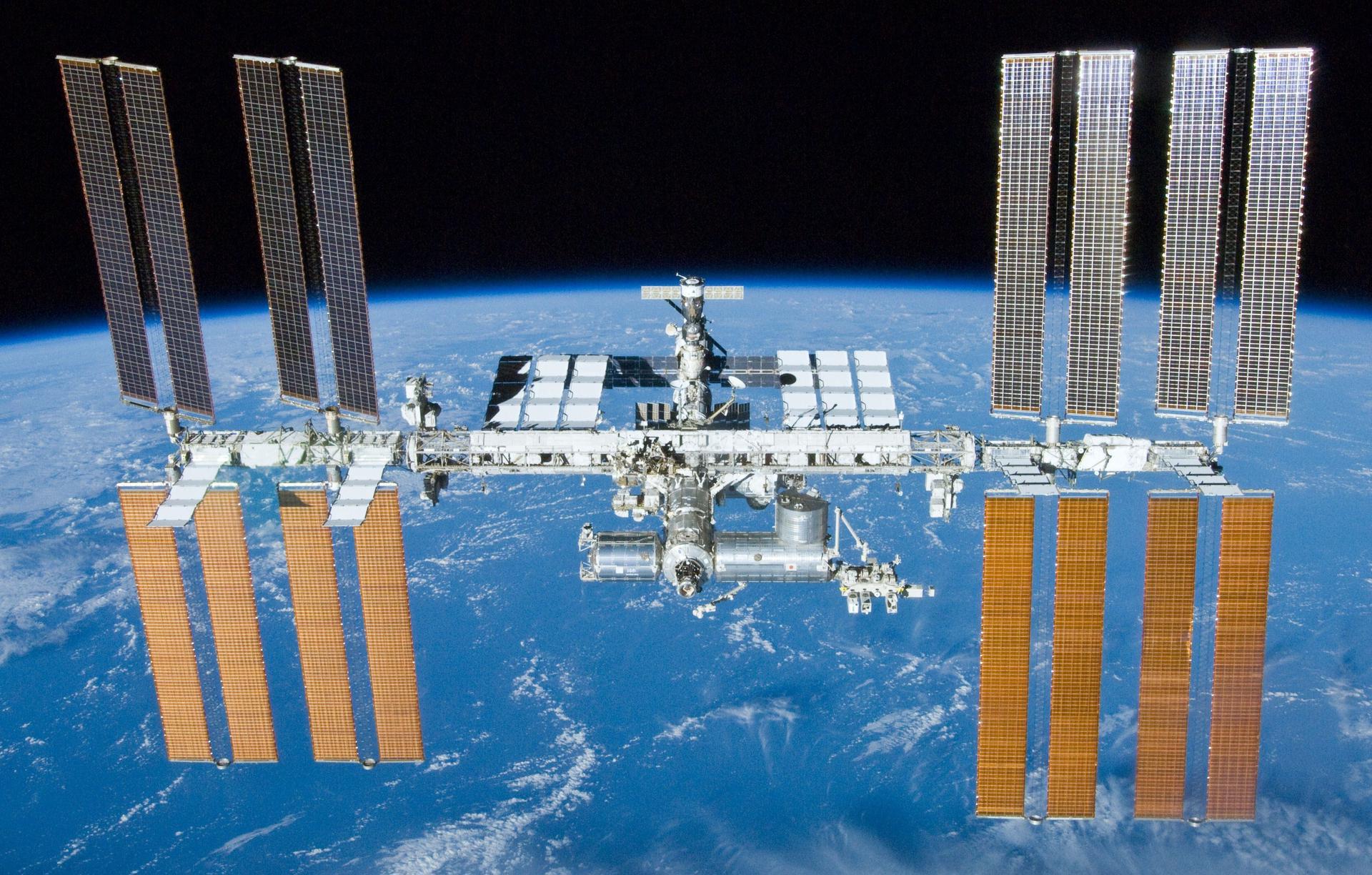
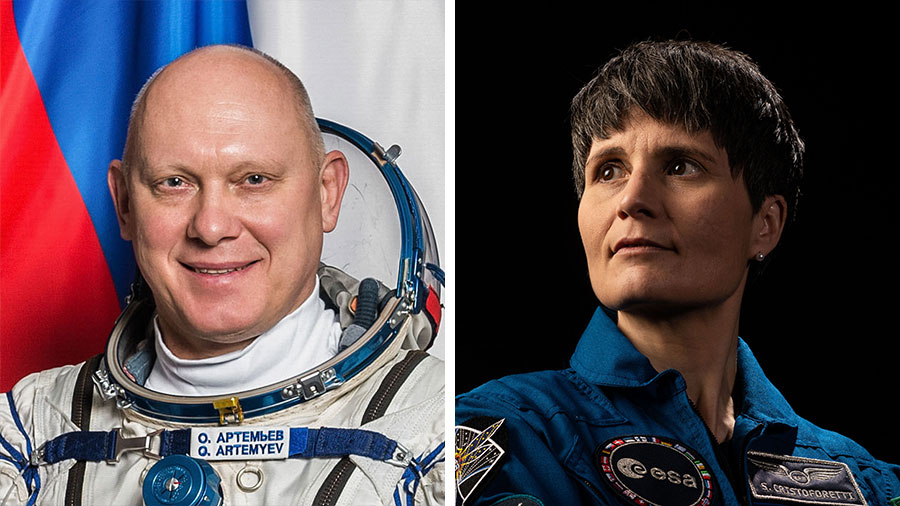
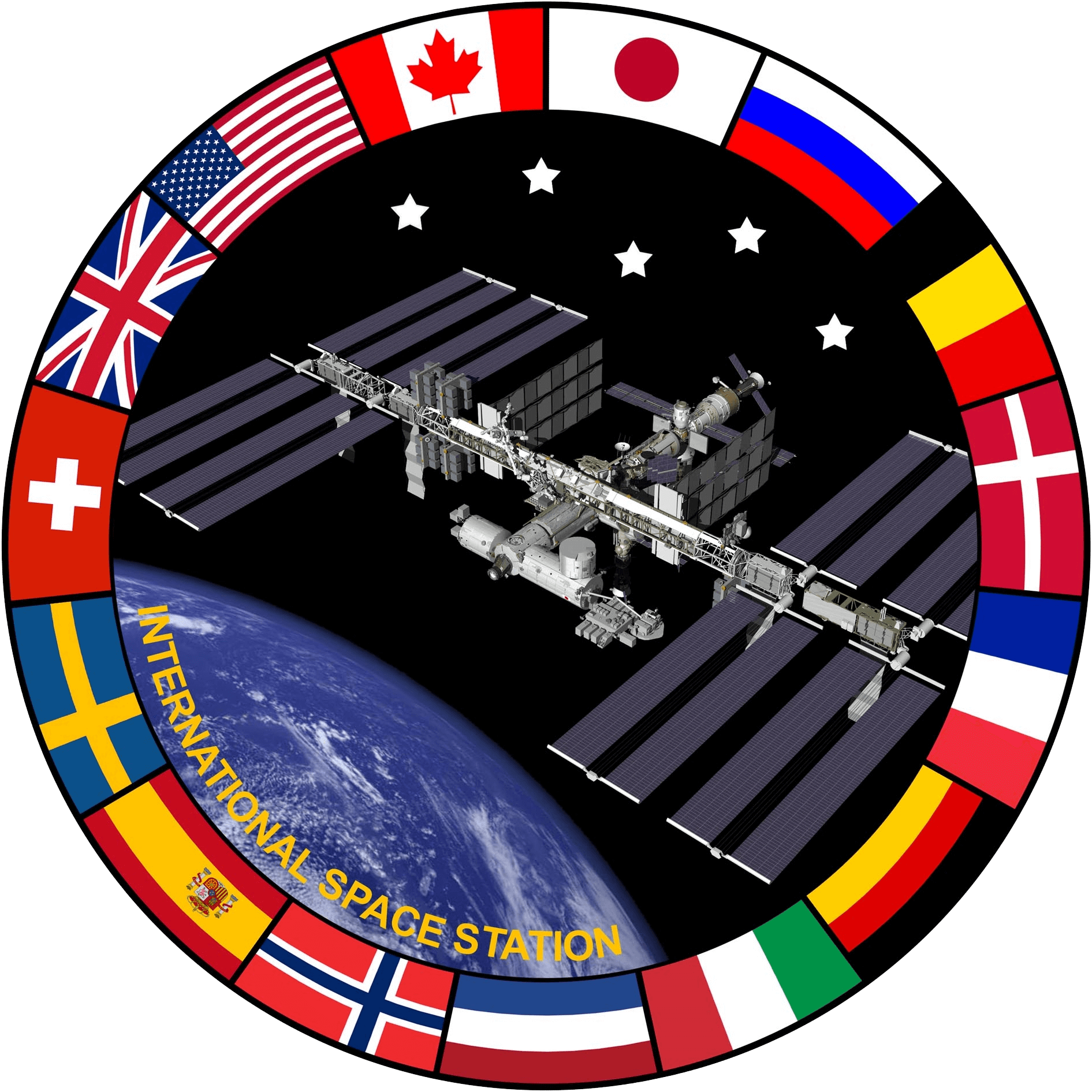
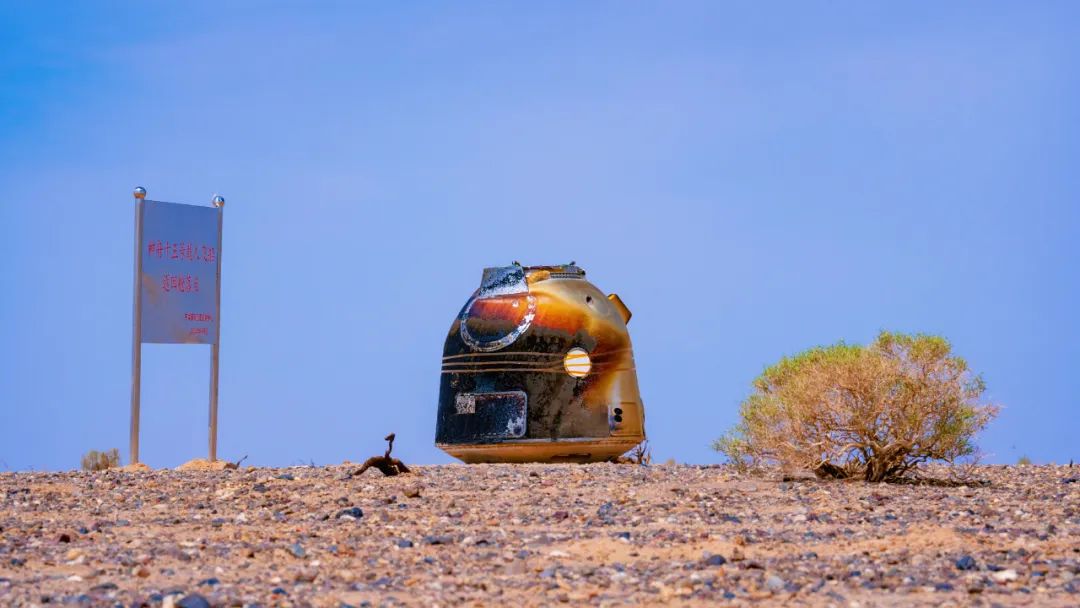
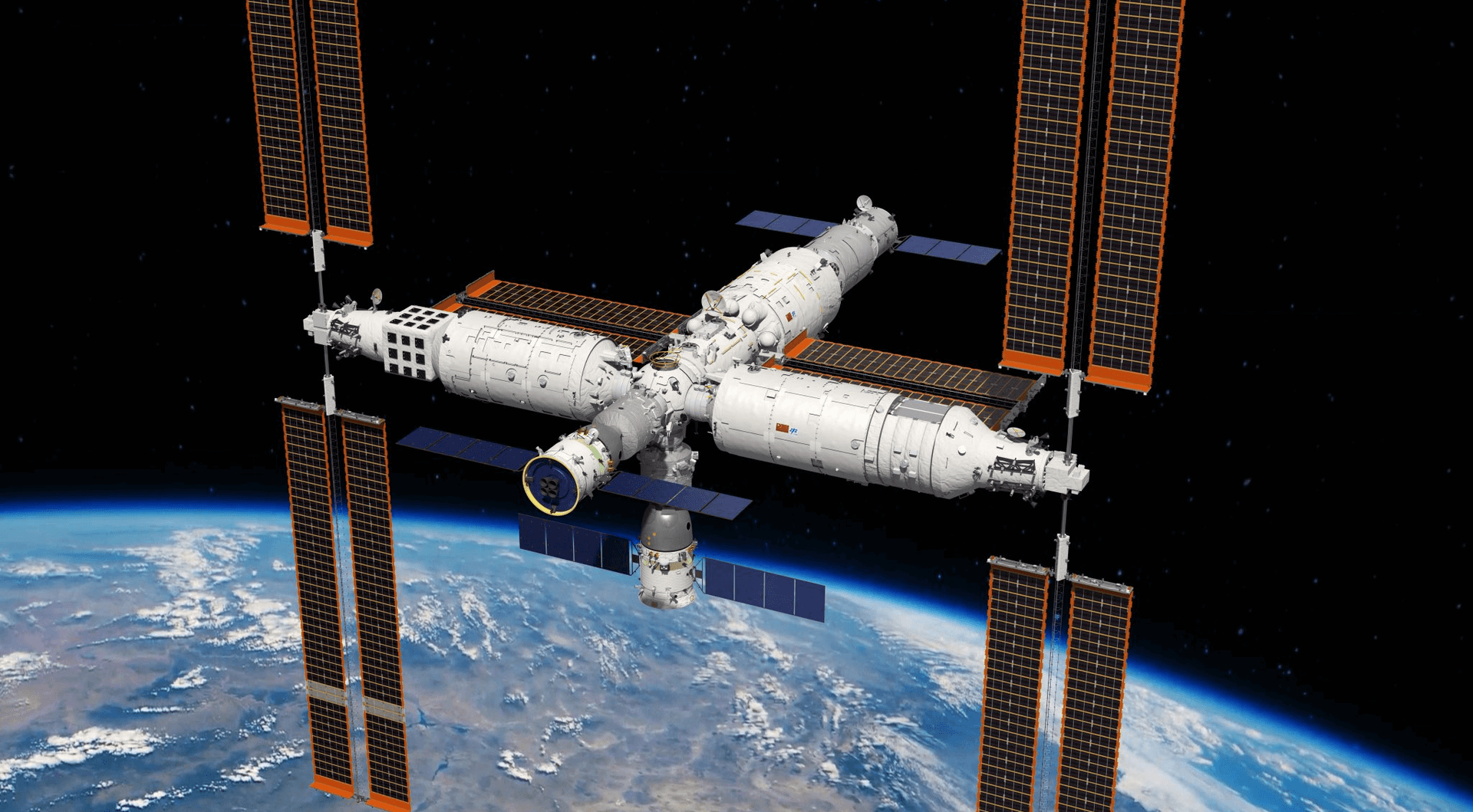
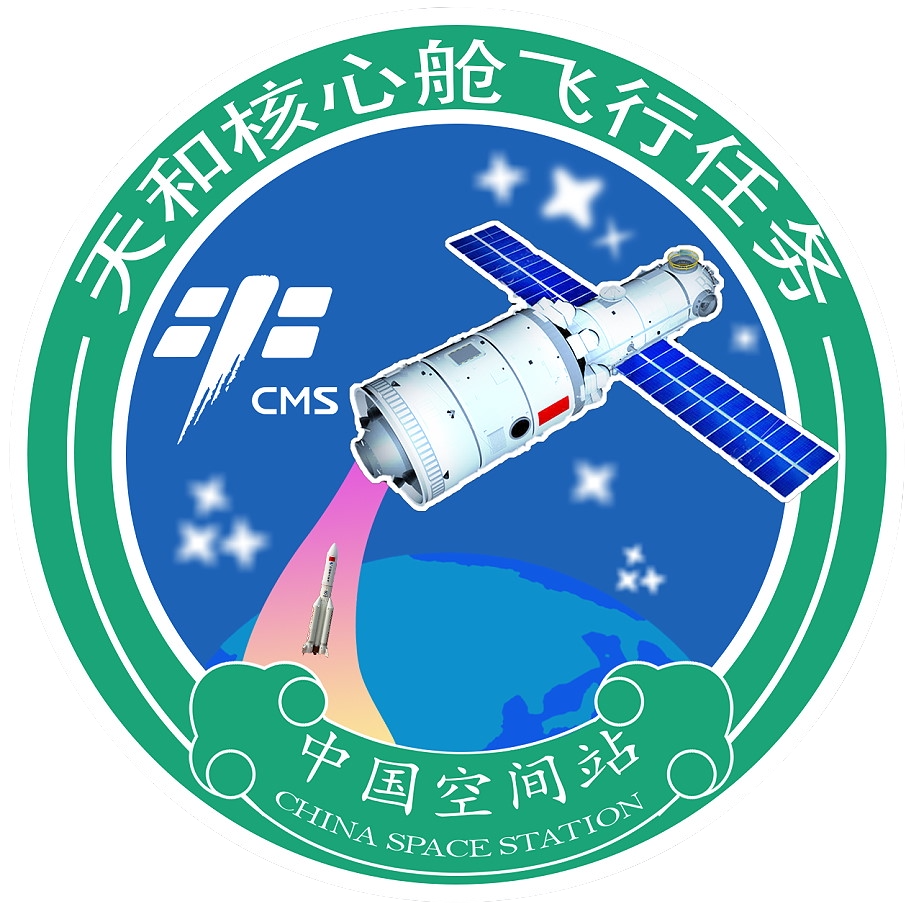
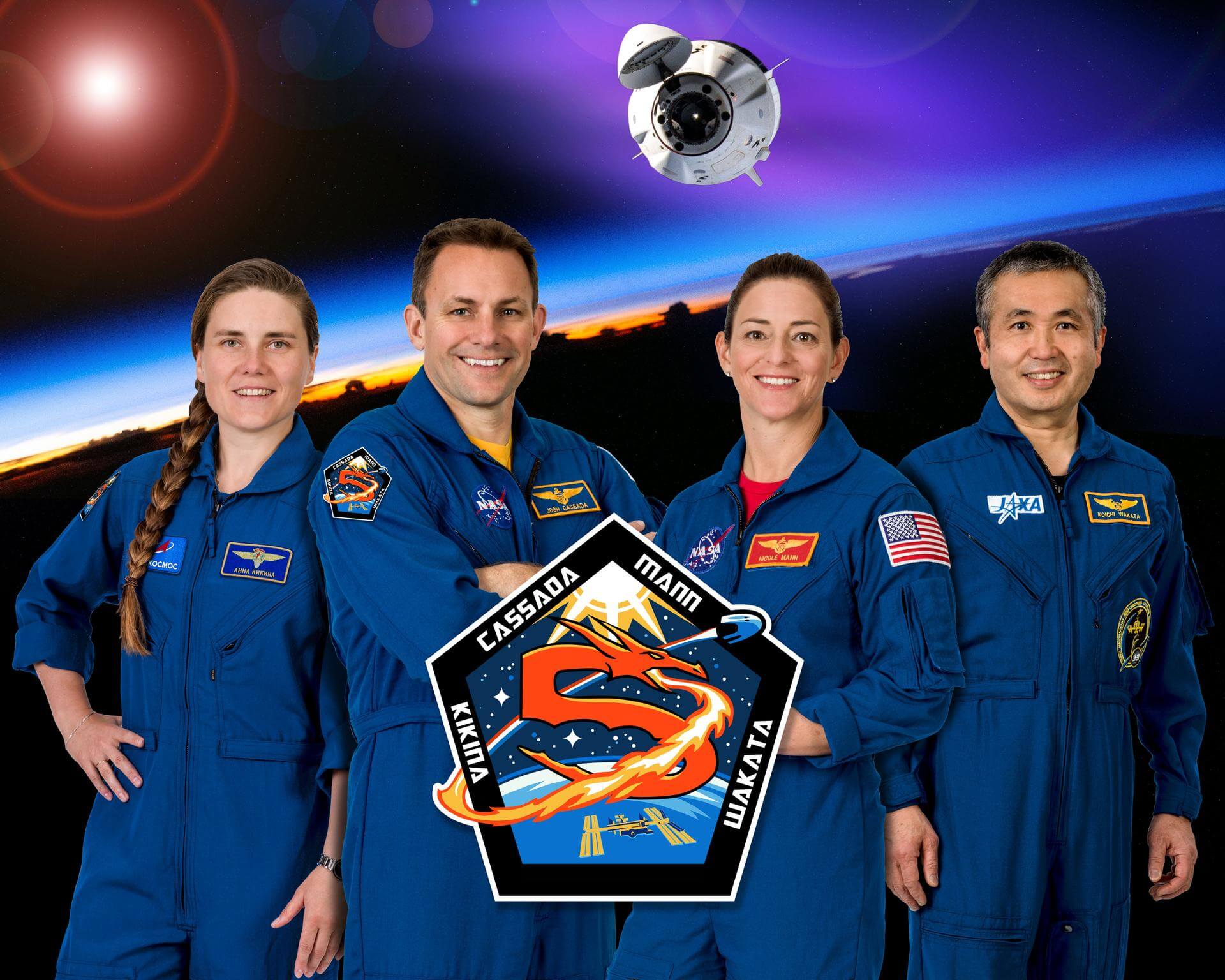
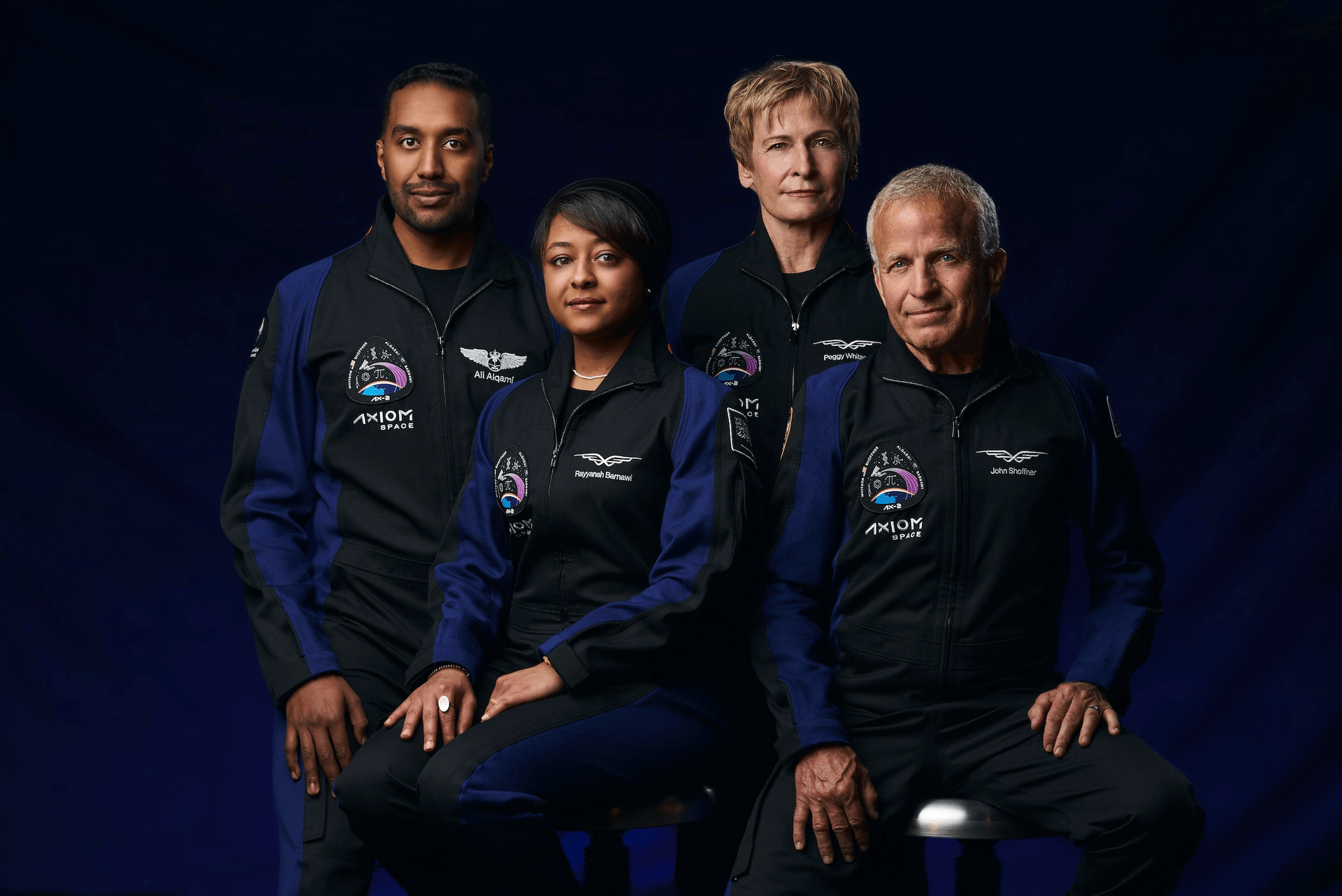
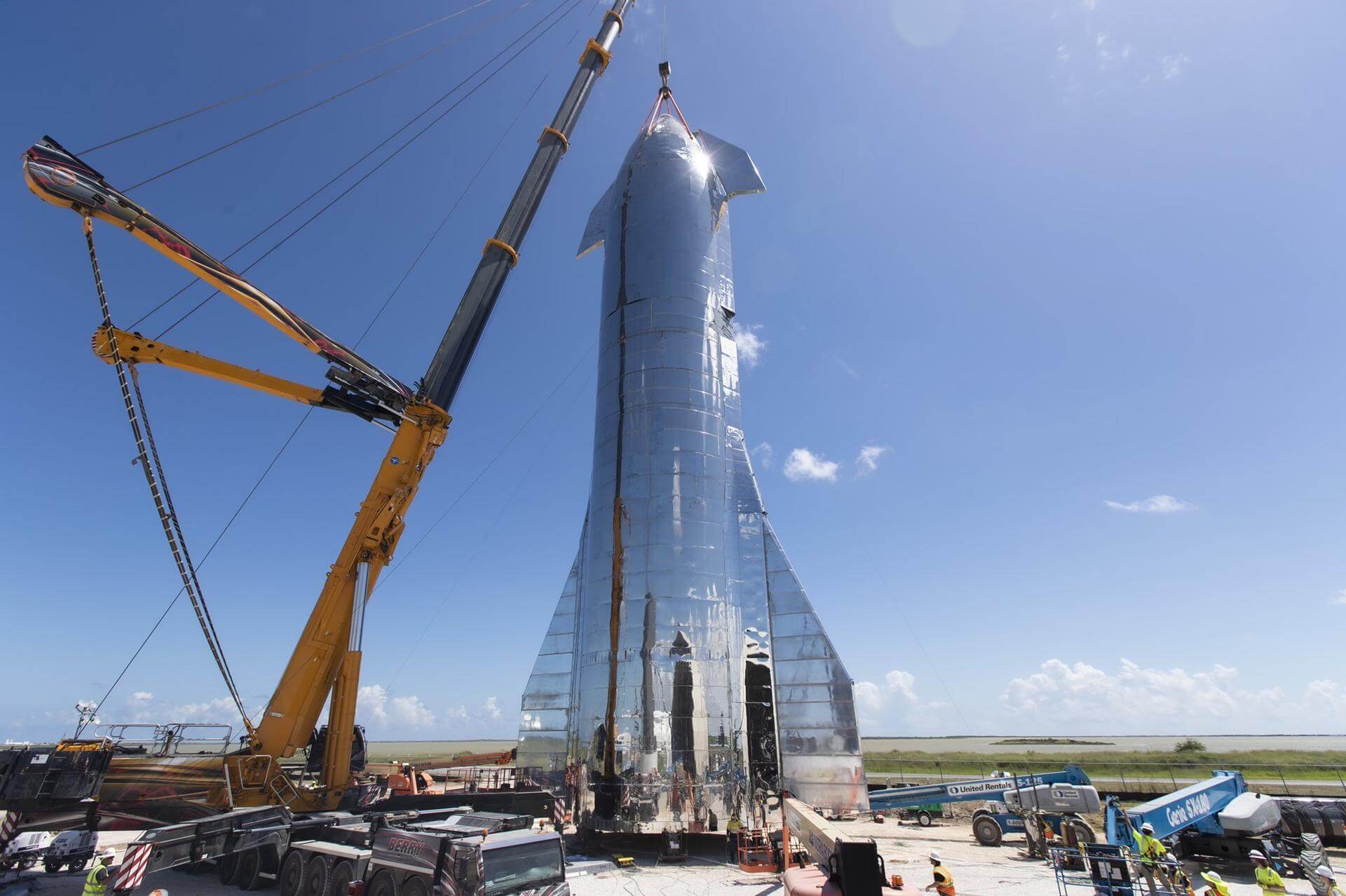
{ "count": 1201, "next": "https://lldev.thespacedevs.com/2.0.0/event/?format=api&limit=10&offset=120", "previous": "https://lldev.thespacedevs.com/2.0.0/event/?format=api&limit=10&offset=100", "results": [ { "id": 963, "url": "https://lldev.thespacedevs.com/2.0.0/event/963/?format=api", "slug": "2024-state-of-nasa-address", "name": "2024 State of NASA Address", "type": { "id": 20, "name": "Press Event" }, "description": "NASA Administrator Bill Nelson discusses the agency’s goals for the benefit of humanity during the annual State of NASA address on Monday, March 11.\r\n\r\nSenior leaders from each of NASA’s mission directorates also will discuss advancements in their areas ranging from aeronautics and science research to space operations.", "location": null, "news_url": "https://www.nasa.gov/news-release/nasa-to-highlight-artemis-us-space-leadership-during-annual-address/", "video_url": "https://www.youtube.com/watch?v=Xx4kJ2tOZlg", "feature_image": "https://thespacedevs-dev.nyc3.digitaloceanspaces.com/media/images/nasa_logo_place_image_20240926071724.png", "date": "2024-03-11T17:00:00Z", "launches": [], "expeditions": [], "spacestations": [], "program": [] }, { "id": 1018, "url": "https://lldev.thespacedevs.com/2.0.0/event/1018/?format=api", "slug": "juice-earth-flyby-2", "name": "Juice Earth Flyby", "type": { "id": 23, "name": "Flyby" }, "description": "Fourth flyby of ESA's Jupiter Icy Moons Explorer (Juice) mission on its way to the Jovian system.", "location": "Earth", "news_url": null, "video_url": null, "feature_image": "https://thespacedevs-dev.nyc3.digitaloceanspaces.com/media/images/255bauto255d__image_20240307192047.jpeg", "date": "2029-01-31T00:00:00Z", "launches": [], "expeditions": [], "spacestations": [], "program": [] }, { "id": 960, "url": "https://lldev.thespacedevs.com/2.0.0/event/960/?format=api", "slug": "starliner-cft-mission-overview-news-conference", "name": "Starliner CFT Mission Overview News Conference", "type": { "id": 20, "name": "Press Event" }, "description": "Briefing regarding the Starliner Crewed Flight Test mission, with the following participants:\r\n\r\n- Mike Lammers, flight director, Starliner ascent, NASA\r\n- Vincent LaCourt, flight director, International Space Station Program, NASA\r\n- Ed Van Cise, flight director, Starliner rendezvous, NASA", "location": "Johnson Space Center", "news_url": "https://www.nasa.gov/news-release/nasa-to-host-boeing-crew-flight-test-preview-news-conferences/", "video_url": "https://www.youtube.com/watch?v=GT5UPOy69k8", "feature_image": "https://thespacedevs-dev.nyc3.digitaloceanspaces.com/media/images/boeing_starline_image_20220525180700.jpeg", "date": "2024-03-22T15:30:00Z", "launches": [], "expeditions": [], "spacestations": [ { "id": 4, "url": "https://lldev.thespacedevs.com/2.0.0/spacestation/4/?format=api", "name": "International Space Station", "status": { "id": 1, "name": "Active" }, "founded": "1998-11-20", "description": "The International Space Station (ISS) is a space station, or a habitable artificial satellite, in low Earth orbit. Its first component was launched into orbit in 1998, with the first long-term residents arriving in November 2000. It has been inhabited continuously since that date. The last pressurised module was fitted in 2011, and an experimental inflatable space habitat was added in 2016. The station is expected to operate until 2030. Development and assembly of the station continues, with several new elements scheduled for launch in 2019. The ISS is the largest human-made body in low Earth orbit and can often be seen with the naked eye from Earth. The ISS consists of pressurised habitation modules, structural trusses, solar arrays, radiators, docking ports, experiment bays and robotic arms. ISS components have been launched by Russian Proton and Soyuz rockets, and American Space Shuttles.", "orbit": "Low Earth Orbit", "image_url": "https://thespacedevs-dev.nyc3.digitaloceanspaces.com/media/images/international2520space2520station_image_20190220215716.jpeg" } ], "program": [ { "id": 5, "url": "https://lldev.thespacedevs.com/2.0.0/program/5/?format=api", "name": "Commercial Crew Program", "description": "The Commercial Crew Program (CCP) is a human spaceflight program operated by NASA, in association with American aerospace manufacturers Boeing and SpaceX. The program conducts rotations between the expeditions of the International Space Station program, transporting crews to and from the International Space Station (ISS) aboard Boeing Starliner and SpaceX Crew Dragon capsules, in the first crewed orbital spaceflights operated by private companies.", "agencies": [ { "id": 80, "url": "https://lldev.thespacedevs.com/2.0.0/agencies/80/?format=api", "name": "Boeing", "type": "Commercial" }, { "id": 44, "url": "https://lldev.thespacedevs.com/2.0.0/agencies/44/?format=api", "name": "National Aeronautics and Space Administration", "type": "Government" }, { "id": 121, "url": "https://lldev.thespacedevs.com/2.0.0/agencies/121/?format=api", "name": "SpaceX", "type": "Commercial" } ], "image_url": "https://thespacedevs-dev.nyc3.digitaloceanspaces.com/media/images/commercial2520_program_20200820201209.png", "start_date": "2011-04-18T00:00:00Z", "end_date": null, "info_url": "https://www.nasa.gov/exploration/commercial/crew/index.html", "wiki_url": "https://en.wikipedia.org/wiki/Commercial_Crew_Program" } ] }, { "id": 60, "url": "https://lldev.thespacedevs.com/2.0.0/event/60/?format=api", "slug": "70th-international-astronautical-congress", "name": "70th International Astronautical Congress", "type": { "id": 20, "name": "Press Event" }, "description": "The International Astronautical Congress is a yearly conference where key figures in the space industry meet and showcase/discuss events in the spaceflight industry.\r\n\r\nThe event lasts starts on 21st October and lasts a week. Some of the panels will be live streamed for free on NASA TV.", "location": "Washington D.C, United States", "news_url": "https://www.iac2019.org/", "video_url": null, "feature_image": "https://thespacedevs-dev.nyc3.digitaloceanspaces.com/media/images/70th2520international2520astronautical2520congress_image_20191019002059.png", "date": "2019-10-25T21:00:00Z", "launches": [], "expeditions": [], "spacestations": [], "program": [] }, { "id": 651, "url": "https://lldev.thespacedevs.com/2.0.0/event/651/?format=api", "slug": "iss-expedition-67-68-change-of-command-ceremony", "name": "ISS Expedition 67-68 Change of Command Ceremony", "type": { "id": 15, "name": "Change of Command" }, "description": "ROSCOSMOS cosmonaut Oleg Artemyev, Expedition 67 commander, will hand over the International Space Station command to ESA astronaut Samantha Cristoforetti who will become commander of Expedition 68.", "location": "International Space Station", "news_url": null, "video_url": null, "feature_image": "https://thespacedevs-dev.nyc3.digitaloceanspaces.com/media/images/iss_expedition__image_20220927105624.jpg", "date": "2022-09-28T13:35:00Z", "launches": [], "expeditions": [ { "id": 147, "url": "https://lldev.thespacedevs.com/2.0.0/expedition/147/?format=api", "name": "Expedition 67", "start": "2022-03-30T07:21:00Z", "end": "2022-09-28T13:35:00Z", "spacestation": { "id": 4, "url": "https://lldev.thespacedevs.com/2.0.0/spacestation/4/?format=api", "name": "International Space Station", "status": { "id": 1, "name": "Active" }, "orbit": "Low Earth Orbit", "image_url": "https://thespacedevs-dev.nyc3.digitaloceanspaces.com/media/images/international2520space2520station_image_20190220215716.jpeg" } } ], "spacestations": [ { "id": 4, "url": "https://lldev.thespacedevs.com/2.0.0/spacestation/4/?format=api", "name": "International Space Station", "status": { "id": 1, "name": "Active" }, "founded": "1998-11-20", "description": "The International Space Station (ISS) is a space station, or a habitable artificial satellite, in low Earth orbit. Its first component was launched into orbit in 1998, with the first long-term residents arriving in November 2000. It has been inhabited continuously since that date. The last pressurised module was fitted in 2011, and an experimental inflatable space habitat was added in 2016. The station is expected to operate until 2030. Development and assembly of the station continues, with several new elements scheduled for launch in 2019. The ISS is the largest human-made body in low Earth orbit and can often be seen with the naked eye from Earth. The ISS consists of pressurised habitation modules, structural trusses, solar arrays, radiators, docking ports, experiment bays and robotic arms. ISS components have been launched by Russian Proton and Soyuz rockets, and American Space Shuttles.", "orbit": "Low Earth Orbit", "image_url": "https://thespacedevs-dev.nyc3.digitaloceanspaces.com/media/images/international2520space2520station_image_20190220215716.jpeg" } ], "program": [ { "id": 17, "url": "https://lldev.thespacedevs.com/2.0.0/program/17/?format=api", "name": "International Space Station", "description": "The International Space Station programme is tied together by a complex set of legal, political and financial agreements between the sixteen nations involved in the project, governing ownership of the various components, rights to crewing and utilization, and responsibilities for crew rotation and resupply of the International Space Station. It was conceived in 1984 by President Ronald Reagan, during the Space Station Freedom project as it was originally called.", "agencies": [ { "id": 16, "url": "https://lldev.thespacedevs.com/2.0.0/agencies/16/?format=api", "name": "Canadian Space Agency", "type": "Government" }, { "id": 27, "url": "https://lldev.thespacedevs.com/2.0.0/agencies/27/?format=api", "name": "European Space Agency", "type": "Multinational" }, { "id": 37, "url": "https://lldev.thespacedevs.com/2.0.0/agencies/37/?format=api", "name": "Japan Aerospace Exploration Agency", "type": "Government" }, { "id": 44, "url": "https://lldev.thespacedevs.com/2.0.0/agencies/44/?format=api", "name": "National Aeronautics and Space Administration", "type": "Government" }, { "id": 63, "url": "https://lldev.thespacedevs.com/2.0.0/agencies/63/?format=api", "name": "Russian Federal Space Agency (ROSCOSMOS)", "type": "Government" } ], "image_url": "https://thespacedevs-dev.nyc3.digitaloceanspaces.com/media/images/international2_program_20201129184745.png", "start_date": "1998-11-20T06:40:00Z", "end_date": null, "info_url": "https://www.nasa.gov/mission_pages/station/main/index.html", "wiki_url": "https://en.wikipedia.org/wiki/International_Space_Station_programme" } ] }, { "id": 889, "url": "https://lldev.thespacedevs.com/2.0.0/event/889/?format=api", "slug": "shenzhou-16-landing", "name": "Shenzhou 16 Landing", "type": { "id": 9, "name": "Spacecraft Landing" }, "description": "The Shenzhou 16 Descent Capsule will land in the desert near Jiuquan Satellite Launch Center, China, bringing Jing Haipeng, Zhu Yangzhu and Gui Haichao back to Earth after spending six months in orbit as part of the fifth mission to the Chinese Space Station.", "location": "Near Jiuquan Satellite Launch Center, China", "news_url": null, "video_url": "https://www.youtube.com/watch?v=S2r_eZWi474", "feature_image": "https://thespacedevs-dev.nyc3.digitaloceanspaces.com/media/images/shenzhou_16_lan_image_20231027084649.jpeg", "date": "2023-10-31T00:12:00Z", "launches": [], "expeditions": [ { "id": 154, "url": "https://lldev.thespacedevs.com/2.0.0/expedition/154/?format=api", "name": "Shenzhou 16", "start": "2023-05-30T08:29:00Z", "end": "2023-10-30T12:37:00Z", "spacestation": { "id": 18, "url": "https://lldev.thespacedevs.com/2.0.0/spacestation/18/?format=api", "name": "Tiangong space station", "status": { "id": 1, "name": "Active" }, "orbit": "Low Earth Orbit", "image_url": "https://thespacedevs-dev.nyc3.digitaloceanspaces.com/media/images/tiangong_space__image_20231031004146.png" } } ], "spacestations": [ { "id": 18, "url": "https://lldev.thespacedevs.com/2.0.0/spacestation/18/?format=api", "name": "Tiangong space station", "status": { "id": 1, "name": "Active" }, "founded": "2021-04-29", "description": "The Tiangong space station is a space station placed in Low Earth orbit between 340 and 450 km above the surface. It will be roughly one-fifth the mass of the International Space Station and about the size of the Mir space station.", "orbit": "Low Earth Orbit", "image_url": "https://thespacedevs-dev.nyc3.digitaloceanspaces.com/media/images/tiangong_space__image_20231031004146.png" } ], "program": [ { "id": 7, "url": "https://lldev.thespacedevs.com/2.0.0/program/7/?format=api", "name": "Shenzhou", "description": "The Shenzhou program is a crewed spaceflight initiative by China. The program put the first Chinese citizen, Yang Liwei, into orbit on 15 October 2003.", "agencies": [ { "id": 17, "url": "https://lldev.thespacedevs.com/2.0.0/agencies/17/?format=api", "name": "China National Space Administration", "type": "Government" } ], "image_url": "https://thespacedevs-dev.nyc3.digitaloceanspaces.com/media/images/shenzhou_program_20200820204745.PNG", "start_date": "1993-01-01T00:00:00Z", "end_date": null, "info_url": null, "wiki_url": "https://en.wikipedia.org/wiki/Shenzhou_program" }, { "id": 19, "url": "https://lldev.thespacedevs.com/2.0.0/program/19/?format=api", "name": "Tiangong space station", "description": "The Tiangong space station is a space station placed in Low Earth orbit between 340 and 450 km above the surface.", "agencies": [ { "id": 88, "url": "https://lldev.thespacedevs.com/2.0.0/agencies/88/?format=api", "name": "China Aerospace Science and Technology Corporation", "type": "Government" } ], "image_url": "https://thespacedevs-dev.nyc3.digitaloceanspaces.com/media/images/chinese2520spa_program_20210608105528.png", "start_date": "2021-04-29T03:23:00Z", "end_date": null, "info_url": null, "wiki_url": "https://en.wikipedia.org/wiki/Tiangong_space_station" } ] }, { "id": 157, "url": "https://lldev.thespacedevs.com/2.0.0/event/157/?format=api", "slug": "starship-test-tank-pressure-test", "name": "Starship Test Tank Pressure Test", "type": { "id": 21, "name": "Cryoproof Test" }, "description": "A tank prototype has been pressurized to failure to test the dome to barrel weld.", "location": "Boca Chica, Texas", "news_url": "https://twitter.com/elonmusk/status/1215719463913345024?s=20", "video_url": "https://www.youtube.com/watch?v=0JkTvfMSHu4", "feature_image": "https://thespacedevs-dev.nyc3.digitaloceanspaces.com/media/images/default.png", "date": "2020-01-10T14:00:00Z", "launches": [], "expeditions": [], "spacestations": [], "program": [ { "id": 1, "url": "https://lldev.thespacedevs.com/2.0.0/program/1/?format=api", "name": "SpaceX Starship", "description": "The SpaceX Starship is a fully reusable super heavy-lift launch vehicle under development by SpaceX since 2012, as a self-funded private spaceflight project. The second stage of the Starship — is designed as a long-duration cargo and passenger-carrying spacecraft. It is expected to be initially used without any booster stage at all, as part of an extensive development program to prove out launch-and-landing and iterate on a variety of design details, particularly with respect to the vehicle's atmospheric reentry.", "agencies": [ { "id": 121, "url": "https://lldev.thespacedevs.com/2.0.0/agencies/121/?format=api", "name": "SpaceX", "type": "Commercial" } ], "image_url": "https://thespacedevs-dev.nyc3.digitaloceanspaces.com/media/images/starship_on_the_image_20250111100520.jpg", "start_date": "2019-03-01T05:00:00Z", "end_date": null, "info_url": "https://www.spacex.com/vehicles/starship/", "wiki_url": "https://en.wikipedia.org/wiki/SpaceX_Starship" } ] }, { "id": 724, "url": "https://lldev.thespacedevs.com/2.0.0/event/724/?format=api", "slug": "crew-5-pre-departure-on-orbit-news-conference", "name": "Crew-5 Pre-Departure On-Orbit News Conference", "type": { "id": 20, "name": "Press Event" }, "description": "The Crew-5 astronauts will give a news conference from the International Space Station before their return to Earth.", "location": "International Space Station", "news_url": null, "video_url": null, "feature_image": "https://thespacedevs-dev.nyc3.digitaloceanspaces.com/media/images/spacex_crew-5_m_image_20240305172807.jpeg", "date": "2023-02-01T17:30:00Z", "launches": [], "expeditions": [], "spacestations": [ { "id": 4, "url": "https://lldev.thespacedevs.com/2.0.0/spacestation/4/?format=api", "name": "International Space Station", "status": { "id": 1, "name": "Active" }, "founded": "1998-11-20", "description": "The International Space Station (ISS) is a space station, or a habitable artificial satellite, in low Earth orbit. Its first component was launched into orbit in 1998, with the first long-term residents arriving in November 2000. It has been inhabited continuously since that date. The last pressurised module was fitted in 2011, and an experimental inflatable space habitat was added in 2016. The station is expected to operate until 2030. Development and assembly of the station continues, with several new elements scheduled for launch in 2019. The ISS is the largest human-made body in low Earth orbit and can often be seen with the naked eye from Earth. The ISS consists of pressurised habitation modules, structural trusses, solar arrays, radiators, docking ports, experiment bays and robotic arms. ISS components have been launched by Russian Proton and Soyuz rockets, and American Space Shuttles.", "orbit": "Low Earth Orbit", "image_url": "https://thespacedevs-dev.nyc3.digitaloceanspaces.com/media/images/international2520space2520station_image_20190220215716.jpeg" } ], "program": [ { "id": 5, "url": "https://lldev.thespacedevs.com/2.0.0/program/5/?format=api", "name": "Commercial Crew Program", "description": "The Commercial Crew Program (CCP) is a human spaceflight program operated by NASA, in association with American aerospace manufacturers Boeing and SpaceX. The program conducts rotations between the expeditions of the International Space Station program, transporting crews to and from the International Space Station (ISS) aboard Boeing Starliner and SpaceX Crew Dragon capsules, in the first crewed orbital spaceflights operated by private companies.", "agencies": [ { "id": 80, "url": "https://lldev.thespacedevs.com/2.0.0/agencies/80/?format=api", "name": "Boeing", "type": "Commercial" }, { "id": 44, "url": "https://lldev.thespacedevs.com/2.0.0/agencies/44/?format=api", "name": "National Aeronautics and Space Administration", "type": "Government" }, { "id": 121, "url": "https://lldev.thespacedevs.com/2.0.0/agencies/121/?format=api", "name": "SpaceX", "type": "Commercial" } ], "image_url": "https://thespacedevs-dev.nyc3.digitaloceanspaces.com/media/images/commercial2520_program_20200820201209.png", "start_date": "2011-04-18T00:00:00Z", "end_date": null, "info_url": "https://www.nasa.gov/exploration/commercial/crew/index.html", "wiki_url": "https://en.wikipedia.org/wiki/Commercial_Crew_Program" }, { "id": 17, "url": "https://lldev.thespacedevs.com/2.0.0/program/17/?format=api", "name": "International Space Station", "description": "The International Space Station programme is tied together by a complex set of legal, political and financial agreements between the sixteen nations involved in the project, governing ownership of the various components, rights to crewing and utilization, and responsibilities for crew rotation and resupply of the International Space Station. It was conceived in 1984 by President Ronald Reagan, during the Space Station Freedom project as it was originally called.", "agencies": [ { "id": 16, "url": "https://lldev.thespacedevs.com/2.0.0/agencies/16/?format=api", "name": "Canadian Space Agency", "type": "Government" }, { "id": 27, "url": "https://lldev.thespacedevs.com/2.0.0/agencies/27/?format=api", "name": "European Space Agency", "type": "Multinational" }, { "id": 37, "url": "https://lldev.thespacedevs.com/2.0.0/agencies/37/?format=api", "name": "Japan Aerospace Exploration Agency", "type": "Government" }, { "id": 44, "url": "https://lldev.thespacedevs.com/2.0.0/agencies/44/?format=api", "name": "National Aeronautics and Space Administration", "type": "Government" }, { "id": 63, "url": "https://lldev.thespacedevs.com/2.0.0/agencies/63/?format=api", "name": "Russian Federal Space Agency (ROSCOSMOS)", "type": "Government" } ], "image_url": "https://thespacedevs-dev.nyc3.digitaloceanspaces.com/media/images/international2_program_20201129184745.png", "start_date": "1998-11-20T06:40:00Z", "end_date": null, "info_url": "https://www.nasa.gov/mission_pages/station/main/index.html", "wiki_url": "https://en.wikipedia.org/wiki/International_Space_Station_programme" } ] }, { "id": 824, "url": "https://lldev.thespacedevs.com/2.0.0/event/824/?format=api", "slug": "spacex-ax-2-post-mission-press-conference", "name": "SpaceX AX-2 Post Mission Press Conference", "type": { "id": 20, "name": "Press Event" }, "description": "After returning to Earth from a 10-day mission in space, the astronauts of the Axiom Mission 2 (Ax-2) will participate in a press conference to share their experience and highlight the work conducted during the second all-private astronaut mission to the International Space Station (ISS). \r\n\r\nThe Ax-2 crew includes Axiom Space’s Director of Human Spaceflight and Commander Peggy Whitson, a former NASA astronaut, Pilot John Shoffner, and Mission Specialists Ali Alqarni and Rayyanah Barnawi, from the Saudi Space Commission (SSC). Both are members of the inaugural Saudi national astronaut class.", "location": null, "news_url": null, "video_url": "https://www.youtube.com/watch?v=rNFBI3dJEbs", "feature_image": "https://thespacedevs-dev.nyc3.digitaloceanspaces.com/media/images/ax-2_crew_press_image_20230515161930.png", "date": "2023-06-01T20:00:00Z", "launches": [], "expeditions": [], "spacestations": [], "program": [ { "id": 17, "url": "https://lldev.thespacedevs.com/2.0.0/program/17/?format=api", "name": "International Space Station", "description": "The International Space Station programme is tied together by a complex set of legal, political and financial agreements between the sixteen nations involved in the project, governing ownership of the various components, rights to crewing and utilization, and responsibilities for crew rotation and resupply of the International Space Station. It was conceived in 1984 by President Ronald Reagan, during the Space Station Freedom project as it was originally called.", "agencies": [ { "id": 16, "url": "https://lldev.thespacedevs.com/2.0.0/agencies/16/?format=api", "name": "Canadian Space Agency", "type": "Government" }, { "id": 27, "url": "https://lldev.thespacedevs.com/2.0.0/agencies/27/?format=api", "name": "European Space Agency", "type": "Multinational" }, { "id": 37, "url": "https://lldev.thespacedevs.com/2.0.0/agencies/37/?format=api", "name": "Japan Aerospace Exploration Agency", "type": "Government" }, { "id": 44, "url": "https://lldev.thespacedevs.com/2.0.0/agencies/44/?format=api", "name": "National Aeronautics and Space Administration", "type": "Government" }, { "id": 63, "url": "https://lldev.thespacedevs.com/2.0.0/agencies/63/?format=api", "name": "Russian Federal Space Agency (ROSCOSMOS)", "type": "Government" } ], "image_url": "https://thespacedevs-dev.nyc3.digitaloceanspaces.com/media/images/international2_program_20201129184745.png", "start_date": "1998-11-20T06:40:00Z", "end_date": null, "info_url": "https://www.nasa.gov/mission_pages/station/main/index.html", "wiki_url": "https://en.wikipedia.org/wiki/International_Space_Station_programme" } ] }, { "id": 156, "url": "https://lldev.thespacedevs.com/2.0.0/event/156/?format=api", "slug": "starship-mk1-cryoproof-test", "name": "Starship Mk1 Cryoproof Test", "type": { "id": 21, "name": "Cryoproof Test" }, "description": "The Mk1 prototype was destroyed due to a catastrophic failure which occurred during its first cryoproof test.", "location": "Boca Chica, Texas", "news_url": null, "video_url": "https://www.youtube.com/watch?v=3nTSubYzQOM", "feature_image": "https://thespacedevs-dev.nyc3.digitaloceanspaces.com/media/images/starship_mk1_at_image_20240307091751.jpeg", "date": "2019-11-20T20:27:00Z", "launches": [], "expeditions": [], "spacestations": [], "program": [ { "id": 1, "url": "https://lldev.thespacedevs.com/2.0.0/program/1/?format=api", "name": "SpaceX Starship", "description": "The SpaceX Starship is a fully reusable super heavy-lift launch vehicle under development by SpaceX since 2012, as a self-funded private spaceflight project. The second stage of the Starship — is designed as a long-duration cargo and passenger-carrying spacecraft. It is expected to be initially used without any booster stage at all, as part of an extensive development program to prove out launch-and-landing and iterate on a variety of design details, particularly with respect to the vehicle's atmospheric reentry.", "agencies": [ { "id": 121, "url": "https://lldev.thespacedevs.com/2.0.0/agencies/121/?format=api", "name": "SpaceX", "type": "Commercial" } ], "image_url": "https://thespacedevs-dev.nyc3.digitaloceanspaces.com/media/images/starship_on_the_image_20250111100520.jpg", "start_date": "2019-03-01T05:00:00Z", "end_date": null, "info_url": "https://www.spacex.com/vehicles/starship/", "wiki_url": "https://en.wikipedia.org/wiki/SpaceX_Starship" } ] } ] }