Event List
API endpoint that allows all Events to be viewed.
GET: Return a list of all Events
SEARCH EXAMPLE: /2.0.0/event/?search=Dragon Searches through name
GET /2.0.0/event/?format=api&offset=1070
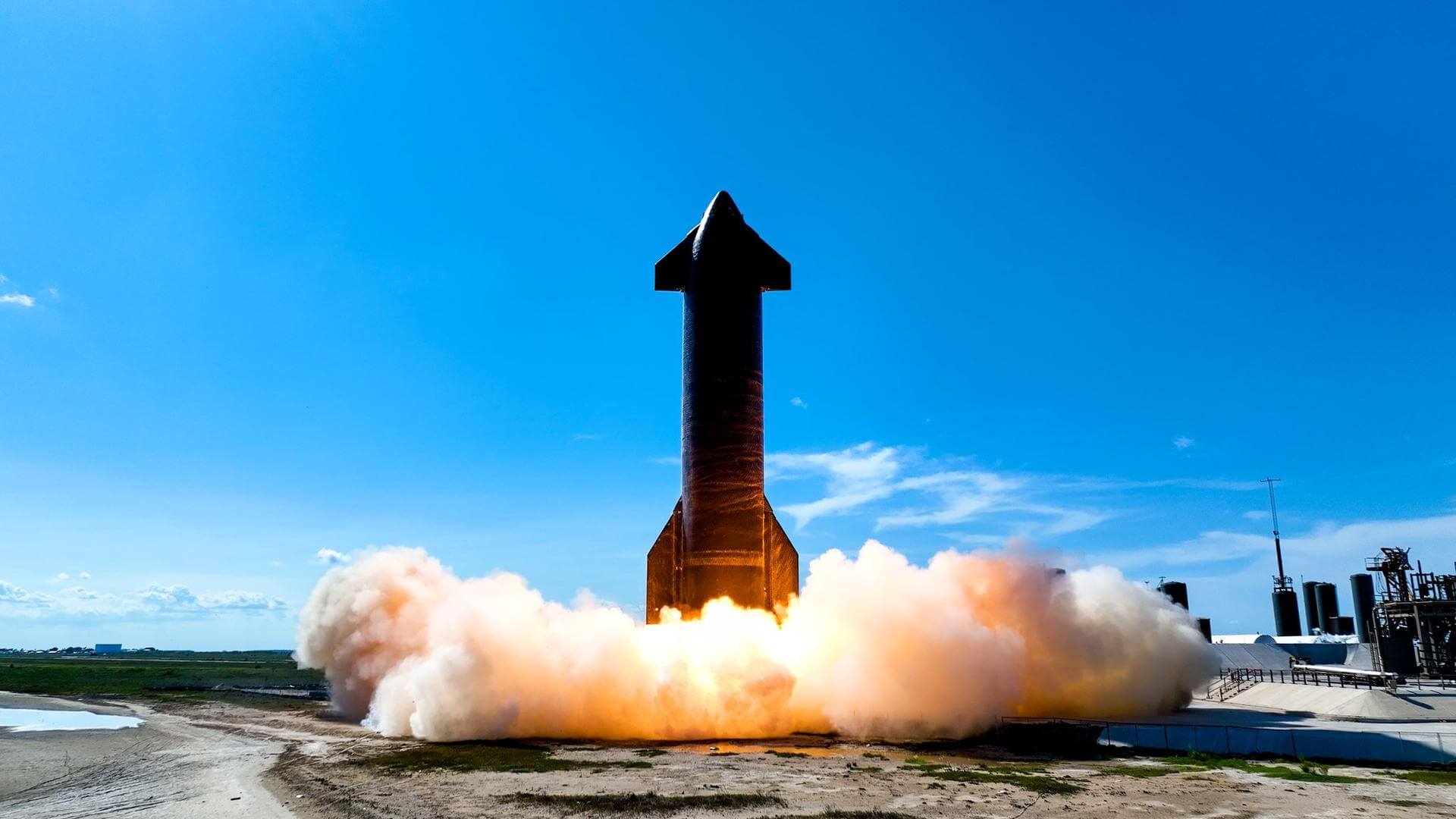
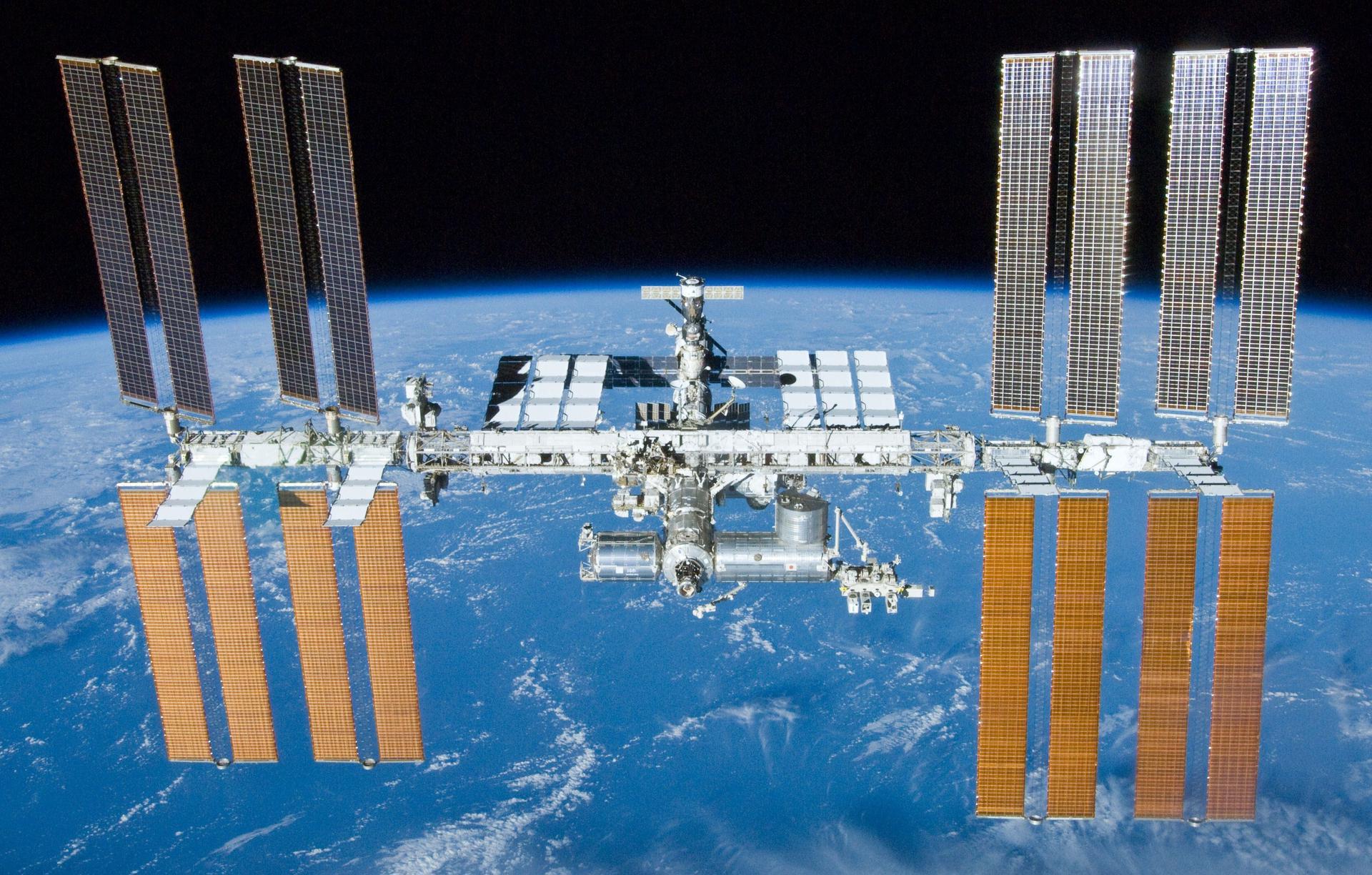
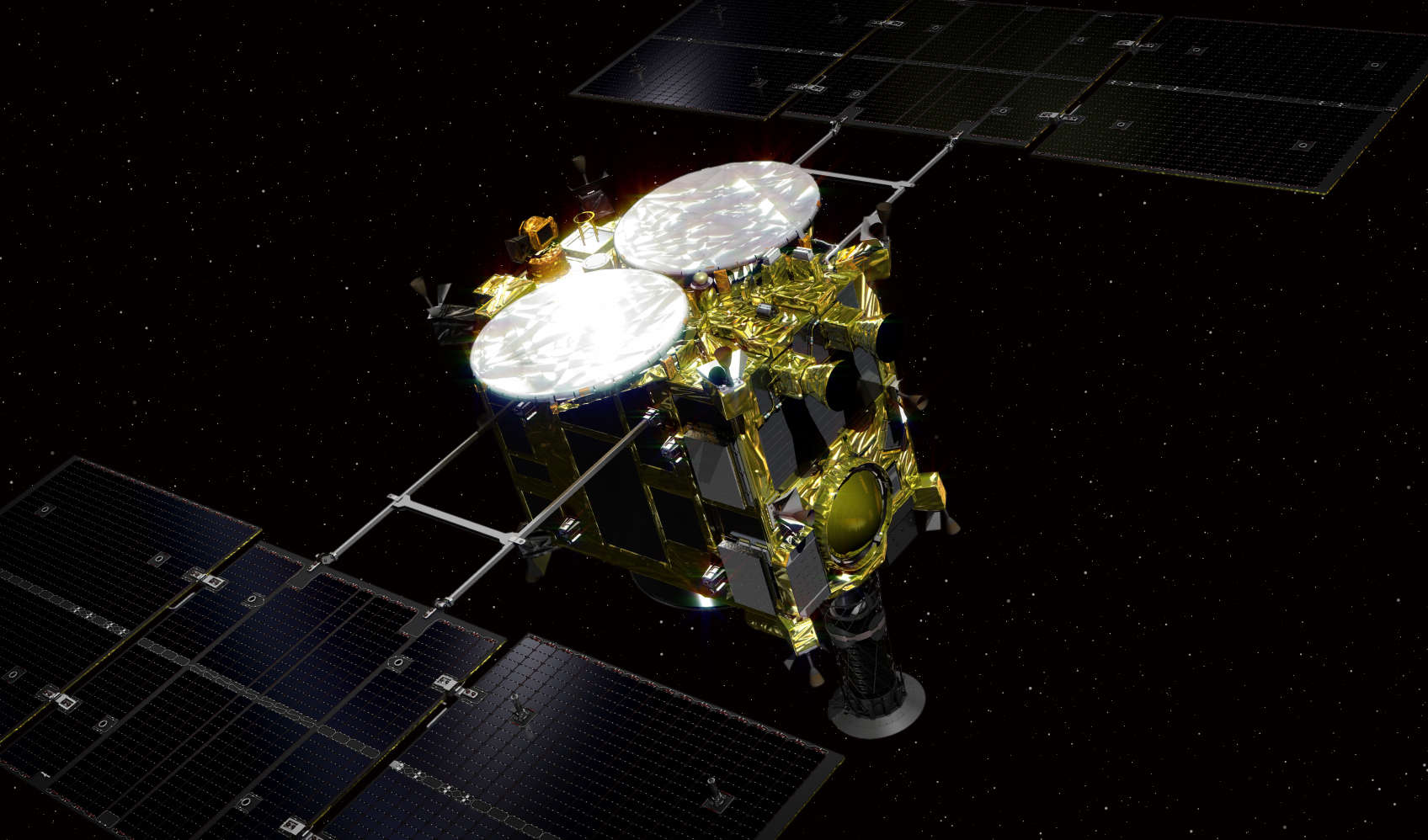
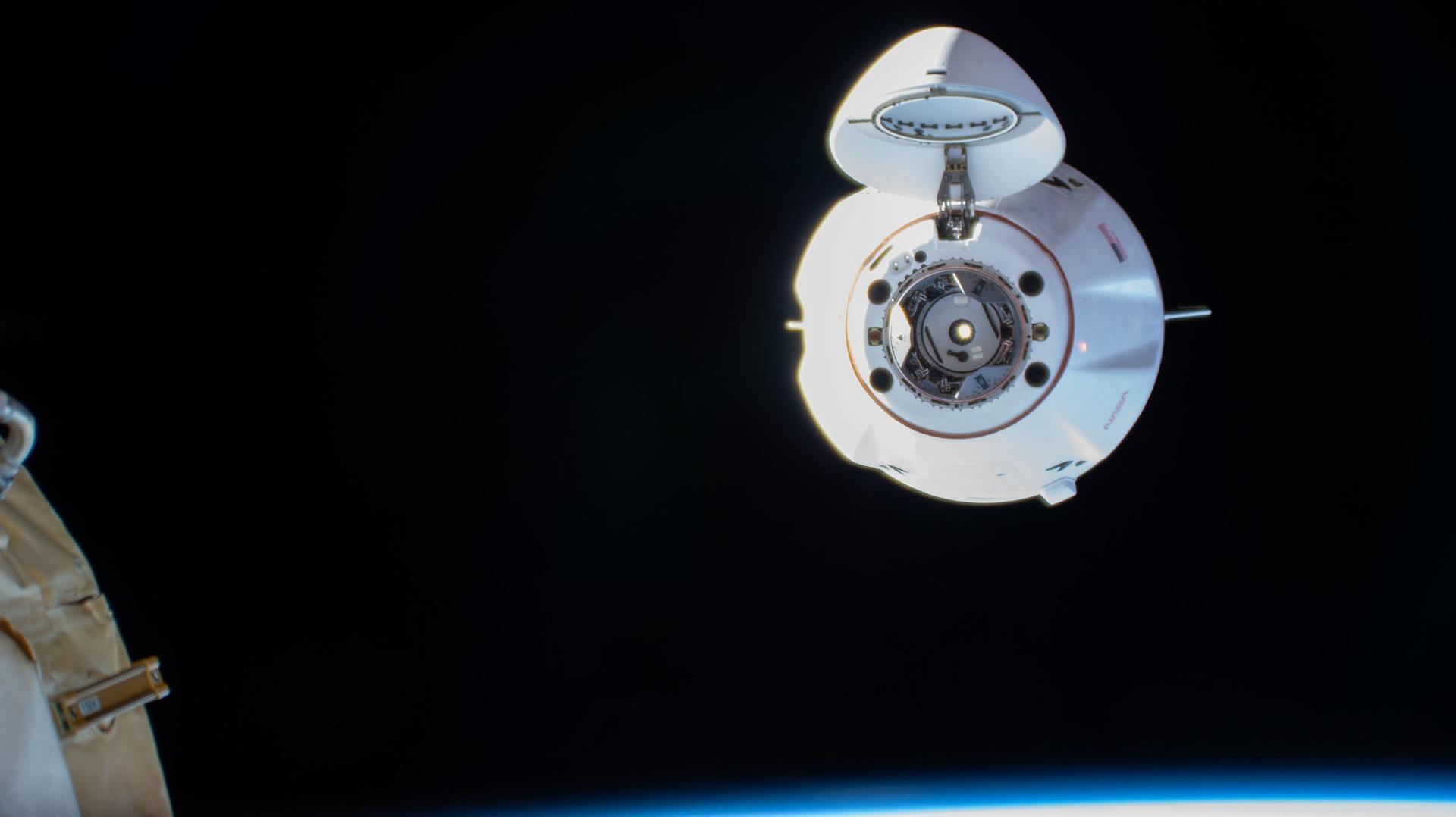
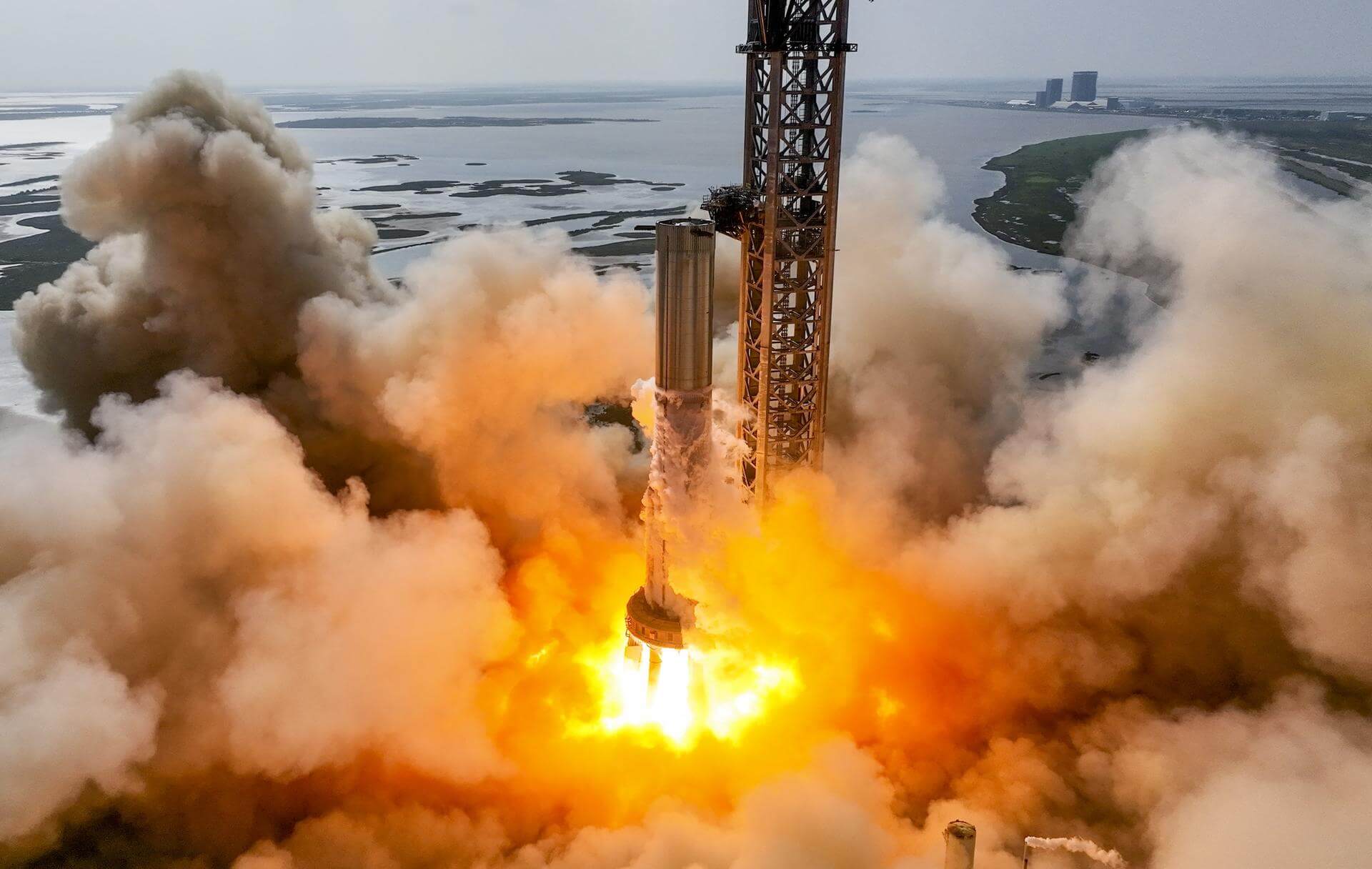
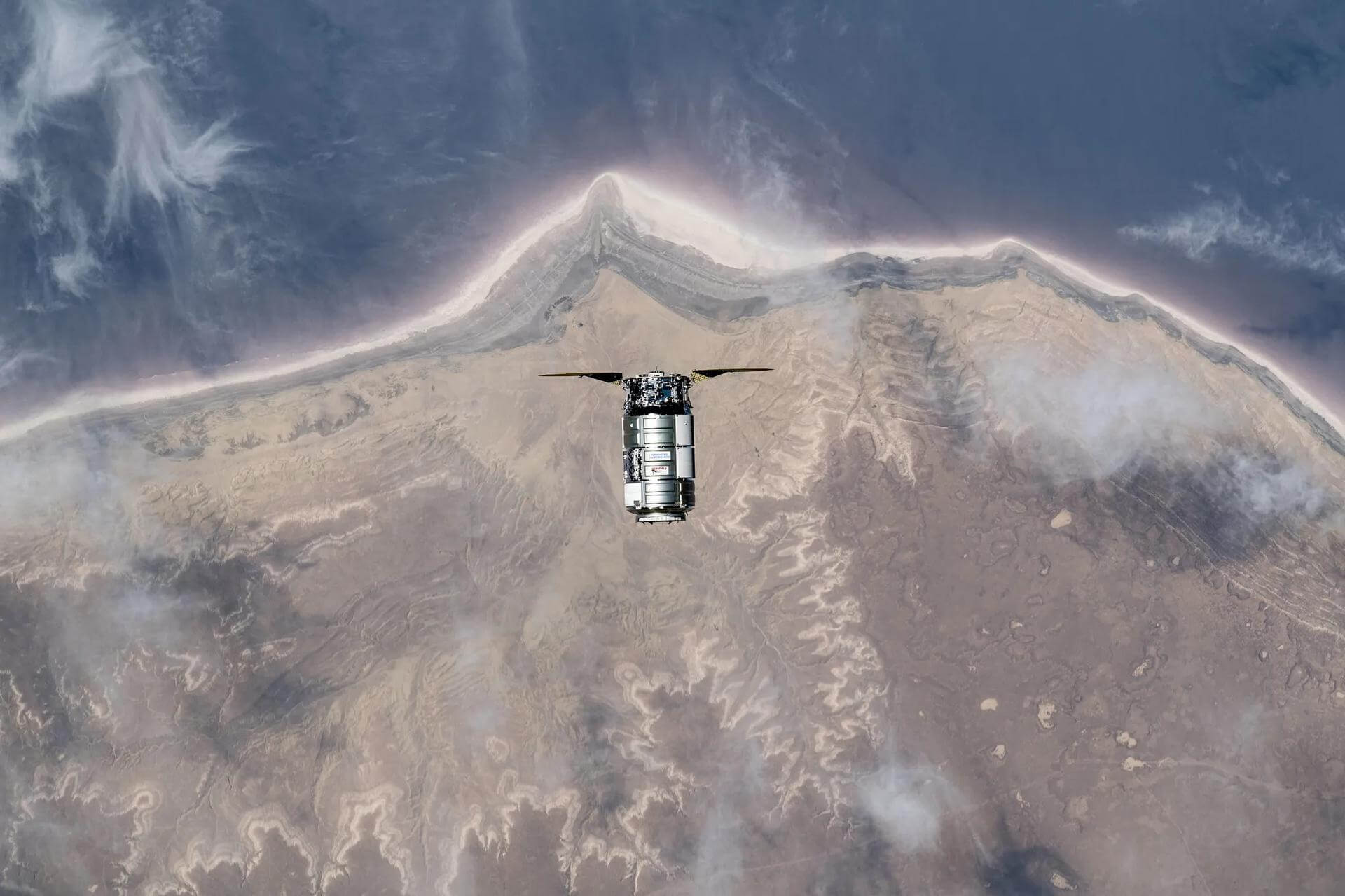
{ "count": 1201, "next": "https://lldev.thespacedevs.com/2.0.0/event/?format=api&limit=10&offset=1080", "previous": "https://lldev.thespacedevs.com/2.0.0/event/?format=api&limit=10&offset=1060", "results": [ { "id": 1224, "url": "https://lldev.thespacedevs.com/2.0.0/event/1224/?format=api", "slug": "s37-static-fire-test-2", "name": "S37 Static Fire Test #2", "type": { "id": 5, "name": "Static Fire" }, "description": "Starship S37 has performed a 6 engines static fire on Orbital Launch Pad-A at Starbase.", "location": "Starbase Texas, USA", "news_url": null, "video_url": "https://www.youtube.com/watch?v=qmu3BDvIFwg", "feature_image": "https://thespacedevs-dev.nyc3.digitaloceanspaces.com/media/images/starship_s24_st_image_20240305172824.jpeg", "date": "2025-08-01T21:31:00Z", "launches": [], "expeditions": [], "spacestations": [], "program": [ { "id": 1, "url": "https://lldev.thespacedevs.com/2.0.0/program/1/?format=api", "name": "SpaceX Starship", "description": "The SpaceX Starship is a fully reusable super heavy-lift launch vehicle under development by SpaceX since 2012, as a self-funded private spaceflight project. The second stage of the Starship — is designed as a long-duration cargo and passenger-carrying spacecraft. It is expected to be initially used without any booster stage at all, as part of an extensive development program to prove out launch-and-landing and iterate on a variety of design details, particularly with respect to the vehicle's atmospheric reentry.", "agencies": [ { "id": 121, "url": "https://lldev.thespacedevs.com/2.0.0/agencies/121/?format=api", "name": "SpaceX", "type": "Commercial" } ], "image_url": "https://thespacedevs-dev.nyc3.digitaloceanspaces.com/media/images/starship_on_the_image_20250111100520.jpg", "start_date": "2019-03-01T05:00:00Z", "end_date": null, "info_url": "https://www.spacex.com/vehicles/starship/", "wiki_url": "https://en.wikipedia.org/wiki/SpaceX_Starship" } ] }, { "id": 1226, "url": "https://lldev.thespacedevs.com/2.0.0/event/1226/?format=api", "slug": "spacex-crew-10-farewell-and-change-of-command-cere", "name": "SpaceX Crew-10 Farewell and Change of Command Ceremony", "type": { "id": 15, "name": "Change of Command" }, "description": "Before Crew-10 astronauts return to Earth, JAXA astronaut Takuya Onishi will hand over command of the International Space Station to ROSCOSMOS cosmonaut Sergey Ryzhikov.", "location": "International Space Station", "news_url": null, "video_url": "https://www.youtube.com/watch?v=UAQjknW5y9Y", "feature_image": "https://thespacedevs-dev.nyc3.digitaloceanspaces.com/media/images/crew-10_crew_in_image_20250306075802.jpg", "date": "2025-08-05T17:10:00Z", "launches": [], "expeditions": [ { "id": 162, "url": "https://lldev.thespacedevs.com/2.0.0/expedition/162/?format=api", "name": "Expedition 73", "start": "2025-04-19T21:57:33Z", "end": "2025-12-09T01:41:00Z", "spacestation": { "id": 4, "url": "https://lldev.thespacedevs.com/2.0.0/spacestation/4/?format=api", "name": "International Space Station", "status": { "id": 1, "name": "Active" }, "orbit": "Low Earth Orbit", "image_url": "https://thespacedevs-dev.nyc3.digitaloceanspaces.com/media/images/international2520space2520station_image_20190220215716.jpeg" } } ], "spacestations": [ { "id": 4, "url": "https://lldev.thespacedevs.com/2.0.0/spacestation/4/?format=api", "name": "International Space Station", "status": { "id": 1, "name": "Active" }, "founded": "1998-11-20", "description": "The International Space Station (ISS) is a space station, or a habitable artificial satellite, in low Earth orbit. Its first component was launched into orbit in 1998, with the first long-term residents arriving in November 2000. It has been inhabited continuously since that date. The last pressurised module was fitted in 2011, and an experimental inflatable space habitat was added in 2016. The station is expected to operate until 2030. Development and assembly of the station continues, with several new elements scheduled for launch in 2019. The ISS is the largest human-made body in low Earth orbit and can often be seen with the naked eye from Earth. The ISS consists of pressurised habitation modules, structural trusses, solar arrays, radiators, docking ports, experiment bays and robotic arms. ISS components have been launched by Russian Proton and Soyuz rockets, and American Space Shuttles.", "orbit": "Low Earth Orbit", "image_url": "https://thespacedevs-dev.nyc3.digitaloceanspaces.com/media/images/international2520space2520station_image_20190220215716.jpeg" } ], "program": [ { "id": 5, "url": "https://lldev.thespacedevs.com/2.0.0/program/5/?format=api", "name": "Commercial Crew Program", "description": "The Commercial Crew Program (CCP) is a human spaceflight program operated by NASA, in association with American aerospace manufacturers Boeing and SpaceX. The program conducts rotations between the expeditions of the International Space Station program, transporting crews to and from the International Space Station (ISS) aboard Boeing Starliner and SpaceX Crew Dragon capsules, in the first crewed orbital spaceflights operated by private companies.", "agencies": [ { "id": 80, "url": "https://lldev.thespacedevs.com/2.0.0/agencies/80/?format=api", "name": "Boeing", "type": "Commercial" }, { "id": 44, "url": "https://lldev.thespacedevs.com/2.0.0/agencies/44/?format=api", "name": "National Aeronautics and Space Administration", "type": "Government" }, { "id": 121, "url": "https://lldev.thespacedevs.com/2.0.0/agencies/121/?format=api", "name": "SpaceX", "type": "Commercial" } ], "image_url": "https://thespacedevs-dev.nyc3.digitaloceanspaces.com/media/images/commercial2520_program_20200820201209.png", "start_date": "2011-04-18T00:00:00Z", "end_date": null, "info_url": "https://www.nasa.gov/exploration/commercial/crew/index.html", "wiki_url": "https://en.wikipedia.org/wiki/Commercial_Crew_Program" }, { "id": 17, "url": "https://lldev.thespacedevs.com/2.0.0/program/17/?format=api", "name": "International Space Station", "description": "The International Space Station programme is tied together by a complex set of legal, political and financial agreements between the sixteen nations involved in the project, governing ownership of the various components, rights to crewing and utilization, and responsibilities for crew rotation and resupply of the International Space Station. It was conceived in 1984 by President Ronald Reagan, during the Space Station Freedom project as it was originally called.", "agencies": [ { "id": 16, "url": "https://lldev.thespacedevs.com/2.0.0/agencies/16/?format=api", "name": "Canadian Space Agency", "type": "Government" }, { "id": 27, "url": "https://lldev.thespacedevs.com/2.0.0/agencies/27/?format=api", "name": "European Space Agency", "type": "Multinational" }, { "id": 37, "url": "https://lldev.thespacedevs.com/2.0.0/agencies/37/?format=api", "name": "Japan Aerospace Exploration Agency", "type": "Government" }, { "id": 44, "url": "https://lldev.thespacedevs.com/2.0.0/agencies/44/?format=api", "name": "National Aeronautics and Space Administration", "type": "Government" }, { "id": 63, "url": "https://lldev.thespacedevs.com/2.0.0/agencies/63/?format=api", "name": "Russian Federal Space Agency (ROSCOSMOS)", "type": "Government" } ], "image_url": "https://thespacedevs-dev.nyc3.digitaloceanspaces.com/media/images/international2_program_20201129184745.png", "start_date": "1998-11-20T06:40:00Z", "end_date": null, "info_url": "https://www.nasa.gov/mission_pages/station/main/index.html", "wiki_url": "https://en.wikipedia.org/wiki/International_Space_Station_programme" } ] }, { "id": 1286, "url": "https://lldev.thespacedevs.com/2.0.0/event/1286/?format=api", "slug": "hayabusa2-asteroid-1998-ky26-rendezvous", "name": "Hayabusa2 Asteroid 1998 KY26 Rendezvous", "type": { "id": 6, "name": "Spacecraft Event" }, "description": "As part of its mission extension, JAXA's Hayabusa2 spacecraft will rendezvous with asteroid 1998 KY26.", "location": "1998 KY26", "news_url": null, "video_url": null, "feature_image": "https://thespacedevs-dev.nyc3.digitaloceanspaces.com/media/images/hayabusa-22520sample2520returns2520to2520earth_image_20190729040322.jpg", "date": "2031-07-31T00:00:00Z", "launches": [], "expeditions": [], "spacestations": [], "program": [] }, { "id": 1232, "url": "https://lldev.thespacedevs.com/2.0.0/event/1232/?format=api", "slug": "spacex-crs-33-prelaunch-media-teleconference", "name": "SpaceX CRS-33 Prelaunch Media Teleconference", "type": { "id": 20, "name": "Press Event" }, "description": "Prelaunch media teleconference with the following participants:\r\n- Bill Spetch, operations integration manager, NASA’s International Space Station Program\r\n- Heidi Parris, associate program scientist, NASA’s International Space Station Program Research Office\r\n- Sarah Walker, director, Dragon Mission Management, SpaceX", "location": "Online", "news_url": "https://www.nasa.gov/news-release/nasa-sets-coverage-for-spacex-33rd-station-resupply-launch-arrival/", "video_url": "https://www.youtube.com/watch?v=nf4tiBQln_g", "feature_image": "https://thespacedevs-dev.nyc3.digitaloceanspaces.com/media/images/crs-28_dragon_d_image_20230530191602.jpeg", "date": "2025-08-22T15:30:00Z", "launches": [], "expeditions": [], "spacestations": [ { "id": 4, "url": "https://lldev.thespacedevs.com/2.0.0/spacestation/4/?format=api", "name": "International Space Station", "status": { "id": 1, "name": "Active" }, "founded": "1998-11-20", "description": "The International Space Station (ISS) is a space station, or a habitable artificial satellite, in low Earth orbit. Its first component was launched into orbit in 1998, with the first long-term residents arriving in November 2000. It has been inhabited continuously since that date. The last pressurised module was fitted in 2011, and an experimental inflatable space habitat was added in 2016. The station is expected to operate until 2030. Development and assembly of the station continues, with several new elements scheduled for launch in 2019. The ISS is the largest human-made body in low Earth orbit and can often be seen with the naked eye from Earth. The ISS consists of pressurised habitation modules, structural trusses, solar arrays, radiators, docking ports, experiment bays and robotic arms. ISS components have been launched by Russian Proton and Soyuz rockets, and American Space Shuttles.", "orbit": "Low Earth Orbit", "image_url": "https://thespacedevs-dev.nyc3.digitaloceanspaces.com/media/images/international2520space2520station_image_20190220215716.jpeg" } ], "program": [ { "id": 11, "url": "https://lldev.thespacedevs.com/2.0.0/program/11/?format=api", "name": "Commercial Resupply Services", "description": "Commercial Resupply Services (CRS) are a series of flights awarded by NASA for the delivery of cargo and supplies to the International Space Station.The first CRS contracts were signed in 2008 and awarded $1.6 billion to SpaceX for twelve cargo Dragon and $1.9 billion to Orbital Sciences for eight Cygnus flights, covering deliveries to 2016. The Falcon 9 and Antares rockets were also developed under the CRS program to deliver cargo spacecraft to the ISS.", "agencies": [ { "id": 44, "url": "https://lldev.thespacedevs.com/2.0.0/agencies/44/?format=api", "name": "National Aeronautics and Space Administration", "type": "Government" }, { "id": 257, "url": "https://lldev.thespacedevs.com/2.0.0/agencies/257/?format=api", "name": "Northrop Grumman Space Systems", "type": "Commercial" }, { "id": 1020, "url": "https://lldev.thespacedevs.com/2.0.0/agencies/1020/?format=api", "name": "Sierra Nevada Corporation", "type": "Commercial" }, { "id": 121, "url": "https://lldev.thespacedevs.com/2.0.0/agencies/121/?format=api", "name": "SpaceX", "type": "Commercial" } ], "image_url": "https://thespacedevs-dev.nyc3.digitaloceanspaces.com/media/images/commercial2520_program_20201129212219.png", "start_date": "2008-12-23T00:00:00Z", "end_date": null, "info_url": null, "wiki_url": "https://en.wikipedia.org/wiki/Commercial_Resupply_Services#Commercial_Resupply_Services" } ] }, { "id": 1276, "url": "https://lldev.thespacedevs.com/2.0.0/event/1276/?format=api", "slug": "booster-15-2-static-fire", "name": "Booster 15-2 Static Fire", "type": { "id": 5, "name": "Static Fire" }, "description": "SpaceX will static fire to-be-reused Starship/Super Heavy Booster 15-2, in preparation for Starship's 11th launch.", "location": "Starbase. Texas", "news_url": null, "video_url": "https://www.youtube.com/watch?v=Sn0j9nCLxC4", "feature_image": "https://thespacedevs-dev.nyc3.digitaloceanspaces.com/media/images/booster_7_33_en_image_20230128102545.jpeg", "date": "2025-09-07T15:20:00Z", "launches": [], "expeditions": [], "spacestations": [], "program": [ { "id": 1, "url": "https://lldev.thespacedevs.com/2.0.0/program/1/?format=api", "name": "SpaceX Starship", "description": "The SpaceX Starship is a fully reusable super heavy-lift launch vehicle under development by SpaceX since 2012, as a self-funded private spaceflight project. The second stage of the Starship — is designed as a long-duration cargo and passenger-carrying spacecraft. It is expected to be initially used without any booster stage at all, as part of an extensive development program to prove out launch-and-landing and iterate on a variety of design details, particularly with respect to the vehicle's atmospheric reentry.", "agencies": [ { "id": 121, "url": "https://lldev.thespacedevs.com/2.0.0/agencies/121/?format=api", "name": "SpaceX", "type": "Commercial" } ], "image_url": "https://thespacedevs-dev.nyc3.digitaloceanspaces.com/media/images/starship_on_the_image_20250111100520.jpg", "start_date": "2019-03-01T05:00:00Z", "end_date": null, "info_url": "https://www.spacex.com/vehicles/starship/", "wiki_url": "https://en.wikipedia.org/wiki/SpaceX_Starship" } ] }, { "id": 1240, "url": "https://lldev.thespacedevs.com/2.0.0/event/1240/?format=api", "slug": "nasa-imap-media-teleconference", "name": "NASA IMAP Media Teleconference", "type": { "id": 20, "name": "Press Event" }, "description": "NASA will hold a media teleconference to discuss the agency’s upcoming Sun and space weather missions, IMAP (Interstellar Mapping and Acceleration Probe) and Carruthers Geocorona Observatory.\r\n\r\nThe IMAP mission will map the boundaries of our heliosphere, the vast bubble created by the Sun’s wind that encapsulates our entire solar system. As a modern-day celestial cartographer, IMAP will explore how the heliosphere interacts with interstellar space, as well as chart the range of particles that fill the space between the planets. The IMAP mission also will support near real-time observations of the solar wind and energetic particles. These energetic particles can produce hazardous space weather that can impact spacecraft and other NASA hardware as the agency explores deeper into space, including at the Moon under the Artemis campaign.\r\n\r\nNASA’s Carruthers Geocorona Observatory will image the ultraviolet glow of Earth’s exosphere, the outermost region of our planet’s atmosphere. This data will help scientists understand how space weather from the Sun shapes the exosphere and ultimately impacts our planet. The first observation of this glow – called the geocorona – was captured during Apollo 16, when a telescope designed and built by George Carruthers was deployed on the Moon.\r\n\r\nParticipants include:\r\n- Nicky Fox, associate administrator, Science Mission Directorate, NASA Headquarters in Washington\r\n- Teresa Nieves-Chinchilla, director, Moon to Mars Space Weather Analysis Office, NASA’s Goddard Space Flight Center in Greenbelt, Maryland\r\n- David J. McComas, IMAP principal investigator, Princeton University\r\n- Lara Waldrop, Carruthers Geocorona Observatory principal investigator, University of Illinois Urbana-Champaign", "location": "Online", "news_url": "https://www.nasa.gov/news-release/nasa-invites-media-to-learn-about-new-missions-to-map-suns-influence/", "video_url": "https://www.youtube.com/watch?v=o45m6QjxNB8", "feature_image": "https://thespacedevs-dev.nyc3.digitaloceanspaces.com/media/images/imap_in_orbit_r_image_20250829071448.jpg", "date": "2025-09-04T16:00:00Z", "launches": [], "expeditions": [], "spacestations": [], "program": [] }, { "id": 1229, "url": "https://lldev.thespacedevs.com/2.0.0/event/1229/?format=api", "slug": "crs-33-dragon-docking", "name": "CRS-33 Dragon Docking", "type": { "id": 2, "name": "Docking" }, "description": "Following its launch atop a Falcon 9, the CRS-33 Dragon will autonomously dock to the ISS, bringing crew supplies as well as experiments.", "location": "International Space Station", "news_url": null, "video_url": "https://www.youtube.com/watch?v=6nXqUGNF4QY", "feature_image": "https://thespacedevs-dev.nyc3.digitaloceanspaces.com/media/images/crs-28_dragon_d_image_20230530191602.jpeg", "date": "2025-08-25T11:22:05Z", "launches": [], "expeditions": [], "spacestations": [ { "id": 4, "url": "https://lldev.thespacedevs.com/2.0.0/spacestation/4/?format=api", "name": "International Space Station", "status": { "id": 1, "name": "Active" }, "founded": "1998-11-20", "description": "The International Space Station (ISS) is a space station, or a habitable artificial satellite, in low Earth orbit. Its first component was launched into orbit in 1998, with the first long-term residents arriving in November 2000. It has been inhabited continuously since that date. The last pressurised module was fitted in 2011, and an experimental inflatable space habitat was added in 2016. The station is expected to operate until 2030. Development and assembly of the station continues, with several new elements scheduled for launch in 2019. The ISS is the largest human-made body in low Earth orbit and can often be seen with the naked eye from Earth. The ISS consists of pressurised habitation modules, structural trusses, solar arrays, radiators, docking ports, experiment bays and robotic arms. ISS components have been launched by Russian Proton and Soyuz rockets, and American Space Shuttles.", "orbit": "Low Earth Orbit", "image_url": "https://thespacedevs-dev.nyc3.digitaloceanspaces.com/media/images/international2520space2520station_image_20190220215716.jpeg" } ], "program": [ { "id": 11, "url": "https://lldev.thespacedevs.com/2.0.0/program/11/?format=api", "name": "Commercial Resupply Services", "description": "Commercial Resupply Services (CRS) are a series of flights awarded by NASA for the delivery of cargo and supplies to the International Space Station.The first CRS contracts were signed in 2008 and awarded $1.6 billion to SpaceX for twelve cargo Dragon and $1.9 billion to Orbital Sciences for eight Cygnus flights, covering deliveries to 2016. The Falcon 9 and Antares rockets were also developed under the CRS program to deliver cargo spacecraft to the ISS.", "agencies": [ { "id": 44, "url": "https://lldev.thespacedevs.com/2.0.0/agencies/44/?format=api", "name": "National Aeronautics and Space Administration", "type": "Government" }, { "id": 257, "url": "https://lldev.thespacedevs.com/2.0.0/agencies/257/?format=api", "name": "Northrop Grumman Space Systems", "type": "Commercial" }, { "id": 1020, "url": "https://lldev.thespacedevs.com/2.0.0/agencies/1020/?format=api", "name": "Sierra Nevada Corporation", "type": "Commercial" }, { "id": 121, "url": "https://lldev.thespacedevs.com/2.0.0/agencies/121/?format=api", "name": "SpaceX", "type": "Commercial" } ], "image_url": "https://thespacedevs-dev.nyc3.digitaloceanspaces.com/media/images/commercial2520_program_20201129212219.png", "start_date": "2008-12-23T00:00:00Z", "end_date": null, "info_url": null, "wiki_url": "https://en.wikipedia.org/wiki/Commercial_Resupply_Services#Commercial_Resupply_Services" }, { "id": 17, "url": "https://lldev.thespacedevs.com/2.0.0/program/17/?format=api", "name": "International Space Station", "description": "The International Space Station programme is tied together by a complex set of legal, political and financial agreements between the sixteen nations involved in the project, governing ownership of the various components, rights to crewing and utilization, and responsibilities for crew rotation and resupply of the International Space Station. It was conceived in 1984 by President Ronald Reagan, during the Space Station Freedom project as it was originally called.", "agencies": [ { "id": 16, "url": "https://lldev.thespacedevs.com/2.0.0/agencies/16/?format=api", "name": "Canadian Space Agency", "type": "Government" }, { "id": 27, "url": "https://lldev.thespacedevs.com/2.0.0/agencies/27/?format=api", "name": "European Space Agency", "type": "Multinational" }, { "id": 37, "url": "https://lldev.thespacedevs.com/2.0.0/agencies/37/?format=api", "name": "Japan Aerospace Exploration Agency", "type": "Government" }, { "id": 44, "url": "https://lldev.thespacedevs.com/2.0.0/agencies/44/?format=api", "name": "National Aeronautics and Space Administration", "type": "Government" }, { "id": 63, "url": "https://lldev.thespacedevs.com/2.0.0/agencies/63/?format=api", "name": "Russian Federal Space Agency (ROSCOSMOS)", "type": "Government" } ], "image_url": "https://thespacedevs-dev.nyc3.digitaloceanspaces.com/media/images/international2_program_20201129184745.png", "start_date": "1998-11-20T06:40:00Z", "end_date": null, "info_url": "https://www.nasa.gov/mission_pages/station/main/index.html", "wiki_url": "https://en.wikipedia.org/wiki/International_Space_Station_programme" } ] }, { "id": 1283, "url": "https://lldev.thespacedevs.com/2.0.0/event/1283/?format=api", "slug": "hayabusa2-s-type-asteroid-98943-torifune-flyby", "name": "Hayabusa2 S-Type Asteroid (98943) Torifune Flyby", "type": { "id": 23, "name": "Flyby" }, "description": "As part of its mission extension, JAXA's Hayabusa2 spacecraft will observe S-type asteroid (98943) Torifune during a high-speed fly-by.", "location": "(98943) Torifune", "news_url": null, "video_url": "https://www.youtube.com/watch?v=hVC3KP3FdQM", "feature_image": "https://thespacedevs-dev.nyc3.digitaloceanspaces.com/media/images/hayabusa-22520sample2520returns2520to2520earth_image_20190729040322.jpg", "date": "2026-07-05T09:30:00Z", "launches": [], "expeditions": [], "spacestations": [], "program": [] }, { "id": 1279, "url": "https://lldev.thespacedevs.com/2.0.0/event/1279/?format=api", "slug": "ng-23-prelaunch-media-teleconference", "name": "NG-23 Prelaunch Media Teleconference", "type": { "id": 20, "name": "Press Event" }, "description": "NASA will host a prelaunch media teleconference with the following participants:\r\n- Dina Contella, deputy manager, NASA’s International Space Station Program\r\n- Dr. Liz Warren, associate chief scientist, NASA’s International Space Station Program Research Office\r\n- Ryan Tintner, vice president, Civil Space Systems, Northrop Grumman\r\n- Jared Metter, director, Flight Reliability, SpaceX", "location": "Online", "news_url": "https://www.nasa.gov/news-release/nasa-sets-coverage-for-northrop-grumman-crs-23-spacex-falcon-9-launch/", "video_url": "https://www.youtube.com/watch?v=RyDPFCcAe6w", "feature_image": "https://thespacedevs-dev.nyc3.digitaloceanspaces.com/media/images/ng-20_science_m_image_20240125082159.jpeg", "date": "2025-09-12T15:30:00Z", "launches": [], "expeditions": [], "spacestations": [ { "id": 4, "url": "https://lldev.thespacedevs.com/2.0.0/spacestation/4/?format=api", "name": "International Space Station", "status": { "id": 1, "name": "Active" }, "founded": "1998-11-20", "description": "The International Space Station (ISS) is a space station, or a habitable artificial satellite, in low Earth orbit. Its first component was launched into orbit in 1998, with the first long-term residents arriving in November 2000. It has been inhabited continuously since that date. The last pressurised module was fitted in 2011, and an experimental inflatable space habitat was added in 2016. The station is expected to operate until 2030. Development and assembly of the station continues, with several new elements scheduled for launch in 2019. The ISS is the largest human-made body in low Earth orbit and can often be seen with the naked eye from Earth. The ISS consists of pressurised habitation modules, structural trusses, solar arrays, radiators, docking ports, experiment bays and robotic arms. ISS components have been launched by Russian Proton and Soyuz rockets, and American Space Shuttles.", "orbit": "Low Earth Orbit", "image_url": "https://thespacedevs-dev.nyc3.digitaloceanspaces.com/media/images/international2520space2520station_image_20190220215716.jpeg" } ], "program": [ { "id": 11, "url": "https://lldev.thespacedevs.com/2.0.0/program/11/?format=api", "name": "Commercial Resupply Services", "description": "Commercial Resupply Services (CRS) are a series of flights awarded by NASA for the delivery of cargo and supplies to the International Space Station.The first CRS contracts were signed in 2008 and awarded $1.6 billion to SpaceX for twelve cargo Dragon and $1.9 billion to Orbital Sciences for eight Cygnus flights, covering deliveries to 2016. The Falcon 9 and Antares rockets were also developed under the CRS program to deliver cargo spacecraft to the ISS.", "agencies": [ { "id": 44, "url": "https://lldev.thespacedevs.com/2.0.0/agencies/44/?format=api", "name": "National Aeronautics and Space Administration", "type": "Government" }, { "id": 257, "url": "https://lldev.thespacedevs.com/2.0.0/agencies/257/?format=api", "name": "Northrop Grumman Space Systems", "type": "Commercial" }, { "id": 1020, "url": "https://lldev.thespacedevs.com/2.0.0/agencies/1020/?format=api", "name": "Sierra Nevada Corporation", "type": "Commercial" }, { "id": 121, "url": "https://lldev.thespacedevs.com/2.0.0/agencies/121/?format=api", "name": "SpaceX", "type": "Commercial" } ], "image_url": "https://thespacedevs-dev.nyc3.digitaloceanspaces.com/media/images/commercial2520_program_20201129212219.png", "start_date": "2008-12-23T00:00:00Z", "end_date": null, "info_url": null, "wiki_url": "https://en.wikipedia.org/wiki/Commercial_Resupply_Services#Commercial_Resupply_Services" } ] }, { "id": 1239, "url": "https://lldev.thespacedevs.com/2.0.0/event/1239/?format=api", "slug": "progress-ms-30-undocking", "name": "Progress MS-30 Undocking", "type": { "id": 8, "name": "Spacecraft Undocking" }, "description": "The Progress MS-30 spacecraft will undock from the Zvezda module of the International Space Station.\r\nIt will then de-orbit and burn up in the atmosphere.", "location": "International Space Station", "news_url": null, "video_url": "https://www.youtube.com/watch?v=WVyASlpS4c8", "feature_image": "https://thespacedevs-dev.nyc3.digitaloceanspaces.com/media/images/progress2520ms-112520docking_image_20190318202147.jpeg", "date": "2025-09-09T15:44:00Z", "launches": [], "expeditions": [], "spacestations": [ { "id": 4, "url": "https://lldev.thespacedevs.com/2.0.0/spacestation/4/?format=api", "name": "International Space Station", "status": { "id": 1, "name": "Active" }, "founded": "1998-11-20", "description": "The International Space Station (ISS) is a space station, or a habitable artificial satellite, in low Earth orbit. Its first component was launched into orbit in 1998, with the first long-term residents arriving in November 2000. It has been inhabited continuously since that date. The last pressurised module was fitted in 2011, and an experimental inflatable space habitat was added in 2016. The station is expected to operate until 2030. Development and assembly of the station continues, with several new elements scheduled for launch in 2019. The ISS is the largest human-made body in low Earth orbit and can often be seen with the naked eye from Earth. The ISS consists of pressurised habitation modules, structural trusses, solar arrays, radiators, docking ports, experiment bays and robotic arms. ISS components have been launched by Russian Proton and Soyuz rockets, and American Space Shuttles.", "orbit": "Low Earth Orbit", "image_url": "https://thespacedevs-dev.nyc3.digitaloceanspaces.com/media/images/international2520space2520station_image_20190220215716.jpeg" } ], "program": [ { "id": 17, "url": "https://lldev.thespacedevs.com/2.0.0/program/17/?format=api", "name": "International Space Station", "description": "The International Space Station programme is tied together by a complex set of legal, political and financial agreements between the sixteen nations involved in the project, governing ownership of the various components, rights to crewing and utilization, and responsibilities for crew rotation and resupply of the International Space Station. It was conceived in 1984 by President Ronald Reagan, during the Space Station Freedom project as it was originally called.", "agencies": [ { "id": 16, "url": "https://lldev.thespacedevs.com/2.0.0/agencies/16/?format=api", "name": "Canadian Space Agency", "type": "Government" }, { "id": 27, "url": "https://lldev.thespacedevs.com/2.0.0/agencies/27/?format=api", "name": "European Space Agency", "type": "Multinational" }, { "id": 37, "url": "https://lldev.thespacedevs.com/2.0.0/agencies/37/?format=api", "name": "Japan Aerospace Exploration Agency", "type": "Government" }, { "id": 44, "url": "https://lldev.thespacedevs.com/2.0.0/agencies/44/?format=api", "name": "National Aeronautics and Space Administration", "type": "Government" }, { "id": 63, "url": "https://lldev.thespacedevs.com/2.0.0/agencies/63/?format=api", "name": "Russian Federal Space Agency (ROSCOSMOS)", "type": "Government" } ], "image_url": "https://thespacedevs-dev.nyc3.digitaloceanspaces.com/media/images/international2_program_20201129184745.png", "start_date": "1998-11-20T06:40:00Z", "end_date": null, "info_url": "https://www.nasa.gov/mission_pages/station/main/index.html", "wiki_url": "https://en.wikipedia.org/wiki/International_Space_Station_programme" } ] } ] }