Event List
API endpoint that allows all Events to be viewed.
GET: Return a list of all Events
SEARCH EXAMPLE: /2.0.0/event/?search=Dragon Searches through name
GET /2.0.0/event/?format=api&offset=1060
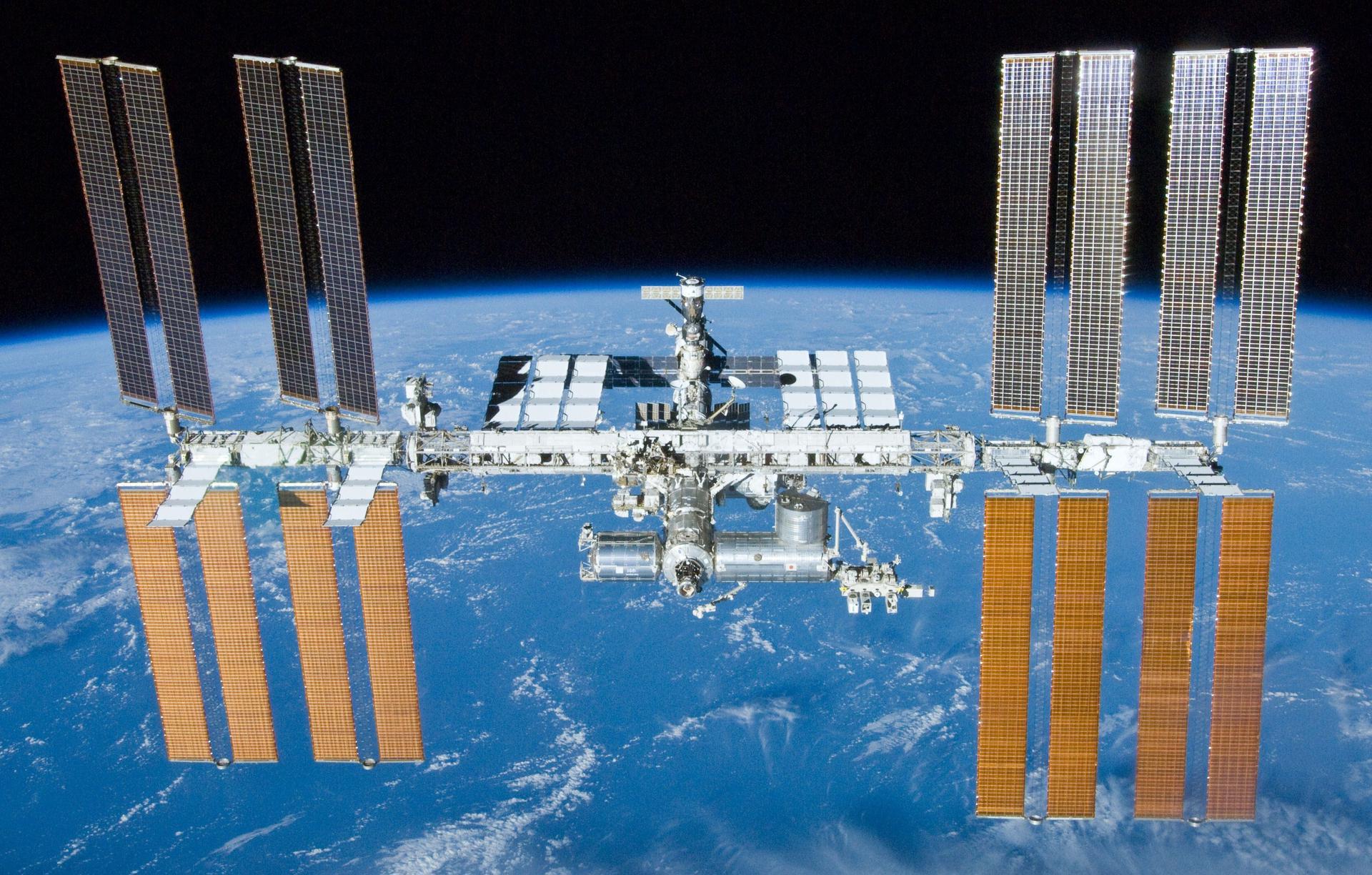
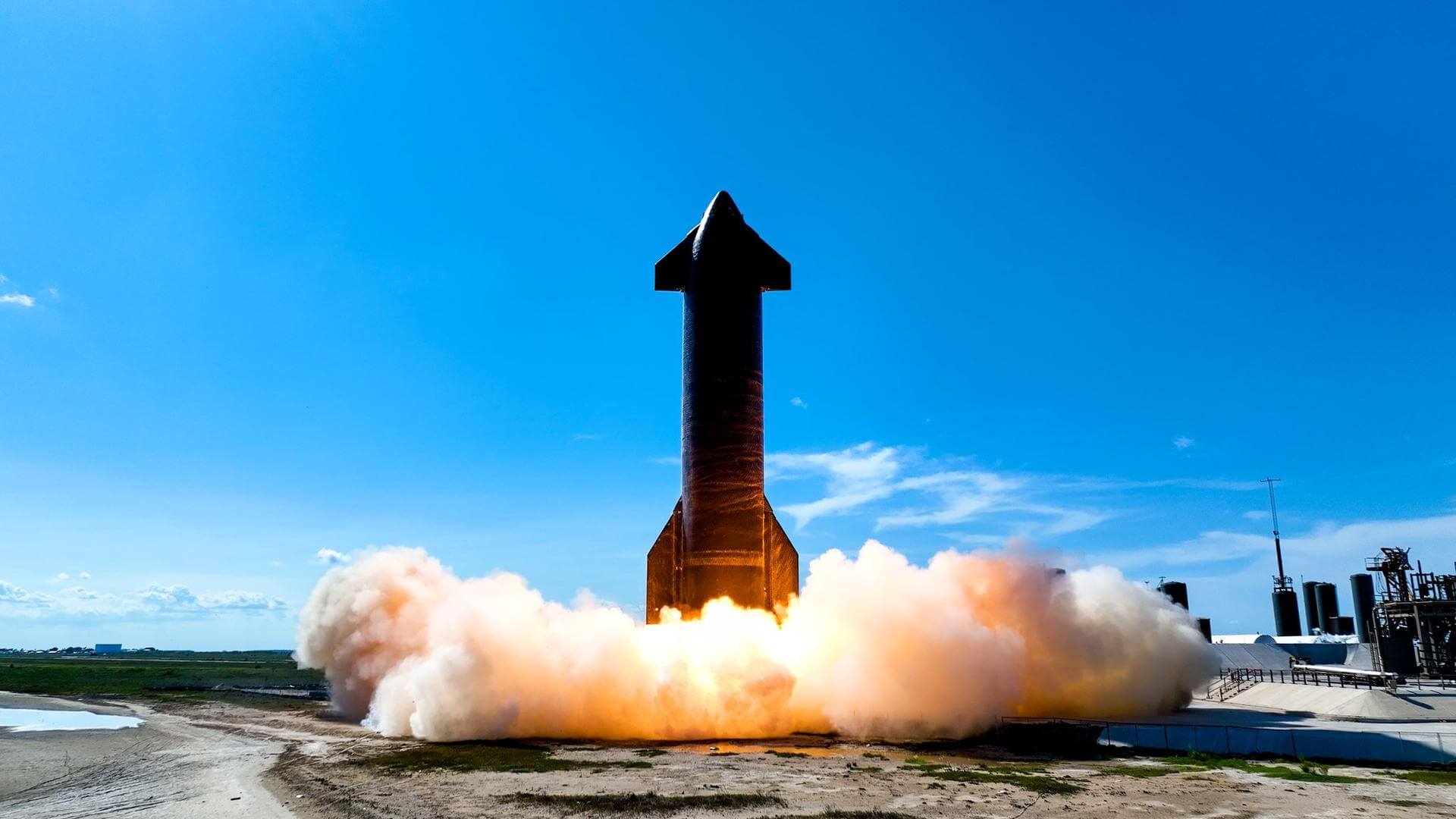
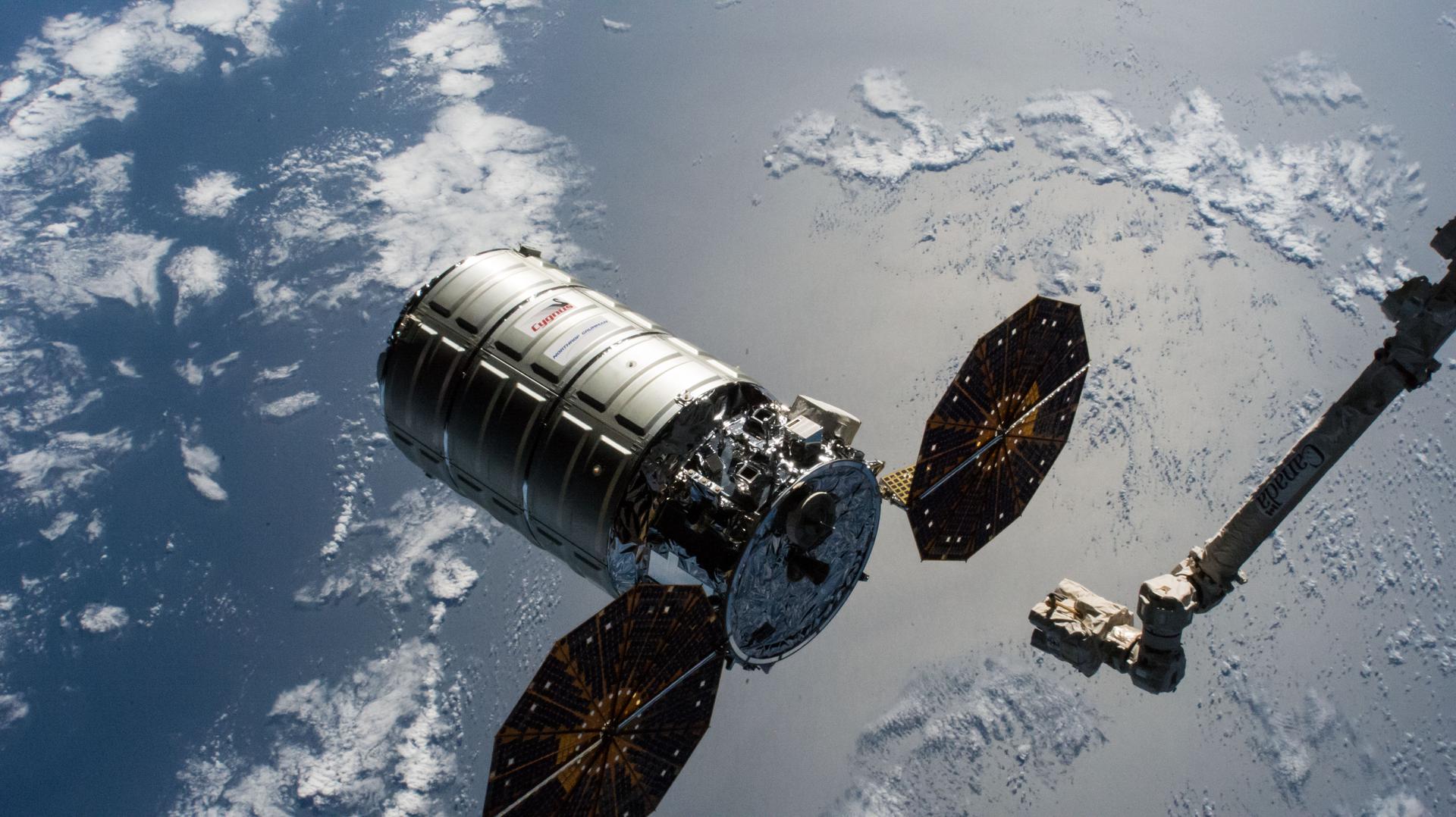
{ "count": 1201, "next": "https://lldev.thespacedevs.com/2.0.0/event/?format=api&limit=10&offset=1070", "previous": "https://lldev.thespacedevs.com/2.0.0/event/?format=api&limit=10&offset=1050", "results": [ { "id": 1215, "url": "https://lldev.thespacedevs.com/2.0.0/event/1215/?format=api", "slug": "nasa-tracers-media-teleconference", "name": "NASA TRACERS Media Teleconference", "type": { "id": 20, "name": "Press Event" }, "description": "NASA will hold a media teleconference to share information about the agency’s upcoming Tandem Reconnection and Cusp Electrodynamics Reconnaissance Satellites, or TRACERS, mission.\r\n\r\nThe TRACERS mission is a pair of twin satellites that will study how Earth’s magnetic shield — the magnetosphere — protects our planet from the supersonic stream of material from the Sun called solar wind. As they fly pole to pole in a Sun-synchronous orbit, the two TRACERS spacecraft will measure how magnetic explosions send these solar wind particles zooming down into Earth’s atmosphere — and how these explosions shape the space weather that impacts our satellites, technology, and astronauts.\r\n\r\nAlso launching on this flight will be three additional NASA-funded payloads. The Athena EPIC (Economical Payload Integration Cost) SmallSat, led by NASA’s Langley Research Center in Hampton, Virginia, is designed to demonstrate an innovative, configurable way to put remote-sensing instruments into orbit faster and more affordably. The Polylingual Experimental Terminal technology demonstration, managed by the agency’s SCaN (Space Communications and Navigation) program, will showcase new technology that empowers missions to roam between communications networks in space, like cell phones roam between providers on Earth. Finally, the Relativistic Electron Atmospheric Loss (REAL) CubeSat, led by Dartmouth College in Hanover, New Hampshire, will use space as a laboratory to understand how high-energy particles within the bands of radiation that surround Earth are naturally scattered into the atmosphere, aiding the development of methods for removing these damaging particles to better protect satellites and the critical ground systems they support.", "location": "Online", "news_url": "https://www.nasa.gov/news-release/nasa-to-brief-media-on-new-mission-to-study-earths-magnetic-shield/", "video_url": "https://www.youtube.com/watch?v=IKRwdxtuwas", "feature_image": "https://thespacedevs-dev.nyc3.digitaloceanspaces.com/media/images/tracers_in_orbi_image_20250715065047.jpg", "date": "2025-07-17T15:00:00Z", "launches": [], "expeditions": [], "spacestations": [], "program": [] }, { "id": 1216, "url": "https://lldev.thespacedevs.com/2.0.0/event/1216/?format=api", "slug": "nasa-nisar-news-conference", "name": "NASA NISAR News Conference", "type": { "id": 20, "name": "Press Event" }, "description": "NASA-hosted news conference to discuss the upcoming NISAR (NASA-ISRO Synthetic Aperture Radar) mission.\r\n\r\nThe Earth-observing satellite, a first-of-its-kind collaboration between NASA and ISRO (Indian Space Research Organisation), carries an advanced radar system that will help protect communities by providing a dynamic, three-dimensional view of Earth in unprecedented detail and detecting the movement of land and ice surfaces down to the centimeter.\r\n\r\nThe NISAR mission will lift off from ISRO’s Satish Dhawan Space Centre in Sriharikota, on India’s southeastern coast. Launch is targeted for no earlier than late July.", "location": "Online", "news_url": null, "video_url": "https://www.youtube.com/watch?v=sLjvAmK_siU", "feature_image": "https://thespacedevs-dev.nyc3.digitaloceanspaces.com/media/images/nisar_in_orbit__image_20250718050620.jpg", "date": "2025-07-21T16:00:00Z", "launches": [], "expeditions": [], "spacestations": [], "program": [] }, { "id": 1219, "url": "https://lldev.thespacedevs.com/2.0.0/event/1219/?format=api", "slug": "nasa-nisar-pre-launch-teleconference", "name": "NASA NISAR Pre-Launch Teleconference", "type": { "id": 20, "name": "Press Event" }, "description": "NASA-hosted teleconference to discuss the upcoming NISAR (NASA-ISRO Synthetic Aperture Radar) mission, with the following participants:\r\n- Karen St. Germain, director of Earth science, NASA Headquarters\r\n- Gerald Bawden, NISAR program scientist, NASA Headquarters\r\n- Shanna McClain, Disasters program manager, NASA Headquarters\r\n- Phil Barela, NISAR project manager, NASA Jet Propulsion Laboratory (JPL)\r\n- Marco Lavalle, NISAR deputy project scientist, NASA JPL", "location": "Online", "news_url": null, "video_url": null, "feature_image": "https://thespacedevs-dev.nyc3.digitaloceanspaces.com/media/images/nisar_in_orbit__image_20250718050620.jpg", "date": "2025-07-28T16:00:00Z", "launches": [], "expeditions": [], "spacestations": [], "program": [] }, { "id": 1220, "url": "https://lldev.thespacedevs.com/2.0.0/event/1220/?format=api", "slug": "spacex-crew-11-pre-launch-news-conference", "name": "SpaceX Crew-11 Pre-Launch News Conference", "type": { "id": 20, "name": "Press Event" }, "description": "NASA, SpaceX, ROSCOSMOS and JAXA will host a press conference ahead of Crew-11 launch to the International Space Station with the following participants\r\n- Ken Bowersox, associate administrator, NASA’s Space Operations Mission Directorate\r\n- Steve Stich, manager, NASA’s Commercial Crew Program\r\n- Dana Weigel, manager, NASA’s International Space Station Program\r\n- William Gerstenmaier, vice president, Build and Flight Reliability, SpaceX\r\n- Sergei Krikalev, deputy director general, Manned and Automated Complexes, Roscosmos\r\n- Naoki Nagai, program manager, International Space Station, Human Spaceflight Technology Directorate, JAXA", "location": "Kennedy Space Center, FL, USA", "news_url": "https://www.nasa.gov/news-release/nasa-sets-coverage-for-agencys-spacex-crew-11-launch-docking/", "video_url": "https://www.youtube.com/watch?v=fZXBSV6B37I", "feature_image": "https://thespacedevs-dev.nyc3.digitaloceanspaces.com/media/images/falcon_9_on_slc_image_20240926072512.jpg", "date": "2025-07-30T21:30:00Z", "launches": [], "expeditions": [], "spacestations": [ { "id": 4, "url": "https://lldev.thespacedevs.com/2.0.0/spacestation/4/?format=api", "name": "International Space Station", "status": { "id": 1, "name": "Active" }, "founded": "1998-11-20", "description": "The International Space Station (ISS) is a space station, or a habitable artificial satellite, in low Earth orbit. Its first component was launched into orbit in 1998, with the first long-term residents arriving in November 2000. It has been inhabited continuously since that date. The last pressurised module was fitted in 2011, and an experimental inflatable space habitat was added in 2016. The station is expected to operate until 2030. Development and assembly of the station continues, with several new elements scheduled for launch in 2019. The ISS is the largest human-made body in low Earth orbit and can often be seen with the naked eye from Earth. The ISS consists of pressurised habitation modules, structural trusses, solar arrays, radiators, docking ports, experiment bays and robotic arms. ISS components have been launched by Russian Proton and Soyuz rockets, and American Space Shuttles.", "orbit": "Low Earth Orbit", "image_url": "https://thespacedevs-dev.nyc3.digitaloceanspaces.com/media/images/international2520space2520station_image_20190220215716.jpeg" } ], "program": [ { "id": 5, "url": "https://lldev.thespacedevs.com/2.0.0/program/5/?format=api", "name": "Commercial Crew Program", "description": "The Commercial Crew Program (CCP) is a human spaceflight program operated by NASA, in association with American aerospace manufacturers Boeing and SpaceX. The program conducts rotations between the expeditions of the International Space Station program, transporting crews to and from the International Space Station (ISS) aboard Boeing Starliner and SpaceX Crew Dragon capsules, in the first crewed orbital spaceflights operated by private companies.", "agencies": [ { "id": 80, "url": "https://lldev.thespacedevs.com/2.0.0/agencies/80/?format=api", "name": "Boeing", "type": "Commercial" }, { "id": 44, "url": "https://lldev.thespacedevs.com/2.0.0/agencies/44/?format=api", "name": "National Aeronautics and Space Administration", "type": "Government" }, { "id": 121, "url": "https://lldev.thespacedevs.com/2.0.0/agencies/121/?format=api", "name": "SpaceX", "type": "Commercial" } ], "image_url": "https://thespacedevs-dev.nyc3.digitaloceanspaces.com/media/images/commercial2520_program_20200820201209.png", "start_date": "2011-04-18T00:00:00Z", "end_date": null, "info_url": "https://www.nasa.gov/exploration/commercial/crew/index.html", "wiki_url": "https://en.wikipedia.org/wiki/Commercial_Crew_Program" }, { "id": 17, "url": "https://lldev.thespacedevs.com/2.0.0/program/17/?format=api", "name": "International Space Station", "description": "The International Space Station programme is tied together by a complex set of legal, political and financial agreements between the sixteen nations involved in the project, governing ownership of the various components, rights to crewing and utilization, and responsibilities for crew rotation and resupply of the International Space Station. It was conceived in 1984 by President Ronald Reagan, during the Space Station Freedom project as it was originally called.", "agencies": [ { "id": 16, "url": "https://lldev.thespacedevs.com/2.0.0/agencies/16/?format=api", "name": "Canadian Space Agency", "type": "Government" }, { "id": 27, "url": "https://lldev.thespacedevs.com/2.0.0/agencies/27/?format=api", "name": "European Space Agency", "type": "Multinational" }, { "id": 37, "url": "https://lldev.thespacedevs.com/2.0.0/agencies/37/?format=api", "name": "Japan Aerospace Exploration Agency", "type": "Government" }, { "id": 44, "url": "https://lldev.thespacedevs.com/2.0.0/agencies/44/?format=api", "name": "National Aeronautics and Space Administration", "type": "Government" }, { "id": 63, "url": "https://lldev.thespacedevs.com/2.0.0/agencies/63/?format=api", "name": "Russian Federal Space Agency (ROSCOSMOS)", "type": "Government" } ], "image_url": "https://thespacedevs-dev.nyc3.digitaloceanspaces.com/media/images/international2_program_20201129184745.png", "start_date": "1998-11-20T06:40:00Z", "end_date": null, "info_url": "https://www.nasa.gov/mission_pages/station/main/index.html", "wiki_url": "https://en.wikipedia.org/wiki/International_Space_Station_programme" } ] }, { "id": 1221, "url": "https://lldev.thespacedevs.com/2.0.0/event/1221/?format=api", "slug": "crew-11-falcon-9-static-fire-test", "name": "Crew-11 Falcon 9 Static Fire Test", "type": { "id": 5, "name": "Static Fire" }, "description": "SpaceX will attempt a test firing of its Falcon 9 rocket at launch pad 39A ahead of its planned launch with Crew Dragon carrying a new crew to the International Space Station. A static test fire on Monday was aborted in the final minute of the countdown due to an issue with the launch pad clamp arms.", "location": "LC-39A, KSC", "news_url": null, "video_url": "https://www.youtube.com/watch?v=RsQmeUU_r1A", "feature_image": "https://thespacedevs-dev.nyc3.digitaloceanspaces.com/media/images/f9_with_crew_dr_image_20240825054147.jpg", "date": "2025-07-29T16:30:00Z", "launches": [], "expeditions": [], "spacestations": [], "program": [] }, { "id": 1217, "url": "https://lldev.thespacedevs.com/2.0.0/event/1217/?format=api", "slug": "spacex-crew-10-pre-departure-on-orbit-news-confere", "name": "SpaceX Crew-10 Pre-Departure On-Orbit News Conference", "type": { "id": 20, "name": "Press Event" }, "description": "The Crew-10 astronauts will give a news conference from the International Space Station before their return to Earth.", "location": "International Space Station", "news_url": "https://www.nasa.gov/news-release/nasas-spacex-crew-10-to-discuss-station-mission-upcoming-return/", "video_url": "https://www.youtube.com/watch?v=p0S5pyINVfc", "feature_image": "https://thespacedevs-dev.nyc3.digitaloceanspaces.com/media/images/crew-10_crew_in_image_20250306075802.jpg", "date": "2025-07-25T14:40:00Z", "launches": [], "expeditions": [ { "id": 162, "url": "https://lldev.thespacedevs.com/2.0.0/expedition/162/?format=api", "name": "Expedition 73", "start": "2025-04-19T21:57:33Z", "end": "2025-12-09T01:41:00Z", "spacestation": { "id": 4, "url": "https://lldev.thespacedevs.com/2.0.0/spacestation/4/?format=api", "name": "International Space Station", "status": { "id": 1, "name": "Active" }, "orbit": "Low Earth Orbit", "image_url": "https://thespacedevs-dev.nyc3.digitaloceanspaces.com/media/images/international2520space2520station_image_20190220215716.jpeg" } } ], "spacestations": [ { "id": 4, "url": "https://lldev.thespacedevs.com/2.0.0/spacestation/4/?format=api", "name": "International Space Station", "status": { "id": 1, "name": "Active" }, "founded": "1998-11-20", "description": "The International Space Station (ISS) is a space station, or a habitable artificial satellite, in low Earth orbit. Its first component was launched into orbit in 1998, with the first long-term residents arriving in November 2000. It has been inhabited continuously since that date. The last pressurised module was fitted in 2011, and an experimental inflatable space habitat was added in 2016. The station is expected to operate until 2030. Development and assembly of the station continues, with several new elements scheduled for launch in 2019. The ISS is the largest human-made body in low Earth orbit and can often be seen with the naked eye from Earth. The ISS consists of pressurised habitation modules, structural trusses, solar arrays, radiators, docking ports, experiment bays and robotic arms. ISS components have been launched by Russian Proton and Soyuz rockets, and American Space Shuttles.", "orbit": "Low Earth Orbit", "image_url": "https://thespacedevs-dev.nyc3.digitaloceanspaces.com/media/images/international2520space2520station_image_20190220215716.jpeg" } ], "program": [ { "id": 5, "url": "https://lldev.thespacedevs.com/2.0.0/program/5/?format=api", "name": "Commercial Crew Program", "description": "The Commercial Crew Program (CCP) is a human spaceflight program operated by NASA, in association with American aerospace manufacturers Boeing and SpaceX. The program conducts rotations between the expeditions of the International Space Station program, transporting crews to and from the International Space Station (ISS) aboard Boeing Starliner and SpaceX Crew Dragon capsules, in the first crewed orbital spaceflights operated by private companies.", "agencies": [ { "id": 80, "url": "https://lldev.thespacedevs.com/2.0.0/agencies/80/?format=api", "name": "Boeing", "type": "Commercial" }, { "id": 44, "url": "https://lldev.thespacedevs.com/2.0.0/agencies/44/?format=api", "name": "National Aeronautics and Space Administration", "type": "Government" }, { "id": 121, "url": "https://lldev.thespacedevs.com/2.0.0/agencies/121/?format=api", "name": "SpaceX", "type": "Commercial" } ], "image_url": "https://thespacedevs-dev.nyc3.digitaloceanspaces.com/media/images/commercial2520_program_20200820201209.png", "start_date": "2011-04-18T00:00:00Z", "end_date": null, "info_url": "https://www.nasa.gov/exploration/commercial/crew/index.html", "wiki_url": "https://en.wikipedia.org/wiki/Commercial_Crew_Program" }, { "id": 17, "url": "https://lldev.thespacedevs.com/2.0.0/program/17/?format=api", "name": "International Space Station", "description": "The International Space Station programme is tied together by a complex set of legal, political and financial agreements between the sixteen nations involved in the project, governing ownership of the various components, rights to crewing and utilization, and responsibilities for crew rotation and resupply of the International Space Station. It was conceived in 1984 by President Ronald Reagan, during the Space Station Freedom project as it was originally called.", "agencies": [ { "id": 16, "url": "https://lldev.thespacedevs.com/2.0.0/agencies/16/?format=api", "name": "Canadian Space Agency", "type": "Government" }, { "id": 27, "url": "https://lldev.thespacedevs.com/2.0.0/agencies/27/?format=api", "name": "European Space Agency", "type": "Multinational" }, { "id": 37, "url": "https://lldev.thespacedevs.com/2.0.0/agencies/37/?format=api", "name": "Japan Aerospace Exploration Agency", "type": "Government" }, { "id": 44, "url": "https://lldev.thespacedevs.com/2.0.0/agencies/44/?format=api", "name": "National Aeronautics and Space Administration", "type": "Government" }, { "id": 63, "url": "https://lldev.thespacedevs.com/2.0.0/agencies/63/?format=api", "name": "Russian Federal Space Agency (ROSCOSMOS)", "type": "Government" } ], "image_url": "https://thespacedevs-dev.nyc3.digitaloceanspaces.com/media/images/international2_program_20201129184745.png", "start_date": "1998-11-20T06:40:00Z", "end_date": null, "info_url": "https://www.nasa.gov/mission_pages/station/main/index.html", "wiki_url": "https://en.wikipedia.org/wiki/International_Space_Station_programme" } ] }, { "id": 1222, "url": "https://lldev.thespacedevs.com/2.0.0/event/1222/?format=api", "slug": "s37-static-fire-test", "name": "S37 Static Fire Test", "type": { "id": 5, "name": "Static Fire" }, "description": "Starship S37 has performed its single engine static fire on Orbital Launch Pad-A at Starbase.", "location": "Starbase Texas, USA", "news_url": null, "video_url": "https://www.youtube.com/watch?v=sjoE2ZfwfGY", "feature_image": "https://thespacedevs-dev.nyc3.digitaloceanspaces.com/media/images/starship_s24_st_image_20240305172824.jpeg", "date": "2025-07-31T18:52:00Z", "launches": [], "expeditions": [], "spacestations": [], "program": [ { "id": 1, "url": "https://lldev.thespacedevs.com/2.0.0/program/1/?format=api", "name": "SpaceX Starship", "description": "The SpaceX Starship is a fully reusable super heavy-lift launch vehicle under development by SpaceX since 2012, as a self-funded private spaceflight project. The second stage of the Starship — is designed as a long-duration cargo and passenger-carrying spacecraft. It is expected to be initially used without any booster stage at all, as part of an extensive development program to prove out launch-and-landing and iterate on a variety of design details, particularly with respect to the vehicle's atmospheric reentry.", "agencies": [ { "id": 121, "url": "https://lldev.thespacedevs.com/2.0.0/agencies/121/?format=api", "name": "SpaceX", "type": "Commercial" } ], "image_url": "https://thespacedevs-dev.nyc3.digitaloceanspaces.com/media/images/starship_on_the_image_20250111100520.jpg", "start_date": "2019-03-01T05:00:00Z", "end_date": null, "info_url": "https://www.spacex.com/vehicles/starship/", "wiki_url": "https://en.wikipedia.org/wiki/SpaceX_Starship" } ] }, { "id": 1277, "url": "https://lldev.thespacedevs.com/2.0.0/event/1277/?format=api", "slug": "ng-23-cygnus-capture", "name": "NG-23 Cygnus Capture", "type": { "id": 29, "name": "Spacecraft Capture" }, "description": "NASA TV will livestream the rendezvous and capture of Northrop Grumman's NG-23 Cygnus cargo craft to the International Space Station.", "location": "International Space Station", "news_url": null, "video_url": "https://www.youtube.com/watch?v=xNbNen3p0Qs", "feature_image": "https://thespacedevs-dev.nyc3.digitaloceanspaces.com/media/images/ng-112520cygnus2520release2520and2520reentry_image_20190716173223.jpeg", "date": "2025-09-18T11:18:00Z", "launches": [], "expeditions": [], "spacestations": [ { "id": 4, "url": "https://lldev.thespacedevs.com/2.0.0/spacestation/4/?format=api", "name": "International Space Station", "status": { "id": 1, "name": "Active" }, "founded": "1998-11-20", "description": "The International Space Station (ISS) is a space station, or a habitable artificial satellite, in low Earth orbit. Its first component was launched into orbit in 1998, with the first long-term residents arriving in November 2000. It has been inhabited continuously since that date. The last pressurised module was fitted in 2011, and an experimental inflatable space habitat was added in 2016. The station is expected to operate until 2030. Development and assembly of the station continues, with several new elements scheduled for launch in 2019. The ISS is the largest human-made body in low Earth orbit and can often be seen with the naked eye from Earth. The ISS consists of pressurised habitation modules, structural trusses, solar arrays, radiators, docking ports, experiment bays and robotic arms. ISS components have been launched by Russian Proton and Soyuz rockets, and American Space Shuttles.", "orbit": "Low Earth Orbit", "image_url": "https://thespacedevs-dev.nyc3.digitaloceanspaces.com/media/images/international2520space2520station_image_20190220215716.jpeg" } ], "program": [ { "id": 11, "url": "https://lldev.thespacedevs.com/2.0.0/program/11/?format=api", "name": "Commercial Resupply Services", "description": "Commercial Resupply Services (CRS) are a series of flights awarded by NASA for the delivery of cargo and supplies to the International Space Station.The first CRS contracts were signed in 2008 and awarded $1.6 billion to SpaceX for twelve cargo Dragon and $1.9 billion to Orbital Sciences for eight Cygnus flights, covering deliveries to 2016. The Falcon 9 and Antares rockets were also developed under the CRS program to deliver cargo spacecraft to the ISS.", "agencies": [ { "id": 44, "url": "https://lldev.thespacedevs.com/2.0.0/agencies/44/?format=api", "name": "National Aeronautics and Space Administration", "type": "Government" }, { "id": 257, "url": "https://lldev.thespacedevs.com/2.0.0/agencies/257/?format=api", "name": "Northrop Grumman Space Systems", "type": "Commercial" }, { "id": 1020, "url": "https://lldev.thespacedevs.com/2.0.0/agencies/1020/?format=api", "name": "Sierra Nevada Corporation", "type": "Commercial" }, { "id": 121, "url": "https://lldev.thespacedevs.com/2.0.0/agencies/121/?format=api", "name": "SpaceX", "type": "Commercial" } ], "image_url": "https://thespacedevs-dev.nyc3.digitaloceanspaces.com/media/images/commercial2520_program_20201129212219.png", "start_date": "2008-12-23T00:00:00Z", "end_date": null, "info_url": null, "wiki_url": "https://en.wikipedia.org/wiki/Commercial_Resupply_Services#Commercial_Resupply_Services" }, { "id": 17, "url": "https://lldev.thespacedevs.com/2.0.0/program/17/?format=api", "name": "International Space Station", "description": "The International Space Station programme is tied together by a complex set of legal, political and financial agreements between the sixteen nations involved in the project, governing ownership of the various components, rights to crewing and utilization, and responsibilities for crew rotation and resupply of the International Space Station. It was conceived in 1984 by President Ronald Reagan, during the Space Station Freedom project as it was originally called.", "agencies": [ { "id": 16, "url": "https://lldev.thespacedevs.com/2.0.0/agencies/16/?format=api", "name": "Canadian Space Agency", "type": "Government" }, { "id": 27, "url": "https://lldev.thespacedevs.com/2.0.0/agencies/27/?format=api", "name": "European Space Agency", "type": "Multinational" }, { "id": 37, "url": "https://lldev.thespacedevs.com/2.0.0/agencies/37/?format=api", "name": "Japan Aerospace Exploration Agency", "type": "Government" }, { "id": 44, "url": "https://lldev.thespacedevs.com/2.0.0/agencies/44/?format=api", "name": "National Aeronautics and Space Administration", "type": "Government" }, { "id": 63, "url": "https://lldev.thespacedevs.com/2.0.0/agencies/63/?format=api", "name": "Russian Federal Space Agency (ROSCOSMOS)", "type": "Government" } ], "image_url": "https://thespacedevs-dev.nyc3.digitaloceanspaces.com/media/images/international2_program_20201129184745.png", "start_date": "1998-11-20T06:40:00Z", "end_date": null, "info_url": "https://www.nasa.gov/mission_pages/station/main/index.html", "wiki_url": "https://en.wikipedia.org/wiki/International_Space_Station_programme" } ] }, { "id": 1282, "url": "https://lldev.thespacedevs.com/2.0.0/event/1282/?format=api", "slug": "juice-ganymede-impact", "name": "Juice Ganymede Impact", "type": { "id": 6, "name": "Spacecraft Event" }, "description": "After running out of propellant to maintain its trajectory, ESA's Jupiter Icy Moons Explorer (Juice) spacecraft will impact Ganymede due to orbital perturbations.", "location": "Ganymede", "news_url": "https://www.esa.int/ESA_Multimedia/Videos/2022/03/Juice_s_journey_and_Jupiter_system_tour", "video_url": null, "feature_image": "https://thespacedevs-dev.nyc3.digitaloceanspaces.com/media/images/255bauto255d__image_20240307192047.jpeg", "date": "2035-12-31T00:00:00Z", "launches": [], "expeditions": [], "spacestations": [], "program": [] }, { "id": 1223, "url": "https://lldev.thespacedevs.com/2.0.0/event/1223/?format=api", "slug": "nasas-spacex-crew-11-postlaunch-news-conference", "name": "NASA’s SpaceX Crew-11 Postlaunch News Conference", "type": { "id": 20, "name": "Press Event" }, "description": "Following the successful launch of NASA's SpaceX Crew-11 mission on Thursday, July 31, experts from NASA and our mission partners share updates and answer media questions in a postlaunch news conference.\r\n\r\nParticipants include:\r\n\r\n- Ken Bowersox, associate administrator, NASA’s Space Operations Mission Directorate\r\n- Steve Stich, manager, NASA’s Commercial Crew Program\r\n- Dana Weigel, manager, NASA’s International Space Station Program\r\n- Kazuyoshi Kawasaki, associate director general, Space Exploration Center/Space Exploration Innovation Hub Center, JAXA\r\n- Sarah Walker, director, Dragon Mission Management, SpaceX", "location": null, "news_url": null, "video_url": "https://www.youtube.com/watch?v=O5KhZbe_mS0", "feature_image": "https://thespacedevs-dev.nyc3.digitaloceanspaces.com/media/images/spacex_dm-2_cre_image_20200504065311.jpeg", "date": "2025-08-01T17:00:00Z", "launches": [], "expeditions": [], "spacestations": [ { "id": 4, "url": "https://lldev.thespacedevs.com/2.0.0/spacestation/4/?format=api", "name": "International Space Station", "status": { "id": 1, "name": "Active" }, "founded": "1998-11-20", "description": "The International Space Station (ISS) is a space station, or a habitable artificial satellite, in low Earth orbit. Its first component was launched into orbit in 1998, with the first long-term residents arriving in November 2000. It has been inhabited continuously since that date. The last pressurised module was fitted in 2011, and an experimental inflatable space habitat was added in 2016. The station is expected to operate until 2030. Development and assembly of the station continues, with several new elements scheduled for launch in 2019. The ISS is the largest human-made body in low Earth orbit and can often be seen with the naked eye from Earth. The ISS consists of pressurised habitation modules, structural trusses, solar arrays, radiators, docking ports, experiment bays and robotic arms. ISS components have been launched by Russian Proton and Soyuz rockets, and American Space Shuttles.", "orbit": "Low Earth Orbit", "image_url": "https://thespacedevs-dev.nyc3.digitaloceanspaces.com/media/images/international2520space2520station_image_20190220215716.jpeg" } ], "program": [ { "id": 5, "url": "https://lldev.thespacedevs.com/2.0.0/program/5/?format=api", "name": "Commercial Crew Program", "description": "The Commercial Crew Program (CCP) is a human spaceflight program operated by NASA, in association with American aerospace manufacturers Boeing and SpaceX. The program conducts rotations between the expeditions of the International Space Station program, transporting crews to and from the International Space Station (ISS) aboard Boeing Starliner and SpaceX Crew Dragon capsules, in the first crewed orbital spaceflights operated by private companies.", "agencies": [ { "id": 80, "url": "https://lldev.thespacedevs.com/2.0.0/agencies/80/?format=api", "name": "Boeing", "type": "Commercial" }, { "id": 44, "url": "https://lldev.thespacedevs.com/2.0.0/agencies/44/?format=api", "name": "National Aeronautics and Space Administration", "type": "Government" }, { "id": 121, "url": "https://lldev.thespacedevs.com/2.0.0/agencies/121/?format=api", "name": "SpaceX", "type": "Commercial" } ], "image_url": "https://thespacedevs-dev.nyc3.digitaloceanspaces.com/media/images/commercial2520_program_20200820201209.png", "start_date": "2011-04-18T00:00:00Z", "end_date": null, "info_url": "https://www.nasa.gov/exploration/commercial/crew/index.html", "wiki_url": "https://en.wikipedia.org/wiki/Commercial_Crew_Program" } ] } ] }