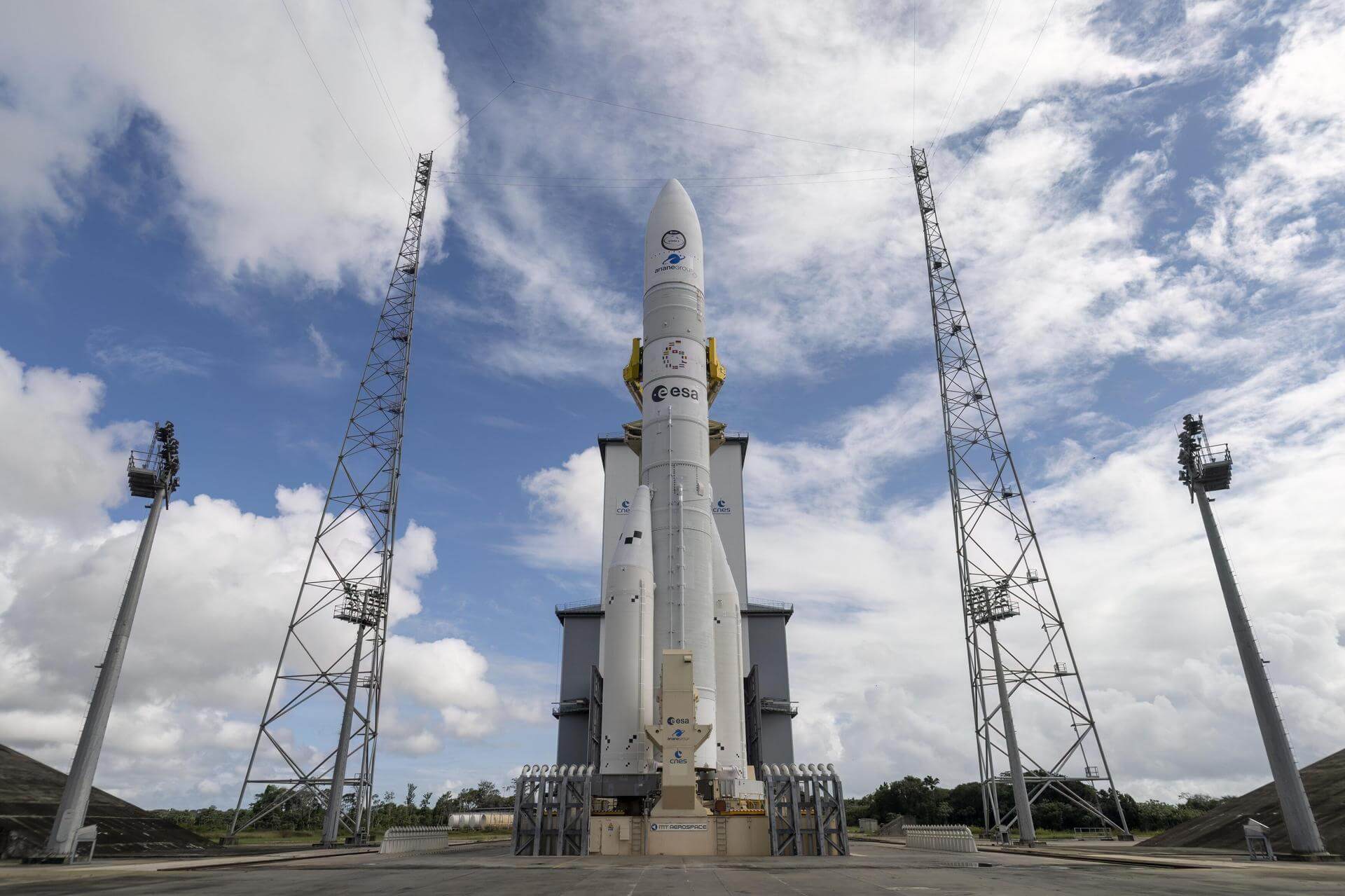
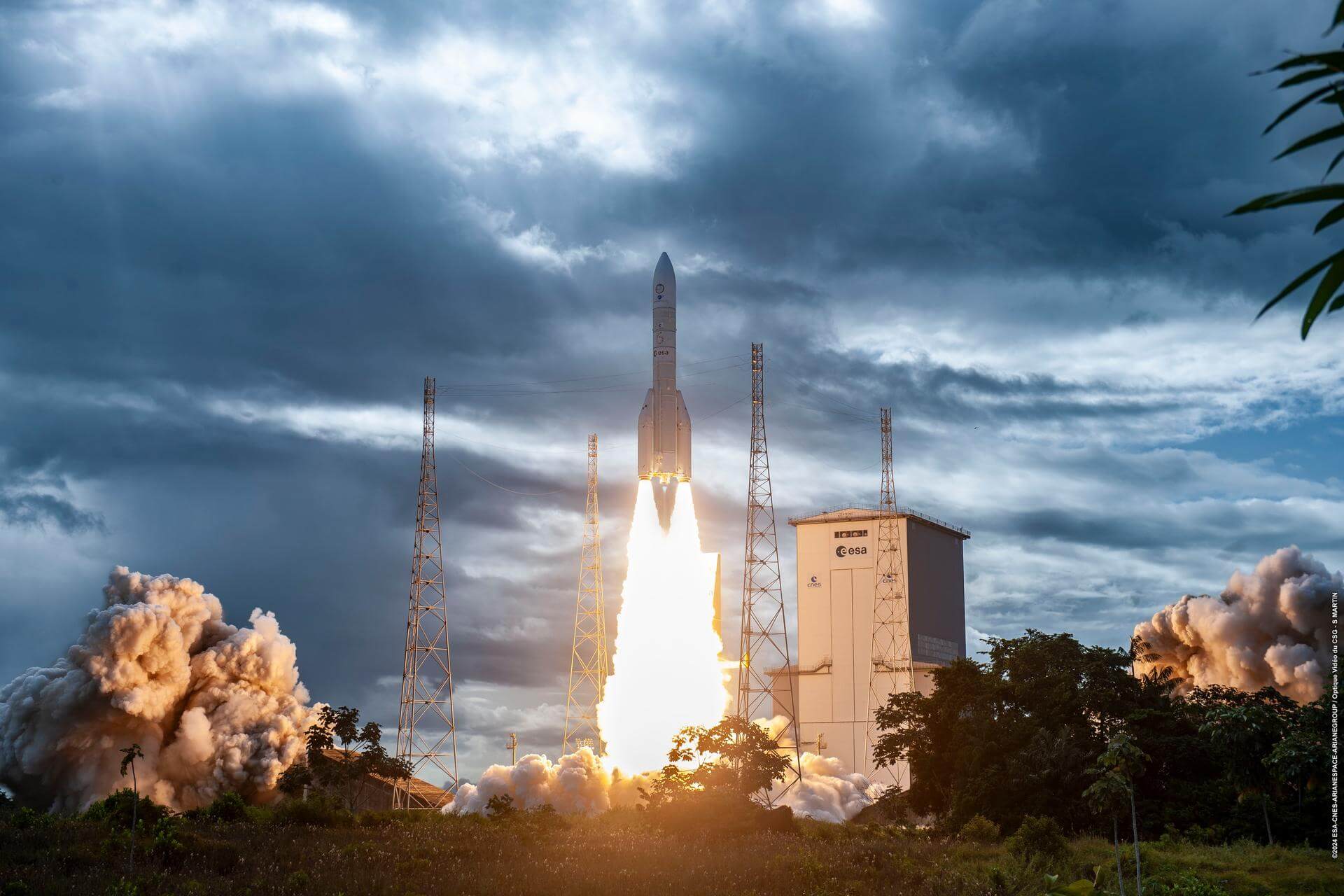
Launcher Config List
API endpoint that allows Launcher Configurations to be viewed.
GET: Return a list of all the existing launcher configurations.
MODE: Normal and Detailed /2.0.0/config/launcher/?mode=detailed
FILTERS: Fields - 'family', 'agency', 'name', 'manufacturer__name', 'full_name', 'manufacturer__launch_library_id'
Get all Launchers with the Launch Library ID of 44. Example - /2.0.0/config/launcher/?manufacturer__launch_library_id=44
Get all Launchers with the Agency with name NASA. Example - /2.0.0/config/launcher/?manufacturer__name=NASA
GET /2.0.0/config/launcher/?format=api&offset=470&ordering=leo_capacity
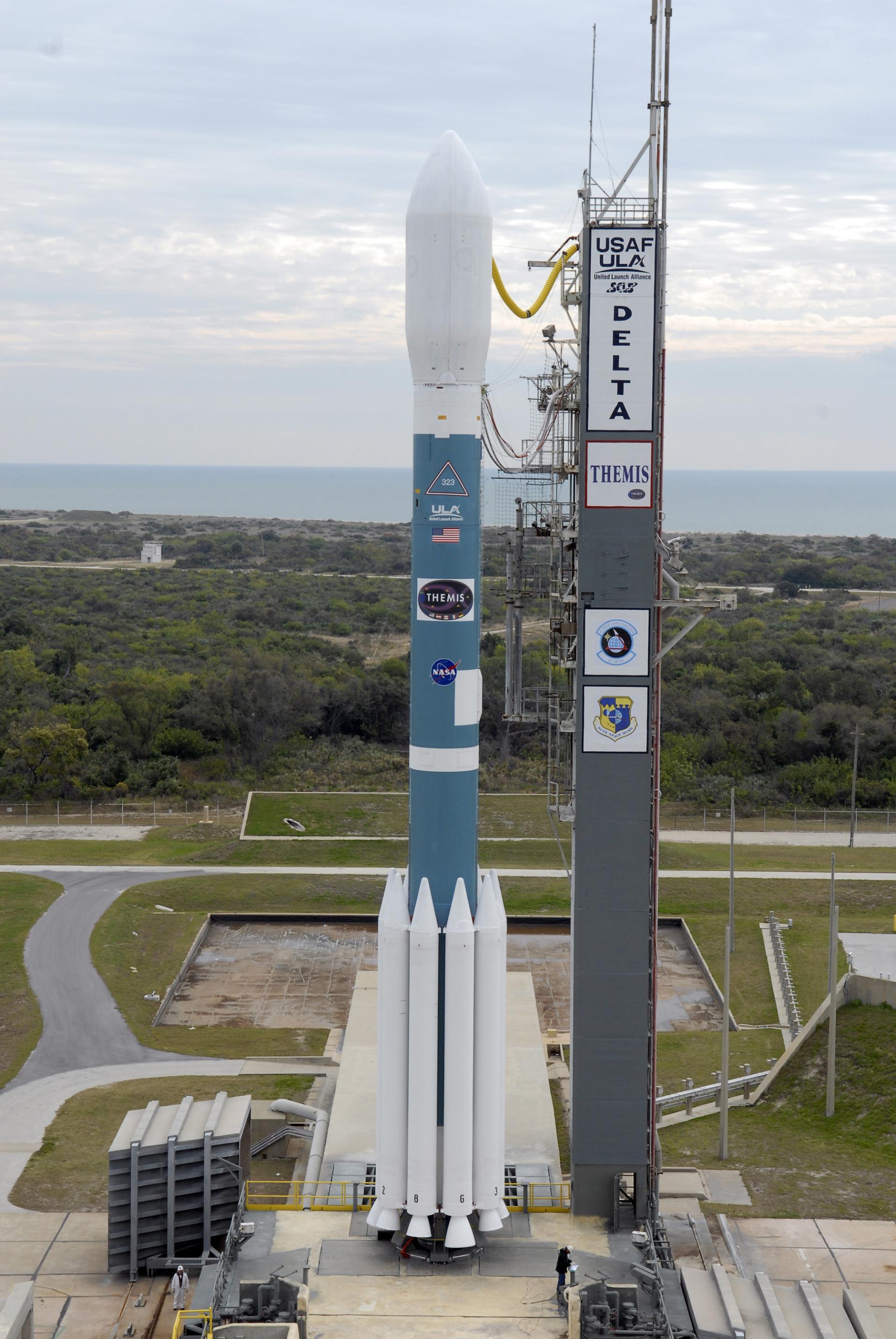
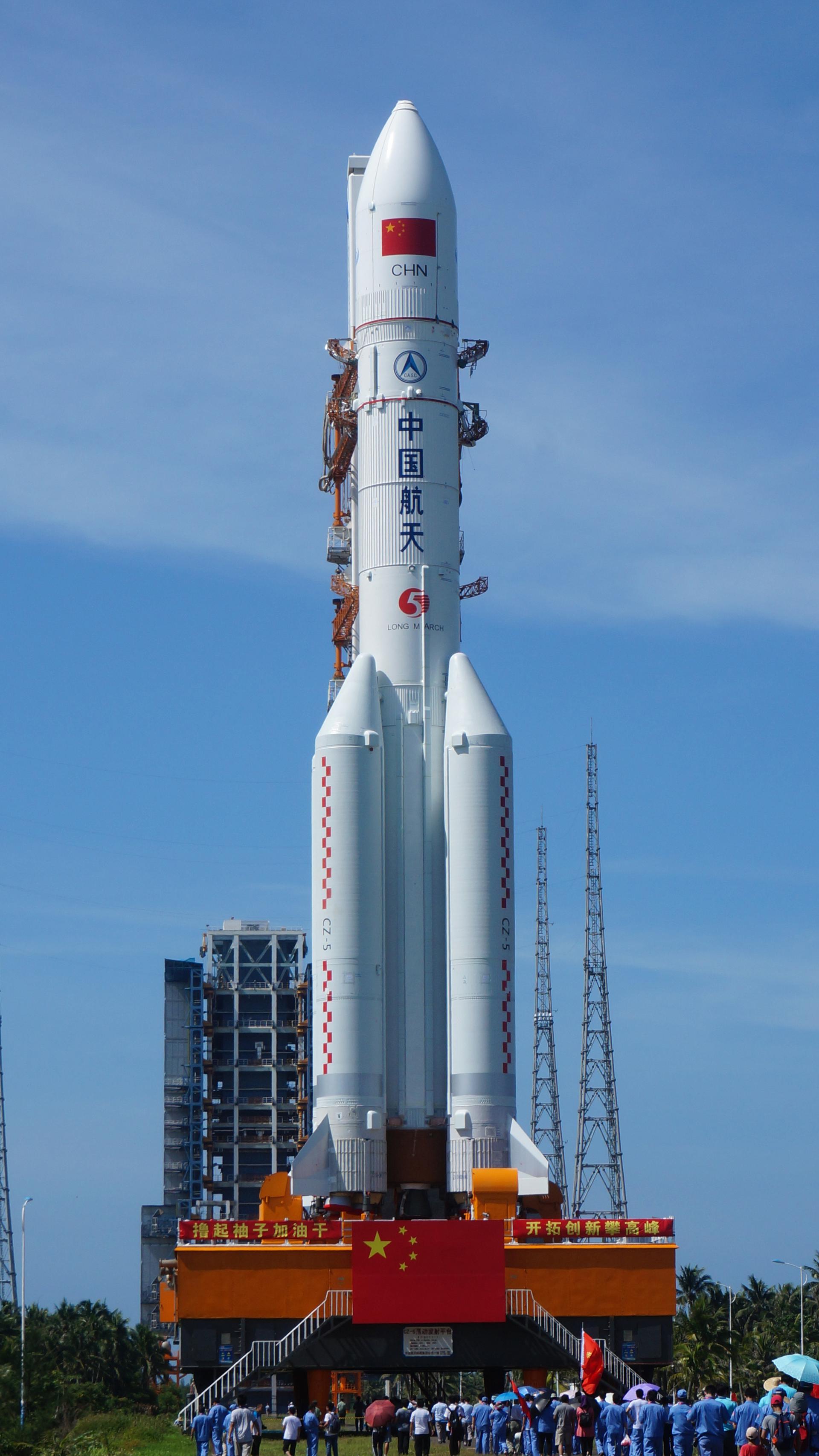
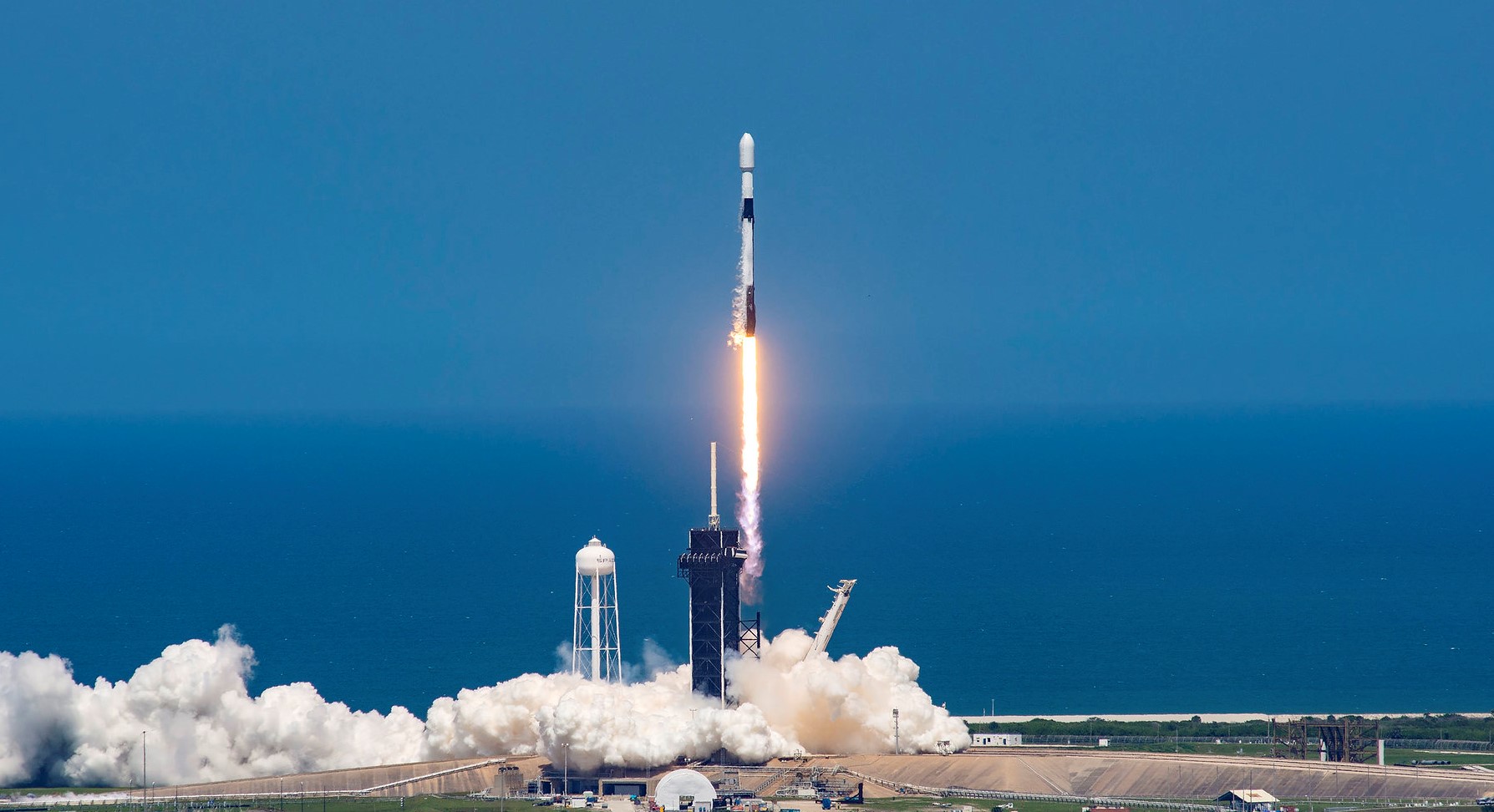
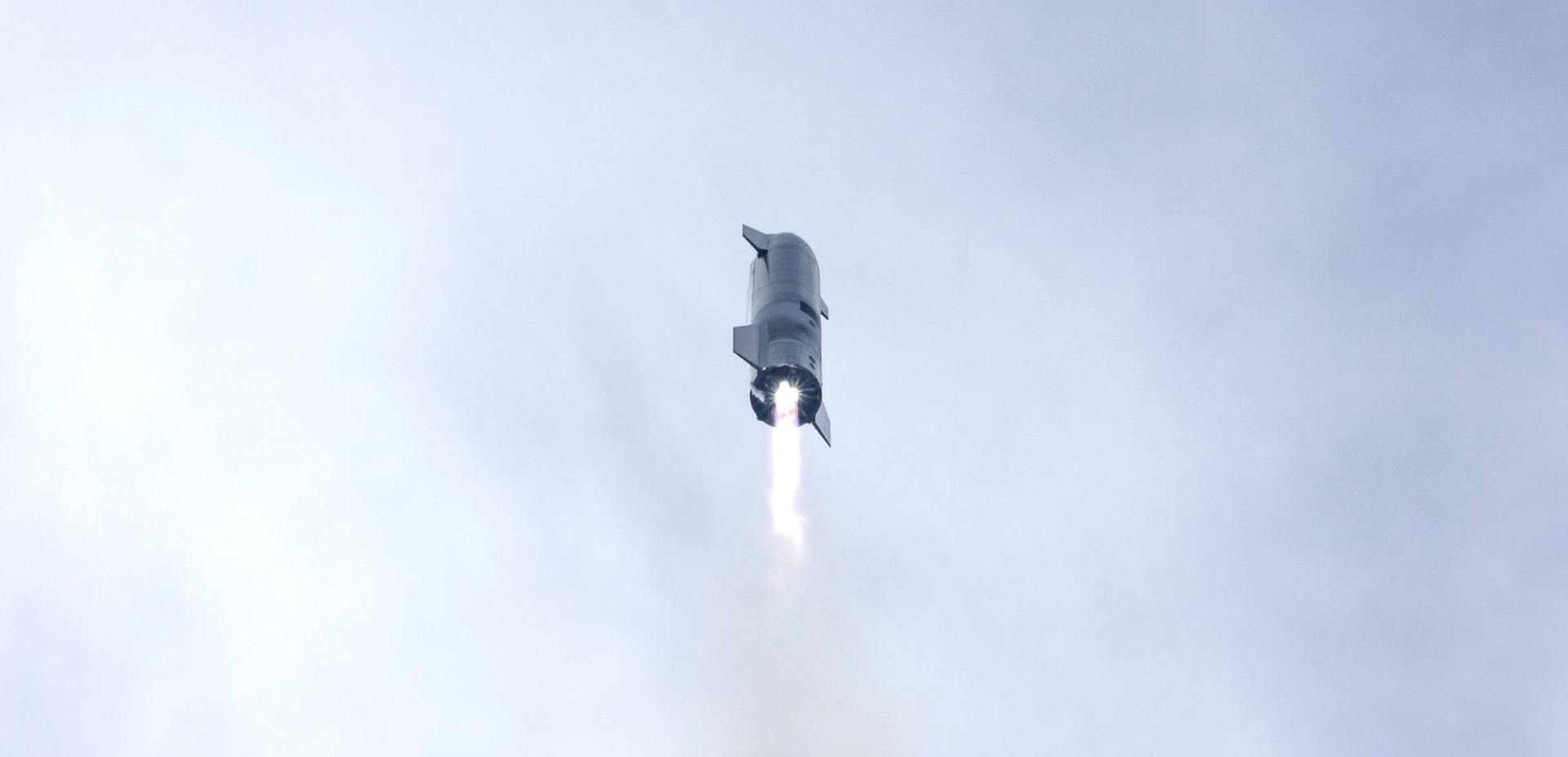
{ "count": 532, "next": "https://lldev.thespacedevs.com/2.0.0/config/launcher/?format=api&limit=10&offset=480&ordering=leo_capacity", "previous": "https://lldev.thespacedevs.com/2.0.0/config/launcher/?format=api&limit=10&offset=460&ordering=leo_capacity", "results": [ { "id": 371, "launch_library_id": null, "url": "https://lldev.thespacedevs.com/2.0.0/config/launcher/371/?format=api", "name": "Scout X-4A", "manufacturer": { "id": 1006, "url": "https://lldev.thespacedevs.com/2.0.0/agencies/1006/?format=api", "name": "Vought", "featured": false, "type": "Commercial", "country_code": "USA", "abbrev": "", "description": "Vought was the name of several related American aerospace firms. These have included, in the past, Lewis and Vought Corporation, Chance Vought, Vought-Sikorsky, LTV Aerospace (part of Ling-Temco-Vought), Vought Aircraft Companies, and Vought Aircraft Industries. The first incarnation of Vought was established by Chance M. Vought and Birdseye Lewis in 1917. In 1928, it was acquired by United Aircraft and Transport Corporation, which a few years later became United Aircraft Corporation; this was the first of many reorganizations and buyouts. During the 1920s and 1930s, Vought Aircraft and Chance Vought specialized in carrier-based aircraft for the United States Navy, by far its biggest customer. Chance Vought produced thousands of planes during World War II, including the F4U Corsair. Vought became independent again in 1954, and was purchased by Ling-Temco-Vought in 1961. The company designed and produced a variety of planes and missiles throughout the Cold War. Vought was sold from LTV and owned in various degrees by the Carlyle Group and Northrop Grumman in the early 1990s. It was then fully bought by Carlyle, renamed Vought Aircraft Industries, with headquarters in Dallas, Texas. In June 2010, the Carlyle Group sold Vought to the Triumph Group.", "administrator": null, "founding_year": "1917", "launchers": "", "spacecraft": "", "parent": null, "image_url": null }, "program": [], "family": "Scout", "full_name": "Scout X-4A", "variant": "4A", "reusable": false, "image_url": null, "info_url": "", "wiki_url": "https://en.wikipedia.org/wiki/Scout_(rocket_family)" }, { "id": 244, "launch_library_id": null, "url": "https://lldev.thespacedevs.com/2.0.0/config/launcher/244/?format=api", "name": "Atlas F", "manufacturer": { "id": 1004, "url": "https://lldev.thespacedevs.com/2.0.0/agencies/1004/?format=api", "name": "Convair", "featured": false, "type": "Commercial", "country_code": "USA", "abbrev": "", "description": "Convair, previously Consolidated Vultee, was an American aircraft manufacturing company that later expanded into rockets and spacecraft. The company was formed in 1943 by the merger of Consolidated Aircraft and Vultee Aircraft. In 1953 it was purchased by General Dynamics, and operated as their Convair Division for most of its corporate history.", "administrator": null, "founding_year": "1943", "launchers": "", "spacecraft": "", "parent": null, "image_url": null }, "program": [], "family": "Atlas", "full_name": "SM-65F Atlas", "variant": "F", "reusable": false, "image_url": null, "info_url": null, "wiki_url": "https://en.wikipedia.org/wiki/SM-65F_Atlas" }, { "id": 157, "launch_library_id": 178, "url": "https://lldev.thespacedevs.com/2.0.0/config/launcher/157/?format=api", "name": "Delta II", "manufacturer": { "id": 124, "url": "https://lldev.thespacedevs.com/2.0.0/agencies/124/?format=api", "name": "United Launch Alliance", "featured": true, "type": "Commercial", "country_code": "USA", "abbrev": "ULA", "description": "United Launch Alliance (ULA) is a joint venture of Lockheed Martin Space Systems and Boeing Defense, Space & Security. ULA was formed in December 2006 by combining the teams at these companies which provide spacecraft launch services to the government of the United States. ULA launches from both coasts of the US. They launch their Atlas V vehicle from LC-41 in Cape Canaveral and LC-3E at Vandeberg. Their Delta IV launches from LC-37 at Cape Canaveral and LC-6 at Vandenberg.", "administrator": "CEO: Mark Peller", "founding_year": "2006", "launchers": "Atlas | Delta | Vulcan", "spacecraft": "", "parent": null, "image_url": "https://thespacedevs-dev.nyc3.digitaloceanspaces.com/media/images/united_launch_a_image_20210412201210.png" }, "program": [], "family": "Delta", "full_name": "Delta II 7925-10C", "variant": "7925-10C", "reusable": false, "image_url": "https://thespacedevs-dev.nyc3.digitaloceanspaces.com/media/images/delta2520ii_image_20190222030348.jpeg", "info_url": "https://www.spacelaunchreport.com/delta2.html#config", "wiki_url": "https://en.wikipedia.org/wiki/Delta_II" }, { "id": 515, "launch_library_id": null, "url": "https://lldev.thespacedevs.com/2.0.0/config/launcher/515/?format=api", "name": "Chang'e", "manufacturer": { "id": 88, "url": "https://lldev.thespacedevs.com/2.0.0/agencies/88/?format=api", "name": "China Aerospace Science and Technology Corporation", "featured": true, "type": "Government", "country_code": "CHN", "abbrev": "CASC", "description": "The China Aerospace Science and Technology Corporation (CASC) is the main contractor for the Chinese space program. It is state-owned and has a number of subordinate entities which design, develop and manufacture a range of spacecraft, launch vehicles, strategic and tactical missile systems, and ground equipment. It was officially established in July 1999 as part of a Chinese government reform drive, having previously been one part of the former China Aerospace Corporation. Various incarnations of the program date back to 1956.", "administrator": "Chairman & President: Lei Fanpei", "founding_year": "1999", "launchers": "Long March", "spacecraft": "", "parent": null, "image_url": "https://thespacedevs-dev.nyc3.digitaloceanspaces.com/media/images/china2520aerospace2520science2520and2520technology2520corporation_image_20191228094408.jpeg" }, "program": [ { "id": 18, "url": "https://lldev.thespacedevs.com/2.0.0/program/18/?format=api", "name": "Chinese Lunar Exploration Program", "description": "The Chinese Lunar Exploration Program also known as the Chang'e Project after the Chinese moon goddess Chang'e, is an ongoing series of robotic Moon missions by the China National Space Administration (CNSA). The program incorporates lunar orbiters, landers, rovers and sample return spacecraft, launched using Long March rockets.", "agencies": [ { "id": 17, "url": "https://lldev.thespacedevs.com/2.0.0/agencies/17/?format=api", "name": "China National Space Administration", "type": "Government" } ], "image_url": "https://thespacedevs-dev.nyc3.digitaloceanspaces.com/media/images/chinese2520lun_program_20201129190923.png", "start_date": "2003-01-01T00:00:00Z", "end_date": null, "info_url": null, "wiki_url": "https://en.wikipedia.org/wiki/Chinese_Lunar_Exploration_Program" } ], "family": "", "full_name": "Chang'e Sample Ascender", "variant": "", "reusable": false, "image_url": "https://thespacedevs-dev.nyc3.digitaloceanspaces.com/media/images/chang2527e_6_o_image_20240813081610.jpg", "info_url": null, "wiki_url": "https://en.wikipedia.org/wiki/Chinese_Lunar_Exploration_Program" }, { "id": 207, "launch_library_id": null, "url": "https://lldev.thespacedevs.com/2.0.0/config/launcher/207/?format=api", "name": "Starship Prototype", "manufacturer": { "id": 121, "url": "https://lldev.thespacedevs.com/2.0.0/agencies/121/?format=api", "name": "SpaceX", "featured": true, "type": "Commercial", "country_code": "USA", "abbrev": "SpX", "description": "Space Exploration Technologies Corp., known as SpaceX, is an American aerospace manufacturer and space transport services company headquartered in Hawthorne, California. It was founded in 2002 by entrepreneur Elon Musk with the goal of reducing space transportation costs and enabling the colonization of Mars. SpaceX operates from many pads, on the East Coast of the US they operate from SLC-40 at Cape Canaveral Space Force Station and historic LC-39A at Kennedy Space Center. They also operate from SLC-4E at Vandenberg Space Force Base, California, usually for polar launches. Another launch site is being developed at Boca Chica, Texas.", "administrator": "CEO: Elon Musk", "founding_year": "2002", "launchers": "Falcon | Starship", "spacecraft": "Dragon", "parent": null, "image_url": "https://thespacedevs-dev.nyc3.digitaloceanspaces.com/media/images/falcon_9_image_20230807133459.jpeg" }, "program": [ { "id": 1, "url": "https://lldev.thespacedevs.com/2.0.0/program/1/?format=api", "name": "SpaceX Starship", "description": "The SpaceX Starship is a fully reusable super heavy-lift launch vehicle under development by SpaceX since 2012, as a self-funded private spaceflight project. The second stage of the Starship — is designed as a long-duration cargo and passenger-carrying spacecraft. It is expected to be initially used without any booster stage at all, as part of an extensive development program to prove out launch-and-landing and iterate on a variety of design details, particularly with respect to the vehicle's atmospheric reentry.", "agencies": [ { "id": 121, "url": "https://lldev.thespacedevs.com/2.0.0/agencies/121/?format=api", "name": "SpaceX", "type": "Commercial" } ], "image_url": "https://thespacedevs-dev.nyc3.digitaloceanspaces.com/media/images/starship_on_the_image_20250111100520.jpg", "start_date": "2019-03-01T05:00:00Z", "end_date": null, "info_url": "https://www.spacex.com/vehicles/starship/", "wiki_url": "https://en.wikipedia.org/wiki/SpaceX_Starship" } ], "family": "Starship", "full_name": "Starship Prototype", "variant": "Prototype", "reusable": true, "image_url": "https://thespacedevs-dev.nyc3.digitaloceanspaces.com/media/images/starship2520sn_image_20210413205503.jpeg", "info_url": "https://www.spacex.com/vehicles/starship/", "wiki_url": "https://en.wikipedia.org/wiki/SpaceX_Starship" }, { "id": 366, "launch_library_id": null, "url": "https://lldev.thespacedevs.com/2.0.0/config/launcher/366/?format=api", "name": "Scout X-2M", "manufacturer": { "id": 1006, "url": "https://lldev.thespacedevs.com/2.0.0/agencies/1006/?format=api", "name": "Vought", "featured": false, "type": "Commercial", "country_code": "USA", "abbrev": "", "description": "Vought was the name of several related American aerospace firms. These have included, in the past, Lewis and Vought Corporation, Chance Vought, Vought-Sikorsky, LTV Aerospace (part of Ling-Temco-Vought), Vought Aircraft Companies, and Vought Aircraft Industries. The first incarnation of Vought was established by Chance M. Vought and Birdseye Lewis in 1917. In 1928, it was acquired by United Aircraft and Transport Corporation, which a few years later became United Aircraft Corporation; this was the first of many reorganizations and buyouts. During the 1920s and 1930s, Vought Aircraft and Chance Vought specialized in carrier-based aircraft for the United States Navy, by far its biggest customer. Chance Vought produced thousands of planes during World War II, including the F4U Corsair. Vought became independent again in 1954, and was purchased by Ling-Temco-Vought in 1961. The company designed and produced a variety of planes and missiles throughout the Cold War. Vought was sold from LTV and owned in various degrees by the Carlyle Group and Northrop Grumman in the early 1990s. It was then fully bought by Carlyle, renamed Vought Aircraft Industries, with headquarters in Dallas, Texas. In June 2010, the Carlyle Group sold Vought to the Triumph Group.", "administrator": null, "founding_year": "1917", "launchers": "", "spacecraft": "", "parent": null, "image_url": null }, "program": [], "family": "Scout", "full_name": "Scout X-2M", "variant": "X-2M", "reusable": false, "image_url": null, "info_url": "", "wiki_url": "https://en.wikipedia.org/wiki/Scout_(rocket_family)" }, { "id": 553, "launch_library_id": null, "url": "https://lldev.thespacedevs.com/2.0.0/config/launcher/553/?format=api", "name": "Ariane 62", "manufacturer": { "id": 1044, "url": "https://lldev.thespacedevs.com/2.0.0/agencies/1044/?format=api", "name": "ArianeGroup", "featured": false, "type": "Commercial", "country_code": "FRA", "abbrev": "AG", "description": "ArianeGroup (formerly Airbus Safran Launchers) is an aerospace company based in France. A joint venture between Airbus and Safran, the company was founded in 2015 and is headquartered in Issy-les-Moulineaux. It consists of three core arms: aerospace, defence and security.", "administrator": "CEO: Christophe Bruneau", "founding_year": "2015", "launchers": "Ariane", "spacecraft": "", "parent": null, "image_url": "https://thespacedevs-dev.nyc3.digitaloceanspaces.com/media/images/ariane_62_on_el_image_20240708201807.jpeg" }, "program": [], "family": "Ariane", "full_name": "Ariane 62 Block 2", "variant": "62 Block 2", "reusable": false, "image_url": "https://thespacedevs-dev.nyc3.digitaloceanspaces.com/media/images/ariane_62_lifto_image_20240711132056.jpeg", "info_url": null, "wiki_url": "https://en.wikipedia.org/wiki/Ariane_6" }, { "id": 279, "launch_library_id": null, "url": "https://lldev.thespacedevs.com/2.0.0/config/launcher/279/?format=api", "name": "Delta 1900", "manufacturer": { "id": 153, "url": "https://lldev.thespacedevs.com/2.0.0/agencies/153/?format=api", "name": "McDonnell Douglas", "featured": false, "type": "Commercial", "country_code": "USA", "abbrev": "MDC", "description": null, "administrator": null, "founding_year": null, "launchers": "", "spacecraft": "", "parent": null, "image_url": null }, "program": [], "family": "Delta", "full_name": "Delta 1900", "variant": "1900", "reusable": false, "image_url": null, "info_url": null, "wiki_url": "https://en.wikipedia.org/wiki/Delta_1000" }, { "id": 369, "launch_library_id": null, "url": "https://lldev.thespacedevs.com/2.0.0/config/launcher/369/?format=api", "name": "Scout X-3M", "manufacturer": { "id": 1006, "url": "https://lldev.thespacedevs.com/2.0.0/agencies/1006/?format=api", "name": "Vought", "featured": false, "type": "Commercial", "country_code": "USA", "abbrev": "", "description": "Vought was the name of several related American aerospace firms. These have included, in the past, Lewis and Vought Corporation, Chance Vought, Vought-Sikorsky, LTV Aerospace (part of Ling-Temco-Vought), Vought Aircraft Companies, and Vought Aircraft Industries. The first incarnation of Vought was established by Chance M. Vought and Birdseye Lewis in 1917. In 1928, it was acquired by United Aircraft and Transport Corporation, which a few years later became United Aircraft Corporation; this was the first of many reorganizations and buyouts. During the 1920s and 1930s, Vought Aircraft and Chance Vought specialized in carrier-based aircraft for the United States Navy, by far its biggest customer. Chance Vought produced thousands of planes during World War II, including the F4U Corsair. Vought became independent again in 1954, and was purchased by Ling-Temco-Vought in 1961. The company designed and produced a variety of planes and missiles throughout the Cold War. Vought was sold from LTV and owned in various degrees by the Carlyle Group and Northrop Grumman in the early 1990s. It was then fully bought by Carlyle, renamed Vought Aircraft Industries, with headquarters in Dallas, Texas. In June 2010, the Carlyle Group sold Vought to the Triumph Group.", "administrator": null, "founding_year": "1917", "launchers": "", "spacecraft": "", "parent": null, "image_url": null }, "program": [], "family": "Scout", "full_name": "Scout X-3M", "variant": "3M", "reusable": false, "image_url": null, "info_url": "", "wiki_url": "https://en.wikipedia.org/wiki/Scout_(rocket_family)" }, { "id": 302, "launch_library_id": null, "url": "https://lldev.thespacedevs.com/2.0.0/config/launcher/302/?format=api", "name": "Delta II", "manufacturer": { "id": 153, "url": "https://lldev.thespacedevs.com/2.0.0/agencies/153/?format=api", "name": "McDonnell Douglas", "featured": false, "type": "Commercial", "country_code": "USA", "abbrev": "MDC", "description": null, "administrator": null, "founding_year": null, "launchers": "", "spacecraft": "", "parent": null, "image_url": null }, "program": [], "family": "Delta", "full_name": "Delta II 7326-9.5", "variant": "7326-9.5", "reusable": false, "image_url": null, "info_url": null, "wiki_url": "https://en.wikipedia.org/wiki/Delta_II" } ] }