Launcher Config List
API endpoint that allows Launcher Configurations to be viewed.
GET: Return a list of all the existing launcher configurations.
MODE: Normal and Detailed /2.0.0/config/launcher/?mode=detailed
FILTERS: Fields - 'family', 'agency', 'name', 'manufacturer__name', 'full_name', 'manufacturer__launch_library_id'
Get all Launchers with the Launch Library ID of 44. Example - /2.0.0/config/launcher/?manufacturer__launch_library_id=44
Get all Launchers with the Agency with name NASA. Example - /2.0.0/config/launcher/?manufacturer__name=NASA
GET /2.0.0/config/launcher/?format=api&offset=470&ordering=launch_mass
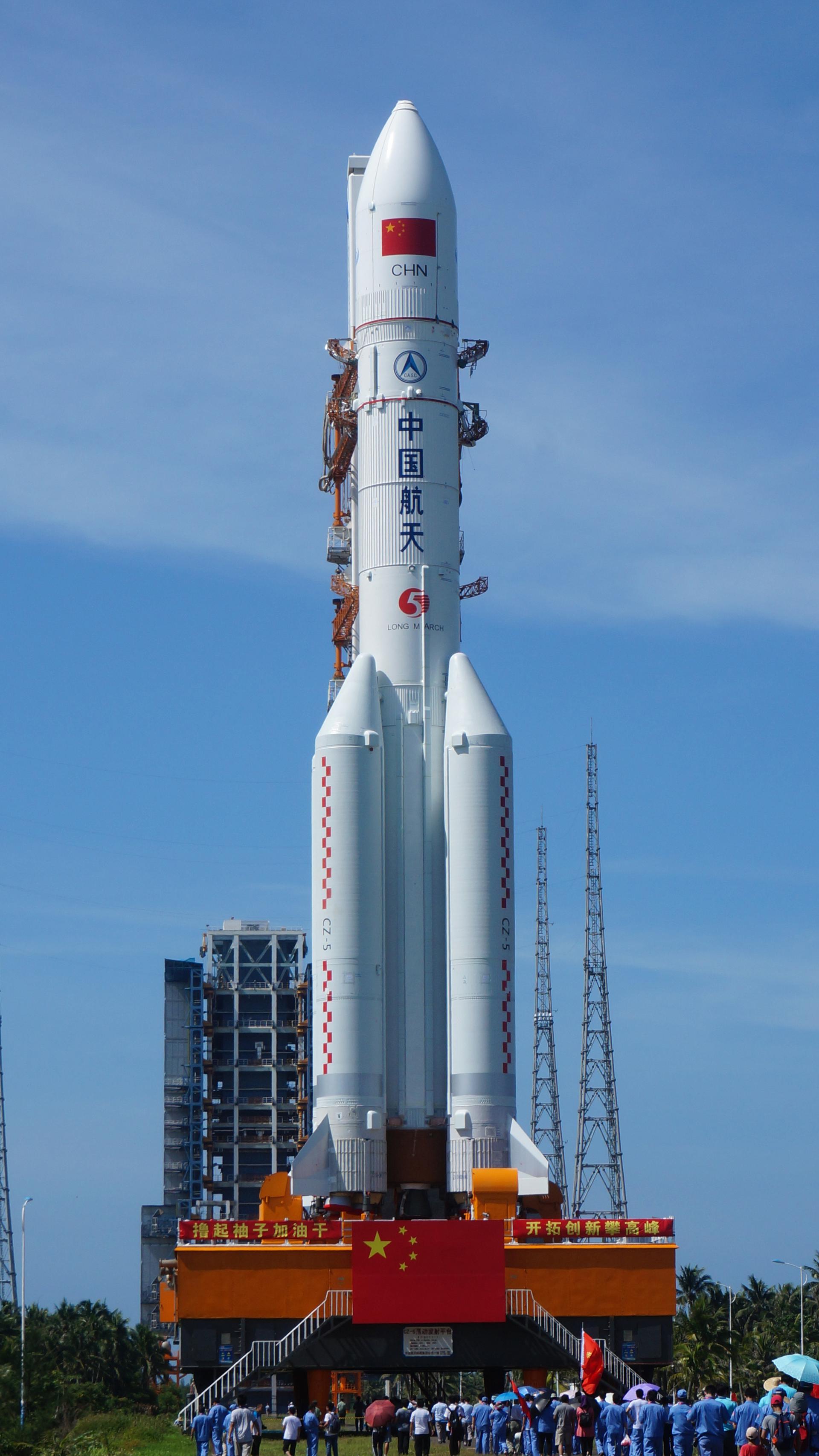
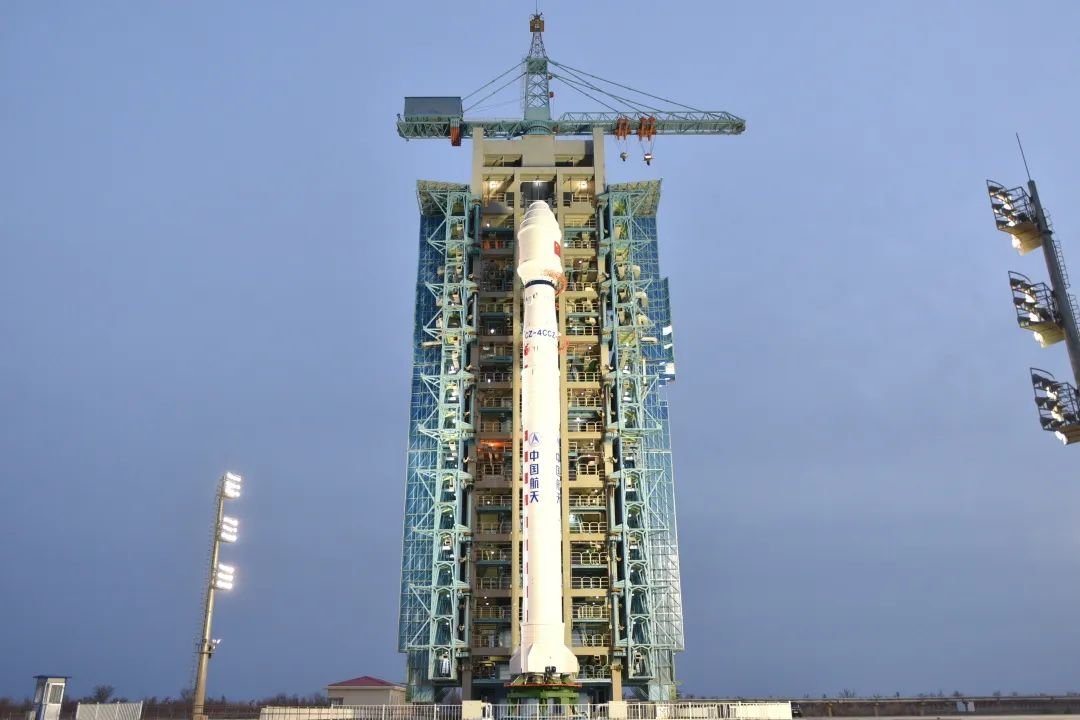
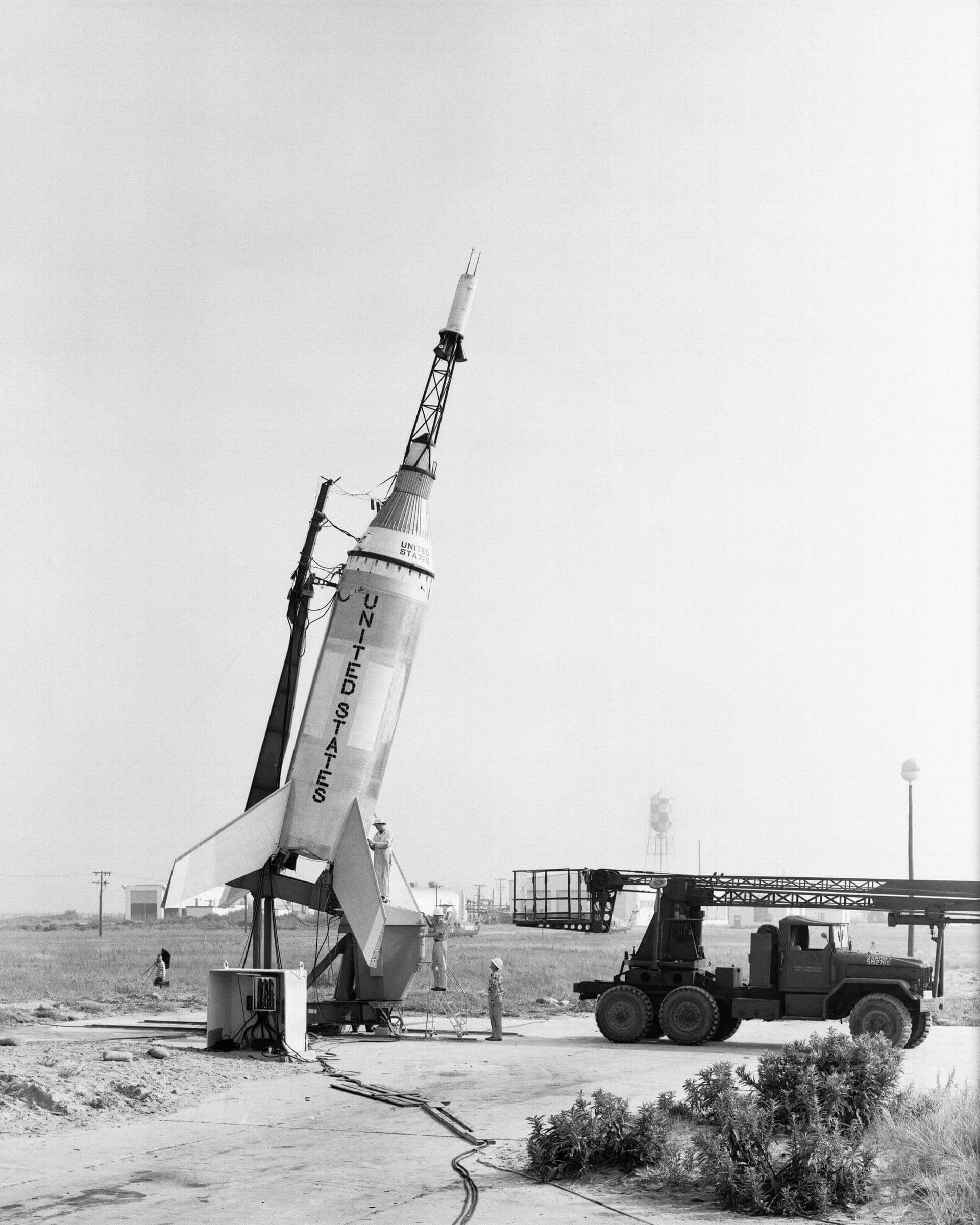
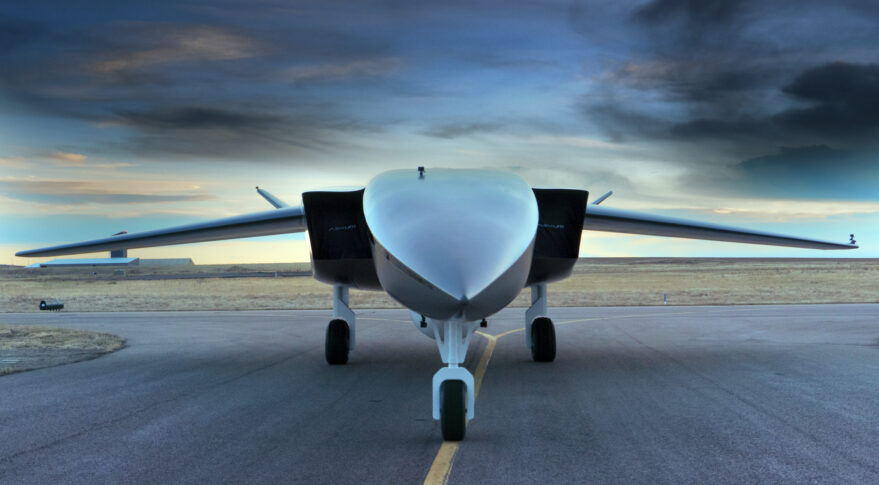
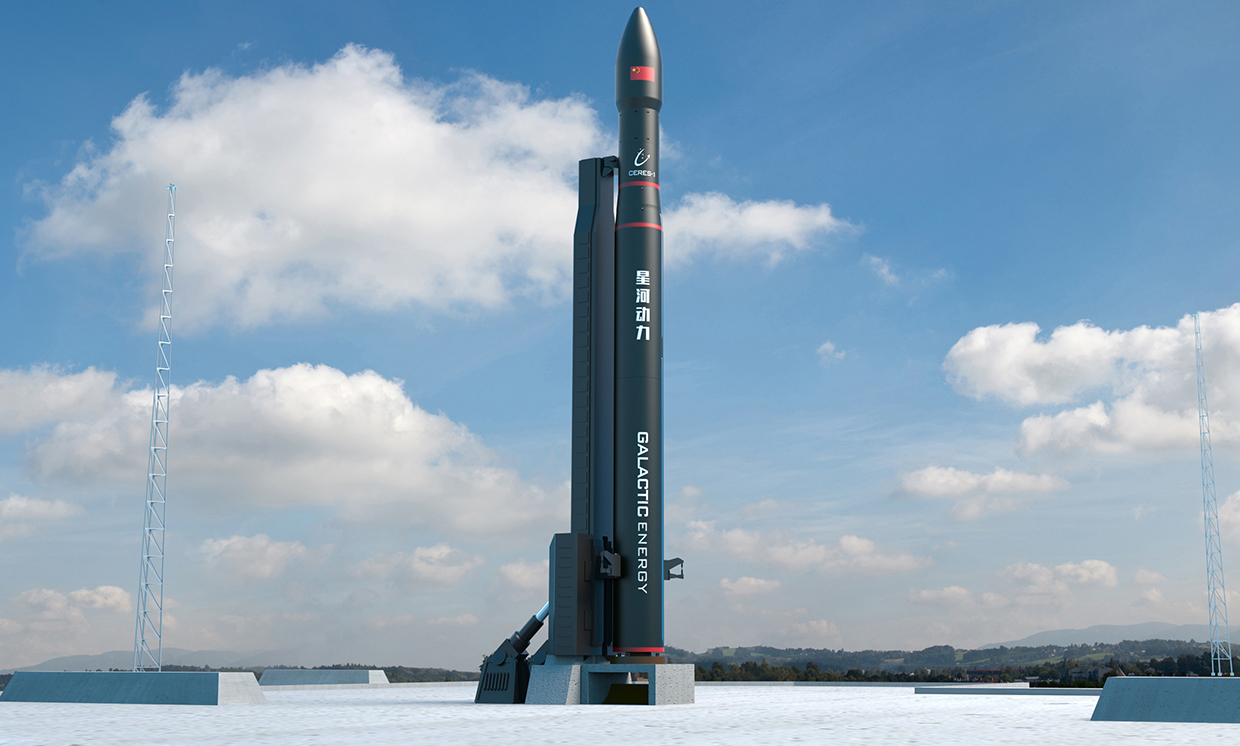
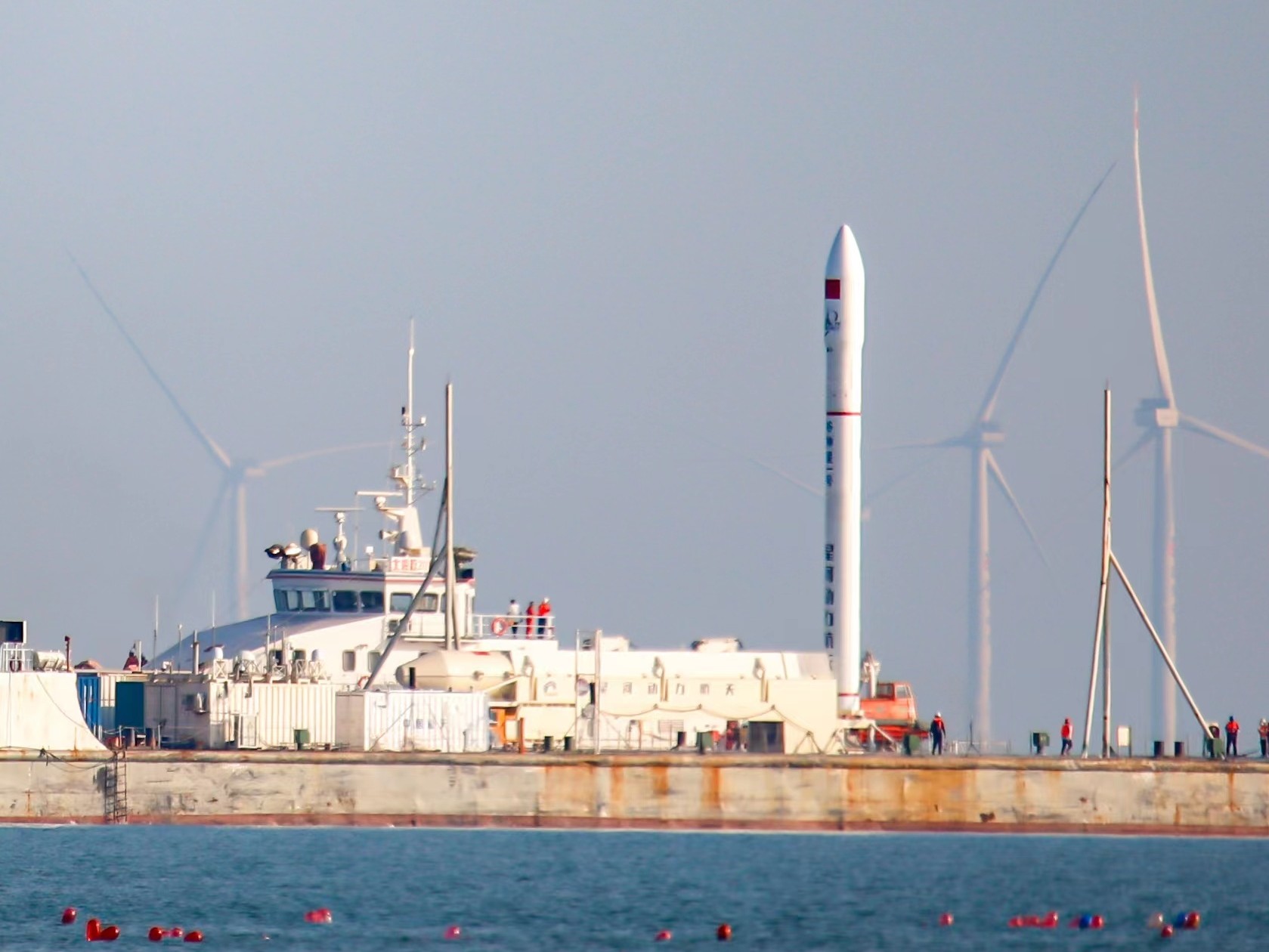
{ "count": 532, "next": "https://lldev.thespacedevs.com/2.0.0/config/launcher/?format=api&limit=10&offset=480&ordering=launch_mass", "previous": "https://lldev.thespacedevs.com/2.0.0/config/launcher/?format=api&limit=10&offset=460&ordering=launch_mass", "results": [ { "id": 247, "launch_library_id": null, "url": "https://lldev.thespacedevs.com/2.0.0/config/launcher/247/?format=api", "name": "Atlas F/OIS", "manufacturer": { "id": 1004, "url": "https://lldev.thespacedevs.com/2.0.0/agencies/1004/?format=api", "name": "Convair", "featured": false, "type": "Commercial", "country_code": "USA", "abbrev": "", "description": "Convair, previously Consolidated Vultee, was an American aircraft manufacturing company that later expanded into rockets and spacecraft. The company was formed in 1943 by the merger of Consolidated Aircraft and Vultee Aircraft. In 1953 it was purchased by General Dynamics, and operated as their Convair Division for most of its corporate history.", "administrator": null, "founding_year": "1943", "launchers": "", "spacecraft": "", "parent": null, "image_url": null }, "program": [], "family": "Atlas", "full_name": "Atlas F/OIS", "variant": "F/OIS", "reusable": false, "image_url": null, "info_url": null, "wiki_url": "https://en.wikipedia.org/wiki/Atlas_E/F" }, { "id": 64, "launch_library_id": 70, "url": "https://lldev.thespacedevs.com/2.0.0/config/launcher/64/?format=api", "name": "Long March 4C", "manufacturer": { "id": 88, "url": "https://lldev.thespacedevs.com/2.0.0/agencies/88/?format=api", "name": "China Aerospace Science and Technology Corporation", "featured": true, "type": "Government", "country_code": "CHN", "abbrev": "CASC", "description": "The China Aerospace Science and Technology Corporation (CASC) is the main contractor for the Chinese space program. It is state-owned and has a number of subordinate entities which design, develop and manufacture a range of spacecraft, launch vehicles, strategic and tactical missile systems, and ground equipment. It was officially established in July 1999 as part of a Chinese government reform drive, having previously been one part of the former China Aerospace Corporation. Various incarnations of the program date back to 1956.", "administrator": "Chairman & President: Lei Fanpei", "founding_year": "1999", "launchers": "Long March", "spacecraft": "", "parent": null, "image_url": "https://thespacedevs-dev.nyc3.digitaloceanspaces.com/media/images/china2520aerospace2520science2520and2520technology2520corporation_image_20191228094408.jpeg" }, "program": [], "family": "Long March", "full_name": "Long March 4C", "variant": "C", "reusable": false, "image_url": "https://thespacedevs-dev.nyc3.digitaloceanspaces.com/media/images/long_march_4c_image_20230801172338.jpeg", "info_url": null, "wiki_url": "https://en.wikipedia.org/wiki/Long_March_4C" }, { "id": 92, "launch_library_id": 170, "url": "https://lldev.thespacedevs.com/2.0.0/config/launcher/92/?format=api", "name": "Long March 1", "manufacturer": { "id": 88, "url": "https://lldev.thespacedevs.com/2.0.0/agencies/88/?format=api", "name": "China Aerospace Science and Technology Corporation", "featured": true, "type": "Government", "country_code": "CHN", "abbrev": "CASC", "description": "The China Aerospace Science and Technology Corporation (CASC) is the main contractor for the Chinese space program. It is state-owned and has a number of subordinate entities which design, develop and manufacture a range of spacecraft, launch vehicles, strategic and tactical missile systems, and ground equipment. It was officially established in July 1999 as part of a Chinese government reform drive, having previously been one part of the former China Aerospace Corporation. Various incarnations of the program date back to 1956.", "administrator": "Chairman & President: Lei Fanpei", "founding_year": "1999", "launchers": "Long March", "spacecraft": "", "parent": null, "image_url": "https://thespacedevs-dev.nyc3.digitaloceanspaces.com/media/images/china2520aerospace2520science2520and2520technology2520corporation_image_20191228094408.jpeg" }, "program": [], "family": "Long March", "full_name": "Long March 1", "variant": "", "reusable": false, "image_url": null, "info_url": null, "wiki_url": "https://en.wikipedia.org/wiki/Long_March_1" }, { "id": 473, "launch_library_id": null, "url": "https://lldev.thespacedevs.com/2.0.0/config/launcher/473/?format=api", "name": "Little Joe", "manufacturer": { "id": 999, "url": "https://lldev.thespacedevs.com/2.0.0/agencies/999/?format=api", "name": "North American Aviation", "featured": false, "type": "Commercial", "country_code": "USA", "abbrev": "", "description": "North American Aviation (NAA) was a major American aerospace manufacturer, responsible for a number of historic aircraft, including the T-6 Texan trainer, the P-51 Mustang fighter, the B-25 Mitchell bomber, the F-86 Sabre jet fighter, the X-15 rocket plane, and the XB-70, as well as Apollo command and service module, the second stage of the Saturn V rocket, the Space Shuttle orbiter and the B-1 Lancer.", "administrator": null, "founding_year": "1928", "launchers": "North American X-15", "spacecraft": "", "parent": "Boeing", "image_url": null }, "program": [ { "id": 2, "url": "https://lldev.thespacedevs.com/2.0.0/program/2/?format=api", "name": "Mercury", "description": "Project Mercury was the first human spaceflight program of the United States, running from 1958 through 1963.", "agencies": [ { "id": 44, "url": "https://lldev.thespacedevs.com/2.0.0/agencies/44/?format=api", "name": "National Aeronautics and Space Administration", "type": "Government" } ], "image_url": "https://thespacedevs-dev.nyc3.digitaloceanspaces.com/media/images/project2520mer_program_20200820194755.png", "start_date": "1958-10-07T00:00:00Z", "end_date": "1963-05-16T23:24:02Z", "info_url": "https://www.nasa.gov/mission_pages/mercury/missions/program-toc.html", "wiki_url": "https://en.wikipedia.org/wiki/Project_Mercury" } ], "family": "Little Joe", "full_name": "Little Joe", "variant": "", "reusable": false, "image_url": "https://thespacedevs-dev.nyc3.digitaloceanspaces.com/media/images/little_joe_image_20210901081353.jpeg", "info_url": null, "wiki_url": "https://en.wikipedia.org/wiki/Little_Joe_(rocket)" }, { "id": 509, "launch_library_id": null, "url": "https://lldev.thespacedevs.com/2.0.0/config/launcher/509/?format=api", "name": "Miura 5", "manufacturer": { "id": 1051, "url": "https://lldev.thespacedevs.com/2.0.0/agencies/1051/?format=api", "name": "Payload Aerospace S.L.", "featured": false, "type": "Commercial", "country_code": "ESP", "abbrev": "PLD Space", "description": "Payload Aerospace S.L. is a Spanish company developing two partially-reusable launch vehicles called Miura 1 and Miura 5.", "administrator": "CEO: Raúl Torres", "founding_year": "2011", "launchers": "Miura 1 | Miura 5", "spacecraft": "", "parent": null, "image_url": null }, "program": [], "family": "Miura", "full_name": "Miura 5", "variant": "", "reusable": true, "image_url": null, "info_url": "https://www.pldspace.com/en/miura-5", "wiki_url": "https://en.wikipedia.org/wiki/Miura_5" }, { "id": 206, "launch_library_id": 238, "url": "https://lldev.thespacedevs.com/2.0.0/config/launcher/206/?format=api", "name": "Ravn X", "manufacturer": { "id": 282, "url": "https://lldev.thespacedevs.com/2.0.0/agencies/282/?format=api", "name": "Aevum", "featured": false, "type": "Commercial", "country_code": "USA", "abbrev": "AEV", "description": null, "administrator": null, "founding_year": null, "launchers": "", "spacecraft": "", "parent": null, "image_url": null }, "program": [], "family": "", "full_name": "Ravn X", "variant": "", "reusable": false, "image_url": "https://thespacedevs-dev.nyc3.digitaloceanspaces.com/media/images/ravn_x_image_20201203171327.jpg", "info_url": null, "wiki_url": null }, { "id": 500, "launch_library_id": null, "url": "https://lldev.thespacedevs.com/2.0.0/config/launcher/500/?format=api", "name": "Ceres-1S", "manufacturer": { "id": 1021, "url": "https://lldev.thespacedevs.com/2.0.0/agencies/1021/?format=api", "name": "Galactic Energy", "featured": false, "type": "Commercial", "country_code": "CHN", "abbrev": "GE", "description": "Galactic Energy is a private aerospace company headquartered in Beijing, China. Established by senior engineers in 2018, Galactic Energy engages in low-cost commercial space launch business.", "administrator": null, "founding_year": "2018", "launchers": "Ceres-1 | Pallas-1", "spacecraft": "", "parent": null, "image_url": "https://thespacedevs-dev.nyc3.digitaloceanspaces.com/media/images/galactic_energy_image_20201106095228.jpeg" }, "program": [], "family": "Ceres-1", "full_name": "Ceres-1S", "variant": "Ceres-1S", "reusable": false, "image_url": "https://thespacedevs-dev.nyc3.digitaloceanspaces.com/media/images/ceres-1s_image_20230905114324.jpeg", "info_url": "http://www.galactic-energy.cn/index.php/En/List/cid/14", "wiki_url": null }, { "id": 57, "launch_library_id": 66, "url": "https://lldev.thespacedevs.com/2.0.0/config/launcher/57/?format=api", "name": "Soyuz 2.1a/Volga", "manufacturer": { "id": 111, "url": "https://lldev.thespacedevs.com/2.0.0/agencies/111/?format=api", "name": "Progress Rocket Space Center", "featured": false, "type": "Commercial", "country_code": "RUS", "abbrev": "PRSC", "description": "Progress Rocket Space Centre, formerly known as TsSKB-Progress, is a space science and aerospace research company which is known for manufacturing launch vehicles and satellites. Most notably, Progress Rocket Space Centre is the manufacturer of Soyuz launch vehicles.", "administrator": "CEO: Dmitry Baranov", "founding_year": "1996", "launchers": "", "spacecraft": "", "parent": null, "image_url": null }, "program": [], "family": "Soyuz", "full_name": "Soyuz 2.1a Volga", "variant": "Volga", "reusable": false, "image_url": "https://thespacedevs-dev.nyc3.digitaloceanspaces.com/media/images/soyuz_2.1b_bion_image_20260417155828.jpg", "info_url": null, "wiki_url": "https://en.wikipedia.org/wiki/Soyuz-2" }, { "id": 238, "launch_library_id": null, "url": "https://lldev.thespacedevs.com/2.0.0/config/launcher/238/?format=api", "name": "Atlas E", "manufacturer": { "id": 1004, "url": "https://lldev.thespacedevs.com/2.0.0/agencies/1004/?format=api", "name": "Convair", "featured": false, "type": "Commercial", "country_code": "USA", "abbrev": "", "description": "Convair, previously Consolidated Vultee, was an American aircraft manufacturing company that later expanded into rockets and spacecraft. The company was formed in 1943 by the merger of Consolidated Aircraft and Vultee Aircraft. In 1953 it was purchased by General Dynamics, and operated as their Convair Division for most of its corporate history.", "administrator": null, "founding_year": "1943", "launchers": "", "spacecraft": "", "parent": null, "image_url": null }, "program": [], "family": "Atlas", "full_name": "SM-65E Atlas", "variant": "E", "reusable": false, "image_url": null, "info_url": null, "wiki_url": "https://en.wikipedia.org/wiki/SM-65E_Atlas" }, { "id": 123, "launch_library_id": 146, "url": "https://lldev.thespacedevs.com/2.0.0/config/launcher/123/?format=api", "name": "Long March 5/YZ-2", "manufacturer": { "id": 88, "url": "https://lldev.thespacedevs.com/2.0.0/agencies/88/?format=api", "name": "China Aerospace Science and Technology Corporation", "featured": true, "type": "Government", "country_code": "CHN", "abbrev": "CASC", "description": "The China Aerospace Science and Technology Corporation (CASC) is the main contractor for the Chinese space program. It is state-owned and has a number of subordinate entities which design, develop and manufacture a range of spacecraft, launch vehicles, strategic and tactical missile systems, and ground equipment. It was officially established in July 1999 as part of a Chinese government reform drive, having previously been one part of the former China Aerospace Corporation. Various incarnations of the program date back to 1956.", "administrator": "Chairman & President: Lei Fanpei", "founding_year": "1999", "launchers": "Long March", "spacecraft": "", "parent": null, "image_url": "https://thespacedevs-dev.nyc3.digitaloceanspaces.com/media/images/china2520aerospace2520science2520and2520technology2520corporation_image_20191228094408.jpeg" }, "program": [], "family": "Long March", "full_name": "Long March 5/YZ-2", "variant": "YZ-2", "reusable": false, "image_url": "https://thespacedevs-dev.nyc3.digitaloceanspaces.com/media/images/long_march_5_yz_image_20251103145739.jpg", "info_url": null, "wiki_url": "https://en.wikipedia.org/wiki/Long_March_5" } ] }