Launcher Config List
API endpoint that allows Launcher Configurations to be viewed.
GET: Return a list of all the existing launcher configurations.
MODE: Normal and Detailed /2.0.0/config/launcher/?mode=detailed
FILTERS: Fields - 'family', 'agency', 'name', 'manufacturer__name', 'full_name', 'manufacturer__launch_library_id'
Get all Launchers with the Launch Library ID of 44. Example - /2.0.0/config/launcher/?manufacturer__launch_library_id=44
Get all Launchers with the Agency with name NASA. Example - /2.0.0/config/launcher/?manufacturer__name=NASA
GET /2.0.0/config/launcher/?format=api&offset=450&ordering=gto_capacity
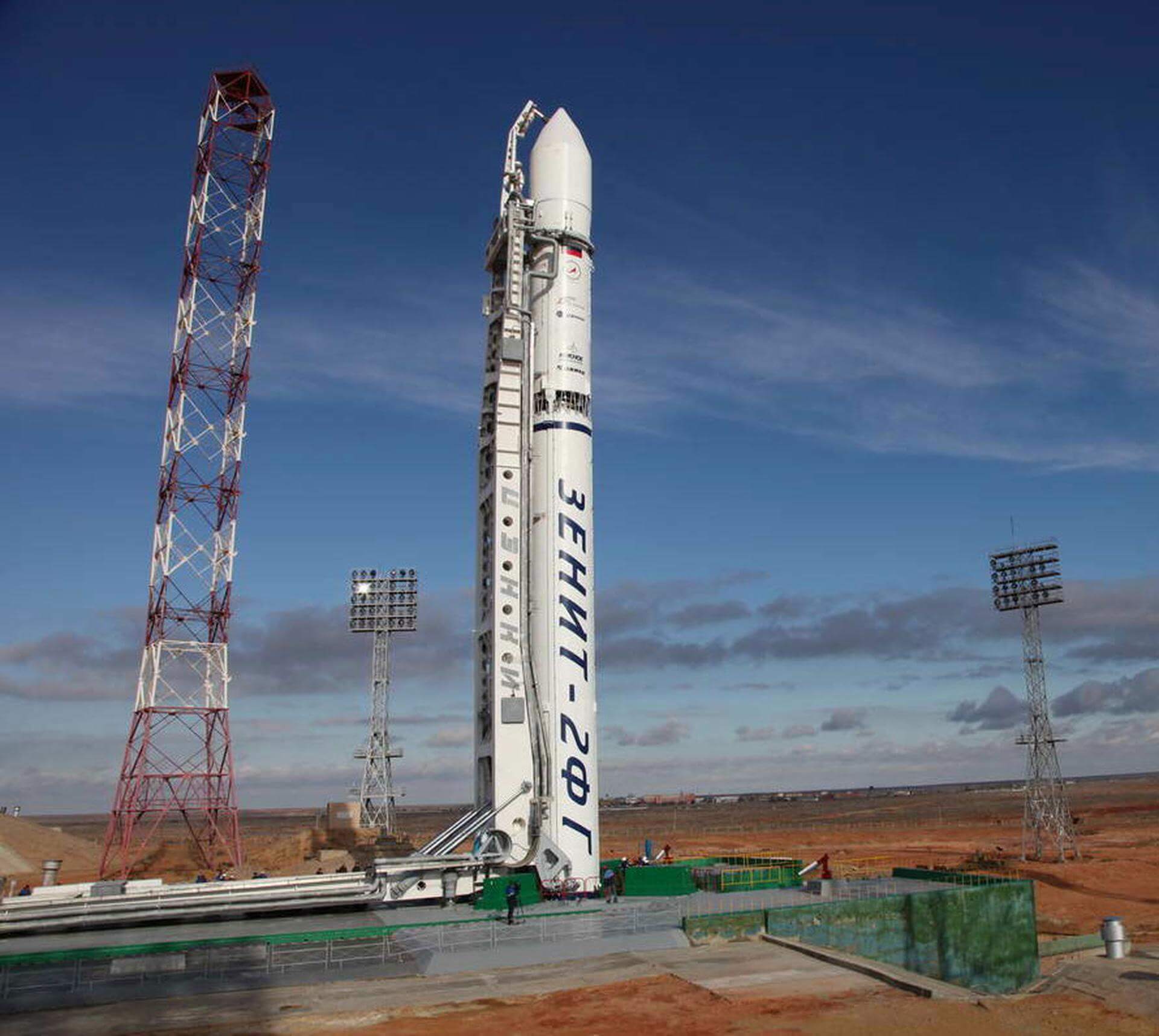
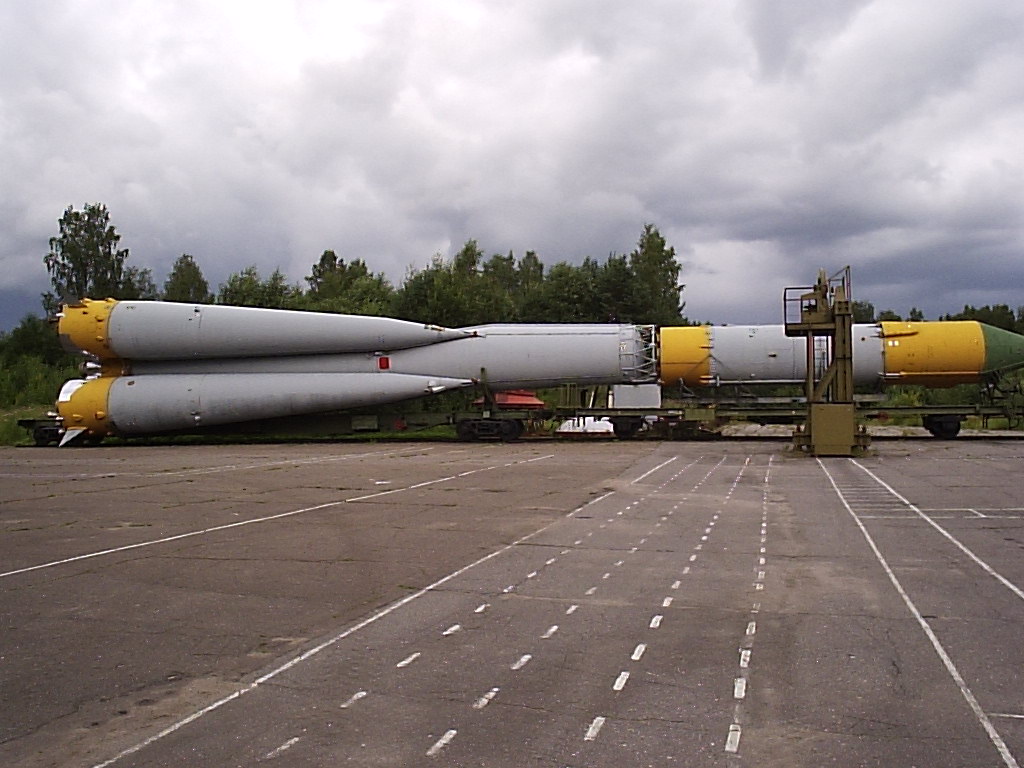
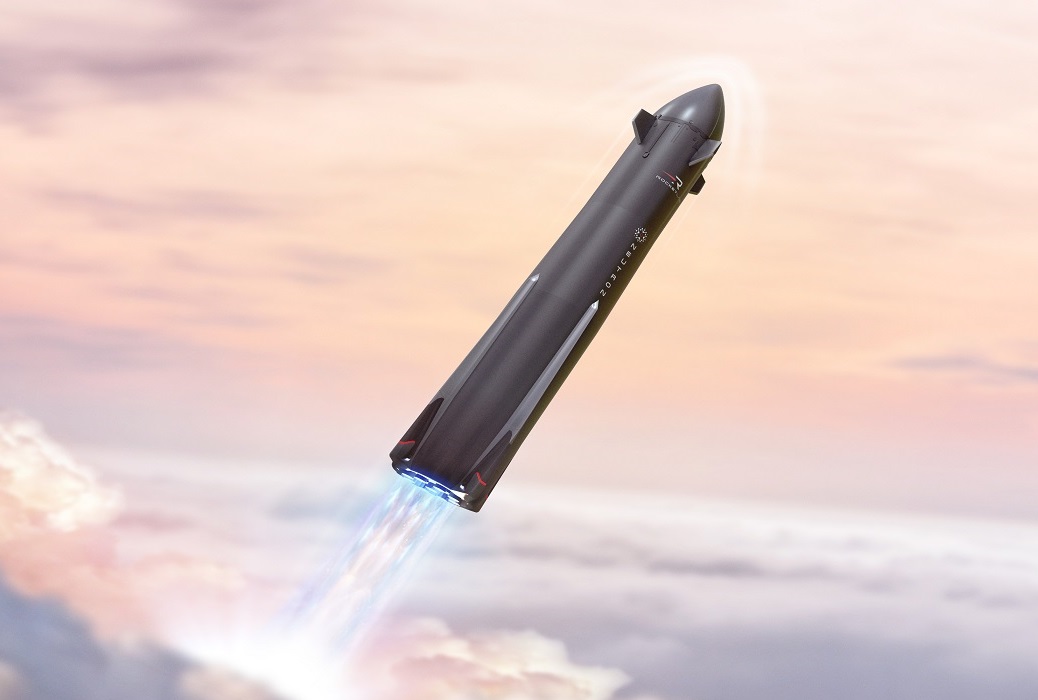
{ "count": 532, "next": "https://lldev.thespacedevs.com/2.0.0/config/launcher/?format=api&limit=10&offset=460&ordering=gto_capacity", "previous": "https://lldev.thespacedevs.com/2.0.0/config/launcher/?format=api&limit=10&offset=440&ordering=gto_capacity", "results": [ { "id": 429, "launch_library_id": null, "url": "https://lldev.thespacedevs.com/2.0.0/config/launcher/429/?format=api", "name": "Titan 402B IUS", "manufacturer": { "id": 82, "url": "https://lldev.thespacedevs.com/2.0.0/agencies/82/?format=api", "name": "Lockheed Martin", "featured": false, "type": "Commercial", "country_code": "USA", "abbrev": "LMT", "description": "Lockheed Martin's Space Division started in the production of missiles and later ICBM's in the 1950s. Their TITAN missile system was used for 12 Gemini spacecraft and the Voyager probes. They have worked largely in collaboration with NASA on many of their probes, landers, and spacecraft, and hope to play a key role in NASA's return to the moon in 2024.", "administrator": null, "founding_year": "1953", "launchers": "Titan | Agena", "spacecraft": "Hubble | JUNO | InSight", "parent": null, "image_url": null }, "program": [], "family": "Titan", "full_name": "Titan 402B IUS", "variant": "402B IUS", "reusable": false, "image_url": null, "info_url": "", "wiki_url": "https://en.wikipedia.org/wiki/Titan_IV" }, { "id": 368, "launch_library_id": null, "url": "https://lldev.thespacedevs.com/2.0.0/config/launcher/368/?format=api", "name": "Scout X-3A", "manufacturer": { "id": 1006, "url": "https://lldev.thespacedevs.com/2.0.0/agencies/1006/?format=api", "name": "Vought", "featured": false, "type": "Commercial", "country_code": "USA", "abbrev": "", "description": "Vought was the name of several related American aerospace firms. These have included, in the past, Lewis and Vought Corporation, Chance Vought, Vought-Sikorsky, LTV Aerospace (part of Ling-Temco-Vought), Vought Aircraft Companies, and Vought Aircraft Industries. The first incarnation of Vought was established by Chance M. Vought and Birdseye Lewis in 1917. In 1928, it was acquired by United Aircraft and Transport Corporation, which a few years later became United Aircraft Corporation; this was the first of many reorganizations and buyouts. During the 1920s and 1930s, Vought Aircraft and Chance Vought specialized in carrier-based aircraft for the United States Navy, by far its biggest customer. Chance Vought produced thousands of planes during World War II, including the F4U Corsair. Vought became independent again in 1954, and was purchased by Ling-Temco-Vought in 1961. The company designed and produced a variety of planes and missiles throughout the Cold War. Vought was sold from LTV and owned in various degrees by the Carlyle Group and Northrop Grumman in the early 1990s. It was then fully bought by Carlyle, renamed Vought Aircraft Industries, with headquarters in Dallas, Texas. In June 2010, the Carlyle Group sold Vought to the Triumph Group.", "administrator": null, "founding_year": "1917", "launchers": "", "spacecraft": "", "parent": null, "image_url": null }, "program": [], "family": "Scout", "full_name": "Scout X-3A", "variant": "3A", "reusable": false, "image_url": null, "info_url": "", "wiki_url": "https://en.wikipedia.org/wiki/Scout_(rocket_family)" }, { "id": 457, "launch_library_id": null, "url": "https://lldev.thespacedevs.com/2.0.0/config/launcher/457/?format=api", "name": "Zenit-2SB", "manufacturer": { "id": 112, "url": "https://lldev.thespacedevs.com/2.0.0/agencies/112/?format=api", "name": "Yuzhnoye Design Bureau", "featured": false, "type": "Commercial", "country_code": "UKR", "abbrev": "OKB-586", "description": "Yuzhnoye Design Office, located in Dnipro, Ukraine, is a designer of satellites and rockets, and formerly of Soviet intercontinental ballistic missiles (ICBMs) established by Mikhail Yangel in 1951. The Zenit launch vehicle currently launches from Baikonur Cosmodrome but also used to launch from an ocean platform, Odyssey.", "administrator": "Director: Alexander Degtyarev", "founding_year": "1951", "launchers": "Zenit", "spacecraft": "", "parent": null, "image_url": "https://thespacedevs-dev.nyc3.digitaloceanspaces.com/media/images/yuzhnoye2520design2520bureau_image_20190207032505.jpeg" }, "program": [], "family": "Zenith", "full_name": "Zenit-2SB", "variant": "2SB", "reusable": false, "image_url": null, "info_url": "", "wiki_url": "https://en.wikipedia.org/wiki/Zenit_(rocket_family)" }, { "id": 440, "launch_library_id": null, "url": "https://lldev.thespacedevs.com/2.0.0/config/launcher/440/?format=api", "name": "Titan IIID", "manufacturer": { "id": 82, "url": "https://lldev.thespacedevs.com/2.0.0/agencies/82/?format=api", "name": "Lockheed Martin", "featured": false, "type": "Commercial", "country_code": "USA", "abbrev": "LMT", "description": "Lockheed Martin's Space Division started in the production of missiles and later ICBM's in the 1950s. Their TITAN missile system was used for 12 Gemini spacecraft and the Voyager probes. They have worked largely in collaboration with NASA on many of their probes, landers, and spacecraft, and hope to play a key role in NASA's return to the moon in 2024.", "administrator": null, "founding_year": "1953", "launchers": "Titan | Agena", "spacecraft": "Hubble | JUNO | InSight", "parent": null, "image_url": null }, "program": [], "family": "Titan", "full_name": "Titan IIID", "variant": "IIID", "reusable": false, "image_url": "https://thespacedevs-dev.nyc3.digitaloceanspaces.com/media/images/titan_iiid_laun_image_20251117073514.jpg", "info_url": null, "wiki_url": "https://en.wikipedia.org/wiki/Titan_IIID" }, { "id": 366, "launch_library_id": null, "url": "https://lldev.thespacedevs.com/2.0.0/config/launcher/366/?format=api", "name": "Scout X-2M", "manufacturer": { "id": 1006, "url": "https://lldev.thespacedevs.com/2.0.0/agencies/1006/?format=api", "name": "Vought", "featured": false, "type": "Commercial", "country_code": "USA", "abbrev": "", "description": "Vought was the name of several related American aerospace firms. These have included, in the past, Lewis and Vought Corporation, Chance Vought, Vought-Sikorsky, LTV Aerospace (part of Ling-Temco-Vought), Vought Aircraft Companies, and Vought Aircraft Industries. The first incarnation of Vought was established by Chance M. Vought and Birdseye Lewis in 1917. In 1928, it was acquired by United Aircraft and Transport Corporation, which a few years later became United Aircraft Corporation; this was the first of many reorganizations and buyouts. During the 1920s and 1930s, Vought Aircraft and Chance Vought specialized in carrier-based aircraft for the United States Navy, by far its biggest customer. Chance Vought produced thousands of planes during World War II, including the F4U Corsair. Vought became independent again in 1954, and was purchased by Ling-Temco-Vought in 1961. The company designed and produced a variety of planes and missiles throughout the Cold War. Vought was sold from LTV and owned in various degrees by the Carlyle Group and Northrop Grumman in the early 1990s. It was then fully bought by Carlyle, renamed Vought Aircraft Industries, with headquarters in Dallas, Texas. In June 2010, the Carlyle Group sold Vought to the Triumph Group.", "administrator": null, "founding_year": "1917", "launchers": "", "spacecraft": "", "parent": null, "image_url": null }, "program": [], "family": "Scout", "full_name": "Scout X-2M", "variant": "X-2M", "reusable": false, "image_url": null, "info_url": "", "wiki_url": "https://en.wikipedia.org/wiki/Scout_(rocket_family)" }, { "id": 184, "launch_library_id": 207, "url": "https://lldev.thespacedevs.com/2.0.0/config/launcher/184/?format=api", "name": "Molniya 8K78", "manufacturer": { "id": 270, "url": "https://lldev.thespacedevs.com/2.0.0/agencies/270/?format=api", "name": "Strategic Rocket Forces", "featured": false, "type": "Government", "country_code": "RUS", "abbrev": "RVSN RF", "description": "The Strategic Rocket Forces of the Russian Federation are a separate-troops branch of the Russian Armed Forces that control Russia's land-based intercontinental ballistic missiles (ICBMs).", "administrator": null, "founding_year": "1959", "launchers": "", "spacecraft": "", "parent": null, "image_url": null }, "program": [], "family": "R-7", "full_name": "Molniya 8K78", "variant": "8K78", "reusable": false, "image_url": "https://thespacedevs-dev.nyc3.digitaloceanspaces.com/media/images/molniya25208k78_image_20191201210000.jpg", "info_url": null, "wiki_url": "https://en.wikipedia.org/wiki/Molniya_(rocket)" }, { "id": 450, "launch_library_id": null, "url": "https://lldev.thespacedevs.com/2.0.0/config/launcher/450/?format=api", "name": "Volna", "manufacturer": { "id": 1013, "url": "https://lldev.thespacedevs.com/2.0.0/agencies/1013/?format=api", "name": "Makeyev Rocket Design Bureau", "featured": false, "type": "Commercial", "country_code": "RUS", "abbrev": "", "description": "The JSC Makeyev Design Bureau is a Russian missile design company located in Miass, Russia.\r\n\r\nEstablished in December 1947 as SKB-385, the company is the main designer of submarine-launched ballistic missiles (SLBM) in Russia. The organization was named in honor of Victor Makeyev. Its full official name is State Rocket Center «Academician V.P. Makeev Design Bureau».\r\n\r\nIn 1965, SKB-385 was redesignated the Design Bureau of Machine-Building (KBM) under the Ministry of General Machine-Building.", "administrator": null, "founding_year": "1947", "launchers": "", "spacecraft": "", "parent": null, "image_url": null }, "program": [], "family": "", "full_name": "Volna", "variant": "", "reusable": false, "image_url": null, "info_url": null, "wiki_url": "https://en.wikipedia.org/wiki/Volna" }, { "id": 452, "launch_library_id": null, "url": "https://lldev.thespacedevs.com/2.0.0/config/launcher/452/?format=api", "name": "Vostok 8A92M", "manufacturer": { "id": 103, "url": "https://lldev.thespacedevs.com/2.0.0/agencies/103/?format=api", "name": "RKK Energiya", "featured": false, "type": "Commercial", "country_code": "RUS", "abbrev": "RSC", "description": "", "administrator": null, "founding_year": null, "launchers": "", "spacecraft": "", "parent": null, "image_url": null }, "program": [], "family": "Vostok", "full_name": "Vostok 8A92M", "variant": "8A92M", "reusable": false, "image_url": "https://thespacedevs-dev.nyc3.digitaloceanspaces.com/media/images/the_full-scale__image_20251127090310.jpg", "info_url": null, "wiki_url": "https://en.wikipedia.org/wiki/Vostok_(rocket_family)" }, { "id": 476, "launch_library_id": null, "url": "https://lldev.thespacedevs.com/2.0.0/config/launcher/476/?format=api", "name": "Neutron", "manufacturer": { "id": 147, "url": "https://lldev.thespacedevs.com/2.0.0/agencies/147/?format=api", "name": "Rocket Lab", "featured": true, "type": "Commercial", "country_code": "USA", "abbrev": "RL", "description": "Rocket Lab is an American aerospace manufacturer with a wholly owned New Zealand subsidiary. The company develops lightweight, cost-effective commercial rocket launch services. The Electron Program was founded on the premise that small payloads such as CubeSats require dedicated small launch vehicles and flexibility not currently offered by traditional rocket systems. Its rocket, the Electron, is a light-weight rocket and is now operating commercially. The company is also producing a variety of spacecrafts and spacecrafts components.", "administrator": "CEO: Peter Beck", "founding_year": "2006", "launchers": "Electron", "spacecraft": "", "parent": null, "image_url": "https://thespacedevs-dev.nyc3.digitaloceanspaces.com/media/images/rocket2520lab2520ltd_image_20190207032456.jpeg" }, "program": [], "family": "", "full_name": "Neutron", "variant": "", "reusable": true, "image_url": "https://thespacedevs-dev.nyc3.digitaloceanspaces.com/media/images/neutron_image_20230727171443.jpeg", "info_url": "https://www.rocketlabusa.com/launch/neutron/", "wiki_url": "https://en.wikipedia.org/wiki/Rocket_Lab_Neutron" }, { "id": 313, "launch_library_id": null, "url": "https://lldev.thespacedevs.com/2.0.0/config/launcher/313/?format=api", "name": "Diamant BP4", "manufacturer": { "id": 1008, "url": "https://lldev.thespacedevs.com/2.0.0/agencies/1008/?format=api", "name": "Société d'étude et de réalisation d'engins balistiques", "featured": false, "type": "Commercial", "country_code": "FRA", "abbrev": "", "description": "Société d'étude et de réalisation d'engins balistiques or SÉREB was a French aviation company. It was created initially to develop two-stage ballistic missiles for nuclear weapons (Force de dissuasion nucléaire française). CNES was formed in 1961, which took over much development of civilian research.", "administrator": null, "founding_year": "1959", "launchers": "", "spacecraft": "", "parent": null, "image_url": null }, "program": [], "family": "Diamant", "full_name": "Diamant BP4", "variant": "BP4", "reusable": false, "image_url": null, "info_url": null, "wiki_url": "https://en.wikipedia.org/wiki/Diamant" } ] }