Launcher Config List
API endpoint that allows Launcher Configurations to be viewed.
GET: Return a list of all the existing launcher configurations.
MODE: Normal and Detailed /2.0.0/config/launcher/?mode=detailed
FILTERS: Fields - 'family', 'agency', 'name', 'manufacturer__name', 'full_name', 'manufacturer__launch_library_id'
Get all Launchers with the Launch Library ID of 44. Example - /2.0.0/config/launcher/?manufacturer__launch_library_id=44
Get all Launchers with the Agency with name NASA. Example - /2.0.0/config/launcher/?manufacturer__name=NASA
GET /2.0.0/config/launcher/?format=api&offset=390&ordering=leo_capacity
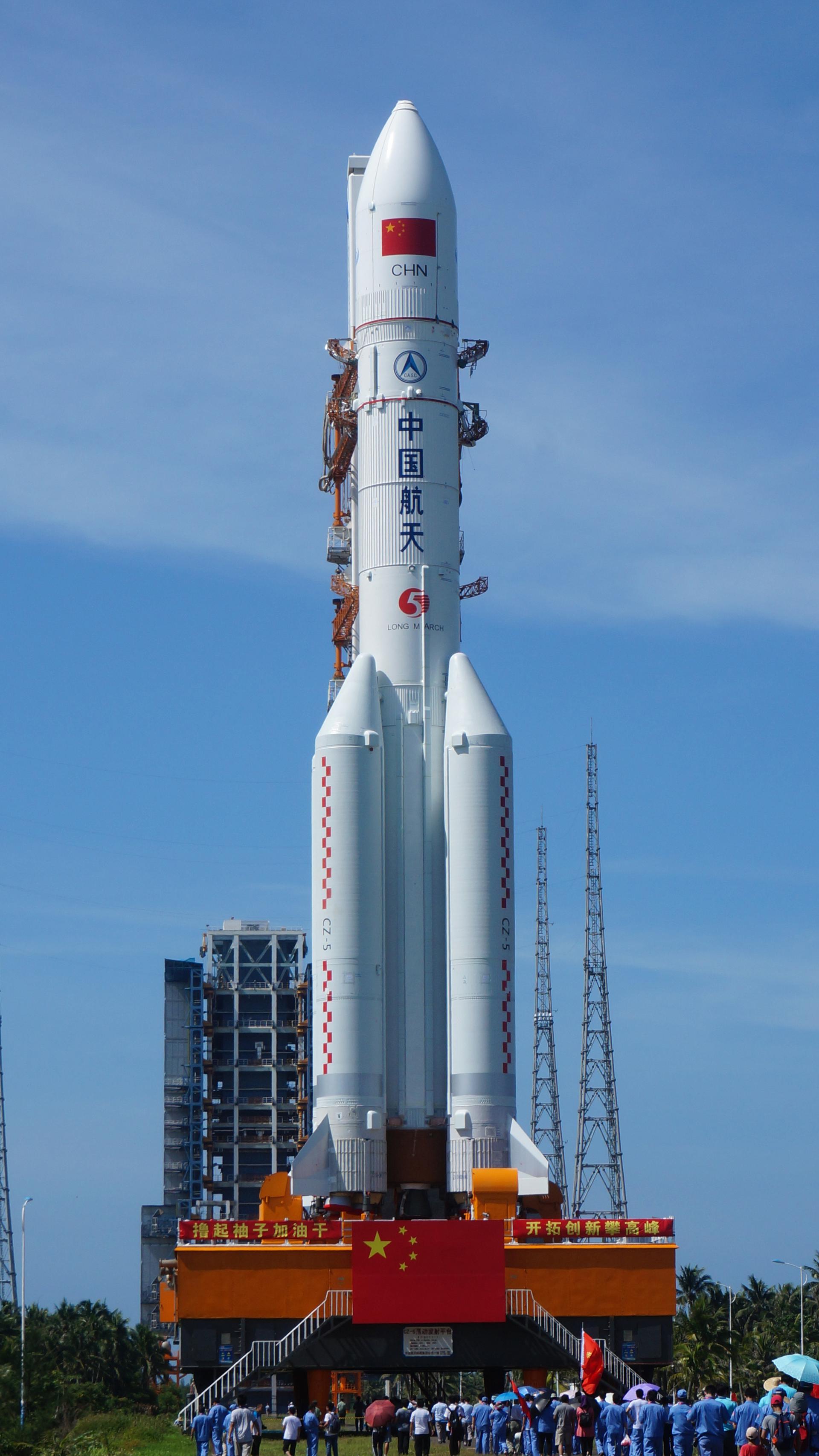
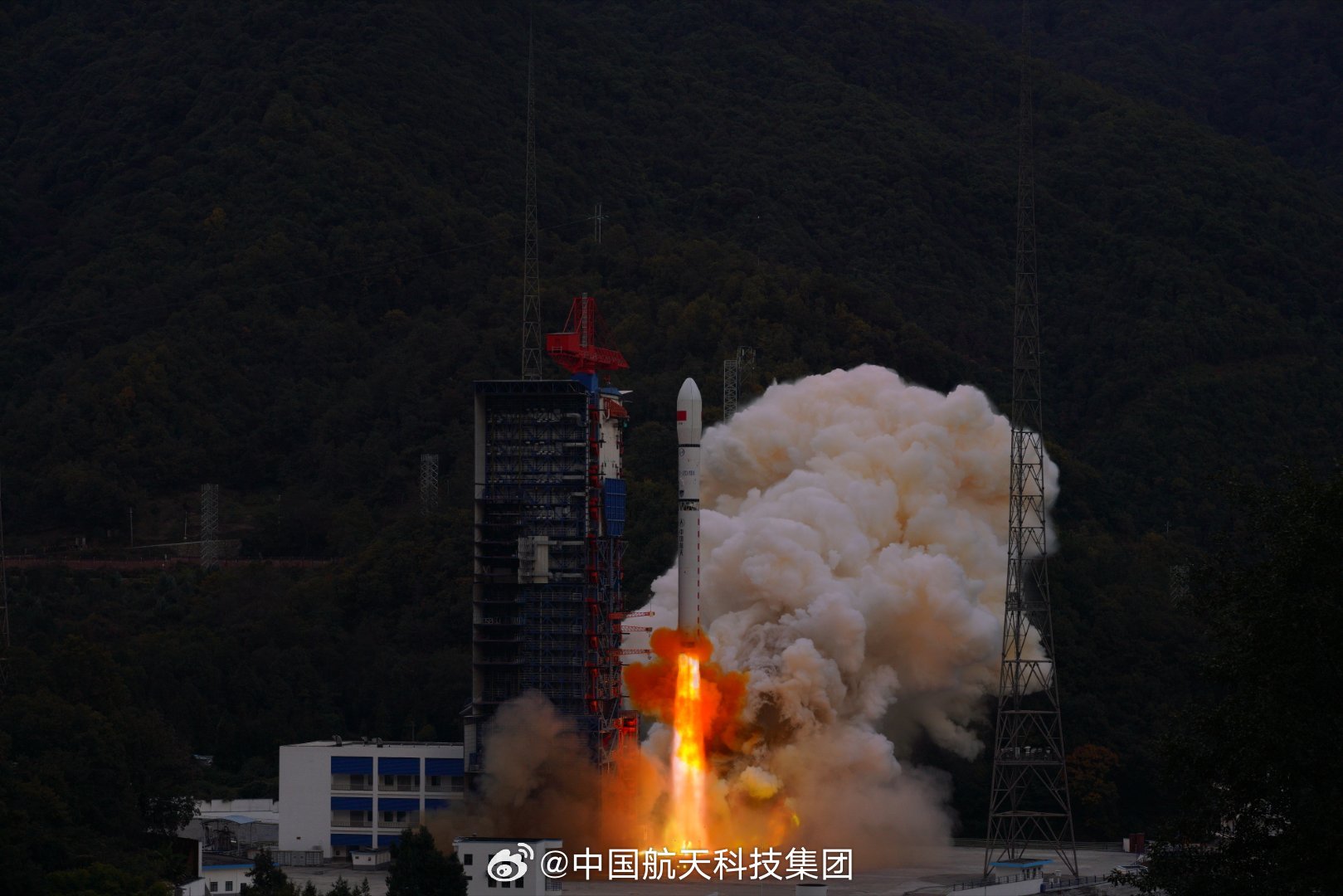
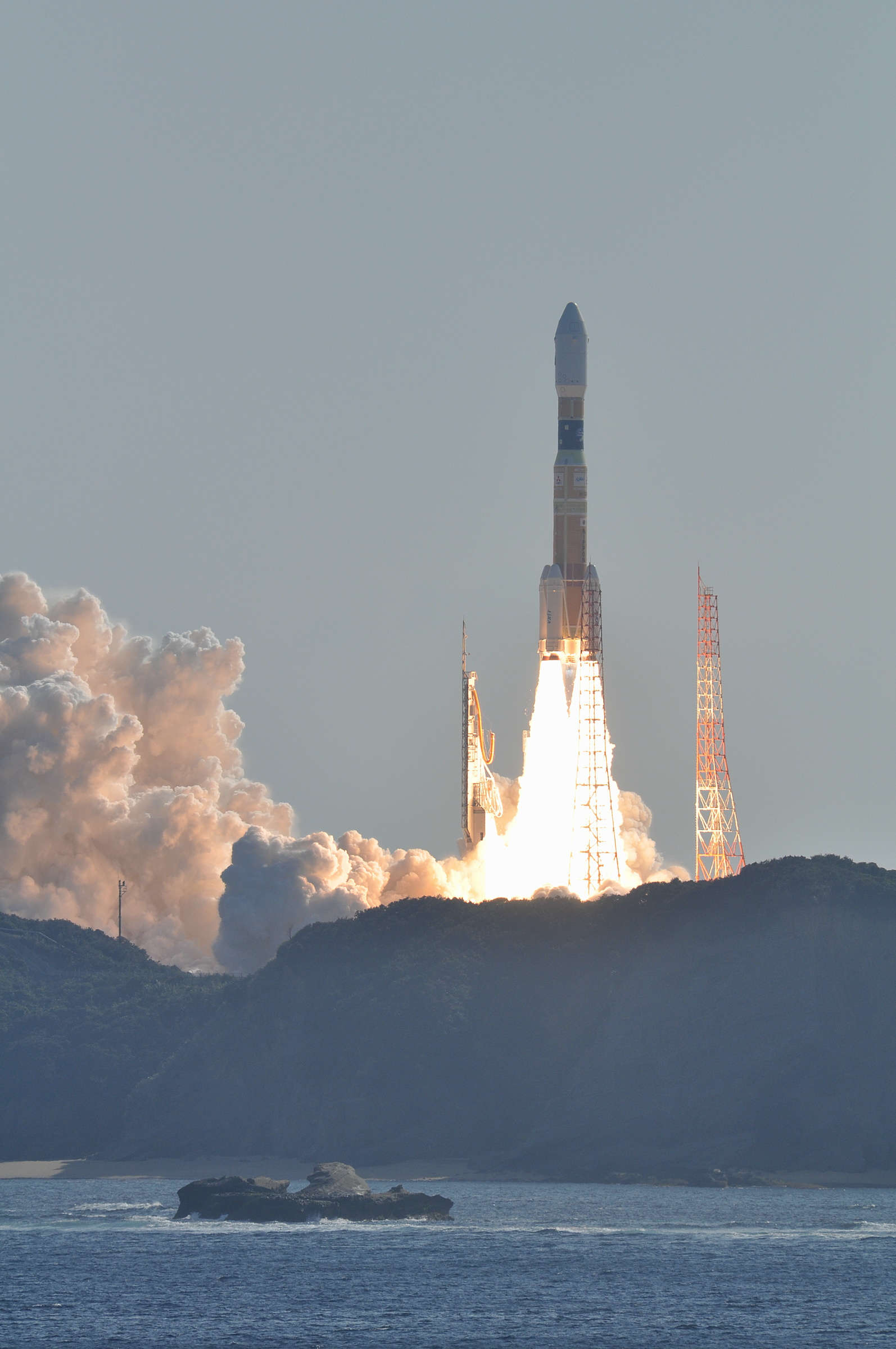
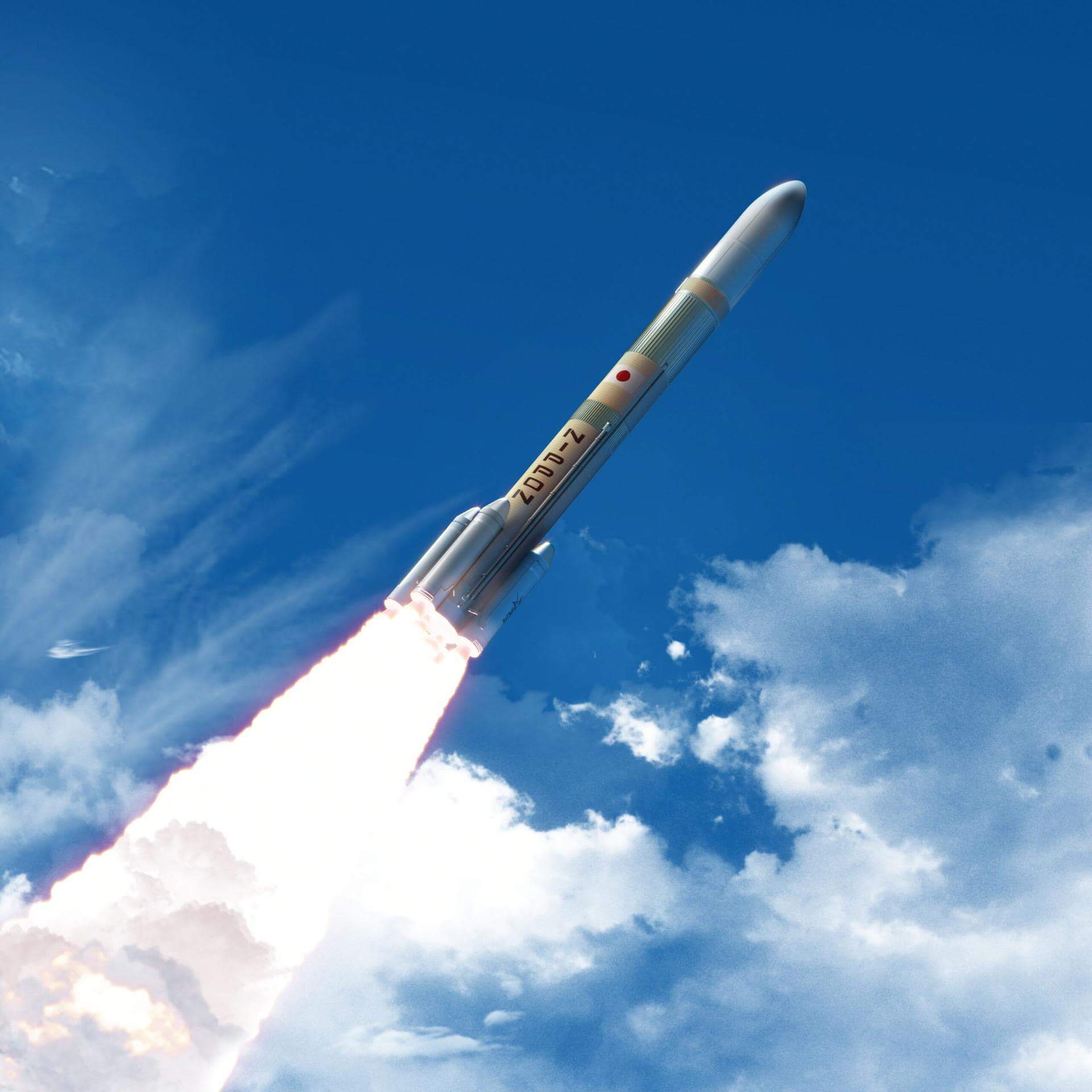
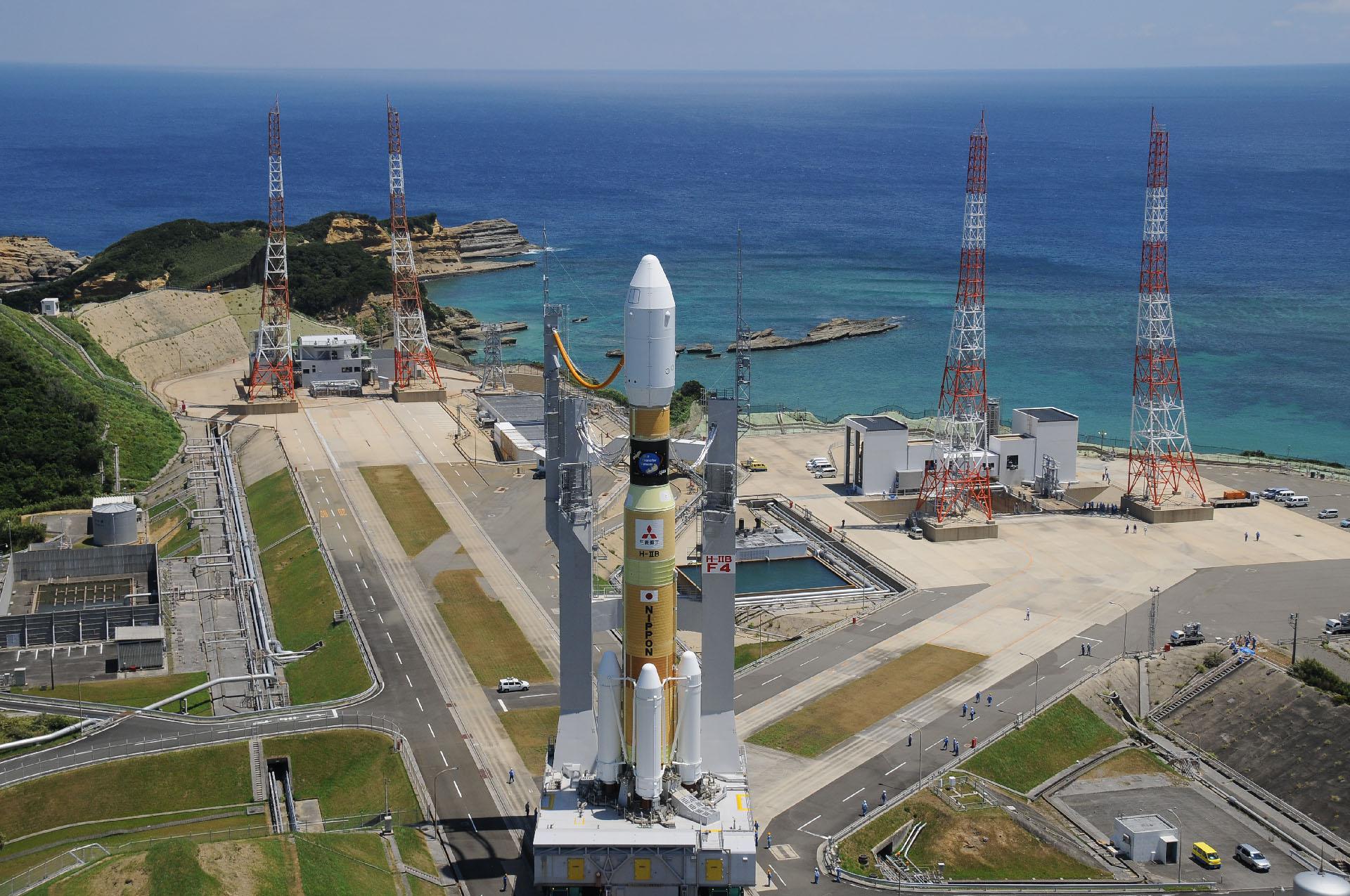
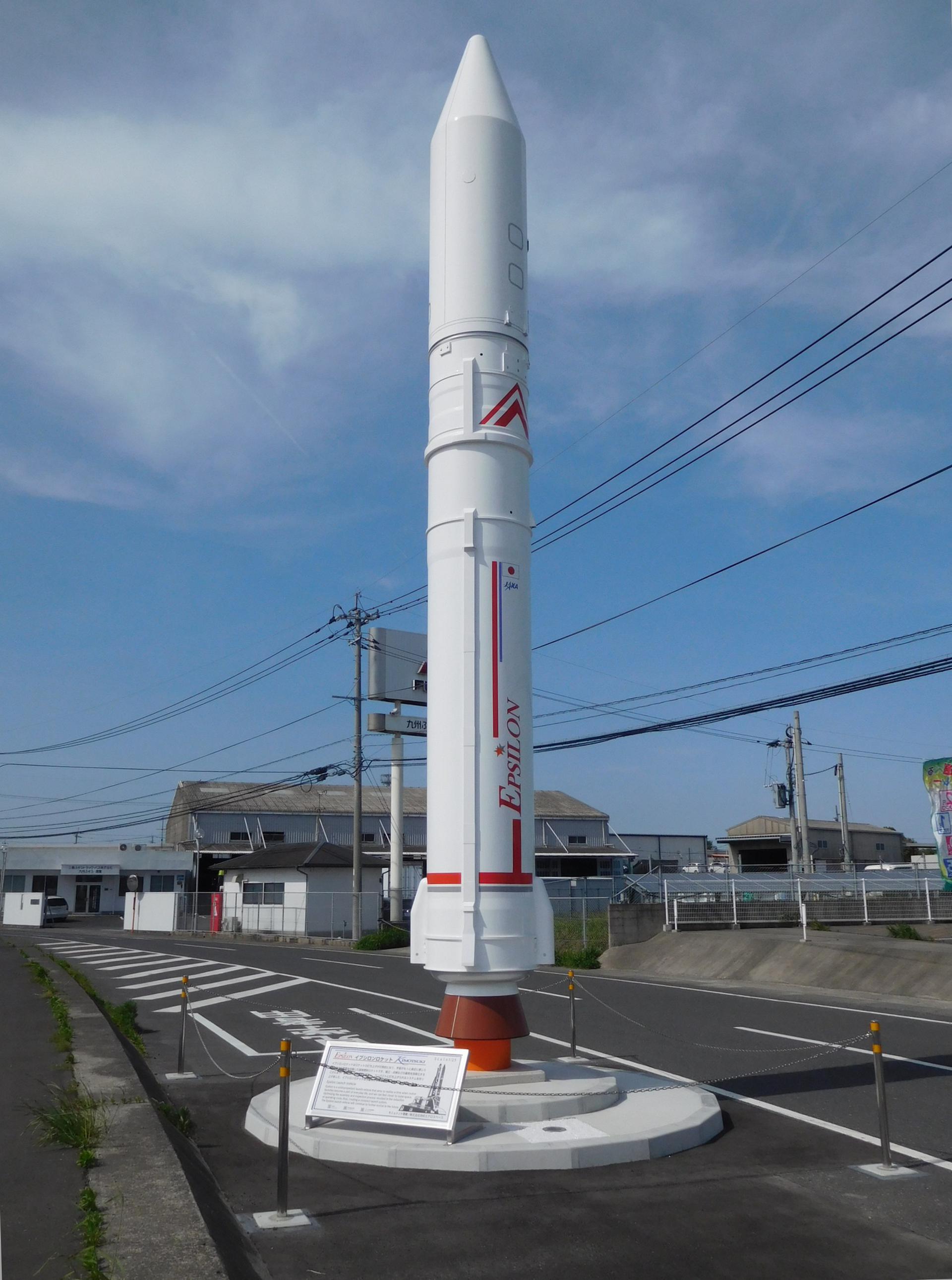
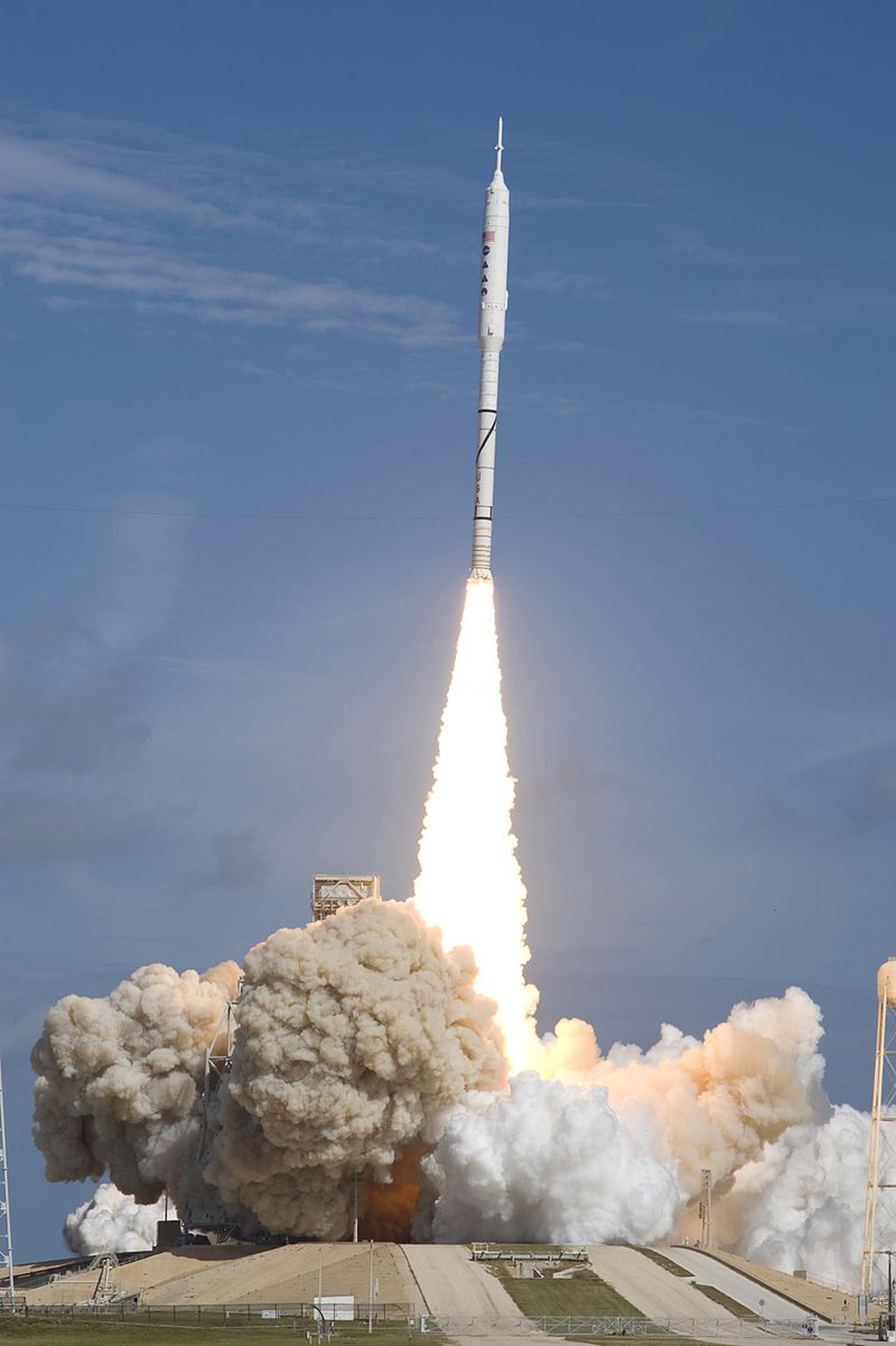
{ "count": 532, "next": "https://lldev.thespacedevs.com/2.0.0/config/launcher/?format=api&limit=10&offset=400&ordering=leo_capacity", "previous": "https://lldev.thespacedevs.com/2.0.0/config/launcher/?format=api&limit=10&offset=380&ordering=leo_capacity", "results": [ { "id": 368, "launch_library_id": null, "url": "https://lldev.thespacedevs.com/2.0.0/config/launcher/368/?format=api", "name": "Scout X-3A", "manufacturer": { "id": 1006, "url": "https://lldev.thespacedevs.com/2.0.0/agencies/1006/?format=api", "name": "Vought", "featured": false, "type": "Commercial", "country_code": "USA", "abbrev": "", "description": "Vought was the name of several related American aerospace firms. These have included, in the past, Lewis and Vought Corporation, Chance Vought, Vought-Sikorsky, LTV Aerospace (part of Ling-Temco-Vought), Vought Aircraft Companies, and Vought Aircraft Industries. The first incarnation of Vought was established by Chance M. Vought and Birdseye Lewis in 1917. In 1928, it was acquired by United Aircraft and Transport Corporation, which a few years later became United Aircraft Corporation; this was the first of many reorganizations and buyouts. During the 1920s and 1930s, Vought Aircraft and Chance Vought specialized in carrier-based aircraft for the United States Navy, by far its biggest customer. Chance Vought produced thousands of planes during World War II, including the F4U Corsair. Vought became independent again in 1954, and was purchased by Ling-Temco-Vought in 1961. The company designed and produced a variety of planes and missiles throughout the Cold War. Vought was sold from LTV and owned in various degrees by the Carlyle Group and Northrop Grumman in the early 1990s. It was then fully bought by Carlyle, renamed Vought Aircraft Industries, with headquarters in Dallas, Texas. In June 2010, the Carlyle Group sold Vought to the Triumph Group.", "administrator": null, "founding_year": "1917", "launchers": "", "spacecraft": "", "parent": null, "image_url": null }, "program": [], "family": "Scout", "full_name": "Scout X-3A", "variant": "3A", "reusable": false, "image_url": null, "info_url": "", "wiki_url": "https://en.wikipedia.org/wiki/Scout_(rocket_family)" }, { "id": 176, "launch_library_id": 213, "url": "https://lldev.thespacedevs.com/2.0.0/config/launcher/176/?format=api", "name": "Long March 2D/YZ-3", "manufacturer": { "id": 88, "url": "https://lldev.thespacedevs.com/2.0.0/agencies/88/?format=api", "name": "China Aerospace Science and Technology Corporation", "featured": true, "type": "Government", "country_code": "CHN", "abbrev": "CASC", "description": "The China Aerospace Science and Technology Corporation (CASC) is the main contractor for the Chinese space program. It is state-owned and has a number of subordinate entities which design, develop and manufacture a range of spacecraft, launch vehicles, strategic and tactical missile systems, and ground equipment. It was officially established in July 1999 as part of a Chinese government reform drive, having previously been one part of the former China Aerospace Corporation. Various incarnations of the program date back to 1956.", "administrator": "Chairman & President: Lei Fanpei", "founding_year": "1999", "launchers": "Long March", "spacecraft": "", "parent": null, "image_url": "https://thespacedevs-dev.nyc3.digitaloceanspaces.com/media/images/china2520aerospace2520science2520and2520technology2520corporation_image_20191228094408.jpeg" }, "program": [], "family": "Long March", "full_name": "Long March 2D/YZ-3", "variant": "D/YZ-3", "reusable": false, "image_url": "https://thespacedevs-dev.nyc3.digitaloceanspaces.com/media/images/long_march_2d2_image_20231123203521.jpeg", "info_url": null, "wiki_url": null }, { "id": 415, "launch_library_id": null, "url": "https://lldev.thespacedevs.com/2.0.0/config/launcher/415/?format=api", "name": "Thor SLV-2 Agena D", "manufacturer": { "id": 153, "url": "https://lldev.thespacedevs.com/2.0.0/agencies/153/?format=api", "name": "McDonnell Douglas", "featured": false, "type": "Commercial", "country_code": "USA", "abbrev": "MDC", "description": null, "administrator": null, "founding_year": null, "launchers": "", "spacecraft": "", "parent": null, "image_url": null }, "program": [], "family": "Thor", "full_name": "Thor SLV-2 Agena D", "variant": "SLV-2 Agena D", "reusable": false, "image_url": "https://thespacedevs-dev.nyc3.digitaloceanspaces.com/media/images/thor-dm21_agena_image_20251109064525.png", "info_url": null, "wiki_url": "https://en.wikipedia.org/wiki/Thor-Agena" }, { "id": 30, "launch_library_id": 48, "url": "https://lldev.thespacedevs.com/2.0.0/config/launcher/30/?format=api", "name": "H3", "manufacturer": { "id": 98, "url": "https://lldev.thespacedevs.com/2.0.0/agencies/98/?format=api", "name": "Mitsubishi Heavy Industries", "featured": false, "type": "Commercial", "country_code": "JPN", "abbrev": "MHI", "description": "Mitsubishi Heavy Industries, Ltd. is a Japanese multinational engineering, electrical equipment and electronics company headquartered in Tokyo, Japan. MHI is one of the core companies of the Mitsubishi Group.\r\n\r\nMHI's products include aerospace components, air conditioners, aircraft, automotive components, forklift trucks, hydraulic equipment, machine tools, missiles, power generation equipment, printing machines, ships and space launch vehicles. Through its defense-related activities, it is the world's 23rd-largest defense contractor measured by 2011 defense revenues and the largest based in Japan.", "administrator": "President: Seiji Izumisawa", "founding_year": "1884", "launchers": "H-I, H-II, H-III", "spacecraft": "Kounotori | HTV", "parent": null, "image_url": "https://thespacedevs-dev.nyc3.digitaloceanspaces.com/media/images/mitsubishi2520heavy2520industries_image_20200117065724.jpg" }, "program": [], "family": "H3", "full_name": "H3", "variant": "", "reusable": false, "image_url": "https://thespacedevs-dev.nyc3.digitaloceanspaces.com/media/images/h-iii_image_20221104084531.jpeg", "info_url": "http://global.jaxa.jp/press/2015/07/20150702_h3.html", "wiki_url": "https://en.wikipedia.org/wiki/H3_(rocket)" }, { "id": 115, "launch_library_id": 161, "url": "https://lldev.thespacedevs.com/2.0.0/config/launcher/115/?format=api", "name": "Epsilon S", "manufacturer": { "id": 37, "url": "https://lldev.thespacedevs.com/2.0.0/agencies/37/?format=api", "name": "Japan Aerospace Exploration Agency", "featured": true, "type": "Government", "country_code": "JPN", "abbrev": "JAXA", "description": "The Japan Aerospace Exploration Agency (JAXA) is Japan's national aero-space agency. Through the merger of three previously independent organizations, JAXA was formed on 1 October 2003. JAXA is responsible for research, technology development and the launch of satellites into orbit, and is involved in many more advanced missions, such as asteroid exploration and possible manned exploration of the Moon. JAXA launch their Epsilon vehicle from the Uchinoura Space Center and their H-II vehicles from the Tanegashima Space Center.", "administrator": "Administrator: Hiroshi Yamakawa", "founding_year": "2003", "launchers": "H-II", "spacecraft": "", "parent": null, "image_url": "https://thespacedevs-dev.nyc3.digitaloceanspaces.com/media/images/japan2520aerospace2520exploration2520agency_image_20190207032440.jpeg" }, "program": [], "family": "Epsilon", "full_name": "Epsilon S", "variant": "S", "reusable": false, "image_url": "https://thespacedevs-dev.nyc3.digitaloceanspaces.com/media/images/epsilon_image_20190207032600.jpeg", "info_url": null, "wiki_url": "https://en.wikipedia.org/wiki/Epsilon_(rocket)#Epsilon_S" }, { "id": 126, "launch_library_id": 158, "url": "https://lldev.thespacedevs.com/2.0.0/config/launcher/126/?format=api", "name": "Ares I-X", "manufacturer": { "id": 44, "url": "https://lldev.thespacedevs.com/2.0.0/agencies/44/?format=api", "name": "National Aeronautics and Space Administration", "featured": true, "type": "Government", "country_code": "USA", "abbrev": "NASA", "description": "The National Aeronautics and Space Administration is an independent agency of the executive branch of the United States federal government responsible for the civilian space program, as well as aeronautics and aerospace research. NASA have many launch facilities but most are inactive. The most commonly used pad will be LC-39B at Kennedy Space Center in Florida.", "administrator": "Administrator: Jared Isaacman", "founding_year": "1958", "launchers": "Space Shuttle | SLS", "spacecraft": "Orion", "parent": null, "image_url": "https://thespacedevs-dev.nyc3.digitaloceanspaces.com/media/images/national2520aeronautics2520and2520space2520administration_image_20190207032448.jpeg" }, "program": [], "family": "", "full_name": "Ares I-X", "variant": "I-X", "reusable": false, "image_url": "https://thespacedevs-dev.nyc3.digitaloceanspaces.com/media/images/ares2520i-x_image_20190222030444.jpeg", "info_url": null, "wiki_url": "https://en.wikipedia.org/wiki/Ares_I" }, { "id": 285, "launch_library_id": null, "url": "https://lldev.thespacedevs.com/2.0.0/config/launcher/285/?format=api", "name": "Delta 2910", "manufacturer": { "id": 153, "url": "https://lldev.thespacedevs.com/2.0.0/agencies/153/?format=api", "name": "McDonnell Douglas", "featured": false, "type": "Commercial", "country_code": "USA", "abbrev": "MDC", "description": null, "administrator": null, "founding_year": null, "launchers": "", "spacecraft": "", "parent": null, "image_url": null }, "program": [], "family": "Delta", "full_name": "Delta 2910", "variant": "2910", "reusable": false, "image_url": "https://thespacedevs-dev.nyc3.digitaloceanspaces.com/media/images/delta_2910_image_20231231105214.jpeg", "info_url": null, "wiki_url": "https://en.wikipedia.org/wiki/Delta_2000" }, { "id": 309, "launch_library_id": null, "url": "https://lldev.thespacedevs.com/2.0.0/config/launcher/309/?format=api", "name": "Delta II", "manufacturer": { "id": 153, "url": "https://lldev.thespacedevs.com/2.0.0/agencies/153/?format=api", "name": "McDonnell Douglas", "featured": false, "type": "Commercial", "country_code": "USA", "abbrev": "MDC", "description": null, "administrator": null, "founding_year": null, "launchers": "", "spacecraft": "", "parent": null, "image_url": null }, "program": [], "family": "Delta", "full_name": "Delta II 7925-8", "variant": "7925-8", "reusable": false, "image_url": null, "info_url": null, "wiki_url": "https://en.wikipedia.org/wiki/Delta_II" }, { "id": 281, "launch_library_id": null, "url": "https://lldev.thespacedevs.com/2.0.0/config/launcher/281/?format=api", "name": "Delta 1913", "manufacturer": { "id": 153, "url": "https://lldev.thespacedevs.com/2.0.0/agencies/153/?format=api", "name": "McDonnell Douglas", "featured": false, "type": "Commercial", "country_code": "USA", "abbrev": "MDC", "description": null, "administrator": null, "founding_year": null, "launchers": "", "spacecraft": "", "parent": null, "image_url": null }, "program": [], "family": "Delta", "full_name": "Delta 1913", "variant": "1913", "reusable": false, "image_url": null, "info_url": null, "wiki_url": "https://en.wikipedia.org/wiki/Delta_1000" }, { "id": 524, "launch_library_id": null, "url": "https://lldev.thespacedevs.com/2.0.0/config/launcher/524/?format=api", "name": "Callisto", "manufacturer": { "id": 46, "url": "https://lldev.thespacedevs.com/2.0.0/agencies/46/?format=api", "name": "National Center of Space Research", "featured": false, "type": "Government", "country_code": "FRA", "abbrev": "CNES", "description": "The National Center of Space Research, or CNES, is a French National Agency in charge of France's space program. In partnership with the US and Russia, they have put 10 people in space. CNES works in tandem with the larger ESA to develop the Ariane 5 and work on other probes and satellites. They are working with Germany to develop a cheaper and more efficient reusable rocket, which hopefully will be ready to fly by 2026.", "administrator": "CEO: François Jacq", "founding_year": "1961", "launchers": "Ariane 5", "spacecraft": "Mars/Venus Express | Rosetta", "parent": null, "image_url": "https://thespacedevs-dev.nyc3.digitaloceanspaces.com/media/images/cnes_toulouse_e_image_20250722090314.jpg" }, "program": [], "family": "", "full_name": "Callisto", "variant": "", "reusable": true, "image_url": "https://thespacedevs-dev.nyc3.digitaloceanspaces.com/media/images/callisto_render_image_20250916093902.webp", "info_url": "https://cnes.fr/en/projects/callisto", "wiki_url": "https://en.wikipedia.org/wiki/CALLISTO" } ] }