Launcher Config List
API endpoint that allows Launcher Configurations to be viewed.
GET: Return a list of all the existing launcher configurations.
MODE: Normal and Detailed /2.0.0/config/launcher/?mode=detailed
FILTERS: Fields - 'family', 'agency', 'name', 'manufacturer__name', 'full_name', 'manufacturer__launch_library_id'
Get all Launchers with the Launch Library ID of 44. Example - /2.0.0/config/launcher/?manufacturer__launch_library_id=44
Get all Launchers with the Agency with name NASA. Example - /2.0.0/config/launcher/?manufacturer__name=NASA
GET /2.0.0/config/launcher/?format=api&offset=370&ordering=leo_capacity
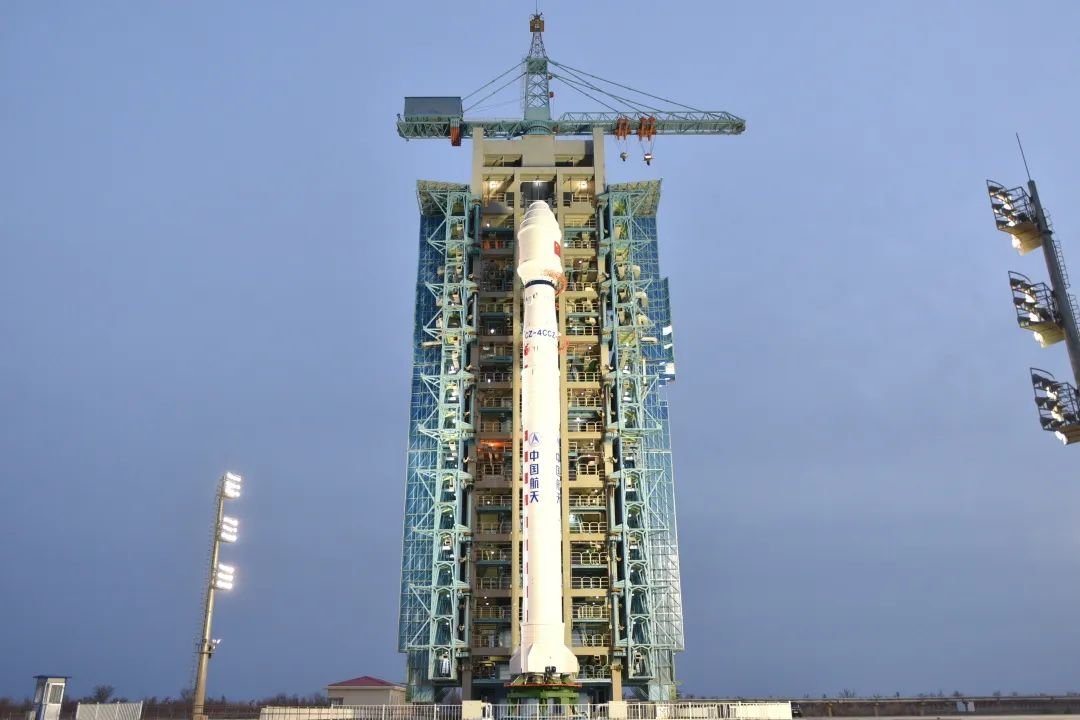
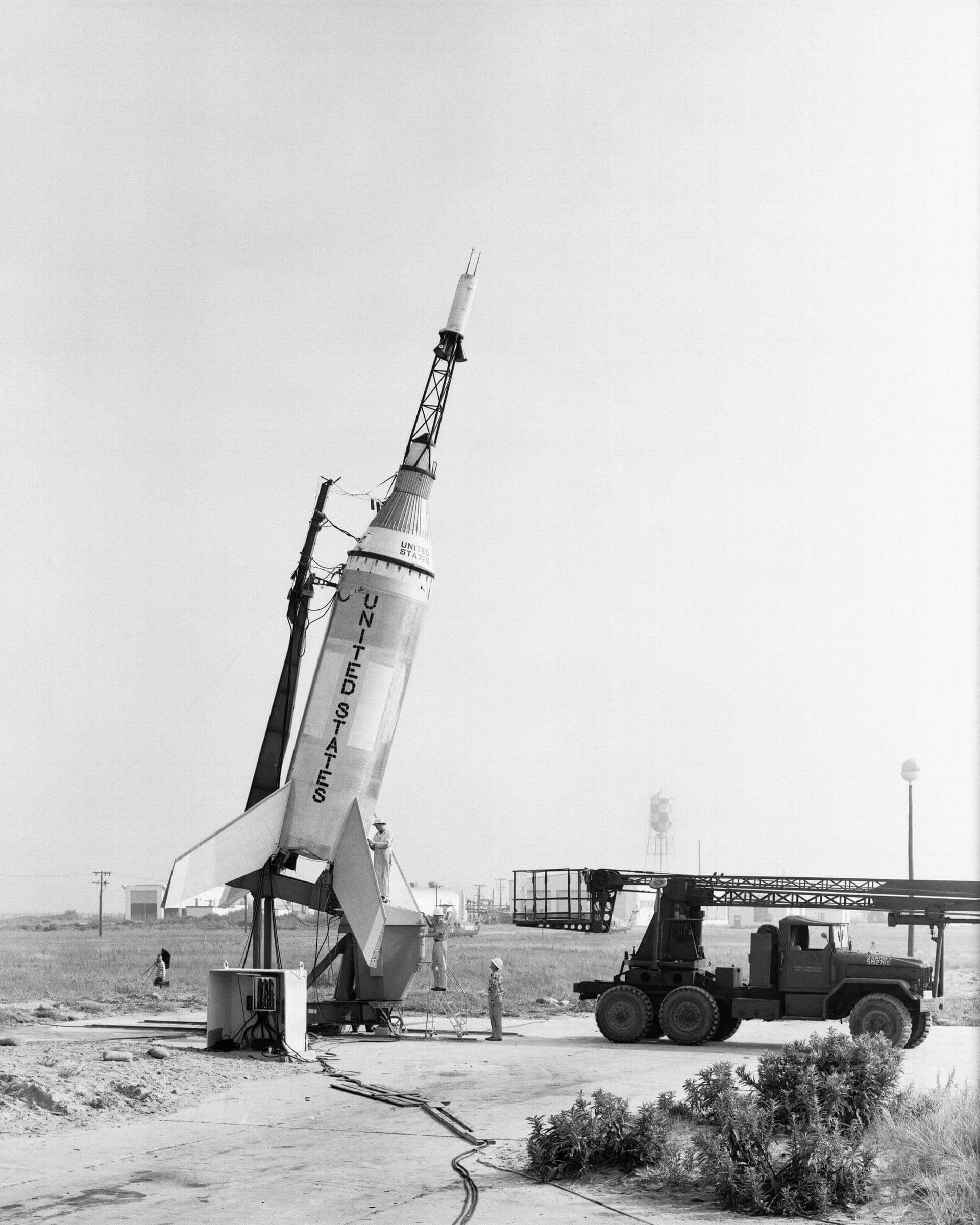
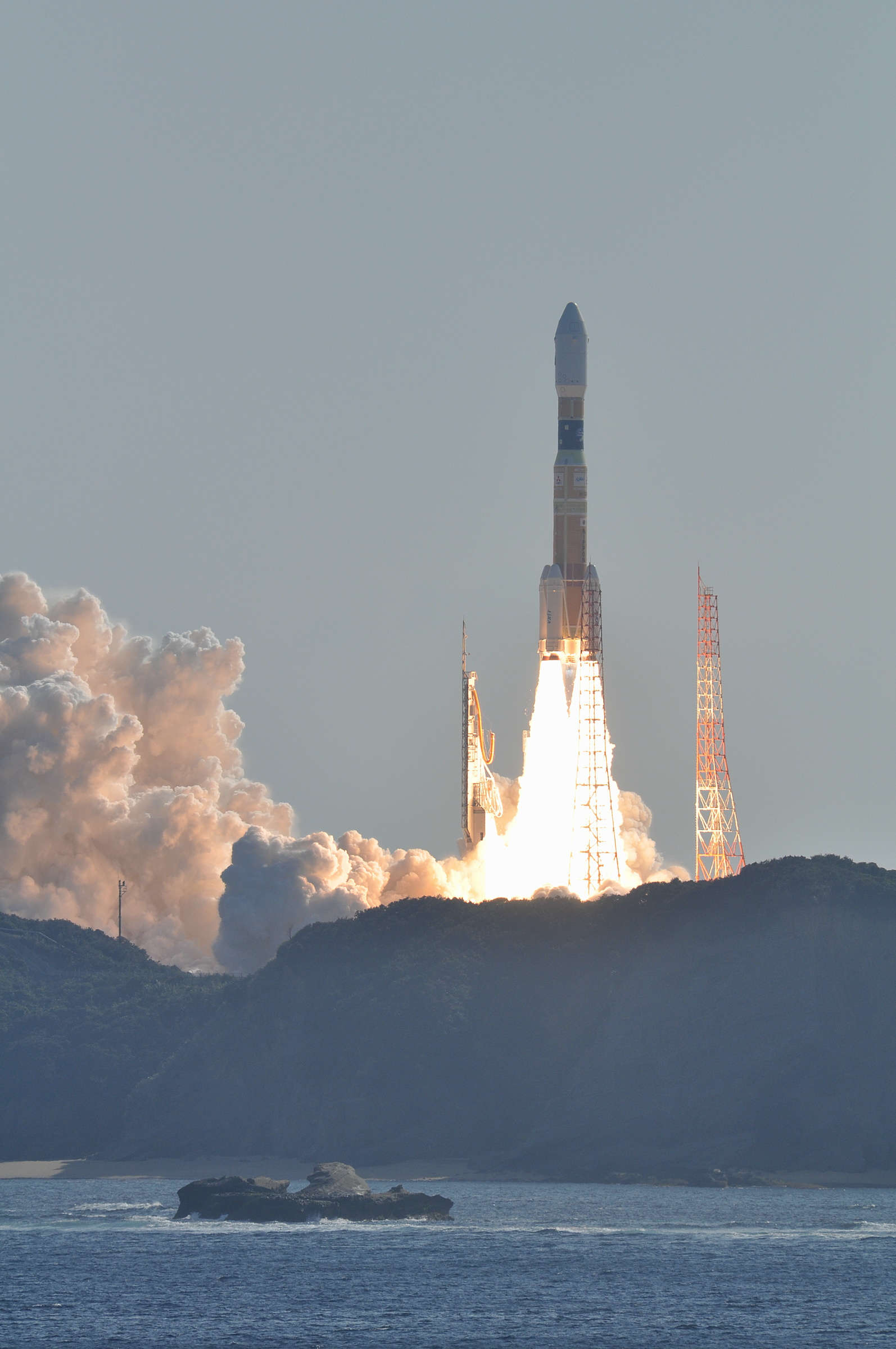
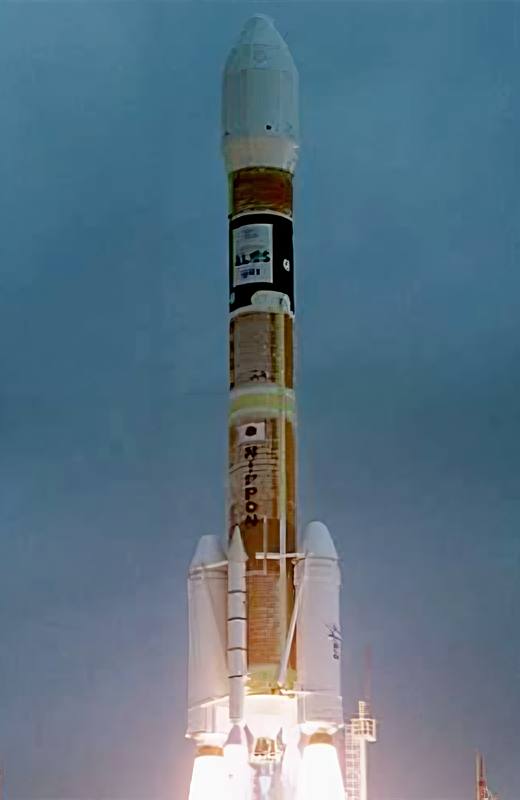
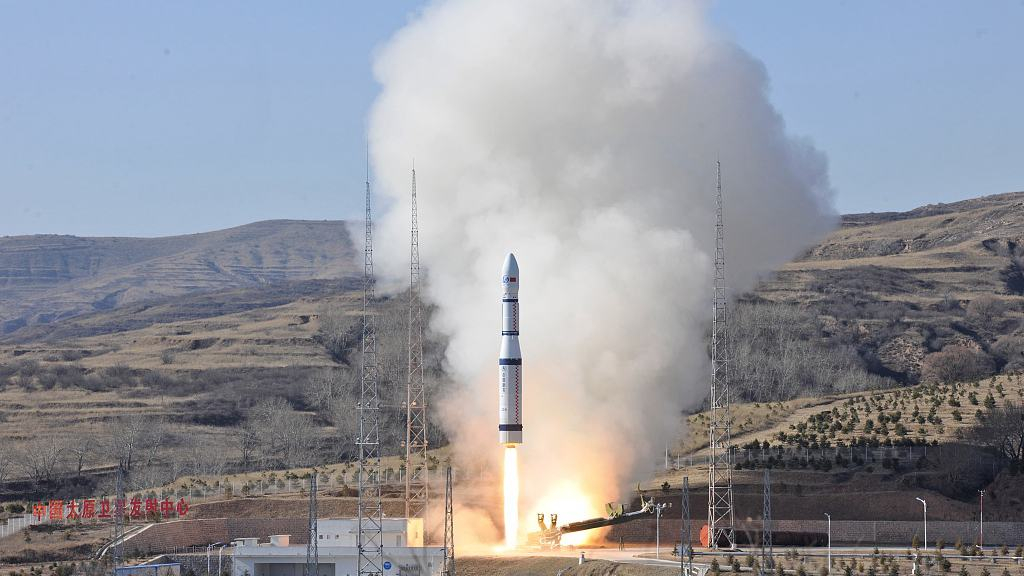
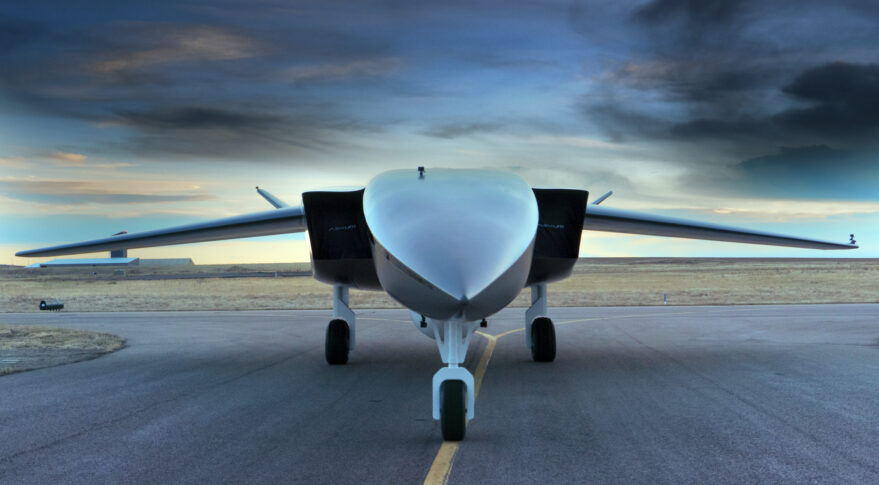
{ "count": 532, "next": "https://lldev.thespacedevs.com/2.0.0/config/launcher/?format=api&limit=10&offset=380&ordering=leo_capacity", "previous": "https://lldev.thespacedevs.com/2.0.0/config/launcher/?format=api&limit=10&offset=360&ordering=leo_capacity", "results": [ { "id": 64, "launch_library_id": 70, "url": "https://lldev.thespacedevs.com/2.0.0/config/launcher/64/?format=api", "name": "Long March 4C", "manufacturer": { "id": 88, "url": "https://lldev.thespacedevs.com/2.0.0/agencies/88/?format=api", "name": "China Aerospace Science and Technology Corporation", "featured": true, "type": "Government", "country_code": "CHN", "abbrev": "CASC", "description": "The China Aerospace Science and Technology Corporation (CASC) is the main contractor for the Chinese space program. It is state-owned and has a number of subordinate entities which design, develop and manufacture a range of spacecraft, launch vehicles, strategic and tactical missile systems, and ground equipment. It was officially established in July 1999 as part of a Chinese government reform drive, having previously been one part of the former China Aerospace Corporation. Various incarnations of the program date back to 1956.", "administrator": "Chairman & President: Lei Fanpei", "founding_year": "1999", "launchers": "Long March", "spacecraft": "", "parent": null, "image_url": "https://thespacedevs-dev.nyc3.digitaloceanspaces.com/media/images/china2520aerospace2520science2520and2520technology2520corporation_image_20191228094408.jpeg" }, "program": [], "family": "Long March", "full_name": "Long March 4C", "variant": "C", "reusable": false, "image_url": "https://thespacedevs-dev.nyc3.digitaloceanspaces.com/media/images/long_march_4c_image_20230801172338.jpeg", "info_url": null, "wiki_url": "https://en.wikipedia.org/wiki/Long_March_4C" }, { "id": 92, "launch_library_id": 170, "url": "https://lldev.thespacedevs.com/2.0.0/config/launcher/92/?format=api", "name": "Long March 1", "manufacturer": { "id": 88, "url": "https://lldev.thespacedevs.com/2.0.0/agencies/88/?format=api", "name": "China Aerospace Science and Technology Corporation", "featured": true, "type": "Government", "country_code": "CHN", "abbrev": "CASC", "description": "The China Aerospace Science and Technology Corporation (CASC) is the main contractor for the Chinese space program. It is state-owned and has a number of subordinate entities which design, develop and manufacture a range of spacecraft, launch vehicles, strategic and tactical missile systems, and ground equipment. It was officially established in July 1999 as part of a Chinese government reform drive, having previously been one part of the former China Aerospace Corporation. Various incarnations of the program date back to 1956.", "administrator": "Chairman & President: Lei Fanpei", "founding_year": "1999", "launchers": "Long March", "spacecraft": "", "parent": null, "image_url": "https://thespacedevs-dev.nyc3.digitaloceanspaces.com/media/images/china2520aerospace2520science2520and2520technology2520corporation_image_20191228094408.jpeg" }, "program": [], "family": "Long March", "full_name": "Long March 1", "variant": "", "reusable": false, "image_url": null, "info_url": null, "wiki_url": "https://en.wikipedia.org/wiki/Long_March_1" }, { "id": 473, "launch_library_id": null, "url": "https://lldev.thespacedevs.com/2.0.0/config/launcher/473/?format=api", "name": "Little Joe", "manufacturer": { "id": 999, "url": "https://lldev.thespacedevs.com/2.0.0/agencies/999/?format=api", "name": "North American Aviation", "featured": false, "type": "Commercial", "country_code": "USA", "abbrev": "", "description": "North American Aviation (NAA) was a major American aerospace manufacturer, responsible for a number of historic aircraft, including the T-6 Texan trainer, the P-51 Mustang fighter, the B-25 Mitchell bomber, the F-86 Sabre jet fighter, the X-15 rocket plane, and the XB-70, as well as Apollo command and service module, the second stage of the Saturn V rocket, the Space Shuttle orbiter and the B-1 Lancer.", "administrator": null, "founding_year": "1928", "launchers": "North American X-15", "spacecraft": "", "parent": "Boeing", "image_url": null }, "program": [ { "id": 2, "url": "https://lldev.thespacedevs.com/2.0.0/program/2/?format=api", "name": "Mercury", "description": "Project Mercury was the first human spaceflight program of the United States, running from 1958 through 1963.", "agencies": [ { "id": 44, "url": "https://lldev.thespacedevs.com/2.0.0/agencies/44/?format=api", "name": "National Aeronautics and Space Administration", "type": "Government" } ], "image_url": "https://thespacedevs-dev.nyc3.digitaloceanspaces.com/media/images/project2520mer_program_20200820194755.png", "start_date": "1958-10-07T00:00:00Z", "end_date": "1963-05-16T23:24:02Z", "info_url": "https://www.nasa.gov/mission_pages/mercury/missions/program-toc.html", "wiki_url": "https://en.wikipedia.org/wiki/Project_Mercury" } ], "family": "Little Joe", "full_name": "Little Joe", "variant": "", "reusable": false, "image_url": "https://thespacedevs-dev.nyc3.digitaloceanspaces.com/media/images/little_joe_image_20210901081353.jpeg", "info_url": null, "wiki_url": "https://en.wikipedia.org/wiki/Little_Joe_(rocket)" }, { "id": 386, "launch_library_id": null, "url": "https://lldev.thespacedevs.com/2.0.0/config/launcher/386/?format=api", "name": "Minotaur-C 3110", "manufacturer": { "id": 100, "url": "https://lldev.thespacedevs.com/2.0.0/agencies/100/?format=api", "name": "Orbital Sciences Corporation", "featured": false, "type": "Commercial", "country_code": "USA", "abbrev": "OSC", "description": "", "administrator": null, "founding_year": null, "launchers": "", "spacecraft": "", "parent": null, "image_url": null }, "program": [], "family": "Minotaur", "full_name": "Minotaur-C 3110", "variant": "3110", "reusable": false, "image_url": null, "info_url": null, "wiki_url": "https://en.wikipedia.org/wiki/Minotaur-C" }, { "id": 395, "launch_library_id": null, "url": "https://lldev.thespacedevs.com/2.0.0/config/launcher/395/?format=api", "name": "Thor Burner 2", "manufacturer": { "id": 153, "url": "https://lldev.thespacedevs.com/2.0.0/agencies/153/?format=api", "name": "McDonnell Douglas", "featured": false, "type": "Commercial", "country_code": "USA", "abbrev": "MDC", "description": null, "administrator": null, "founding_year": null, "launchers": "", "spacecraft": "", "parent": null, "image_url": null }, "program": [], "family": "Thor", "full_name": "Thor Burner 2", "variant": "Burner 2", "reusable": false, "image_url": null, "info_url": "", "wiki_url": "https://en.wikipedia.org/wiki/Thor-Burner" }, { "id": 390, "launch_library_id": null, "url": "https://lldev.thespacedevs.com/2.0.0/config/launcher/390/?format=api", "name": "Thor Able III", "manufacturer": { "id": 153, "url": "https://lldev.thespacedevs.com/2.0.0/agencies/153/?format=api", "name": "McDonnell Douglas", "featured": false, "type": "Commercial", "country_code": "USA", "abbrev": "MDC", "description": null, "administrator": null, "founding_year": null, "launchers": "", "spacecraft": "", "parent": null, "image_url": null }, "program": [], "family": "Thor", "full_name": "Thor Able III", "variant": "Able III", "reusable": false, "image_url": null, "info_url": "", "wiki_url": "https://en.wikipedia.org/wiki/Thor-Able" }, { "id": 321, "launch_library_id": null, "url": "https://lldev.thespacedevs.com/2.0.0/config/launcher/321/?format=api", "name": "H-IIA", "manufacturer": { "id": 98, "url": "https://lldev.thespacedevs.com/2.0.0/agencies/98/?format=api", "name": "Mitsubishi Heavy Industries", "featured": false, "type": "Commercial", "country_code": "JPN", "abbrev": "MHI", "description": "Mitsubishi Heavy Industries, Ltd. is a Japanese multinational engineering, electrical equipment and electronics company headquartered in Tokyo, Japan. MHI is one of the core companies of the Mitsubishi Group.\r\n\r\nMHI's products include aerospace components, air conditioners, aircraft, automotive components, forklift trucks, hydraulic equipment, machine tools, missiles, power generation equipment, printing machines, ships and space launch vehicles. Through its defense-related activities, it is the world's 23rd-largest defense contractor measured by 2011 defense revenues and the largest based in Japan.", "administrator": "President: Seiji Izumisawa", "founding_year": "1884", "launchers": "H-I, H-II, H-III", "spacecraft": "Kounotori | HTV", "parent": null, "image_url": "https://thespacedevs-dev.nyc3.digitaloceanspaces.com/media/images/mitsubishi2520heavy2520industries_image_20200117065724.jpg" }, "program": [], "family": "H-II", "full_name": "H-IIA 2022", "variant": "2022", "reusable": false, "image_url": "https://thespacedevs-dev.nyc3.digitaloceanspaces.com/media/images/h-ii_2022_lifto_image_20240411175401.png", "info_url": null, "wiki_url": "https://en.wikipedia.org/wiki/H-IIA" }, { "id": 54, "launch_library_id": 72, "url": "https://lldev.thespacedevs.com/2.0.0/config/launcher/54/?format=api", "name": "Long March 6", "manufacturer": { "id": 88, "url": "https://lldev.thespacedevs.com/2.0.0/agencies/88/?format=api", "name": "China Aerospace Science and Technology Corporation", "featured": true, "type": "Government", "country_code": "CHN", "abbrev": "CASC", "description": "The China Aerospace Science and Technology Corporation (CASC) is the main contractor for the Chinese space program. It is state-owned and has a number of subordinate entities which design, develop and manufacture a range of spacecraft, launch vehicles, strategic and tactical missile systems, and ground equipment. It was officially established in July 1999 as part of a Chinese government reform drive, having previously been one part of the former China Aerospace Corporation. Various incarnations of the program date back to 1956.", "administrator": "Chairman & President: Lei Fanpei", "founding_year": "1999", "launchers": "Long March", "spacecraft": "", "parent": null, "image_url": "https://thespacedevs-dev.nyc3.digitaloceanspaces.com/media/images/china2520aerospace2520science2520and2520technology2520corporation_image_20191228094408.jpeg" }, "program": [], "family": "Long March", "full_name": "Long March 6", "variant": "", "reusable": false, "image_url": "https://thespacedevs-dev.nyc3.digitaloceanspaces.com/media/images/long_march_6_image_20210709074933.jpg", "info_url": null, "wiki_url": "https://en.wikipedia.org/wiki/Long_March_6" }, { "id": 419, "launch_library_id": null, "url": "https://lldev.thespacedevs.com/2.0.0/config/launcher/419/?format=api", "name": "Thorad SLV-2H Agena D", "manufacturer": { "id": 153, "url": "https://lldev.thespacedevs.com/2.0.0/agencies/153/?format=api", "name": "McDonnell Douglas", "featured": false, "type": "Commercial", "country_code": "USA", "abbrev": "MDC", "description": null, "administrator": null, "founding_year": null, "launchers": "", "spacecraft": "", "parent": null, "image_url": null }, "program": [], "family": "Thor", "full_name": "Thorad SLV-2H Agena D", "variant": "SLV-2H Agena D", "reusable": false, "image_url": "https://thespacedevs-dev.nyc3.digitaloceanspaces.com/media/images/thorad-slv2h_ag_image_20251204211604.png", "info_url": null, "wiki_url": "https://en.wikipedia.org/wiki/Thor-Agena" }, { "id": 206, "launch_library_id": 238, "url": "https://lldev.thespacedevs.com/2.0.0/config/launcher/206/?format=api", "name": "Ravn X", "manufacturer": { "id": 282, "url": "https://lldev.thespacedevs.com/2.0.0/agencies/282/?format=api", "name": "Aevum", "featured": false, "type": "Commercial", "country_code": "USA", "abbrev": "AEV", "description": null, "administrator": null, "founding_year": null, "launchers": "", "spacecraft": "", "parent": null, "image_url": null }, "program": [], "family": "", "full_name": "Ravn X", "variant": "", "reusable": false, "image_url": "https://thespacedevs-dev.nyc3.digitaloceanspaces.com/media/images/ravn_x_image_20201203171327.jpg", "info_url": null, "wiki_url": null } ] }