Launcher Config List
API endpoint that allows Launcher Configurations to be viewed.
GET: Return a list of all the existing launcher configurations.
MODE: Normal and Detailed /2.0.0/config/launcher/?mode=detailed
FILTERS: Fields - 'family', 'agency', 'name', 'manufacturer__name', 'full_name', 'manufacturer__launch_library_id'
Get all Launchers with the Launch Library ID of 44. Example - /2.0.0/config/launcher/?manufacturer__launch_library_id=44
Get all Launchers with the Agency with name NASA. Example - /2.0.0/config/launcher/?manufacturer__name=NASA
GET /2.0.0/config/launcher/?format=api&offset=360&ordering=launch_cost
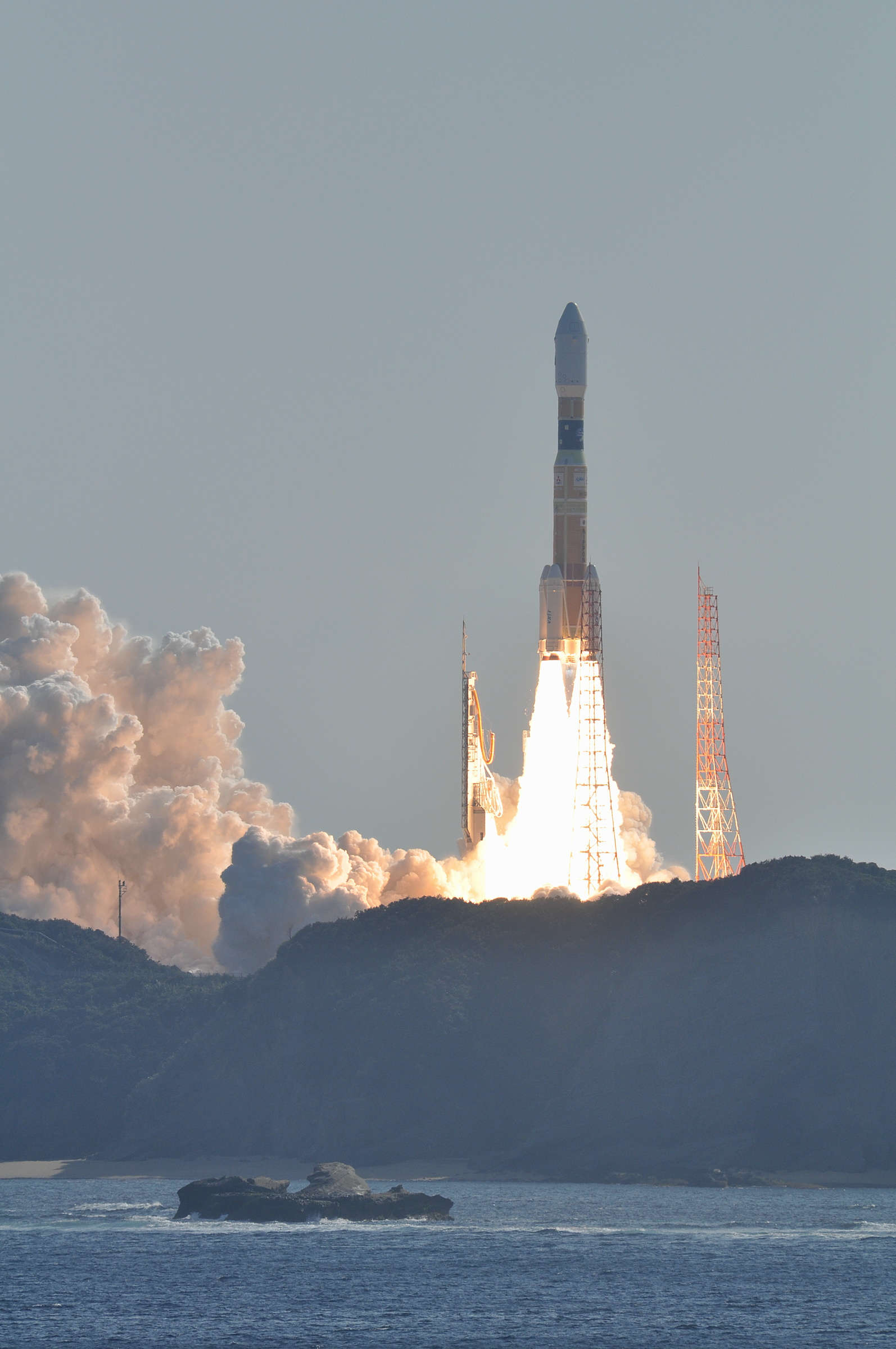
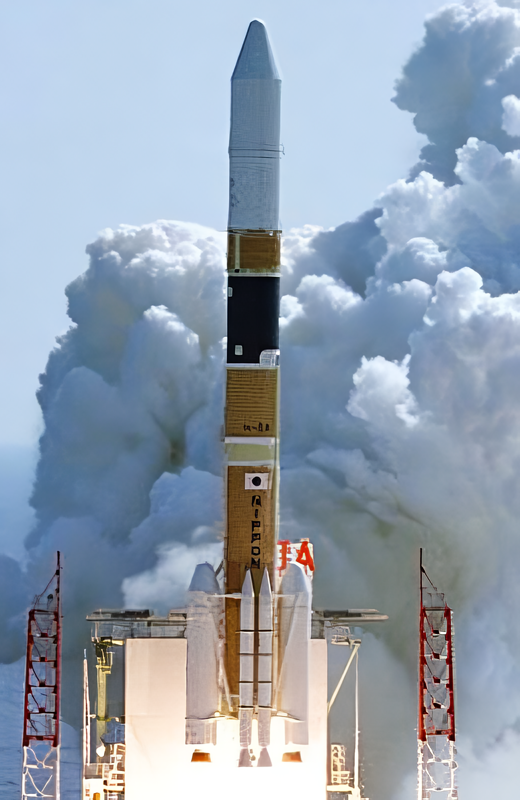
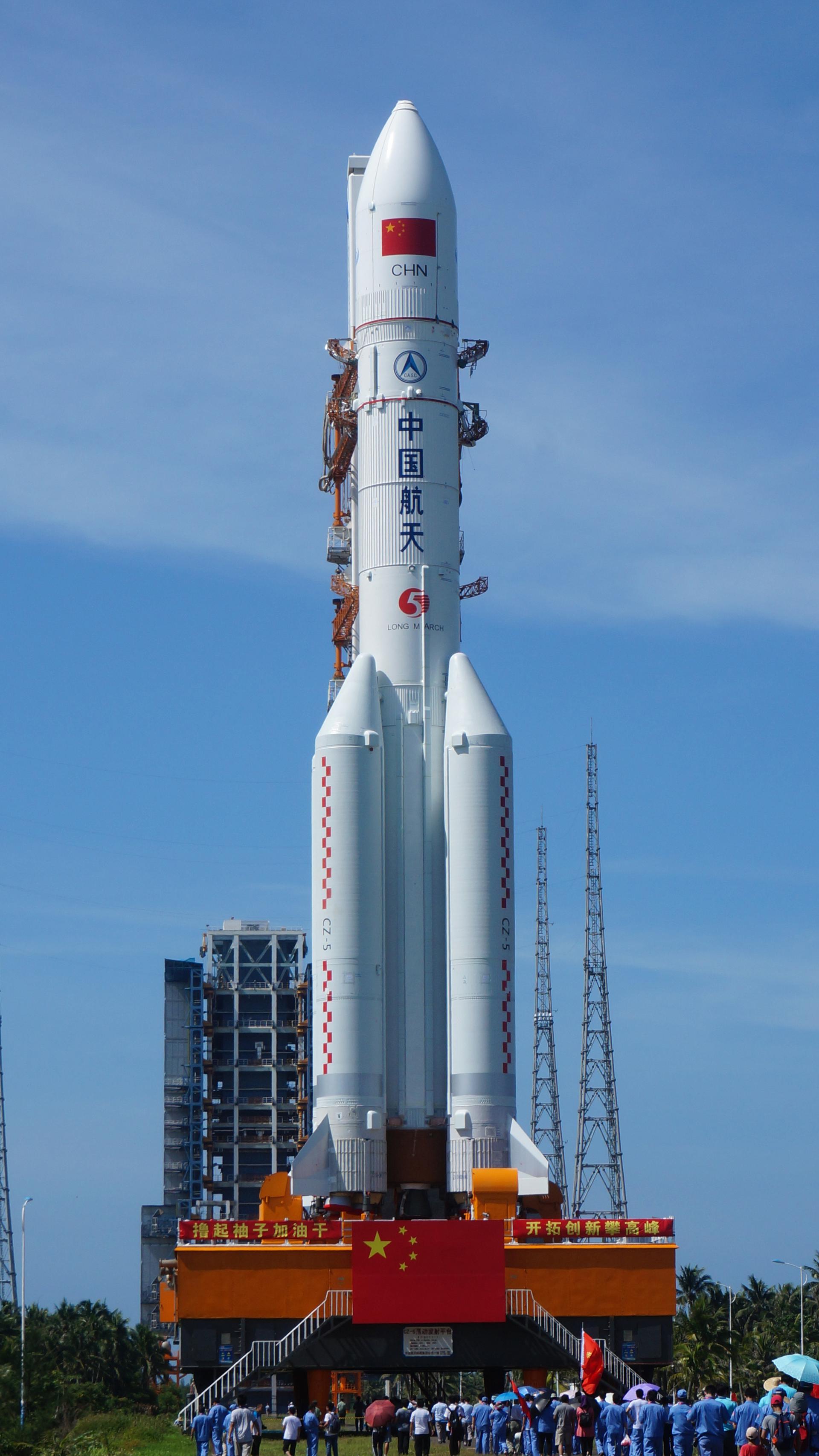
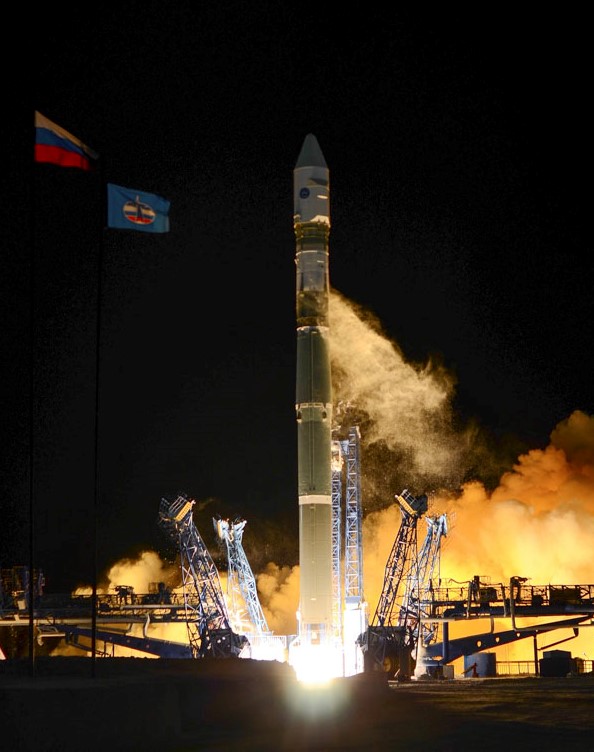
{ "count": 532, "next": "https://lldev.thespacedevs.com/2.0.0/config/launcher/?format=api&limit=10&offset=370&ordering=launch_cost", "previous": "https://lldev.thespacedevs.com/2.0.0/config/launcher/?format=api&limit=10&offset=350&ordering=launch_cost", "results": [ { "id": 322, "launch_library_id": null, "url": "https://lldev.thespacedevs.com/2.0.0/config/launcher/322/?format=api", "name": "H-IIA", "manufacturer": { "id": 98, "url": "https://lldev.thespacedevs.com/2.0.0/agencies/98/?format=api", "name": "Mitsubishi Heavy Industries", "featured": false, "type": "Commercial", "country_code": "JPN", "abbrev": "MHI", "description": "Mitsubishi Heavy Industries, Ltd. is a Japanese multinational engineering, electrical equipment and electronics company headquartered in Tokyo, Japan. MHI is one of the core companies of the Mitsubishi Group.\r\n\r\nMHI's products include aerospace components, air conditioners, aircraft, automotive components, forklift trucks, hydraulic equipment, machine tools, missiles, power generation equipment, printing machines, ships and space launch vehicles. Through its defense-related activities, it is the world's 23rd-largest defense contractor measured by 2011 defense revenues and the largest based in Japan.", "administrator": "President: Seiji Izumisawa", "founding_year": "1884", "launchers": "H-I, H-II, H-III", "spacecraft": "Kounotori | HTV", "parent": null, "image_url": "https://thespacedevs-dev.nyc3.digitaloceanspaces.com/media/images/mitsubishi2520heavy2520industries_image_20200117065724.jpg" }, "program": [], "family": "H-II", "full_name": "H-IIA 2024", "variant": "2024", "reusable": false, "image_url": "https://thespacedevs-dev.nyc3.digitaloceanspaces.com/media/images/h-iia_2024_lift_image_20240411181830.png", "info_url": null, "wiki_url": "https://en.wikipedia.org/wiki/H-IIA" }, { "id": 51, "launch_library_id": 81, "url": "https://lldev.thespacedevs.com/2.0.0/config/launcher/51/?format=api", "name": "Long March 3C/E", "manufacturer": { "id": 88, "url": "https://lldev.thespacedevs.com/2.0.0/agencies/88/?format=api", "name": "China Aerospace Science and Technology Corporation", "featured": true, "type": "Government", "country_code": "CHN", "abbrev": "CASC", "description": "The China Aerospace Science and Technology Corporation (CASC) is the main contractor for the Chinese space program. It is state-owned and has a number of subordinate entities which design, develop and manufacture a range of spacecraft, launch vehicles, strategic and tactical missile systems, and ground equipment. It was officially established in July 1999 as part of a Chinese government reform drive, having previously been one part of the former China Aerospace Corporation. Various incarnations of the program date back to 1956.", "administrator": "Chairman & President: Lei Fanpei", "founding_year": "1999", "launchers": "Long March", "spacecraft": "", "parent": null, "image_url": "https://thespacedevs-dev.nyc3.digitaloceanspaces.com/media/images/china2520aerospace2520science2520and2520technology2520corporation_image_20191228094408.jpeg" }, "program": [], "family": "Long March", "full_name": "Long March 3C/E", "variant": "C/E", "reusable": false, "image_url": "https://thespacedevs-dev.nyc3.digitaloceanspaces.com/media/images/long_march_3c2_image_20250906201328.jpg", "info_url": null, "wiki_url": "https://en.wikipedia.org/wiki/Long_March_3C" }, { "id": 60, "launch_library_id": 61, "url": "https://lldev.thespacedevs.com/2.0.0/config/launcher/60/?format=api", "name": "Soyuz 2.1v", "manufacturer": { "id": 111, "url": "https://lldev.thespacedevs.com/2.0.0/agencies/111/?format=api", "name": "Progress Rocket Space Center", "featured": false, "type": "Commercial", "country_code": "RUS", "abbrev": "PRSC", "description": "Progress Rocket Space Centre, formerly known as TsSKB-Progress, is a space science and aerospace research company which is known for manufacturing launch vehicles and satellites. Most notably, Progress Rocket Space Centre is the manufacturer of Soyuz launch vehicles.", "administrator": "CEO: Dmitry Baranov", "founding_year": "1996", "launchers": "", "spacecraft": "", "parent": null, "image_url": null }, "program": [], "family": "Soyuz", "full_name": "Soyuz 2.1v Volga", "variant": "Volga", "reusable": false, "image_url": "https://thespacedevs-dev.nyc3.digitaloceanspaces.com/media/images/soyuz25202-1v_image_20191122081651.jpg", "info_url": null, "wiki_url": "https://en.wikipedia.org/wiki/Soyuz_2.1v" }, { "id": 325, "launch_library_id": null, "url": "https://lldev.thespacedevs.com/2.0.0/config/launcher/325/?format=api", "name": "K65M-RB", "manufacturer": { "id": 154, "url": "https://lldev.thespacedevs.com/2.0.0/agencies/154/?format=api", "name": "Production Corporation Polyot", "featured": false, "type": "Commercial", "country_code": "RUS", "abbrev": "NP", "description": null, "administrator": null, "founding_year": null, "launchers": "", "spacecraft": "", "parent": null, "image_url": null }, "program": [], "family": "", "full_name": "K65M-RB", "variant": "", "reusable": false, "image_url": null, "info_url": "", "wiki_url": null }, { "id": 66, "launch_library_id": 103, "url": "https://lldev.thespacedevs.com/2.0.0/config/launcher/66/?format=api", "name": "Long March 2C/SMA", "manufacturer": { "id": 88, "url": "https://lldev.thespacedevs.com/2.0.0/agencies/88/?format=api", "name": "China Aerospace Science and Technology Corporation", "featured": true, "type": "Government", "country_code": "CHN", "abbrev": "CASC", "description": "The China Aerospace Science and Technology Corporation (CASC) is the main contractor for the Chinese space program. It is state-owned and has a number of subordinate entities which design, develop and manufacture a range of spacecraft, launch vehicles, strategic and tactical missile systems, and ground equipment. It was officially established in July 1999 as part of a Chinese government reform drive, having previously been one part of the former China Aerospace Corporation. Various incarnations of the program date back to 1956.", "administrator": "Chairman & President: Lei Fanpei", "founding_year": "1999", "launchers": "Long March", "spacecraft": "", "parent": null, "image_url": "https://thespacedevs-dev.nyc3.digitaloceanspaces.com/media/images/china2520aerospace2520science2520and2520technology2520corporation_image_20191228094408.jpeg" }, "program": [], "family": "Long March", "full_name": "Long March 2C/SMA", "variant": "C/SMA", "reusable": false, "image_url": "https://thespacedevs-dev.nyc3.digitaloceanspaces.com/media/images/long2520march25202_image_20190222031140.jpeg", "info_url": null, "wiki_url": "https://en.wikipedia.org/wiki/Long_March_2C" }, { "id": 456, "launch_library_id": null, "url": "https://lldev.thespacedevs.com/2.0.0/config/launcher/456/?format=api", "name": "Zenit-2 11K77.05", "manufacturer": { "id": 112, "url": "https://lldev.thespacedevs.com/2.0.0/agencies/112/?format=api", "name": "Yuzhnoye Design Bureau", "featured": false, "type": "Commercial", "country_code": "UKR", "abbrev": "OKB-586", "description": "Yuzhnoye Design Office, located in Dnipro, Ukraine, is a designer of satellites and rockets, and formerly of Soviet intercontinental ballistic missiles (ICBMs) established by Mikhail Yangel in 1951. The Zenit launch vehicle currently launches from Baikonur Cosmodrome but also used to launch from an ocean platform, Odyssey.", "administrator": "Director: Alexander Degtyarev", "founding_year": "1951", "launchers": "Zenit", "spacecraft": "", "parent": null, "image_url": "https://thespacedevs-dev.nyc3.digitaloceanspaces.com/media/images/yuzhnoye2520design2520bureau_image_20190207032505.jpeg" }, "program": [], "family": "Zenith", "full_name": "Zenit-2 11K77.05", "variant": "2 11K77.05", "reusable": false, "image_url": null, "info_url": "", "wiki_url": "https://en.wikipedia.org/wiki/Zenit_(rocket_family)" }, { "id": 110, "launch_library_id": 123, "url": "https://lldev.thespacedevs.com/2.0.0/config/launcher/110/?format=api", "name": "Shavit-2", "manufacturer": { "id": 95, "url": "https://lldev.thespacedevs.com/2.0.0/agencies/95/?format=api", "name": "Israel Aerospace Industries", "featured": false, "type": "Commercial", "country_code": "ISR", "abbrev": "IAI", "description": null, "administrator": null, "founding_year": null, "launchers": "", "spacecraft": "", "parent": null, "image_url": null }, "program": [], "family": "Shavit", "full_name": "Shavit-2", "variant": "2", "reusable": false, "image_url": "https://thespacedevs-dev.nyc3.digitaloceanspaces.com/media/images/shavit-2_liftof_image_20240918164729.jpeg", "info_url": null, "wiki_url": "https://en.wikipedia.org/wiki/Shavit" }, { "id": 231, "launch_library_id": null, "url": "https://lldev.thespacedevs.com/2.0.0/config/launcher/231/?format=api", "name": "Atlas Agena A", "manufacturer": { "id": 1004, "url": "https://lldev.thespacedevs.com/2.0.0/agencies/1004/?format=api", "name": "Convair", "featured": false, "type": "Commercial", "country_code": "USA", "abbrev": "", "description": "Convair, previously Consolidated Vultee, was an American aircraft manufacturing company that later expanded into rockets and spacecraft. The company was formed in 1943 by the merger of Consolidated Aircraft and Vultee Aircraft. In 1953 it was purchased by General Dynamics, and operated as their Convair Division for most of its corporate history.", "administrator": null, "founding_year": "1943", "launchers": "", "spacecraft": "", "parent": null, "image_url": null }, "program": [], "family": "Atlas", "full_name": "Atlas LV-3 Agena A", "variant": "Agena A", "reusable": false, "image_url": null, "info_url": "", "wiki_url": "https://en.wikipedia.org/wiki/Atlas-Agena" }, { "id": 523, "launch_library_id": null, "url": "https://lldev.thespacedevs.com/2.0.0/config/launcher/523/?format=api", "name": "Themis Demonstrator", "manufacturer": { "id": 1044, "url": "https://lldev.thespacedevs.com/2.0.0/agencies/1044/?format=api", "name": "ArianeGroup", "featured": false, "type": "Commercial", "country_code": "FRA", "abbrev": "AG", "description": "ArianeGroup (formerly Airbus Safran Launchers) is an aerospace company based in France. A joint venture between Airbus and Safran, the company was founded in 2015 and is headquartered in Issy-les-Moulineaux. It consists of three core arms: aerospace, defence and security.", "administrator": "CEO: Christophe Bruneau", "founding_year": "2015", "launchers": "Ariane", "spacecraft": "", "parent": null, "image_url": "https://thespacedevs-dev.nyc3.digitaloceanspaces.com/media/images/ariane_62_on_el_image_20240708201807.jpeg" }, "program": [], "family": "", "full_name": "Themis Demonstrator", "variant": "", "reusable": true, "image_url": "https://thespacedevs-dev.nyc3.digitaloceanspaces.com/media/images/themis_demonstr_image_20250916085603.jpg", "info_url": "https://www.esa.int/Enabling_Support/Space_Transportation/Themis", "wiki_url": "https://en.wikipedia.org/wiki/Themis_programme" }, { "id": 352, "launch_library_id": null, "url": "https://lldev.thespacedevs.com/2.0.0/config/launcher/352/?format=api", "name": "R-36O 8K69M", "manufacturer": { "id": 112, "url": "https://lldev.thespacedevs.com/2.0.0/agencies/112/?format=api", "name": "Yuzhnoye Design Bureau", "featured": false, "type": "Commercial", "country_code": "UKR", "abbrev": "OKB-586", "description": "Yuzhnoye Design Office, located in Dnipro, Ukraine, is a designer of satellites and rockets, and formerly of Soviet intercontinental ballistic missiles (ICBMs) established by Mikhail Yangel in 1951. The Zenit launch vehicle currently launches from Baikonur Cosmodrome but also used to launch from an ocean platform, Odyssey.", "administrator": "Director: Alexander Degtyarev", "founding_year": "1951", "launchers": "Zenit", "spacecraft": "", "parent": null, "image_url": "https://thespacedevs-dev.nyc3.digitaloceanspaces.com/media/images/yuzhnoye2520design2520bureau_image_20190207032505.jpeg" }, "program": [], "family": "R-36O", "full_name": "R-36O 8K69M", "variant": "8K69M", "reusable": false, "image_url": "https://thespacedevs-dev.nyc3.digitaloceanspaces.com/media/images/r-360_during_fl_image_20251102175933.jpg", "info_url": null, "wiki_url": "https://en.wikipedia.org/wiki/Fractional_Orbital_Bombardment_System" } ] }