Launcher Config List
API endpoint that allows Launcher Configurations to be viewed.
GET: Return a list of all the existing launcher configurations.
MODE: Normal and Detailed /2.0.0/config/launcher/?mode=detailed
FILTERS: Fields - 'family', 'agency', 'name', 'manufacturer__name', 'full_name', 'manufacturer__launch_library_id'
Get all Launchers with the Launch Library ID of 44. Example - /2.0.0/config/launcher/?manufacturer__launch_library_id=44
Get all Launchers with the Agency with name NASA. Example - /2.0.0/config/launcher/?manufacturer__name=NASA
GET /2.0.0/config/launcher/?format=api&offset=350&ordering=gto_capacity
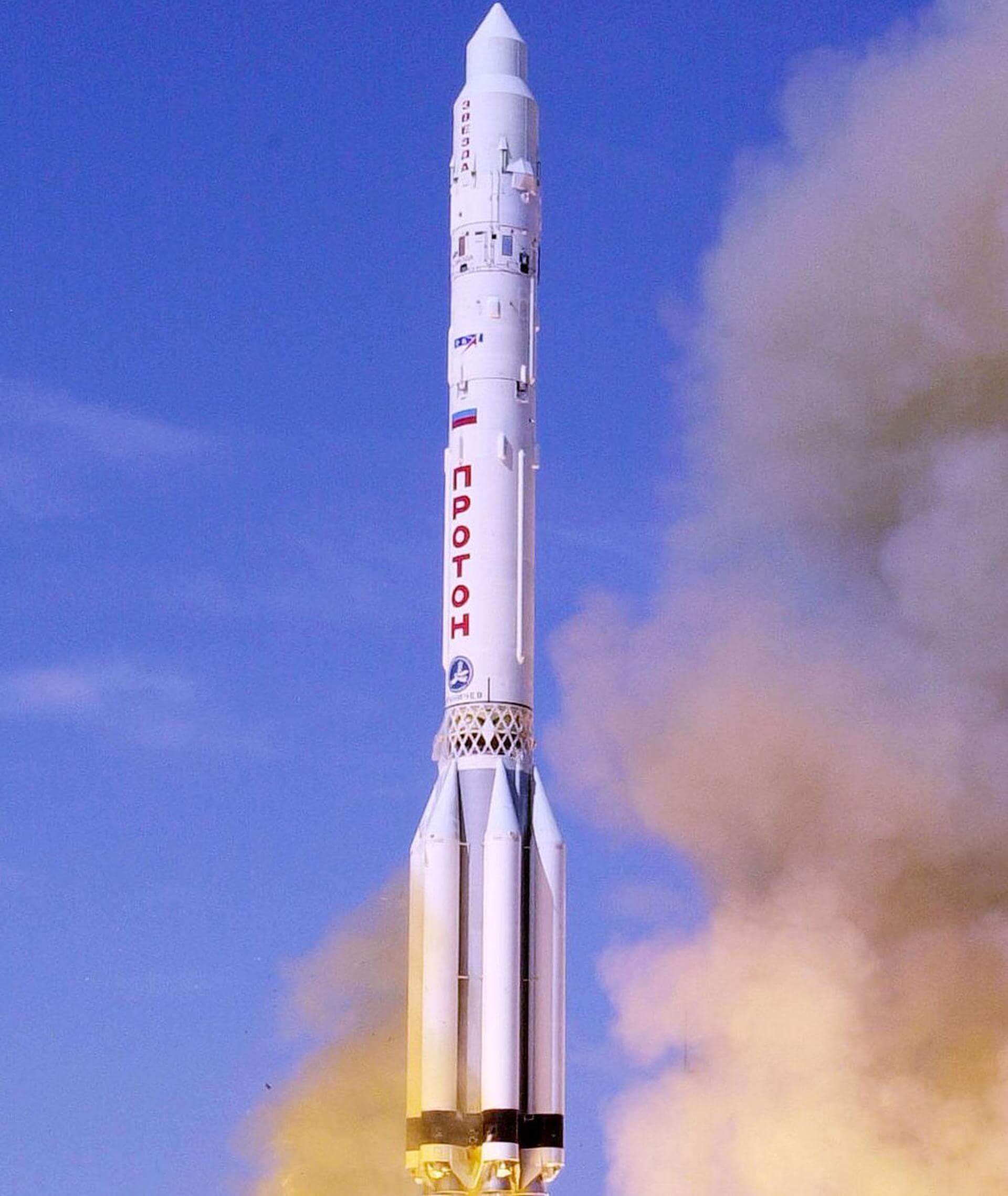
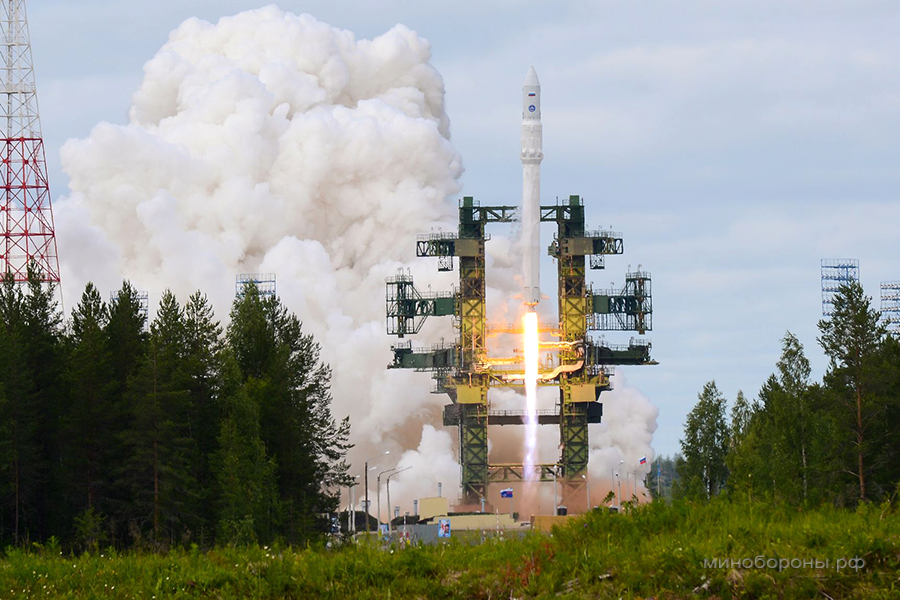
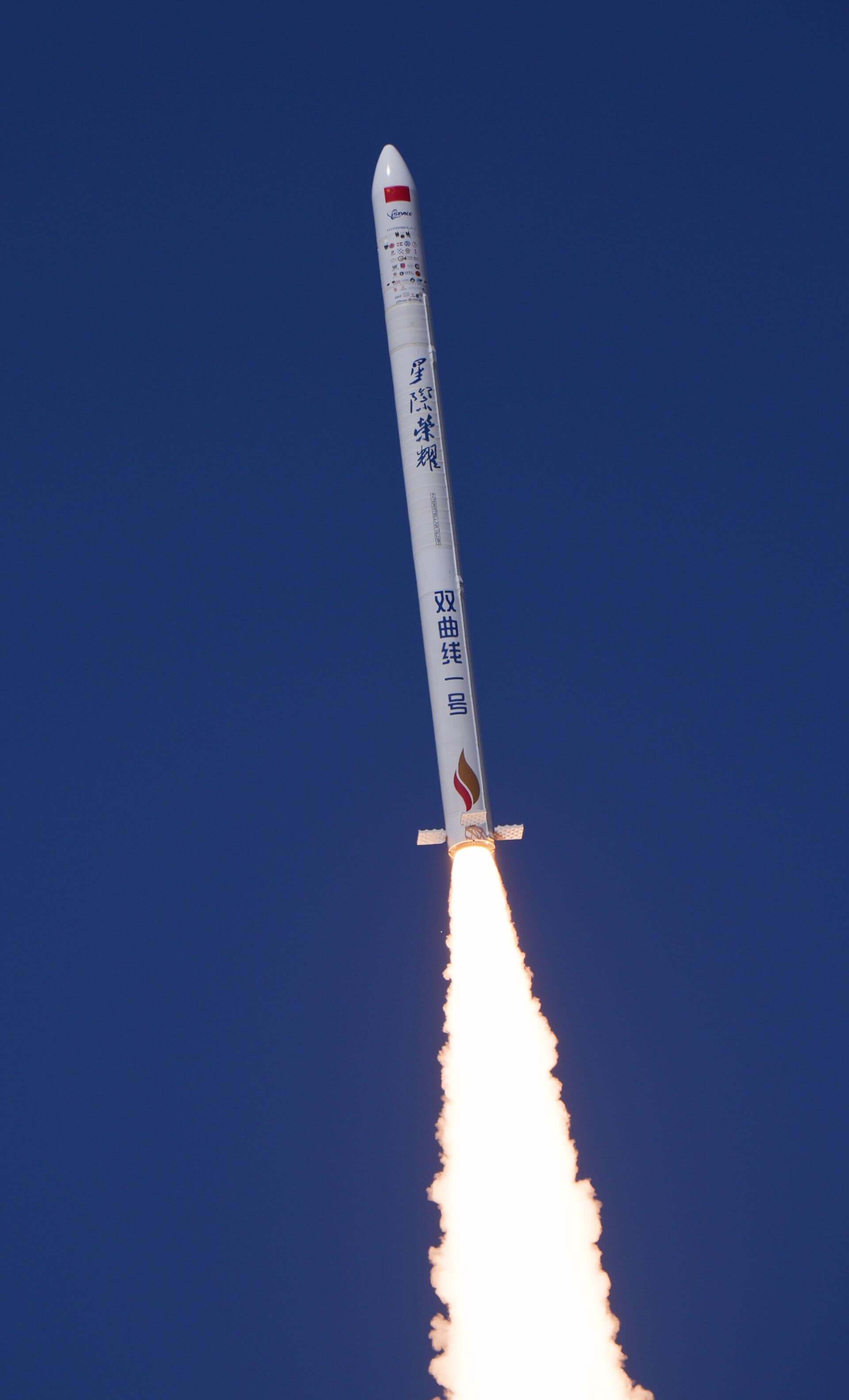
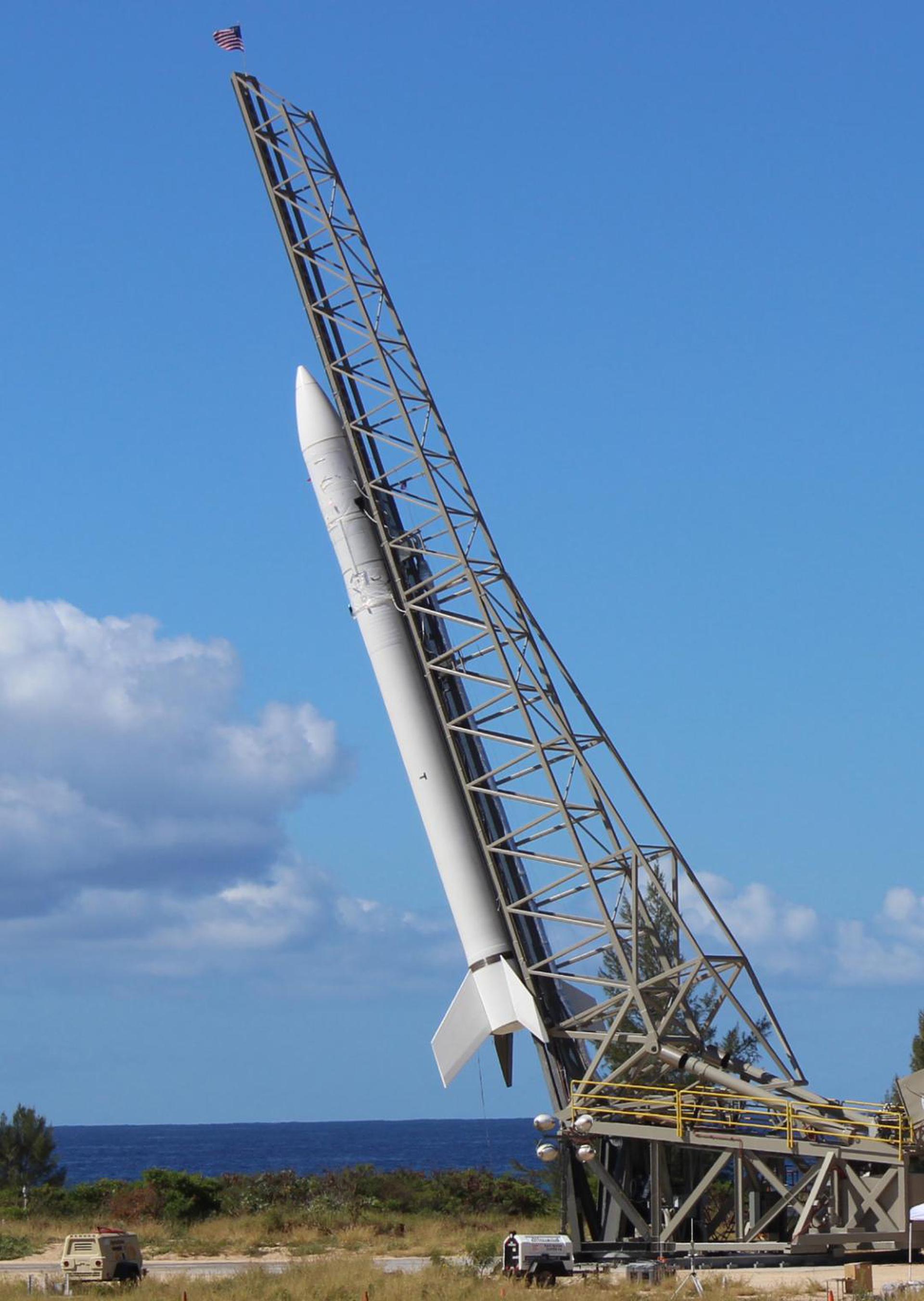
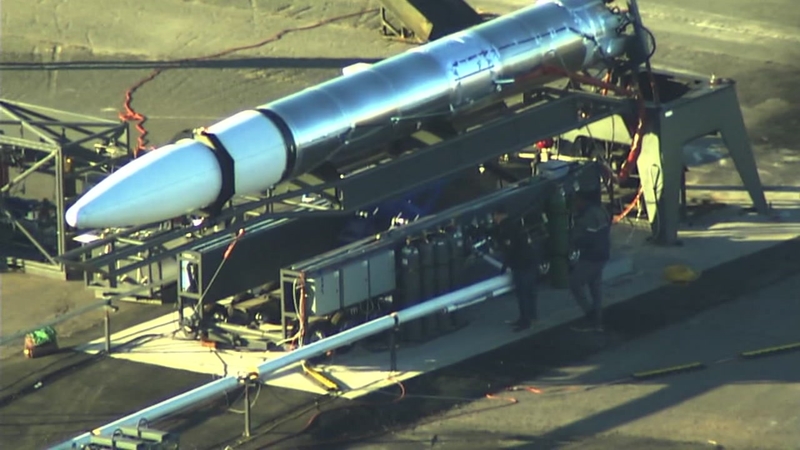
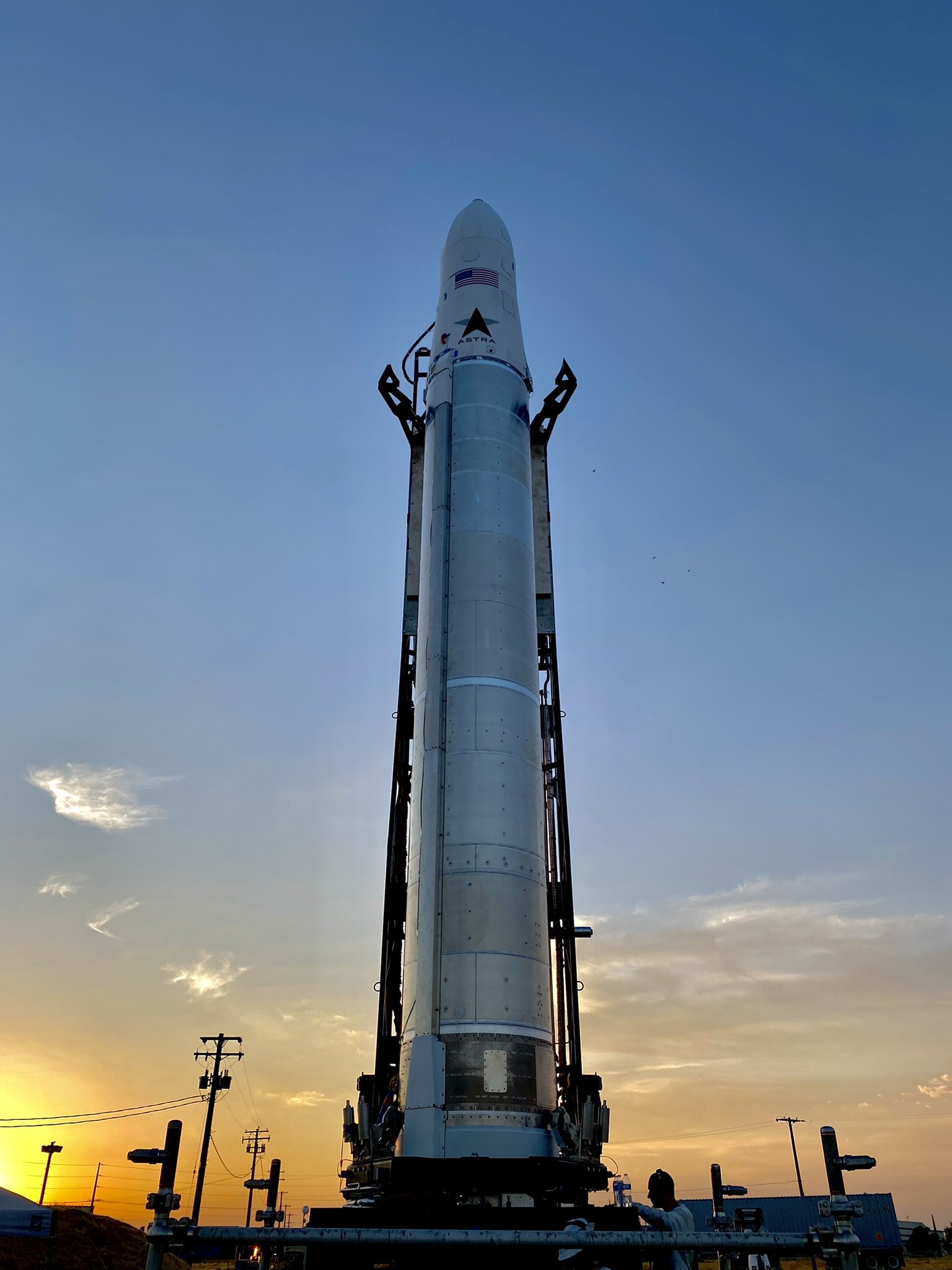
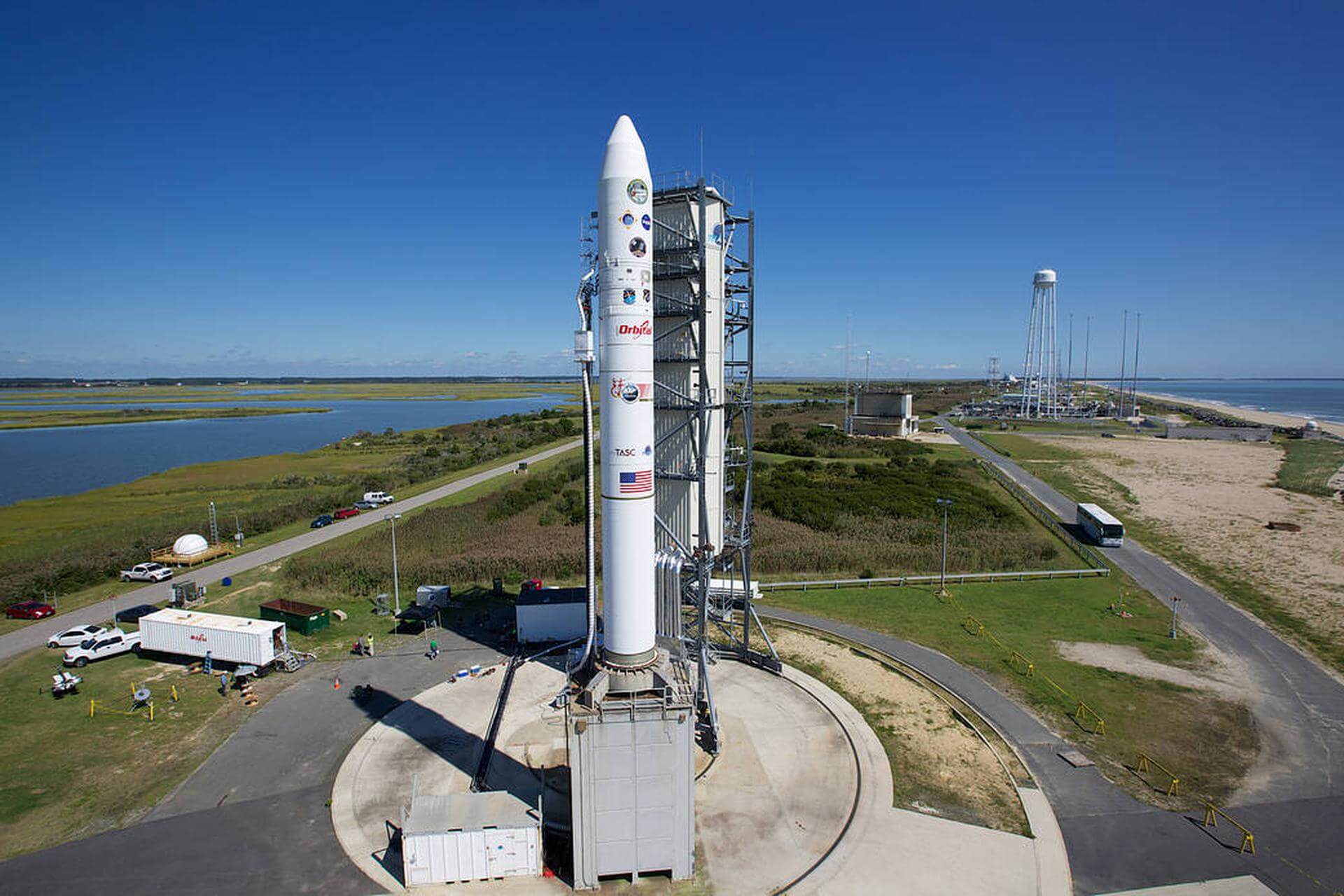
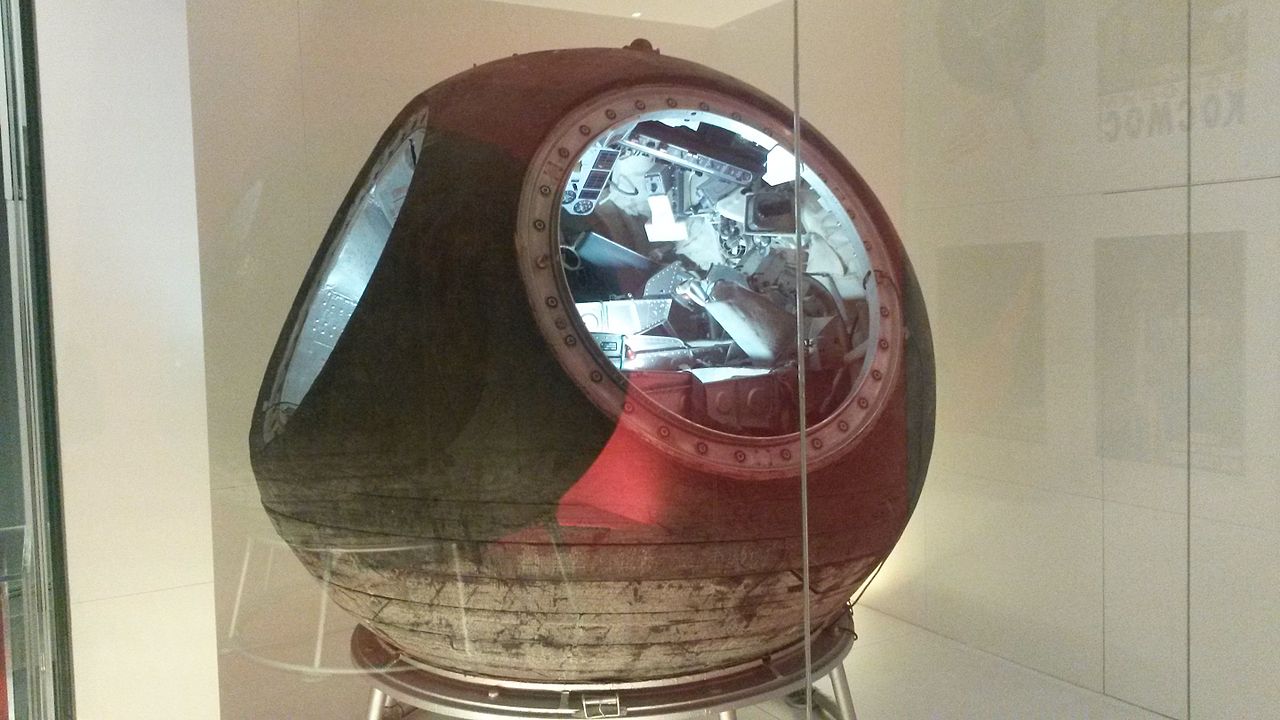
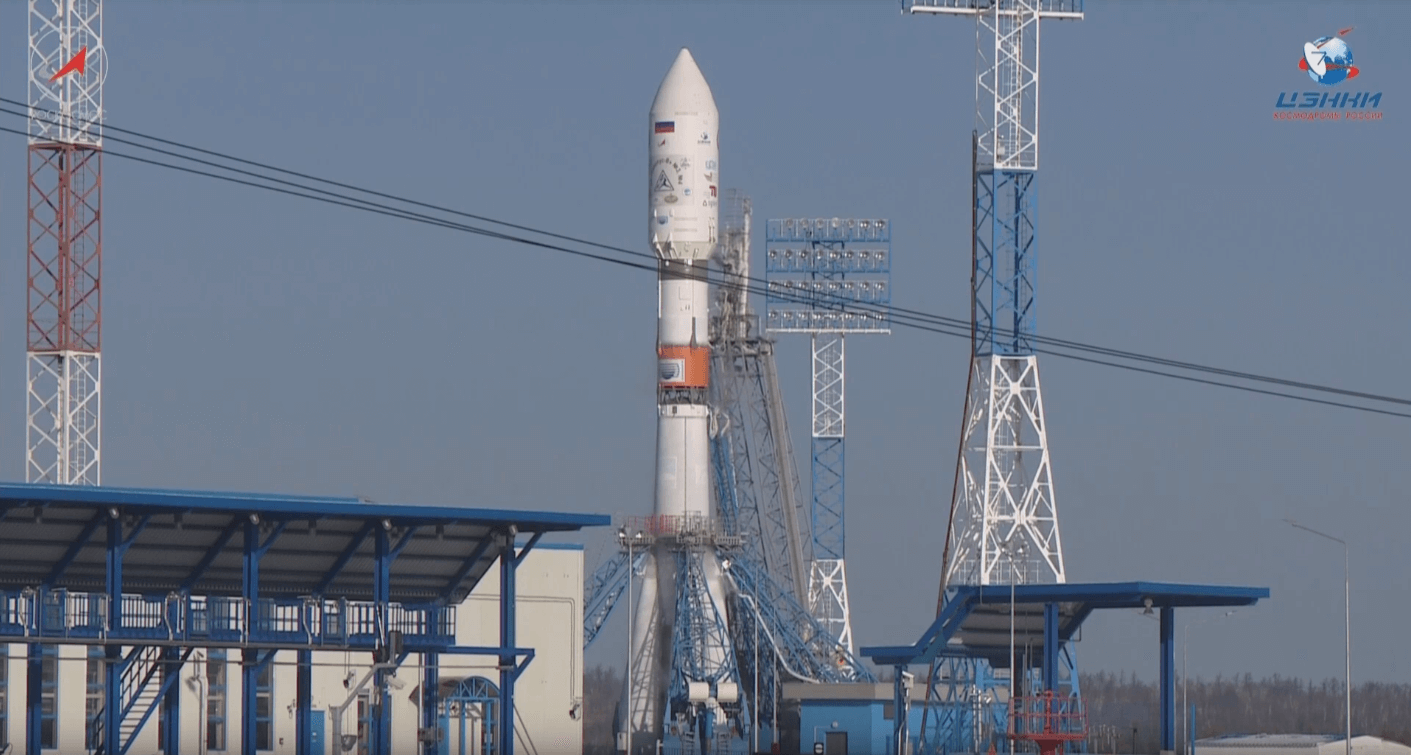
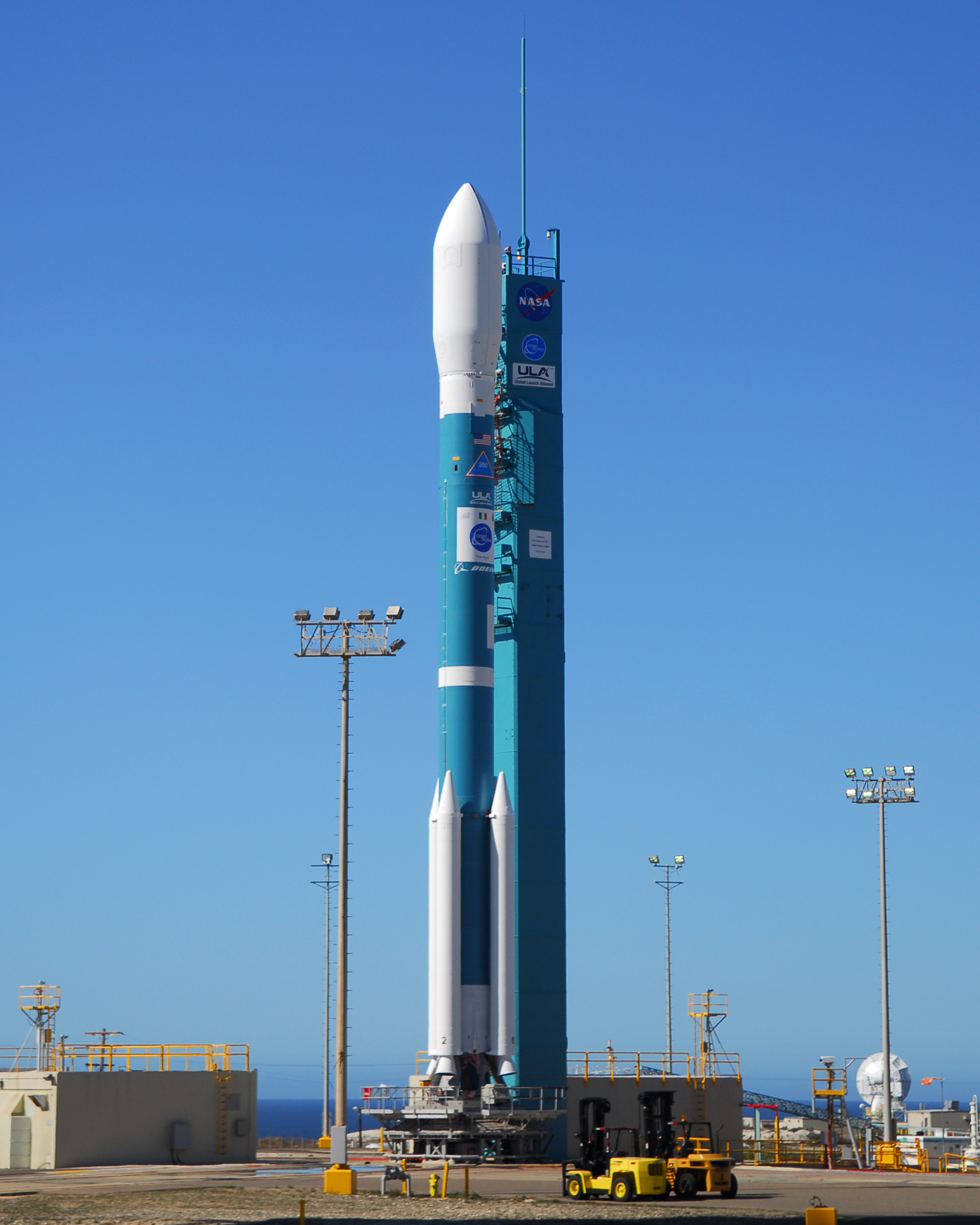
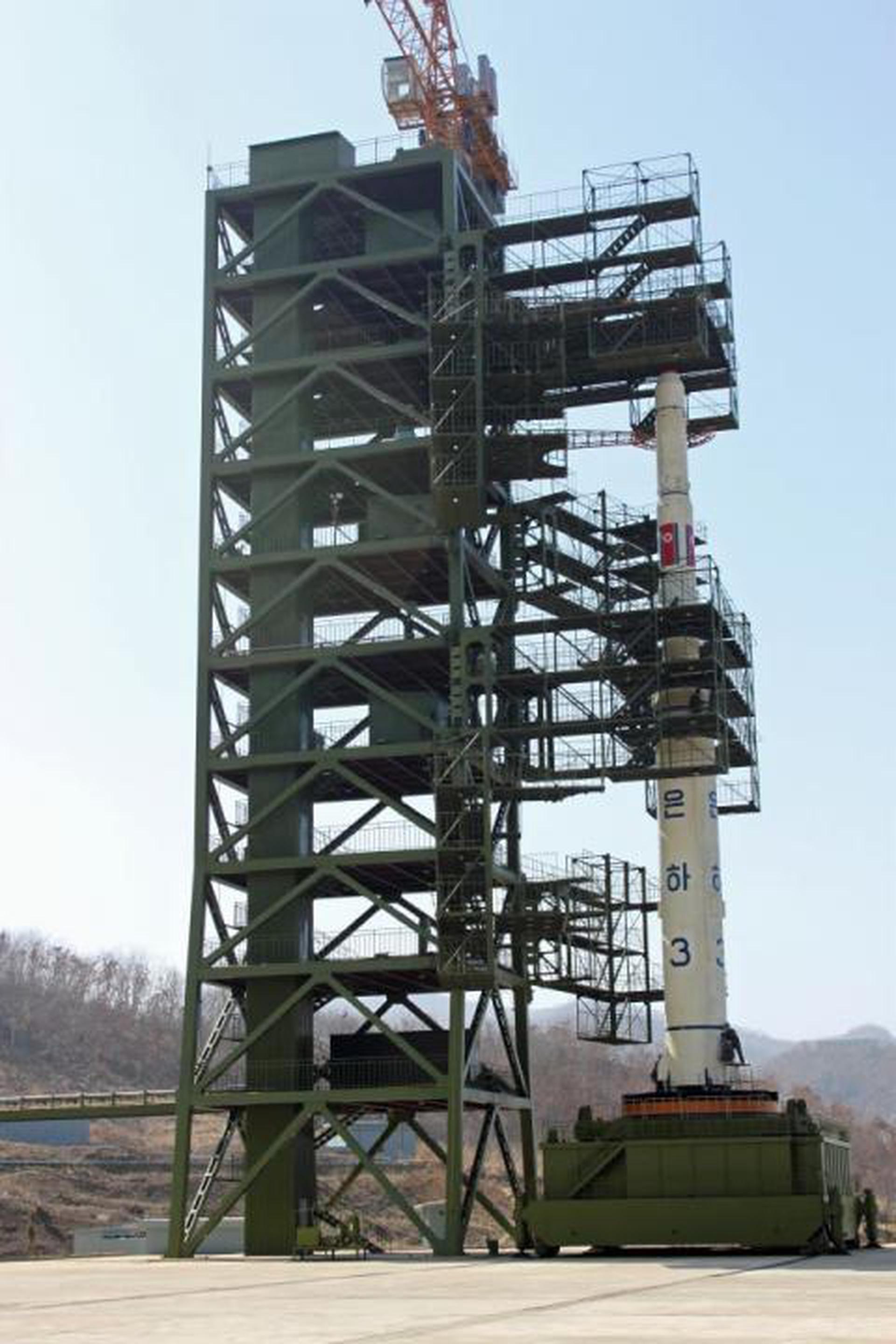
{ "count": 532, "next": "https://lldev.thespacedevs.com/2.0.0/config/launcher/?format=api&limit=10&offset=360&ordering=gto_capacity", "previous": "https://lldev.thespacedevs.com/2.0.0/config/launcher/?format=api&limit=10&offset=340&ordering=gto_capacity", "results": [ { "id": 53, "launch_library_id": 79, "url": "https://lldev.thespacedevs.com/2.0.0/config/launcher/53/?format=api", "name": "Angara-1.2pp", "manufacturer": { "id": 96, "url": "https://lldev.thespacedevs.com/2.0.0/agencies/96/?format=api", "name": "Khrunichev State Research and Production Space Center", "featured": true, "type": "Government", "country_code": "RUS", "abbrev": "KhSC", "description": "Khrunichev State Research and Production Space Center is a Moscow-based producer of spacecraft and space-launch systems, including the Proton and Rokot rockets and is currently developing the Angara rocket family. The Proton launch vehicle launches from Baikonur and Rokot launches from Baikonur and Plesetsk. Angara will launch from Plesetsk and Vostochny.", "administrator": "Director: Andrey Vladimirovich Kalinovskiy", "founding_year": "1916", "launchers": "Proton | Rokot", "spacecraft": "", "parent": null, "image_url": "https://thespacedevs-dev.nyc3.digitaloceanspaces.com/media/images/khrunichev2520state2520research2520and2520production2520space2520center_image_20190207032444.jpeg" }, "program": [], "family": "Angara", "full_name": "Angara 1.2pp", "variant": "1.2pp", "reusable": false, "image_url": "https://thespacedevs-dev.nyc3.digitaloceanspaces.com/media/images/angara-1.2pp_image_20190630234801.jpg", "info_url": "http://www.ilslaunch.com/node/4680", "wiki_url": "https://en.wikipedia.org/wiki/Angara-1.2pp" }, { "id": 193, "launch_library_id": 222, "url": "https://lldev.thespacedevs.com/2.0.0/config/launcher/193/?format=api", "name": "Hyperbola-1", "manufacturer": { "id": 274, "url": "https://lldev.thespacedevs.com/2.0.0/agencies/274/?format=api", "name": "i-Space", "featured": false, "type": "Commercial", "country_code": "CHN", "abbrev": "i-Space", "description": "i-Space is a Chinese private space launch company based in Beijing and founded in October 2016.", "administrator": null, "founding_year": "2016", "launchers": "Hyperbola-1", "spacecraft": "", "parent": null, "image_url": null }, "program": [], "family": "", "full_name": "Hyperbola-1", "variant": "1", "reusable": false, "image_url": "https://thespacedevs-dev.nyc3.digitaloceanspaces.com/media/images/hyperbola-1_in__image_20240711064715.jpeg", "info_url": "https://space.skyrocket.de/doc_lau/shian-quxian-1.htm", "wiki_url": "https://en.wikipedia.org/wiki/I-Space_(Chinese_company)" }, { "id": 62, "launch_library_id": 64, "url": "https://lldev.thespacedevs.com/2.0.0/config/launcher/62/?format=api", "name": "SPARK", "manufacturer": { "id": 195, "url": "https://lldev.thespacedevs.com/2.0.0/agencies/195/?format=api", "name": "Sandia National Laboratories", "featured": false, "type": "Government", "country_code": "USA", "abbrev": "SNL", "description": null, "administrator": null, "founding_year": null, "launchers": "", "spacecraft": "", "parent": null, "image_url": null }, "program": [], "family": "", "full_name": "SPARK", "variant": "", "reusable": false, "image_url": "https://thespacedevs-dev.nyc3.digitaloceanspaces.com/media/images/spark_image_20190222030915.jpeg", "info_url": null, "wiki_url": "https://en.wikipedia.org/wiki/SPARK_%28rocket%29" }, { "id": 213, "launch_library_id": 243, "url": "https://lldev.thespacedevs.com/2.0.0/config/launcher/213/?format=api", "name": "Astra Rocket 3", "manufacturer": { "id": 285, "url": "https://lldev.thespacedevs.com/2.0.0/agencies/285/?format=api", "name": "Astra Space", "featured": false, "type": "Commercial", "country_code": "USA", "abbrev": "AS", "description": "Astra Space is a launch vehicle company based in San Francisco, California, that develops pump-fed, liquid bipropellant propulsion engines for DARPA and NASA as well as their Astra Rocket launch vehicle.", "administrator": "CEO: Chris Kemp", "founding_year": "2005", "launchers": "Rocket 3.3", "spacecraft": "", "parent": null, "image_url": "https://thespacedevs-dev.nyc3.digitaloceanspaces.com/media/images/astra2520space_image_20200216210038.jpg" }, "program": [], "family": "Astra Rocket", "full_name": "Astra Rocket 3", "variant": "3", "reusable": false, "image_url": "https://thespacedevs-dev.nyc3.digitaloceanspaces.com/media/images/astra_rocket_3_image_20211012141057.jpg", "info_url": null, "wiki_url": "https://en.wikipedia.org/wiki/Astra_Space" }, { "id": 82, "launch_library_id": 105, "url": "https://lldev.thespacedevs.com/2.0.0/config/launcher/82/?format=api", "name": "Minotaur", "manufacturer": { "id": 179, "url": "https://lldev.thespacedevs.com/2.0.0/agencies/179/?format=api", "name": "Orbital ATK", "featured": false, "type": "Commercial", "country_code": "USA", "abbrev": "OA", "description": "Orbital ATK Inc. was an American aerospace manufacturer and defense industry company. It was formed in 2015 from the merger of Orbital Sciences Corporation and parts of Alliant Techsystems. Orbital ATK was purchased by Northrop Grumman in 2018.", "administrator": "President: David W. Thompson", "founding_year": "2015", "launchers": "Antares | Minotaur | Pegasus", "spacecraft": "", "parent": null, "image_url": "https://thespacedevs-dev.nyc3.digitaloceanspaces.com/media/images/orbital2520atk_image_20190207032453.jpeg" }, "program": [], "family": "Minotaur", "full_name": "Minotaur C", "variant": "C", "reusable": false, "image_url": null, "info_url": null, "wiki_url": "https://en.wikipedia.org/wiki/Minotaur-C" }, { "id": 104, "launch_library_id": 138, "url": "https://lldev.thespacedevs.com/2.0.0/config/launcher/104/?format=api", "name": "Voskhod", "manufacturer": { "id": 66, "url": "https://lldev.thespacedevs.com/2.0.0/agencies/66/?format=api", "name": "Soviet Space Program", "featured": false, "type": "Government", "country_code": "RUS", "abbrev": "CCCP", "description": "The Soviet space program, was the national space program of the Union of Soviet Socialist Republics (USSR) actived from 1930s until disintegration of the Soviet Union in 1991.\r\n\r\nThe Soviet Union's space program was mainly based on the cosmonautic exploration of space and the development of the expandable launch vehicles, which had been split between many design bureaus competing against each other. Over its 60-years of history, the Russian program was responsible for a number of pioneering feats and accomplishments in the human space flight, including the first intercontinental ballistic missile (R-7), first satellite (Sputnik 1), first animal in Earth orbit (the dog Laika on Sputnik 2), first human in space and Earth orbit (cosmonaut Yuri Gagarin on Vostok 1), first woman in space and Earth orbit (cosmonaut Valentina Tereshkova on Vostok 6), first spacewalk (cosmonaut Alexei Leonov on Voskhod 2), first Moon impact (Luna 2), first image of the far side of the Moon (Luna 3) and unmanned lunar soft landing (Luna 9), first space rover (Lunokhod 1), first sample of lunar soil automatically extracted and brought to Earth (Luna 16), and first space station (Salyut 1). Further notable records included the first interplanetary probes: Venera 1 and Mars 1 to fly by Venus and Mars, respectively, Venera 3 and Mars 2 to impact the respective planet surface, and Venera 7 and Mars 3 to make soft landings on these planets.", "administrator": null, "founding_year": "1931", "launchers": "", "spacecraft": "", "parent": null, "image_url": "https://thespacedevs-dev.nyc3.digitaloceanspaces.com/media/images/soviet2520space2520program_image_20191229081306.jpeg" }, "program": [ { "id": 10, "url": "https://lldev.thespacedevs.com/2.0.0/program/10/?format=api", "name": "Voskhod", "description": "The Voskhod programme was the second Soviet human spaceflight project. Two one-day crewed missions were flown using the Voskhod spacecraft and rocket, one in 1964 and one in 1965, and two dogs flew on a 22-day mission in 1966.", "agencies": [ { "id": 66, "url": "https://lldev.thespacedevs.com/2.0.0/agencies/66/?format=api", "name": "Soviet Space Program", "type": "Government" } ], "image_url": "https://thespacedevs-dev.nyc3.digitaloceanspaces.com/media/images/voskhod_program_20200820205643.jpg", "start_date": "1964-10-06T07:12:00Z", "end_date": "1966-03-16T14:09:00Z", "info_url": null, "wiki_url": "https://en.wikipedia.org/wiki/Voskhod_programme" } ], "family": "R-7", "full_name": "Voskhod", "variant": "Voskhod", "reusable": false, "image_url": "https://thespacedevs-dev.nyc3.digitaloceanspaces.com/media/images/voskhod_during__image_20251102062248.jpg", "info_url": null, "wiki_url": "https://en.wikipedia.org/wiki/Voskhod_(rocket)" }, { "id": 45, "launch_library_id": 83, "url": "https://lldev.thespacedevs.com/2.0.0/config/launcher/45/?format=api", "name": "Soyuz 2.1a/Fregat-M", "manufacturer": { "id": 111, "url": "https://lldev.thespacedevs.com/2.0.0/agencies/111/?format=api", "name": "Progress Rocket Space Center", "featured": false, "type": "Commercial", "country_code": "RUS", "abbrev": "PRSC", "description": "Progress Rocket Space Centre, formerly known as TsSKB-Progress, is a space science and aerospace research company which is known for manufacturing launch vehicles and satellites. Most notably, Progress Rocket Space Centre is the manufacturer of Soyuz launch vehicles.", "administrator": "CEO: Dmitry Baranov", "founding_year": "1996", "launchers": "", "spacecraft": "", "parent": null, "image_url": null }, "program": [], "family": "Soyuz", "full_name": "Soyuz 2.1a Fregat-M", "variant": "Fregat-M", "reusable": false, "image_url": "https://thespacedevs-dev.nyc3.digitaloceanspaces.com/media/images/soyuz25202.1a_image_20190726062341.png", "info_url": null, "wiki_url": "https://en.wikipedia.org/wiki/Soyuz-2" }, { "id": 105, "launch_library_id": 127, "url": "https://lldev.thespacedevs.com/2.0.0/config/launcher/105/?format=api", "name": "Delta II", "manufacturer": { "id": 124, "url": "https://lldev.thespacedevs.com/2.0.0/agencies/124/?format=api", "name": "United Launch Alliance", "featured": true, "type": "Commercial", "country_code": "USA", "abbrev": "ULA", "description": "United Launch Alliance (ULA) is a joint venture of Lockheed Martin Space Systems and Boeing Defense, Space & Security. ULA was formed in December 2006 by combining the teams at these companies which provide spacecraft launch services to the government of the United States. ULA launches from both coasts of the US. They launch their Atlas V vehicle from LC-41 in Cape Canaveral and LC-3E at Vandeberg. Their Delta IV launches from LC-37 at Cape Canaveral and LC-6 at Vandenberg.", "administrator": "CEO: Mark Peller", "founding_year": "2006", "launchers": "Atlas | Delta | Vulcan", "spacecraft": "", "parent": null, "image_url": "https://thespacedevs-dev.nyc3.digitaloceanspaces.com/media/images/united_launch_a_image_20210412201210.png" }, "program": [], "family": "Delta", "full_name": "Delta II 7420-10C", "variant": "7420-10C", "reusable": false, "image_url": "https://thespacedevs-dev.nyc3.digitaloceanspaces.com/media/images/delta_ii_7420-1_image_20240312090635.jpg", "info_url": "https://space.skyrocket.de/doc_lau_det/delta-7420.htm", "wiki_url": "https://en.wikipedia.org/wiki/Delta_II" }, { "id": 67, "launch_library_id": 100, "url": "https://lldev.thespacedevs.com/2.0.0/config/launcher/67/?format=api", "name": "Unha-3", "manufacturer": { "id": 40, "url": "https://lldev.thespacedevs.com/2.0.0/agencies/40/?format=api", "name": "Korean Committee of Space Technology", "featured": false, "type": "Government", "country_code": "PRK", "abbrev": "KCST", "description": "The Korean Committee of Space Technology was the agency of the government of the Democratic People's Republic of Korea (North Korea) responsible for the country's space program. The agency was terminated and succeeded by the National Aerospace Development Administration in 2013 after the Law on Space Development was passed in the 7th session of the 12th Supreme People's Assembly.", "administrator": null, "founding_year": null, "launchers": "Paektusan | Unha", "spacecraft": "", "parent": null, "image_url": null }, "program": [], "family": "Taepodong", "full_name": "Unha-3", "variant": "Unha-3", "reusable": false, "image_url": "https://thespacedevs-dev.nyc3.digitaloceanspaces.com/media/images/unha_image_20190222030930.jpeg", "info_url": null, "wiki_url": "https://en.wikipedia.org/wiki/Unha" }, { "id": 73, "launch_library_id": 87, "url": "https://lldev.thespacedevs.com/2.0.0/config/launcher/73/?format=api", "name": "Angara A5", "manufacturer": { "id": 96, "url": "https://lldev.thespacedevs.com/2.0.0/agencies/96/?format=api", "name": "Khrunichev State Research and Production Space Center", "featured": true, "type": "Government", "country_code": "RUS", "abbrev": "KhSC", "description": "Khrunichev State Research and Production Space Center is a Moscow-based producer of spacecraft and space-launch systems, including the Proton and Rokot rockets and is currently developing the Angara rocket family. The Proton launch vehicle launches from Baikonur and Rokot launches from Baikonur and Plesetsk. Angara will launch from Plesetsk and Vostochny.", "administrator": "Director: Andrey Vladimirovich Kalinovskiy", "founding_year": "1916", "launchers": "Proton | Rokot", "spacecraft": "", "parent": null, "image_url": "https://thespacedevs-dev.nyc3.digitaloceanspaces.com/media/images/khrunichev2520state2520research2520and2520production2520space2520center_image_20190207032444.jpeg" }, "program": [], "family": "Angara", "full_name": "Angara A5", "variant": "", "reusable": false, "image_url": "https://thespacedevs-dev.nyc3.digitaloceanspaces.com/media/images/angara2520a5_image_20190630234836.jpg", "info_url": null, "wiki_url": "https://en.wikipedia.org/wiki/Angara_(rocket_family)" } ] }