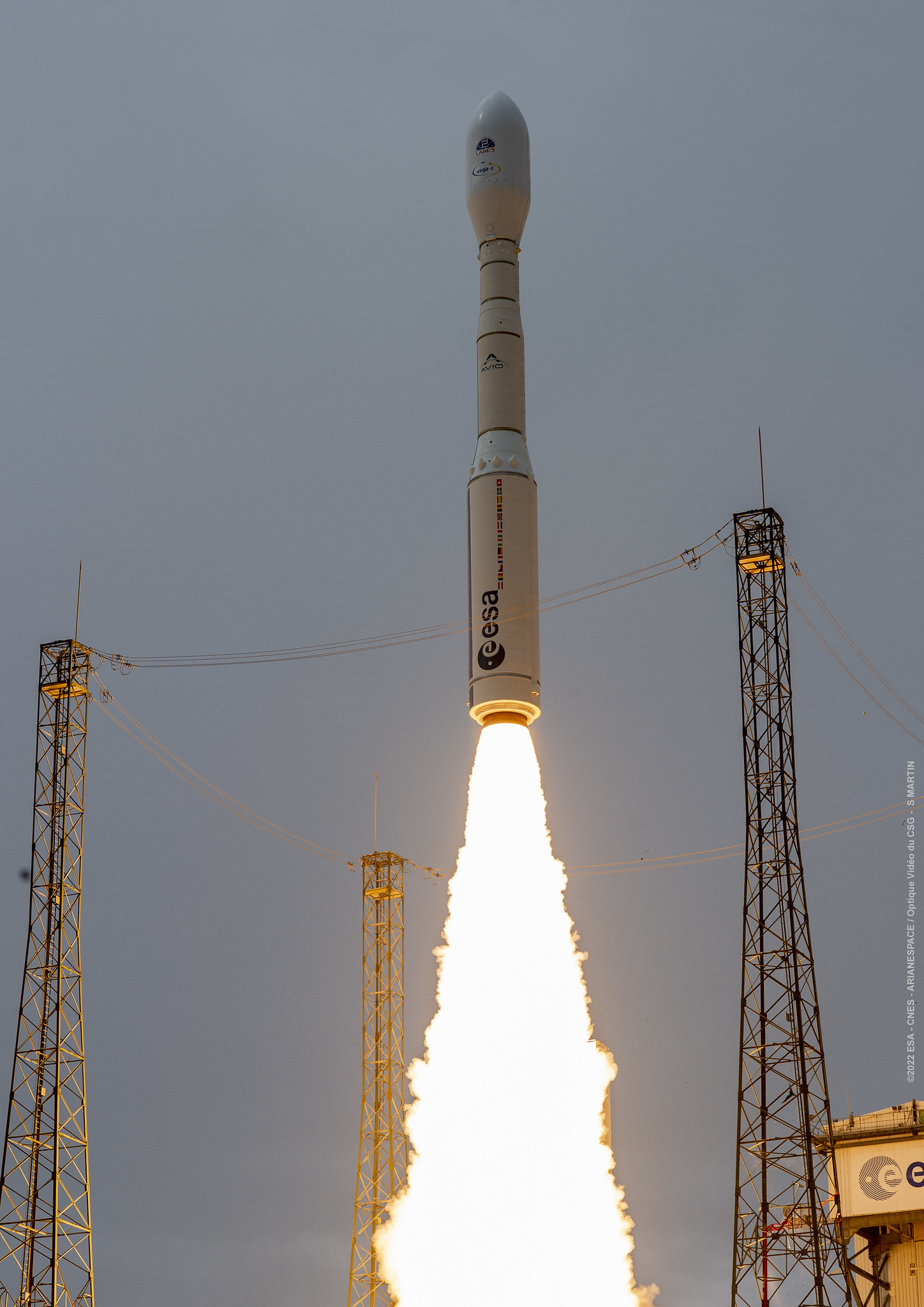
Launcher Config List
API endpoint that allows Launcher Configurations to be viewed.
GET: Return a list of all the existing launcher configurations.
MODE: Normal and Detailed /2.0.0/config/launcher/?mode=detailed
FILTERS: Fields - 'family', 'agency', 'name', 'manufacturer__name', 'full_name', 'manufacturer__launch_library_id'
Get all Launchers with the Launch Library ID of 44. Example - /2.0.0/config/launcher/?manufacturer__launch_library_id=44
Get all Launchers with the Agency with name NASA. Example - /2.0.0/config/launcher/?manufacturer__name=NASA
GET /2.0.0/config/launcher/?format=api&offset=310&ordering=gto_capacity
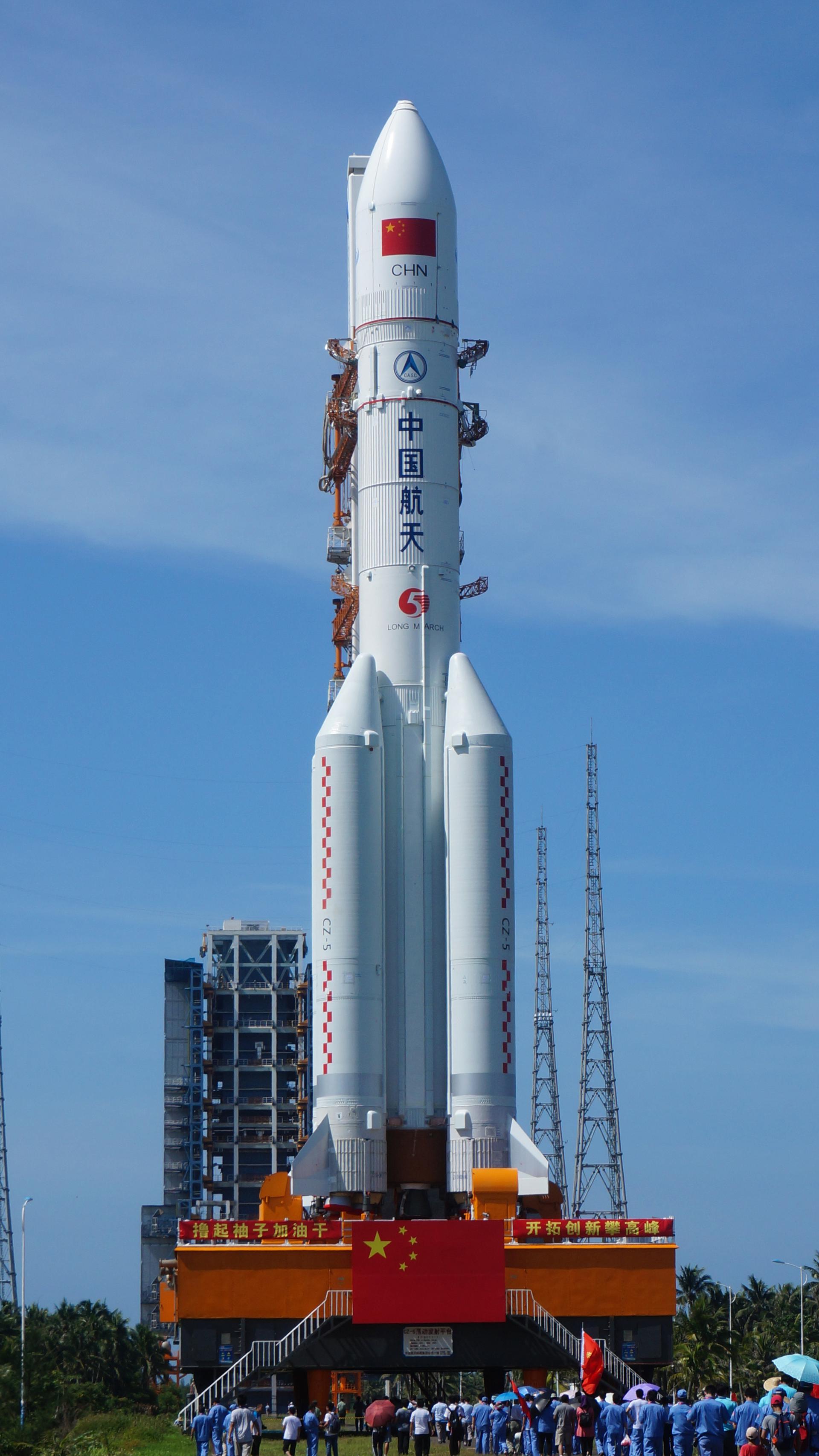
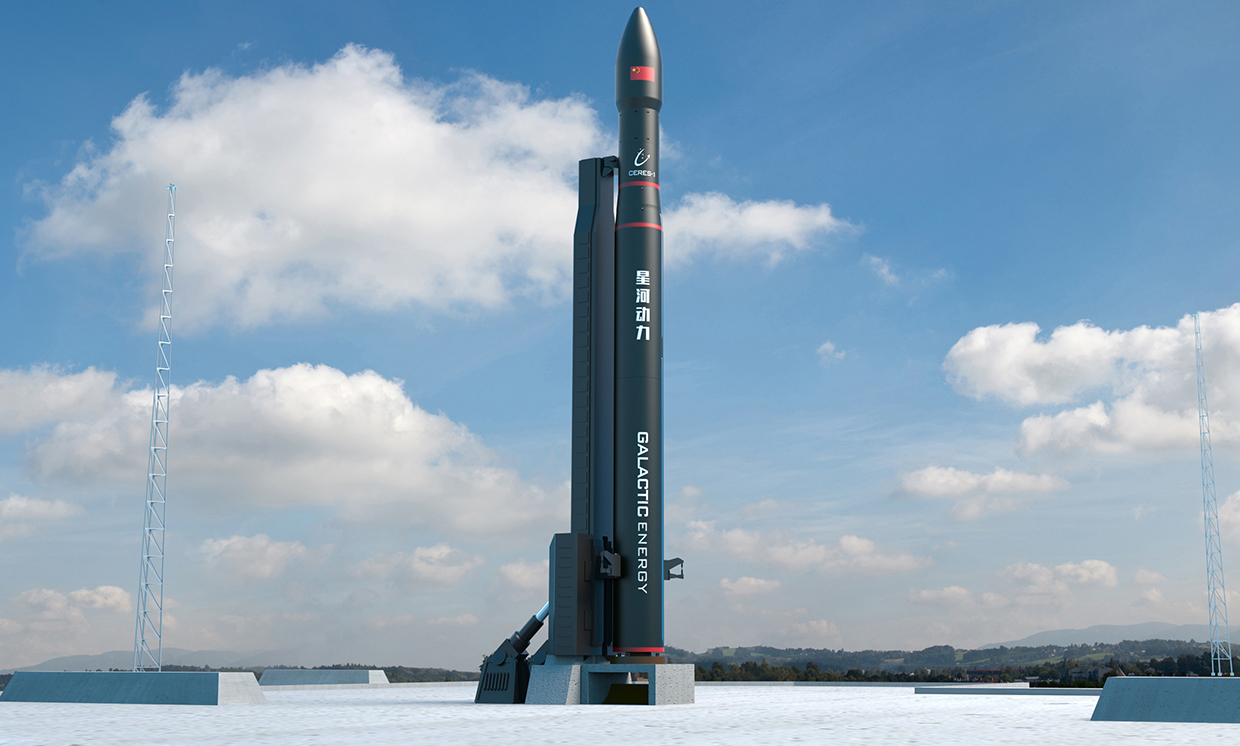
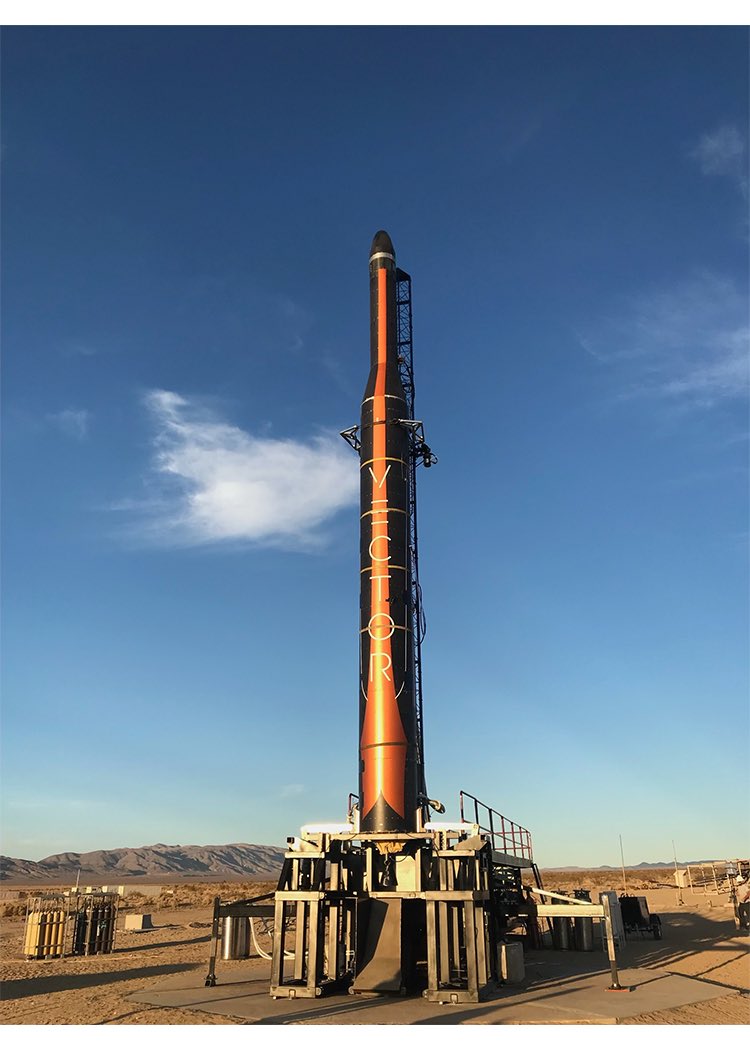
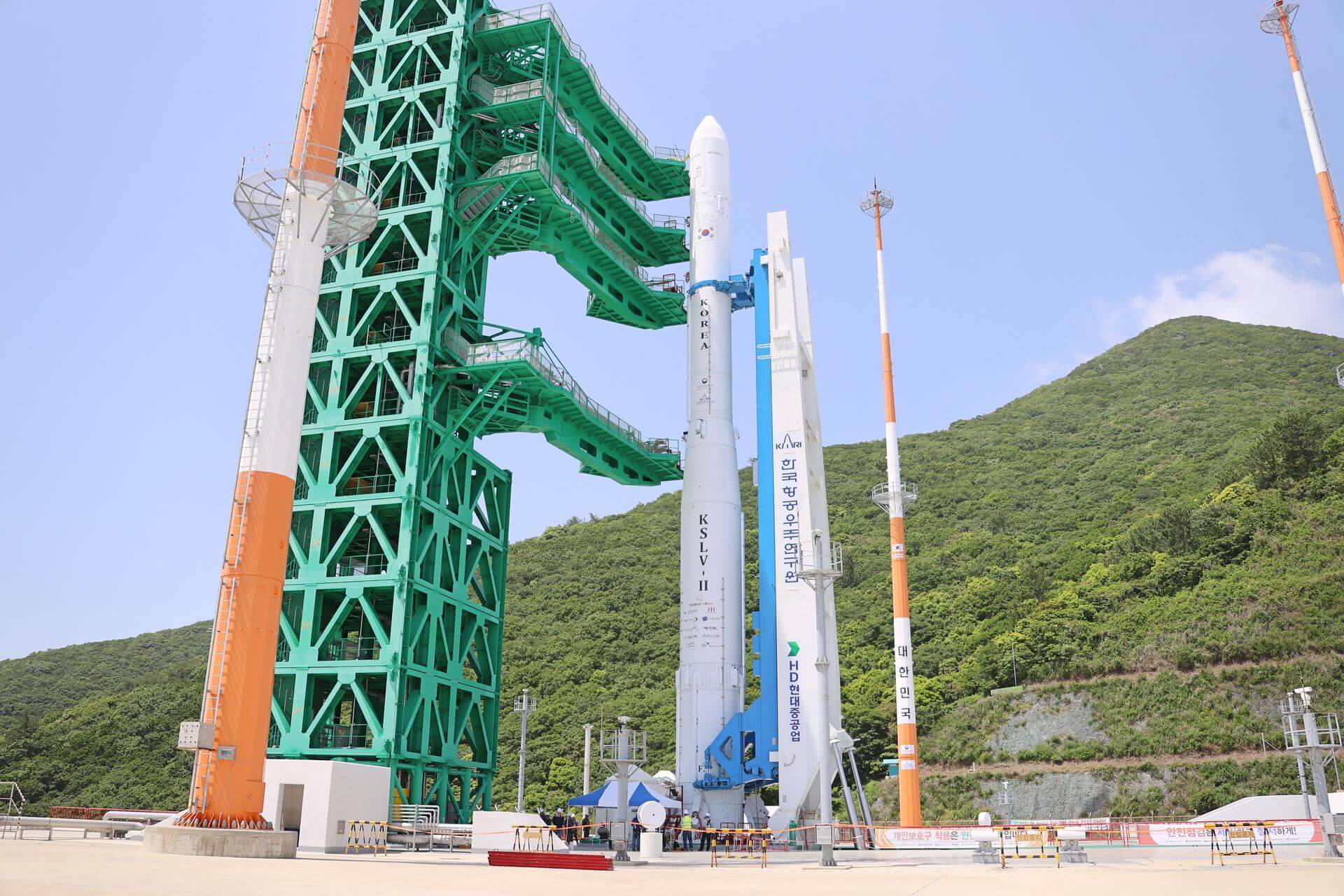
{ "count": 532, "next": "https://lldev.thespacedevs.com/2.0.0/config/launcher/?format=api&limit=10&offset=320&ordering=gto_capacity", "previous": "https://lldev.thespacedevs.com/2.0.0/config/launcher/?format=api&limit=10&offset=300&ordering=gto_capacity", "results": [ { "id": 238, "launch_library_id": null, "url": "https://lldev.thespacedevs.com/2.0.0/config/launcher/238/?format=api", "name": "Atlas E", "manufacturer": { "id": 1004, "url": "https://lldev.thespacedevs.com/2.0.0/agencies/1004/?format=api", "name": "Convair", "featured": false, "type": "Commercial", "country_code": "USA", "abbrev": "", "description": "Convair, previously Consolidated Vultee, was an American aircraft manufacturing company that later expanded into rockets and spacecraft. The company was formed in 1943 by the merger of Consolidated Aircraft and Vultee Aircraft. In 1953 it was purchased by General Dynamics, and operated as their Convair Division for most of its corporate history.", "administrator": null, "founding_year": "1943", "launchers": "", "spacecraft": "", "parent": null, "image_url": null }, "program": [], "family": "Atlas", "full_name": "SM-65E Atlas", "variant": "E", "reusable": false, "image_url": null, "info_url": null, "wiki_url": "https://en.wikipedia.org/wiki/SM-65E_Atlas" }, { "id": 123, "launch_library_id": 146, "url": "https://lldev.thespacedevs.com/2.0.0/config/launcher/123/?format=api", "name": "Long March 5/YZ-2", "manufacturer": { "id": 88, "url": "https://lldev.thespacedevs.com/2.0.0/agencies/88/?format=api", "name": "China Aerospace Science and Technology Corporation", "featured": true, "type": "Government", "country_code": "CHN", "abbrev": "CASC", "description": "The China Aerospace Science and Technology Corporation (CASC) is the main contractor for the Chinese space program. It is state-owned and has a number of subordinate entities which design, develop and manufacture a range of spacecraft, launch vehicles, strategic and tactical missile systems, and ground equipment. It was officially established in July 1999 as part of a Chinese government reform drive, having previously been one part of the former China Aerospace Corporation. Various incarnations of the program date back to 1956.", "administrator": "Chairman & President: Lei Fanpei", "founding_year": "1999", "launchers": "Long March", "spacecraft": "", "parent": null, "image_url": "https://thespacedevs-dev.nyc3.digitaloceanspaces.com/media/images/china2520aerospace2520science2520and2520technology2520corporation_image_20191228094408.jpeg" }, "program": [], "family": "Long March", "full_name": "Long March 5/YZ-2", "variant": "YZ-2", "reusable": false, "image_url": "https://thespacedevs-dev.nyc3.digitaloceanspaces.com/media/images/long_march_5_yz_image_20251103145739.jpg", "info_url": null, "wiki_url": "https://en.wikipedia.org/wiki/Long_March_5" }, { "id": 334, "launch_library_id": null, "url": "https://lldev.thespacedevs.com/2.0.0/config/launcher/334/?format=api", "name": "M-V", "manufacturer": { "id": 94, "url": "https://lldev.thespacedevs.com/2.0.0/agencies/94/?format=api", "name": "IHI Corporation", "featured": false, "type": "Commercial", "country_code": "JPN", "abbrev": "IHI", "description": null, "administrator": null, "founding_year": null, "launchers": "", "spacecraft": "", "parent": null, "image_url": null }, "program": [], "family": "Mu", "full_name": "M-V", "variant": "V", "reusable": false, "image_url": null, "info_url": "", "wiki_url": "https://en.wikipedia.org/wiki/M-V" }, { "id": 546, "launch_library_id": null, "url": "https://lldev.thespacedevs.com/2.0.0/config/launcher/546/?format=api", "name": "Ceres-2", "manufacturer": { "id": 1021, "url": "https://lldev.thespacedevs.com/2.0.0/agencies/1021/?format=api", "name": "Galactic Energy", "featured": false, "type": "Commercial", "country_code": "CHN", "abbrev": "GE", "description": "Galactic Energy is a private aerospace company headquartered in Beijing, China. Established by senior engineers in 2018, Galactic Energy engages in low-cost commercial space launch business.", "administrator": null, "founding_year": "2018", "launchers": "Ceres-1 | Pallas-1", "spacecraft": "", "parent": null, "image_url": "https://thespacedevs-dev.nyc3.digitaloceanspaces.com/media/images/galactic_energy_image_20201106095228.jpeg" }, "program": [], "family": "", "full_name": "Ceres-2", "variant": "", "reusable": false, "image_url": "https://thespacedevs-dev.nyc3.digitaloceanspaces.com/media/images/ceres-2_illustr_image_20251210054657.png", "info_url": null, "wiki_url": "https://en.wikipedia.org/wiki/Galactic_Energy#Ceres-2" }, { "id": 88, "launch_library_id": 107, "url": "https://lldev.thespacedevs.com/2.0.0/config/launcher/88/?format=api", "name": "Delta II", "manufacturer": { "id": 124, "url": "https://lldev.thespacedevs.com/2.0.0/agencies/124/?format=api", "name": "United Launch Alliance", "featured": true, "type": "Commercial", "country_code": "USA", "abbrev": "ULA", "description": "United Launch Alliance (ULA) is a joint venture of Lockheed Martin Space Systems and Boeing Defense, Space & Security. ULA was formed in December 2006 by combining the teams at these companies which provide spacecraft launch services to the government of the United States. ULA launches from both coasts of the US. They launch their Atlas V vehicle from LC-41 in Cape Canaveral and LC-3E at Vandeberg. Their Delta IV launches from LC-37 at Cape Canaveral and LC-6 at Vandenberg.", "administrator": "CEO: Mark Peller", "founding_year": "2006", "launchers": "Atlas | Delta | Vulcan", "spacecraft": "", "parent": null, "image_url": "https://thespacedevs-dev.nyc3.digitaloceanspaces.com/media/images/united_launch_a_image_20210412201210.png" }, "program": [], "family": "Delta", "full_name": "Delta II 7320", "variant": "7320", "reusable": false, "image_url": null, "info_url": "http://www.spaceflight101.net/delta-ii-7320.html", "wiki_url": "https://en.wikipedia.org/wiki/Delta_II" }, { "id": 139, "launch_library_id": 177, "url": "https://lldev.thespacedevs.com/2.0.0/config/launcher/139/?format=api", "name": "Vector", "manufacturer": { "id": 201, "url": "https://lldev.thespacedevs.com/2.0.0/agencies/201/?format=api", "name": "Vector", "featured": false, "type": "Commercial", "country_code": "USA", "abbrev": "VEC", "description": null, "administrator": null, "founding_year": null, "launchers": "", "spacecraft": "", "parent": null, "image_url": null }, "program": [], "family": "", "full_name": "Vector-R", "variant": "R", "reusable": false, "image_url": "https://thespacedevs-dev.nyc3.digitaloceanspaces.com/media/images/vector_image_20240411113508.jpeg", "info_url": "https://vector-launch.com/vector-r/", "wiki_url": "https://en.wikipedia.org/wiki/Vector-R" }, { "id": 216, "launch_library_id": 247, "url": "https://lldev.thespacedevs.com/2.0.0/config/launcher/216/?format=api", "name": "Long March 7A", "manufacturer": { "id": 88, "url": "https://lldev.thespacedevs.com/2.0.0/agencies/88/?format=api", "name": "China Aerospace Science and Technology Corporation", "featured": true, "type": "Government", "country_code": "CHN", "abbrev": "CASC", "description": "The China Aerospace Science and Technology Corporation (CASC) is the main contractor for the Chinese space program. It is state-owned and has a number of subordinate entities which design, develop and manufacture a range of spacecraft, launch vehicles, strategic and tactical missile systems, and ground equipment. It was officially established in July 1999 as part of a Chinese government reform drive, having previously been one part of the former China Aerospace Corporation. Various incarnations of the program date back to 1956.", "administrator": "Chairman & President: Lei Fanpei", "founding_year": "1999", "launchers": "Long March", "spacecraft": "", "parent": null, "image_url": "https://thespacedevs-dev.nyc3.digitaloceanspaces.com/media/images/china2520aerospace2520science2520and2520technology2520corporation_image_20191228094408.jpeg" }, "program": [], "family": "Long March", "full_name": "Long March 7A", "variant": "A", "reusable": false, "image_url": "https://thespacedevs-dev.nyc3.digitaloceanspaces.com/media/images/cz-7a_launch_2_image_20251206093324.jpeg", "info_url": null, "wiki_url": null }, { "id": 117, "launch_library_id": 169, "url": "https://lldev.thespacedevs.com/2.0.0/config/launcher/117/?format=api", "name": "Nuri", "manufacturer": { "id": 41, "url": "https://lldev.thespacedevs.com/2.0.0/agencies/41/?format=api", "name": "Korea Aerospace Research Institute", "featured": false, "type": "Government", "country_code": "KOR", "abbrev": "KARI", "description": "The Korea Aerospace Research Institute (KARI) established in 1989, is the aeronautics and space agency of Republic of Korea. Its main laboratories are located in Daejeon, in the Daedeok Science Town.", "administrator": "Administrator: Lee Sang-Ryool", "founding_year": "1989", "launchers": "Nuri", "spacecraft": "", "parent": "Korea AeroSpace Administration", "image_url": null }, "program": [], "family": "KSLV", "full_name": "KSLV-2 Nuri", "variant": "2", "reusable": false, "image_url": "https://thespacedevs-dev.nyc3.digitaloceanspaces.com/media/images/nuri_on_the_lau_image_20240307163812.jpeg", "info_url": "https://www.kari.re.kr/eng/sub03_03_01.do", "wiki_url": "https://en.wikipedia.org/wiki/KSLV-2" }, { "id": 548, "launch_library_id": null, "url": "https://lldev.thespacedevs.com/2.0.0/config/launcher/548/?format=api", "name": "Vega-C", "manufacturer": { "id": 159, "url": "https://lldev.thespacedevs.com/2.0.0/agencies/159/?format=api", "name": "Avio S.p.A", "featured": true, "type": "Commercial", "country_code": "ITA", "abbrev": "Avio", "description": "Avio S.p.A. is an Italian company operating in the aerospace sector with its head office in Colleferro near Rome, Italy. Founded in 1908, it is present in Italy and abroad with different commercial offices and 10 production sites.", "administrator": "CEO: Giulio Ranzo", "founding_year": "1908", "launchers": "Vega", "spacecraft": "", "parent": null, "image_url": "https://thespacedevs-dev.nyc3.digitaloceanspaces.com/media/images/vega-c_image_20220713154437.jpg" }, "program": [], "family": "Vega", "full_name": "Vega-C Block 2", "variant": "Block 2", "reusable": false, "image_url": "https://thespacedevs-dev.nyc3.digitaloceanspaces.com/media/images/vega-c_image_20220713154437.jpg", "info_url": null, "wiki_url": "https://en.wikipedia.org/wiki/Vega_(rocket)" }, { "id": 135, "launch_library_id": 155, "url": "https://lldev.thespacedevs.com/2.0.0/config/launcher/135/?format=api", "name": "Kuaizhou 1A", "manufacturer": { "id": 194, "url": "https://lldev.thespacedevs.com/2.0.0/agencies/194/?format=api", "name": "ExPace", "featured": false, "type": "Commercial", "country_code": "CHN", "abbrev": "EP", "description": "ExPace is a Chinese space rocket company based in Wuhan, Hubei, China. It is a wholly owned subsidiary of missileer China Aerospace Science and Industry Corporation (CASIC), a Chinese state-owned company, and serves as its commercial rocket division. ExPace is focused on small satellite launchers to low Earth orbit.", "administrator": "CEO: Zhang Di", "founding_year": "2016", "launchers": "", "spacecraft": "", "parent": null, "image_url": null }, "program": [], "family": "Kuaizhou", "full_name": "Kuaizhou 1A", "variant": "1A", "reusable": false, "image_url": "https://thespacedevs-dev.nyc3.digitaloceanspaces.com/media/images/kuaizhou_1a_lau_image_20251206092920.jpeg", "info_url": null, "wiki_url": "https://en.wikipedia.org/wiki/Kuaizhou" } ] }