Launcher Config List
API endpoint that allows Launcher Configurations to be viewed.
GET: Return a list of all the existing launcher configurations.
MODE: Normal and Detailed /2.0.0/config/launcher/?mode=detailed
FILTERS: Fields - 'family', 'agency', 'name', 'manufacturer__name', 'full_name', 'manufacturer__launch_library_id'
Get all Launchers with the Launch Library ID of 44. Example - /2.0.0/config/launcher/?manufacturer__launch_library_id=44
Get all Launchers with the Agency with name NASA. Example - /2.0.0/config/launcher/?manufacturer__name=NASA
GET /2.0.0/config/launcher/?format=api&offset=300&ordering=launch_cost
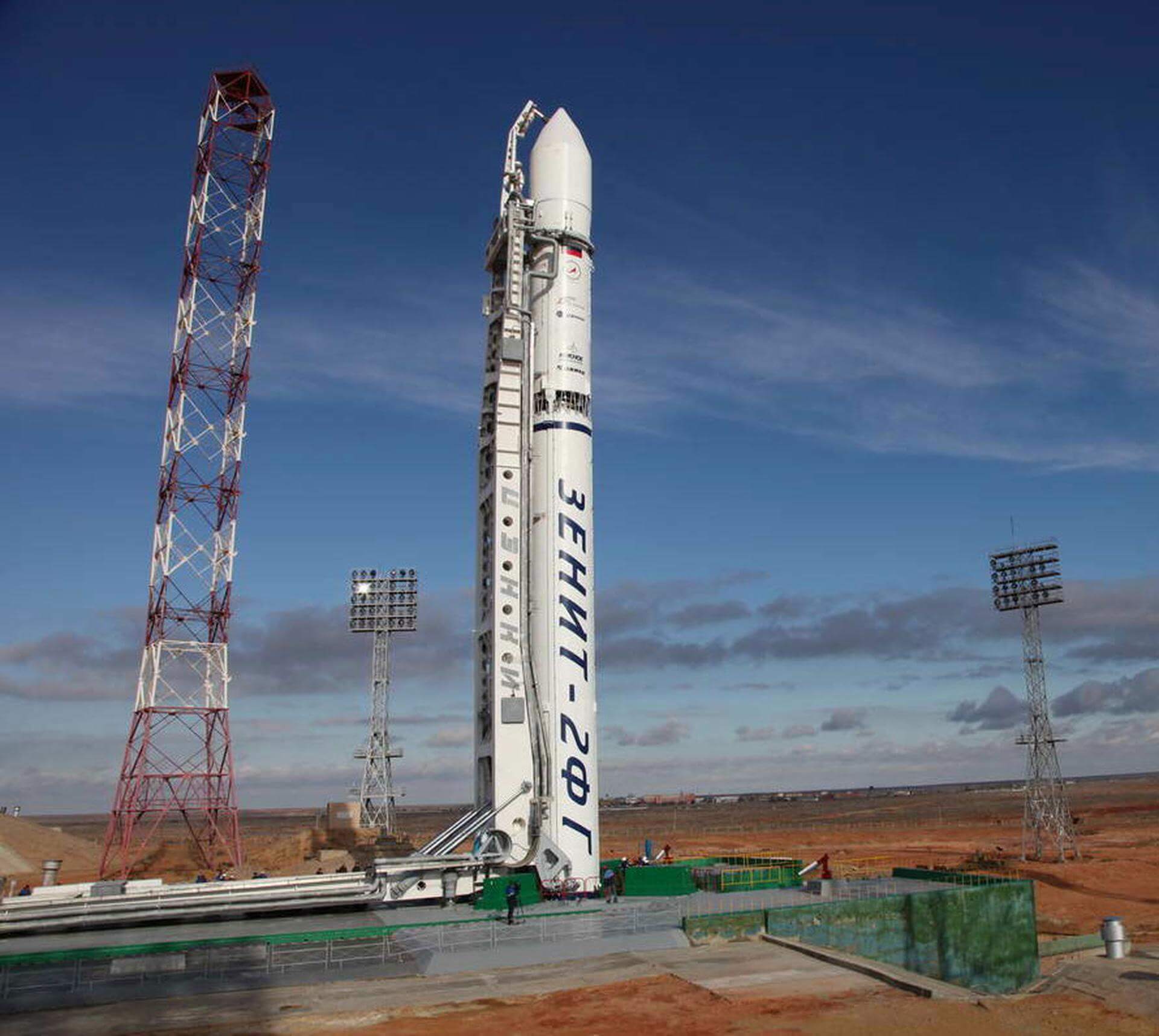
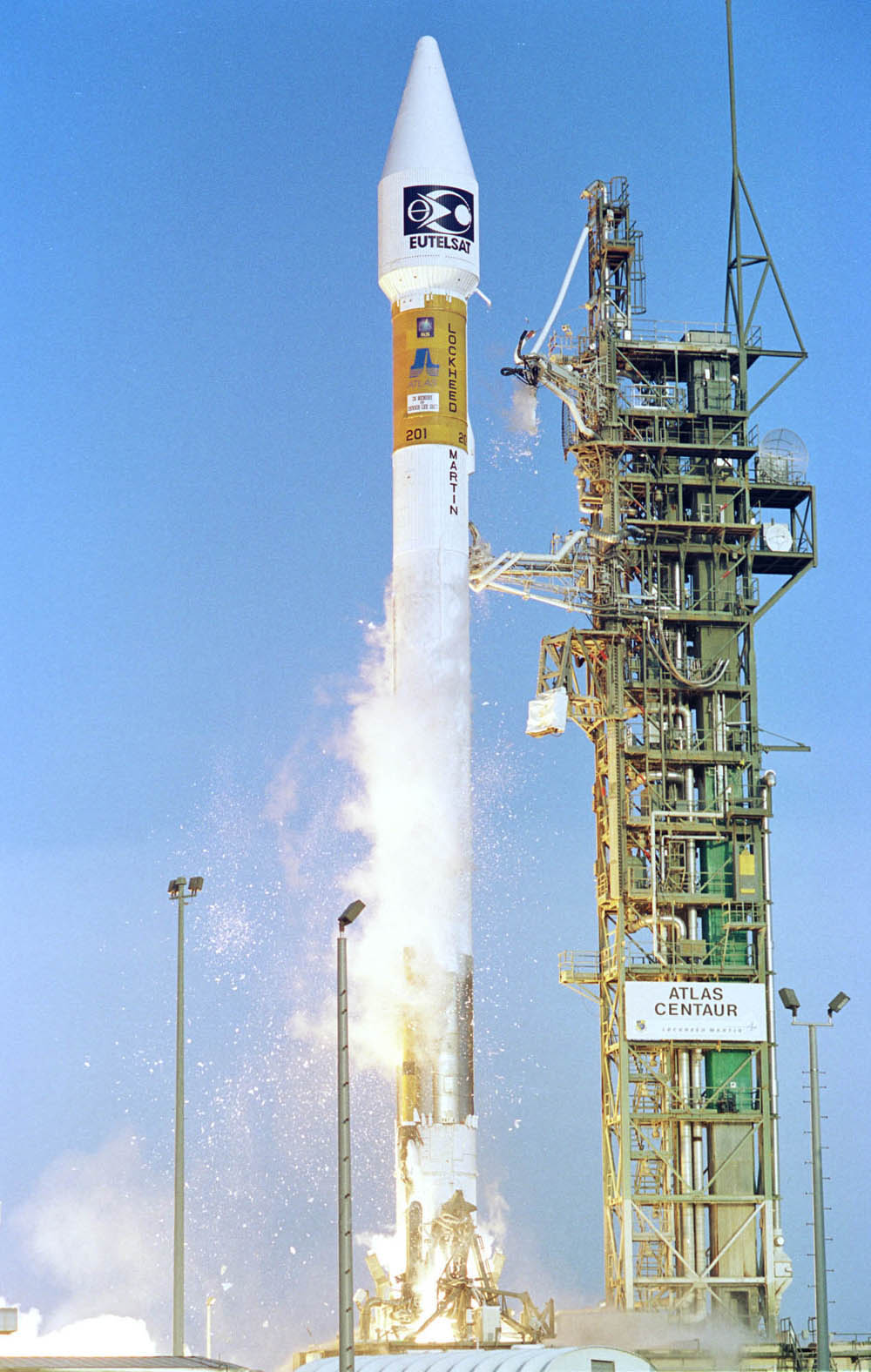
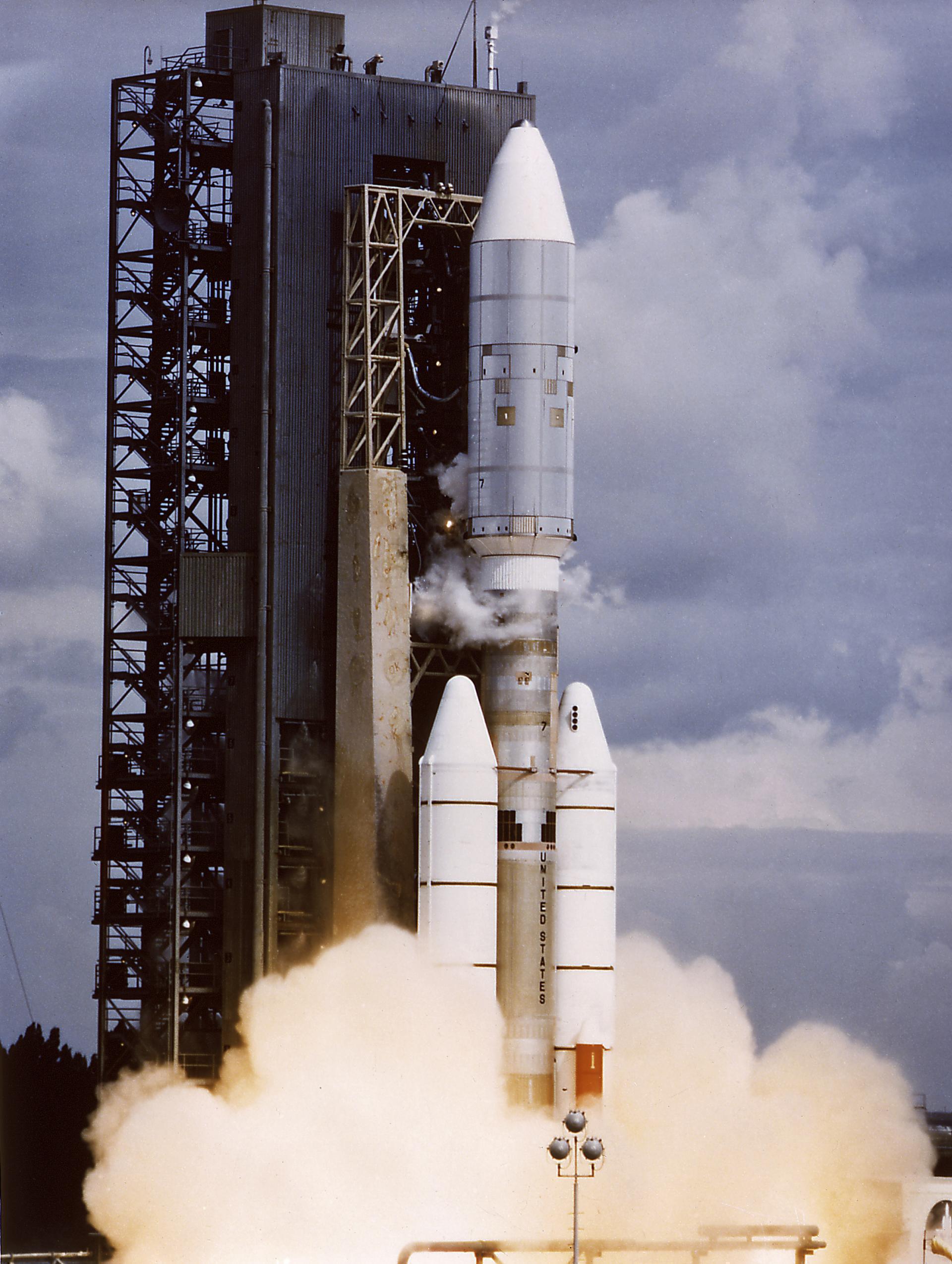
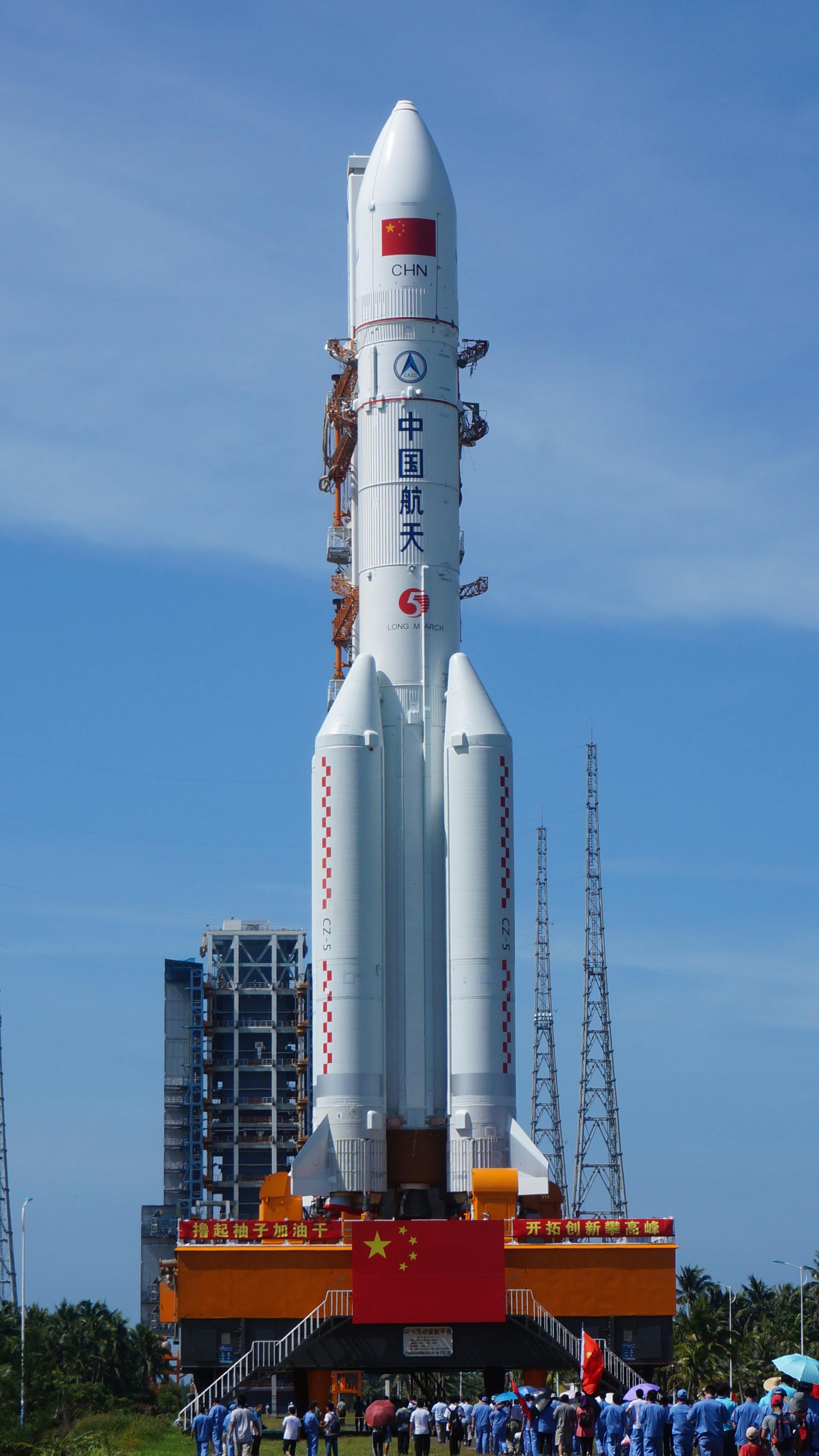
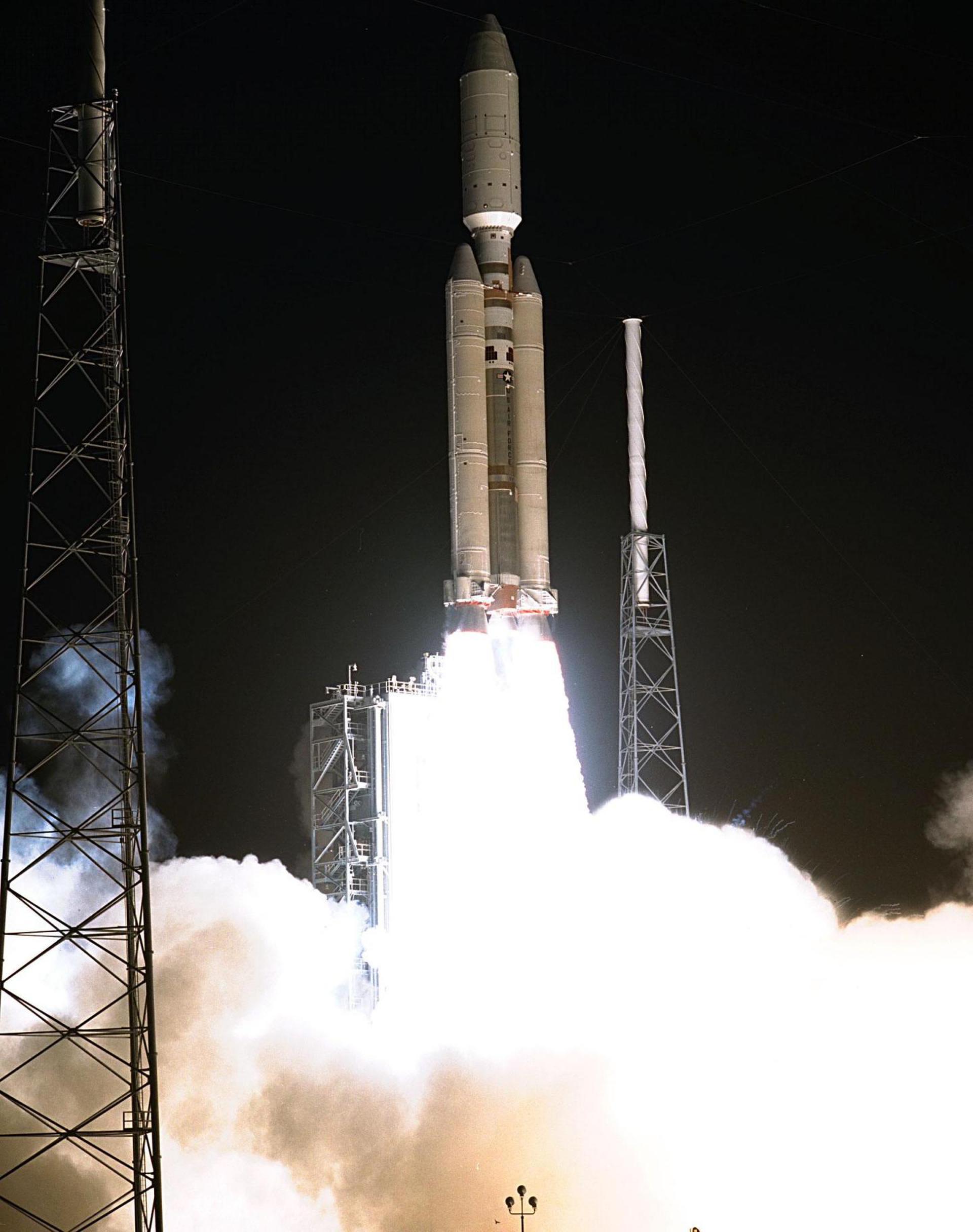
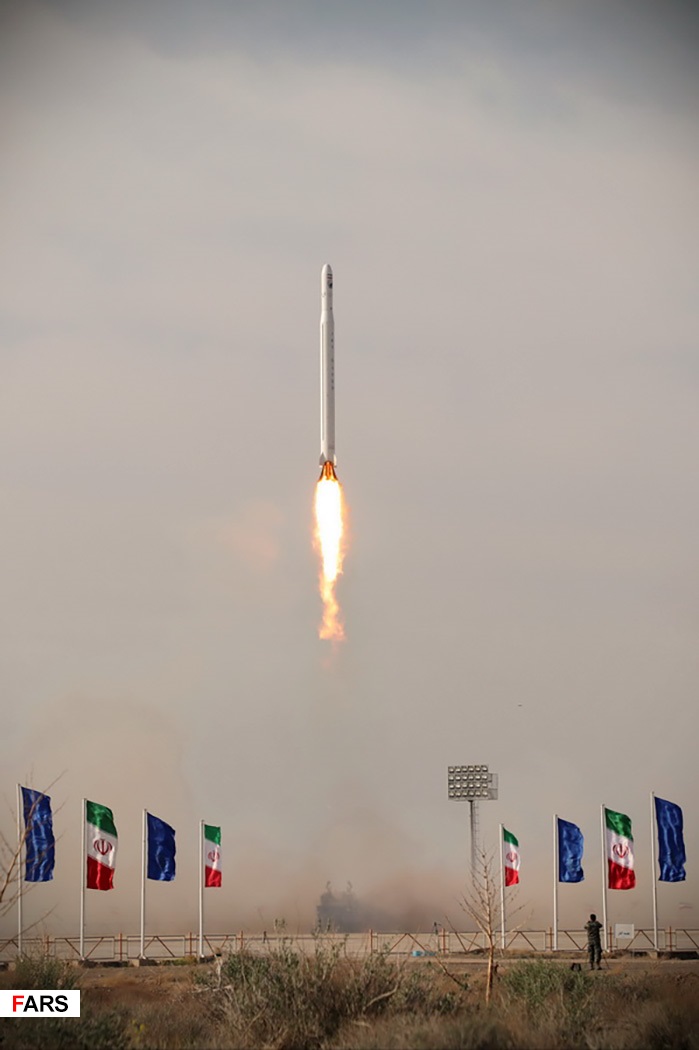
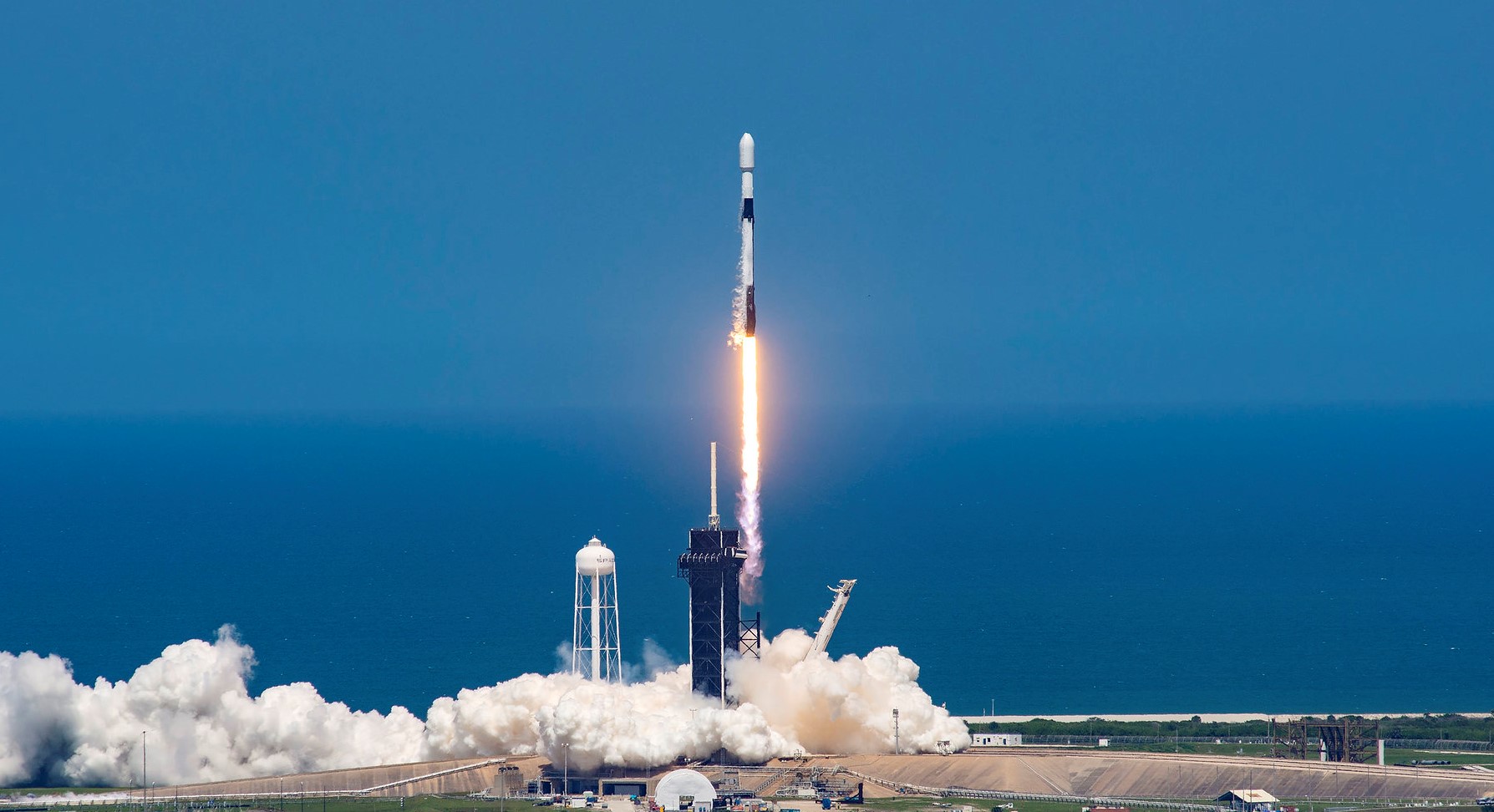
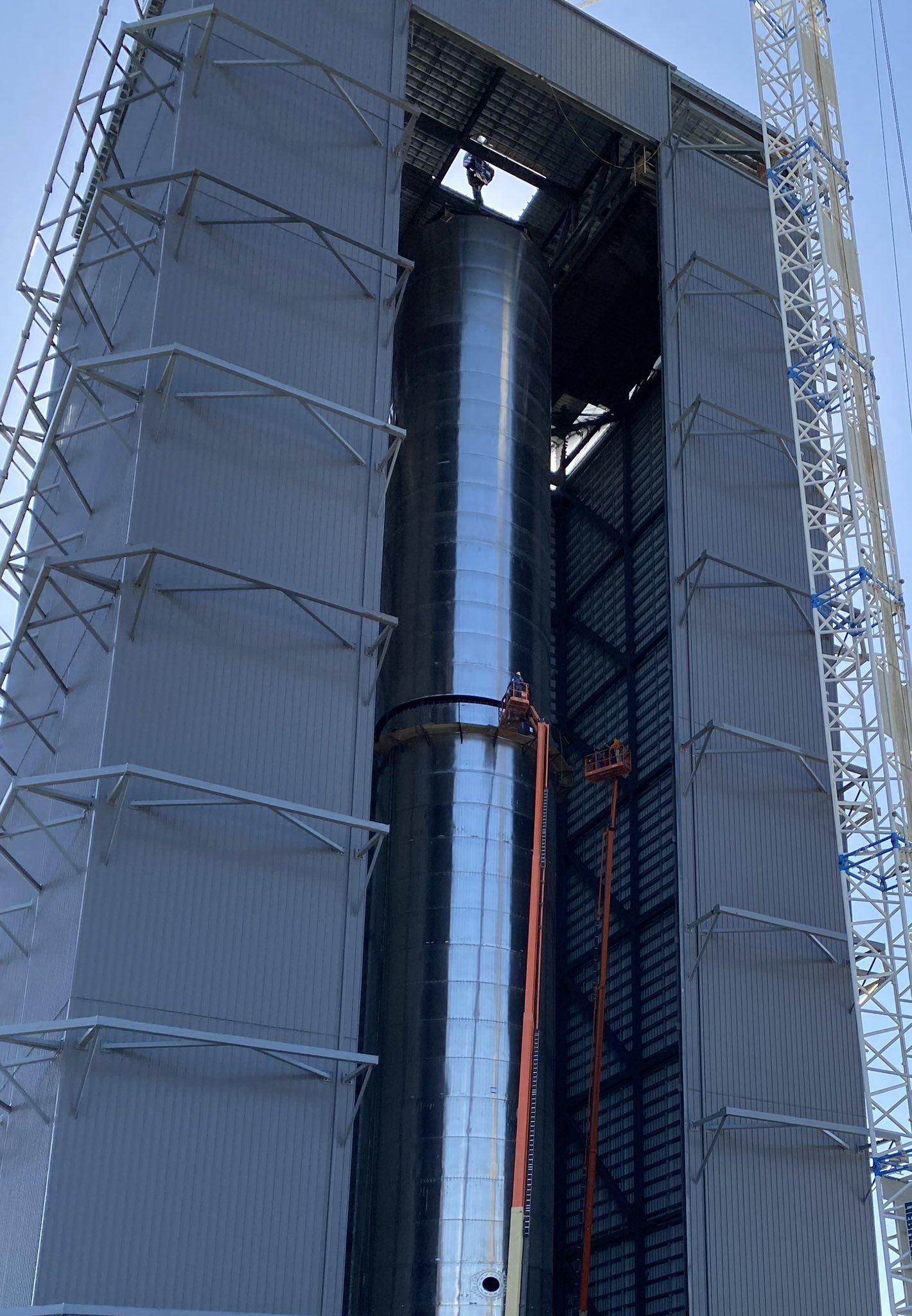
{ "count": 532, "next": "https://lldev.thespacedevs.com/2.0.0/config/launcher/?format=api&limit=10&offset=310&ordering=launch_cost", "previous": "https://lldev.thespacedevs.com/2.0.0/config/launcher/?format=api&limit=10&offset=290&ordering=launch_cost", "results": [ { "id": 456, "launch_library_id": null, "url": "https://lldev.thespacedevs.com/2.0.0/config/launcher/456/?format=api", "name": "Zenit-2 11K77.05", "manufacturer": { "id": 112, "url": "https://lldev.thespacedevs.com/2.0.0/agencies/112/?format=api", "name": "Yuzhnoye Design Bureau", "featured": false, "type": "Commercial", "country_code": "UKR", "abbrev": "OKB-586", "description": "Yuzhnoye Design Office, located in Dnipro, Ukraine, is a designer of satellites and rockets, and formerly of Soviet intercontinental ballistic missiles (ICBMs) established by Mikhail Yangel in 1951. The Zenit launch vehicle currently launches from Baikonur Cosmodrome but also used to launch from an ocean platform, Odyssey.", "administrator": "Director: Alexander Degtyarev", "founding_year": "1951", "launchers": "Zenit", "spacecraft": "", "parent": null, "image_url": "https://thespacedevs-dev.nyc3.digitaloceanspaces.com/media/images/yuzhnoye2520design2520bureau_image_20190207032505.jpeg" }, "program": [], "family": "Zenith", "full_name": "Zenit-2 11K77.05", "variant": "2 11K77.05", "reusable": false, "image_url": null, "info_url": "", "wiki_url": "https://en.wikipedia.org/wiki/Zenit_(rocket_family)" }, { "id": 472, "launch_library_id": null, "url": "https://lldev.thespacedevs.com/2.0.0/config/launcher/472/?format=api", "name": "Atlas IIIB", "manufacturer": { "id": 82, "url": "https://lldev.thespacedevs.com/2.0.0/agencies/82/?format=api", "name": "Lockheed Martin", "featured": false, "type": "Commercial", "country_code": "USA", "abbrev": "LMT", "description": "Lockheed Martin's Space Division started in the production of missiles and later ICBM's in the 1950s. Their TITAN missile system was used for 12 Gemini spacecraft and the Voyager probes. They have worked largely in collaboration with NASA on many of their probes, landers, and spacecraft, and hope to play a key role in NASA's return to the moon in 2024.", "administrator": null, "founding_year": "1953", "launchers": "Titan | Agena", "spacecraft": "Hubble | JUNO | InSight", "parent": null, "image_url": null }, "program": [], "family": "Atlas", "full_name": "Atlas IIIB", "variant": "IIIB", "reusable": false, "image_url": "https://thespacedevs-dev.nyc3.digitaloceanspaces.com/media/images/atlas_iiia_image_20210901074920.jpg", "info_url": null, "wiki_url": "https://en.wikipedia.org/wiki/Atlas_III" }, { "id": 511, "launch_library_id": null, "url": "https://lldev.thespacedevs.com/2.0.0/config/launcher/511/?format=api", "name": "Unknown Launch Vehicle", "manufacturer": { "id": 183, "url": "https://lldev.thespacedevs.com/2.0.0/agencies/183/?format=api", "name": "Unknown", "featured": false, "type": "Unknown", "country_code": "???", "abbrev": "UNK", "description": "The agency or launch service provider is not known yet.", "administrator": null, "founding_year": null, "launchers": "", "spacecraft": "", "parent": null, "image_url": null }, "program": [], "family": "", "full_name": "Unknown Launch Vehicle", "variant": "", "reusable": false, "image_url": null, "info_url": null, "wiki_url": null }, { "id": 106, "launch_library_id": 126, "url": "https://lldev.thespacedevs.com/2.0.0/config/launcher/106/?format=api", "name": "Molniya-M", "manufacturer": { "id": 193, "url": "https://lldev.thespacedevs.com/2.0.0/agencies/193/?format=api", "name": "Russian Space Forces", "featured": false, "type": "Government", "country_code": "RUS", "abbrev": "VKS", "description": "The Russian Space Forces are a branch of the Russian Aerospace Forces, that provides aerospace warning, air sovereignty, and protection for Russia. Having been reestablished following August 1, 2015 merger between the Russian Air Force and the Russian Aerospace Defence Forces after a 2011 dissolving of the branch. The Russian Space Forces were originally formed on August 10, 1992 and the creation of the Russian Armed Forces.", "administrator": "Commander: Aleksandr Golovko", "founding_year": "1992", "launchers": "", "spacecraft": "", "parent": "Russian Federal Space Agency (ROSCOSMOS)", "image_url": "https://thespacedevs-dev.nyc3.digitaloceanspaces.com/media/images/russian2520space2520forces_image_20191210085547.png" }, "program": [], "family": "R-7", "full_name": "Molniya-M 2BL", "variant": "2BL", "reusable": false, "image_url": "https://thespacedevs-dev.nyc3.digitaloceanspaces.com/media/images/molniya_m_image_20251102061752.jpg", "info_url": null, "wiki_url": "https://en.wikipedia.org/wiki/Molniya-M" }, { "id": 148, "launch_library_id": 176, "url": "https://lldev.thespacedevs.com/2.0.0/config/launcher/148/?format=api", "name": "Titan III", "manufacturer": { "id": 82, "url": "https://lldev.thespacedevs.com/2.0.0/agencies/82/?format=api", "name": "Lockheed Martin", "featured": false, "type": "Commercial", "country_code": "USA", "abbrev": "LMT", "description": "Lockheed Martin's Space Division started in the production of missiles and later ICBM's in the 1950s. Their TITAN missile system was used for 12 Gemini spacecraft and the Voyager probes. They have worked largely in collaboration with NASA on many of their probes, landers, and spacecraft, and hope to play a key role in NASA's return to the moon in 2024.", "administrator": null, "founding_year": "1953", "launchers": "Titan | Agena", "spacecraft": "Hubble | JUNO | InSight", "parent": null, "image_url": null }, "program": [], "family": "Titan", "full_name": "Titan IIIE", "variant": "E", "reusable": false, "image_url": "https://thespacedevs-dev.nyc3.digitaloceanspaces.com/media/images/titan2520iii_image_20190222030055.jpeg", "info_url": "https://archive.org/embed/gov.dod.dimoc.20693", "wiki_url": "https://en.wikipedia.org/wiki/Titan_IIIE" }, { "id": 128, "launch_library_id": 116, "url": "https://lldev.thespacedevs.com/2.0.0/config/launcher/128/?format=api", "name": "Long March 5", "manufacturer": { "id": 88, "url": "https://lldev.thespacedevs.com/2.0.0/agencies/88/?format=api", "name": "China Aerospace Science and Technology Corporation", "featured": true, "type": "Government", "country_code": "CHN", "abbrev": "CASC", "description": "The China Aerospace Science and Technology Corporation (CASC) is the main contractor for the Chinese space program. It is state-owned and has a number of subordinate entities which design, develop and manufacture a range of spacecraft, launch vehicles, strategic and tactical missile systems, and ground equipment. It was officially established in July 1999 as part of a Chinese government reform drive, having previously been one part of the former China Aerospace Corporation. Various incarnations of the program date back to 1956.", "administrator": "Chairman & President: Lei Fanpei", "founding_year": "1999", "launchers": "Long March", "spacecraft": "", "parent": null, "image_url": "https://thespacedevs-dev.nyc3.digitaloceanspaces.com/media/images/china2520aerospace2520science2520and2520technology2520corporation_image_20191228094408.jpeg" }, "program": [], "family": "Long March", "full_name": "Long March 5", "variant": "", "reusable": false, "image_url": "https://thespacedevs-dev.nyc3.digitaloceanspaces.com/media/images/long_march_5_tj_image_20260612043435.jpg", "info_url": null, "wiki_url": "https://en.wikipedia.org/wiki/Long_March_5" }, { "id": 130, "launch_library_id": 162, "url": "https://lldev.thespacedevs.com/2.0.0/config/launcher/130/?format=api", "name": "Titan IVB", "manufacturer": { "id": 82, "url": "https://lldev.thespacedevs.com/2.0.0/agencies/82/?format=api", "name": "Lockheed Martin", "featured": false, "type": "Commercial", "country_code": "USA", "abbrev": "LMT", "description": "Lockheed Martin's Space Division started in the production of missiles and later ICBM's in the 1950s. Their TITAN missile system was used for 12 Gemini spacecraft and the Voyager probes. They have worked largely in collaboration with NASA on many of their probes, landers, and spacecraft, and hope to play a key role in NASA's return to the moon in 2024.", "administrator": null, "founding_year": "1953", "launchers": "Titan | Agena", "spacecraft": "Hubble | JUNO | InSight", "parent": null, "image_url": null }, "program": [], "family": "Titan", "full_name": "Titan IVB/Centaur", "variant": "Centaur", "reusable": false, "image_url": "https://thespacedevs-dev.nyc3.digitaloceanspaces.com/media/images/titan2520ivb_image_20190222030244.jpeg", "info_url": "https://archive.org/embed/gov.dod.dimoc.20693", "wiki_url": "https://en.wikipedia.org/wiki/Titan_IV" }, { "id": 217, "launch_library_id": 248, "url": "https://lldev.thespacedevs.com/2.0.0/config/launcher/217/?format=api", "name": "Qased", "manufacturer": { "id": 1032, "url": "https://lldev.thespacedevs.com/2.0.0/agencies/1032/?format=api", "name": "Islamic Revolutionary Guard Corps Aerospace Force", "featured": false, "type": "Government", "country_code": "IRN", "abbrev": "IRGCAF", "description": "The Islamic Revolutionary Guard Corps Aerospace Force is the strategic missile, air, and space force within the Islamic Revolutionary Guard Corps of Iran. It was renamed from the IRGC Air Force into the IRGC Aerospace Force in 2009.", "administrator": "Brigadier General: Ali Jafarabadi", "founding_year": "1985", "launchers": "Qased", "spacecraft": "", "parent": null, "image_url": null }, "program": [], "family": "", "full_name": "Qased", "variant": "", "reusable": false, "image_url": "https://thespacedevs-dev.nyc3.digitaloceanspaces.com/media/images/qased_image_20220308095543.jpg", "info_url": null, "wiki_url": "https://en.wikipedia.org/wiki/Qased_(rocket)" }, { "id": 463, "launch_library_id": null, "url": "https://lldev.thespacedevs.com/2.0.0/config/launcher/463/?format=api", "name": "Super Heavy Prototype", "manufacturer": { "id": 121, "url": "https://lldev.thespacedevs.com/2.0.0/agencies/121/?format=api", "name": "SpaceX", "featured": true, "type": "Commercial", "country_code": "USA", "abbrev": "SpX", "description": "Space Exploration Technologies Corp., known as SpaceX, is an American aerospace manufacturer and space transport services company headquartered in Hawthorne, California. It was founded in 2002 by entrepreneur Elon Musk with the goal of reducing space transportation costs and enabling the colonization of Mars. SpaceX operates from many pads, on the East Coast of the US they operate from SLC-40 at Cape Canaveral Space Force Station and historic LC-39A at Kennedy Space Center. They also operate from SLC-4E at Vandenberg Space Force Base, California, usually for polar launches. Another launch site is being developed at Boca Chica, Texas.", "administrator": "CEO: Elon Musk", "founding_year": "2002", "launchers": "Falcon | Starship", "spacecraft": "Dragon", "parent": null, "image_url": "https://thespacedevs-dev.nyc3.digitaloceanspaces.com/media/images/falcon_9_image_20230807133459.jpeg" }, "program": [ { "id": 1, "url": "https://lldev.thespacedevs.com/2.0.0/program/1/?format=api", "name": "SpaceX Starship", "description": "The SpaceX Starship is a fully reusable super heavy-lift launch vehicle under development by SpaceX since 2012, as a self-funded private spaceflight project. The second stage of the Starship — is designed as a long-duration cargo and passenger-carrying spacecraft. It is expected to be initially used without any booster stage at all, as part of an extensive development program to prove out launch-and-landing and iterate on a variety of design details, particularly with respect to the vehicle's atmospheric reentry.", "agencies": [ { "id": 121, "url": "https://lldev.thespacedevs.com/2.0.0/agencies/121/?format=api", "name": "SpaceX", "type": "Commercial" } ], "image_url": "https://thespacedevs-dev.nyc3.digitaloceanspaces.com/media/images/starship_on_the_image_20250111100520.jpg", "start_date": "2019-03-01T05:00:00Z", "end_date": null, "info_url": "https://www.spacex.com/vehicles/starship/", "wiki_url": "https://en.wikipedia.org/wiki/SpaceX_Starship" } ], "family": "Starship", "full_name": "Super Heavy Prototype", "variant": "Prototype", "reusable": true, "image_url": "https://thespacedevs-dev.nyc3.digitaloceanspaces.com/media/images/super_heavy_pro_image_20210401104735.jpg", "info_url": "https://www.spacex.com/vehicles/starship/", "wiki_url": "https://en.wikipedia.org/wiki/SpaceX_Starship" }, { "id": 343, "launch_library_id": null, "url": "https://lldev.thespacedevs.com/2.0.0/config/launcher/343/?format=api", "name": "Paektusan 1", "manufacturer": { "id": 40, "url": "https://lldev.thespacedevs.com/2.0.0/agencies/40/?format=api", "name": "Korean Committee of Space Technology", "featured": false, "type": "Government", "country_code": "PRK", "abbrev": "KCST", "description": "The Korean Committee of Space Technology was the agency of the government of the Democratic People's Republic of Korea (North Korea) responsible for the country's space program. The agency was terminated and succeeded by the National Aerospace Development Administration in 2013 after the Law on Space Development was passed in the 7th session of the 12th Supreme People's Assembly.", "administrator": null, "founding_year": null, "launchers": "Paektusan | Unha", "spacecraft": "", "parent": null, "image_url": null }, "program": [], "family": "", "full_name": "Paektusan 1", "variant": "1", "reusable": false, "image_url": null, "info_url": "", "wiki_url": "https://en.wikipedia.org/wiki/Taepodong-1" } ] }