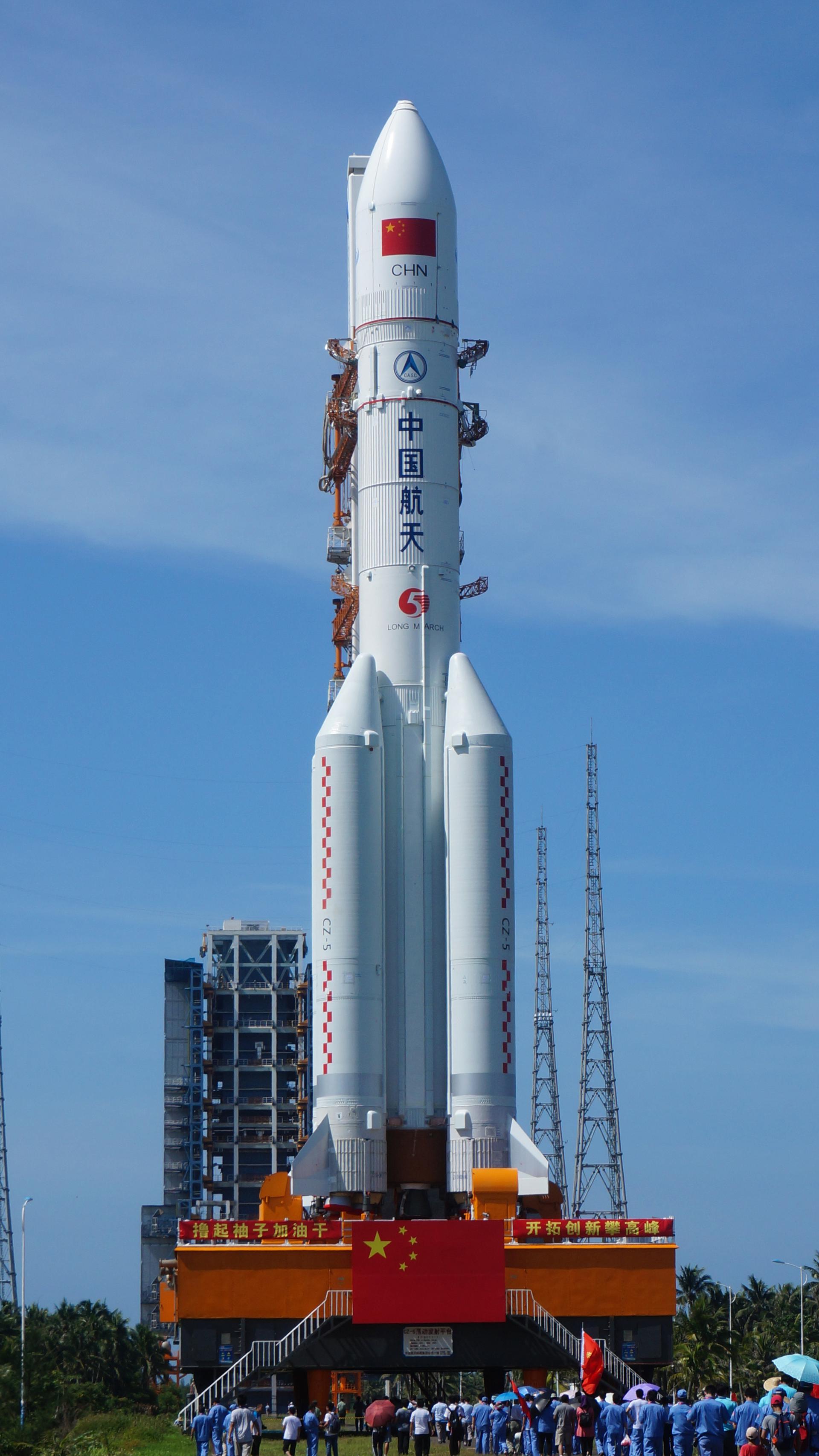
Launcher Config List
API endpoint that allows Launcher Configurations to be viewed.
GET: Return a list of all the existing launcher configurations.
MODE: Normal and Detailed /2.0.0/config/launcher/?mode=detailed
FILTERS: Fields - 'family', 'agency', 'name', 'manufacturer__name', 'full_name', 'manufacturer__launch_library_id'
Get all Launchers with the Launch Library ID of 44. Example - /2.0.0/config/launcher/?manufacturer__launch_library_id=44
Get all Launchers with the Agency with name NASA. Example - /2.0.0/config/launcher/?manufacturer__name=NASA
GET /2.0.0/config/launcher/?format=api&offset=270&ordering=-gto_capacity
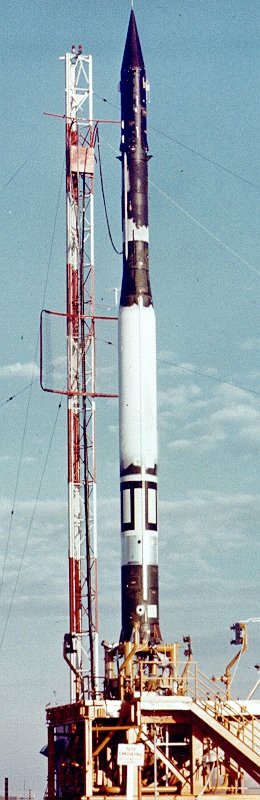
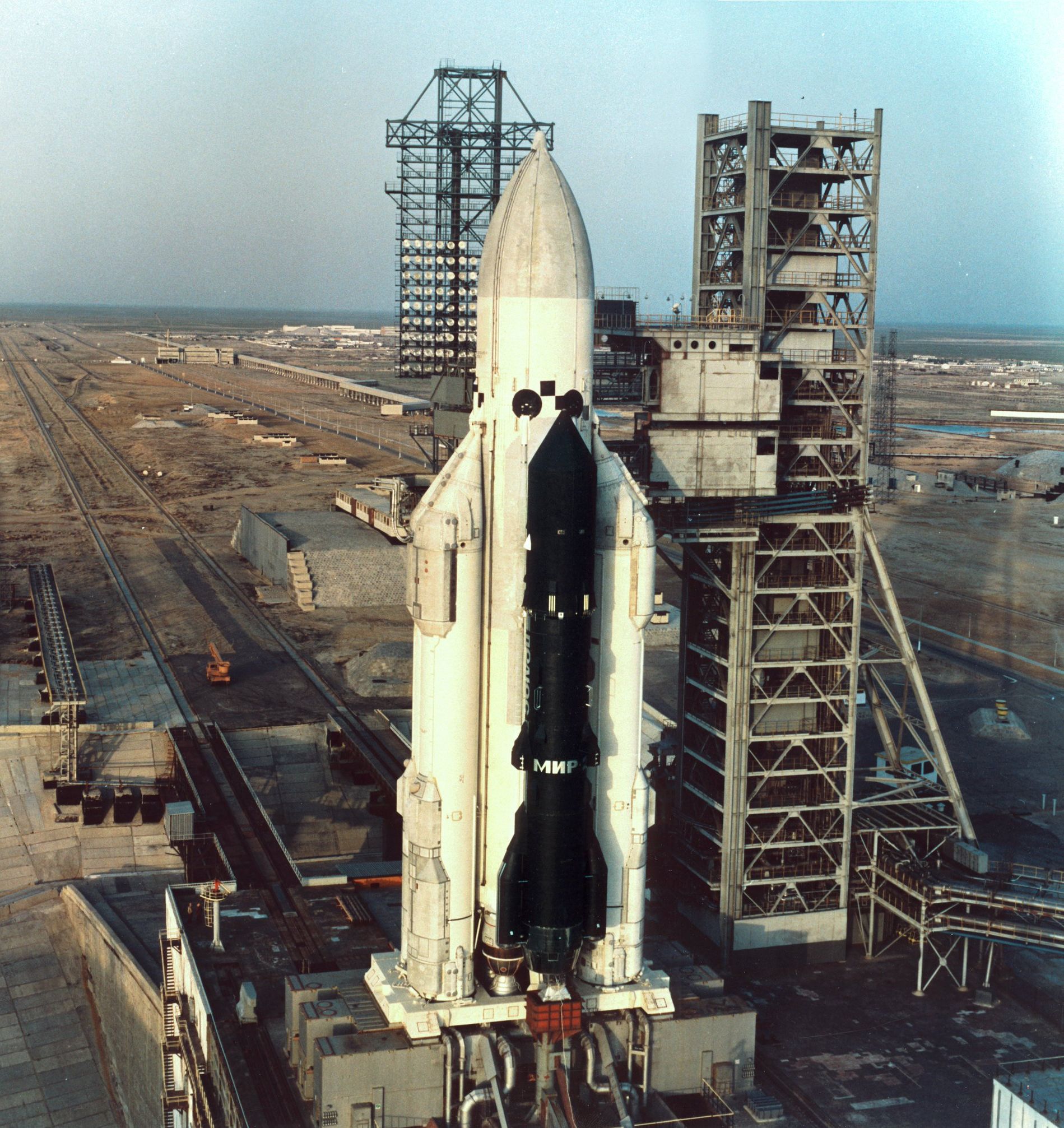
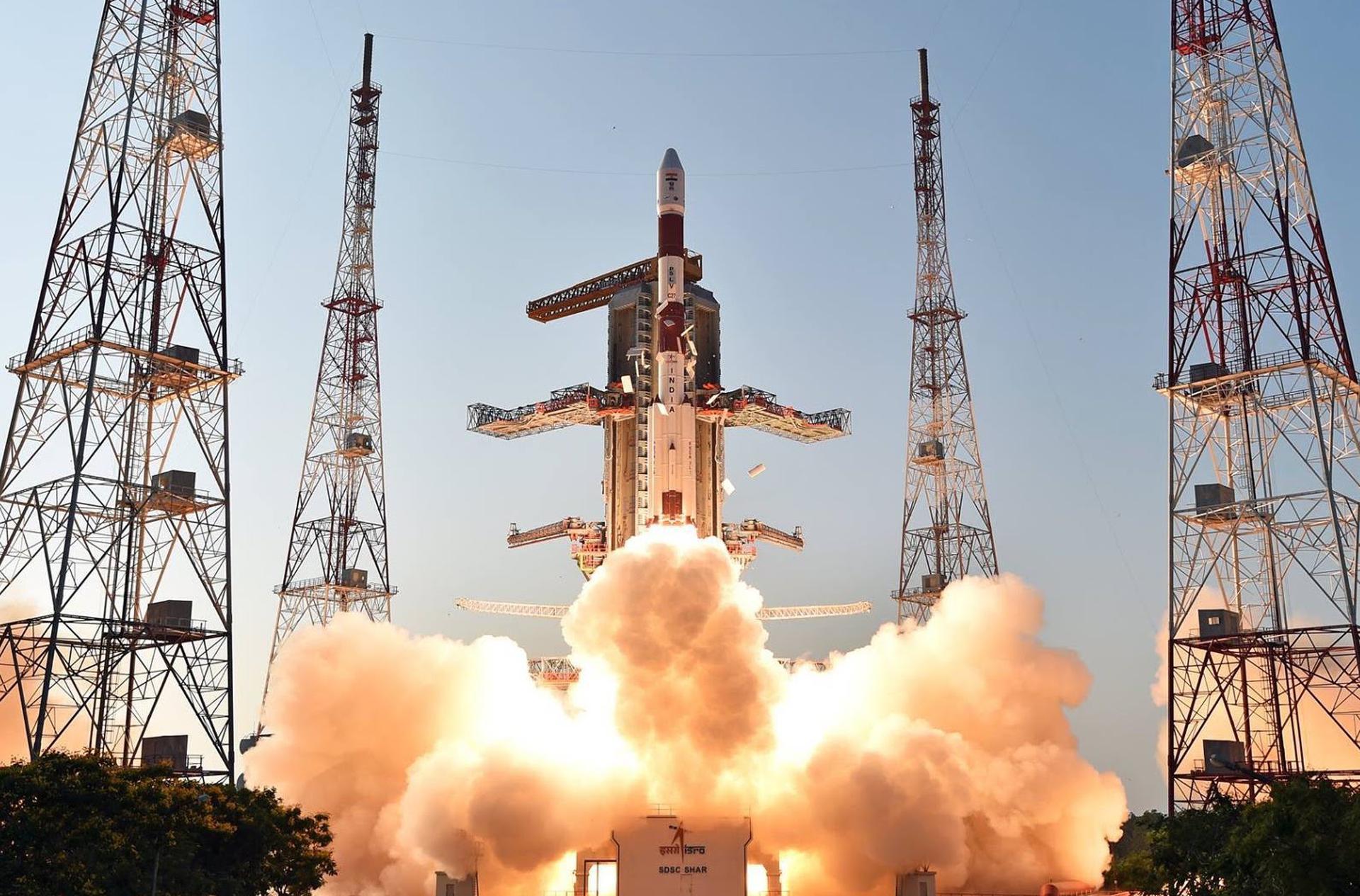
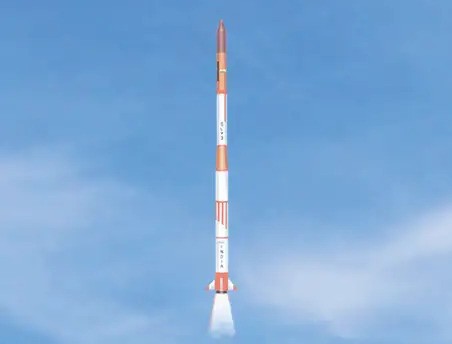
{ "count": 532, "next": "https://lldev.thespacedevs.com/2.0.0/config/launcher/?format=api&limit=10&offset=280&ordering=-gto_capacity", "previous": "https://lldev.thespacedevs.com/2.0.0/config/launcher/?format=api&limit=10&offset=260&ordering=-gto_capacity", "results": [ { "id": 449, "launch_library_id": null, "url": "https://lldev.thespacedevs.com/2.0.0/config/launcher/449/?format=api", "name": "Vanguard", "manufacturer": { "id": 82, "url": "https://lldev.thespacedevs.com/2.0.0/agencies/82/?format=api", "name": "Lockheed Martin", "featured": false, "type": "Commercial", "country_code": "USA", "abbrev": "LMT", "description": "Lockheed Martin's Space Division started in the production of missiles and later ICBM's in the 1950s. Their TITAN missile system was used for 12 Gemini spacecraft and the Voyager probes. They have worked largely in collaboration with NASA on many of their probes, landers, and spacecraft, and hope to play a key role in NASA's return to the moon in 2024.", "administrator": null, "founding_year": "1953", "launchers": "Titan | Agena", "spacecraft": "Hubble | JUNO | InSight", "parent": null, "image_url": null }, "program": [], "family": "", "full_name": "Vanguard", "variant": "", "reusable": false, "image_url": "https://thespacedevs-dev.nyc3.digitaloceanspaces.com/media/images/vanguard_1_on_p_image_20240411114304.jpeg", "info_url": null, "wiki_url": "https://en.wikipedia.org/wiki/Vanguard_(rocket)" }, { "id": 314, "launch_library_id": null, "url": "https://lldev.thespacedevs.com/2.0.0/config/launcher/314/?format=api", "name": "Energiya", "manufacturer": { "id": 1000, "url": "https://lldev.thespacedevs.com/2.0.0/agencies/1000/?format=api", "name": "Energia", "featured": false, "type": "Government", "country_code": "RUS", "abbrev": "OKB-1", "description": null, "administrator": null, "founding_year": "1946", "launchers": "", "spacecraft": "", "parent": null, "image_url": null }, "program": [], "family": "Energiya", "full_name": "Energiya", "variant": "", "reusable": false, "image_url": "https://thespacedevs-dev.nyc3.digitaloceanspaces.com/media/images/energia_with_po_image_20240411093709.jpg", "info_url": null, "wiki_url": "https://en.wikipedia.org/wiki/Energia" }, { "id": 277, "launch_library_id": null, "url": "https://lldev.thespacedevs.com/2.0.0/config/launcher/277/?format=api", "name": "Delta 1410", "manufacturer": { "id": 153, "url": "https://lldev.thespacedevs.com/2.0.0/agencies/153/?format=api", "name": "McDonnell Douglas", "featured": false, "type": "Commercial", "country_code": "USA", "abbrev": "MDC", "description": null, "administrator": null, "founding_year": null, "launchers": "", "spacecraft": "", "parent": null, "image_url": null }, "program": [], "family": "Delta", "full_name": "Delta 1410", "variant": "1410", "reusable": false, "image_url": null, "info_url": null, "wiki_url": "https://en.wikipedia.org/wiki/Delta_1000" }, { "id": 541, "launch_library_id": null, "url": "https://lldev.thespacedevs.com/2.0.0/config/launcher/541/?format=api", "name": "Kinetica 2", "manufacturer": { "id": 1040, "url": "https://lldev.thespacedevs.com/2.0.0/agencies/1040/?format=api", "name": "CAS Space", "featured": false, "type": "Commercial", "country_code": "CHN", "abbrev": "CAS", "description": "CAS Space is a spin-off company from the Chinese Academy of Sciences (CAS) that is operating and plans to operate various launch vehicles of the Zhongke series.", "administrator": null, "founding_year": "2018", "launchers": "Zhongke", "spacecraft": "", "parent": null, "image_url": null }, "program": [], "family": "", "full_name": "Kinetica 2", "variant": "", "reusable": true, "image_url": "https://thespacedevs-dev.nyc3.digitaloceanspaces.com/media/images/kinetica_2_firs_image_20260330153456.jpg", "info_url": null, "wiki_url": "https://en.wikipedia.org/wiki/CAS_Space#Kinetica_2,_and_2H" }, { "id": 433, "launch_library_id": null, "url": "https://lldev.thespacedevs.com/2.0.0/config/launcher/433/?format=api", "name": "Titan 404B", "manufacturer": { "id": 82, "url": "https://lldev.thespacedevs.com/2.0.0/agencies/82/?format=api", "name": "Lockheed Martin", "featured": false, "type": "Commercial", "country_code": "USA", "abbrev": "LMT", "description": "Lockheed Martin's Space Division started in the production of missiles and later ICBM's in the 1950s. Their TITAN missile system was used for 12 Gemini spacecraft and the Voyager probes. They have worked largely in collaboration with NASA on many of their probes, landers, and spacecraft, and hope to play a key role in NASA's return to the moon in 2024.", "administrator": null, "founding_year": "1953", "launchers": "Titan | Agena", "spacecraft": "Hubble | JUNO | InSight", "parent": null, "image_url": null }, "program": [], "family": "Titan", "full_name": "Titan 404B", "variant": "404B", "reusable": false, "image_url": null, "info_url": "", "wiki_url": "https://en.wikipedia.org/wiki/Titan_IV" }, { "id": 353, "launch_library_id": null, "url": "https://lldev.thespacedevs.com/2.0.0/config/launcher/353/?format=api", "name": "SLV-3", "manufacturer": { "id": 31, "url": "https://lldev.thespacedevs.com/2.0.0/agencies/31/?format=api", "name": "Indian Space Research Organization", "featured": true, "type": "Government", "country_code": "IND", "abbrev": "ISRO", "description": "The Indian Space Research Organisation (ISRO) is the space agency of the Government of India headquartered in the city of Bangalore. Its vision is to \"harness space technology for national development while pursuing space science research and planetary exploration.\"", "administrator": "Chairman: V. Narayanan", "founding_year": "1969", "launchers": "PSLV | GSLV", "spacecraft": "Gaganyaan", "parent": null, "image_url": "https://thespacedevs-dev.nyc3.digitaloceanspaces.com/media/images/indian2520space2520research2520organization_image_20190215225409.jpeg" }, "program": [], "family": "", "full_name": "SLV-3", "variant": "3", "reusable": false, "image_url": "https://thespacedevs-dev.nyc3.digitaloceanspaces.com/media/images/slv-3_image_20240210152959.jpg", "info_url": null, "wiki_url": "https://en.wikipedia.org/wiki/Satellite_Launch_Vehicle#Launch_history" }, { "id": 247, "launch_library_id": null, "url": "https://lldev.thespacedevs.com/2.0.0/config/launcher/247/?format=api", "name": "Atlas F/OIS", "manufacturer": { "id": 1004, "url": "https://lldev.thespacedevs.com/2.0.0/agencies/1004/?format=api", "name": "Convair", "featured": false, "type": "Commercial", "country_code": "USA", "abbrev": "", "description": "Convair, previously Consolidated Vultee, was an American aircraft manufacturing company that later expanded into rockets and spacecraft. The company was formed in 1943 by the merger of Consolidated Aircraft and Vultee Aircraft. In 1953 it was purchased by General Dynamics, and operated as their Convair Division for most of its corporate history.", "administrator": null, "founding_year": "1943", "launchers": "", "spacecraft": "", "parent": null, "image_url": null }, "program": [], "family": "Atlas", "full_name": "Atlas F/OIS", "variant": "F/OIS", "reusable": false, "image_url": null, "info_url": null, "wiki_url": "https://en.wikipedia.org/wiki/Atlas_E/F" }, { "id": 271, "launch_library_id": null, "url": "https://lldev.thespacedevs.com/2.0.0/config/launcher/271/?format=api", "name": "Long March 4A", "manufacturer": { "id": 88, "url": "https://lldev.thespacedevs.com/2.0.0/agencies/88/?format=api", "name": "China Aerospace Science and Technology Corporation", "featured": true, "type": "Government", "country_code": "CHN", "abbrev": "CASC", "description": "The China Aerospace Science and Technology Corporation (CASC) is the main contractor for the Chinese space program. It is state-owned and has a number of subordinate entities which design, develop and manufacture a range of spacecraft, launch vehicles, strategic and tactical missile systems, and ground equipment. It was officially established in July 1999 as part of a Chinese government reform drive, having previously been one part of the former China Aerospace Corporation. Various incarnations of the program date back to 1956.", "administrator": "Chairman & President: Lei Fanpei", "founding_year": "1999", "launchers": "Long March", "spacecraft": "", "parent": null, "image_url": "https://thespacedevs-dev.nyc3.digitaloceanspaces.com/media/images/china2520aerospace2520science2520and2520technology2520corporation_image_20191228094408.jpeg" }, "program": [], "family": "Long March", "full_name": "Long March 4A", "variant": "A", "reusable": false, "image_url": null, "info_url": null, "wiki_url": "https://en.wikipedia.org/wiki/Long_March_(rocket_family)" }, { "id": 362, "launch_library_id": null, "url": "https://lldev.thespacedevs.com/2.0.0/config/launcher/362/?format=api", "name": "Scout F-1", "manufacturer": { "id": 1006, "url": "https://lldev.thespacedevs.com/2.0.0/agencies/1006/?format=api", "name": "Vought", "featured": false, "type": "Commercial", "country_code": "USA", "abbrev": "", "description": "Vought was the name of several related American aerospace firms. These have included, in the past, Lewis and Vought Corporation, Chance Vought, Vought-Sikorsky, LTV Aerospace (part of Ling-Temco-Vought), Vought Aircraft Companies, and Vought Aircraft Industries. The first incarnation of Vought was established by Chance M. Vought and Birdseye Lewis in 1917. In 1928, it was acquired by United Aircraft and Transport Corporation, which a few years later became United Aircraft Corporation; this was the first of many reorganizations and buyouts. During the 1920s and 1930s, Vought Aircraft and Chance Vought specialized in carrier-based aircraft for the United States Navy, by far its biggest customer. Chance Vought produced thousands of planes during World War II, including the F4U Corsair. Vought became independent again in 1954, and was purchased by Ling-Temco-Vought in 1961. The company designed and produced a variety of planes and missiles throughout the Cold War. Vought was sold from LTV and owned in various degrees by the Carlyle Group and Northrop Grumman in the early 1990s. It was then fully bought by Carlyle, renamed Vought Aircraft Industries, with headquarters in Dallas, Texas. In June 2010, the Carlyle Group sold Vought to the Triumph Group.", "administrator": null, "founding_year": "1917", "launchers": "", "spacecraft": "", "parent": null, "image_url": null }, "program": [], "family": "Scout", "full_name": "Scout F-1", "variant": "F-1", "reusable": false, "image_url": null, "info_url": "", "wiki_url": "https://en.wikipedia.org/wiki/Scout_(rocket_family)" }, { "id": 432, "launch_library_id": null, "url": "https://lldev.thespacedevs.com/2.0.0/config/launcher/432/?format=api", "name": "Titan 404A", "manufacturer": { "id": 82, "url": "https://lldev.thespacedevs.com/2.0.0/agencies/82/?format=api", "name": "Lockheed Martin", "featured": false, "type": "Commercial", "country_code": "USA", "abbrev": "LMT", "description": "Lockheed Martin's Space Division started in the production of missiles and later ICBM's in the 1950s. Their TITAN missile system was used for 12 Gemini spacecraft and the Voyager probes. They have worked largely in collaboration with NASA on many of their probes, landers, and spacecraft, and hope to play a key role in NASA's return to the moon in 2024.", "administrator": null, "founding_year": "1953", "launchers": "Titan | Agena", "spacecraft": "Hubble | JUNO | InSight", "parent": null, "image_url": null }, "program": [], "family": "Titan", "full_name": "Titan 404A", "variant": "404A", "reusable": false, "image_url": "https://thespacedevs-dev.nyc3.digitaloceanspaces.com/media/images/titan_404a_image_20251128091231.png", "info_url": null, "wiki_url": "https://en.wikipedia.org/wiki/Titan_IV" } ] }