Launcher Config List
API endpoint that allows Launcher Configurations to be viewed.
GET: Return a list of all the existing launcher configurations.
MODE: Normal and Detailed /2.0.0/config/launcher/?mode=detailed
FILTERS: Fields - 'family', 'agency', 'name', 'manufacturer__name', 'full_name', 'manufacturer__launch_library_id'
Get all Launchers with the Launch Library ID of 44. Example - /2.0.0/config/launcher/?manufacturer__launch_library_id=44
Get all Launchers with the Agency with name NASA. Example - /2.0.0/config/launcher/?manufacturer__name=NASA
GET /2.0.0/config/launcher/?format=api&offset=160&ordering=-launch_mass
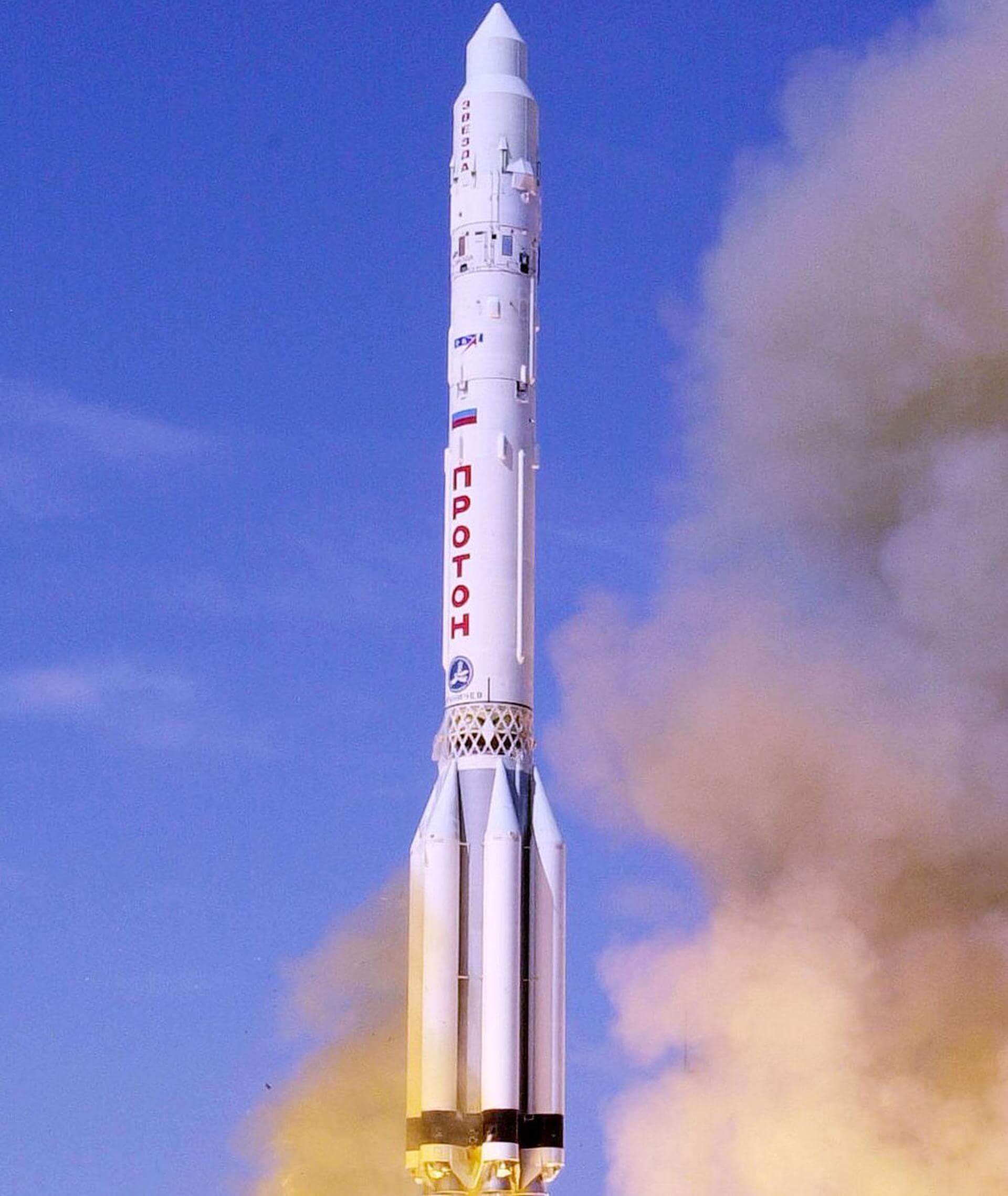
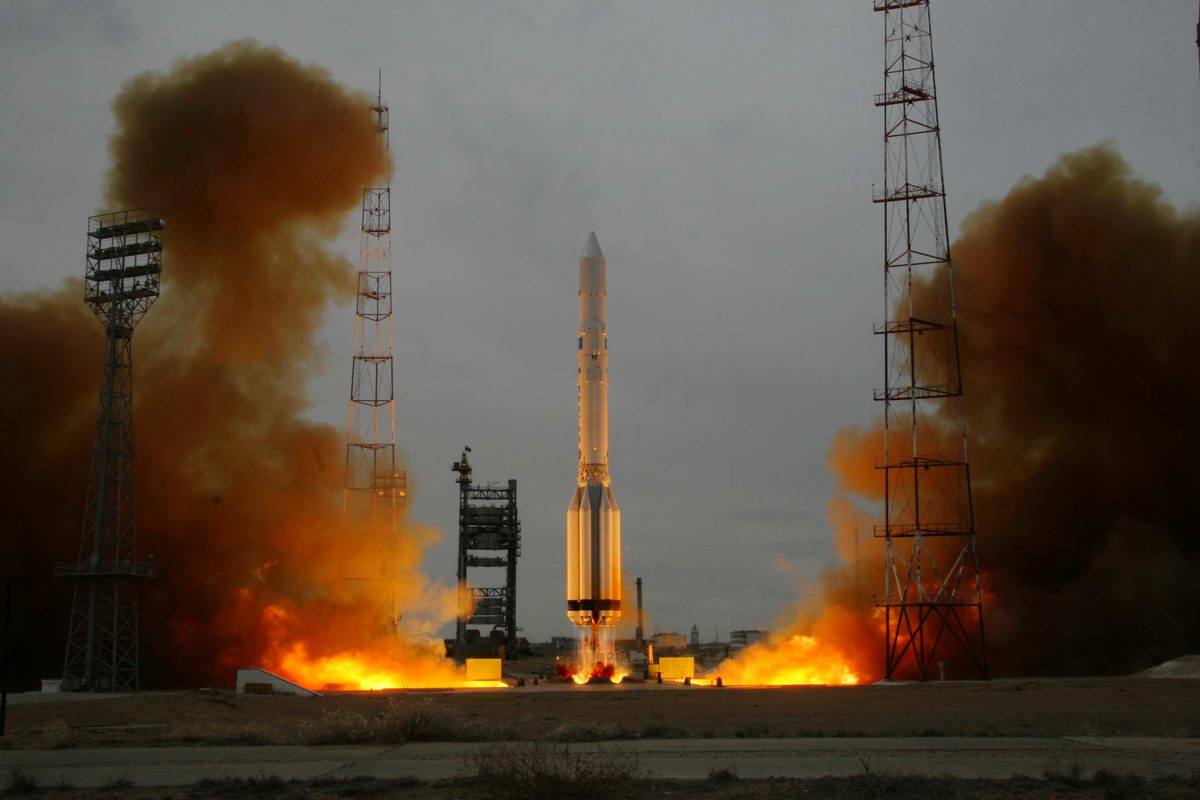
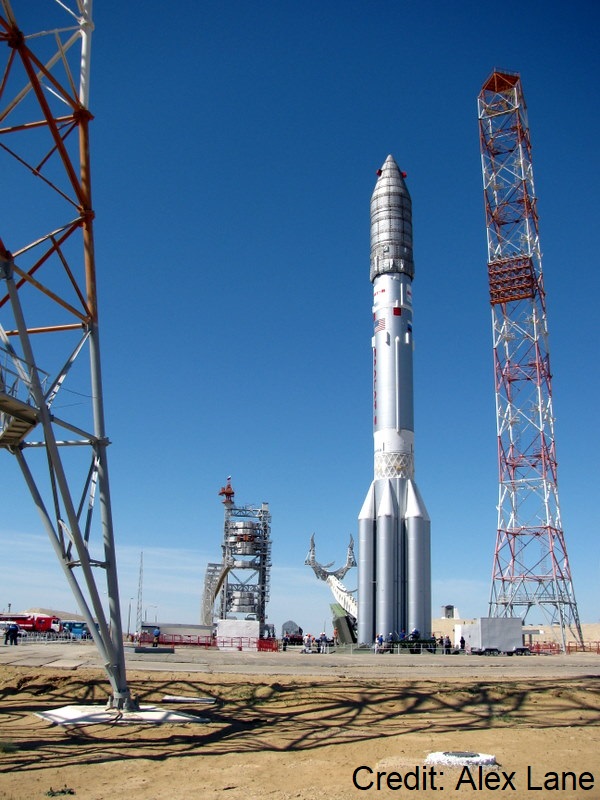
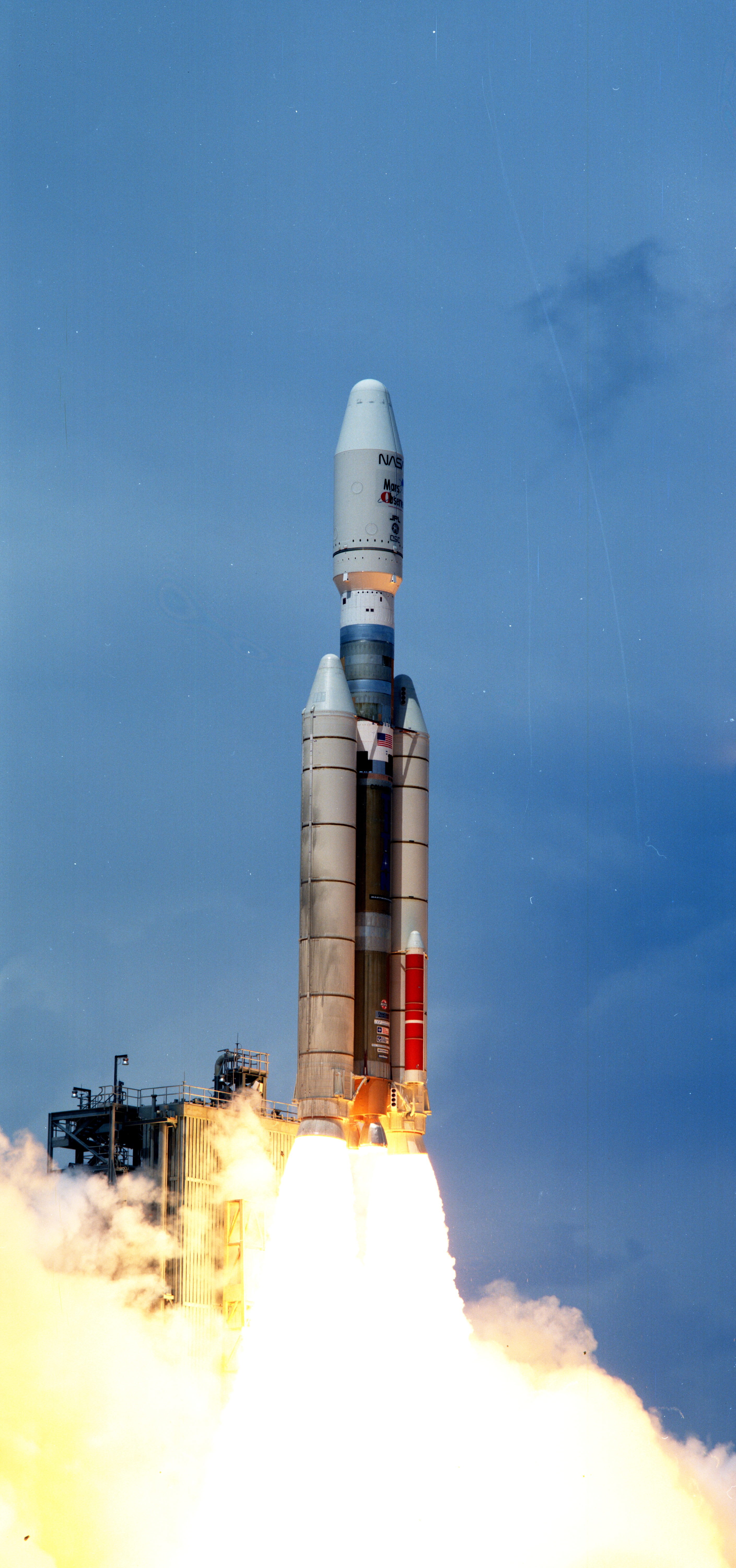
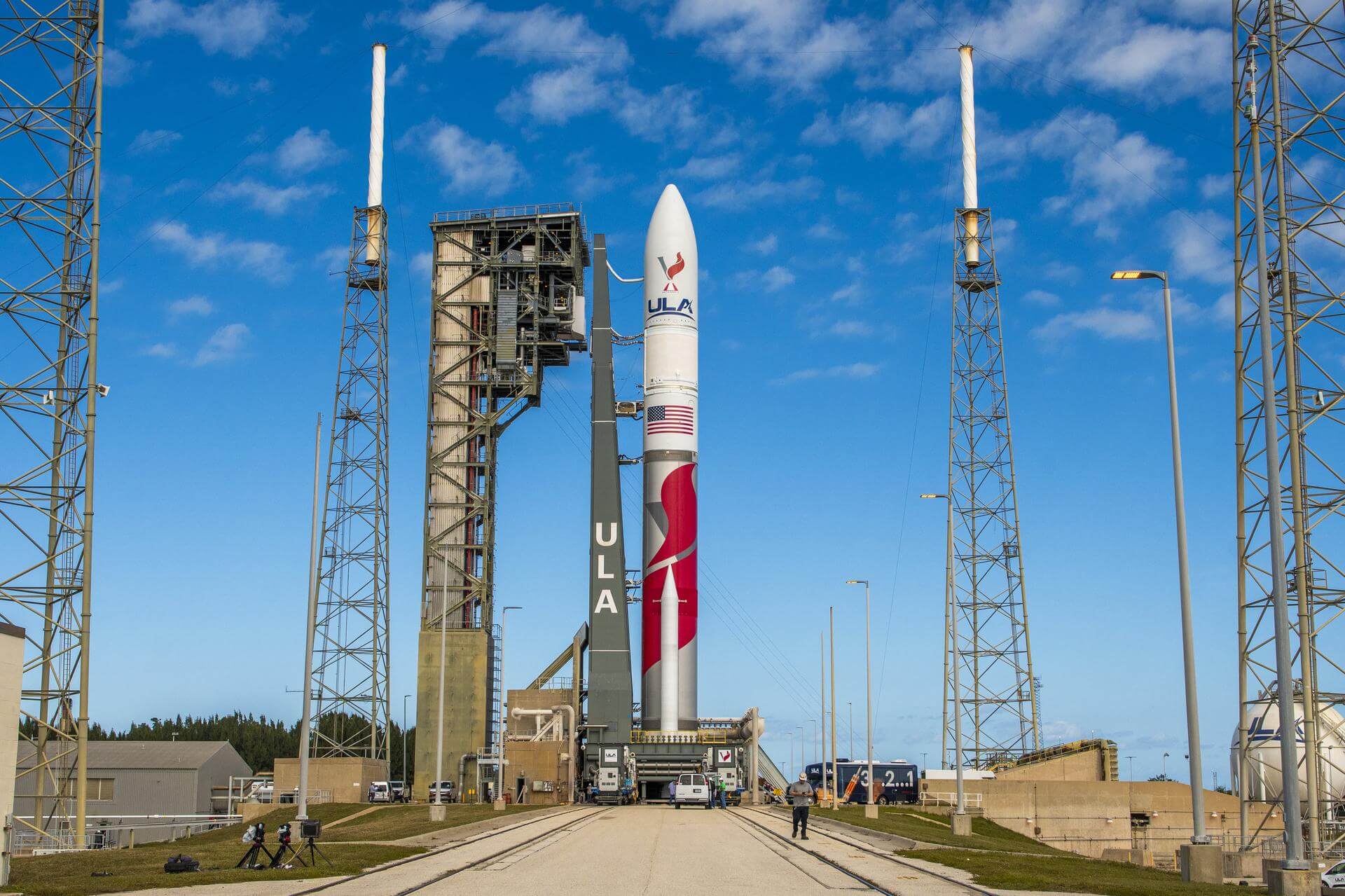
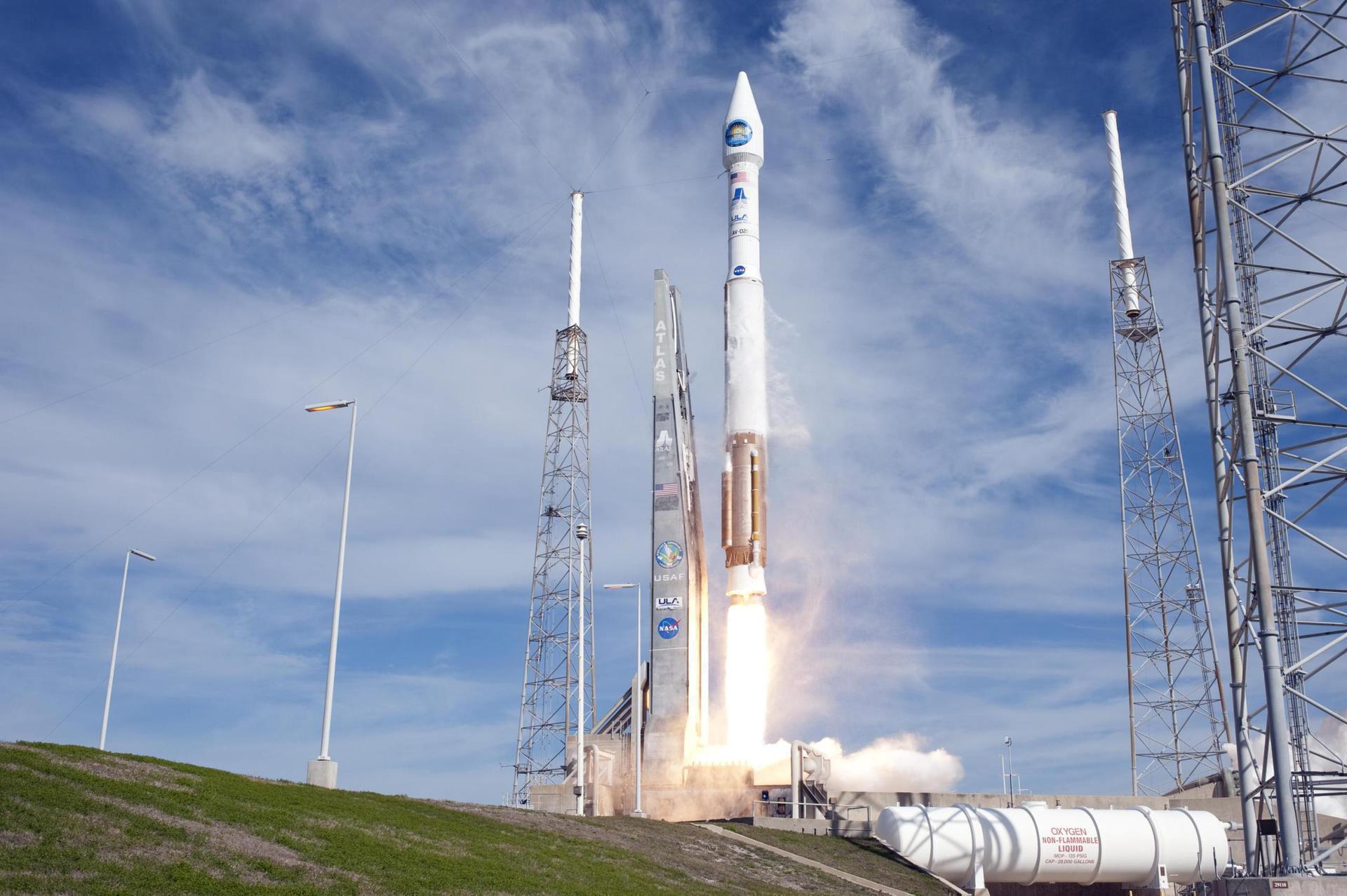
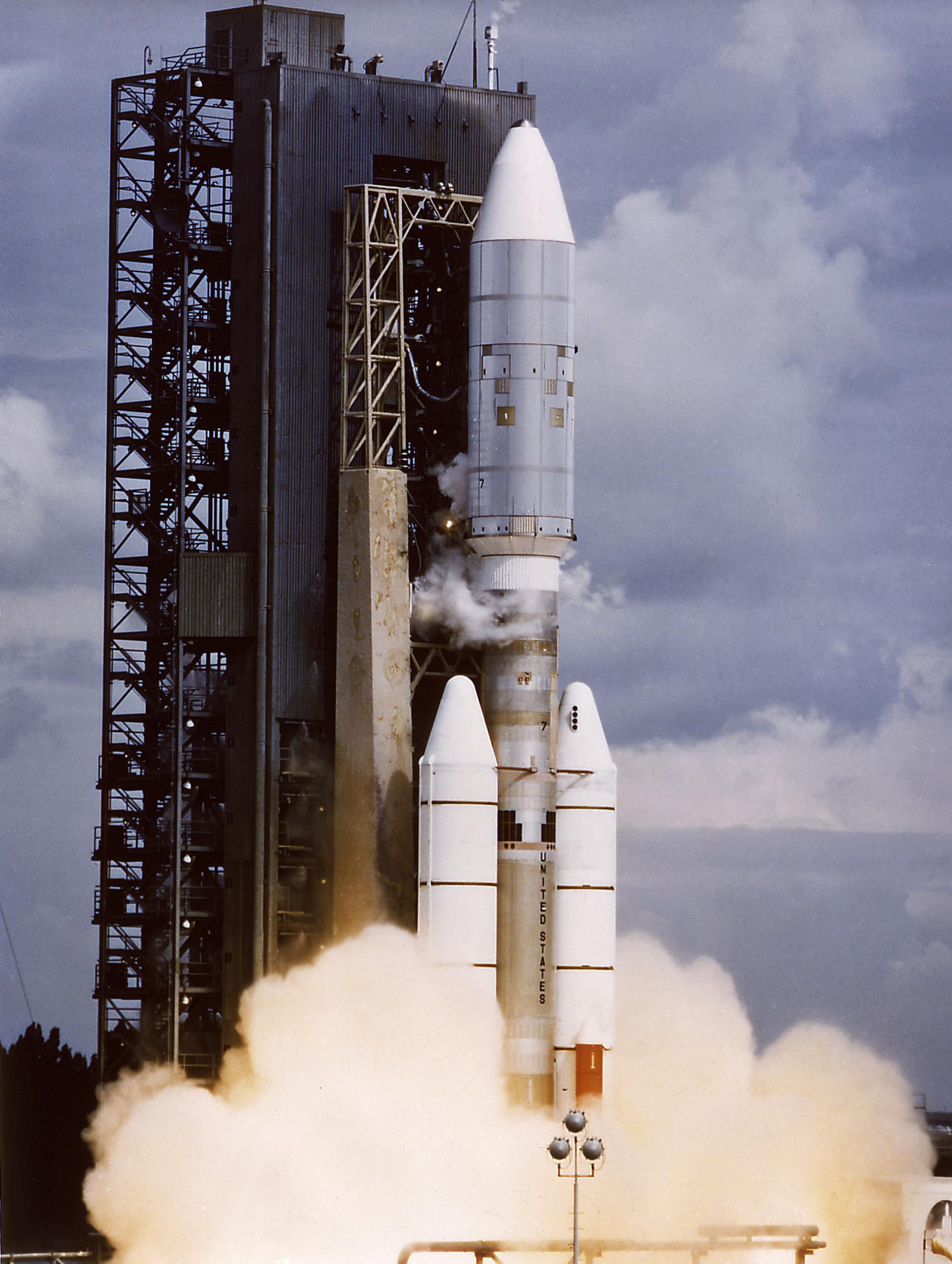
{ "count": 532, "next": "https://lldev.thespacedevs.com/2.0.0/config/launcher/?format=api&limit=10&offset=170&ordering=-launch_mass", "previous": "https://lldev.thespacedevs.com/2.0.0/config/launcher/?format=api&limit=10&offset=150&ordering=-launch_mass", "results": [ { "id": 346, "launch_library_id": null, "url": "https://lldev.thespacedevs.com/2.0.0/config/launcher/346/?format=api", "name": "Proton-K/Briz-M", "manufacturer": { "id": 96, "url": "https://lldev.thespacedevs.com/2.0.0/agencies/96/?format=api", "name": "Khrunichev State Research and Production Space Center", "featured": true, "type": "Government", "country_code": "RUS", "abbrev": "KhSC", "description": "Khrunichev State Research and Production Space Center is a Moscow-based producer of spacecraft and space-launch systems, including the Proton and Rokot rockets and is currently developing the Angara rocket family. The Proton launch vehicle launches from Baikonur and Rokot launches from Baikonur and Plesetsk. Angara will launch from Plesetsk and Vostochny.", "administrator": "Director: Andrey Vladimirovich Kalinovskiy", "founding_year": "1916", "launchers": "Proton | Rokot", "spacecraft": "", "parent": null, "image_url": "https://thespacedevs-dev.nyc3.digitaloceanspaces.com/media/images/khrunichev2520state2520research2520and2520production2520space2520center_image_20190207032444.jpeg" }, "program": [], "family": "Proton / UR-500", "full_name": "Proton-K/Briz-M", "variant": "Briz-M", "reusable": false, "image_url": "https://thespacedevs-dev.nyc3.digitaloceanspaces.com/media/images/proton_image_20231231095535.jpg", "info_url": null, "wiki_url": "https://en.wikipedia.org/wiki/Proton-K" }, { "id": 345, "launch_library_id": null, "url": "https://lldev.thespacedevs.com/2.0.0/config/launcher/345/?format=api", "name": "Proton-K/17S40", "manufacturer": { "id": 96, "url": "https://lldev.thespacedevs.com/2.0.0/agencies/96/?format=api", "name": "Khrunichev State Research and Production Space Center", "featured": true, "type": "Government", "country_code": "RUS", "abbrev": "KhSC", "description": "Khrunichev State Research and Production Space Center is a Moscow-based producer of spacecraft and space-launch systems, including the Proton and Rokot rockets and is currently developing the Angara rocket family. The Proton launch vehicle launches from Baikonur and Rokot launches from Baikonur and Plesetsk. Angara will launch from Plesetsk and Vostochny.", "administrator": "Director: Andrey Vladimirovich Kalinovskiy", "founding_year": "1916", "launchers": "Proton | Rokot", "spacecraft": "", "parent": null, "image_url": "https://thespacedevs-dev.nyc3.digitaloceanspaces.com/media/images/khrunichev2520state2520research2520and2520production2520space2520center_image_20190207032444.jpeg" }, "program": [], "family": "Proton / UR-500", "full_name": "Proton-K/17S40", "variant": "17S40", "reusable": false, "image_url": "https://thespacedevs-dev.nyc3.digitaloceanspaces.com/media/images/proton_image_20231231095535.jpg", "info_url": null, "wiki_url": "https://en.wikipedia.org/wiki/Proton-K" }, { "id": 347, "launch_library_id": null, "url": "https://lldev.thespacedevs.com/2.0.0/config/launcher/347/?format=api", "name": "Proton-K/D-1", "manufacturer": { "id": 96, "url": "https://lldev.thespacedevs.com/2.0.0/agencies/96/?format=api", "name": "Khrunichev State Research and Production Space Center", "featured": true, "type": "Government", "country_code": "RUS", "abbrev": "KhSC", "description": "Khrunichev State Research and Production Space Center is a Moscow-based producer of spacecraft and space-launch systems, including the Proton and Rokot rockets and is currently developing the Angara rocket family. The Proton launch vehicle launches from Baikonur and Rokot launches from Baikonur and Plesetsk. Angara will launch from Plesetsk and Vostochny.", "administrator": "Director: Andrey Vladimirovich Kalinovskiy", "founding_year": "1916", "launchers": "Proton | Rokot", "spacecraft": "", "parent": null, "image_url": "https://thespacedevs-dev.nyc3.digitaloceanspaces.com/media/images/khrunichev2520state2520research2520and2520production2520space2520center_image_20190207032444.jpeg" }, "program": [], "family": "Proton / UR-500", "full_name": "Proton-K/D-1", "variant": "D-1", "reusable": false, "image_url": "https://thespacedevs-dev.nyc3.digitaloceanspaces.com/media/images/proton_image_20231231095535.jpg", "info_url": null, "wiki_url": "https://en.wikipedia.org/wiki/Proton-K" }, { "id": 152, "launch_library_id": 186, "url": "https://lldev.thespacedevs.com/2.0.0/config/launcher/152/?format=api", "name": "Proton-M", "manufacturer": { "id": 96, "url": "https://lldev.thespacedevs.com/2.0.0/agencies/96/?format=api", "name": "Khrunichev State Research and Production Space Center", "featured": true, "type": "Government", "country_code": "RUS", "abbrev": "KhSC", "description": "Khrunichev State Research and Production Space Center is a Moscow-based producer of spacecraft and space-launch systems, including the Proton and Rokot rockets and is currently developing the Angara rocket family. The Proton launch vehicle launches from Baikonur and Rokot launches from Baikonur and Plesetsk. Angara will launch from Plesetsk and Vostochny.", "administrator": "Director: Andrey Vladimirovich Kalinovskiy", "founding_year": "1916", "launchers": "Proton | Rokot", "spacecraft": "", "parent": null, "image_url": "https://thespacedevs-dev.nyc3.digitaloceanspaces.com/media/images/khrunichev2520state2520research2520and2520production2520space2520center_image_20190207032444.jpeg" }, "program": [], "family": "Proton / UR-500", "full_name": "Proton-M", "variant": "", "reusable": false, "image_url": "https://thespacedevs-dev.nyc3.digitaloceanspaces.com/media/images/proton-m_image_20201205235758.jpg", "info_url": null, "wiki_url": "https://en.wikipedia.org/wiki/Proton-M" }, { "id": 191, "launch_library_id": 220, "url": "https://lldev.thespacedevs.com/2.0.0/config/launcher/191/?format=api", "name": "Proton", "manufacturer": { "id": 63, "url": "https://lldev.thespacedevs.com/2.0.0/agencies/63/?format=api", "name": "Russian Federal Space Agency (ROSCOSMOS)", "featured": true, "type": "Government", "country_code": "RUS", "abbrev": "RFSA", "description": "The Roscosmos State Corporation for Space Activities, commonly known as Roscosmos, is the governmental body responsible for the space science program of the Russian Federation and general aerospace research. Soyuz has many launch locations the Russian sites are Baikonur, Plesetsk and Vostochny however Ariane also purchases the vehicle and launches it from French Guiana.", "administrator": "Administrator: Yuri Borisov", "founding_year": "1992", "launchers": "Soyuz", "spacecraft": "Soyuz", "parent": null, "image_url": "https://thespacedevs-dev.nyc3.digitaloceanspaces.com/media/images/russian2520federal2520space2520agency25202528roscosmos2529_image_20190207032459.jpeg" }, "program": [], "family": "Proton / UR-500", "full_name": "Proton / UR-500 K/D", "variant": "K/D", "reusable": false, "image_url": "https://thespacedevs-dev.nyc3.digitaloceanspaces.com/media/images/proton_image_20231231095535.jpg", "info_url": null, "wiki_url": "https://en.wikipedia.org/wiki/Proton-K" }, { "id": 272, "launch_library_id": null, "url": "https://lldev.thespacedevs.com/2.0.0/config/launcher/272/?format=api", "name": "Commercial Titan III", "manufacturer": { "id": 82, "url": "https://lldev.thespacedevs.com/2.0.0/agencies/82/?format=api", "name": "Lockheed Martin", "featured": false, "type": "Commercial", "country_code": "USA", "abbrev": "LMT", "description": "Lockheed Martin's Space Division started in the production of missiles and later ICBM's in the 1950s. Their TITAN missile system was used for 12 Gemini spacecraft and the Voyager probes. They have worked largely in collaboration with NASA on many of their probes, landers, and spacecraft, and hope to play a key role in NASA's return to the moon in 2024.", "administrator": null, "founding_year": "1953", "launchers": "Titan | Agena", "spacecraft": "Hubble | JUNO | InSight", "parent": null, "image_url": null }, "program": [], "family": "Titan", "full_name": "Commercial Titan III", "variant": "III", "reusable": false, "image_url": "https://thespacedevs-dev.nyc3.digitaloceanspaces.com/media/images/commercial_tita_image_20240411092244.jpeg", "info_url": null, "wiki_url": "https://en.wikipedia.org/wiki/Commercial_Titan_III" }, { "id": 201, "launch_library_id": 228, "url": "https://lldev.thespacedevs.com/2.0.0/config/launcher/201/?format=api", "name": "Vulcan VC2S", "manufacturer": { "id": 124, "url": "https://lldev.thespacedevs.com/2.0.0/agencies/124/?format=api", "name": "United Launch Alliance", "featured": true, "type": "Commercial", "country_code": "USA", "abbrev": "ULA", "description": "United Launch Alliance (ULA) is a joint venture of Lockheed Martin Space Systems and Boeing Defense, Space & Security. ULA was formed in December 2006 by combining the teams at these companies which provide spacecraft launch services to the government of the United States. ULA launches from both coasts of the US. They launch their Atlas V vehicle from LC-41 in Cape Canaveral and LC-3E at Vandeberg. Their Delta IV launches from LC-37 at Cape Canaveral and LC-6 at Vandenberg.", "administrator": "CEO: Mark Peller", "founding_year": "2006", "launchers": "Atlas | Delta | Vulcan", "spacecraft": "", "parent": null, "image_url": "https://thespacedevs-dev.nyc3.digitaloceanspaces.com/media/images/united_launch_a_image_20210412201210.png" }, "program": [], "family": "Vulcan", "full_name": "Vulcan VC2S", "variant": "VC2S", "reusable": false, "image_url": "https://thespacedevs-dev.nyc3.digitaloceanspaces.com/media/images/vulcan_image_20240107162928.jpeg", "info_url": "https://www.ulalaunch.com/rockets/vulcan-centaur", "wiki_url": "https://en.wikipedia.org/wiki/Vulcan_Centaur" }, { "id": 539, "launch_library_id": null, "url": "https://lldev.thespacedevs.com/2.0.0/config/launcher/539/?format=api", "name": "Zhuque-3", "manufacturer": { "id": 259, "url": "https://lldev.thespacedevs.com/2.0.0/agencies/259/?format=api", "name": "LandSpace", "featured": false, "type": "Commercial", "country_code": "CHN", "abbrev": "LS", "description": "LandSpace is a Chinese private space launch company based in Beijing. It was founded in 2015 by Tsinghua University alumni Zhang Changwu.", "administrator": "Founder: Zhang Changwu", "founding_year": "2015", "launchers": "", "spacecraft": "", "parent": null, "image_url": null }, "program": [], "family": "Zhuque", "full_name": "Zhuque-3", "variant": "", "reusable": true, "image_url": "https://thespacedevs-dev.nyc3.digitaloceanspaces.com/media/images/zq-3_flight_1_l_image_20251203064230.jpg", "info_url": null, "wiki_url": "https://en.wikipedia.org/wiki/Zhuque-3" }, { "id": 182, "launch_library_id": 219, "url": "https://lldev.thespacedevs.com/2.0.0/config/launcher/182/?format=api", "name": "Atlas V", "manufacturer": { "id": 124, "url": "https://lldev.thespacedevs.com/2.0.0/agencies/124/?format=api", "name": "United Launch Alliance", "featured": true, "type": "Commercial", "country_code": "USA", "abbrev": "ULA", "description": "United Launch Alliance (ULA) is a joint venture of Lockheed Martin Space Systems and Boeing Defense, Space & Security. ULA was formed in December 2006 by combining the teams at these companies which provide spacecraft launch services to the government of the United States. ULA launches from both coasts of the US. They launch their Atlas V vehicle from LC-41 in Cape Canaveral and LC-3E at Vandeberg. Their Delta IV launches from LC-37 at Cape Canaveral and LC-6 at Vandenberg.", "administrator": "CEO: Mark Peller", "founding_year": "2006", "launchers": "Atlas | Delta | Vulcan", "spacecraft": "", "parent": null, "image_url": "https://thespacedevs-dev.nyc3.digitaloceanspaces.com/media/images/united_launch_a_image_20210412201210.png" }, "program": [], "family": "Atlas", "full_name": "Atlas V", "variant": "V", "reusable": false, "image_url": "https://thespacedevs-dev.nyc3.digitaloceanspaces.com/media/images/atlas_v_image_20201212013334.jpeg", "info_url": "https://www.ulalaunch.com/rockets/atlas-v", "wiki_url": null }, { "id": 148, "launch_library_id": 176, "url": "https://lldev.thespacedevs.com/2.0.0/config/launcher/148/?format=api", "name": "Titan III", "manufacturer": { "id": 82, "url": "https://lldev.thespacedevs.com/2.0.0/agencies/82/?format=api", "name": "Lockheed Martin", "featured": false, "type": "Commercial", "country_code": "USA", "abbrev": "LMT", "description": "Lockheed Martin's Space Division started in the production of missiles and later ICBM's in the 1950s. Their TITAN missile system was used for 12 Gemini spacecraft and the Voyager probes. They have worked largely in collaboration with NASA on many of their probes, landers, and spacecraft, and hope to play a key role in NASA's return to the moon in 2024.", "administrator": null, "founding_year": "1953", "launchers": "Titan | Agena", "spacecraft": "Hubble | JUNO | InSight", "parent": null, "image_url": null }, "program": [], "family": "Titan", "full_name": "Titan IIIE", "variant": "E", "reusable": false, "image_url": "https://thespacedevs-dev.nyc3.digitaloceanspaces.com/media/images/titan2520iii_image_20190222030055.jpeg", "info_url": "https://archive.org/embed/gov.dod.dimoc.20693", "wiki_url": "https://en.wikipedia.org/wiki/Titan_IIIE" } ] }