Launcher Config List
API endpoint that allows Launcher Configurations to be viewed.
GET: Return a list of all the existing launcher configurations.
MODE: Normal and Detailed /2.0.0/config/launcher/?mode=detailed
FILTERS: Fields - 'family', 'agency', 'name', 'manufacturer__name', 'full_name', 'manufacturer__launch_library_id'
Get all Launchers with the Launch Library ID of 44. Example - /2.0.0/config/launcher/?manufacturer__launch_library_id=44
Get all Launchers with the Agency with name NASA. Example - /2.0.0/config/launcher/?manufacturer__name=NASA
GET /2.0.0/config/launcher/?format=api&offset=130&ordering=-launch_cost
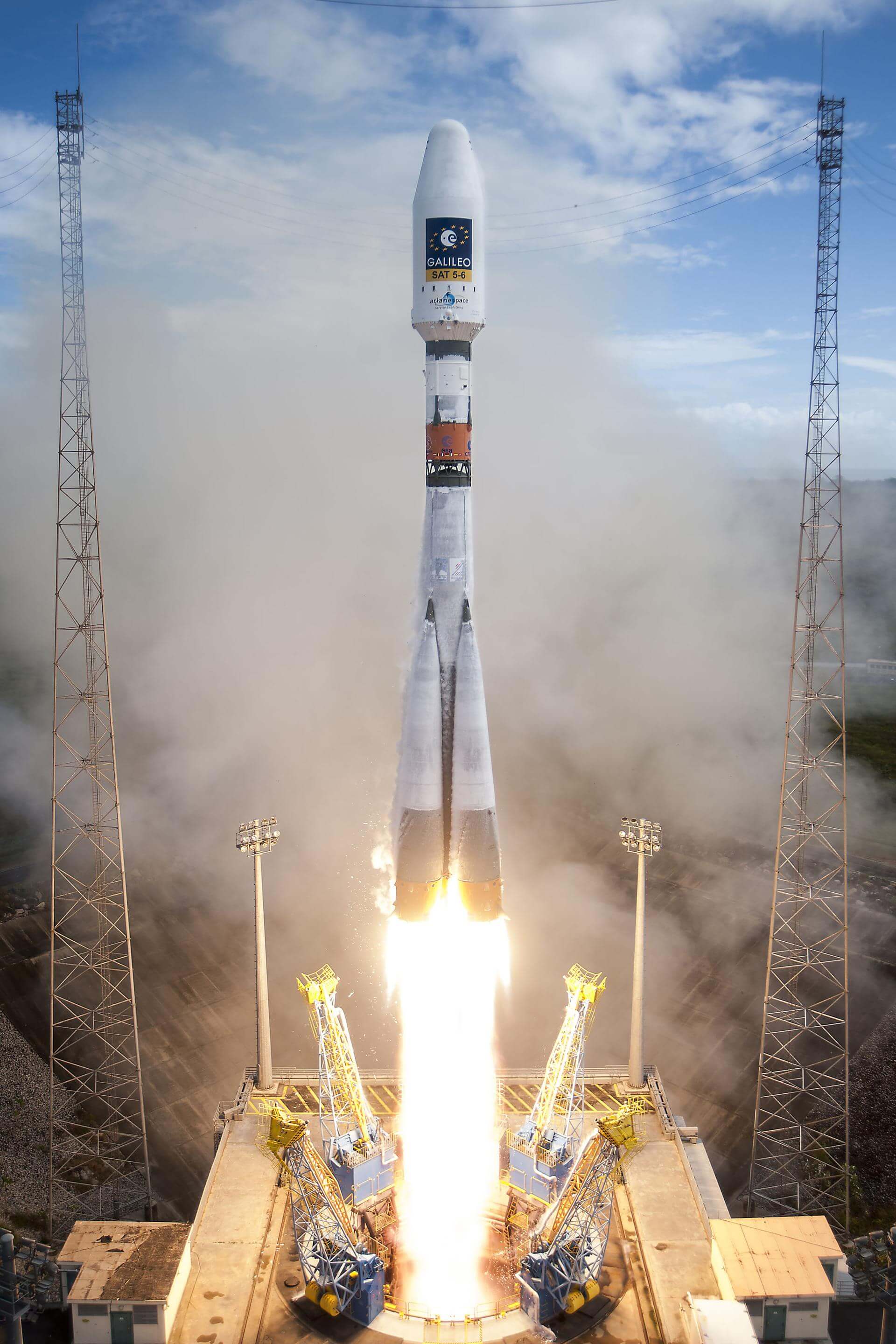
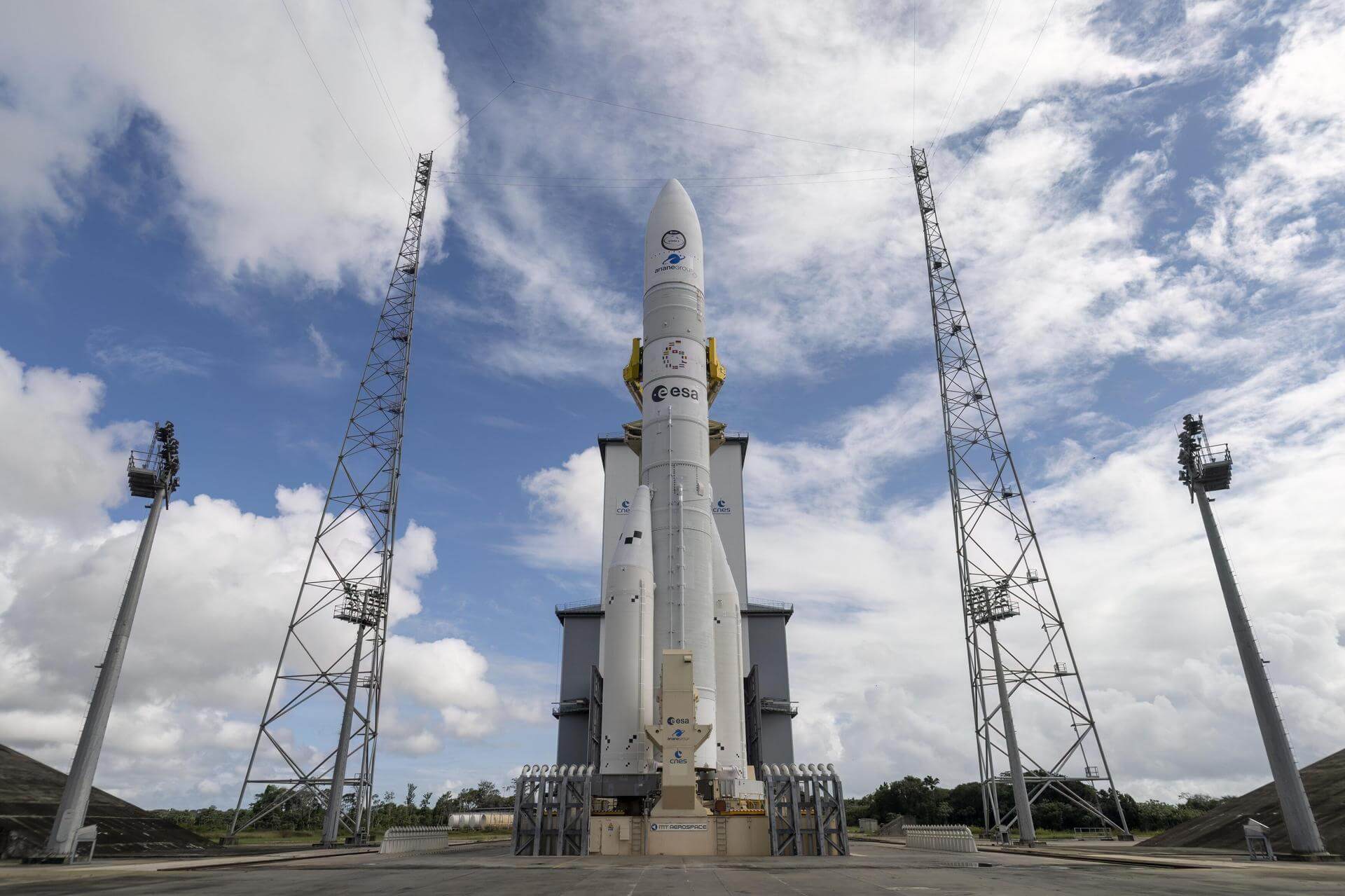
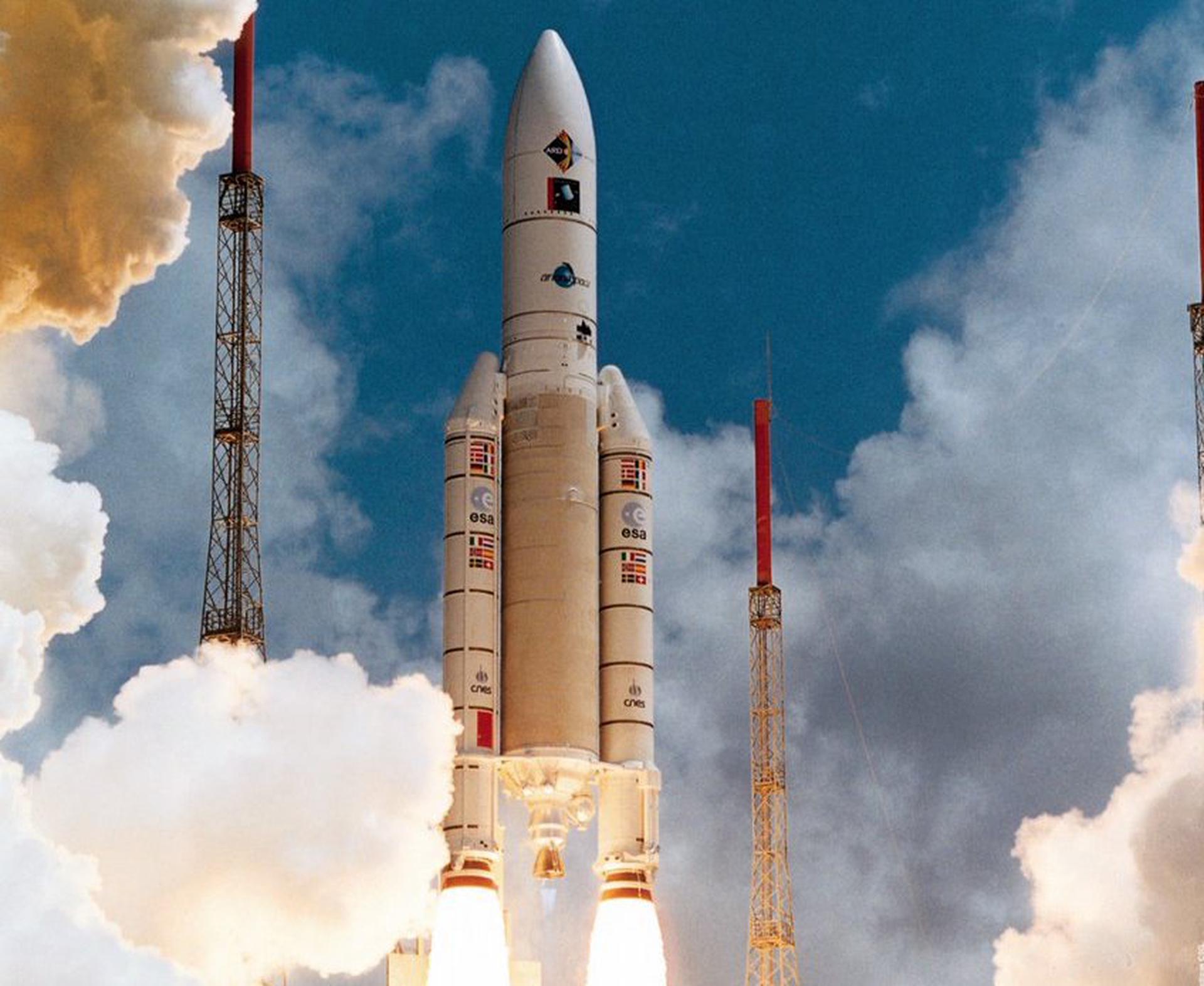
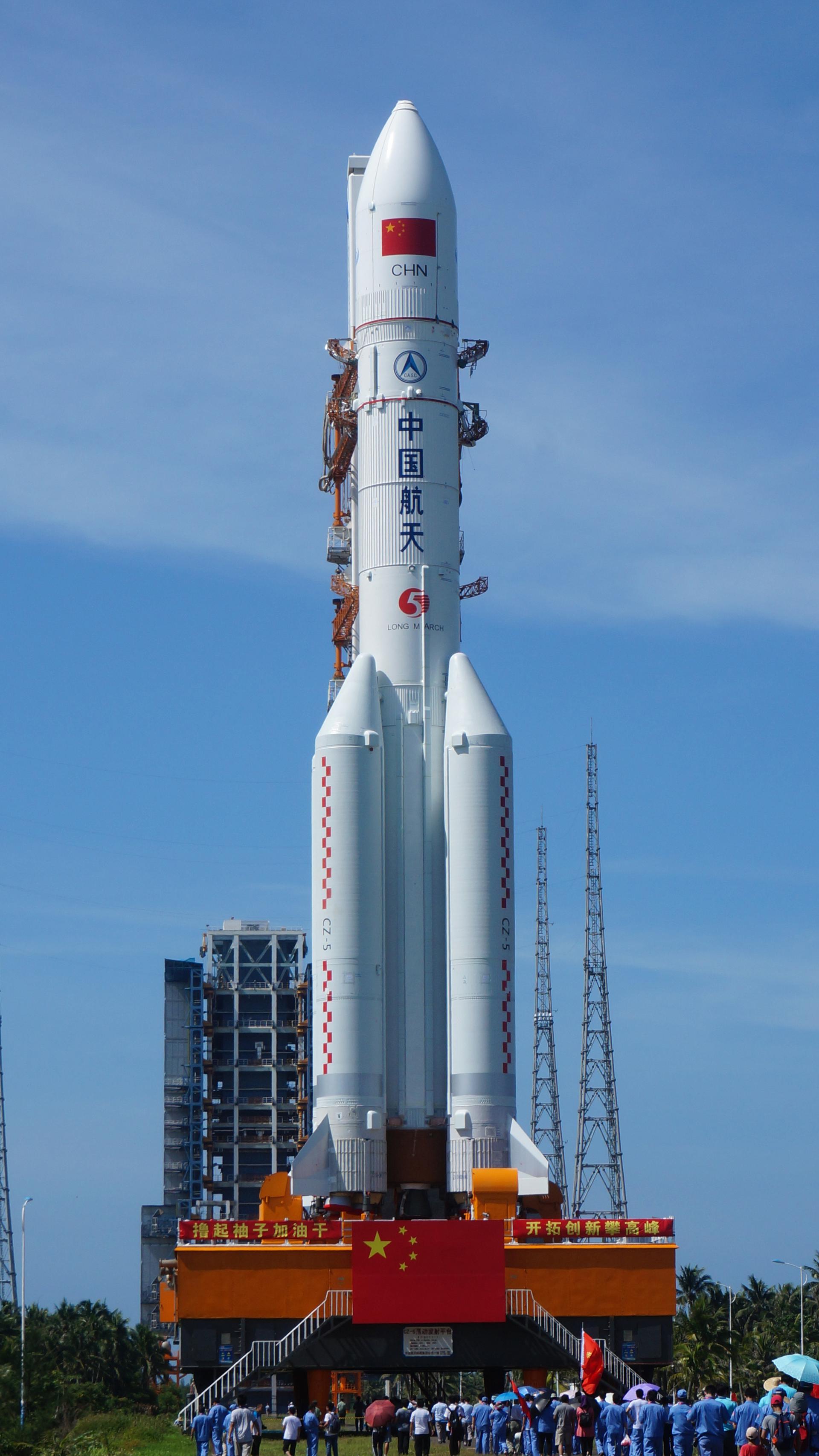
{ "count": 532, "next": "https://lldev.thespacedevs.com/2.0.0/config/launcher/?format=api&limit=10&offset=140&ordering=-launch_cost", "previous": "https://lldev.thespacedevs.com/2.0.0/config/launcher/?format=api&limit=10&offset=120&ordering=-launch_cost", "results": [ { "id": 547, "launch_library_id": null, "url": "https://lldev.thespacedevs.com/2.0.0/config/launcher/547/?format=api", "name": "Maia", "manufacturer": { "id": 1103, "url": "https://lldev.thespacedevs.com/2.0.0/agencies/1103/?format=api", "name": "MaiaSpace", "featured": false, "type": "Private", "country_code": "FRA", "abbrev": "MaiaSpace", "description": "MaiaSpace is a wholly-owned subsidiary of ArianeGroup established in 2022 to develop a small reusable orbital launch vehicle, the Maia rocket.", "administrator": null, "founding_year": "2022", "launchers": "", "spacecraft": "", "parent": "ArianeGroup", "image_url": null }, "program": [], "family": "", "full_name": "Maia", "variant": "", "reusable": true, "image_url": "https://thespacedevs-dev.nyc3.digitaloceanspaces.com/media/images/maia_rocket_in__image_20251205133047.jpeg", "info_url": "https://www.maia-space.com/our-launcher/", "wiki_url": "https://en.wikipedia.org/wiki/Maia_(rocket)" }, { "id": 171, "launch_library_id": 52, "url": "https://lldev.thespacedevs.com/2.0.0/config/launcher/171/?format=api", "name": "Soyuz STB", "manufacturer": { "id": 111, "url": "https://lldev.thespacedevs.com/2.0.0/agencies/111/?format=api", "name": "Progress Rocket Space Center", "featured": false, "type": "Commercial", "country_code": "RUS", "abbrev": "PRSC", "description": "Progress Rocket Space Centre, formerly known as TsSKB-Progress, is a space science and aerospace research company which is known for manufacturing launch vehicles and satellites. Most notably, Progress Rocket Space Centre is the manufacturer of Soyuz launch vehicles.", "administrator": "CEO: Dmitry Baranov", "founding_year": "1996", "launchers": "", "spacecraft": "", "parent": null, "image_url": null }, "program": [], "family": "Soyuz", "full_name": "Soyuz STB Fregat", "variant": "STB/Fregat", "reusable": false, "image_url": "https://thespacedevs-dev.nyc3.digitaloceanspaces.com/media/images/soyuz_stb_image_20211130181029.jpeg", "info_url": null, "wiki_url": "https://en.wikipedia.org/wiki/Soyuz-2_(rocket)" }, { "id": 427, "launch_library_id": null, "url": "https://lldev.thespacedevs.com/2.0.0/config/launcher/427/?format=api", "name": "Titan 401A Centaur", "manufacturer": { "id": 82, "url": "https://lldev.thespacedevs.com/2.0.0/agencies/82/?format=api", "name": "Lockheed Martin", "featured": false, "type": "Commercial", "country_code": "USA", "abbrev": "LMT", "description": "Lockheed Martin's Space Division started in the production of missiles and later ICBM's in the 1950s. Their TITAN missile system was used for 12 Gemini spacecraft and the Voyager probes. They have worked largely in collaboration with NASA on many of their probes, landers, and spacecraft, and hope to play a key role in NASA's return to the moon in 2024.", "administrator": null, "founding_year": "1953", "launchers": "Titan | Agena", "spacecraft": "Hubble | JUNO | InSight", "parent": null, "image_url": null }, "program": [], "family": "Titan", "full_name": "Titan 401A Centaur", "variant": "401A Centaur", "reusable": false, "image_url": null, "info_url": "", "wiki_url": "https://en.wikipedia.org/wiki/Titan_IV" }, { "id": 131, "launch_library_id": 156, "url": "https://lldev.thespacedevs.com/2.0.0/config/launcher/131/?format=api", "name": "Ariane 5 G", "manufacturer": { "id": 1044, "url": "https://lldev.thespacedevs.com/2.0.0/agencies/1044/?format=api", "name": "ArianeGroup", "featured": false, "type": "Commercial", "country_code": "FRA", "abbrev": "AG", "description": "ArianeGroup (formerly Airbus Safran Launchers) is an aerospace company based in France. A joint venture between Airbus and Safran, the company was founded in 2015 and is headquartered in Issy-les-Moulineaux. It consists of three core arms: aerospace, defence and security.", "administrator": "CEO: Christophe Bruneau", "founding_year": "2015", "launchers": "Ariane", "spacecraft": "", "parent": null, "image_url": "https://thespacedevs-dev.nyc3.digitaloceanspaces.com/media/images/ariane_62_on_el_image_20240708201807.jpeg" }, "program": [], "family": "Ariane", "full_name": "Ariane 5 G", "variant": "G", "reusable": false, "image_url": "https://thespacedevs-dev.nyc3.digitaloceanspaces.com/media/images/ariane252052520g_image_20190222030331.jpeg", "info_url": null, "wiki_url": "https://en.wikipedia.org/wiki/Ariane_5" }, { "id": 518, "launch_library_id": null, "url": "https://lldev.thespacedevs.com/2.0.0/config/launcher/518/?format=api", "name": "Long March 8A", "manufacturer": { "id": 88, "url": "https://lldev.thespacedevs.com/2.0.0/agencies/88/?format=api", "name": "China Aerospace Science and Technology Corporation", "featured": true, "type": "Government", "country_code": "CHN", "abbrev": "CASC", "description": "The China Aerospace Science and Technology Corporation (CASC) is the main contractor for the Chinese space program. It is state-owned and has a number of subordinate entities which design, develop and manufacture a range of spacecraft, launch vehicles, strategic and tactical missile systems, and ground equipment. It was officially established in July 1999 as part of a Chinese government reform drive, having previously been one part of the former China Aerospace Corporation. Various incarnations of the program date back to 1956.", "administrator": "Chairman & President: Lei Fanpei", "founding_year": "1999", "launchers": "Long March", "spacecraft": "", "parent": null, "image_url": "https://thespacedevs-dev.nyc3.digitaloceanspaces.com/media/images/china2520aerospace2520science2520and2520technology2520corporation_image_20191228094408.jpeg" }, "program": [], "family": "Long March", "full_name": "Long March 8A", "variant": "A", "reusable": false, "image_url": "https://thespacedevs-dev.nyc3.digitaloceanspaces.com/media/images/cz-8a_launch_2_image_20251206093107.jpeg", "info_url": null, "wiki_url": "https://en.wikipedia.org/wiki/Long_March_8#CZ-8A_variant" }, { "id": 287, "launch_library_id": null, "url": "https://lldev.thespacedevs.com/2.0.0/config/launcher/287/?format=api", "name": "Delta 2914", "manufacturer": { "id": 153, "url": "https://lldev.thespacedevs.com/2.0.0/agencies/153/?format=api", "name": "McDonnell Douglas", "featured": false, "type": "Commercial", "country_code": "USA", "abbrev": "MDC", "description": null, "administrator": null, "founding_year": null, "launchers": "", "spacecraft": "", "parent": null, "image_url": null }, "program": [], "family": "Delta", "full_name": "Delta 2914", "variant": "2914", "reusable": false, "image_url": "https://thespacedevs-dev.nyc3.digitaloceanspaces.com/media/images/delta_2910_image_20231231105214.jpeg", "info_url": null, "wiki_url": "https://en.wikipedia.org/wiki/Delta_2000" }, { "id": 202, "launch_library_id": 227, "url": "https://lldev.thespacedevs.com/2.0.0/config/launcher/202/?format=api", "name": "Vulcan VC4L", "manufacturer": { "id": 124, "url": "https://lldev.thespacedevs.com/2.0.0/agencies/124/?format=api", "name": "United Launch Alliance", "featured": true, "type": "Commercial", "country_code": "USA", "abbrev": "ULA", "description": "United Launch Alliance (ULA) is a joint venture of Lockheed Martin Space Systems and Boeing Defense, Space & Security. ULA was formed in December 2006 by combining the teams at these companies which provide spacecraft launch services to the government of the United States. ULA launches from both coasts of the US. They launch their Atlas V vehicle from LC-41 in Cape Canaveral and LC-3E at Vandeberg. Their Delta IV launches from LC-37 at Cape Canaveral and LC-6 at Vandenberg.", "administrator": "CEO: Mark Peller", "founding_year": "2006", "launchers": "Atlas | Delta | Vulcan", "spacecraft": "", "parent": null, "image_url": "https://thespacedevs-dev.nyc3.digitaloceanspaces.com/media/images/united_launch_a_image_20210412201210.png" }, "program": [], "family": "Vulcan", "full_name": "Vulcan VC4L", "variant": "VC4L", "reusable": false, "image_url": null, "info_url": "https://www.ulalaunch.com/rockets/vulcan-centaur", "wiki_url": "https://en.wikipedia.org/wiki/Vulcan_Centaur" }, { "id": 301, "launch_library_id": null, "url": "https://lldev.thespacedevs.com/2.0.0/config/launcher/301/?format=api", "name": "Delta II", "manufacturer": { "id": 153, "url": "https://lldev.thespacedevs.com/2.0.0/agencies/153/?format=api", "name": "McDonnell Douglas", "featured": false, "type": "Commercial", "country_code": "USA", "abbrev": "MDC", "description": null, "administrator": null, "founding_year": null, "launchers": "", "spacecraft": "", "parent": null, "image_url": null }, "program": [], "family": "Delta", "full_name": "Delta II 6925-8", "variant": "6925-8", "reusable": false, "image_url": null, "info_url": null, "wiki_url": "https://en.wikipedia.org/wiki/Delta_II" }, { "id": 210, "launch_library_id": 241, "url": "https://lldev.thespacedevs.com/2.0.0/config/launcher/210/?format=api", "name": "Antares 230+", "manufacturer": { "id": 257, "url": "https://lldev.thespacedevs.com/2.0.0/agencies/257/?format=api", "name": "Northrop Grumman Space Systems", "featured": true, "type": "Commercial", "country_code": "USA", "abbrev": "NGSS", "description": "Northrup Grumman Space Systems designs, builds and delivers space, defence and aviation-related systems to customers around the world. They aquired Orbital ATK in 2018 along with its launchers and ongoing missions.", "administrator": "CEO: Kathy Warden", "founding_year": "2015", "launchers": "Antares | Minotaur | Pegasus", "spacecraft": "Cygnus", "parent": null, "image_url": "https://thespacedevs-dev.nyc3.digitaloceanspaces.com/media/images/northrop2520grumman2520innovation2520systems_image_20190207032451.jpeg" }, "program": [ { "id": 11, "url": "https://lldev.thespacedevs.com/2.0.0/program/11/?format=api", "name": "Commercial Resupply Services", "description": "Commercial Resupply Services (CRS) are a series of flights awarded by NASA for the delivery of cargo and supplies to the International Space Station.The first CRS contracts were signed in 2008 and awarded $1.6 billion to SpaceX for twelve cargo Dragon and $1.9 billion to Orbital Sciences for eight Cygnus flights, covering deliveries to 2016. The Falcon 9 and Antares rockets were also developed under the CRS program to deliver cargo spacecraft to the ISS.", "agencies": [ { "id": 44, "url": "https://lldev.thespacedevs.com/2.0.0/agencies/44/?format=api", "name": "National Aeronautics and Space Administration", "type": "Government" }, { "id": 257, "url": "https://lldev.thespacedevs.com/2.0.0/agencies/257/?format=api", "name": "Northrop Grumman Space Systems", "type": "Commercial" }, { "id": 1020, "url": "https://lldev.thespacedevs.com/2.0.0/agencies/1020/?format=api", "name": "Sierra Nevada Corporation", "type": "Commercial" }, { "id": 121, "url": "https://lldev.thespacedevs.com/2.0.0/agencies/121/?format=api", "name": "SpaceX", "type": "Commercial" } ], "image_url": "https://thespacedevs-dev.nyc3.digitaloceanspaces.com/media/images/commercial2520_program_20201129212219.png", "start_date": "2008-12-23T00:00:00Z", "end_date": null, "info_url": null, "wiki_url": "https://en.wikipedia.org/wiki/Commercial_Resupply_Services#Commercial_Resupply_Services" } ], "family": "Antares", "full_name": "Antares 230+", "variant": "230+", "reusable": false, "image_url": "https://thespacedevs-dev.nyc3.digitaloceanspaces.com/media/images/antares_230252_image_20230801170759.png", "info_url": "http://www.northropgrumman.com/Capabilities/Antares/Pages/default.aspx", "wiki_url": "https://en.wikipedia.org/wiki/Antares_(rocket)#Antares_200" }, { "id": 316, "launch_library_id": null, "url": "https://lldev.thespacedevs.com/2.0.0/config/launcher/316/?format=api", "name": "Europa I", "manufacturer": { "id": 1015, "url": "https://lldev.thespacedevs.com/2.0.0/agencies/1015/?format=api", "name": "European Launcher Development Organisation", "featured": false, "type": "Government", "country_code": "FRA,ITA,DEU,GBR,BEL,NLD,AUS", "abbrev": "ELDO", "description": "The European Launcher Development Organisation (ELDO) is a former European space research organization. It was first developed in order to establish a satellite launch vehicle for Europe. The three-stage rocket developed was named Europa, after the mythical Greek god. Overall, there were 10 launches that occurred under ELDO's funding.", "administrator": null, "founding_year": "1961", "launchers": "", "spacecraft": "", "parent": null, "image_url": null }, "program": [], "family": "Europa", "full_name": "Europa I", "variant": "I", "reusable": false, "image_url": "https://thespacedevs-dev.nyc3.digitaloceanspaces.com/media/images/europa_1_on_the_image_20240411115405.jpg", "info_url": null, "wiki_url": "https://en.wikipedia.org/wiki/Europa_(rocket)" } ] }